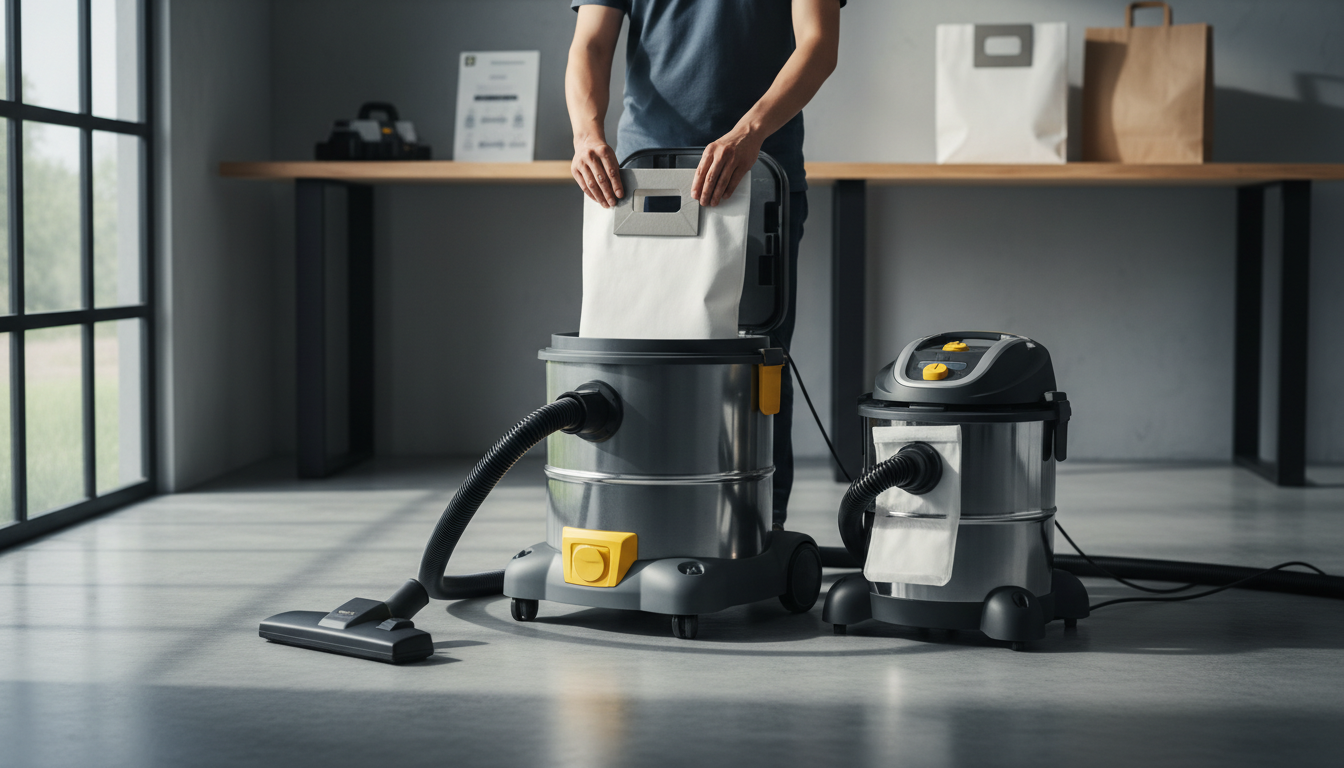
Miele G/N Vacuum Cleaner Bags: Understanding the Difference and Choosing the Best for Your Miele
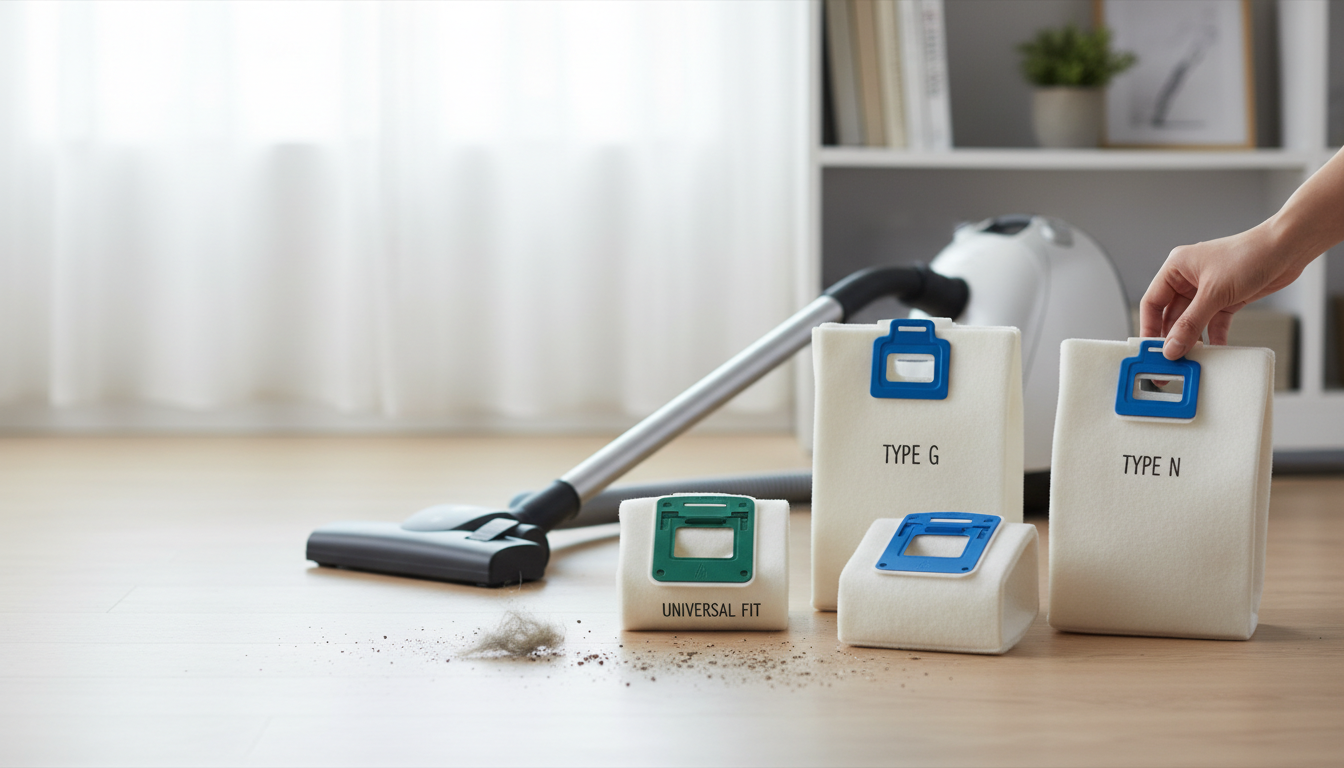
Navigating Miele Vacuum Bag Types: Your Guide to G/N Bags
Miele vacuum cleaner owners often encounter a range of bag designations, such as G, N, FJM, and the frequently seen 'G/N'. This can lead to uncertainty when purchasing replacements, as selecting the wrong bag type can compromise your vacuum's performance and potentially its lifespan. The 'G/N' label, in particular, commonly refers to the Miele GN bag type, which is one of the most prevalent options for many of their canister vacuum models.
This guide aims to clarify these distinctions, offering a comprehensive understanding of Miele's bag system, with a specific focus on the GN type and its differences from others like FJM. Choosing the correct bag is more than just a matter of fit; it's crucial for:
- Maintaining Filtration Efficiency: Miele bags are engineered to work with the vacuum's filtration system, trapping fine dust and allergens. An ill-fitting or incorrect bag can bypass these filters.
- Optimizing Suction Power: Proper airflow is essential for effective cleaning. The right bag ensures unimpeded suction, preventing premature bag fullness indicators or reduced cleaning capability.
- Protecting Vacuum Components: Using bags not designed for your model can strain the motor or allow debris into sensitive internal parts, potentially leading to costly repairs.
By understanding the specific requirements of your Miele model and the characteristics of each bag type, you can confidently select the ideal replacement, ensuring your vacuum continues to operate at its best.
Miele HyClean GN vs. FJM: Key Differences and Compatibility
Selecting the correct Miele vacuum cleaner bag is crucial for maintaining optimal performance and filtration. Among Miele's canister vacuum offerings, the HyClean GN and FJM bags are the most common, yet they cater to distinct vacuum models due to differences in size, capacity, and design. Understanding these distinctions is key to ensuring you purchase the right bag for your specific Miele appliance.
The primary difference between GN and FJM bags lies in their capacity and the Miele canister models they are designed to fit.
-
Capacity and Size:
- GN Bags: These are the larger of the two, typically offering a capacity of approximately 4.76 quarts (4.5 liters). Their increased volume makes them suitable for full-size Miele canister vacuums, allowing for longer use between changes, especially in larger homes or for more extensive cleaning tasks.
- FJM Bags: In contrast, FJM bags are more compact, with an approximate capacity of 3.7 quarts (3.5 liters). This smaller size is tailored for Miele's compact canister vacuum models.
-
Physical Design and Tabs: While both bag types share a similar collar design that allows them to securely fit into the vacuum's bag compartment, they are visually distinguished by color-coded tabs on their collars.
- GN Bags: These bags typically feature a blue tab on their collar.
- FJM Bags: These bags are identifiable by a red tab on their collar. This color coding serves as a quick visual reference to prevent incorrect bag installation.
-
Model Compatibility: The 'G/N' designation often refers to the GN type, which fits a wide range of Miele's full-size canister vacuums.
- GN Bag Compatibility: These bags are generally compatible with full-size Miele canister vacuum series, including but not limited to the Complete C2, Complete C3, Classic C1, S8, S5, and S2 series.
- FJM Bag Compatibility: These bags are specifically designed for Miele's compact canister vacuum models.
While both GN and FJM bags are engineered to provide Miele's multi-layered filtration, their differing sizes mean they are not interchangeable in terms of optimal fit and capacity. Using an FJM bag in a vacuum designed for GN bags might lead to premature bag changes, while attempting to force a GN bag into a compact FJM-compatible model is unlikely to fit correctly or seal effectively, compromising filtration and vacuum performance. Always verify your specific Miele model's requirements to ensure you select the appropriate bag type.
Beyond Canisters: Understanding Other Miele Vacuum Bag Types
While Miele's G/N and FJM bags are prevalent for canister vacuums, the brand produces other specific bag types to accommodate its diverse vacuum cleaner lineup. Understanding these less common options can prevent misidentification and ensure you select the correct bag for your particular Miele model.
- Miele U Dustbags: These bags are specifically engineered for Miele's upright vacuum cleaners. Their design differs significantly from canister bags, typically featuring a distinct shape and collar designed to fit the internal compartment and air pathways of an upright machine.
- Miele KK Bags: Compatible with certain Miele upright and stick vacuums, KK bags serve a similar purpose to U bags but are tailored for specific models within these categories. Like U bags, their form factor is optimized for the unique internal architecture of these vacuum types.
The fundamental difference between these bags (U, KK) and the canister bags (GN, FJM) lies in their physical design and application. Canister vacuums typically have a horizontal or compact internal dust compartment, dictating the broader, often more rectangular shape of GN and FJM bags. Upright and stick vacuums, conversely, have vertical or elongated dust compartments, requiring bags like the U and KK types that match these dimensions for proper fit, airflow, and filtration seal. Using a bag not designed for your vacuum's specific form factor can compromise filtration, reduce suction, and potentially damage the appliance.
Your Step-by-Step Checklist: How to Identify the Right Miele Bag
Selecting the correct Miele vacuum cleaner bag is essential for maintaining your appliance's performance and filtration efficiency. Miele offers various bag types, and while 'G/N' is a common designation, it's important to confirm the precise type for your specific model. This checklist provides a practical approach to ensure you purchase the appropriate replacement bags.
Follow these steps to accurately identify the Miele bag type your vacuum requires:
-
Locate Your Miele Vacuum's Model Number:
- The model number is typically found on a sticker or plate. Check the underside of your canister vacuum, the back panel, or sometimes inside the dust compartment. This number is the most reliable identifier for your specific model.
-
Consult Your Miele Owner's Manual:
- Your vacuum's manual is the definitive source for recommended accessories, including the correct bag type. Look for a section on "Replacement Parts," "Accessories," or "Maintenance."
-
Inspect Your Existing Miele Bag (If Available):
- If you have an old bag in your vacuum, carefully remove it and examine the collar or packaging. Miele bags are often clearly labeled with their type, such as "GN," "FJM," "U," or "KK."
- Note the color of the bag's collar; for instance, GN bags typically feature a blue tab, while FJM bags often have a red tab. These color codes can serve as a quick visual cue.
-
Cross-Reference Your Model Number with Compatibility Information:
- Once you have your model number, you can refer to general Miele bag compatibility charts. These resources often list vacuum models and their corresponding bag types.
- Be aware that 'Miele G/N' commonly refers to the GN bag type, which is designed for many full-size Miele canister vacuums. The FJM type is generally for more compact Miele canister models. While both GN and FJM bags have a similar fitting mechanism, their capacity differs, with GN bags offering a larger volume for debris.
Genuine Miele Bags vs. Compatible Alternatives: Making an Informed Choice
When it comes to replacing your Miele vacuum cleaner bags, you'll encounter two primary categories: genuine Miele brand bags and third-party compatible alternatives. Each option presents a distinct set of considerations regarding performance, cost, and potential risks, making the decision a balance of priorities for your cleaning needs and vacuum's longevity.
Genuine Miele bags, such as the HyClean 3D AirClean series, are engineered specifically for Miele vacuum cleaners. They are designed to integrate seamlessly with the vacuum's filtration system, which is critical for maintaining indoor air quality. These bags typically feature multiple layers of advanced material, optimized for high dust retention and efficient airflow. This precise design ensures that fine dust, allergens, and other particles are trapped securely within the bag, preventing them from recirculating into your home's air.
Compatible alternatives, often available at a lower price point, aim to offer a functional replacement. However, their performance can vary significantly. The key areas where differences often emerge include:
- Filtration Efficiency: Genuine Miele HyClean bags are designed for optimal dust retention and air filtration, often featuring a multi-layered construction to trap even microscopic particles. Compatible bags may not achieve the same level of filtration, potentially allowing more fine dust to escape.
- Fit and Seal Integrity: A perfect fit is paramount. Genuine bags feature a color-coded collar and sealing mechanism designed to create an airtight seal with your Miele vacuum. This prevents dust leakage around the bag, ensuring all collected debris passes through the bag's filtration layers and maintains consistent suction power. Ill-fitting compatible bags can compromise this seal, leading to dust escaping into the vacuum's motor compartment or back into the room.
- Vacuum Motor Protection: The robust filtration and secure sealing of genuine bags play a vital role in protecting your vacuum's motor from fine dust and debris. When dust bypasses the bag due to poor fit or inadequate filtration, it can accumulate on the motor, potentially leading to overheating, reduced lifespan, and costly repairs over time.
- Cost Considerations: Compatible bags are generally offered at a lower price than genuine Miele bags. This cost saving is often the primary driver for choosing alternatives. However, this initial saving should be weighed against potential long-term costs associated with reduced performance or vacuum damage.
- General Risks: Using ill-fitting or low-quality compatible bags carries several risks. These can include reduced suction and cleaning performance, compromised air quality due to dust leakage, and the potential for premature wear or damage to your Miele vacuum's internal components and motor. While some compatible options may perform adequately, the lack of consistent quality control across various brands introduces an element of uncertainty.
Ultimately, the choice between genuine and compatible bags involves a trade-off between immediate cost savings and the assurance of optimal performance, filtration, and protection for your Miele vacuum.
Frequently Asked Questions About Miele Vacuum Bags
Navigating the specifics of Miele vacuum bags can raise several questions, particularly when ensuring optimal performance and longevity for your appliance. Understanding common concerns can help you make informed choices.
-
What happens if I use the wrong Miele vacuum bag? Using an incorrect bag type for your Miele model can lead to several performance issues and potential damage. A poorly fitting bag may not create a proper seal, allowing dust and debris to escape into the vacuum's motor compartment. This can reduce suction efficiency, compromise air filtration, and potentially cause premature wear or damage to the motor. Dust leakage can also re-enter your indoor air, defeating the purpose of vacuuming. Always verify your specific Miele model's required bag type (e.g., G/N or FJM) to ensure a secure fit and effective operation.
-
What is the significance of the 'HyClean' designation? Miele's 'HyClean' designation refers to their advanced filtration technology incorporated into their vacuum bags. These bags are engineered with multiple layers of electrostatically charged material, often featuring a 3D AirClean design. This construction is designed to capture and retain fine dust particles, allergens, and pet dander more effectively than standard bags. HyClean bags contribute significantly to the vacuum's overall air filtration system, ensuring high dust retention and cleaner exhaust air.
-
Can I use generic or non-Miele brand bags? While generic or third-party bags may be available, they often present trade-offs. Genuine Miele bags are designed to precise specifications for fit, filtration efficiency, and material strength. Generic alternatives may not seal properly within your vacuum, leading to dust leakage and reduced suction. Their filtration layers might also be less effective, compromising air quality. Using non-genuine parts could potentially void your vacuum's warranty if they are found to be the cause of a malfunction. For consistent performance and to protect your investment, genuine Miele bags are generally recommended.
-
How often should I change my Miele vacuum bag? The frequency of bag changes depends on several factors, not just the bag appearing full. Consider your household's size, the presence of pets, how often you vacuum, and the type of debris collected (e.g., fine dust fills bags faster than larger particles). Most Miele vacuums include a bag fullness indicator, which is the most reliable guide. Change the bag when this indicator signals it's full, or if you notice a decrease in suction power, even if the indicator hasn't fully activated.
-
Do Miele bags offer HEPA filtration? Miele vacuum bags, particularly those with the HyClean designation, offer a high level of filtration, capturing a significant percentage of microscopic particles. While the bag itself is a crucial component of the filtration system, true HEPA (High-Efficiency Particulate Air) filtration typically refers to the vacuum's entire sealed system, including a dedicated HEPA exhaust filter. Miele offers specific models and optional HEPA filters that, when combined with their HyClean bags, achieve certified HEPA standards for superior allergen retention. The bag is a primary filter, but the overall HEPA claim usually involves additional components.
-
Why is my Miele vacuum bag not filling completely? If your Miele bag isn't filling as expected, several issues could be at play. First, check for blockages in the hose, wand, or floorhead, as these can restrict airflow and prevent debris from reaching the bag. Ensure the bag is correctly installed and seated firmly in its compartment; a misaligned bag might not allow proper airflow. Verify you are using the correct bag type (e.g., a G/N bag for a G/N compatible model), as an incorrect bag, even if it fits, might not allow optimal filling or could lead to internal airflow issues. Lastly, check other filters (motor protection filter, exhaust filter) for excessive blockage, which can also impede suction.
Ensuring Optimal Performance: Your Miele Vacuum Bag Decision
Selecting the correct vacuum cleaner bag is fundamental to maintaining the performance and longevity of your Miele appliance. The 'G/N' designation, along with 'FJM', primarily distinguishes between bag size and capacity, catering to different Miele canister vacuum models. Understanding this difference ensures you equip your vacuum with the appropriate component for its design.
To confidently choose, remember these distinctions and their implications:
- GN Bags: These are generally larger, designed for Miele's full-size canister vacuums. They offer greater capacity, suitable for more extensive cleaning tasks or less frequent bag changes. They typically feature a blue collar.
- FJM Bags: These are smaller, intended for Miele's compact canister vacuum models. While smaller in capacity, they provide the same high level of filtration and fit precisely in their designated models. They are often identified by a red collar.
Both GN and FJM bags share a common fitting mechanism, meaning the primary difference lies in their volume and the specific Miele models they are designed to serve. The critical step is always to verify your Miele vacuum's model number against the bag's compatibility list. Relying on memory or machine color can lead to incorrect purchases and suboptimal performance.
Using the correct, high-quality Miele bags offers several tangible benefits:
- Sustained Suction Power: A properly fitted bag allows for consistent airflow, which is essential for maintaining strong suction as the bag fills.
- Improved Air Quality: Genuine Miele bags, often featuring multi-layered filtration, effectively capture fine dust particles and allergens, contributing to cleaner exhaust air.
- Extended Vacuum Lifespan: A well-sealed, compatible bag protects the vacuum's motor from dust ingress, preventing damage and prolonging the appliance's operational life.
By understanding the nuances of Miele's bag types and prioritizing model compatibility, you empower yourself to make an informed decision. This attention to detail ensures your Miele vacuum continues to deliver the cleaning performance it was engineered for, safeguarding both your home environment and your investment.
More in Vacuum Cleaner Bags
View All