Miele GN Vacuum Cleaner Bags: The Ultimate Choice for Miele Canister Vacuums
The Essential Guide to Miele GN Vacuum Cleaner Bags
For owners of Miele canister vacuums, the choice of miele gn vacuum cleaner bags is more than a simple replacement; it's a critical factor in maintaining both the appliance's performance and the indoor air quality of your home. These bags are engineered not only to collect debris but also to function as a vital component of Miele's multi-stage filtration system, trapping fine dust and allergens.
Selecting the correct and authentic GN bags is paramount. Using incompatible or counterfeit alternatives can compromise suction power, reduce filtration efficiency, and potentially lead to dust leaks that affect both your vacuum's longevity and your cleaning results. This guide aims to equip you with the knowledge to confidently choose the right Miele GN vacuum cleaner bags, focusing on:
- Compatibility: Ensuring a precise fit for your specific Miele canister model.
- Key Features: Understanding the design and material benefits of genuine bags.
- Authenticity: Identifying genuine bags to avoid performance pitfalls.
- Optimal Usage: Tips for maximizing bag performance and vacuum lifespan.
By understanding these aspects, you can ensure your Miele vacuum operates at its peak, providing consistent cleaning power and superior air filtration.
Understanding Miele GN Bags: Features and Compatibility
Miele GN vacuum cleaner bags are specifically engineered components of the Miele HyClean AirClean System, designed to maintain optimal performance and air quality in compatible Miele canister vacuums. These bags are distinguished by their larger capacity and advanced filtration capabilities, serving as a critical element in the vacuum's overall dust retention system.
Genuine Miele GN bags incorporate several features aimed at enhancing both cleaning efficiency and user hygiene:
- Multi-Layer Filtration: Each bag is constructed with multiple layers of electrostatically charged material. This design is intended to capture fine dust particles, allergens, and pet dander, contributing to the vacuum's high filtration efficiency.
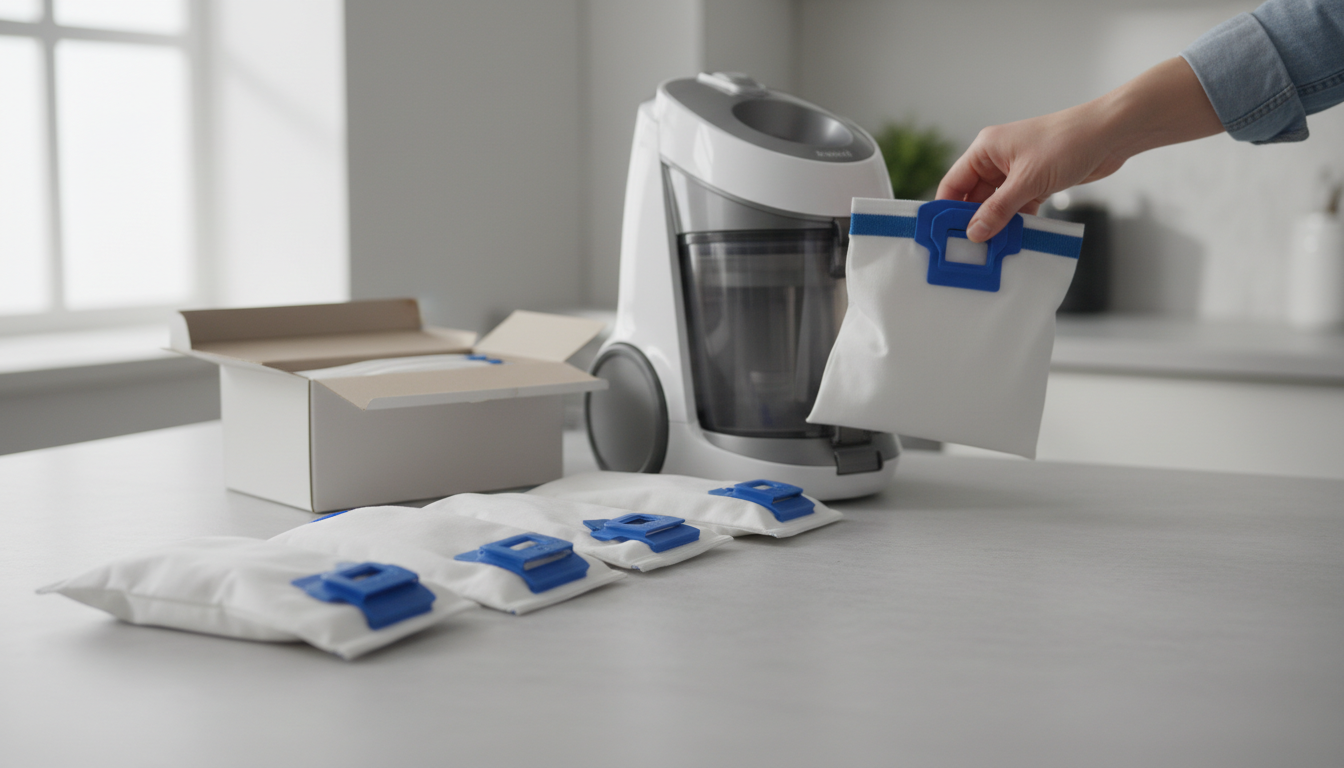
- Hygienic Self-Closing Mechanism: A key feature of these bags is the spring-loaded collar, which automatically closes upon opening the vacuum's dust compartment. This mechanism helps to seal in collected debris, preventing dust re-emission during bag changes.
- Capacity: Miele GN bags typically offer a substantial 4.76-quart capacity, suitable for extended cleaning sessions before replacement is needed.
These specific miele vacuum cleaner bags gn are primarily compatible with Miele's larger canister vacuum models. This includes popular series such as:
- Miele Classic C1
- Miele Complete C2
- Miele C3 Series
- Miele S200 Series
- Miele S300 Series
- Miele S500 Series
- Miele Compact C1/S4000 Series
- Miele Compact C2/S6000 Series
It is important to note that Miele also produces FJM bags, which are designed for their more compact canister models. GN bags are distinct from FJM bags primarily in their size and the specific vacuum models they fit. Using the correct bag type, whether GN or FJM, is essential for ensuring a proper seal, maintaining suction power, and protecting the vacuum's motor and filtration system.
Genuine vs. Aftermarket Miele GN Bags: Why Authenticity Matters
For Miele canister vacuum owners, the choice between genuine Miele GN vacuum cleaner bags and aftermarket alternatives can significantly impact performance, longevity, and indoor air quality. While aftermarket options may appear cost-effective, understanding the inherent differences reveals why authenticity is a critical factor for optimal vacuum operation.
Genuine Miele GN bags are engineered as an integral component of the vacuum system, designed to maintain peak suction and protect internal mechanisms. They typically feature a multi-layer filtration system, often referred to as HyClean or AirClean technology, which effectively captures fine dust, allergens, and microscopic particles. This advanced filtration not only contributes to superior indoor air quality but also shields the vacuum's motor from abrasive debris, potentially extending its operational life. A hallmark of genuine Miele bags is the hygienic self-closing mechanism, which automatically seals the bag opening upon removal, preventing dust re-release during disposal. This integrated design ensures a precise fit within the vacuum's bag compartment, creating an airtight seal that prevents dust leaks and maintains consistent airflow.
Conversely, opting for counterfeit or low-quality aftermarket GN bags introduces several risks. A primary concern is the potential for dust leaks. Inferior materials or imprecise manufacturing can lead to poor fit, allowing dust to escape the bag and enter the vacuum's motor. This not only diminishes suction power but can also cause premature wear and damage to the motor, potentially leading to costly repairs or a shortened appliance lifespan. Furthermore, aftermarket bags often lack the robust multi-layer filtration of genuine Miele products, resulting in reduced capture of fine particles and allergens, thereby compromising the vacuum's ability to improve indoor air quality. The absence of a reliable self-closing mechanism can also make bag disposal a messy and unhygienic process.
To confidently identify genuine Miele GN bags and avoid these pitfalls, consider the following:
- Packaging and Branding: Authentic bags come in high-quality, branded packaging with clear Miele logos, product names (e.g., HyClean, AirClean), and specific type designations (GN). Look for consistent printing and official Miele part numbers.
- Material Quality: Genuine bags are constructed from a distinct, multi-layered fleece material that feels substantial and durable. Aftermarket versions may feel thinner, less robust, or have a different texture.
- Self-Closing Mechanism: Verify the presence and functionality of the blue or red self-closing flap on the bag collar. This is a key feature designed for hygienic disposal and is often absent or poorly executed in non-genuine alternatives.
- Collar and Fit: The plastic collar of a genuine Miele bag is sturdy and designed for a precise, secure fit into the vacuum's bag compartment. A loose or ill-fitting collar is a strong indicator of a non-genuine product.
- Purchase Source: Procuring bags from authorized Miele dealers or reputable retailers significantly reduces the risk of encountering counterfeits.
The core problem genuine Miele GN bags solve better than alternatives is the consistent delivery of optimal cleaning performance, superior filtration, and vacuum protection, all within an integrated system designed for reliability and user hygiene. For Miele owners, the brand criteria that should materially change their shortlist is the assurance of authenticity, which directly correlates with maintaining the vacuum's engineered capabilities and preserving indoor air quality.
When and How to Change Your Miele GN Vacuum Bag
Timely replacement of your Miele GN vacuum bag is crucial for maintaining optimal suction, filtration efficiency, and indoor air quality. Ignoring a full or compromised bag can lead to reduced cleaning performance and potentially impact your vacuum's longevity.
Several indicators signal that it's time for a bag change:
- Full Bag Indicator: Miele canister vacuums equipped for GN bags typically feature a visual indicator on the appliance. This gauge changes color or illuminates when the bag is nearing capacity, signaling that replacement is due.
- Reduced Suction Power: A noticeable decrease in your vacuum's suction, even after cleaning filters, often points to a bag that is too full or clogged, impeding airflow.
- Unusual Odors: If your vacuum emits a stale or dusty smell during operation, it could mean the bag is overloaded with debris, dust, and pet dander, allowing odors to escape.
While specific usage varies, a general guideline for replacing your Miele GN bag is every 3 to 6 months. This frequency can shift based on:
- Household Size: Larger households generate more dirt and dust.
- Pet Ownership: Homes with pets will likely require more frequent bag changes due to hair and dander.
- Cleaning Frequency: Daily or weekly vacuuming will fill bags faster than occasional use.
- Cleaning Tasks: Vacuuming fine dust, construction debris, or large amounts of dirt will accelerate bag saturation.
Replacing a Miele GN bag is designed to be a straightforward and hygienic process:
- Open the Vacuum Compartment: Locate and open the dust compartment lid on your Miele canister vacuum.
- Remove the Full Bag: The GN bag features a self-closing collar. As you pull the bag out, this collar automatically seals, trapping dust and allergens inside for a clean disposal.
- Insert a New Bag: Carefully unfold a new Miele GN bag and align its collar with the bag holder in the vacuum compartment. Push firmly until it clicks securely into place, ensuring a tight seal to prevent dust leaks.
- Close the Compartment: Close the dust compartment lid, making sure it latches properly.
Proper disposal of the used bag is simple. Thanks to the self-closing mechanism, the bag can be immediately placed into your household waste bin without releasing dust back into your environment. This design is a key benefit for allergy sufferers and maintaining overall hygiene.
Maximizing Your Miele Vacuum's Performance Beyond the Bag
While selecting authentic Miele GN vacuum cleaner bags is crucial for effective dust capture and filtration, optimal vacuum performance extends to the entire system. The GN bag functions as the primary collection and initial filtration stage, but its efficiency is significantly enhanced by other components and user maintenance. Understanding this broader context ensures your Miele canister vacuum consistently delivers superior cleaning and air quality.
Several factors work in conjunction with your GN bag:
- Complementary Filtration System: Miele canister vacuums typically feature a multi-stage filtration system. Beyond the GN bag, a pre-motor filter protects the vacuum's motor from fine dust particles, preventing damage and maintaining suction power. Additionally, an exhaust filter, often a HEPA or AirClean filter, captures microscopic allergens and particles before the air is expelled back into your home. The GN bag traps the bulk of debris, allowing these subsequent filters to perform their specialized air purification roles more effectively and last longer.
- Correct Bag Installation: Even the highest quality GN bag cannot perform optimally if not installed correctly. Ensure the bag's collar is securely seated in the vacuum's bag compartment and that the sealing flap engages properly. Improper installation can lead to dust leaking into the motor compartment or being expelled back into the room, bypassing the filtration system entirely and significantly reducing cleaning efficacy and air quality.
- General Vacuum Maintenance: Regular checks and simple upkeep practices are vital.
- Check for Blockages: Periodically inspect the hose, telescopic wand, and floorhead for obstructions like tangled hair, large debris, or pet fur that can impede airflow and reduce suction.
- Attachment Usage: Utilize the appropriate attachments for different surfaces and tasks. This not only improves cleaning results but also reduces strain on the vacuum's motor and enhances the efficiency of dust collection into the GN bag.
- Filter Replacement: Adhere to Miele's recommendations for replacing pre-motor and exhaust filters. A clogged filter will restrict airflow, making your vacuum work harder and diminishing its cleaning power, regardless of the GN bag's condition.
Ultimately, choosing the correct, authentic Miele GN bag is a foundational step, but integrating it into a holistic maintenance routine ensures your Miele canister vacuum operates at its peak, providing a clean home and improved indoor air quality for years to come.
Making the Right Choice for Your Miele Vacuum
Selecting the correct vacuum cleaner bags miele gn is crucial for maintaining your Miele canister vacuum's performance and ensuring a hygienic home environment. An informed purchase prevents common issues like reduced suction, dust leakage, and potential damage to your appliance.
Before purchasing, consider these essential factors:
- Verify Model Compatibility: Miele GN bags are specifically designed for a range of larger canister models, including the Classic C1, Complete C2, and C3 Series, as well as older S200, S300, S500, Compact C2/S6000, and Compact C1/S4000 series. Always double-check your specific Miele model number against the bag specifications to confirm a perfect fit. Using an incompatible bag can compromise the seal, leading to dust escaping into your home and the vacuum's motor.
- Prioritize Authenticity: Genuine Miele GN bags feature a multi-layer filtration system, often with seven layers, designed to capture over 99.95% of dust particles. Authentic bags also incorporate a hygienic self-closing mechanism for dust-free disposal. Counterfeit or ill-fitting bags may lack these critical features, potentially causing dust leaks, diminished suction power, and even premature wear on your vacuum.
- Understand Filtration Benefits: The advanced filtration of genuine GN bags contributes significantly to indoor air quality, trapping fine dust, allergens, and pet dander within the bag. This is especially important for households with allergy sufferers.
- Capacity Considerations: Miele GN bags typically offer a generous capacity, around 4.76 quarts, suitable for users requiring larger volume containment before replacement.
An informed decision ensures your Miele vacuum operates at its peak efficiency, protecting its longevity and consistently delivering superior cleaning results and air quality in your home.
<h2>Frequently Asked Questions About Miele GN Vacuum Cleaner Bags</h2>Understanding the specifics of Miele GN vacuum cleaner bags can help ensure your Miele canister vacuum performs optimally and maintains indoor air quality. Here are answers to common questions.
Q: What Miele vacuum models use GN bags? Miele GN vacuum cleaner bags are designed for a range of Miele canister vacuum cleaner models, typically the larger capacity units. These include:
- Miele Classic C1 series
- Miele Complete C2 series
- Miele Complete C3 series
Always verify your specific vacuum model's requirements against the bag packaging or your vacuum's user manual to confirm compatibility.
Q: How often should I change my Miele GN vacuum bag? A general guideline is to change your Miele GN vacuum bag every 3 to 6 months, or when the "change bag" indicator on your vacuum signals it's full. However, this can vary based on several factors:
- Frequency of use: More frequent vacuuming will necessitate earlier changes.
- Type of debris: Vacuuming fine dust, pet hair, or construction dust fills bags faster.
- Suction performance: A noticeable drop in suction, even if the indicator isn't fully red, can suggest a full bag.
Regular replacement helps maintain optimal suction and filtration efficiency.
Q: Can I use non-genuine or aftermarket GN bags? While aftermarket options exist, using non-genuine Miele GN bags carries inherent risks that can compromise your vacuum's performance and longevity. Genuine Miele bags are engineered to precise specifications to ensure:
- Proper fit and seal: Preventing dust leakage into the motor compartment or back into the air.
- Optimal airflow: Maintaining consistent suction power and motor cooling.
- Effective filtration: Utilizing multi-layer construction for superior dust and allergen retention.
Non-genuine bags may not fit correctly, leading to dust escape, reduced suction, and potential damage to your vacuum's motor or internal components. They may also offer inferior filtration, impacting air quality.
Q: How do Miele GN bags contribute to air quality? Miele GN bags are an integral part of the vacuum's multi-stage filtration system, significantly contributing to indoor air quality. They are typically constructed with multiple layers of electrostatically charged material designed to:
- Trap fine dust: Effectively capturing microscopic particles, including dust mites, pollen, and pet dander.
- Retain allergens: Preventing these irritants from being recirculated into your home's air.
- Hygiene: The self-closing collar mechanism seals the bag upon removal, ensuring hygienic disposal without releasing collected dust.
This comprehensive filtration helps reduce airborne pollutants, which can be particularly beneficial for allergy and asthma sufferers.
Q: What's the difference between Miele GN and FJM bags? The primary difference between Miele GN and FJM bags lies in their compatibility with specific Miele canister vacuum models and their physical size/capacity.
- GN Bags: Designed for larger Miele canister vacuums (e.g., C1, C2, C3 series). They typically have a larger capacity.
- FJM Bags: Designed for smaller, more compact Miele canister vacuums (e.g., Compact C1, Compact C2, S200, S300, S500, S4000, S6000 series). They are physically smaller than GN bags.
Both GN and FJM bags utilize Miele's multi-layer filtration technology to provide high levels of dust retention and air purification, but they are not interchangeable due to their differing dimensions and connection points. It is crucial to select the bag type specifically recommended for your Miele vacuum model.
Final Thoughts on Miele GN Vacuum Cleaner Bags
Ultimately, the performance of your Miele canister vacuum and the quality of your indoor air are significantly influenced by the miele gn vacuum cleaner bags you choose. As explored, these bags are more than simple dust receptacles; they are integral components of Miele's advanced filtration system, designed to capture fine particles and maintain optimal suction.
The guidance presented throughout this article emphasizes a critical message: prioritizing genuine and correctly compatible Miele GN bags is paramount. This informed approach ensures several key benefits:
- Sustained Cleaning Power: Authentic bags are engineered to maintain airflow and suction efficiency, preventing performance degradation.
- Superior Air Filtration: The multi-layer construction of genuine GN bags effectively traps allergens and microscopic dust, contributing to a healthier home environment.
- Vacuum Longevity: Proper fit and material integrity protect your Miele vacuum from internal dust contamination and strain.
- Avoidance of Pitfalls: Understanding the risks associated with counterfeit or incompatible bags helps prevent issues like dust leakage, reduced filtration, and potential damage to your appliance.
By applying the criteria for authenticity, understanding compatibility requirements, and recognizing the trade-offs of alternatives, Miele canister vacuum owners can make a confident and effective decision. Your investment in a Miele vacuum is best protected and optimized by selecting the GN bags that uphold its engineered standards, ensuring consistent, high-quality cleaning for years to come.
More in Vacuum Cleaner Bags
View All