Shark Vacuum Cleaner Replacement Filters: A Comprehensive Guide to Models and Types

Shark Vacuum brand fit snapshot
Shark's approach to vacuum filtration centers on maintaining consistent cleaning performance and air quality through a multi-stage system. The brand's vacuum designs often feature a direct air path to filters, making the health of these components critical for sustained suction and efficient debris capture. This design intent means that replacing filters is not merely maintenance, but a direct contributor to the vacuum's core function.
For buyers, this translates into a system where filter integrity directly impacts the user experience. Shark often provides comprehensive filter kits, including foam, felt, and HEPA options, designed to offer a complete refresh for specific models.
-
Buyer Fit:
- Existing Shark vacuum owners prioritizing the restoration of original suction power and air filtration capabilities.
- Individuals who value a multi-stage filtration system that helps capture fine dust and allergens.
- Users who appreciate readily available, often bundled, replacement filter kits for a complete system refresh.
- Those seeking to extend the lifespan and efficiency of their current Shark vacuum investment.
-
Who Should Compare:
- Buyers with older Shark models who may find specific OEM filter availability challenging, potentially necessitating a broader search for compatible aftermarket options.
- Those with strict budget constraints who need to weigh the cost-effectiveness of OEM filters against potentially lower-priced aftermarket alternatives, acknowledging that some aftermarket options might have minor fit variations.
- Individuals considering a complete vacuum system overhaul, who might evaluate filter systems across different vacuum brands before committing to a specific filtration philosophy.
Shark-Vacuum Evidence Checklist
Evaluating replacement filters for Shark vacuums involves distinguishing between general claims and verifiable product characteristics. The following checklist outlines key points based on available information, helping buyers assess filter options with a focus on practical implications.
- Stated Replacement Interval: Shark vacuum filters are generally recommended for replacement every six to eight months. This period is a guideline for maintaining optimal performance and should be considered a regular maintenance interval.
- Common Kit Components: Many Shark replacement filter kits, such as those for the Navigator Lift-Away series, often include a combination of HEPA, foam, and felt filters. These kits aim to provide a complete filter refresh for the vacuum's filtration system.
- Reported Performance Improvement: Users frequently report an improvement in vacuum suction and overall cleaning efficiency after replacing old filters. This suggests that new filters contribute to restoring the machine's performance closer to its original state.
- Model-Specific Compatibility: Filter compatibility is strictly tied to specific Shark vacuum models and their corresponding part numbers (e.g., XFFKHZ2000, XFF680, XFFV300, XFF350, NV500 series). Verifying the exact model number of your vacuum and the filter's compatible part number is crucial to ensure a proper fit.
- Observed Price Range: Replacement filter kits for Shark vacuums are typically available within a price range of approximately $6 to $26, depending on the specific kit, retailer, and whether it's an OEM or aftermarket product. Prices can fluctuate, so current checks are advisable.
- Potential Fit Discrepancies: While most replacement filters are designed to fit precisely, some users have reported minor fit issues with certain aftermarket options. This underscores the importance of confirming compatibility and inspecting the product upon receipt.
- Return Policy Verification: Information regarding a universal Shark-brand return policy for filters is not consistently available across all retailers or product listings. Buyers are advised to check the specific return and exchange policies of the vendor or marketplace where they purchase replacement filters before finalizing a transaction.
Shark-Vacuum Use Case ownership experience
The practical experience of owning a Shark vacuum cleaner is significantly shaped by its filtration system, impacting daily cleaning routines, household comfort, and ongoing maintenance. Unlike a one-time purchase, the filter's condition directly influences the vacuum's effectiveness and the user's interaction with the appliance over time.
For daily use, the state of your Shark vacuum's filters dictates suction power and cleaning efficiency. A clean, properly functioning filter ensures that the vacuum picks up debris effectively on the first pass, reducing the time and effort required for routine cleaning tasks. Conversely, a clogged or worn filter can lead to diminished suction, forcing users to make multiple passes over the same area or leaving behind fine dust and pet hair. The act of replacing filters, typically recommended every six to eight months, often provides a noticeable "fresh start," restoring the vacuum to its optimal performance and making subsequent cleaning sessions more productive.
Regarding comfort, the filtration system plays a crucial role in indoor air quality. Shark vacuums often feature multi-stage filtration, including pre-motor foam and felt filters, and sometimes post-motor HEPA filters. These components work to trap dust, allergens, and other particulates within the vacuum, preventing them from being recirculated into the air. For households with allergy sufferers or pets, a well-maintained filter system contributes to a healthier living environment, reducing airborne irritants during and after vacuuming. The absence of a strong, dusty odor during operation is a direct benefit of effective filtration.
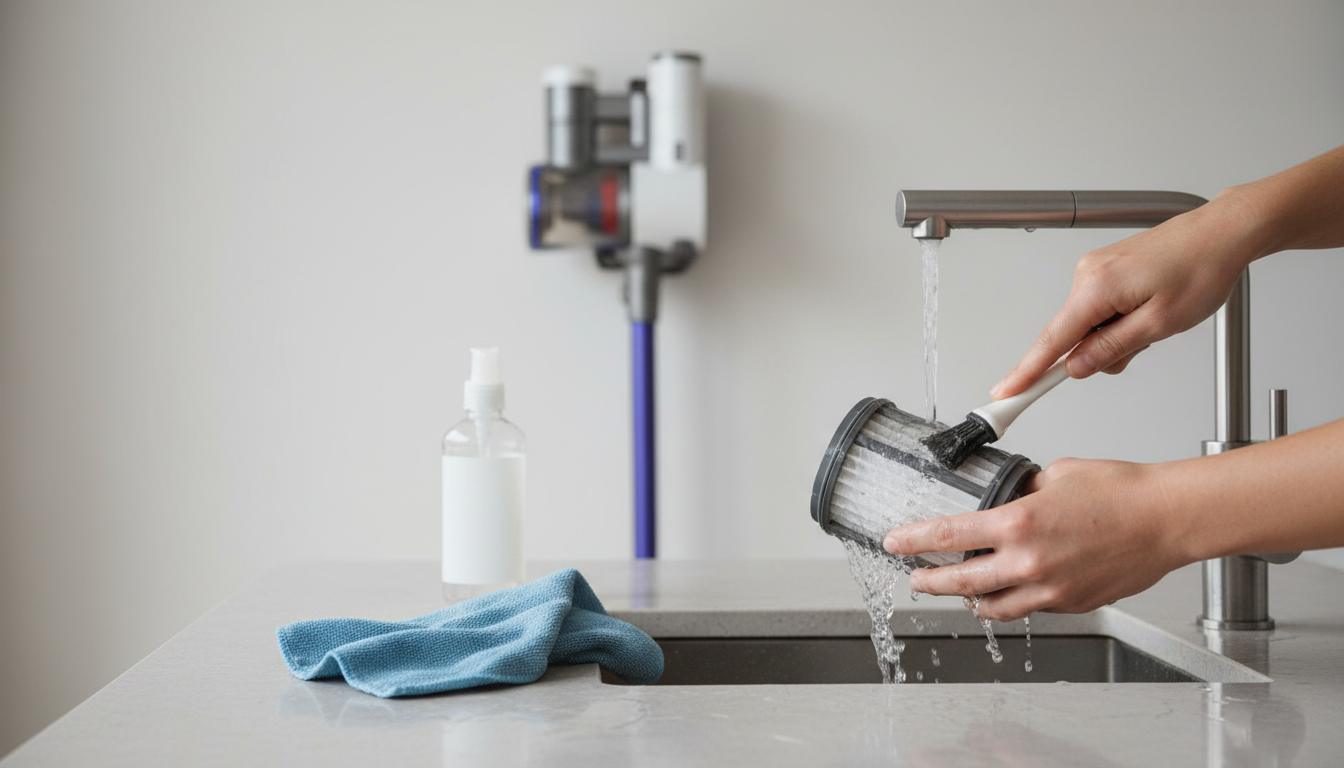
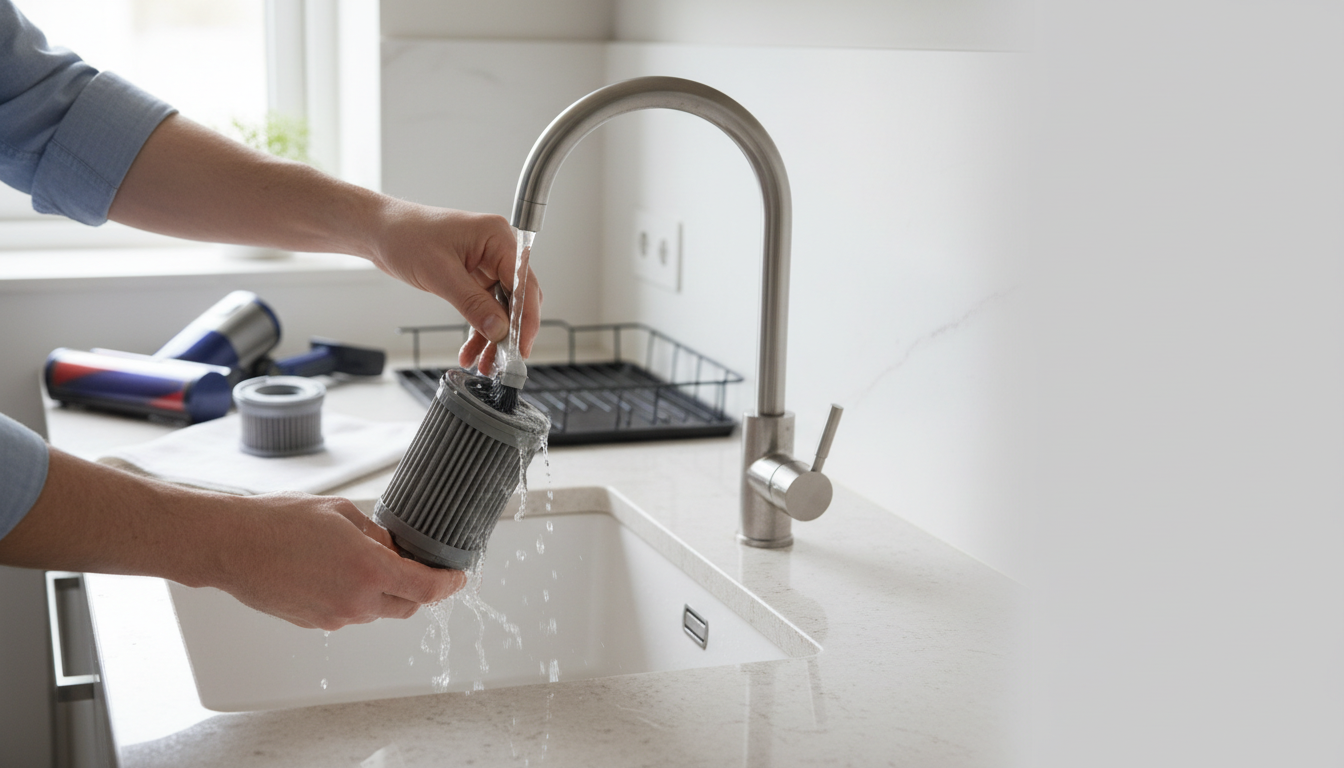
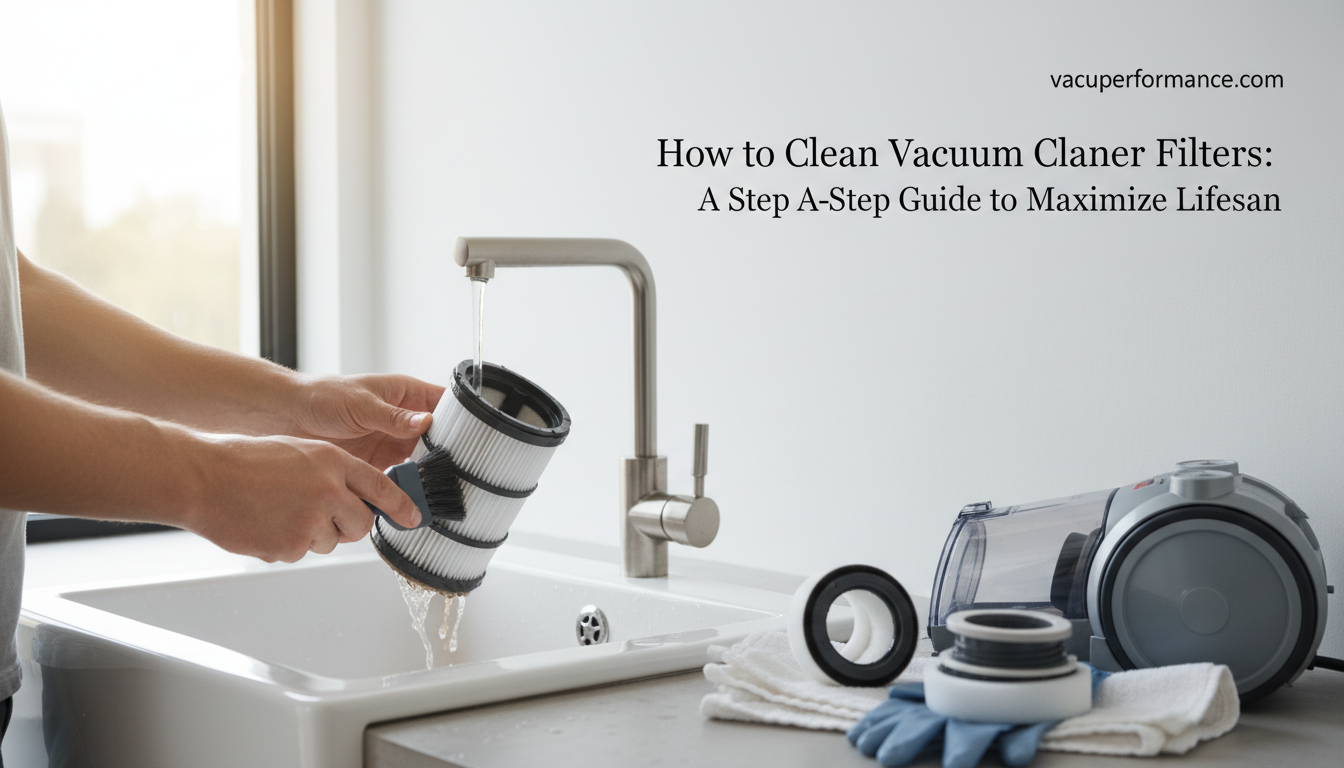
Maintenance aspects are an inherent part of the ownership experience. Shark filters are often designed to be washable, offering a degree of convenience and potentially extending their lifespan before full replacement is necessary. However, this also means users must commit to regular cleaning schedules, allowing adequate drying time for washable components. When replacement is due, the process is generally straightforward, but users should be aware that some aftermarket filters, while cost-effective, may present minor fitment challenges compared to original equipment filters. Neglecting filter maintenance can lead to:
- Reduced vacuum efficiency
- Increased motor strain
- Potential for dust and allergens to escape
- A less satisfying cleaning experience overall
Shark-Vacuum Trade-Offs alternatives to compare
When evaluating Shark vacuum cleaner replacement filters, buyers often weigh options beyond the original equipment manufacturer (OEM) parts. Understanding these alternatives and their implications can refine your purchasing decision, ensuring the chosen filters align with your priorities for performance, cost, and maintenance.
- Aftermarket Filters: These filters, produced by third-party manufacturers, are a common substitute for genuine Shark filters. They typically offer a lower price point, which can be appealing for routine replacements. However, user experiences indicate potential trade-offs. While many aftermarket filters are designed to fit specific Shark models, some buyers report "minor fit issues" compared to the original parts. This can occasionally impact the vacuum's sealed system, potentially reducing filtration efficiency or suction power if the seal is compromised.
- Alternative Filtration Systems: For buyers still in the vacuum selection phase, considering the filtration systems of other vacuum brands represents a broader alternative. Some brands may offer different filter materials, multi-stage designs, or less frequent replacement schedules. While Shark's multi-filter systems (often including foam, felt, and HEPA components) are effective for capturing dust and allergens, a buyer prioritizing extremely long filter life or a fully sealed system with minimal user intervention might explore other brands.
Better-Fit Scenarios for Shark Filters
Shark's approach to filtration, often involving a combination of pre-motor foam and felt filters alongside a post-motor HEPA filter, offers specific advantages:
- Guaranteed Compatibility and Performance: Sticking with genuine Shark replacement filters ensures an exact fit and adherence to the manufacturer's performance specifications. This consistency helps maintain the vacuum's original suction power and filtration efficiency, as evidenced by user feedback noting that new filters significantly "improve the performance of vacuum."
- Accessibility and Availability: Given Shark's market presence, genuine replacement filters and well-regarded aftermarket options are generally widely available through various retailers, making routine maintenance straightforward.
- Cost-Effectiveness for Regular Maintenance: While initial genuine filter costs might be higher than some aftermarket alternatives, the overall system is designed for user-friendly cleaning and replacement. The availability of multi-packs for both genuine and aftermarket filters can make regular maintenance more economical over the vacuum's lifespan.
Deal Breakers and Fit Limits
Several factors related to Shark vacuum filters might lead buyers to consider alternatives or different brands:
- Maintenance Frequency: Shark vacuum filters typically require cleaning every few weeks and replacement every six to eight months. For users seeking a vacuum with minimal filter maintenance, this regular schedule could be a deal-breaker, prompting a search for systems with longer-lasting or self-cleaning filters.
- Aftermarket Variability: While aftermarket options provide cost savings, the risk of "minor fit issues" or variations in material quality can be a concern. Buyers prioritizing absolute peak performance and sealed system integrity may find this variability unacceptable, opting only for genuine parts or a different brand known for consistent third-party support.
- Specific Filtration Needs: For individuals with severe allergies or specific air quality concerns, the precise HEPA filtration standards and sealed system design of a vacuum are paramount. While many Shark models offer HEPA filtration, a buyer might find another brand's system offers a more robust or certified sealed-system design that better meets their exacting requirements.
Shark Vacuum Cleaner Replacement Filters FAQ
Understanding the nuances of Shark vacuum cleaner replacement filters can enhance your cleaning experience and extend your appliance's lifespan. This section addresses common concerns and clarifies essential considerations for buyers evaluating the brand's filter ecosystem.
-
What value do genuine Shark replacement filters offer over generic alternatives? Genuine Shark filters are engineered to fit specific models precisely and integrate with the vacuum's sealed filtration system, which is crucial for maintaining optimal suction and trapping fine particles. While alternatives can be more budget-friendly, their value depends on their ability to replicate this exact fit and filtration standard. Buyers should weigh potential cost savings against the risk of reduced performance or air quality if a generic filter doesn't meet the original specifications. Some users have reported minor fit issues with non-OEM options.
-
Are there viable alternatives to official Shark brand filters? Yes, third-party manufacturers produce compatible filters for many Shark vacuum models. These alternatives can offer a lower price point, but it's crucial to verify compatibility with your specific Shark model number. The trade-off often involves balancing potential cost savings with ensuring the filter maintains the vacuum's intended air filtration efficiency and does not compromise the motor or sealed system due to a poor fit.
-
What are common mistakes to avoid when purchasing or using Shark replacement filters? Several pitfalls can diminish your vacuum's performance or lifespan:
- Ignoring the Replacement Schedule: Filters, even washable ones, have a finite lifespan. Research suggests replacing Shark filters every six to eight months for optimal performance. Neglecting this can lead to reduced suction and poorer air quality.
- Incorrect Model Compatibility: Always cross-reference the filter's part number with your specific Shark vacuum model. Using an incompatible filter can result in a poor seal, allowing dust to bypass the filter and potentially damage the motor.
- Improper Cleaning: For washable filters, follow Shark's instructions carefully. Using harsh detergents, scrubbing too vigorously, or reinserting filters before they are completely dry can damage the filter material and foster mold growth.
- Overlooking Performance Cues: A noticeable decrease in suction, unusual motor noises, or dust escaping from the exhaust port are clear indicators that your filters may need cleaning or replacement. Delaying action can exacerbate these issues.
Shark-Vacuum-Pick buy-or-skip verdict
For buyers evaluating Shark vacuum cleaner replacement filters, the brand generally presents a clear "buy" proposition, provided specific criteria are met. Shark's filtration systems are integral to their vacuum designs, meaning proper, compatible replacement filters are essential for sustaining suction and air quality performance.
Choosing to invest in Shark replacement filters is advisable when:
- Model Compatibility is Confirmed: The primary factor for any vacuum filter is an exact match to your Shark model number. Verifying this ensures proper fit and function, which directly impacts the vacuum's efficiency and longevity.
- Performance Restoration is the Goal: Replacing filters at the recommended intervals (typically every six to eight months) is a direct path to restoring your vacuum's original suction power and filtration capabilities. This is particularly noticeable if you've observed a decline in cleaning efficacy.
- Maintenance Commitment Exists: Shark filters, like most vacuum filters, require periodic cleaning (for washable types) and timely replacement. Committing to this schedule ensures you maximize the return on your filter investment.
You might consider pausing or exploring alternatives if you encounter persistent difficulty sourcing the correct filter for an older or less common Shark model, or if aftermarket options for your specific model consistently present fit issues reported by other users. However, for most current Shark vacuum owners, the availability and performance benefits of dedicated replacement filters make them a necessary and worthwhile purchase.
Your next action should be to identify your vacuum's precise model number and then seek out the corresponding foam, felt, and/or HEPA filter kits. Prioritizing correct fit over perceived savings can prevent performance issues and extend the life of your appliance.
More in Vacuum Cleaner Filters
View All