Dyson Cordless Vacuum Cleaner Filters: Maximizing Suction and Lifespan
The Unsung Hero: Why Your Dyson Cordless Vacuum Filter Matters
The filter in your Dyson cordless vacuum is more than just a component; it's central to the machine's ability to maintain powerful suction and ensure a clean environment. These filters are meticulously engineered to capture microscopic dust, allergens, and debris, preventing them from recirculating into your home's air or damaging the vacuum's motor. Without an effective filter, even the most advanced suction technology would be compromised.
Dyson cordless vacuums typically employ a multi-stage filtration system. This often includes:
- Pre-motor filters: These are usually washable and designed to trap larger particles before they reach the motor, protecting it from damage.
- Post-motor filters (often HEPA-level): These filters, particularly in models with fully-sealed systems, capture finer particles and allergens, ensuring cleaner exhaust air.
Neglecting the filter can have immediate and long-term consequences for your Dyson cordless vacuum. A clogged or damaged filter directly impedes airflow, leading to a noticeable drop in suction power. Over time, this reduced efficiency forces the motor to work harder, potentially shortening its lifespan. Furthermore, a compromised filter may allow captured particles to escape, diminishing the air quality benefits your vacuum is designed to provide. Understanding the critical role of these filters is the first step toward preserving your Dyson's performance and longevity.
Understanding Dyson Cordless Filter Types and Compatibility
Dyson cordless vacuum cleaners rely on specific filter designs to maintain their suction power and capture fine dust. These filters are not universal across all models; their type, shape, and integration vary significantly by series, directly impacting compatibility and performance.
Dyson cordless vacuums typically employ two main types of filters:
- Pre-motor filter: Positioned before the motor, this filter captures larger dust and debris, protecting the motor from damage. Most Dyson cordless models feature a washable pre-motor filter.
- Post-motor (HEPA) filter: Located after the motor, this filter is designed to trap microscopic particles, including allergens and pollutants, before the air is expelled. While all Dyson cordless vacuums feature advanced filtration, not all older models explicitly marketed a separate, user-replaceable HEPA filter in the same way newer models do. Newer Dyson cordless models often integrate a highly efficient, sealed filtration system that meets HEPA standards.
Filter design has evolved across Dyson cordless series:
- Older Generations (e.g., V6, V7, V8): These series often feature a distinct, cylindrical pre-motor filter that twists into the top of the cyclone assembly. Some models within these series may also have a separate post-motor filter, often located at the rear of the motor housing. For example, the pre-motor filter for many V6, V7, and V8 models is identified by part number 965661-01.
- Newer Generations (e.g., V10, V11, V15 Detect): These models typically incorporate a larger, more integrated filter unit that combines multiple filtration stages into a single, often washable, component. This design aims for a fully sealed system to prevent air leakage and maximize particle capture. The V11 series, for instance, uses a filter often identified by part number 970013-02, which is a single, integrated unit.
The specific design and part number are critical for proper fit and function. Using an incorrect filter can lead to:
- Reduced suction: Improper sealing allows air to bypass the filter.
- Motor damage: Fine dust can enter the motor if the filter isn't effective or correctly seated.
- Compromised air quality: Ineffective filtration allows allergens back into the air.
To identify the correct filter for your Dyson cordless vacuum, locate the model name and serial number. This information is typically found on:
- The main body of the vacuum, often near the dust bin or battery pack.
- The original packaging or user manual.
Genuine Dyson vs. Aftermarket Filters: A Critical Comparison
When maintaining your Dyson cordless vacuum, the choice between genuine Dyson filters and aftermarket alternatives is a significant one, impacting both performance and the longevity of your device. Each option presents a distinct set of advantages and potential drawbacks that merit careful consideration.
Genuine Dyson filters are engineered specifically for Dyson vacuum models.
- Optimal Fit and Filtration: These filters are designed to precise specifications, ensuring a perfect seal within the vacuum's filtration system. This precise fit is crucial for maintaining the intended airflow dynamics and filtration efficiency, capturing microscopic particles effectively.
- Sustained Suction: By adhering to Dyson's original design, genuine filters help preserve the vacuum's powerful suction, a hallmark of the brand. Regular washing, as recommended by Dyson, further helps maintain this performance.
- Warranty Considerations: While not always explicitly stated, using non-genuine components may impact warranty claims if a vacuum issue is directly attributable to the aftermarket part.
Aftermarket filters, often available at a lower price point, can seem like an attractive alternative.
- Cost-Effectiveness: The primary appeal of aftermarket filters is their typically lower purchase price compared to genuine Dyson parts.
- Availability: They are often widely available from various online retailers, offering convenience for quick replacements.
However, opting for lower-quality aftermarket filters can introduce several risks that may compromise your vacuum's performance and lifespan.
- Reduced Suction Power: Filters that do not meet the original specifications can restrict airflow or allow air to bypass the filter, leading to a noticeable decrease in suction. This can necessitate more passes to clean an area, consuming battery life faster.
- Poor Fit and Air Leaks: Inaccurate dimensions or inferior materials can result in a loose fit. Air leaks around the filter mean that dust and allergens are not effectively trapped, potentially being expelled back into your home environment.
- Ineffective Filtration: Substandard filter materials may not capture fine dust, allergens, or microscopic particles as efficiently as genuine filters, diminishing the air quality benefits of your Dyson vacuum.
- Potential for Motor Strain: When a filter restricts airflow or allows fine particles to pass through, the vacuum's motor may have to work harder, increasing wear and tear and potentially shortening its operational life. Independent evaluations of cheap aftermarket filters have sometimes highlighted performance discrepancies compared to genuine parts.
Ultimately, the decision hinges on balancing your budget with your performance expectations. If preserving optimal suction, filtration efficiency, and potentially safeguarding your warranty are top priorities, genuine Dyson filters offer a reliable choice. If cost is the primary concern, aftermarket options exist, but it's crucial to acknowledge the potential trade-offs in performance, fit, and long-term vacuum health.
Maintaining Your Dyson Cordless Vacuum Filter for Peak Performance
Consistent filter maintenance is crucial for sustaining the suction power and extending the lifespan of your Dyson cordless vacuum. Over time, microscopic particles accumulate in the filter, which can impede airflow and reduce cleaning efficiency. Regular cleaning, as recommended by Dyson, helps prevent this buildup and ensures your vacuum operates at its best.
To properly clean your Dyson cordless vacuum filter:
- Remove the Filter: Locate and carefully remove the filter from your vacuum, following your specific model's instructions.
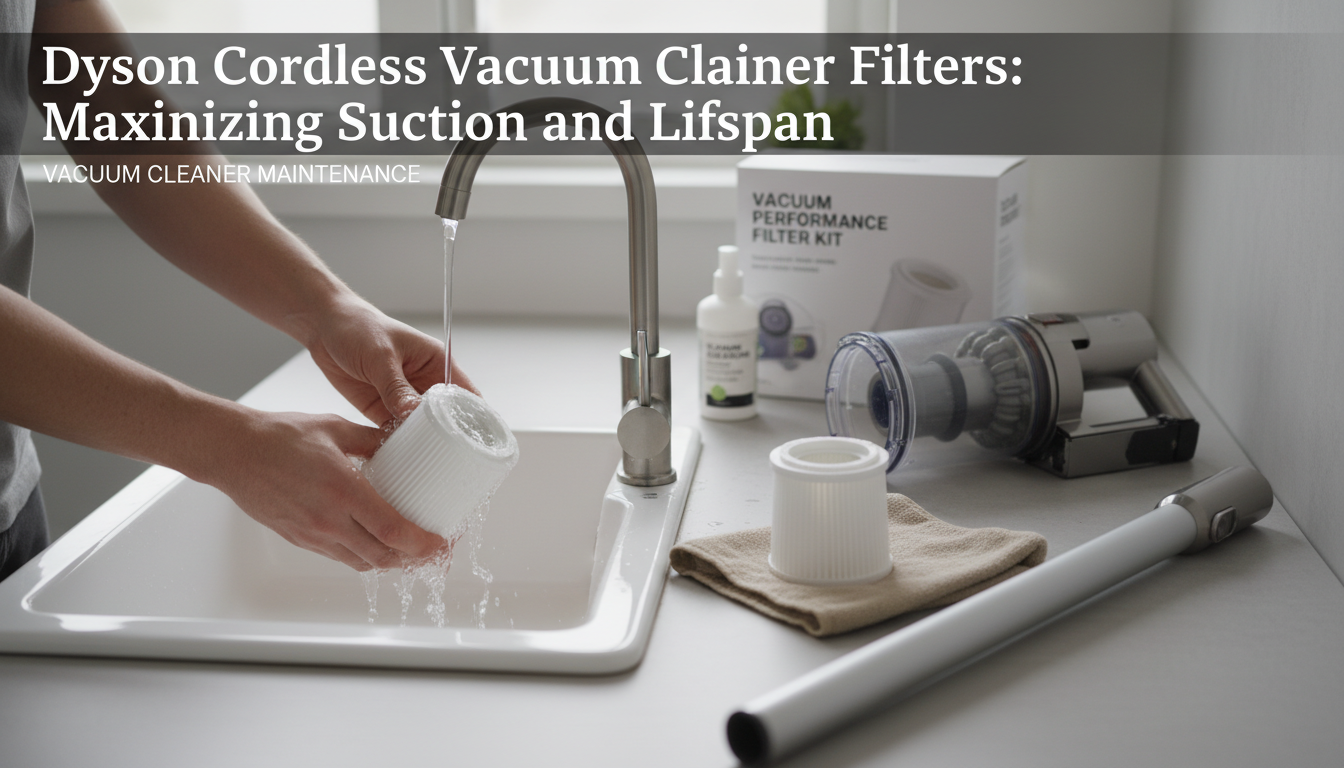
- Wash with Cold Water: Hold the filter under cold running water, ensuring water flows through the pleated material. Gently squeeze the filter to release trapped dust and debris.
- Avoid Detergents: Do not use any detergents, soaps, or cleaning agents, as these can damage the filter material and reduce its effectiveness.
- Rinse Thoroughly: Continue rinsing and squeezing until the water runs clear from the filter.
- Allow to Dry Completely: This is a critical step. Place the filter in a warm, dry area with good airflow for at least 24 hours, or until it is completely dry. Do not use a tumble dryer, microwave, or open flame to speed up drying, as this can damage the filter. Reinserting a damp filter can lead to mold growth and damage your vacuum's motor.
Dyson recommends washing your cordless vacuum filter at least once a month to maintain optimal suction performance. However, usage frequency and the type of debris collected can influence this. You may need to clean it more often if you vacuum frequently or pick up fine dust.
Signs that your filter requires cleaning or replacement include:
- Reduced Suction: A noticeable decrease in your vacuum's ability to pick up dirt.
- Unusual Odors: A musty or unpleasant smell emanating from the vacuum during operation.
- Visible Dirt and Dust: The filter appears heavily clogged with dust and debris, even after a recent cleaning.
- Filter Warning Light: Some Dyson models feature an indicator light that illuminates when the filter needs attention.
Always ensure the filter is bone dry before placing it back into your Dyson vacuum. This prevents damage to the motor and maintains the integrity of the filtration system.
Common Issues and Troubleshooting with Dyson Cordless Filters
Even with diligent maintenance, Dyson cordless vacuum filters can sometimes present challenges that impact performance. Understanding these common issues and their potential causes can help owners effectively troubleshoot and maintain their vacuum's efficiency.
One frequently reported problem is reduced suction power, even after the filter has been thoroughly cleaned. While a clogged filter is a primary suspect, other factors can contribute. Physical blockages within the vacuum's airways, such as the brush bar, wand, or bin inlet, can restrict airflow and mimic filter-related suction loss. More critically, the vacuum's battery can be a significant, yet often overlooked, cause. Cordless vacuum batteries are known to degrade over time, diminishing in power capacity and affecting the motor's ability to generate strong suction, particularly in units several years old.
This often leads to a common user dilemma: the 'filter vs. battery' confusion. Users might purchase and replace a filter, only to find the suction problem persists, indicating the battery was the underlying issue all along. If a new or freshly cleaned filter does not restore suction, and no blockages are found, evaluating the battery's age and performance is a logical next step.
Filter degradation is another factor. Dyson filters are engineered to capture microscopic particles, and while washing helps remove accumulated debris, the filter material itself can wear down over time. This wear can reduce its effectiveness in trapping fine dust and allergens, even if it appears visually clean. A degraded filter may also allow more particles to reach the motor, potentially shortening the vacuum's lifespan.
Deciding when to replace a filter versus simply cleaning it depends on several indicators:
- Cleaning: Dyson recommends washing filters at least once a month to maintain optimal suction. If regular washing restores performance, continued cleaning is appropriate.
- Replacement: Consider replacement if, despite thorough and correct washing, suction remains noticeably poor, or if the filter shows visible signs of damage, such as tears, holes, or persistent odors. If the filter's material feels brittle or looks worn, its filtration capacity may be compromised, warranting a new filter to ensure both suction and air quality.
Making the Best Choice: Key Considerations for Your Dyson Filter Purchase
Selecting the correct replacement filter for your Dyson cordless vacuum is a critical decision that directly impacts its suction power, air filtration effectiveness, and overall lifespan. A well-informed choice ensures your vacuum continues to perform as intended, capturing dust and allergens efficiently.
When evaluating your options, several factors warrant careful consideration:
- Prioritizing Genuine Filters: Dyson designs its filters to integrate precisely with its vacuum systems, ensuring optimal airflow, filtration efficiency, and sealing. Opting for a genuine Dyson filter often provides assurance of consistent performance and can be a factor in maintaining your vacuum's warranty. While aftermarket options exist, their performance can vary.
- Verifying Model Compatibility: Dyson produces various cordless vacuum models, each with specific filter requirements. Before purchasing, always confirm the exact model number of your Dyson vacuum. Cross-reference this with the filter's compatibility list and, if available, the specific Dyson part number (e.g., 965661-01 for some V6/V7/V8 models or 970013-02 for certain V11 models). Incorrectly sized or designed filters can compromise sealing and filtration.
- Assessing Aftermarket Brands: If considering an aftermarket filter, research the brand's reputation thoroughly. Look for evidence of quality control, customer feedback regarding fit and performance, and any certifications. Be aware that performance may differ from genuine filters, potentially affecting suction or filtration efficacy.
- Understanding Replacement Frequency and Cost: Filters, whether washable or disposable, have a finite lifespan. Dyson recommends washing certain filters at least once a month to maintain suction. Over time, even washable filters may degrade or become permanently soiled, necessitating replacement. Factor in the cost of replacements over the vacuum's life, considering both initial purchase price and long-term value.
- Final Purchase Checklist: Before finalizing your filter purchase, review these points:
- Is the filter designated for your specific Dyson cordless vacuum model?
- Have you confirmed the correct part number, if applicable?
- If aftermarket, is the brand reputable with positive performance reviews?
- Does the filter type (e.g., pre-motor, post-motor) match your vacuum's needs?
- Are you aware of the recommended cleaning and replacement schedule for this filter type?
By carefully weighing these considerations, you can confidently select a filter that supports your Dyson cordless vacuum's peak performance and extends its operational life.
Frequently Asked Questions About Dyson Cordless Vacuum Filters
Understanding the nuances of Dyson cordless vacuum filters can help maintain your appliance's performance and extend its operational life. Here are answers to common questions about these essential components.
How often should Dyson cordless filters be replaced or cleaned?
Dyson recommends washing your cordless vacuum filter at least once a month to maintain optimal suction. This frequency can increase based on how often you vacuum and the amount or type of debris collected. Even with regular cleaning, filters have a finite lifespan. Over time, the material can degrade, reducing its effectiveness. While Dyson's official replacement guidance varies by model, a general guideline is to consider replacement every 6 to 12 months, especially if you notice a persistent drop in performance despite cleaning.
Are aftermarket Dyson filters safe to use and do they void warranty?
Aftermarket filters are generally designed to fit Dyson models and can be a more economical option. However, their performance can vary significantly. Research indicates that some third-party filters may not achieve the same filtration efficiency or airflow as genuine Dyson filters, potentially impacting suction power or allowing more fine particles to escape. Regarding warranty, using non-genuine parts could potentially affect a warranty claim if the filter is found to be the direct cause of a vacuum malfunction. It is advisable to consult your Dyson warranty terms for specifics.
How do I find the correct filter for my specific Dyson model?
To ensure optimal fit and performance, it's crucial to identify the exact filter compatible with your Dyson cordless vacuum.
- Check your vacuum's manual: The user manual for your specific Dyson model will list the correct filter part number.
- Inspect the existing filter: The part number is often printed directly on the filter itself.
- Locate the model number: Your Dyson vacuum's model number is typically found on the main body or battery pack. Use this number on the Dyson support website or with a reputable parts supplier to find compatible filters.
What are the signs of a clogged or failing Dyson filter?
Several indicators suggest your Dyson filter needs attention, whether cleaning or replacement:
- Reduced Suction: A noticeable decrease in the vacuum's ability to pick up dirt and debris.
- Unusual Odors: A stale, musty, or burning smell emanating from the vacuum during operation.
- Visible Dirt Accumulation: The filter appears heavily caked with dust and debris, even after a recent wash.
- Filter Warning Indicator: Many Dyson models include a light or digital display that signals when the filter requires cleaning or replacement.
- Increased Motor Noise: The motor may sound like it's working harder than usual due to restricted airflow.
Can washing a filter restore full suction power?
Washing a dirty filter can significantly help restore suction power by removing accumulated dust and debris that restrict airflow. Dyson engineers their filters to be washable for this purpose. However, washing primarily addresses dirt buildup. It cannot reverse the natural wear and tear or degradation of the filter material itself that occurs over time. If the filter's media is damaged, torn, or has simply reached the end of its useful life, washing will only offer a temporary or partial improvement, and replacement will be necessary to achieve full, sustained suction power.
Invest in Your Dyson's Longevity: The Right Filter Makes All the Difference
Ultimately, the sustained performance and lifespan of your Dyson cordless vacuum are significantly influenced by your filter choices and maintenance habits. Prioritizing model-specific compatibility, understanding the nuanced trade-offs between genuine and aftermarket options, and adhering to a consistent cleaning and replacement schedule are not merely routine tasks; they are critical investments in your appliance.
These informed decisions directly safeguard your vacuum's motor from undue strain, preventing premature wear and tear. Furthermore, they ensure your Dyson continues to deliver the powerful, consistent suction it was designed for, effectively capturing microscopic particles and maintaining a cleaner home environment. By applying the knowledge gained, you are empowered to make choices that extend your Dyson's effective life and preserve its cleaning efficiency.
More in Vacuum Cleaner Filters
View All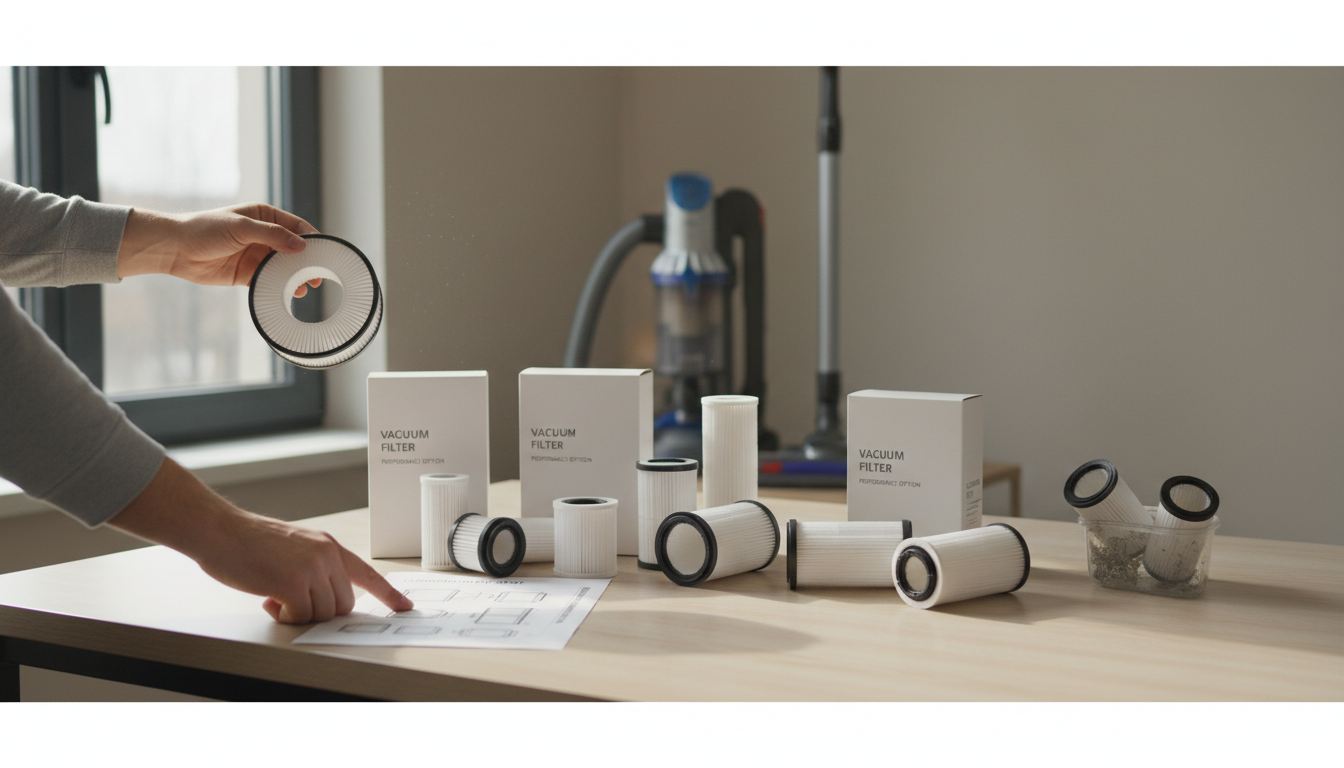
Hoover Vacuum Cleaner Filters: A Guide to Compatibility and Performance