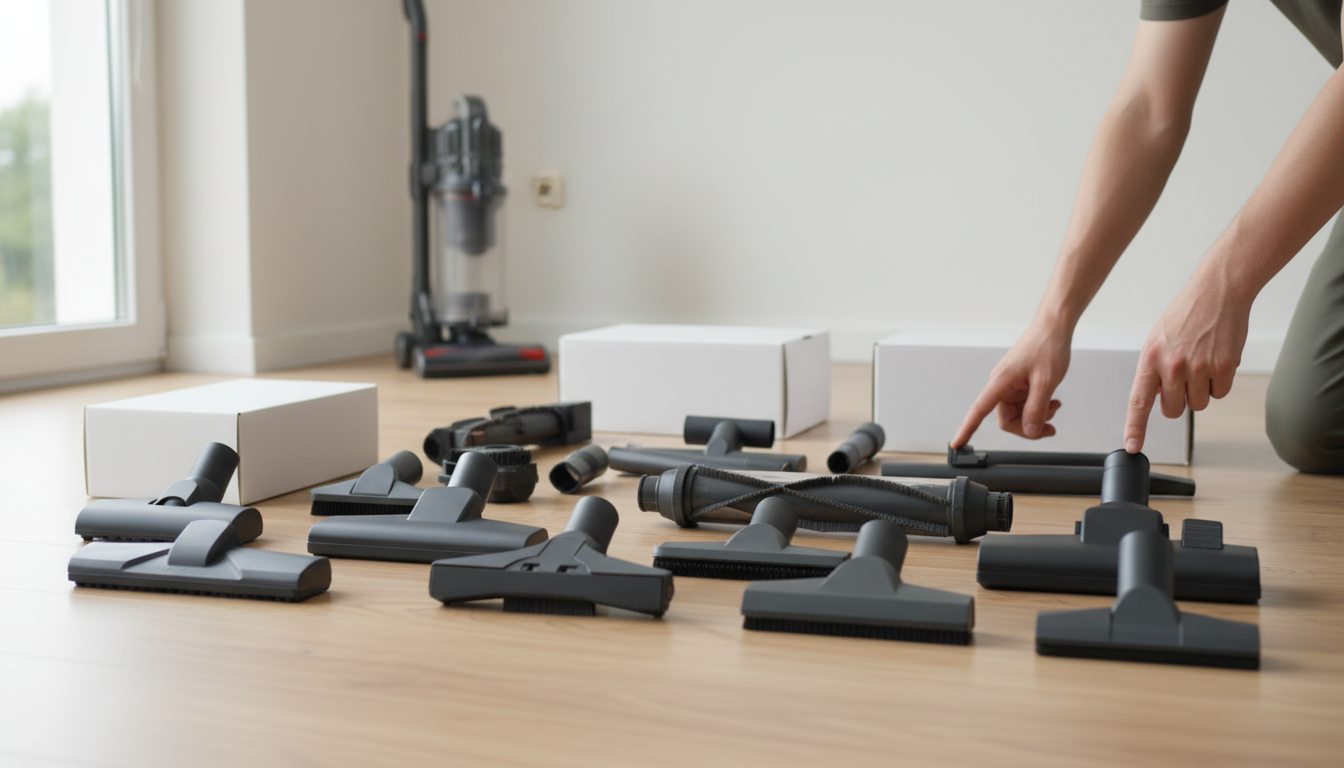
Shark Vacuum Cleaner Attachments: Expanding Your Cleaning Capabilities
Unlock Your Shark Vacuum's Full Potential with the Right Attachments
While your Shark vacuum's primary cleaning head excels at broad surface tasks, achieving a truly comprehensive clean often requires specialized tools. The inherent design of the main vacuum head limits its reach into tight corners, delicate surfaces, or intricate areas. This is where a diverse range of Shark vacuum attachments becomes indispensable, transforming your cleaner into a versatile system capable of tackling virtually any household mess.
These specialized accessories are designed to solve common cleaning dilemmas, from removing pet hair from upholstery to dusting blinds and reaching high ceilings. Understanding their specific functions and how they integrate with your model can significantly enhance cleaning efficiency and the overall cleanliness of your home. This guide aims to equip Shark vacuum owners with the knowledge to identify, select, and effectively utilize the right attachments, ensuring compatibility and managing expectations regarding their performance across various cleaning challenges.
Essential Shark Vacuum Attachments and Their Best Uses
Expanding your Shark vacuum's utility beyond its primary floorhead often involves leveraging a range of specialized attachments, each designed to address distinct cleaning challenges. Understanding the function and optimal application of these tools helps owners achieve a more thorough and efficient clean, tackling areas inaccessible or unsuitable for the main vacuum unit.
-
Crevice Tool This narrow, angled nozzle is engineered to reach into the tightest spaces where dust, debris, and pet hair often accumulate. It excels at cleaning along baseboards, between couch cushions, in car interiors, and within radiator fins. While highly effective for precision cleaning, some users report that the nozzle width on certain Shark models can still be too broad for extremely narrow gaps, such as specific window track runners, requiring a check of the tool's dimensions against your specific needs. Its primary trade-off is its limited surface area, making it inefficient for larger tasks.
-
Upholstery Tool / Pet Multi-Tool Designed with a wide, flat profile, often featuring lint strips or soft bristles, this tool is ideal for cleaning fabric surfaces without snagging or damage. It effectively removes dust, crumbs, and light pet hair from furniture, curtains, and stairs. The "Pet Multi-Tool" variant frequently combines features like stiff bristles and a wider mouth to enhance pet hair removal from embedded surfaces. Its broad intake makes it more efficient than a crevice tool for larger upholstered areas.
-
Dusting Brush Characterized by its soft, often angled bristles, the dusting brush is specifically for delicate surfaces that could be scratched or damaged by harsher tools. It gently lifts dust from blinds, lampshades, bookshelves, electronics, and intricate moldings without requiring excessive suction that might dislodge small items. The soft bristles are key to its utility, making it unsuitable for heavy debris or embedded dirt.
-
Power Brush / Motorized Pet Tool These attachments feature a small, independently powered brush roll, making them highly effective for dislodging stubborn pet hair, dirt, and debris from smaller carpeted areas, upholstery, and car mats. The motorized action provides agitation that standard suction-only tools cannot, enhancing deep cleaning capabilities. Buyers should note that the effectiveness can vary with battery life (for cordless models) or consistent power supply (for corded models), and the brush roll may require periodic cleaning to maintain performance, especially with long hair.
-
Under-Appliance Wand / Duster Crevice Tool This specialized tool offers an extended, often flexible and flattened profile, allowing it to glide under low-clearance furniture and large appliances like refrigerators or washing machines. It effectively captures dust bunnies and debris that accumulate in these hard-to-reach areas, which are typically overlooked during routine cleaning. Its unique shape is its strength, but also a limitation, as it's not designed for general surface cleaning or embedded dirt.
-
Wide Upholstery Tool Similar in function to the standard upholstery tool but with a significantly larger cleaning path, this attachment is designed for efficiency on expansive fabric surfaces. It's best suited for cleaning large sofas, mattresses, or extensive carpeted stairs, reducing the time and effort required compared to smaller tools. Its size, while beneficial for coverage, can make it less maneuverable in tight corners or around intricate furniture details.
-
Flexible Hose / Extension Wand These accessories extend the reach and maneuverability of your vacuum, allowing you to clean high ceilings, ceiling fan blades, or difficult angles without moving the main vacuum unit. The flexible hose provides adaptability for awkward positions, while the rigid extension wand offers stable reach. They serve as conduits for other attachments, enhancing their utility in elevated or distant areas, but do not perform cleaning functions themselves. Compatibility with your specific Shark model's connection points is crucial for secure attachment and effective suction transfer.
Choosing the Right Shark Attachments: Compatibility and Cleaning Needs
Selecting the optimal Shark vacuum attachments involves more than just identifying a cleaning task; it requires understanding your specific vacuum model and evaluating how different tools integrate with its design and power. This guide provides a structured approach to ensure your chosen attachments genuinely enhance your cleaning capabilities.
-
Understand Your Specific Shark Vacuum Model Before considering any attachment, locate the precise model number of your Shark vacuum. This is typically found on a sticker or label on the main body of the vacuum, often near the base or on the back. Shark vacuums come in various series (e.g., Navigator, Apex, Stratos, Rocket, Vertex), and attachments are frequently designed for specific lines or even individual models within those lines. Compatibility is paramount, as a tool that fits one series may not fit or function correctly with another.
-
Identify Your Primary Cleaning Challenges Consider the most persistent or difficult cleaning tasks you encounter. This assessment will guide you toward the types of attachments that offer a practical solution.
- Pet Hair: If pet hair on upholstery, stairs, or pet beds is an issue, look for specialized pet power brushes or multi-tools designed to agitate and lift hair.
- Tight Spaces: For car interiors, between couch cushions, or narrow gaps, a crevice tool is essential. Evaluate its length and nozzle width to ensure it reaches and extracts debris effectively.
- Delicate Surfaces: Dusting blinds, electronics, or lampshades benefits from a soft dusting brush to prevent scratches.
- Hard-to-Reach Areas: Tools with extended reach or articulating heads are useful for ceiling fans, high shelves, or under appliances.
-
Assess Attachment Fit and Functionality An attachment must not only physically connect to your vacuum's hose or wand but also function effectively.
- Physical Connection: Verify the diameter and connection mechanism. Some attachments slide on with a friction fit, while others use a locking button or specific port.
- Power Compatibility: For motorized attachments (like some pet tools), ensure your vacuum has the necessary electrical contacts or air-driven power to operate them. An attachment might fit mechanically but lack functionality if your vacuum doesn't provide the required power.
-
Evaluate Original vs. Third-Party Attachments You'll encounter both Shark-branded (original equipment manufacturer, or OEM) and third-party attachments. Each comes with distinct considerations.
- Original Attachments: These are designed specifically for Shark vacuums, offering guaranteed compatibility and consistent performance. They often come with a higher price point.
- Third-Party Attachments: These can be more affordable and offer a wider selection, particularly for older or less common models. However, quality and fit can vary significantly. Before purchasing, review user feedback regarding fit issues, material durability, and suction effectiveness to mitigate potential risks.
-
Consider Attachment Sets for Comprehensive Needs If you have multiple cleaning challenges, purchasing an attachment set might be more cost-effective than buying individual tools. These sets often include a range of common accessories like crevice tools, dusting brushes, and upholstery tools. However, assess if the entire set addresses your specific needs, or if you might end up with redundant tools. Sometimes, a carefully selected few individual attachments can be a more targeted investment.
Navigating Common Attachment Trade-offs and Potential Issues
While Shark vacuum attachments significantly expand cleaning capabilities, understanding their potential limitations and common user frustrations can help manage expectations and inform purchasing decisions. Not every accessory performs universally, and some design choices inherently come with trade-offs.
-
Effectiveness Concerns Some specialized attachments may not always meet high expectations for specific tasks. For instance, certain crevice tools, while designed for tight spaces, have been noted by users as being too wide or rigid to effectively penetrate very narrow gaps, such as deep door runners. This can limit their utility in precisely targeted cleaning scenarios.
-
Bulky Design Certain larger or more specialized attachments can add considerable bulk to the vacuum's wand or hose, making them cumbersome to maneuver. This can be particularly noticeable when cleaning in confined areas, under furniture, or when reaching high places, potentially leading to user fatigue or difficulty accessing tight spots despite the attachment's intended purpose.
-
Availability and Replacement Challenges Finding replacement or additional attachments, particularly for older Shark vacuum models, can sometimes be a challenge. While some common attachments may be readily available, more niche or discontinued accessories might require searching through third-party retailers or specialized parts suppliers. This can lead to frustration if an essential tool breaks or is lost.
-
Impact on Suction Performance The design of an attachment inherently influences the vacuum's effective suction at the cleaning surface. Attachments with wider openings, longer hoses, or those not forming a tight seal can reduce the concentrated airflow, potentially leading to diminished suction power compared to the main vacuum head. Understanding that suction may feel different through an attachment is key to realistic performance expectations.
-
Wear and Tear Like any frequently used component, vacuum attachments are subject to wear over time. Moving parts, brushes, and plastic components can degrade with repeated use. Signs of wear include frayed bristles on upholstery tools, cracks in plastic housing, or a reduced ability to maintain a secure connection to the vacuum. Regular inspection can help identify when an attachment might need replacing to maintain cleaning effectiveness.
Maximizing Performance: Tips for Effective Attachment Use and Care
Optimizing the performance of your Shark vacuum attachments extends beyond simply connecting them to the hose; it involves understanding proper technique, matching the right tool to the job, consistent maintenance, and efficient storage. Adopting these practices can significantly enhance cleaning effectiveness and prolong the lifespan of your accessories.
To get the most out of each attachment, consider the following:
-
Proper Attachment Technique
- Crevice Tool: For tight spaces like corners, baseboards, or between cushions, hold the tool at a slight angle to maximize suction along the edge. Move it slowly to allow the vacuum to draw in debris effectively. Avoid jamming it into gaps, as this can reduce airflow and suction.
- Upholstery Tool: When cleaning fabrics, use light, consistent pressure. Move the tool in overlapping strokes, often in the direction of the fabric's nap, to lift embedded dirt and hair without damaging the material. For delicate items, consider reducing suction if your model allows.
- Dusting Brush: This tool is designed for gentle cleaning of delicate surfaces, blinds, or vents. Use a light, sweeping motion rather than pressing down hard. The soft bristles are meant to dislodge dust, allowing the suction to capture it.
- Pet Multi-Tool/Power Brush: For pet hair on carpets or upholstery, position the tool to allow its brushroll to agitate the fibers. Apply steady, even pressure and move it in short, controlled passes to effectively lift stubborn hair.
-
Matching Tool to Task The effectiveness of your cleaning often hinges on selecting the appropriate attachment. Using a dusting brush for deeply embedded pet hair, for instance, will yield poor results.
- Crevice Tool: Ideal for narrow gaps, car interiors, and edges where the main vacuum head cannot reach.
- Upholstery Tool: Best for furniture, curtains, and car seats to remove general debris and light pet hair.
- Dusting Brush: Suited for delicate items such as lampshades, window sills, blinds, and electronics.
- Pet Multi-Tool or Motorized Pet Tool: Specifically designed for removing stubborn pet hair from carpets, stairs, and upholstery through agitation.
-
Regular Cleaning and Maintenance Attachments can accumulate debris, hair, and dust, which can impede airflow and reduce suction.
- Post-Use Inspection: After each use, visually inspect attachments for tangled hair, lint, or blockages. Remove any visible debris by hand or with scissors for brushrolls.
- Washing (if applicable): Some non-electrical attachments can be rinsed with lukewarm water. Always consult your Shark vacuum's manual to confirm which parts are water-safe and ensure they are completely dry before reattaching them to prevent moisture damage to the vacuum.
- Clearing Brushrolls: For powered attachments, regularly cut away tangled hair from the brushroll to maintain its effectiveness and prevent motor strain.
- Check for Wear: Over time, bristles on dusting brushes or upholstery tools can wear down. Inspect them periodically and consider replacement if they no longer perform effectively.
-
Storage Solutions Keeping attachments organized and accessible ensures they are used consistently and not misplaced.
- On-Board Storage: Many Shark models include clips or holders for frequently used attachments directly on the vacuum itself. Utilize these for quick access during cleaning sessions.
- Wall Mounts or Hooks: For larger or less frequently used tools, consider installing hooks or a small wall-mounted rack in a utility closet or garage.
- Dedicated Bins or Bags: A small, labeled bin or a mesh bag can keep a collection of specialized attachments together and prevent them from getting lost at the bottom of a cleaning cabinet.
- Proximity: Store attachments close to where your vacuum is kept to streamline the cleaning process and encourage their regular use.
Frequently Asked Questions About Shark Vacuum Attachments
Understanding the nuances of Shark vacuum attachments can significantly impact your cleaning effectiveness. Here are answers to common questions that can help you make informed decisions about your accessory toolkit.
Are Shark Attachments Universal?
Generally, no. Shark vacuum attachments are not universally compatible across all Shark models or series. While some basic tools might share common connection points within a specific product line (e.g., Navigator, Apex, Stratos), many are designed with proprietary fittings, locking mechanisms, or specific airflow requirements unique to certain models or generations of vacuums.
- Fit Considerations: Always verify the attachment's compatibility with your specific Shark vacuum model number. The connection point on the hose or wand can vary in shape and diameter.
- Performance Trade-offs: An attachment that doesn't fit securely can lead to air leaks, reducing suction power and overall cleaning efficiency.
- Risk Factors: Purchasing an attachment without confirming compatibility may result in a non-functional tool and wasted investment.
Can I Use Attachments from Other Brands with My Shark Vacuum?
In some cases, yes, but it often requires careful consideration and may involve trade-offs. While Shark's fittings are not always a standard 1.25-inch diameter, some third-party manufacturers produce universal adapters or attachments designed to fit a range of vacuum brands, including Shark. Certain premium brands might also offer attachments that happen to share a similar, non-proprietary fitting.
- Fit Considerations: The primary challenge is ensuring a secure, airtight seal between the non-Shark attachment and your Shark vacuum's hose or wand. Adapters can bridge compatibility gaps but may add length or bulk.
- Performance Trade-offs: Even if an attachment fits, its design might not be optimized for your Shark vacuum's airflow or suction strength, potentially leading to less effective cleaning.
- Risk Factors: A loose fit can cause suction loss. Using attachments not designed for your vacuum could also potentially damage the vacuum's hose or connection points if forced.
How Do I Find Replacement Attachments for My Specific Shark Model?
The most reliable way to find replacement attachments is by identifying your exact Shark vacuum model number, typically found on a sticker on the main body of the unit.
- Fit Considerations: Use your model number to search the official Shark website or reputable authorized parts retailers. These sources usually provide detailed compatibility lists for each attachment.
- Performance Trade-offs: Opting for genuine Shark replacement parts ensures optimal fit and performance, as they are designed to work seamlessly with your vacuum's engineering. Aftermarket options may vary in quality and fit.
- Risk Factors: Without the correct model number, you risk purchasing an incompatible attachment. Be wary of generic listings that don't specify model compatibility.
What Are the Most Versatile Shark Attachments?
While "versatility" can depend on specific cleaning needs, several attachments are widely considered highly adaptable for various tasks:
-
Crevice Tool: Essential for reaching tight spaces, corners, between couch cushions, and along baseboards. Its narrow profile allows it to access areas the main cleaning head cannot.
-
Upholstery Tool: Designed with a wide, flat head, sometimes with lint strips, it effectively cleans fabric surfaces like furniture, curtains, and car interiors without damaging delicate materials.
-
Dusting Brush: Features soft bristles that gently dislodge dust from delicate surfaces such as blinds, lampshades, bookshelves, and electronics, while the vacuum suctions it away.
-
Pet Multi-Tool (or similar): Often combines features of an upholstery tool and a stiff brush, making it highly effective for removing stubborn pet hair and dander from various surfaces.
-
Fit Considerations: These tools often come standard with many Shark models, indicating their broad utility.
-
Performance Trade-offs: While versatile, no single tool is perfect for every task. For instance, a dusting brush is not ideal for deep carpet cleaning.
-
Risk Factors: Underestimating the utility of these basic tools means you might miss out on effective solutions for common cleaning challenges.
How Do I Clean My Shark Vacuum Attachments?
Regular cleaning of your attachments helps maintain their effectiveness and prolongs their lifespan.
- Fit Considerations: Ensure attachments are completely dry before reattaching them to your vacuum to prevent moisture damage or mold growth.
- Performance Trade-offs: Dirty attachments, especially those with tangled hair or debris, can reduce suction at the tool head, making them less effective.
- Risk Factors: Using harsh chemicals or abrasive materials can damage the plastic or bristles of the attachments.
- For most plastic attachments (crevice, upholstery tool base): Wipe them down with a damp cloth. For stubborn dirt, you can rinse them under lukewarm water with a mild soap.
- For dusting brushes: Gently remove any tangled hair or debris. You can rinse the bristles under lukewarm water, ensuring the base of the brush (where it connects to the vacuum) remains as dry as possible.
- For motorized pet tools: Follow specific manufacturer instructions, as these often contain electrical components that should not be submerged. Typically, you can clean the brush roll and housing with a damp cloth, removing any tangled hair.
Making the Right Choice for Your Shark Cleaning Arsenal
Ultimately, enhancing your Shark vacuum's capabilities hinges on making deliberate choices about its attachments. The effectiveness of your cleaning routine isn't just about the vacuum itself, but how well its accessories align with your specific cleaning demands. Prioritizing compatibility with your Shark model and precisely identifying your recurring cleaning challenges are the foundational steps to building a truly effective cleaning toolkit.
Investing in the correct attachments transforms your vacuum from a general cleaning device into a specialized solution for every corner and surface of your home. The value lies not merely in acquiring more tools, but in selecting those that offer a tangible improvement in efficiency and cleaning efficacy for tasks that your primary vacuum head cannot adequately address. This targeted approach minimizes wasted effort and maximizes the cleanliness of your living space.
Before expanding your Shark cleaning arsenal, take a moment to consider the unique characteristics of your own home. Do you have intricate crown molding, extensive pet hair, hard-to-reach ceiling fans, or delicate electronics? Each of these scenarios presents a specific challenge that a thoughtfully chosen attachment can resolve. By aligning your selections with these individual needs, you ensure that every attachment serves a practical purpose, contributing to a more thorough and satisfying clean.
More in Vacuum Cleaner Attachments
View All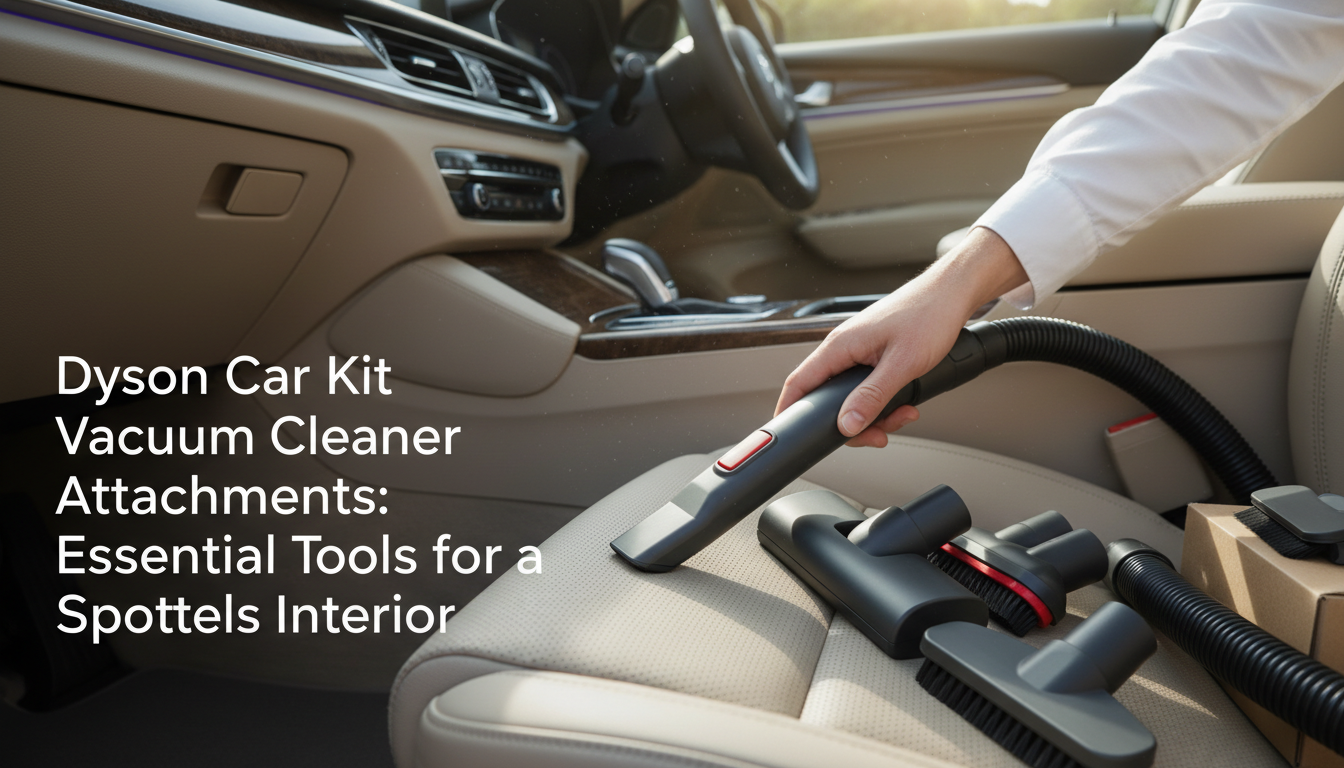
Dyson Car Kit Vacuum Cleaner Attachments: Essential Tools for a Spotless Interior
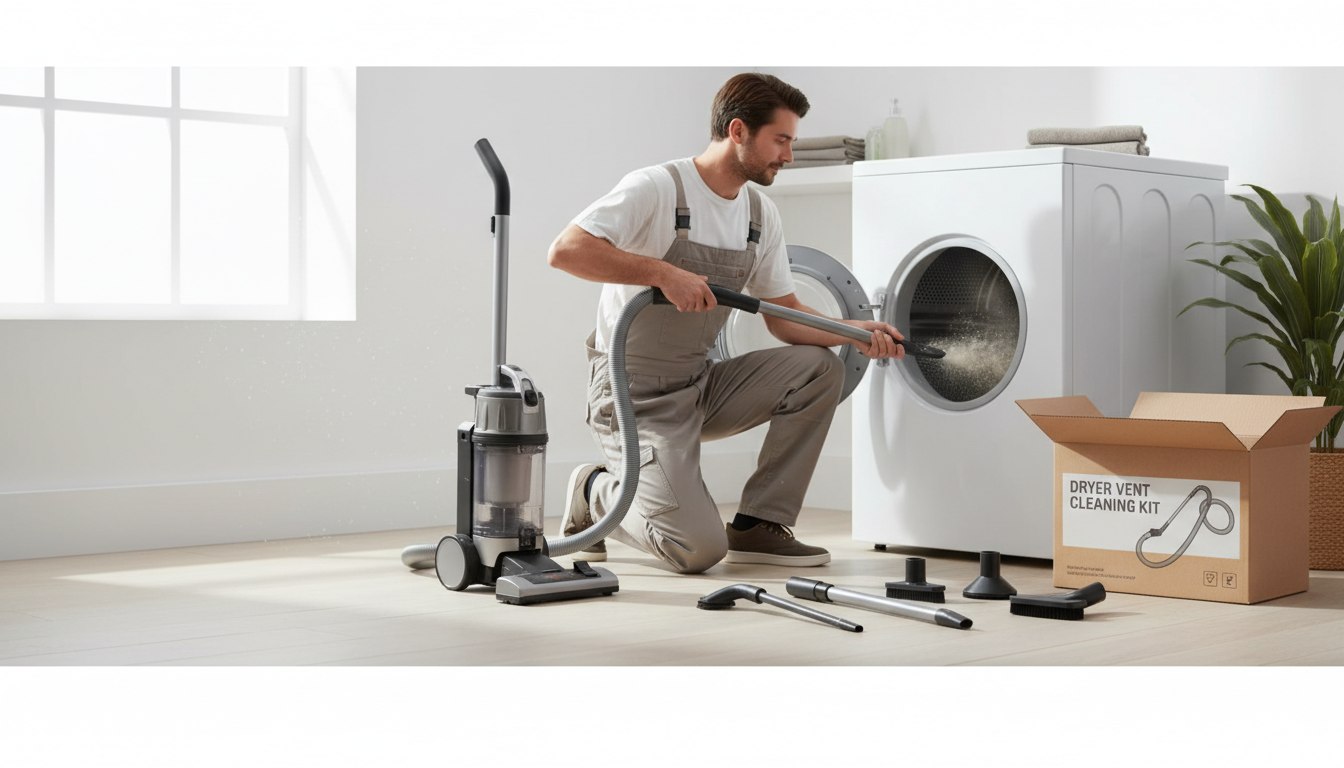
Vacuum Cleaner Attachments for Dryer Vents: Essential Tools for Home Safety