Shark Cordless Vacuum Cleaner Filters: Keeping Your Portable Cleaners Efficient
Unlock Peak Performance: Your Guide to Shark Cordless Vacuum Filters
Your Shark cordless vacuum is engineered for convenient, powerful cleaning, offering both maneuverability and robust suction. However, maintaining this peak efficiency and the health of your indoor air fundamentally relies on the performance of its filtration system. Filters are not merely accessories; they are critical components that prevent captured dirt and fine particles from re-entering your living space, while simultaneously safeguarding the vacuum's motor from damage. A neglected or incorrect filter can diminish suction, reduce air quality, and shorten the lifespan of your portable cleaner.
Shark cordless models typically incorporate a multi-stage filtration approach, often featuring a combination of foam and felt filters designed to capture larger debris, alongside more advanced HEPA filters in many units for trapping microscopic allergens and dust. Understanding these components is key to preserving the high-performance and superior air purification capabilities characteristic of these compact devices.
This guide is designed to empower you with the knowledge needed to confidently manage your Shark cordless vacuum's filters. We will cover:
- The specific types of filters found in various Shark cordless vacuum models.
- Best practices for cleaning washable filters to restore their functionality.
- Identifying when and how to correctly replace filters for optimal performance.
- How proper filter maintenance directly impacts your vacuum's suction power, air filtration, and overall longevity.
Why Filters Are Crucial for Your Shark Cordless Vacuum's Performance
The filtration system in your Shark cordless vacuum is fundamental to its operation, directly influencing everything from suction strength to the air quality in your home and the lifespan of the device itself. Unlike larger, corded units, the compact design and high-performance demands of cordless vacuums mean that filter efficiency is paramount for maintaining their intended functionality and portability benefits.
Clean filters ensure your Shark cordless vacuum consistently delivers its designed suction power. The motor relies on unimpeded airflow to generate effective vacuuming force. When filters become laden with dust and debris, they create a blockage, forcing the motor to work harder against increased resistance. This directly translates to a noticeable reduction in cleaning efficacy, making tasks less efficient and potentially requiring more passes over the same area.
Furthermore, the filtration system plays a vital role in indoor air quality. Many Shark cordless models incorporate advanced filtration, including HEPA filters, which are engineered to trap microscopic particles such as allergens, pet dander, and fine dust. An efficient filter system prevents these particles from being recirculated back into your living space, offering a significant benefit for allergy sufferers and contributing to a healthier home environment. If filters are compromised or clogged, their ability to capture these airborne irritants diminishes.
Beyond immediate cleaning performance, filters are the frontline defense for your vacuum's internal components. They shield the motor from abrasive dust and debris that could otherwise cause overheating, premature wear, or even permanent damage. Protecting the motor is especially critical for cordless units, which are often used frequently and rely on robust internal mechanisms for their high-speed operation. A well-maintained filter system can significantly extend the operational life of your Shark cordless vacuum.
Finally, there's an indirect but important link between filter efficiency and battery life. When filters are clogged, the motor expends more energy to compensate for the restricted airflow. This increased workload draws more power from the battery, leading to shorter run times per charge. By keeping filters clean and functional, you allow the motor to operate at optimal efficiency, thereby maximizing the battery's performance and ensuring your Shark cordless vacuum maintains its signature portability for longer cleaning sessions.
Identifying and Maintaining Filters in Your Shark Cordless Vacuum
Maintaining the filters in your Shark cordless vacuum is fundamental to preserving its suction power and air filtration capabilities. These compact, high-performance units rely on clean filters to operate efficiently, preventing strain on the motor and ensuring effective particle capture. Filters are typically located in two main areas: within the dust cup assembly itself, or sometimes under a separate filter cover on the main body of the vacuum. Always ensure the vacuum is powered off and unplugged (if applicable) before accessing filters.
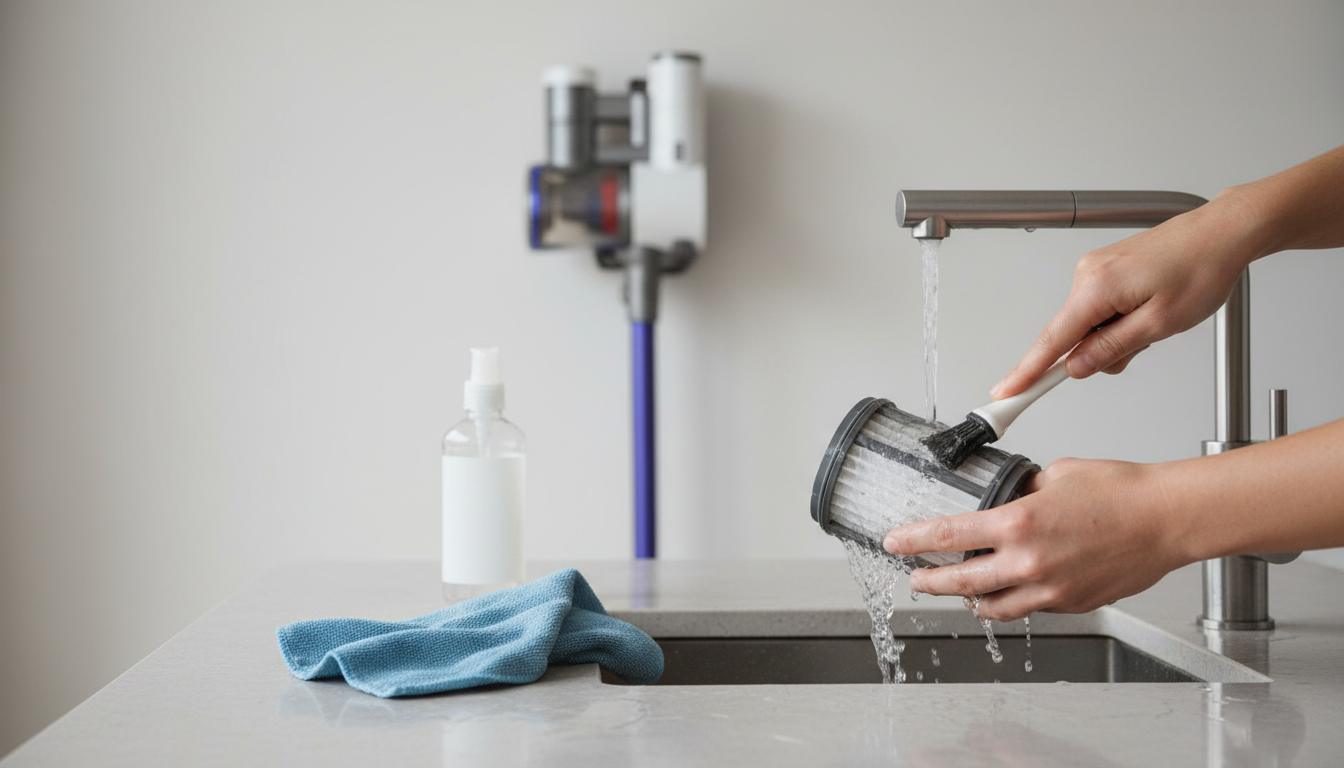
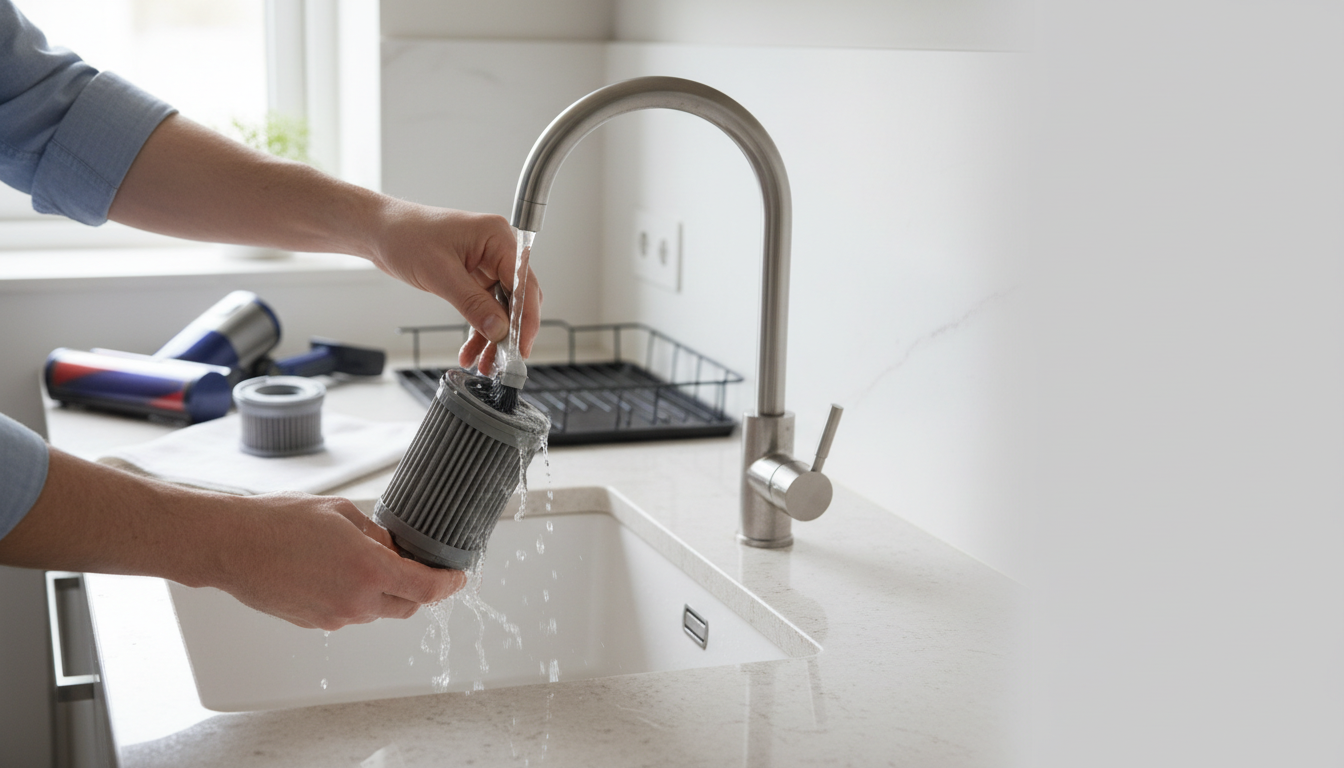
For foam and felt filters, which are common in many Shark cordless models, regular cleaning is a straightforward process. Once located and removed from the vacuum, these filters can often be washed.
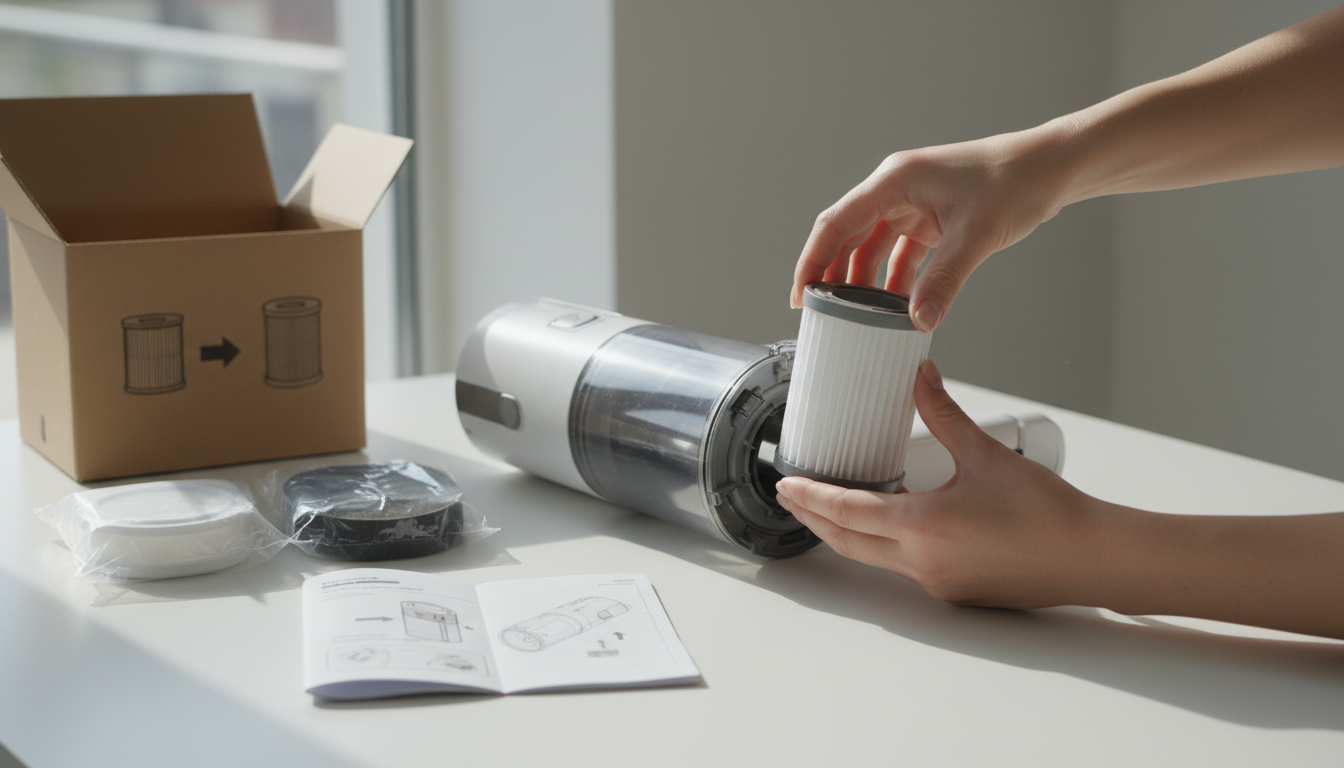
- Remove: Gently pull the foam and felt filters from their housing.
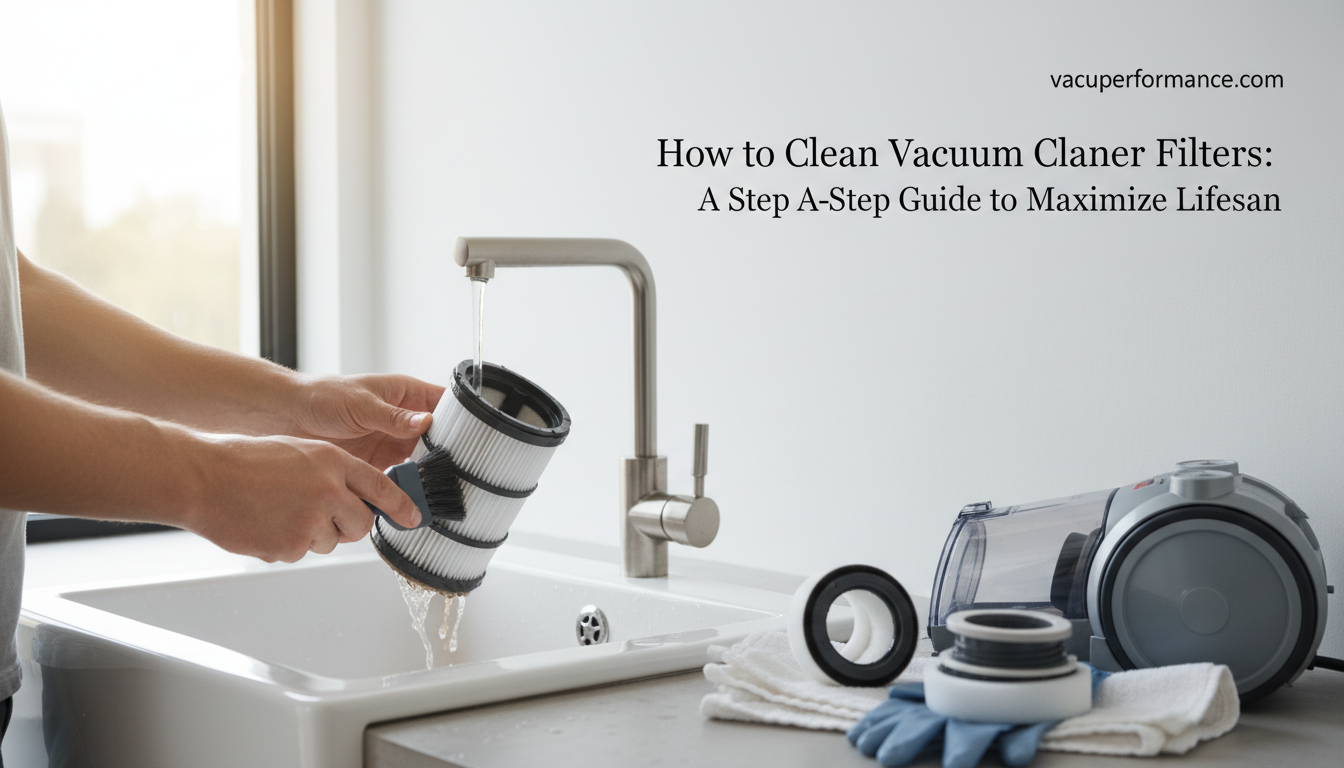
- Rinse: Hold them under cold running water. Avoid using any soap or detergents, as these can degrade the filter material over time. Squeeze gently to remove excess water and dislodge trapped debris.
- Dry: Allow the filters to air dry completely for at least 24 hours before reinserting them into the vacuum. Placing them near a fan or in a well-ventilated area can aid drying. Reinstalling damp filters can lead to mold growth and damage to the vacuum's motor.
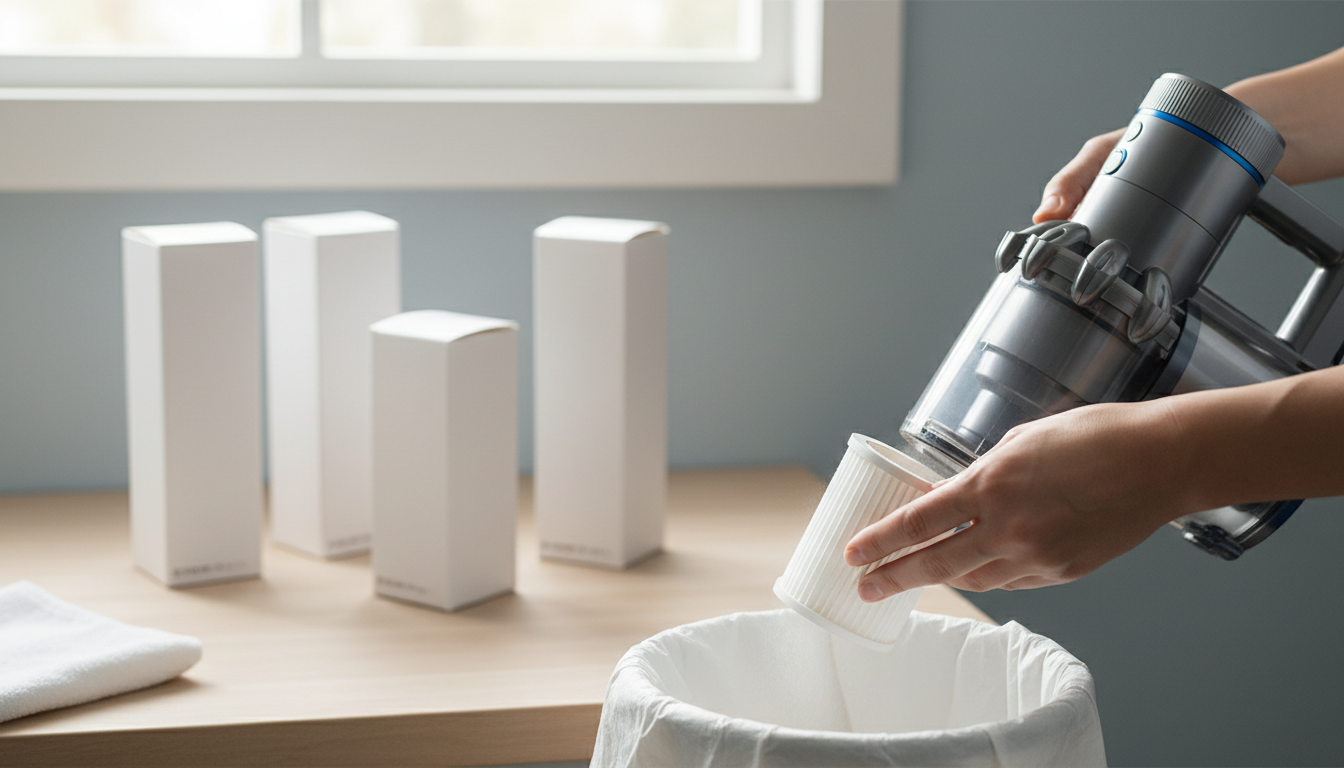
HEPA filters, often found in Shark cordless vacuums for enhanced allergen capture, require a different approach. While some HEPA filters are designed to be rinseable, many are not. For non-washable HEPA filters, simply tapping them gently against a trash can can dislodge accumulated dust and debris. If your specific model's manual indicates a washable HEPA filter, follow those instructions carefully, typically involving cold water rinsing and a full air-dry period. However, even washable HEPA filters have a finite lifespan and will eventually require replacement when they can no longer be effectively cleaned or show signs of wear.
The frequency of filter maintenance depends on usage patterns and household conditions. A general guideline suggests cleaning foam and felt filters every 1 to 3 months, or more frequently if the vacuum is used daily, in homes with pets, or for extensive cleaning tasks. HEPA filters typically require replacement every 6 to 12 months, though this can vary. Consistent cleaning helps extend the life of your filters and maintain optimal suction, but timely replacement ensures the vacuum continues to deliver peak performance and air quality. Always consult your specific Shark cordless vacuum model's user manual for precise cleaning instructions and recommended replacement schedules.
Choosing the Right Replacement Filters for Your Shark Cordless Vacuum
Selecting the correct replacement filters is crucial for maintaining the suction power and air filtration capabilities of your Shark cordless vacuum. The compact design and high-performance nature of these units mean that filter precision directly impacts overall efficiency and longevity.
When sourcing new filters, consider the following:
- Model-Specific Compatibility is Non-Negotiable: Shark manufactures various cordless vacuum models, and their filters are rarely interchangeable. Using a filter not designed for your specific model can result in a poor fit, reduced suction, improper air sealing, and potentially damage the vacuum's motor. Always locate your vacuum's exact model number (often found on a sticker on the unit or in the user manual) and cross-reference it with the filter's compatibility list before purchase.
- Original Equipment Manufacturer (OEM) vs. Aftermarket Filters:
- OEM filters are produced by Shark and are designed to meet the exact specifications of your vacuum. They typically offer a guaranteed fit, optimal filtration performance, and consistent material quality. The primary trade-off is often a higher cost.
- Aftermarket filters are manufactured by third-party companies. While generally more affordable, their quality can vary significantly. Some aftermarket options may offer comparable performance, but others might have slight dimensional differences leading to an imperfect seal, reduced filtration efficiency, or even increased strain on the vacuum's motor. Carefully review product descriptions and user feedback for aftermarket filters.
- HEPA Filtration for Enhanced Air Quality: If your priority includes capturing fine dust, allergens, and pet dander, look for replacement filters explicitly labeled as HEPA (High-Efficiency Particulate Air). HEPA filters are designed to trap 99.97% of airborne particles as small as 0.3 microns. Not all Shark cordless models are equipped with HEPA filters, nor are all replacement filters HEPA-grade. Verify that the replacement filter meets this standard if improved indoor air quality is a key consideration for your home.
- Multi-Pack Options for Value and Convenience: Many replacement filters are available in multi-packs, which can offer a cost-effective solution over time. For washable foam and felt filters that require a 24-hour drying period after cleaning, having a spare set allows for uninterrupted use of your vacuum. Multi-packs also ensure you have replacements readily available when filters reach the end of their lifespan, preventing a drop in performance due to an overdue change.
Avoiding Common Pitfalls: Filter-Related Issues with Shark Cordless Vacuums
Maintaining the efficiency of your Shark cordless vacuum hinges significantly on proper filter care. Overlooking specific maintenance protocols or making incorrect choices can lead to diminished performance, motor strain, and compromised air quality, undermining the very benefits of these portable units. Understanding these common pitfalls is crucial for preserving your vacuum's peak operation and longevity.
One significant risk involves the improper drying of washable filters. Shark often equips its cordless models with foam and felt filters designed for rinsing. However, reinstalling these components while even slightly damp can foster mold and mildew growth, introducing unpleasant odors and potentially harmful spores into your home. More critically, moisture can damage the vacuum's motor and electrical components, leading to costly repairs or complete failure. Manufacturers consistently advise allowing filters to air dry for at least 24 hours, or until completely dry, before reinstallation.
The use of incorrect or incompatible replacement filters also presents a substantial risk. Shark cordless vacuums are engineered with precise airflow dynamics and filtration specifications unique to each model. An ill-fitting or non-standard filter might not create a proper seal, allowing dust and debris to bypass the filtration system entirely. This not only re-releases pollutants into the air but also exposes the motor to fine particles, accelerating wear and reducing its lifespan. Furthermore, an incorrect filter can impede airflow, forcing the motor to work harder and potentially overheat, leading to reduced suction and premature failure. Always verify the specific filter model number recommended for your Shark cordless vacuum.
Neglected or extremely dirty filters directly impact your vacuum's core performance. As filters accumulate dust and debris, they become clogged, restricting airflow to the motor. This restriction manifests as a noticeable drop in suction power, making the vacuum less effective at picking up dirt. The motor, in turn, must exert more effort to pull air through the clogged filter, leading to increased energy consumption, higher operating temperatures, and accelerated motor wear. Over time, this sustained strain can significantly shorten the overall operational life of your cordless unit.
It's also important to acknowledge that filtration effectiveness can vary, and even well-maintained vacuums can face challenges. Some user reports and independent tests, such as 'fog test' failures observed in certain Shark cordless models, highlight instances where fine particulate matter was not fully contained. While such results can have variability, they underscore the critical role of diligent filter maintenance in maximizing a vacuum's air purification capabilities. Regular cleaning and timely replacement, as per your specific model's guidelines, are the primary defenses against such filtration compromises, ensuring your Shark cordless vacuum performs as intended in trapping dust and allergens.
Frequently Asked Questions About Shark Cordless Vacuum Filters
Maintaining your Shark cordless vacuum's efficiency often comes with questions about its filtration system. Addressing these common inquiries can help ensure your device continues to perform at its best, preserving both suction power and indoor air quality.
-
How often should Shark cordless vacuum filters be replaced? The frequency for replacing Shark cordless vacuum filters varies by model and usage. As a general guideline, foam and felt filters often require cleaning every 1-2 months and replacement every 6-12 months. HEPA filters, if your model includes one, might need replacement every 12-24 months. However, signs like reduced suction, a noticeable odor, or visible damage to the filter indicate an immediate need for cleaning or replacement. Always consult your specific model's user manual for the most accurate maintenance schedule.
-
Can all Shark cordless vacuum filters be washed? Not all Shark cordless vacuum filters are designed for washing. Typically, the foam and felt pre-motor filters are washable. These can be rinsed under cold water without soap until the water runs clear. It is crucial to allow these filters to air dry completely for at least 24 hours before reinstallation to prevent mold or mildew growth and damage to the vacuum. HEPA filters, often found post-motor, are generally not washable or only partially washable depending on the model; many are designed to be tapped clean of dust or replaced outright. Always refer to your vacuum's manual to confirm if a specific filter type is washable.
-
What should I do if my Shark cordless vacuum smells bad? A bad odor from your Shark cordless vacuum often indicates trapped debris, pet dander, or moisture within the system. To address this, first, empty the dust cup and clean it thoroughly. Then, remove and inspect all filters (foam, felt, and HEPA). Clean any washable filters according to the manufacturer's instructions, ensuring they are completely dry before reinserting. For non-washable filters, tap out any accumulated dust. Also, check the brush roll for tangled hair or debris, and clean any accessible internal pathways. Ensuring all components are clean and dry before reassembly can eliminate most odors.
-
Where is the best place to buy replacement Shark cordless vacuum filters? When purchasing replacement Shark cordless vacuum filters, prioritize compatibility with your specific model. You can typically find suitable filters through the manufacturer's official channels or reputable online retailers specializing in vacuum parts. Look for filters explicitly listed for your Shark cordless model number to ensure proper fit and function. Checking user reviews can also provide insight into the quality and fit of third-party options, though genuine manufacturer parts often offer the most assured compatibility and performance.
Maximize Your Clean: The Lifespan and Efficiency of Your Shark Cordless Vacuum
Maintaining the filters in your Shark cordless vacuum is not merely a routine task; it is a direct investment in the sustained performance and longevity of your appliance. As we've explored, precise filter selection, diligent cleaning, and timely replacement are foundational to preserving the robust suction power, superior air filtration, and inherent portability that define these high-performance units.
Neglecting filter care risks diminished cleaning effectiveness, reduced air quality, and undue strain on the motor, ultimately shortening the vacuum's operational life. Conversely, a well-maintained filtration system ensures your Shark cordless vacuum consistently delivers its peak capabilities, protecting both your investment and your home environment.
Empowered with this knowledge, you are now equipped to confidently manage your Shark cordless vacuum's filters. By applying these guidelines, you ensure your portable cleaner remains an efficient tool for a cleaner, healthier living space for years to come.
More in Vacuum Cleaner Filters
View All