Electrolux Vacuum Cleaner Filters: How to Select and Replace for Best Results
Unlock Peak Performance: Your Guide to Electrolux Vacuum Cleaner Filters
Many Electrolux vacuum owners invest in their appliance for its cleaning power, yet the true secret to sustained performance and a healthier home often lies within its filtration system. Filters are not merely accessories; they are critical components that directly impact your vacuum's suction, motor longevity, and, most importantly, the quality of the air you breathe. Over time, clogged or incorrect filters can lead to diminished cleaning results, increased motor strain, and the recirculation of dust and allergens into your living space.
Electrolux vacuums typically employ a sophisticated filtration system, often including:
- Pre-motor filters: These protect the vacuum's motor from larger debris, preventing damage and ensuring consistent airflow.
- Exhaust filters: Positioned at the vacuum's air outlet, these capture fine particles before air is expelled back into the room.
- HEPA filters: High-Efficiency Particulate Air filters are designed to trap microscopic particles. Electrolux models featuring HEPA filtration can capture 99.97% of dust and debris as small as 0.3 microns, significantly improving indoor air quality by containing allergens and irritants.
This comprehensive guide will empower you to confidently navigate the world of Electrolux vacuum cleaner filters. You'll learn how to accurately identify the right filters for your specific model, understand the performance benefits of proper selection, and master the replacement and maintenance steps necessary to keep your Electrolux vacuum operating at its best.
Why the Right Electrolux Vacuum Filters Make All the Difference
Electrolux vacuum cleaner filters do more than simply collect visible debris; they are integral to both your vacuum's operational efficiency and the cleanliness of your indoor air. Understanding their specific roles helps ensure you select and maintain the correct filters for optimal performance.
Electrolux vacuums typically utilize a combination of filters, each serving a distinct purpose:
- Pre-Motor Filters: Positioned before the vacuum's motor, these filters capture larger particles and fine dust, acting as a crucial protective barrier. Their primary function is to prevent foreign matter from entering and damaging the motor, which can lead to overheating or premature wear.
- Exhaust (Post-Motor) Filters: These filters are the final stage of filtration, cleaning the air before it's released back into your home environment. Many Electrolux models feature High-Efficiency Particulate Air (HEPA) exhaust filters.
- HEPA Filters: These specialized filters are designed to capture 99.97% of airborne particles as small as 0.3 microns. This includes common allergens like pollen, pet dander, dust mite debris, and mold spores, significantly improving indoor air quality.
The proper functioning of these filters is directly linked to your vacuum's performance and longevity. When filters become clogged with accumulated dust and debris, airflow is restricted, leading to a noticeable loss of suction power. This forces the motor to work harder, potentially causing increased noise and overheating. By maintaining clean and functional filters, you protect the motor from damage, sustain consistent suction, and extend the lifespan of your Electrolux vacuum. Critically, effective filtration, especially with HEPA filters, ensures that the air expelled by your vacuum is cleaner, reducing the recirculation of allergens and contributing to a healthier living space.
Essential Criteria for Selecting Your Electrolux Vacuum Filters
Choosing the correct filters for your Electrolux vacuum cleaner is a foundational step in maintaining its performance and ensuring clean indoor air. An informed selection prevents common issues like reduced suction, motor strain, and ineffective air purification. Understanding the key criteria will empower you to make an optimal choice for your specific cleaning needs and appliance model.
-
Model-Specific Compatibility The most critical factor is ensuring the filter is designed for your exact Electrolux vacuum model. Electrolux produces a diverse range of vacuum cleaners, including uprights, canisters, stick vacuums, and central vacuum systems, each with unique filter dimensions and attachment mechanisms. An improperly fitting filter can compromise the vacuum's sealed system, allowing dust to bypass the filter and re-enter your air or even damage the motor. Always consult your vacuum's user manual or the model number located on the appliance itself to identify the precise filter part number required. This adherence to specific specifications is paramount for both performance and appliance longevity.
-
Filter Type and Filtration Efficacy Electrolux offers filters with varying levels of filtration, impacting both air quality and vacuum function.
- HEPA Filters: For households prioritizing superior indoor air quality, particularly those with allergy sufferers or pets, HEPA (High-Efficiency Particulate Air) filters are often the preferred choice. Electrolux HEPA filters are engineered to capture 99.97% of airborne particles as small as 0.3 microns, including pollen, pet dander, dust mites, and mold spores. This significantly reduces allergens recirculating in your home.
- Standard Filters: These filters provide effective general-purpose filtration, trapping larger dust and debris to protect the motor and maintain cleaning power. While not offering the same microscopic particle capture as HEPA, they are suitable for everyday cleaning without specific air quality concerns. The choice between HEPA and standard often involves a trade-off between filtration effectiveness and cost, as HEPA filters can be more specialized.
-
Washable vs. Disposable Options Electrolux filters also come in washable and disposable varieties, each with distinct maintenance implications and benefits.
- Washable Filters: These can be rinsed under water and reused, offering a more environmentally friendly and potentially cost-effective solution over time. However, it's crucial that washable filters are completely air-dried for at least 24 hours before reinstallation to prevent mold growth and maintain filtration integrity.
- Disposable Filters: Designed for single-use, these filters offer convenience as they are simply discarded and replaced when dirty. They eliminate the need for cleaning but incur recurring replacement costs. The decision often balances convenience against long-term cost and environmental impact.
-
Material Quality and Construction The effectiveness and durability of an Electrolux filter are directly tied to its material quality and construction. High-quality filter media, whether paper, synthetic, or a blend, is designed to capture particles efficiently without prematurely clogging or degrading. Filters made with inferior materials may:
- Fail to capture fine particles effectively, leading to diminished air quality.
- Break down prematurely, requiring more frequent replacement.
- Restrict airflow, causing the vacuum motor to work harder, potentially leading to overheating or reduced suction. Opting for filters that meet Electrolux's material and construction standards ensures consistent performance and protects your vacuum's motor from unnecessary strain.
Is It Time? Identifying When to Replace Your Electrolux Vacuum Filters
Recognizing the right moment to replace your Electrolux vacuum's filters is crucial for maintaining its performance, extending its lifespan, and ensuring clean indoor air. Waiting too long can lead to diminished cleaning power and potential damage to the appliance. Here are key indicators that your filters need attention:
- Reduced Suction Power: A noticeable decrease in your vacuum's ability to pick up debris is often the most direct sign of a clogged filter. As filters become saturated with dust and particles, airflow is restricted, forcing the motor to work harder with less effective results.
- Increased Motor Noise or Overheating: When filters are obstructed, the vacuum's motor strains to pull air through, leading to a louder operating noise or a higher-pitched whine. This increased strain can also cause the motor to overheat, which is a significant risk to the appliance's longevity.
- Visible Dirt and Discoloration: Regularly inspecting your filters can provide immediate clues. If your pre-motor or exhaust filters appear heavily caked with dust, discolored, or show signs of wear and tear like tears or holes, their filtering capacity is compromised.
- Unpleasant Odors: If your Electrolux vacuum emits a stale, musty, or otherwise unpleasant smell during operation, it often indicates that trapped debris, pet dander, or even mold spores within the filter are being recirculated into your home.
- Recommended Replacement Intervals: Beyond physical signs, Electrolux provides general guidelines for filter replacement. For many models, especially those featuring HEPA filtration, replacing the HEPA filter every 6 to 12 months is recommended to maintain optimal air purification. Pre-motor filters, which capture larger debris, may require more frequent cleaning or replacement, depending on usage and household environment.
Timely filter replacement is not just about restoring suction; it prevents undue stress on your vacuum's motor, maintains the integrity of its sealed filtration system, and ensures that your Electrolux continues to contribute to a cleaner, healthier home environment.
Navigating Compatibility: Avoiding Common Pitfalls with Electrolux Filters
Selecting the correct replacement filter for your Electrolux vacuum cleaner is critical for maintaining its performance and ensuring effective air filtration. Using a non-compatible filter can lead to a range of issues, from diminished cleaning power to potential damage to your appliance. Understanding these risks and how to verify compatibility can prevent common pitfalls.
Risks of Incorrect Filter Fit
An improperly fitting filter, whether too loose or too restrictive, can compromise your vacuum's functionality and longevity.
- Poor Performance: Filters that don't seal correctly allow dust and debris to bypass the filtration system, reducing cleaning effectiveness and recirculating particles into your home. A filter that's too dense or the wrong size can also restrict airflow, leading to a noticeable loss of suction.
- Vacuum Damage: Restricted airflow from a clogged or incompatible filter forces the motor to work harder, increasing its temperature and potentially leading to overheating. This added strain can shorten the motor's lifespan, result in unusual noises, or even cause premature vacuum failure.
- Compromised Air Quality: If an exhaust filter doesn't fit snugly or isn't designed to the original specifications, fine dust, allergens, and other microscopic particles can escape back into the air. For models designed with HEPA filtration, an incorrect filter means you lose the critical benefit of capturing 99.97% of particles as small as 0.3 microns.
Trade-offs: Aftermarket vs. Original Equipment Manufacturer (OEM) Filters
When choosing replacement filters, you'll often encounter both Electrolux-branded (OEM) options and aftermarket alternatives. Each presents a different set of considerations:
- OEM Filters: These are manufactured by Electrolux or on their behalf, designed to exact specifications for your specific vacuum model. They typically offer a precise fit, consistent material quality, and guaranteed filtration performance aligned with the vacuum's original design. The trade-off is often a higher price point.
- Aftermarket Filters: Produced by third-party manufacturers, these filters are designed to be compatible with Electrolux models. They can offer a more budget-friendly option. However, quality can vary significantly. Potential trade-offs include less precise fit, materials that may not meet original filtration standards, and an unknown impact on vacuum warranty or long-term motor health. It's essential to research the reputation of the aftermarket brand before purchasing.
How to Verify Filter Compatibility
To ensure you select the right filter, always prioritize accurate identification of your vacuum model and the corresponding filter part number.
- Locate Your Vacuum's Model Number: This is typically found on a rating label or sticker located on the underside, back, or side of your Electrolux vacuum cleaner. It might also be in your user manual.
- Identify the Filter Part Number: The specific part number for your filter is often printed directly on the filter itself, in your vacuum's user manual, or on the packaging of your original filter.
- Cross-Reference: Use your vacuum's model number and the filter part number to search on the Electrolux official website or through authorized parts diagrams. This ensures a direct match.
Where to Find Reliable Replacements
Sourcing filters from reputable channels helps minimize the risk of purchasing incompatible or low-quality products.
- Electrolux Official Website: The manufacturer's site is the most direct source for genuine OEM filters, ensuring exact compatibility and quality.
- Authorized Retailers: Appliance stores or online retailers specifically authorized to sell Electrolux parts are reliable sources for OEM filters.
- Reputable Parts Suppliers: For aftermarket options, choose suppliers with a strong track record and positive customer reviews specifically mentioning fit and performance for your Electrolux model. Exercise caution with generic or unbranded filters.
Maximizing Filter Life: Maintenance and Replacement for Electrolux Vacuums
To ensure your Electrolux vacuum consistently delivers optimal cleaning power and maintains healthy indoor air quality, proactive filter maintenance is essential. This involves knowing when and how to clean washable filters, correctly replacing spent filters, and establishing a regular maintenance routine tailored to your usage.
Proper Cleaning Techniques for Washable Filters
Many Electrolux vacuum models feature washable filters designed for extended use. Proper cleaning can significantly prolong their efficiency and prevent premature replacement.
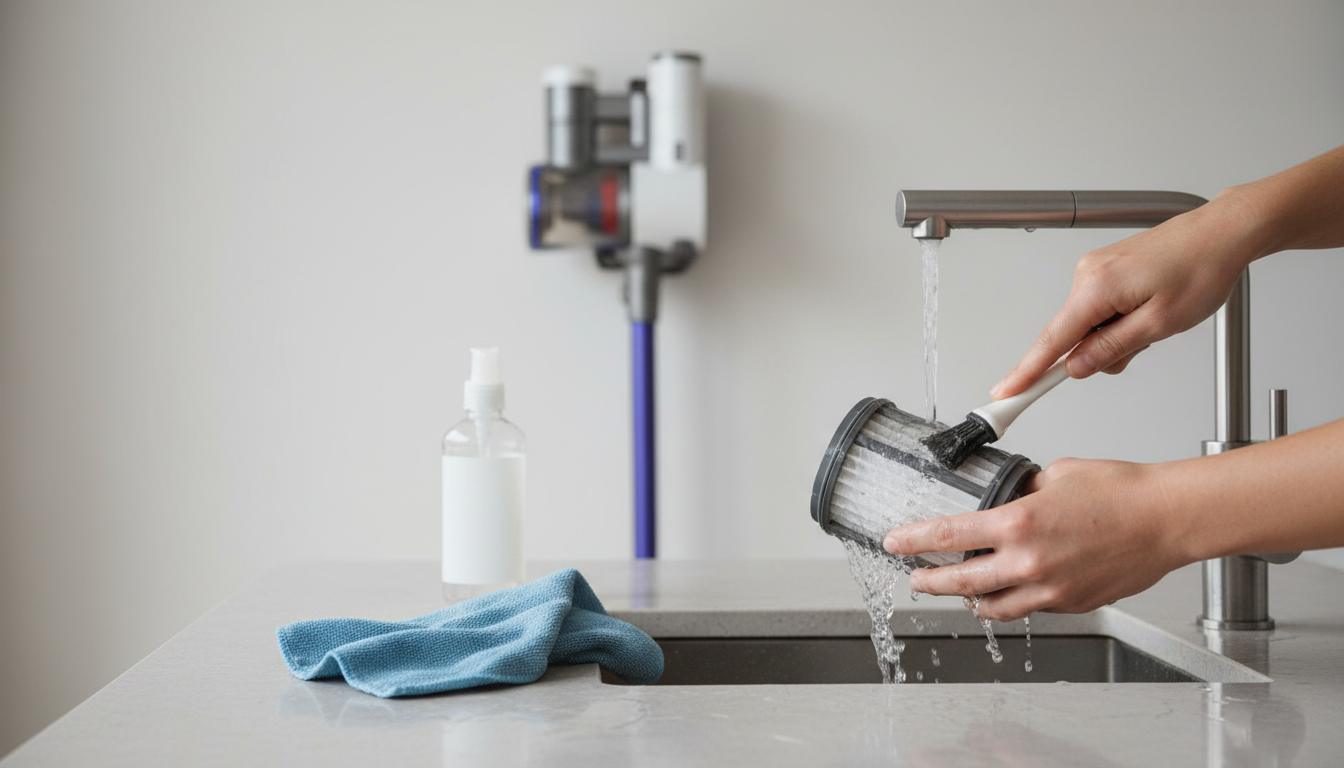
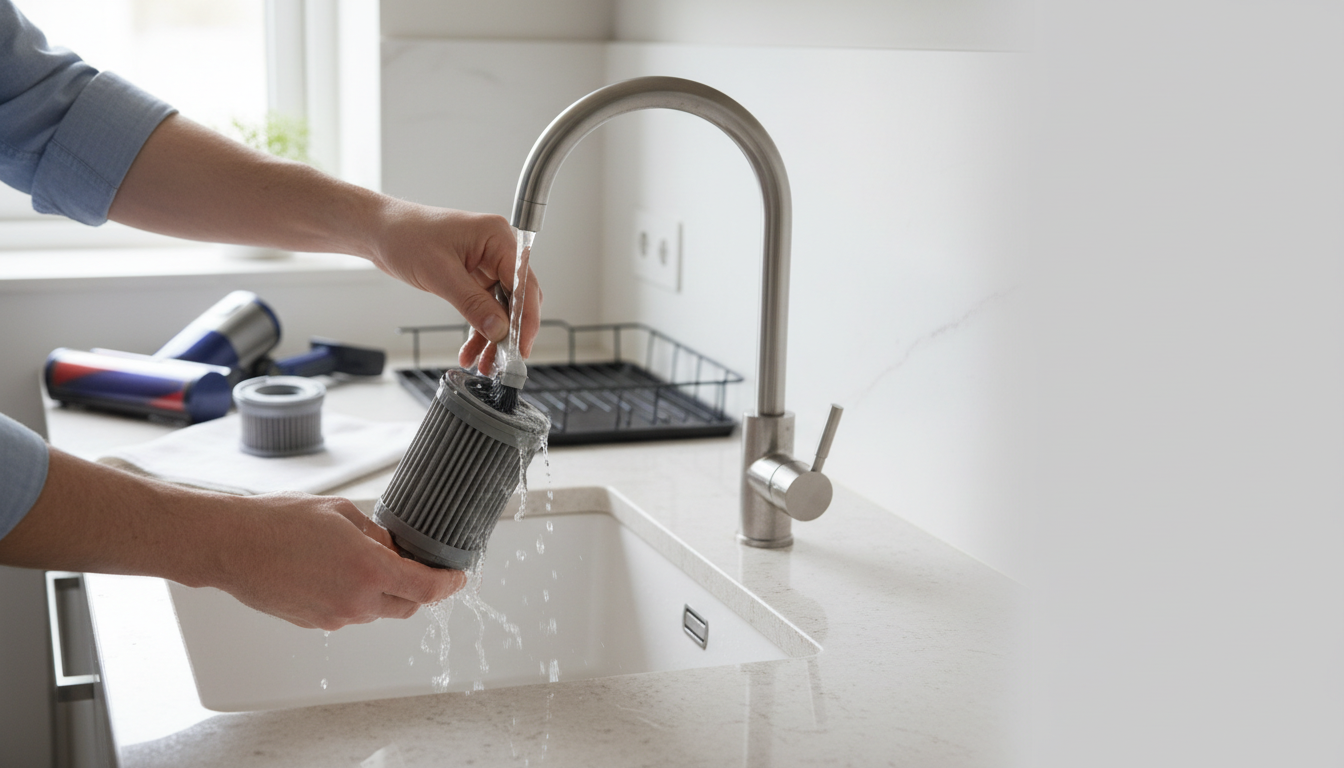
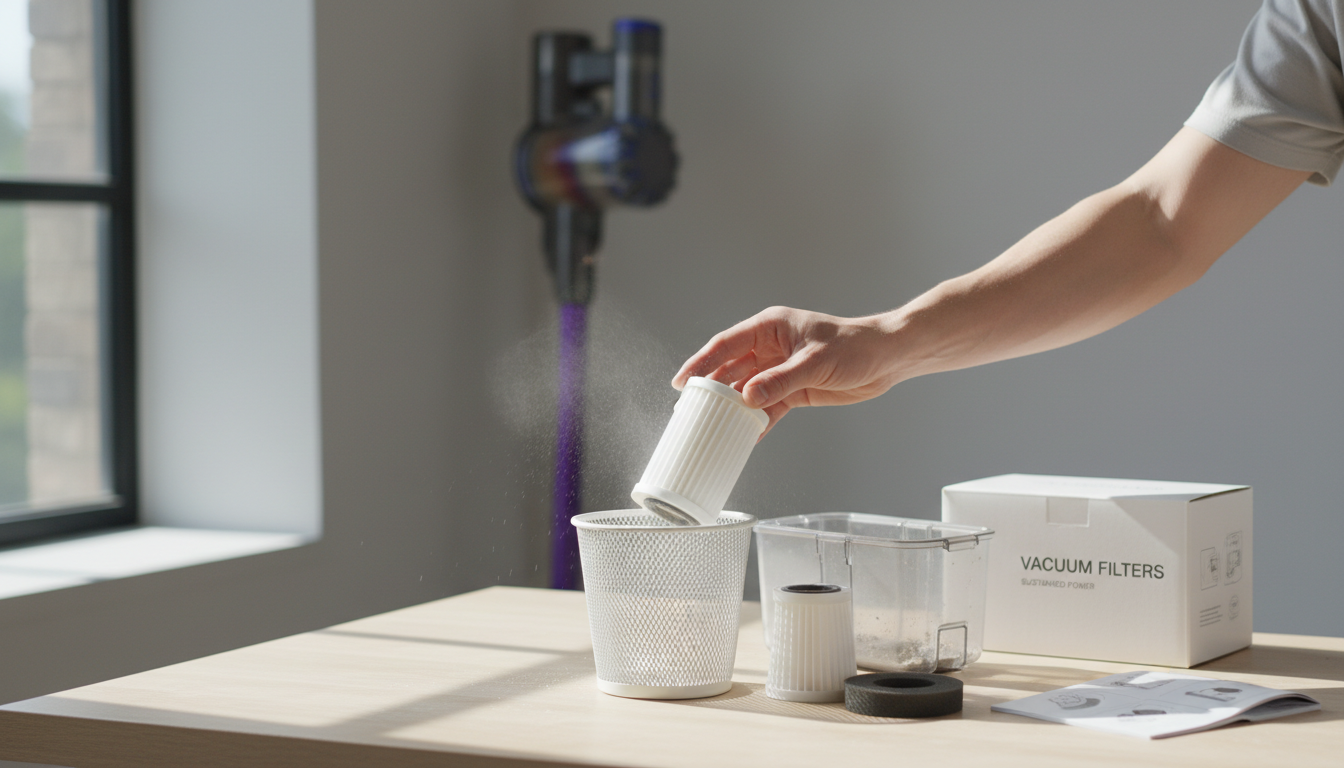
- Remove and Tap: Before rinsing, gently tap the filter over a trash can to dislodge loose dust and debris. This prevents clogging your sink.
- Rinse with Cold Water: Hold the filter under cold, running water. Avoid using detergents or hot water, as these can damage the filter material. Rinse from the clean side (opposite to the dirty side) to push dirt out.
- Squeeze and Rinse: For foam or sponge-like filters, gently squeeze them under the running water until the water runs clear. For pleated filters, ensure water flows through all pleats.
- Allow to Air Dry Completely: This is the most critical step. Place the filter in a well-ventilated area, away from direct heat or sunlight. Allow it to air dry for a minimum of 24 hours, or until it is absolutely dry to the touch. Reinstalling a damp filter can lead to mold growth, unpleasant odors, and potential damage to your vacuum's motor.
Step-by-Step Replacement Guide
While specific filter locations and removal methods vary by Electrolux model, the general process for replacing filters remains consistent. Always consult your vacuum's user manual for precise, model-specific instructions.
- Power Down and Unplug: For safety, always turn off and unplug your Electrolux vacuum before performing any maintenance.
- Locate Filter Compartments: Electrolux vacuums typically have at least two main filter locations: a pre-motor filter (often near the dust bin) and an exhaust filter (usually at the back or side of the vacuum). Some models may have additional filters.
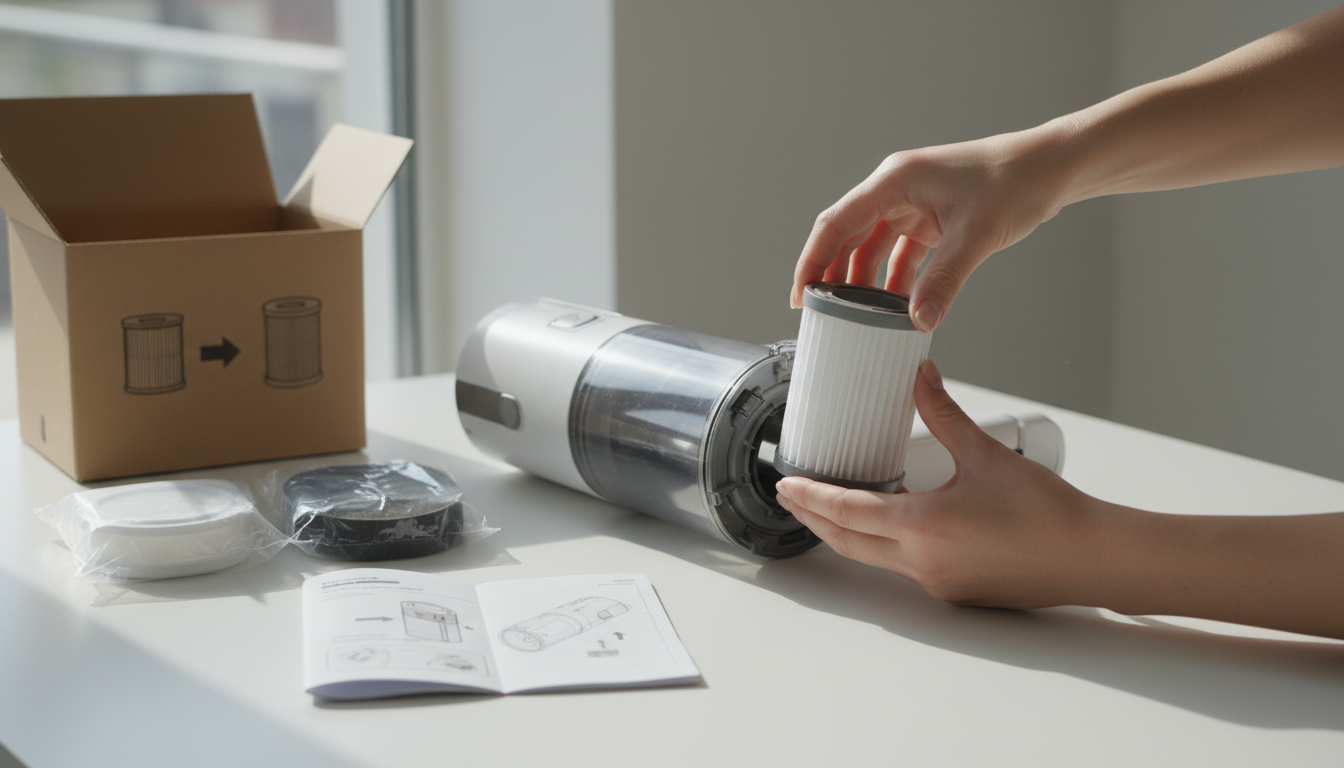
- Remove Old Filters: Carefully unlatch or twist to open the filter compartment. Gently remove the old filter, being mindful of accumulated dust. Dispose of non-washable filters appropriately.
- Insert New Filters: Position the new filter according to the arrows or guides in the compartment. Ensure it sits flush and securely.
- Secure Compartments: Close and latch all filter compartments firmly. A loose filter compartment can compromise the vacuum's sealed system and filtration efficiency.
Establishing a Maintenance Schedule
A consistent maintenance schedule prevents performance degradation and extends the life of your Electrolux vacuum.
- Regular Visual Checks: Briefly inspect your filters each time you empty the dust bin. Look for visible dust buildup, discoloration, or tears.
- Washable Filter Cleaning: For models with washable filters, aim to clean them every 1 to 3 months, depending on usage frequency and the amount of dirt and pet hair collected. More frequent cleaning may be necessary in homes with pets or allergy sufferers.
- Non-Washable Filter Replacement: Filters like HEPA filters, which are not designed for washing, typically require replacement every 6 to 12 months. Refer to your Electrolux model's manual for the manufacturer's recommended replacement interval.
- Performance Indicators: Pay attention to signs of reduced suction, increased motor noise, or a dusty odor during operation. These are often indicators that your filters are clogged and require immediate attention. Timely replacement and cleaning are crucial to prevent strain on the motor and maintain effective cleaning.
Frequently Asked Questions About Electrolux Vacuum Filters
Understanding the nuances of your Electrolux vacuum's filters is key to maintaining its performance and ensuring clean indoor air. Here are concise answers to common questions that Electrolux owners often have.
-
How often should I change my Electrolux vacuum filter? The replacement frequency for Electrolux vacuum filters largely depends on the filter type and your usage habits. For HEPA filters, a general guideline is every 6 to 12 months. Pre-motor and exhaust filters might require more frequent cleaning or replacement, especially with heavy use or if you have pets. Always consult your specific Electrolux vacuum model's user manual for the manufacturer's recommended schedule.
-
Can I wash all Electrolux vacuum filters? No, not all Electrolux vacuum filters are designed to be washable. Some pre-motor or foam filters may be washable, intended for rinsing under water, while others, particularly HEPA filters, are often not. Attempting to wash a non-washable filter can damage its filtration media and reduce its effectiveness. Always check your vacuum's user manual for instructions specific to each filter type in your model. If a filter is washable, ensure it is completely air-dried for at least 24 hours before reinstallation to prevent mold growth and maintain proper airflow.
-
What happens if I don't replace my Electrolux vacuum filter? Neglecting filter replacement can lead to several performance issues and health concerns. A clogged filter restricts airflow, causing a significant loss of suction power and reducing your vacuum's cleaning effectiveness. This obstruction also forces the motor to work harder, potentially leading to overheating, increased noise, and a shortened lifespan for the appliance. Furthermore, dirty filters can allow allergens, dust, and microscopic particles to be recirculated back into your home's air, diminishing indoor air quality.
-
Are aftermarket Electrolux filters as good as original (OEM) ones? Original Equipment Manufacturer (OEM) Electrolux filters are engineered to meet the precise specifications and filtration standards of your vacuum model. Aftermarket filters, while often more affordable, can vary significantly in quality, material, and filtration efficiency. Some aftermarket options may perform comparably, while others might not offer the same level of particle capture or fit as securely, potentially compromising your vacuum's performance and air quality. When considering aftermarket filters, it's prudent to research the manufacturer's reputation, read reviews, and ensure they explicitly state compatibility with your specific Electrolux model.
-
How do I find the correct filter for my Electrolux vacuum model? The most reliable method to identify the correct replacement filter is to locate your Electrolux vacuum cleaner's model number. This number is typically found on a label or sticker on the vacuum's body (e.g., on the base, back, or under the dustbin). Once you have the model number, you can refer to your vacuum's user manual for specific filter part numbers or use the model number to search for compatible filters through authorized Electrolux retailers or reputable online suppliers.
The Lasting Impact of Proper Electrolux Filter Care
The careful selection and consistent maintenance of your Electrolux vacuum cleaner filters represent a modest investment with substantial returns. As you've learned, identifying the correct filter for your specific model is fundamental, ensuring the filtration system operates as designed and prevents common issues like motor strain or inefficient cleaning. This seemingly small detail underpins the entire performance of your appliance.
Prioritizing your Electrolux vacuum's filter care translates directly into tangible benefits for both your cleaning routine and your living environment:
- Sustained Suction Power: Regularly replaced or cleaned filters prevent blockages that can significantly diminish airflow, helping your vacuum maintain its optimal suction strength for effective dirt and debris removal.
- Cleaner Indoor Air: Especially with HEPA-grade filters, proper maintenance ensures that microscopic particles, allergens, and irritants are effectively captured and contained, rather than recirculated back into your home. This contributes to a noticeably healthier breathing environment.
- Extended Appliance Life: By protecting the motor from dust and debris, and ensuring proper airflow that prevents overheating, diligent filter care can significantly prolong the operational lifespan of your Electrolux vacuum, safeguarding your investment.
Ultimately, understanding and acting upon the guidance for Electrolux filter selection and replacement empowers you to maintain a consistently high-performing vacuum. By embracing this essential aspect of appliance care, you are not just cleaning your floors; you are actively contributing to a cleaner, healthier home environment and ensuring your Electrolux vacuum continues to deliver its best for years to come.
More in Vacuum Cleaner Filters
View All