Sebo Vacuum Cleaner Filters: Maintaining the High Standards of Your Sebo Machine
Preserving Performance: The Essential Role of Sebo Vacuum Filters
Sebo vacuum cleaners are recognized for their robust engineering and commitment to quality, a reputation built on their "Made in Germany" craftsmanship and durable design. Integral to this premium performance is their sophisticated filtration system. These filters are not merely accessories; they are critical components that directly impact both the vacuum's cleaning efficiency and the quality of the air in your home.
Properly functioning filters ensure your Sebo machine maintains optimal suction power, effectively capturing dust, debris, and microscopic allergens. This advanced filtration is vital for preventing pollutants from recirculating back into your living space, thereby safeguarding indoor air quality. Neglecting filter maintenance can lead to reduced performance, increased motor strain, and diminished air purification capabilities.
This guide aims to empower Sebo owners by demystifying the selection and maintenance of replacement filters. By understanding the specific needs of your model and adhering to recommended care practices, you can confidently ensure your Sebo vacuum continues to operate at its peak, upholding the high standards for which it is known.
Understanding Sebo's Advanced Filtration: S-Class, HEPA, and Beyond
Sebo vacuum cleaners are engineered with robust filtration systems designed to capture fine particles and maintain indoor air quality. Central to this design is Sebo's S-class filtration standard, which serves as the foundation for clean exhaust air in most models. This system utilizes electrostatically charged, micro-fiber material that actively attracts and captures dust and allergens, preventing their recirculation into the environment.
Within the S-class framework, Sebo vacuums typically employ distinct microfilters for different stages of the cleaning process. Pre-motor microfilters are positioned to protect the vacuum's motor from dust and debris, ensuring its longevity and consistent performance. Following the motor, exhaust microfilters further purify the air before it is expelled from the machine. This multi-stage approach ensures that the air passing through the vacuum is thoroughly cleaned.
For users with heightened sensitivities or severe allergies, Sebo offers models equipped with true HEPA filtration options. These are often found in specific lines, such as the X series uprights and K series canisters, providing an additional layer of air purification. While Sebo's standard S-class filtration is highly effective, HEPA filters are designed to meet a more stringent standard for capturing extremely fine particulate matter.
It is important for most users to understand the practical distinction between Sebo's standard S-class filtration and HEPA. For general household use, the S-class filtration system provides a high level of air purification, with an effectiveness that is only marginally less than standard HEPA. For the majority of homes, this difference is often negligible. However, for individuals managing severe allergies, the dedicated HEPA filter options can offer an enhanced level of assurance. Regardless of the specific filtration type, Sebo maintains a commitment to the long-term availability of spare parts, including filters, ensuring owners can consistently preserve their machine's performance and filtration standards.
Finding Your Fit: Matching Filters to Your Sebo Vacuum Model
Maintaining the high filtration standards of your Sebo vacuum begins with accurately identifying and selecting the correct replacement filters. Sebo machines are engineered with precise filtration systems, meaning that using filters not specifically designed for your model can compromise both cleaning performance and indoor air quality. This checklist guides you through ensuring a perfect match for your vacuum.
-
Identify Your Sebo Model Number Your vacuum's specific model number is the foundational piece of information needed for filter compatibility. This number is typically found on a rating label or sticker located on the vacuum's body, often on the underside, back, or near the dust bag compartment. Note down the full model name and number, as this will be your primary reference for purchasing replacement filters.
-
Consult Your User Manual The original user manual for your Sebo vacuum is the most reliable source for filter compatibility. It will list the exact filter types and part numbers required for your specific model, including pre-motor filters, exhaust microfilters (which may be S-class or HEPA, depending on your model), and any other specialized filters. Keep this document accessible for future reference.
-
Utilize the Manufacturer's Resources If your user manual isn't available, the official Sebo website (e.g., sebo.us) is an excellent resource. Most manufacturer websites offer a "parts finder" or support section where you can input your model number to view compatible replacement parts, including filters. This ensures you're accessing the most current and accurate compatibility information directly from the source.
-
Prioritize Model-Specific Fit The precise engineering of Sebo vacuums means that filters are designed to create a sealed system within your machine. Using filters that are not an exact match for your model can lead to air leaks, allowing unfiltered dust and allergens to escape back into your environment. An incorrect fit also reduces suction efficiency and can potentially strain the motor, compromising the vacuum's overall performance and longevity. Always verify that the replacement filter's part number directly corresponds to your specific Sebo model to maintain its intended filtration effectiveness and operational standards.
Optimal Care: When and How to Replace Your Sebo Vacuum Filters
Maintaining the sophisticated filtration system of your Sebo vacuum is paramount to preserving its premium performance and ensuring high indoor air quality. Timely and correct filter replacement prevents diminished suction, re-release of microscopic particles, and undue strain on the motor.
Sebo filters are engineered for high-efficiency capture of dust and allergens. To sustain this, filter replacement frequency is generally tied to usage, environment, and the specific filter type. A common guideline suggests replacing certain filters every 10 to 20 filter bags, but always consult your specific model's user manual for precise recommendations.
- Pre-motor Filter: Often recommended for replacement with every 10-20 filter bags, or approximately once a year, depending on usage. This filter protects the motor from fine dust.
- Exhaust Microfilter: Typically replaced every 5th filter bag change or annually. This filter cleans the air expelled from the vacuum.
- S-Class/HEPA Filter: For models equipped with these advanced filters, annual replacement is generally advised, or as indicated by your vacuum's performance or indicators. These filters capture ultra-fine particles, including allergens.
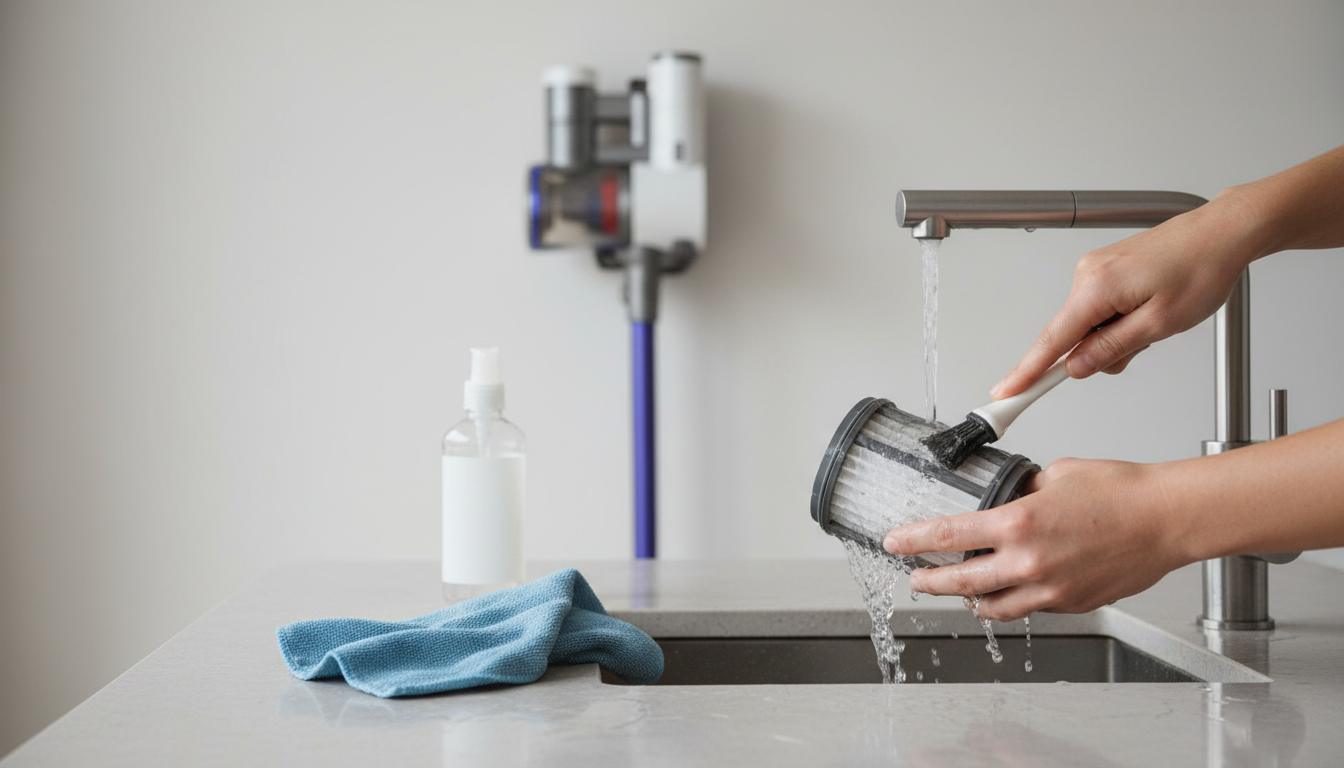
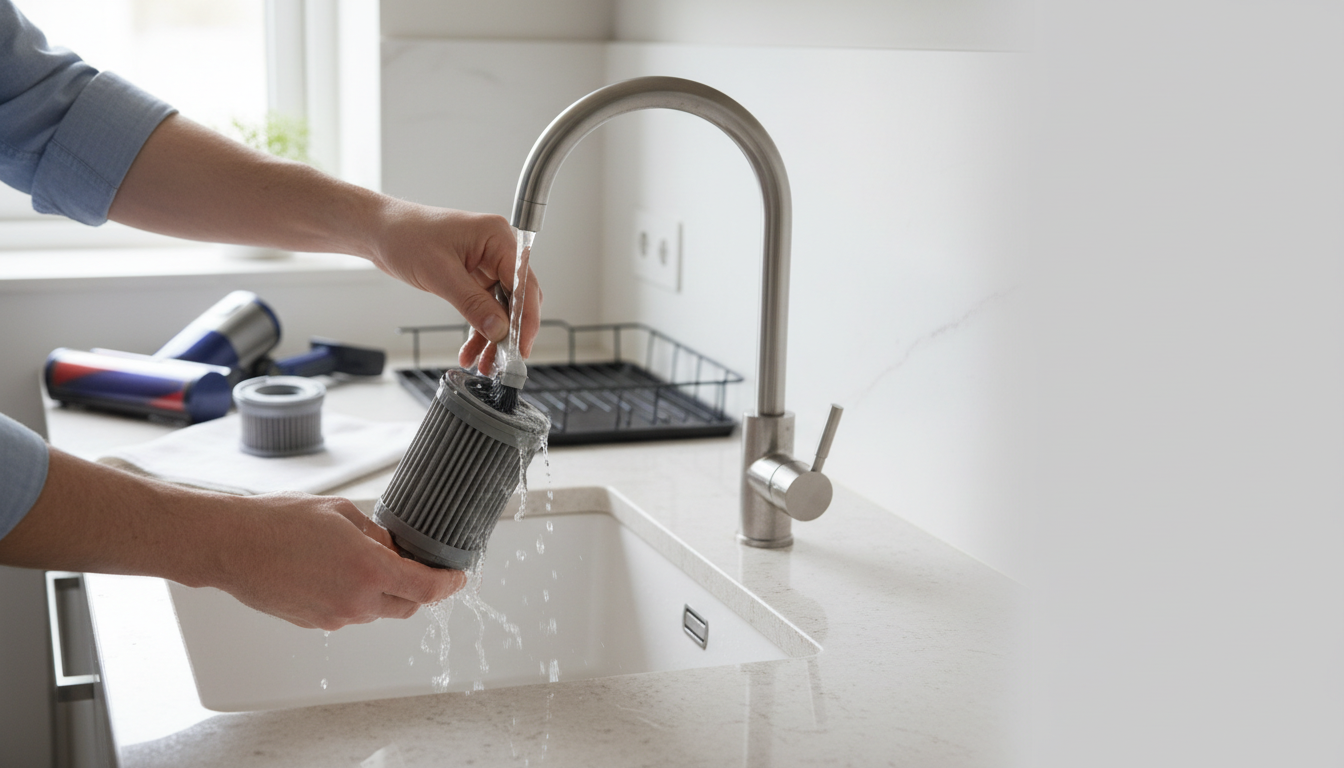
It is crucial to understand that Sebo vacuum filters are not washable and should never be reused after attempting to clean them by emptying or rinsing. Washing can damage the intricate filter media, compromising its effectiveness and potentially introducing moisture into the vacuum's electrical components.
Neglecting filter replacement has several direct consequences. Overloaded filters restrict airflow, leading to a noticeable reduction in suction power. This forces the vacuum's motor to work harder, increasing energy consumption and potentially shortening its lifespan. Critically, compromised filters can no longer effectively trap dust, pollen, and other allergens, allowing them to be recirculated back into your home's air, diminishing indoor air quality.
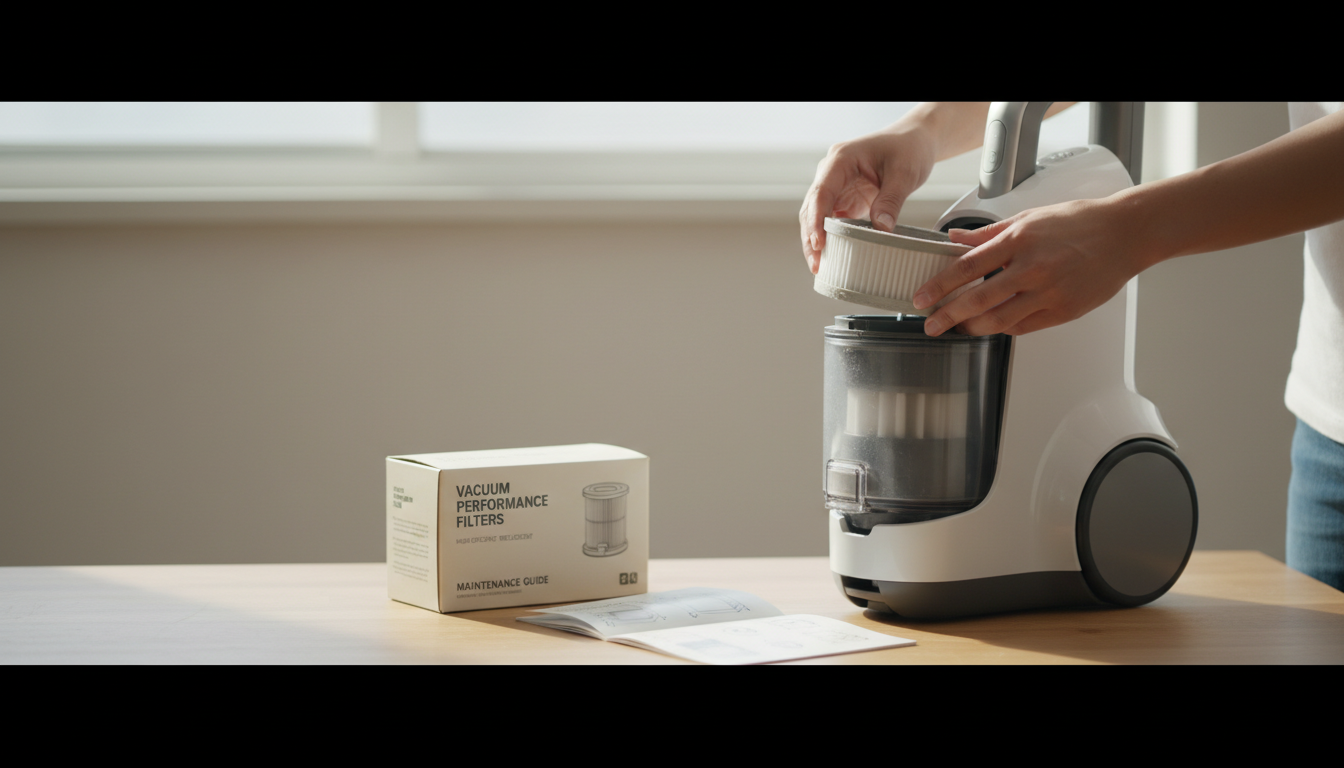
Replacing your Sebo filters is a straightforward process designed for owner maintenance. While exact steps may vary slightly by model (e.g., upright vs. canister), the general procedure involves:
- For Pre-Motor Filters:
- Ensure the vacuum is unplugged and powered off.
- Locate the filter compartment, often near the dust bag housing.
- Open the compartment and carefully remove the old filter.
- Insert the new pre-motor filter, ensuring it sits securely and completely covers the opening.
- Close the compartment.
- For Exhaust Microfilters / S-Class / HEPA Filters:
- With the vacuum unplugged, identify the filter cover, typically found on the back or side of the machine.
- Unlatch or open the cover to access the filter.
- Remove the used filter, noting its orientation.
- Insert the new filter, ensuring a snug fit and correct alignment to maintain the sealed filtration system.
- Securely close the filter cover.
Adhering to these replacement schedules and procedures ensures your Sebo vacuum continues to deliver its designed cleaning power and superior air purification capabilities.
Beyond Suction: How Filter Choices Influence Your Sebo's Performance and Indoor Air Quality
The filtration system in your Sebo vacuum cleaner plays a crucial role beyond simply collecting dirt. It directly affects the machine's operational efficiency, the longevity of its motor, and critically, the purity of the air in your home. Sebo's design integrates its filters as a core component of its performance promise, ensuring that what goes in stays in, and only clean air is exhausted.
High-quality filtration is essential for trapping microscopic particles that often elude standard vacuum systems. Sebo vacuums commonly feature S-class filtration, which utilizes electrostatically charged, micro-fiber material to attract and capture fine dust, allergens, and pet dander. For users with severe allergies or asthma, select Sebo models also offer HEPA filter options, further enhancing particle retention. This level of filtration is designed to meet stringent standards for reducing airborne allergens, contributing to a healthier indoor environment.
The choice and condition of your Sebo's filters present a subtle trade-off. While S-class filtration is robust and effective for most households, providing excellent air quality, HEPA-level filtration offers an even higher capture rate for the smallest particles. The decision often hinges on specific household needs, such as the presence of allergy sufferers or pets. Regardless of the type, a clean, uncompromised filter ensures optimal airflow, which is vital for maintaining consistent suction power.
Proper filtration is also a safeguard for your Sebo's motor. Filters act as a barrier, preventing fine dust and debris from entering and damaging the motor components. When filters become clogged or degraded, the motor must work harder to pull air through, leading to reduced efficiency, potential overheating, and accelerated wear. By maintaining clean, appropriate filters, you help preserve the consistent performance and long lifespan that Sebo machines are known for. Sebo vacuum cleaner filters, therefore, solve the problem of maintaining superior filtration and indoor air quality within a durable, high-performance vacuum system, ensuring the machine continues to operate at its peak while contributing to a healthier home environment.
Avoiding Common Mistakes: Pitfalls in Sebo Filter Selection and Use
Maintaining the high standards of your Sebo vacuum requires careful attention to filter selection and maintenance. Overlooking specific guidance can compromise both your machine's performance and the air quality in your home. Understanding common pitfalls helps ensure your Sebo continues to operate as intended.
A critical mistake is attempting to wash or reuse Sebo filters. Unlike some other vacuum components, Sebo filters are specifically designed for replacement, not cleaning. Their construction relies on specialized materials and layers that can degrade when exposed to water or aggressive cleaning. Washing can:
- Damage the filter medium, creating microscopic holes that allow fine dust and allergens to pass through.
- Lead to mold or mildew growth within the filter, introducing unwanted odors and potential health concerns.
- Compromise the structural integrity, causing the filter to tear or collapse, which can expose the motor to debris.
Another significant risk involves using non-genuine or incompatible replacement filters. Sebo engineers their filtration systems to precise specifications, ensuring a sealed environment and optimal particle capture. Aftermarket filters may present several issues:
- Poor Fit: An ill-fitting filter can create gaps, allowing unfiltered air to bypass the system entirely. This negates the purpose of the filter and releases captured particles back into your environment.
- Reduced Filtration Efficiency: Non-genuine filters might use inferior materials or less dense construction, failing to meet Sebo's S-class or HEPA standards. This directly impacts indoor air quality, especially for those with allergies or sensitivities.
- Potential Machine Damage: Restricted airflow from a poorly designed filter can force your vacuum's motor to work harder, leading to overheating, reduced lifespan, and increased power consumption. Debris bypassing a faulty filter can also enter and damage internal components.
Finally, neglecting timely filter replacement is a common oversight with tangible consequences. Filters naturally accumulate dust and debris over time, which restricts airflow. A clogged filter will:
- Diminish Suction Power: The vacuum struggles to draw air, leading to reduced cleaning effectiveness on carpets and hard floors.
- Strain the Motor: Increased resistance forces the motor to operate under stress, potentially shortening its lifespan and increasing the risk of premature failure.
- Compromise Air Quality: An oversaturated filter loses its ability to capture new particles efficiently, meaning more dust and allergens are recirculated into your home.
Sebo recommends replacing filters based on usage, typically every 10-20 filter bags. Adhering to these guidelines and exclusively using genuine, model-specific filters are key to preserving your Sebo vacuum's premium performance and maintaining high indoor air quality standards.
Your Questions Answered: Sebo Vacuum Filter FAQs
Maintaining your Sebo vacuum's performance and indoor air quality relies on understanding its filtration system. Here are answers to common questions regarding Sebo filters.
-
Are Sebo filters washable? No, Sebo vacuum cleaner filters are not designed to be washed or rinsed. Attempting to wash them can damage the filter material and compromise their filtration effectiveness, potentially impacting your vacuum's performance and air quality.
-
How often should I change my Sebo filters? The frequency of filter replacement depends on usage, but a general guideline is to change your Sebo filters every 10 to 20 filter bags. Regular replacement ensures optimal suction and maintains the high filtration standards your Sebo machine is known for.
-
Where can I find genuine Sebo replacement filters and parts? Genuine Sebo replacement filters and parts are available through authorized Sebo dealers and the official Sebo online store. Sourcing from these channels helps ensure you receive authentic components designed for your specific model.
-
Are Sebo replacement parts readily available? Yes, Sebo is committed to the longevity of its products. Replacement parts, including filters, are generally readily available, reflecting the brand's dedication to supporting its machines for an extended period.
-
What happens if I don't change my Sebo filters? Failing to replace your Sebo filters as recommended can lead to several issues. Over time, clogged filters restrict airflow, causing a noticeable reduction in suction power and efficiency. This can also put strain on the vacuum's motor, potentially leading to overheating or premature wear. Furthermore, the filtration system's ability to capture fine dust and allergens diminishes, compromising indoor air quality and defeating the purpose of a high-performance vacuum.
Ensuring Enduring Quality: The Value of Authentic Sebo Filtration
The commitment to quality inherent in Sebo vacuum cleaners extends directly to their sophisticated filtration systems. These components are fundamental to maintaining the high standards of performance and indoor air purity for which Sebo machines are known. By understanding and actively managing your vacuum's filtration, you preserve its operational integrity and the health benefits it provides.
Opting for authentic Sebo filters is not just about compatibility; it's about preserving the engineered performance and advanced filtration capabilities that define the brand. These filters are designed to work seamlessly within your specific model, ensuring efficient dust capture and preventing the recirculation of airborne particles. This adherence to genuine parts supports the vacuum's sealed system, crucial for allergy sufferers and those prioritizing clean air.
Proactive filter maintenance is a simple yet impactful investment in your Sebo machine's longevity and effectiveness. Regularly inspecting and replacing filters according to manufacturer guidelines prevents motor strain, sustains optimal suction, and consistently delivers the superior air quality you expect. This vigilance ensures that your vacuum continues to operate at its peak, avoiding diminished performance or compromised filtration.
Ultimately, your Sebo vacuum represents a significant investment in a cleaner, healthier home. Extending this investment to its consumables, particularly genuine filters and timely replacements, ensures that the initial promise of Sebo quality continues to be fulfilled with every use.
More in Vacuum Cleaner Filters
View All