Miele HEPA Vacuum Cleaner Filters: The Ultimate Choice for Clean Air
Why Miele HEPA Filters Are Essential for a Healthier Home
Indoor air quality significantly impacts well-being, particularly for individuals managing allergies or asthma. Microscopic particles like pollen, pet dander, dust mite allergens, and mold spores can circulate freely in the air, triggering symptoms and affecting respiratory health. Effective filtration within a vacuum cleaner is crucial for removing these airborne irritants from your home environment.
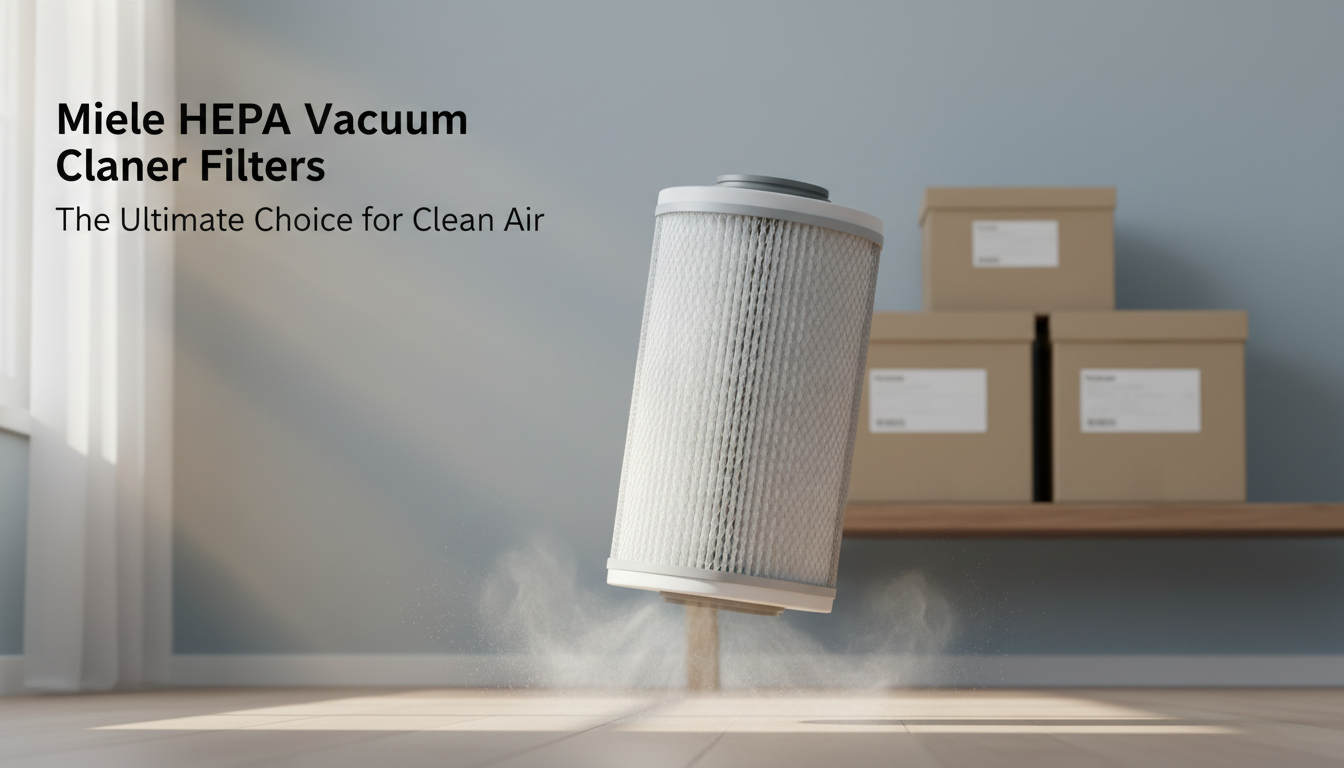
Miele vacuum cleaners are recognized for their advanced engineering, and their proprietary HEPA (High-Efficiency Particulate Air) filtration system is a cornerstone of this reputation. Miele HEPA filters are designed to capture an exceptional percentage of minute particles, ensuring that the air exhausted from the vacuum is cleaner than the room air. This capability makes them a premium choice for creating a healthier living space.
This guide aims to equip you with the knowledge to confidently select the appropriate Miele HEPA filter for your specific vacuum model. You will learn about:
- The precise filtration capabilities of Miele's genuine HEPA filters.
- How these filters contribute to allergy and asthma relief.
- Key considerations for choosing the correct filter to maintain optimal vacuum performance and air purification.
- Guidance on filter maintenance to ensure long-term effectiveness.
The Science Behind Miele's HEPA Filtration System
Miele's approach to air purification within its vacuum cleaners is built upon the established High-Efficiency Particulate Air (HEPA) standard, but it integrates proprietary design elements to enhance effectiveness. A true HEPA filter is certified to capture 99.97% of airborne particles as small as 0.3 microns. This benchmark includes common allergens such as pollen, pet dander, dust mite feces, and mold spores, which are often implicated in respiratory sensitivities.
Miele distinguishes its filtration system through a combination of its 'AirClean' sealed system and strategic filter placement. The 'AirClean' system is engineered to prevent unfiltered air from escaping the vacuum cleaner before it passes through the final filtration stage. This sealed construction ensures that all air drawn into the vacuum is processed, minimizing the recirculation of captured particles back into the room. Crucially, Miele positions its HEPA filters post-motor. This design choice means the filter is the last barrier before air is exhausted, ensuring that even microscopic particles generated or stirred up by the motor itself are trapped, contributing to cleaner exhaust air.
The benefits of this comprehensive filtration system are particularly relevant for those managing allergies, asthma, or generally seeking improved indoor air quality. By effectively retaining a high percentage of fine particulates, Miele HEPA filters can reduce the concentration of airborne irritants in the home environment. This can lead to a noticeable difference in air freshness and a reduction in allergy symptoms for sensitive individuals.
Some Miele HEPA filters also incorporate additional features to address other indoor air quality concerns. Certain models include an activated charcoal layer integrated into the filter structure. This charcoal component is designed to absorb and neutralize odors, such as those from pets, cooking, or smoke, providing an extra layer of air purification beyond particulate removal.
Choosing the Right Miele HEPA Filter: Key Considerations
Selecting the appropriate Miele HEPA filter is essential for maximizing your vacuum's performance and ensuring optimal indoor air quality. This decision involves understanding compatibility, evaluating filter options, and adhering to maintenance schedules.
Model-Specific Compatibility
Miele vacuum cleaners are engineered with precise specifications for their filtration systems. Each model is designed to work with a particular filter type and size to maintain a sealed system and efficient airflow. Using a filter not explicitly designed for your specific Miele vacuum model can compromise its ability to capture fine particles, potentially leading to reduced suction, decreased air purification, and increased strain on the motor. Always verify your vacuum cleaner's exact model number, typically found on a label on the appliance, and cross-reference it with the filter's compatibility information before purchase.
Genuine Miele vs. Aftermarket Options
The choice between a genuine Miele HEPA filter and an aftermarket alternative involves weighing several factors related to performance and vacuum longevity.
- Genuine Miele Filters: These filters are manufactured to Miele's rigorous standards, ensuring a perfect fit within the vacuum's sealed system. They are designed to deliver the specified filtration efficiency, often capturing 99.95% of microscopic particles as small as 0.1 microns. This precision helps maintain the vacuum's performance and the integrity of its exhaust air purification.
- Aftermarket Filters: While often presented as a more economical choice, aftermarket filters can pose various risks:
- Inconsistent Fit: Poorly fitting filters may allow unfiltered air to bypass the filtration system, diminishing air quality benefits.
- Variable Filtration Standards: Not all aftermarket options meet true HEPA standards, potentially resulting in less effective allergen and particle capture.
- Material Quality: Inferior materials can degrade faster, impact airflow, or even shed fibers, which could affect vacuum operation and lifespan.
- Warranty Implications: Using non-genuine parts might invalidate your Miele vacuum's warranty.
Filter Type Nuances
Miele offers various filter types, each tailored to specific needs and vacuum models. Understanding these distinctions helps in making an informed choice for your home environment.
- HEPA AirClean Filters (e.g., SF-HA 50): These are the most advanced Miele filters for air purification, specifically designed for allergy and asthma sufferers. They effectively capture a high percentage of fine dust, pollen, and pet dander. Some HEPA AirClean filters also integrate a layer of activated charcoal to absorb odors.
- Active AirClean Filters (e.g., SF-AA 50): These filters prioritize odor neutralization, incorporating a robust activated charcoal layer. They are particularly beneficial for households with pets, smokers, or those sensitive to lingering smells. While also providing excellent particle filtration, their primary distinction is enhanced odor control.
- AirClean Filters (e.g., SF-SAC 20/30): These filters provide a good level of standard filtration, capturing common household dust and particles. They are suitable for general cleaning needs where extreme allergen retention or odor control is not the primary concern.
The specific "SF-" designation (e.g., SF-HA 50) indicates the filter's compatibility with particular Miele vacuum series, such as the Complete C2, C3, or Compact C1 models.
Understanding Filter Lifespan and Replacement Frequency
To maintain the high performance of your Miele vacuum's filtration system, regular filter replacement is crucial. Miele HEPA filters are designed to be effective for a finite period. Evidence suggests replacing the HEPA filter approximately every 12 months, or after about 50 operating hours, whichever comes first. Over time, filters become saturated with captured particles, which can reduce airflow, diminish suction power, and decrease filtration efficiency. Many genuine Miele HEPA filters feature a "Timestrip" indicator that visually signals when a replacement is due by gradually changing color over a year. Adhering to this replacement schedule ensures consistent air purification and helps protect your vacuum's motor from undue strain.
Maximizing Filter Performance: Installation and Maintenance Tips
Ensuring your Miele HEPA filter functions optimally requires correct installation and diligent maintenance. These steps directly impact your vacuum's suction power and its ability to deliver superior air purification, especially for allergy and asthma sufferers.
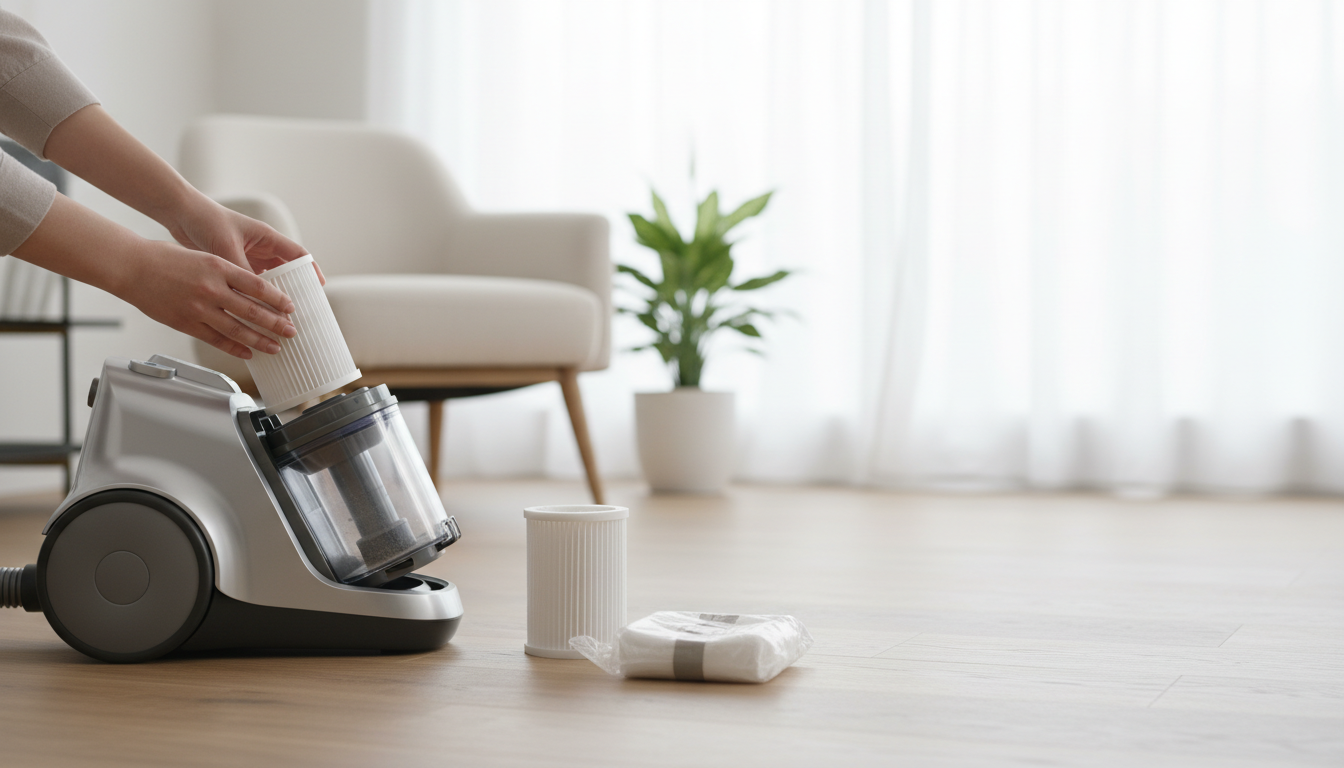
To correctly install a new Miele HEPA filter:
- Locate the filter compartment: Consult your Miele vacuum's user manual to identify the specific location of the HEPA filter. This is typically at the rear or side of the vacuum, often behind a latched cover.
- Remove the old filter: Open the compartment and carefully extract the used filter. Miele HEPA filters are designed for easy, hygienic removal.
- Insert the new filter: Place the genuine Miele HEPA filter into the designated slot, ensuring it fits snugly and is properly seated. A secure fit is crucial for maintaining the vacuum's sealed system and preventing air leaks.
- Close the compartment: Re-secure the filter cover until it clicks into place.
Timely filter replacement is paramount. Miele HEPA filters are engineered to capture 99.95% of particles as small as 0.1 microns, but their capacity is finite. Over time, accumulated particles reduce airflow, leading to decreased suction power and diminished air purification. For consistent performance, replace your Miele HEPA filter approximately every 12 months or after 50 hours of use, whichever comes first.
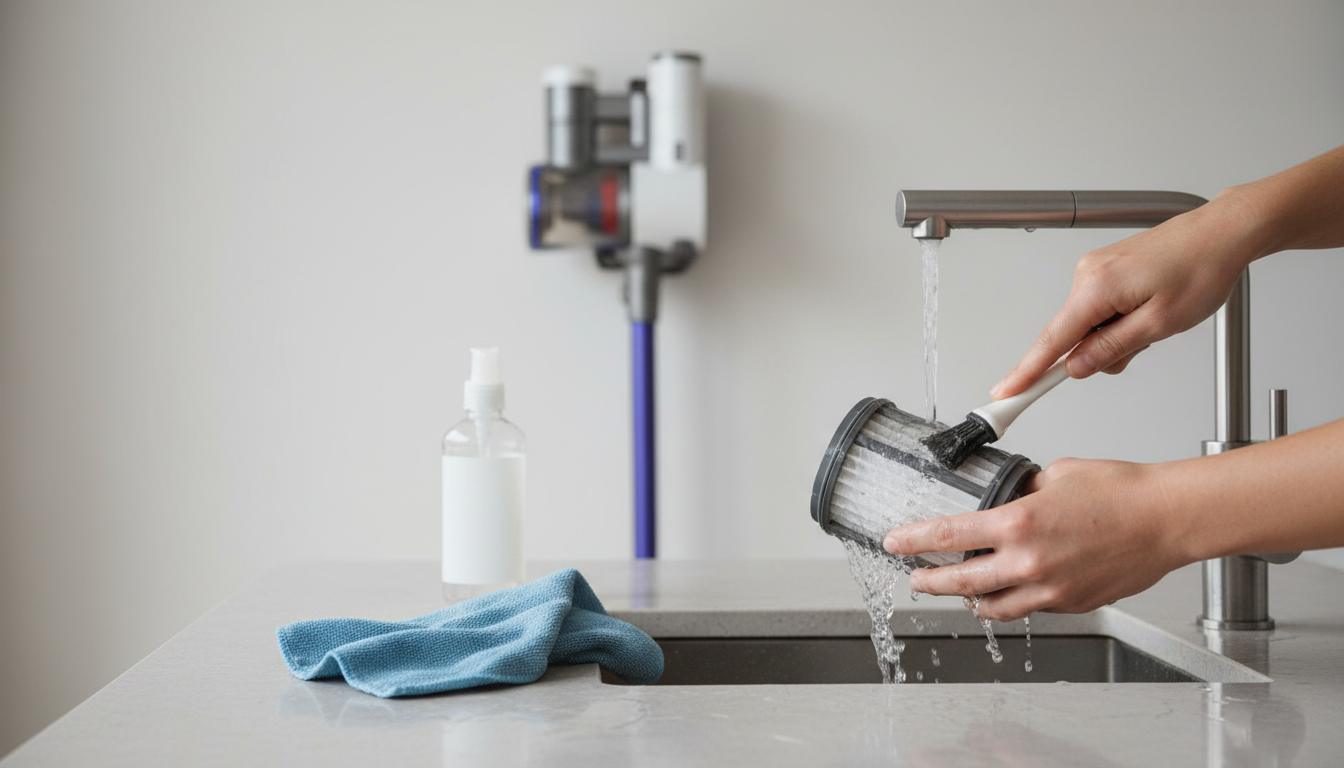
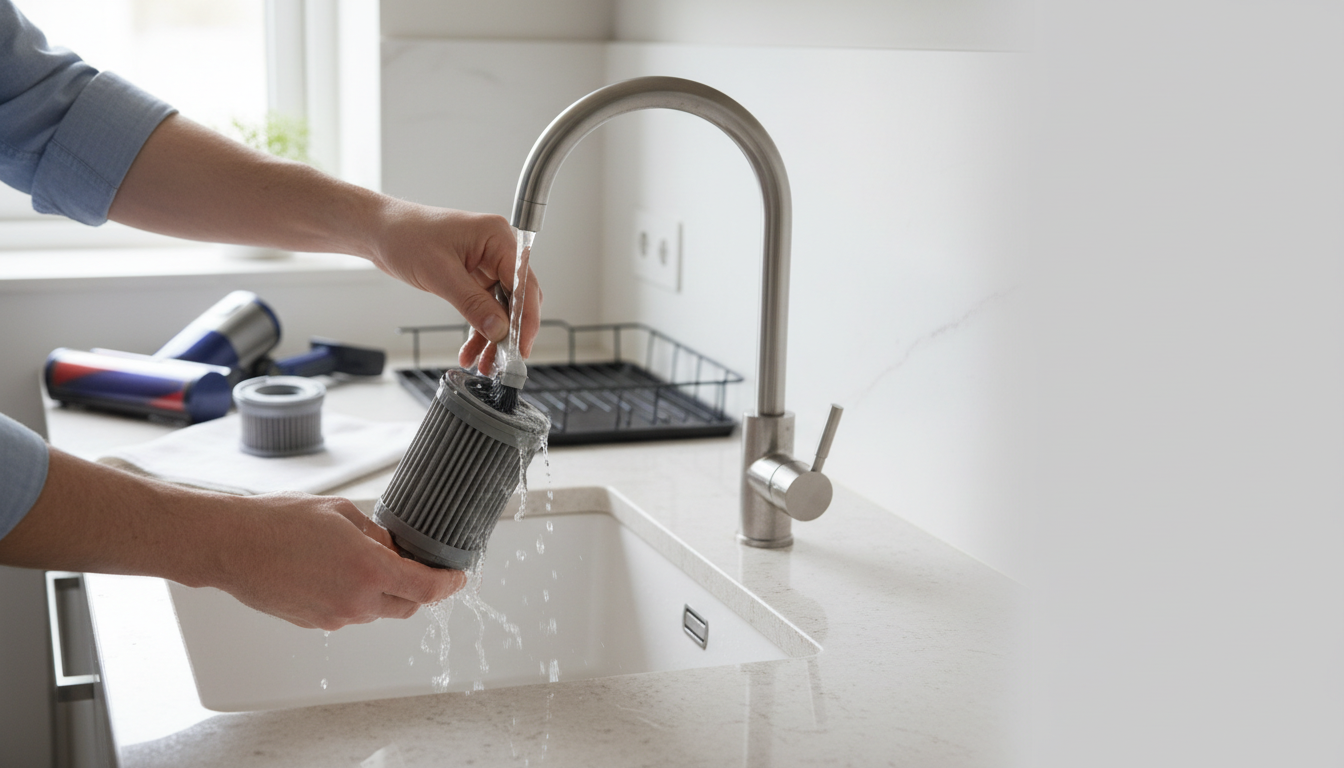
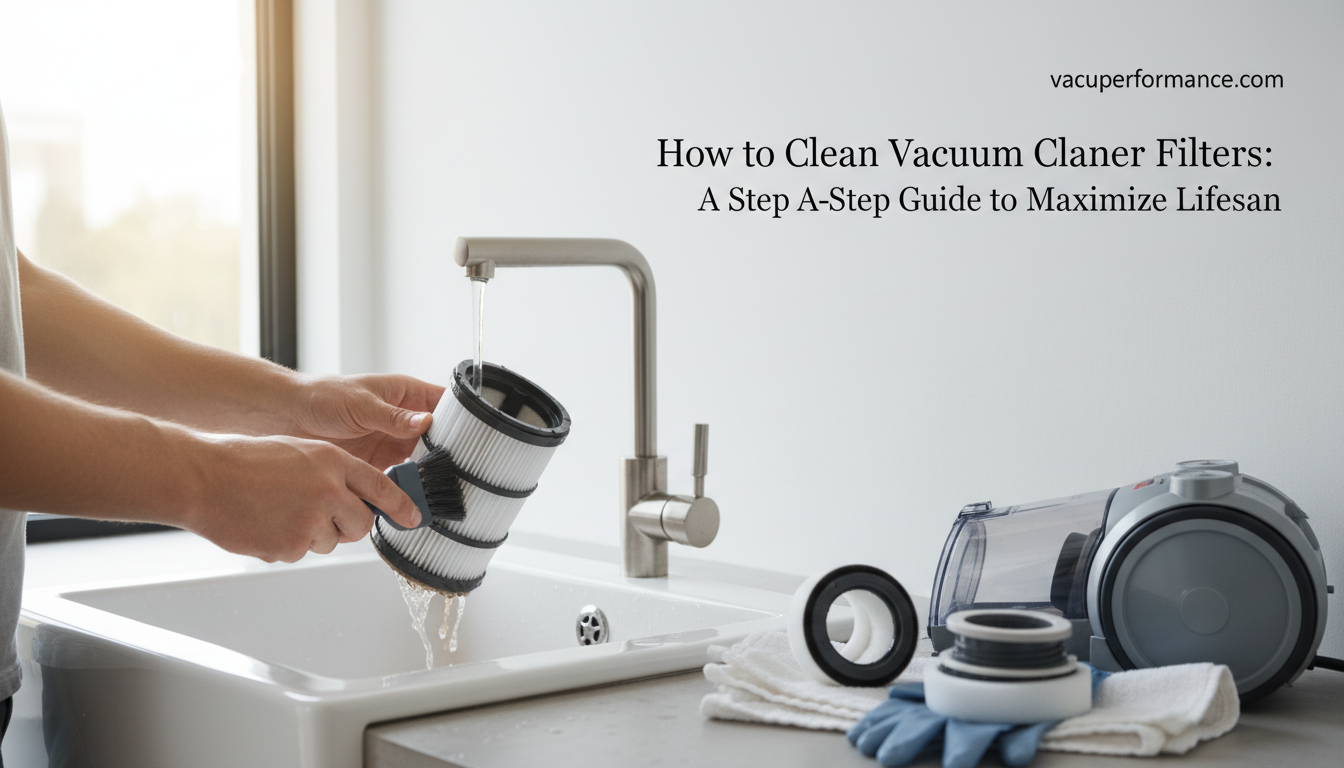
It is critical to understand that Miele HEPA filters are designed for single-use and are not washable. Attempting to wash these filters can damage the delicate filtration media, compromising their ability to capture microscopic particles and potentially releasing trapped allergens back into the air.
Recognizing when a filter needs replacement can be straightforward:
- Filter change indicator: Many Miele models feature a visual indicator on the filter itself or the vacuum's display, signaling when replacement is due.
- Reduced suction: A noticeable decrease in vacuum suction, even with an empty dustbag, can indicate a clogged HEPA filter.
- Visible discoloration: While not always obvious, a heavily soiled or discolored filter may suggest it's time for a change.
- Musty odor: An unpleasant smell emanating from the vacuum exhaust can signify a filter saturated with trapped debris and microorganisms.
Common Pitfalls to Avoid When Purchasing Miele HEPA Filters
Selecting the correct Miele HEPA filter is crucial for maintaining the intended air purification benefits and preserving your vacuum's performance. Awareness of common purchasing and maintenance errors can help ensure your investment in clean air remains effective.
The Risk of Incorrect Model Selection
Miele manufactures various vacuum cleaner models, each designed with specific filter dimensions and connection points. Acquiring a filter that does not precisely match your vacuum's model number can lead to several issues. A filter that is too small or too large will not create a proper seal, allowing unfiltered air and captured particles to bypass the filtration system and re-enter your home's air. This negates the primary purpose of a HEPA filter, particularly for allergy and asthma sufferers. Furthermore, an ill-fitting filter can strain the vacuum's motor by disrupting optimal airflow or even cause damage to the filter housing over time.
- Mitigation: Always verify your Miele vacuum's exact model number before purchasing a replacement filter. Consult the vacuum's user manual or Miele's official website for compatibility lists. Genuine Miele filters are clearly labeled with the models they support.
Dangers of Counterfeit or Low-Quality Filters
The market may offer non-genuine or "compatible" filters that claim to meet HEPA standards at a lower cost. However, these alternatives often fall short of Miele's rigorous quality and performance specifications. Counterfeit filters may use inferior filter media that cannot effectively capture 99.97% of particles as small as 0.3 microns, or even the finer particles Miele's systems are designed to address. This directly compromises indoor air quality, potentially exposing allergy sufferers to irritants. Beyond filtration efficiency, poorly constructed filters can:
-
Compromise Air Quality: Fail to meet true HEPA standards, allowing allergens to pass through.
-
Damage the Vacuum: Lack the precise fit of genuine parts, potentially leading to air leaks, motor overheating, or premature wear on internal components.
-
Negate Sealed System Benefits: Break the integrity of Miele's 'AirClean' sealed system, rendering the HEPA filter ineffective.
-
Mitigation: Purchase only genuine Miele HEPA filters from authorized retailers. Look for official Miele branding, packaging, and product codes to ensure authenticity.
Impact of Neglecting Timely Replacement
Even a genuine Miele HEPA filter has a finite lifespan, typically recommended for replacement every 12 months or after 50 hours of use, depending on the model and usage. Over time, the filter media becomes saturated with trapped particles, reducing its capacity to capture new ones. A clogged or old filter directly impacts both the vacuum's performance and its air purification capabilities:
-
Reduced Suction Power: Restricted airflow forces the motor to work harder, leading to a noticeable decrease in cleaning efficiency.
-
Increased Motor Strain: The motor's effort to compensate for restricted airflow can shorten its lifespan and potentially lead to premature failure.
-
Compromised Filtration: An overloaded filter may cease to effectively capture new particles, or in extreme cases, could release previously trapped contaminants back into the air.
-
Mitigation: Adhere strictly to Miele's recommended replacement schedule. Some Miele HEPA filters include a Timestrip® indicator that changes color to signal when a replacement is due.
Overlooking the 'Sealed System' Importance
Miele vacuums are engineered with a comprehensive 'AirClean' sealed system, meaning all air drawn into the vacuum passes through a series of filters before being exhausted. The HEPA filter is typically the final stage in this post-motor filtration process. The effectiveness of this sealed system relies on every component, including the HEPA filter, forming an airtight seal.
-
Compromised Seal: If the HEPA filter does not fit perfectly or if its housing is damaged, unfiltered air can leak around the filter. This bypasses the HEPA media entirely, allowing allergens and fine dust to be expelled directly back into your environment.
-
Negating HEPA Benefits: Even with a high-quality HEPA filter installed, a breach in the sealed system effectively negates its benefits, rendering the vacuum no more effective than one without HEPA filtration for air quality purposes.
-
Mitigation: Always ensure the HEPA filter is correctly seated and locked into place according to your vacuum's instructions. Regularly inspect the filter housing for any signs of damage or wear that could compromise the seal. Utilizing genuine Miele filters designed for your specific model is key to maintaining the integrity of the sealed system.
Your Questions About Miele HEPA Filters Answered
Understanding the specifics of Miele's HEPA filtration system is key to maximizing its benefits for indoor air quality. Here, we address common inquiries to help you maintain your Miele vacuum's performance and ensure a cleaner home environment.
How often should I replace my Miele HEPA filter?
For optimal performance and to maintain certified filtration efficiency, Miele recommends replacing your HEPA filter approximately every 12 months or after 50 hours of use, whichever comes first. Regular replacement ensures the filter continues to capture microscopic particles effectively, preventing them from being recirculated into your home's air.
Can Miele HEPA filters be cleaned or washed?
Miele HEPA filters are generally not designed for cleaning or washing. Attempting to clean these filters, especially with water, can damage the delicate filter media, compromising their ability to capture fine particles. This can reduce filtration efficiency and potentially push trapped allergens back into the air. For consistent performance, replacement according to the recommended schedule is advised.
What's the difference between Miele HEPA and AirClean filters?
"HEPA" refers to a specific filtration standard, certified to capture 99.97% of particles as small as 0.3 microns. Miele's HEPA filters meet this rigorous standard. "AirClean" refers to Miele's comprehensive filtration system, which includes a multi-stage approach. This system typically involves a dustbag, a motor protection filter, and often a final exhaust filter (which can be either a standard AirClean filter or an upgraded HEPA AirClean filter). The AirClean system also emphasizes a sealed design to prevent unfiltered air from escaping the vacuum. Therefore, a Miele HEPA filter is a component within the broader Miele AirClean filtration system, providing the highest level of exhaust air purification.
Do Miele HEPA filters truly make a difference for allergy sufferers?
Yes, Miele HEPA filters are designed to make a significant difference for allergy and asthma sufferers. By capturing 99.97% of airborne allergens such as pollen, pet dander, dust mite feces, and mold spores down to 0.3 microns, they effectively remove these triggers from the air exhausted by the vacuum. This high level of filtration, combined with Miele's sealed AirClean system, helps to reduce the overall concentration of irritants in the indoor environment, contributing to improved air quality and potential relief from allergy symptoms.
Why are genuine Miele HEPA filters often recommended over third-party alternatives?
Genuine Miele HEPA filters are specifically engineered to integrate seamlessly with the vacuum's sealed AirClean system. This precise fit is critical for maintaining the vacuum's certified filtration efficiency and preventing air leaks that could allow unfiltered particles to escape. Third-party alternatives may not offer the same exact fit, material quality, or filtration performance, potentially compromising the vacuum's ability to purify the air effectively. Using genuine parts helps ensure your Miele vacuum operates as intended, delivering consistent air purification benefits.
Making the Confident Choice for Cleaner Air
Equipping your Miele vacuum with the correct HEPA filter is a direct investment in your home's air quality and, by extension, your well-being. The advanced filtration capabilities of Miele's genuine HEPA filters are designed not only to capture 99.97% of airborne particles as small as 0.3 microns but also to ensure these irritants remain contained, contributing to a measurably cleaner indoor environment. This meticulous filtration supports allergy and asthma sufferers by significantly reducing exposure to common triggers like pollen, pet dander, and dust mite allergens. Furthermore, utilizing the specified filter helps maintain your Miele vacuum's optimal performance and longevity, protecting its motor from fine dust ingress and ensuring consistent suction.
To secure these benefits, model compatibility is paramount. Miele's filtration system is engineered as a sealed unit, meaning each component, especially the HEPA filter, is designed to work in concert with your specific vacuum model. Opting for genuine Miele replacement filters ensures that this sealed system maintains its integrity and filtration efficiency. Non-genuine alternatives may compromise the seal, leading to particle bypass and diminished air purification, or could even impact the vacuum's operational efficiency.
Ultimately, the decision to use genuine Miele HEPA filters is about prioritizing the long-term health of your household and the sustained performance of your appliance. By making informed choices about filter selection and replacement, you ensure that your Miele vacuum continues to deliver on its promise of superior cleaning and exceptional air purification, creating a healthier living space for everyone.
More in Vacuum Cleaner Filters
View All