Rocket Vacuum Cleaner Filters: Essential for Sustained Cleaning Power
Introduction to Shark Rocket Vacuum Filters: Maintaining Peak Performance
Shark Rocket vacuum cleaners are a popular choice for their versatile design and effective cleaning capabilities. At the core of their sustained performance lies a critical, yet often overlooked, component: the filtration system. These filters act as the "lungs" of your vacuum, capturing dust, debris, and allergens from the air while protecting the motor and maintaining strong suction.
However, over time, these essential filters can become clogged with fine particles. Neglecting their maintenance can lead to a significant reduction in cleaning power, noticeable loss of suction, increased strain on the vacuum's motor, and even the recirculation of allergens back into your home environment.
This comprehensive guide is designed to empower Shark Rocket owners to make informed decisions about their vacuum's filtration. You will learn to identify the correct filter types for your specific model, understand optimal replacement schedules, and implement proper maintenance techniques to ensure your Shark Rocket continues to deliver peak performance and contribute to a cleaner home environment.
Understanding Your Shark Rocket Vacuum's Filtration System
Shark Rocket vacuum cleaners utilize a multi-stage filtration system, a critical design element for capturing a wide spectrum of debris and maintaining air quality. This layered approach ensures that particles are trapped progressively, from larger visible dust to microscopic allergens, before air is exhausted back into your home environment.
The filtration process typically begins with pre-motor filters, often comprising both foam and felt components. These filters are strategically placed to intercept larger dust particles, dirt, and pet hair before they reach the vacuum's motor. Their primary role is to protect the motor from damage, extend its operational life, and prevent initial airflow blockages that could diminish suction. Many of these pre-motor filters are washable, allowing for routine maintenance.
After the air passes through the motor, a post-motor filter provides a final stage of purification. This filter is engineered to capture finer particulates, including microscopic dust and allergens, that may have escaped the initial pre-motor stage. By trapping these minute particles, the post-motor filter significantly contributes to cleaner exhaust air and improved indoor air quality. Some Shark Rocket models may incorporate advanced filtration media in this stage for enhanced allergen capture.
The effectiveness of this multi-stage system hinges on the condition of each filter. Clogged pre-motor filters directly restrict airflow, leading to a noticeable decrease in the vacuum's suction power. Similarly, a dirty or damaged post-motor filter can allow fine dust and allergens to recirculate into the room, undermining the vacuum's ability to maintain a clean environment. Regular inspection and maintenance of these filters are therefore essential for sustained cleaning performance and optimal air quality.
Why Timely Filter Replacement is Crucial for Sustained Cleaning Power
The filters in your Shark Rocket vacuum cleaner are central to its ability to capture dust, debris, and allergens effectively. Over time, these filters accumulate particles, which directly impacts the vacuum's performance and the air quality in your home. Understanding when and why to address your filters is key to maintaining consistent cleaning power.
Several indicators suggest your Shark Rocket filters require attention:
- Reduced Suction: A noticeable decrease in the vacuum's ability to pick up dirt is a primary sign that filters are clogged, restricting airflow to the motor.
- Unusual Odors: A musty or unpleasant smell during operation can indicate trapped dirt, pet dander, or mold spores within the filters.
- Visible Dirt: If you observe dust escaping from the exhaust or an excessive buildup of debris on the filter itself, it's time for maintenance.
- Motor Overheating: Restricted airflow due to dirty filters forces the motor to work harder, potentially leading to overheating and an automatic shutdown.
For optimal performance and to prolong the life of your Shark Rocket, it's generally recommended to replace filters every 2-3 months. This frequency can vary based on usage intensity and household factors like pets or allergies.
Neglecting filter maintenance carries several risks:
- Permanent Suction Loss: Continuously running a vacuum with clogged filters can strain the motor, leading to irreversible damage and a significant reduction in cleaning efficiency.
- Motor Damage: Overheating due to restricted airflow can shorten the motor's lifespan, potentially leading to costly repairs or the need for a new vacuum.
- Recirculation of Allergens: Dirty filters lose their ability to trap fine particles, allowing dust, pet dander, and allergens to be released back into your home's air.
- Increased Energy Consumption: A motor working harder against clogged filters consumes more energy, impacting efficiency.
Conversely, clean filters ensure consistent suction, effectively capture debris, and contribute to cleaner air by trapping microscopic particles. Regular filter maintenance is a simple yet vital step in extending your vacuum's operational life and ensuring it continues to deliver the cleaning power you expect.
Choosing the Right Replacement Filters for Your Shark Rocket Model
Selecting the appropriate replacement filters is fundamental to maintaining your Shark Rocket vacuum's suction power and extending its operational life. The decision involves more than just finding a filter that appears similar; it requires careful consideration of compatibility, filter type, and material quality to ensure effective dust capture and motor protection.
-
Model-Specific Compatibility is Paramount: The most critical step is identifying your exact Shark Rocket model number, typically found on a sticker on the vacuum's body. Shark Rocket vacuums come in various series, and filters are not universally interchangeable. An incorrect filter may not fit properly, leading to air leaks that diminish suction, or it could fail to protect the motor from fine dust, potentially voiding your warranty or causing premature wear. Always cross-reference the filter's part number with your vacuum's specifications.
-
OEM vs. Aftermarket Filter Considerations:
- Original Equipment Manufacturer (OEM) Filters: These are produced by Shark and designed to precise specifications for your model. They typically offer a guaranteed fit and consistent filtration performance, often aligning with warranty requirements. The primary trade-off is usually a higher upfront cost.
- Aftermarket Filters: Available from third-party manufacturers, these often present a more budget-friendly option. However, quality can vary significantly. While some aftermarket filters perform comparably to OEM, others may use different materials or construction, potentially affecting fit, filtration efficiency, or durability. Before purchasing, evaluate reviews for consistent fit and performance reports to mitigate the risk of reduced vacuum effectiveness or potential damage.
-
Understanding Washable Filter Maintenance: Shark Rocket vacuum filters are typically designed to be washable and reusable, primarily consisting of foam and felt filters. This design offers a cost-effective and environmentally conscious approach to maintenance.
- Washable Filters: These require regular cleaning, typically every 2-3 months, to prevent clogs that reduce suction. Proper cleaning involves rinsing thoroughly with water and allowing them to air dry completely for at least 24 hours before reinstallation. Installing a damp filter can lead to mold growth or damage to the vacuum motor. While washable, these filters do have a finite lifespan and should be replaced annually or when visible signs of wear, tearing, or permanent discoloration appear.
-
Material Quality and Filtration Effectiveness: The materials used in your replacement filters directly impact their ability to capture dust and allergens. Shark Rocket filters are engineered to trap fine particles, preventing them from recirculating into your home's air or reaching the vacuum motor.
- Material Durability: Look for dense foam and felt that resist tearing and maintain their shape after washing. Flimsy materials can degrade quickly, compromising filtration.
- Filtration Capability: Effective filters ensure that dust, pet dander, and other debris are captured efficiently, preserving indoor air quality and preventing motor strain. Poor-quality filters may allow particles to pass through, leading to reduced cleaning power and potential damage over time.
Installation and Maintenance Best Practices for Shark Rocket Filters
Proper installation and routine maintenance of your Shark Rocket vacuum filters are crucial for sustaining its cleaning power and extending its operational lifespan. Following specific steps for cleaning and replacement ensures efficient air filtration and prevents motor strain.
Step-by-Step Filter Care
To maintain optimal performance, regularly inspect and service your Shark Rocket filters. Always begin by unplugging your vacuum cleaner for safety.
-
Locating and Removing Filters:
- Consult Your Manual: Shark Rocket models can vary. Always refer to your specific vacuum's user manual for precise instructions on locating and removing its pre-motor (foam and felt) and post-motor (HEPA, if applicable) filters. These are typically found within or near the dust cup assembly and sometimes near the motor housing.
- Gentle Disassembly: Carefully detach the dust cup and access the filter compartments. Note the orientation of each filter as you remove it for correct reinstallation.
-
Cleaning Washable Filters:
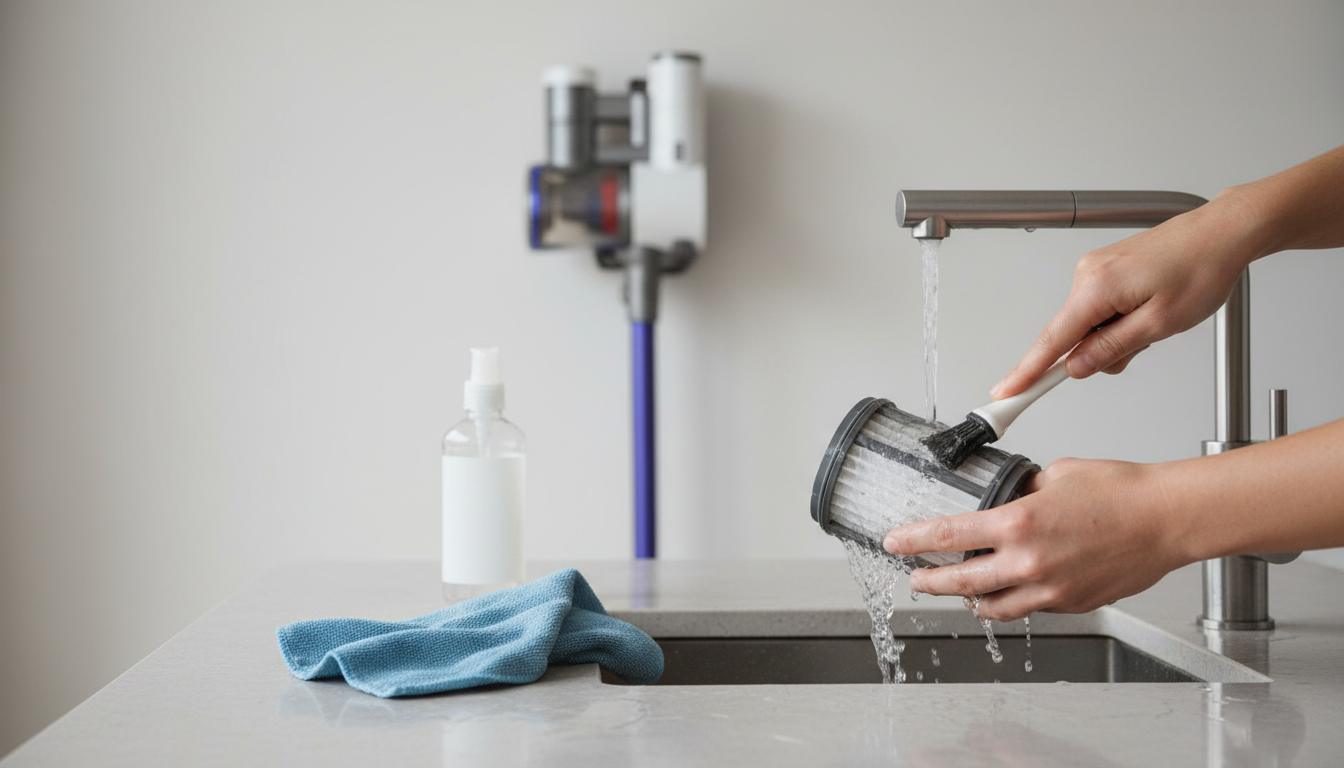
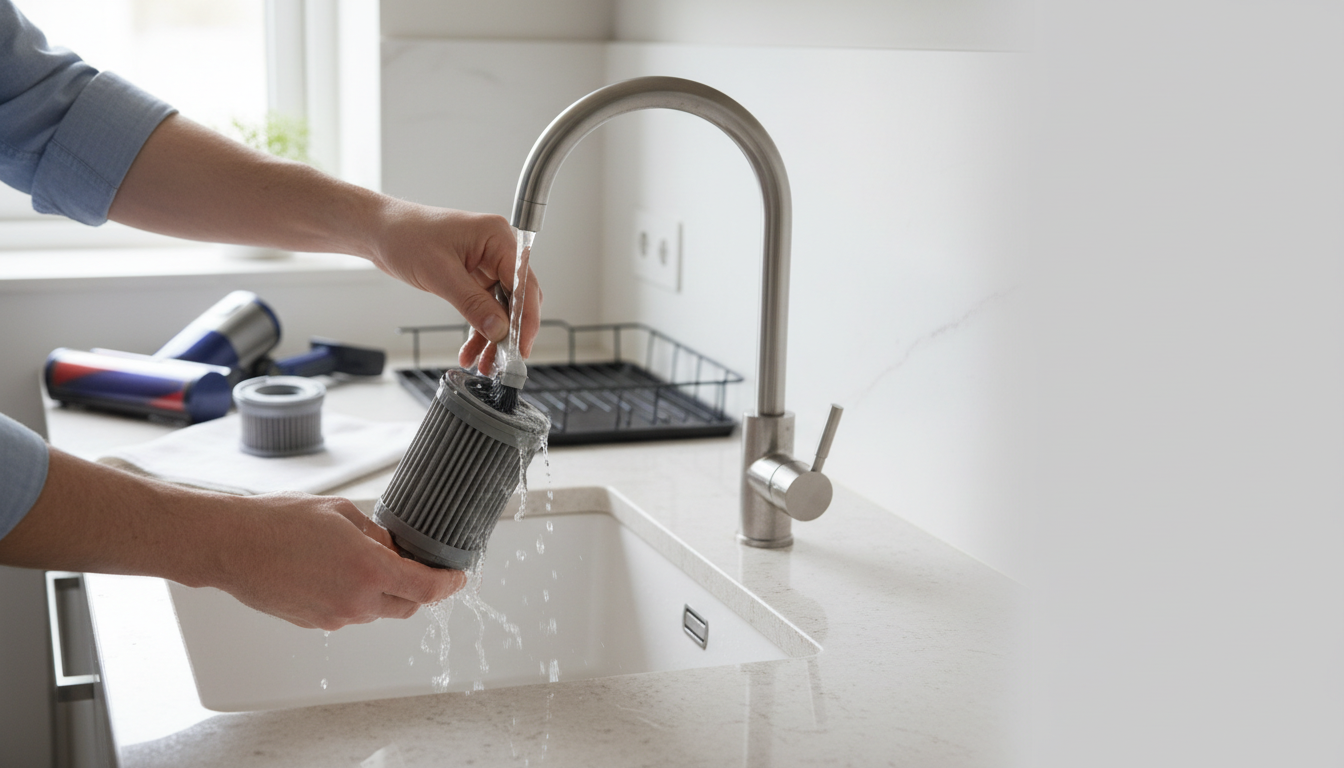
- Rinse with Cold Water: Hold washable foam and felt filters under cold, running water until the water runs clear. Gently squeeze the filters to remove excess water and dislodge embedded dirt.
- Avoid Detergents: Do not use soap, detergents, or any cleaning solutions. These can damage the filter material and reduce its effectiveness.
- No Hot Water: Only use cold water. Hot water can warp or degrade the filter material.
- Complete Air Drying: Allow filters to air dry completely for at least 24 hours before reinstallation. Place them in a well-ventilated area away from direct heat. Do not use a clothes dryer, hairdryer, or any other heating device, as this can damage the filters.
- Ensure Dryness: Installing a damp filter can lead to mold growth, damage the vacuum's motor, and compromise air quality.
-
Reinstallation for Optimal Performance:
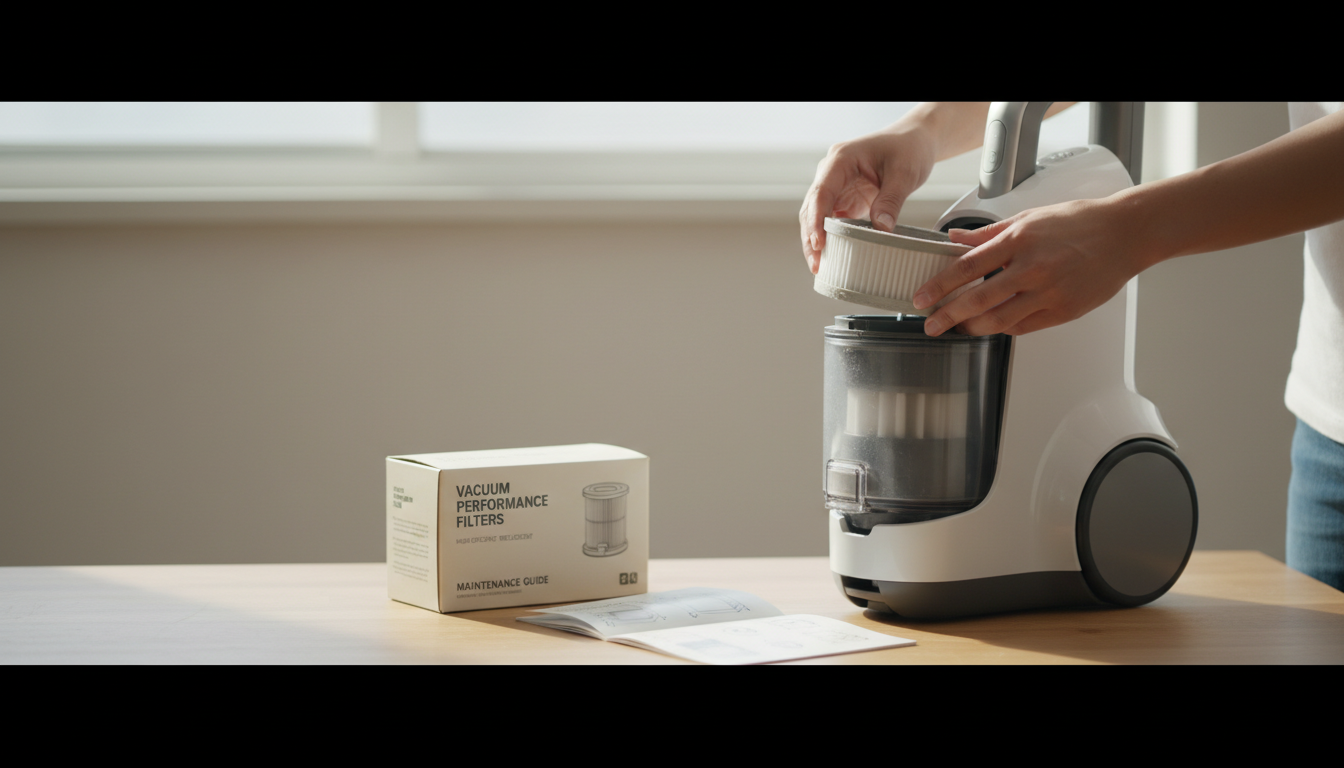
- Ensure Correct Orientation: Place each filter back into its designated slot, ensuring it fits snugly and in the correct orientation. Incorrect placement can lead to air leaks, reduced suction, and potential motor damage.
- Secure Fit: Confirm that the dust cup and filter compartments are securely latched. A loose fit can diminish suction and allow dust to escape.
- Regular Replacement: Even washable filters have a finite lifespan. For sustained performance, consider replacing your Shark Rocket filters every 2-3 months, or more frequently with heavy use, as recommended for many models. This routine replacement helps prevent common issues like reduced suction from clogged exhaust filters.
Avoiding Common Pitfalls When Buying and Using Rocket Vacuum Filters
Selecting and maintaining filters for your Shark Rocket vacuum cleaner involves several considerations to ensure both effective cleaning and the longevity of your appliance. Overlooking these aspects can lead to diminished performance or even damage.
- Incompatibility Risks: Using a filter not specifically designed for your Shark Rocket model can lead to a cascade of problems. An ill-fitting filter may create gaps, allowing dust and debris to bypass the filtration system entirely and re-enter your home's air or even reach the vacuum's motor. This bypass reduces cleaning effectiveness and can cause premature wear or damage to internal components. Always verify your vacuum's model number against the filter's compatibility specifications.
- Quality Concerns with Aftermarket Filters: While third-party filters can offer a cost-effective alternative, their quality can vary significantly. Some aftermarket options may use different materials or construction methods that impact filtration efficiency, airflow, or durability. A filter made with inferior materials might break down faster, offer less effective particle capture, or even restrict airflow more than intended, leading to reduced suction and increased strain on the vacuum's motor.
- The 'Wet Filter' Problem: Operating your Shark Rocket vacuum with damp or wet filters is a critical error. Even if filters are washable, they must be completely air-dried before reinstallation. Moisture inside the vacuum can lead to mold and mildew growth, creating unpleasant odors and potentially releasing spores into your air. More severely, wet filters can cause electrical shorts or motor damage, posing a safety risk and potentially rendering your vacuum inoperable.
- Warranty Implications: The use of non-OEM (Original Equipment Manufacturer) parts, including filters, could potentially impact your vacuum's warranty. While not always a direct void, some manufacturers specify that damages resulting from the use of unauthorized parts may not be covered. Review your Shark Rocket warranty documentation to understand any specific conditions related to replacement parts.
Frequently Asked Questions About Shark Rocket Vacuum Filters
Understanding and maintaining your Shark Rocket vacuum's filters is key to sustained cleaning performance and extending the appliance's lifespan. Here are answers to common questions regarding filter care and selection.
-
How often should I replace my Shark Rocket filters? For optimal performance and to maintain strong suction, it is generally recommended to replace your Shark Rocket vacuum filters every 2 to 3 months. This routine replacement helps prevent clogs and ensures efficient air filtration.
-
Can I wash my Shark Rocket vacuum filters? Many Shark Rocket vacuum filters are designed to be washable and reusable. Rinsing them with water can help remove accumulated dust and debris, extending their effective life. Always allow filters to air dry completely for at least 24 hours before reinserting them into your vacuum to prevent mold or damage. Consult your specific model's user manual for detailed washing instructions.
-
What are the signs that my Rocket vacuum filter needs to be changed? Several indicators suggest your filter needs attention. These include a noticeable decrease in suction power, the vacuum running louder or hotter than usual, or the presence of unusual odors during operation. Visible dirt, discoloration, or clogging on the filter surface are also clear signs it's time for a replacement.
-
Are aftermarket filters safe for my Shark Rocket vacuum? Aftermarket filters can offer a more budget-friendly alternative to genuine Shark parts. However, using non-genuine filters carries a potential risk of compromising your vacuum's performance, filtration efficiency, and potentially voiding its warranty. If considering aftermarket options, verify they meet quality standards and are specifically designed for your Rocket model.
-
How do I find the correct filter for my specific Shark Rocket model? To ensure compatibility, locate your Shark Rocket vacuum's model number, typically found on a label on the main body of the unit. Cross-reference this model number with the filter's product description or packaging. Filter kits are often labeled with a range of compatible Rocket models, such as HV319Q, HV320, HV321, or HV322, to guide your selection.
Empowering Your Shark Rocket Vacuum for Long-Term Performance
Maintaining your Shark Rocket vacuum's filters is a straightforward yet critical practice for preserving its cleaning efficacy and extending its operational life. Proactive filter management ensures your appliance consistently delivers the performance you expect, preventing common issues like reduced suction and diminished air quality.
The core takeaways for any Shark Rocket owner revolve around three essential actions:
- Regular Checks: Periodically inspect your vacuum's filters for visible dirt, debris, or damage. This helps identify when cleaning or replacement is needed before performance significantly degrades.
- Correct Selection: Always confirm filter compatibility with your specific Shark Rocket model number. Using the appropriate filter type ensures a proper fit and effective filtration, maintaining the vacuum's sealed system.
- Proper Maintenance: Adhere to recommended cleaning schedules for washable filters and timely replacement for all filter types, typically every 2-3 months, to prevent clogs and maintain optimal airflow.
By prioritizing these steps, you actively contribute to consistent cleaning power, help improve indoor air quality by trapping dust and allergens, and safeguard your vacuum against premature wear. Viewing filter care as an integral part of vacuum ownership is key to a clean home and a long-lasting appliance.

More in Vacuum Cleaner Filters
View All