Panasonic Vacuum Cleaner Belts: Ensuring a Perfect Fit and Optimal Performance
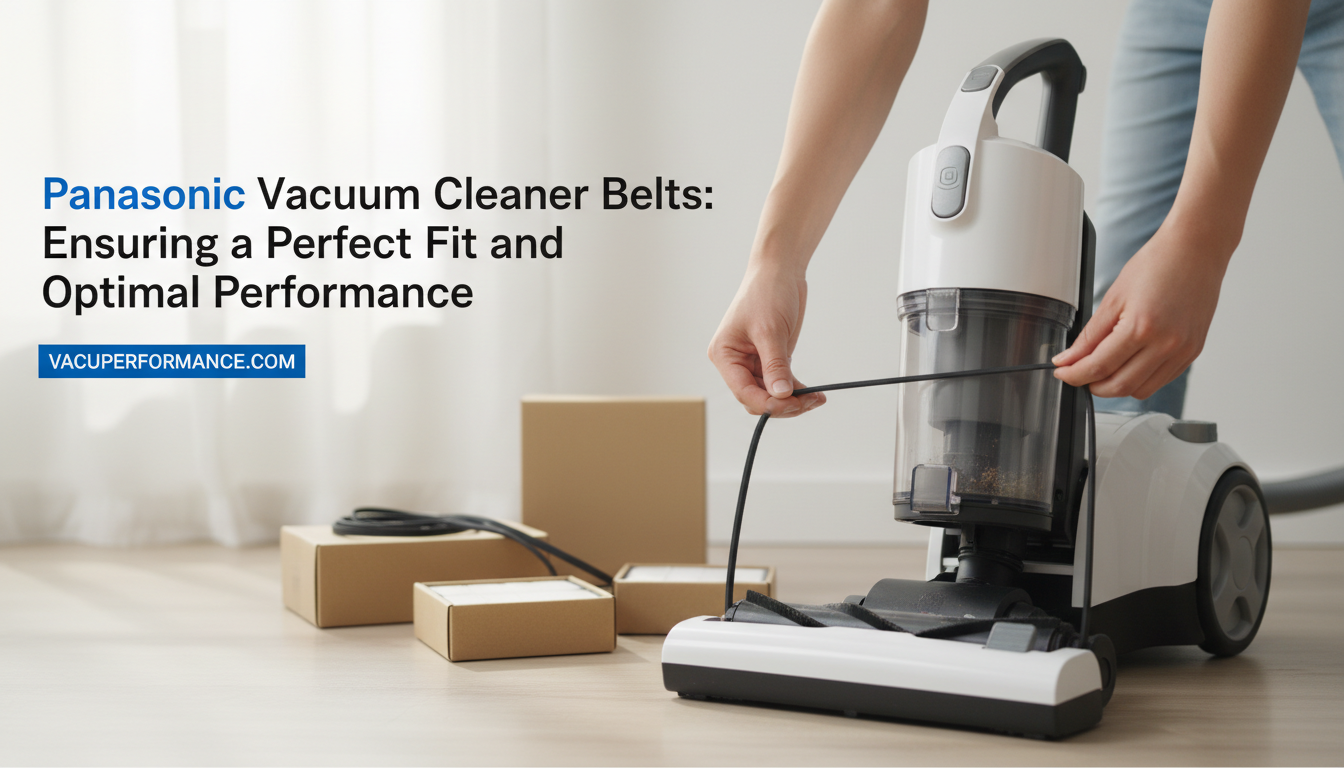
Restore Suction Power: The Importance of Panasonic Vacuum Cleaner Belts
The drive belt in your Panasonic vacuum cleaner is a small but critical component, directly responsible for transferring power from the motor to the brush roll. This rotating brush is what agitates carpet fibers and sweeps debris into the suction path, making it essential for effective deep cleaning. Without a functioning belt, your vacuum's ability to pick up embedded dirt and pet hair is severely compromised, especially on carpeted surfaces.
Recognizing when your Panasonic vacuum's belt needs attention can prevent further cleaning frustrations and potential damage. Common indicators of a worn or broken belt include a noticeable loss of brush roll action, where the brush either spins slowly or stops entirely. You might also observe a significant decrease in suction performance, particularly on carpets, or even detect a burning rubber smell, which often signals a slipping or overheating belt. Addressing these signs promptly is key to restoring your vacuum's full cleaning capability.
For Panasonic vacuum owners, selecting the exact replacement belt for your specific model is not merely a suggestion—it's a requirement for optimal performance and longevity. Panasonic manufactures various vacuum models, each potentially designed with a unique belt type, size, or tension. An incorrect belt might not fit at all, could slip inefficiently, or even cause undue strain on the motor or brush roll assembly, leading to premature failure. Ensuring a perfect, model-specific fit guarantees the brush roll operates at its intended speed and efficiency, maintaining the powerful cleaning performance you expect from your Panasonic appliance.
The Critical Role of Your Panasonic Vacuum Belt in Cleaning Efficiency
The performance of your Panasonic vacuum cleaner, particularly its ability to deep clean carpets and agitate dirt, largely hinges on the condition of a small but vital component: the drive belt. This belt connects the vacuum's motor to the brush roll, transferring power to make the bristles spin rapidly. A functional belt ensures the brush roll rotates at its optimal speed, enabling it to lift embedded dirt, pet hair, and debris from carpet fibers and hard floors effectively. Without this crucial connection, the brush roll remains stationary, significantly diminishing the vacuum's cleaning capabilities.
When a Panasonic vacuum belt begins to wear or breaks, the impact on cleaning performance is immediate and noticeable. A stretched or slipping belt cannot transfer full power to the brush roll, leading to:
- Reduced Dirt Agitation: The brush roll spins slowly or inconsistently, failing to dislodge trapped dirt from carpets. This results in superficial cleaning, leaving behind debris that a fully functional vacuum would remove.
- Poor Debris Pickup: Pet hair and larger particles may not be swept into the suction path effectively, requiring multiple passes to achieve a clean surface.
- Increased Motor Strain: A slipping belt forces the motor to work harder to try and turn the brush roll, generating excess heat and potentially shortening the motor's lifespan. This added stress can lead to premature failure of other internal components, incurring more significant repair costs.
Vacuum belts are subject to constant friction and tension, leading to wear and stretching over time. For most household use, a Panasonic vacuum belt typically lasts between 6 to 9 months before showing signs of degradation. Regular inspection and timely replacement are key to maintaining your vacuum's optimal performance and protecting its motor from unnecessary strain.
How to Find the Right Replacement Belt for Your Panasonic Vacuum Model
Accurately identifying the correct replacement drive belt for your Panasonic vacuum is crucial for restoring its brush roll function and maintaining cleaning performance. A precise fit prevents premature wear, slippage, or damage. Use this checklist to guide your selection process.
-
Locate Your Vacuum's Model Number
- Check the Vacuum Body: The model number is typically found on a sticker or plate. Look on the underside of the vacuum, the back panel, or sometimes beneath the dust bin or bag compartment.
- Consult the Owner's Manual: Your original user manual will clearly list the model number and often includes a parts diagram with specific belt part numbers.
- Review Purchase Documentation: If you registered your vacuum or kept the receipt, the model number might be noted there.
-
Identify the Existing Belt Type
- Observe the Belt's Cross-Section: Panasonic vacuums commonly use one of three main belt types:
- Flat Belts: These are wide and thin, often found on upright models.
- Round Belts: Circular in cross-section, sometimes used in older or specialized models.
- Cogged or V-Belts: These have teeth or a V-shape to grip pulleys, providing more precise power transfer. Many modern uprights utilize this design.
- Note the Belt's Condition: Even if broken, the remnants can often indicate the original type.
- Observe the Belt's Cross-Section: Panasonic vacuums commonly use one of three main belt types:
-
Determine Exact Belt Specifications
- Length: This is the most critical dimension. A belt that is too short will strain the motor and brush roll; one that is too long will slip. If possible, measure the circumference of the old belt before it broke, or use string to measure the path it follows.
- Width (for flat belts) or Diameter (for round belts): Ensure this matches to prevent the belt from rubbing against housing or slipping off pulleys.
- Thickness: While less common to vary, slight differences in thickness can affect tension and fit.
-
Consult Official Resources for Part Numbers
- Owner's Manual: This is your primary source for the manufacturer's recommended part number for your specific model's drive belt.
- Panasonic's Official Website: Navigate to the support section, enter your vacuum's model number, and look for parts diagrams or replacement part lists. This provides definitive compatibility information.
- Authorized Parts Retailers: Websites specializing in appliance parts often allow you to search by your Panasonic model number to find compatible belts.
By systematically following these steps, you can confidently identify and select the correct replacement belt, ensuring it fits properly and your Panasonic vacuum operates as intended.
Key Factors When Choosing Quality Replacement Belts for Panasonic Vacuums
Selecting a replacement belt for your Panasonic vacuum cleaner involves more than just finding a part that fits; it requires considering factors that impact durability, performance, and the longevity of your appliance. The right belt ensures consistent brush roll rotation, which is critical for effective cleaning, while a suboptimal choice can lead to recurring issues.
The material composition of a vacuum belt directly influences its elasticity, strength, and resistance to wear. Most quality replacement belts are made from durable rubber compounds designed to withstand the friction and tension of constant operation. Inferior materials can stretch prematurely, lose elasticity, or become brittle, leading to early failure and reduced brush roll effectiveness. A belt that maintains its integrity through thousands of rotations contributes significantly to sustained cleaning power.
When sourcing a replacement, Panasonic owners typically encounter two main categories:
- OEM (Original Equipment Manufacturer) Belts:
- Pros: Designed and tested specifically for Panasonic models, ensuring precise fit and tension. Often made with high-quality materials to match the vacuum's original specifications, potentially offering longer lifespan.
- Cons: Generally higher in cost compared to aftermarket alternatives.
- Aftermarket Belts:
- Pros: More widely available and typically more budget-friendly.
- Cons: Quality can vary significantly. While some aftermarket belts meet or exceed OEM standards, others may use less durable materials or have slight dimensional variations that affect performance and longevity.
Using an incorrect or low-quality belt introduces several risks to your Panasonic vacuum. A belt that is too loose will not effectively spin the brush roll, diminishing cleaning performance. Conversely, a belt that is too tight can put excessive strain on the brush roll motor, potentially leading to overheating, motor damage, or premature belt breakage, a common issue noted with improper alignment. Belts made from substandard materials are prone to stretching, cracking, or snapping, necessitating frequent replacements and interrupting your cleaning routine.
To mitigate these risks and ensure you acquire a reliable replacement, consider purchasing from reputable sources. Authorized Panasonic dealers are the most direct route for OEM parts, guaranteeing authenticity and precise compatibility. For aftermarket options, well-established online retailers specializing in appliance parts, such as eReplacementParts.com, or reputable sellers on platforms like Amazon, often provide detailed product descriptions and customer reviews that can help verify quality and fit for specific Panasonic models. Always cross-reference the belt's part number or model compatibility with your vacuum's specifications before finalizing a purchase.
Step-by-Step Guide to Replacing a Panasonic Vacuum Cleaner Belt
Replacing a worn or broken drive belt in your Panasonic vacuum cleaner can restore its brush roll function and overall cleaning effectiveness. While specific steps may vary slightly by model, the general process involves safely accessing the brush roll area, removing the old belt, and installing the new one. Always consult your Panasonic vacuum's owner's manual for precise, model-specific instructions and diagrams before beginning.
Safety First:
- Unplug the Vacuum: Before performing any maintenance or repairs, always ensure your Panasonic vacuum cleaner is disconnected from the power outlet. This prevents accidental startup and reduces the risk of electrical shock or injury.
Tools You Might Need:
- Screwdriver: Often a Philips head or flathead, depending on the fasteners securing the brush roll cover or base plate.
- Pry Tool (Optional): A thin, non-marring tool might be useful for gently releasing clips or covers.
- Gloves (Optional): To protect hands from dust or sharp edges.
General Replacement Steps:
- Prepare the Vacuum: Lay the vacuum cleaner on its side or back on a clean, flat surface, providing easy access to the brush roll area, typically on the underside of the cleaning head.
- Access the Brush Roll:
- Locate the brush roll cover or base plate. This is usually secured by screws or latches.
- Use the appropriate screwdriver to remove any screws.
- Gently detach the cover, setting aside any screws or small parts in a safe place.
- Remove the Old Belt:
- Once the brush roll is exposed, you will likely see the drive belt looped around the motor shaft and the brush roll.
- Carefully slide the brush roll out of its housing.
- Remove the old, broken, or stretched belt from both the motor shaft and the brush roll. Note how it was routed.
- Install the New Belt:
- Loop the new Panasonic replacement belt around the motor shaft first.
- Next, stretch the belt around the brush roll. This may require some tension and careful maneuvering to ensure it sits correctly in the belt groove on the brush roll.
- Ensure the belt is not twisted and is properly seated on both components.
- Reassemble and Test:
- Carefully slide the brush roll back into its housing, ensuring the belt remains properly seated and tensioned.
- Replace the brush roll cover or base plate, aligning any tabs or clips, and re-inserting all screws. Do not overtighten.
- Once fully reassembled, plug the vacuum back into the power outlet and briefly turn it on to confirm the brush roll spins freely and consistently. If it vibrates excessively or makes unusual noises, unplug immediately and re-check the belt's installation and alignment.
Tips for Optimal Performance:
- Proper Tension: The new belt should feel snug but not overly tight. An overly tight belt can strain the motor, while a loose belt may slip and not drive the brush roll effectively.
- Alignment: Ensure the belt is perfectly aligned within the grooves of both the motor shaft and the brush roll. Misalignment can lead to premature wear or breakage.
- Cleanliness: While the vacuum is open, take the opportunity to clean any accumulated hair, debris, or dust from the brush roll, brush roll housing, and motor shaft area. This can prevent future obstructions and extend the life of your new belt.
Troubleshooting Common Panasonic Vacuum Belt Issues and Preventing Breakage
Even with proper selection, Panasonic vacuum belts can encounter issues that hinder performance. Understanding these common problems and their root causes is crucial for effective troubleshooting and extending the life of your vacuum. Addressing these risks proactively helps maintain consistent cleaning power and avoids unnecessary replacements.
One of the most frequent issues is belt breakage, which can stem from several factors:
- Wear and Tear: Over time, the rubber material of the belt naturally degrades, stretches, and becomes brittle due to constant friction and heat. This is the most common reason for a belt to snap.
- Incorrect Belt Specification: Using a belt that is too tight or too loose for your specific Panasonic model can cause premature failure. A belt that is too tight places excessive strain on the motor and brush roll bearings, while a loose belt can slip, generate heat, and eventually break.
- Brush Roll Obstructions: Hair, string, carpet fibers, or other debris wrapped around the brush roll can cause it to seize or spin with difficulty. This increased resistance forces the belt to work harder, leading to stretching, burning, or snapping.
- Motor or Bearing Issues: While less common, a failing motor or worn brush roll bearings can create excessive drag, placing undue stress on the drive belt and causing it to break repeatedly.
Improper belt alignment is another significant concern. If a belt isn't seated correctly on the motor shaft and brush roll pulley, it can rub against the vacuum housing, fray prematurely, or even jump off. Consequences include:
- Reduced Brush Roll Speed: The belt may slip, causing the brush roll to spin inefficiently or not at all, compromising cleaning.
- Increased Noise and Odor: Misalignment can lead to squealing sounds or a burning rubber smell as the belt rubs or slips.
- Accelerated Wear: Friction from improper alignment significantly shortens the belt's lifespan.
Signs that a newly installed belt is failing prematurely include immediate breakage, a persistent burning smell shortly after replacement, or visible fraying within a short period of use. This often indicates an underlying problem, such as:
- Incorrect Belt Part: The replacement belt might not be the exact specification for your Panasonic model, despite appearing similar.
- Unresolved Obstruction: A hidden obstruction in the brush roll or housing may still be present, causing the new belt to overwork.
- Mechanical Fault: A deeper issue with the brush roll bearings or motor could be causing excessive resistance.
Preventative maintenance is key to extending the life of your Panasonic vacuum belt:
- Regular Brush Roll Cleaning: Frequently inspect and clear the brush roll of tangled hair, threads, and debris. This reduces strain on the belt and motor.
- Avoid Foreign Objects: Be mindful of what you vacuum. Hard objects like coins, paper clips, or small toys can jam the brush roll and instantly break the belt.
- Periodic Inspection: Visually check the belt for signs of wear, cracking, or stretching during routine vacuum maintenance or when cleaning the brush roll. This allows for proactive replacement before a complete failure.
Frequently Asked Questions About Panasonic Vacuum Cleaner Belts
Understanding the nuances of your Panasonic vacuum's drive belt can significantly extend its life and maintain peak cleaning efficiency. Here are answers to common questions Panasonic owners have regarding these essential components.
How often should I replace my Panasonic vacuum belt? A general guideline suggests replacing your Panasonic vacuum belt every 6 to 9 months. However, this can vary based on usage frequency, the types of surfaces cleaned (e.g., heavy carpet vs. bare floors), and whether you frequently vacuum pet hair. Regularly inspecting the belt for signs of wear, such as cracks, fraying, or stretching, is more reliable than adhering strictly to a time frame.
Can I use a universal belt for my Panasonic vacuum? It is generally not recommended to use a "universal" belt for your Panasonic vacuum. Panasonic vacuum cleaners are designed with specific belt types and dimensions to ensure proper tension and fit for their brush roll and motor assembly. Using a generic or ill-fitting belt can lead to inefficient operation, premature wear, or even damage to the vacuum's motor or brush roll components. Always refer to your Panasonic model's specifications for the correct replacement part number.
What happens if I use the wrong size belt? Using an incorrectly sized belt can lead to several problems. If the belt is too loose, it may slip, causing the brush roll to spin slowly or not at all, severely reducing cleaning effectiveness and potentially producing a burning rubber smell. If the belt is too tight, it can place excessive strain on the motor and brush roll bearings, leading to premature belt breakage, motor overheating, or even permanent damage to internal components.
Why does my new belt keep breaking? Frequent breakage of a new belt often points to an underlying issue beyond the belt itself. Common causes include:
- Brush Roll Obstruction: Hair, string, or debris wrapped around the brush roll can cause it to jam, leading to belt snapping.
- Incorrect Belt Type: Using a belt that is too tight or not designed for your specific Panasonic model.
- Misaligned Components: Issues with the brush roll bearings or motor shaft alignment can create undue tension.
- Motor or Brush Roll Malfunction: A faulty motor or a brush roll that doesn't spin freely can put excessive stress on the belt. Inspect your vacuum for these issues if you experience repeated belt failures.
How do I know if my Panasonic vacuum belt needs replacing? Several indicators suggest your Panasonic vacuum belt needs attention:
- Loss of Brush Roll Action: The most obvious sign is if your vacuum's brush roll stops spinning or spins intermittently.
- Reduced Suction on Carpets: If your vacuum struggles to pick up debris from carpeted surfaces, but suction at the hose remains strong, the belt may be worn.
- Burning Rubber Smell: A distinct burning odor often indicates a slipping or overheating belt.
- Visible Wear: Inspect the belt for cracks, fraying, stretching, or a shiny, glazed appearance, which are all signs of degradation.
Ensuring Lasting Performance: The Right Belt for Your Panasonic Vacuum
Maintaining your Panasonic vacuum cleaner's peak performance ultimately hinges on the correct selection and proactive care of its drive belt. As a critical link between the motor and the brush roll, the belt directly impacts your vacuum's ability to effectively lift dirt and debris. To ensure lasting cleaning power, consistently prioritize model-specific compatibility when choosing a replacement.
Recall that identifying your Panasonic vacuum's precise model number is the foundational step for selecting the correct belt. This ensures you acquire a replacement that matches the original specifications for size, type, and tension, preventing issues like improper fit or premature wear. An accurately chosen belt guarantees the brush roll operates as intended, restoring the deep-cleaning capability of your appliance.
Beyond initial selection, proactive maintenance is key to extending your vacuum's lifespan and cleaning efficiency. Regularly inspect the belt for signs of wear, such as stretching, cracking, or fraying. Addressing these indicators promptly, typically by replacing the belt every 6 to 9 months or sooner if performance declines, can prevent complete belt failure and potential damage to other components. This simple, routine check helps avoid common problems like improper belt alignment or repeated breakage, which can otherwise diminish your vacuum's effectiveness.
Ultimately, a well-maintained Panasonic vacuum with a perfectly fitted drive belt translates directly into a cleaner, healthier home environment. By understanding the importance of this small component and committing to its proper selection and upkeep, you empower your vacuum to deliver consistent, optimal cleaning results for years to come.
More in Vacuum Cleaner Belts
View All