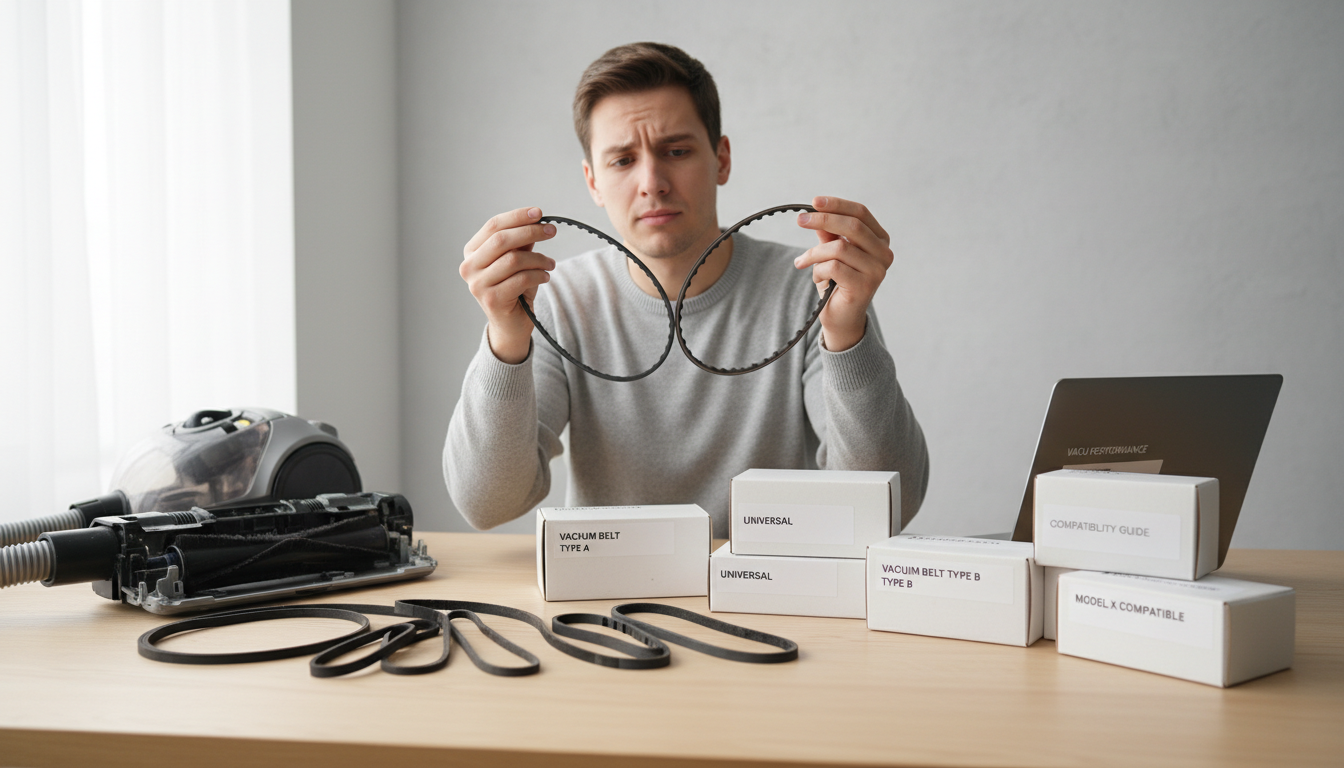
Finding Vacuum Cleaner Belts at Home Depot: A Shopper's Guide to Brands and Compatibility

Your Go-To Guide for Vacuum Cleaner Belts at Home Depot
A vacuum cleaner's effectiveness hinges on its brush roller, which agitates carpet fibers and sweeps debris into the suction path. When your vacuum struggles to pick up dirt, or the brush stops spinning, a worn or broken drive belt is often the culprit. This small but crucial component connects the motor to the brush roll, and its failure can significantly diminish your vacuum's cleaning power, even if suction remains.
For many homeowners and DIYers, Home Depot offers a convenient solution for quick replacement parts. With options for in-store pickup and online ordering, it's a popular destination for addressing common household repair needs. However, navigating the selection to ensure you get the right belt for your specific vacuum model can be a challenge.
This guide is designed to empower you with the knowledge to confidently identify, locate, and purchase the correct vacuum cleaner belt from Home Depot. We'll cover key compatibility factors, how to navigate their inventory, and essential checks to ensure a proper fit, helping you restore your vacuum's optimal performance with minimal hassle.
Shopping for Vacuum Cleaner Belts at Home Depot: Online and In-Store Strategies
Home Depot provides a convenient avenue for homeowners and DIYers needing to replace a vacuum cleaner belt. Its appeal lies in the ability to address immediate repair needs, often allowing for same-day acquisition, which can be crucial when your vacuum is out of commission. Opting for a DIY belt replacement through Home Depot can also translate to cost savings compared to professional repairs or purchasing an entirely new vacuum. While some buyers might initially find specific vacuum parts challenging to locate, the process is generally straightforward once you understand how to navigate their inventory.
Navigating Home Depot's Online Presence
The Home Depot website is an effective starting point for your search. Begin by utilizing the search bar with specific terms, such as "vacuum cleaner belt [your vacuum brand] [model number]". This precision helps narrow down results significantly. Once you've identified potential matches, leverage the website's filtering options. Crucially, check stock availability for your local store using the "Pick Up Today" filter. This feature confirms if the belt is ready for immediate collection, saving you a trip if it's out of stock. The site also organizes products under "Appliances > Appliance Parts > Vacuum Parts > Vacuum Belts," providing a structured path if your initial search is too broad.
Finding Belts Within the Store
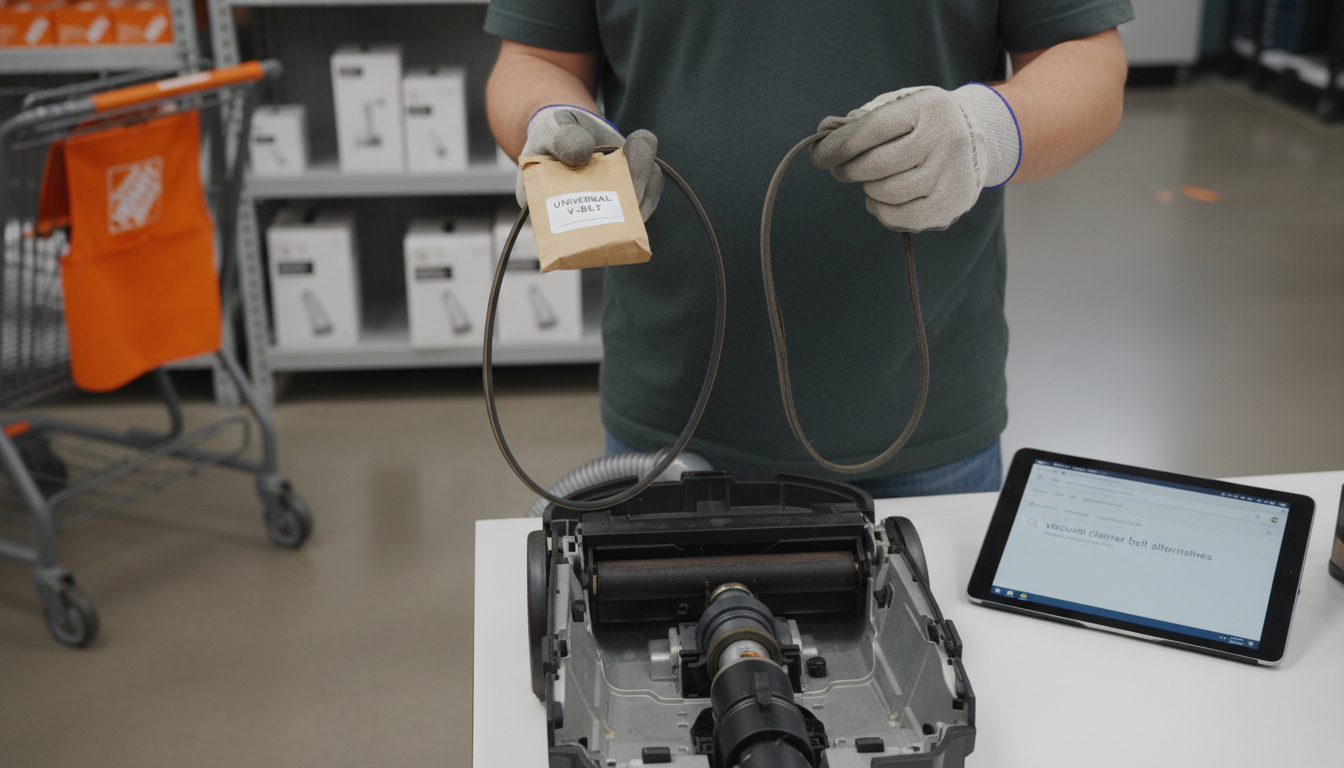
If you prefer an in-person shopping experience or need assistance, knowing where to look inside a Home Depot store is key. Head towards the appliance section, which typically houses smaller appliance parts and accessories. Vacuum belts are often stocked near other vacuum cleaners or their related components. If you're having difficulty, don't hesitate to approach a Home Depot associate or the customer service desk. They can check the store's inventory system for specific part numbers or direct you to the exact aisle. Being prepared with your vacuum's brand and model number will greatly assist them in guiding your search.
Deciphering Product Information and Reviews
Whether online or in-store, carefully examine product descriptions and packaging for essential compatibility details. Look for explicit mentions of vacuum brands and specific model numbers or series that the belt is designed to fit. Some replacement belts are sold in multi-packs, offering a spare for future needs. Beyond basic compatibility, customer reviews on Home Depot's website can provide valuable practical insights. Highly-rated options often indicate reliable performance and a good fit for common models. Reviewers may also share experiences regarding installation or the longevity of the belt, helping you make a more informed decision.
Identifying the Right Vacuum Belt for Your Model
Selecting the correct replacement vacuum cleaner belt is paramount for restoring your appliance's performance and avoiding purchasing errors. Even a slight mismatch in size or type can lead to poor cleaning, premature belt failure, or damage to your vacuum. Before heading to Home Depot, gather specific details about your vacuum and its belt.
-
Locate Your Vacuum's Model Number: This is the most critical piece of information.
- Check for a sticker or plate on the underside, back, or side of your vacuum cleaner. It often contains the manufacturer's name, model number, and sometimes a serial number.
- If the sticker is worn or missing, consult your vacuum's owner's manual. Many manuals list compatible replacement parts.
- As a last resort, search the manufacturer's website using a description of your vacuum, though this can be less reliable if the model is older.
-
Understand Different Belt Types: Vacuum belts are not universal, and their design dictates compatibility.
- Flat Belts: The most common type, these are wide and thin, designed to stretch. Found in many upright vacuums.
- Round Belts: Less frequently used, these have a circular cross-section and are typically found in older or specialized models.
- V-Belts: Feature a V-shaped cross-section that fits into a corresponding groove, offering a firmer grip than flat belts.
- Geared (Cogged) Belts: These belts have teeth that interlock with gears on the motor and brush roll, providing precise power transfer without slippage. They are non-stretch and must be an exact match.
-
Determine Belt Specifications: Once you know the type, you need the size.
- If you have the old belt: Look for a part number printed directly on the belt itself. This is the most reliable identifier. If no part number, carefully measure its length (un-stretched) and width. For geared belts, count the number of teeth.
- If the belt is broken or missing: Use your vacuum's model number to search the manufacturer's website or consult your owner's manual for the specific belt part number or dimensions. Do not guess based on the space available, as this can lead to incorrect sizing.
The critical role of compatibility cannot be overstated. A belt that is too loose will slip, causing the brush roll to slow down or stop, reducing cleaning effectiveness. A belt that is too tight will strain the motor, potentially causing it to overheat, and will likely break prematurely. Armed with your vacuum's model number and the specifications of its belt, you can confidently navigate Home Depot's selection to find a precise match.
Common Vacuum Belt Brands and Types You'll Find at Home Depot
When searching for a replacement vacuum belt at Home Depot, understanding the typical brands and belt classifications available can streamline your selection process. Their inventory often caters to widely used vacuum cleaner brands, alongside more generalized options.
You can expect to find replacement belts compatible with several prominent vacuum manufacturers:
- Hoover and Bissell: These brands frequently have dedicated or compatible replacement belts stocked, often reflecting their popularity in the vacuum market. Home Depot's selection often includes multi-packs designed for various Hoover and Bissell models.
- Eureka and Dirt Devil: While perhaps less prominently featured than Hoover or Bissell in terms of dedicated branding on the belt packaging itself, compatible belts for these common household vacuum brands are generally available, often within multi-brand or "fits many" assortments.
Beyond specific brand compatibility, vacuum belts are typically categorized in a few key ways:
- Brand-Specific vs. Universal Belts: Some belts are explicitly designed for a particular vacuum brand and model series. Others are marketed as "universal" or "multi-fit," intended to work across a range of brands or older models. While universal options can be convenient, always cross-reference their stated compatibility with your vacuum's model number to ensure a proper fit.
- Multi-Packs: A common offering at Home Depot is vacuum belts sold in multi-packs, frequently two belts per package. This provides a spare for future replacement, offering a practical value proposition for regular maintenance.
- Belt Series/Types: Many replacement belts are identified by a "Type" number, such as Type 7, 9, 10, 12, 14, or 190. These numbers correspond to specific belt dimensions, materials, and designs tailored for particular vacuum cleaner series or models. Matching your vacuum's required belt type is a critical step in ensuring compatibility and restoring optimal brushroll function.
Ensuring the Right Fit: Compatibility Challenges and Trade-offs
Selecting the correct vacuum cleaner belt is paramount, as an incorrect choice can lead to more than just a wasted purchase. The primary risk of using an ill-fitting belt is compromised performance. A belt that is too loose may slip, preventing the brush roll from spinning effectively or at all, which significantly reduces cleaning power. Conversely, a belt that is too tight can strain the vacuum's motor, potentially causing premature wear, overheating, or even motor failure. It can also cause the new belt itself to snap quickly, leading to repeated replacements. Vacuum cleaner belts are not universal; they vary in length, width, and cross-sectional shape (e.g., flat, round, cogged), and these specifications are critical for proper function.
When navigating Home Depot's inventory, you might encounter belts labeled by specific vacuum brands and "type" numbers (e.g., "Hoover Type 7") or more general descriptions. The trade-off often lies between seeking an exact manufacturer's part number (OEM equivalent) and a compatible "type" belt. While type-specific belts available at Home Depot are designed to fit a range of models, they may not always perfectly replicate the precise tension and material of an OEM part. An OEM-specified belt is engineered for your vacuum's exact design, potentially offering optimal longevity and performance. Compatible "type" belts can be a convenient and often more affordable option, but their material composition or precise dimensions might vary slightly, which could impact durability or brush roll efficiency over time.
If your specific vacuum model or its exact belt part number isn't readily listed or easily found on Home Depot's website or in-store, don't assume a close match will suffice. This is a common challenge, especially for older or less popular models. In such cases:
- Consult your vacuum's user manual: This is the most reliable source for the exact belt part number.
- Check the manufacturer's website: Look up your vacuum model for parts diagrams and recommended belt replacements.
- Measure the old belt: If the old belt is still intact, carefully measure its circumference, width, and note its cross-sectional shape. This information can help you cross-reference with available belts, though it's still best to find a direct part number match.
To mitigate the risk of purchasing an incompatible belt, always prioritize verifying the exact part number or "type" specified for your vacuum. Should you inadvertently purchase the wrong belt, understanding Home Depot's return policy is crucial. Keep all packaging and your receipt. Familiarize yourself with their return window and conditions before making your purchase, as this can save you time and frustration if an exchange or refund becomes necessary.
When to Replace Your Vacuum Belt and Simple DIY Tips
Understanding when your vacuum cleaner belt needs attention is key to maintaining effective cleaning and avoiding more significant repairs. A failing belt can significantly reduce your vacuum's performance, even if the motor sounds normal. Recognizing these signs early allows for a timely and straightforward DIY replacement.
Several indicators suggest your vacuum belt is worn or broken:
- Loss of Brush Roll Spin: The most direct sign is when the brush roll (the rotating brush at the bottom of the vacuum) stops spinning entirely or spins intermittently. Without this action, your vacuum struggles to agitate carpet fibers and lift embedded dirt.
- Reduced Dirt Pickup: Even if suction seems present, a worn belt means the brush roll isn't working effectively. You might notice your vacuum leaving behind debris or not cleaning as thoroughly as it used to, particularly on carpets.
- Burning Smell: A strong, rubbery burning odor often indicates a belt that is slipping excessively or is about to break due to friction and heat. This can also happen if the brush roll is jammed, causing the belt to strain.
For optimal performance, manufacturers and retailers like Home Depot often recommend replacing your vacuum belt every 3 to 6 months, especially with frequent use. This preventative measure helps ensure consistent cleaning power and can prevent unexpected breakdowns during a cleaning session.
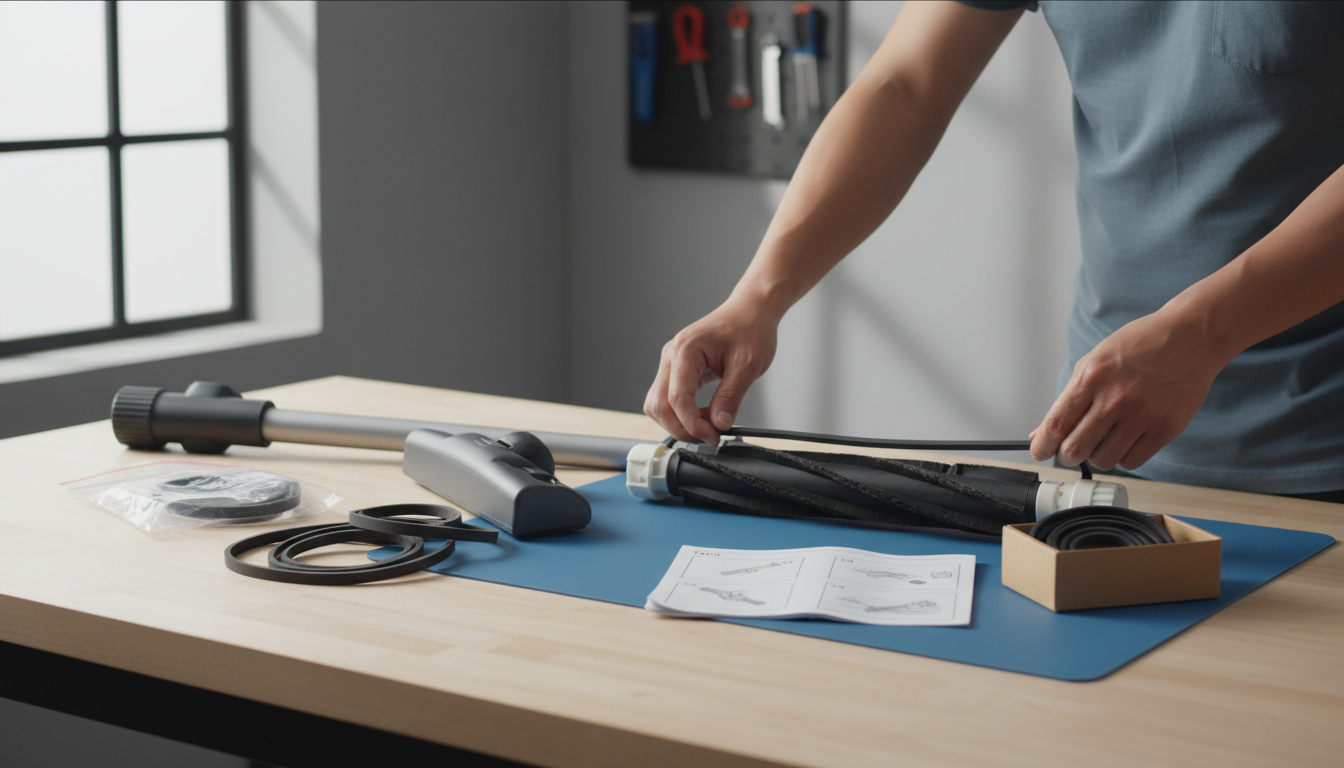
Replacing a vacuum belt is a common maintenance task that many homeowners can perform themselves, saving both time and money compared to professional repair services. The general process typically involves:
- Safety First: Always unplug your vacuum cleaner from the power outlet before beginning any maintenance.
- Accessing the Brush Roll: Most upright and canister vacuums require you to flip them over and remove a bottom plate or cover, usually held by screws or clips, to expose the brush roll and belt.
- Removing the Old Belt: Carefully lift out the brush roll and slide the old belt off the motor shaft and brush roll. Note its orientation for reference.
- Installing the New Belt: Loop the new belt around the motor shaft first, then stretch it over the brush roll. Ensure it sits correctly in any grooves.
- Reassembly: Place the brush roll back into its housing, making sure it spins freely, then secure the bottom plate.
Taking on this small repair yourself not only saves on labor costs but also extends the life of your vacuum cleaner by restoring its core cleaning function. It's a practical skill that empowers you to keep your appliance running efficiently.
Frequently Asked Questions About Vacuum Belts at Home Depot
Navigating the selection of vacuum cleaner belts can raise several questions for shoppers. Here are answers to common inquiries to assist you in making an informed purchase at Home Depot.
-
Why buy vacuum belts from Home Depot? Home Depot offers a convenient option for immediate replacement needs. Many locations stock common vacuum belt types for popular brands, allowing for quick in-store pickup. This can be particularly useful when you need to restore your vacuum's function without waiting for online delivery. Their online platform also allows you to check local availability and order for pickup or delivery.
-
How do I know which vacuum belt to buy at Home Depot? The most critical step is to identify your vacuum cleaner's exact brand and model number. This information is typically found on a sticker or plate on the vacuum's body, often near the motor, on the bottom, or behind the dustbin. With this detail, you can:
- Search Home Depot's website directly for belts compatible with your model.
- Look for the existing belt's part number, if visible and intact.
- Measure the dimensions of the old belt (length, width, and cross-section type – flat, round, or cogged) if the model number yields no results or the old belt is stretched.
-
Does Home Depot offer different types of vacuum belts? Yes, Home Depot typically carries a range of replacement belts designed to fit various vacuum cleaner brands and models. These include belts for major brands, often packaged as multi-packs or specific "types" (e.g., Type 7, 9, 10) that correspond to a series of vacuum models. The "type" refers to the specific design and dimensions required for compatibility with particular brushroll mechanisms.
-
How often should I replace my vacuum belt? For optimal vacuum performance, it is generally recommended to replace the belt every 3 to 6 months, especially with frequent use. Beyond this timeframe, belts can stretch, crack, or lose elasticity, reducing the brushroll's effectiveness even if it still appears to be spinning. Signs like a burning rubber smell, a brushroll that spins slowly or not at all, or reduced cleaning performance are indicators that a replacement is overdue.
-
Can I return a vacuum belt if it doesn't fit? Home Depot's general return policy typically applies to vacuum belts. If you purchase a belt that does not fit your specific vacuum model, you may be able to return it, provided it is unused and you have the original receipt. It is always advisable to review Home Depot's current return policy online or inquire at a customer service desk before making a purchase, especially for small parts, to understand any specific conditions or timeframes.
Making Your Home Depot Vacuum Belt Purchase with Confidence
Successfully replacing your vacuum cleaner belt from Home Depot hinges on a few critical steps. By prioritizing your vacuum's specific brand and model number, you can accurately navigate Home Depot's in-store aisles or online catalog. Verifying compatibility through part numbers, dimensions, or cross-referencing with your original belt remains the most reliable method to ensure a correct fit. Remember that Home Depot offers both the convenience of immediate in-store pickup for readily available items and the broader selection accessible through online ordering.
Taking on this repair yourself is a practical and cost-effective solution. A broken belt doesn't necessitate replacing the entire vacuum; instead, a targeted replacement can restore full functionality. This DIY approach not only saves money but also empowers you with the knowledge to maintain your appliances.
Ultimately, a properly functioning vacuum cleaner is essential for maintaining a clean and healthy home environment. By confidently selecting and installing the correct belt, you ensure your brushroll spins effectively, lifting dirt and debris efficiently. This small but vital component plays a significant role in your vacuum's ability to deliver consistent, thorough cleaning performance for years to come.
More in Vacuum Cleaner Belts
View All