Finding the Best Vacuum Cleaner Bags: Factors to Consider for Optimal Filtration and Performance
Introduction: Why Your Vacuum Bag Choice Matters More Than You Think
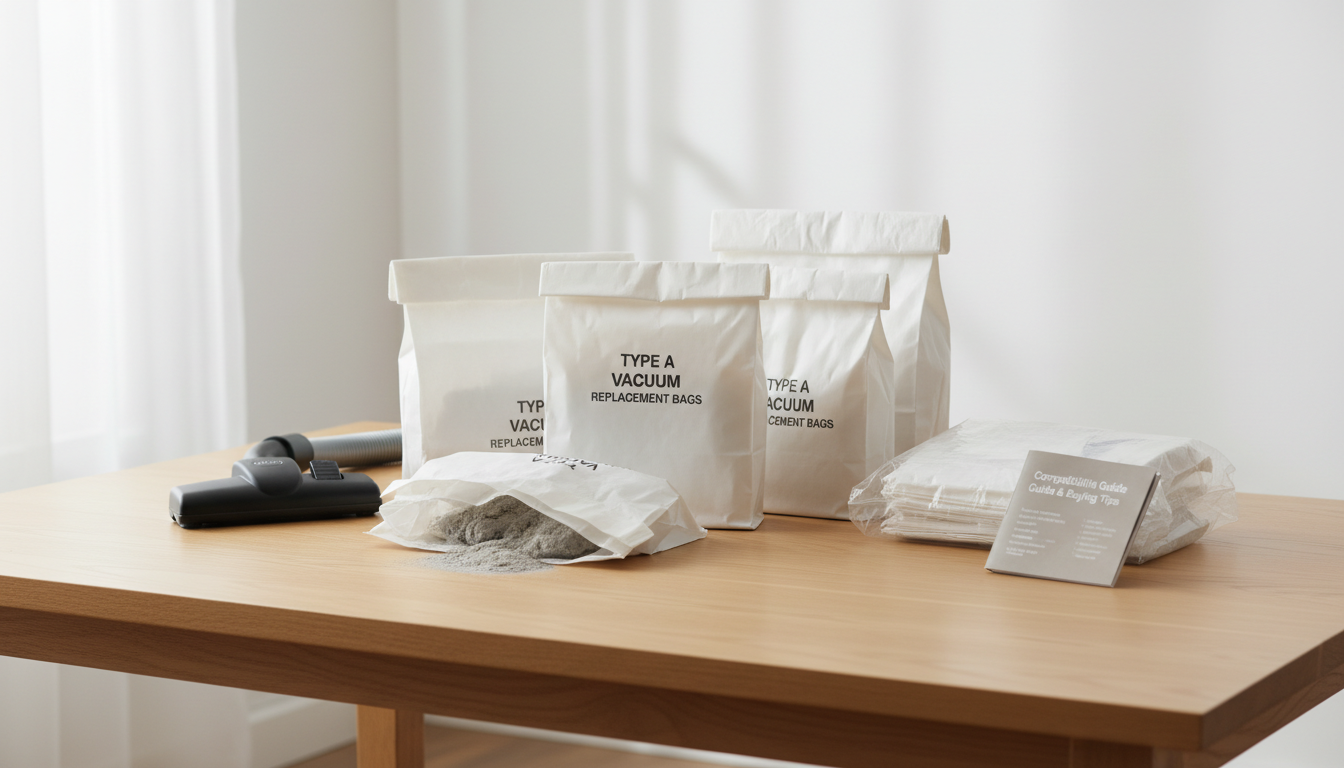
Many perceive vacuum cleaner bags as simple receptacles for dust and debris. However, their role extends far beyond mere containment, directly influencing your vacuum's cleaning effectiveness, motor longevity, and, critically, the indoor air quality of your home. A seemingly minor component, the right vacuum bag acts as a crucial filtration barrier, preventing microscopic particles from recirculating back into your living space.
If you're seeking the "best vacuum cleaner bags," you're likely looking for solutions that optimize your cleaning routine and protect your environment. This pursuit acknowledges that not all bags are created equal, and an informed choice can significantly enhance your vacuuming experience. This article will guide you through the essential criteria and trade-offs involved in selecting vacuum cleaner bags. By understanding factors like material, filtration capabilities, and compatibility, you'll be equipped to choose bags that not only fit your specific vacuum model but also deliver optimal performance and superior allergen control.
The Undeniable Advantages of Bagged Vacuums for a Cleaner Home
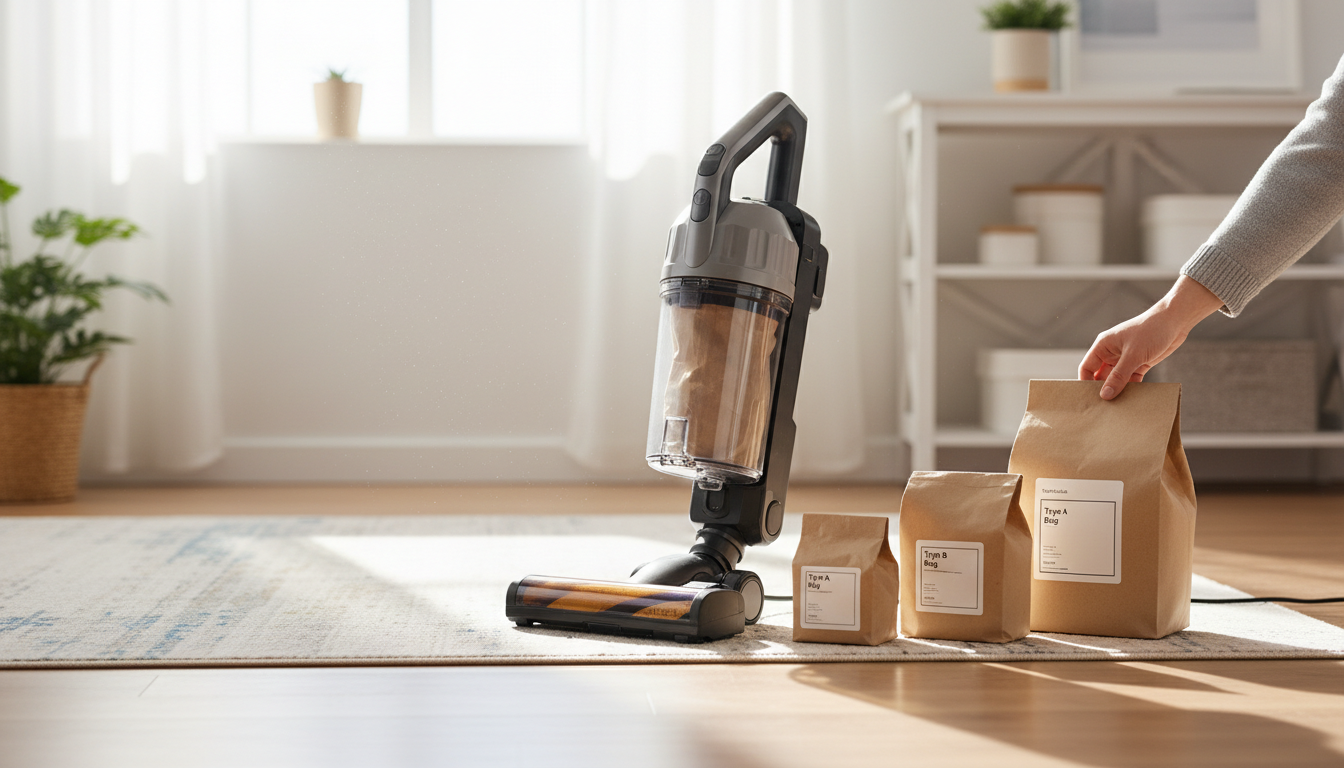
For many households, particularly those focused on indoor air quality, a vacuum cleaner that uses bags offers distinct benefits that contribute to a genuinely cleaner environment. These systems are often the preferred choice for individuals seeking to minimize exposure to dust and allergens, providing a foundational argument for considering a "best vacuum cleaner with bags" for your cleaning needs.
A primary advantage lies in superior allergen containment and filtration. Bagged vacuums typically feature a sealed system design where collected debris and microscopic particles are securely trapped within the bag. This sealed environment prevents fine dust, pet dander, pollen, and other allergens from escaping back into the air during operation, a common concern with some bagless models. The bag itself often acts as a multi-layered filter, contributing significantly to the vacuum's overall filtration efficiency and helping to maintain cleaner air throughout your home.
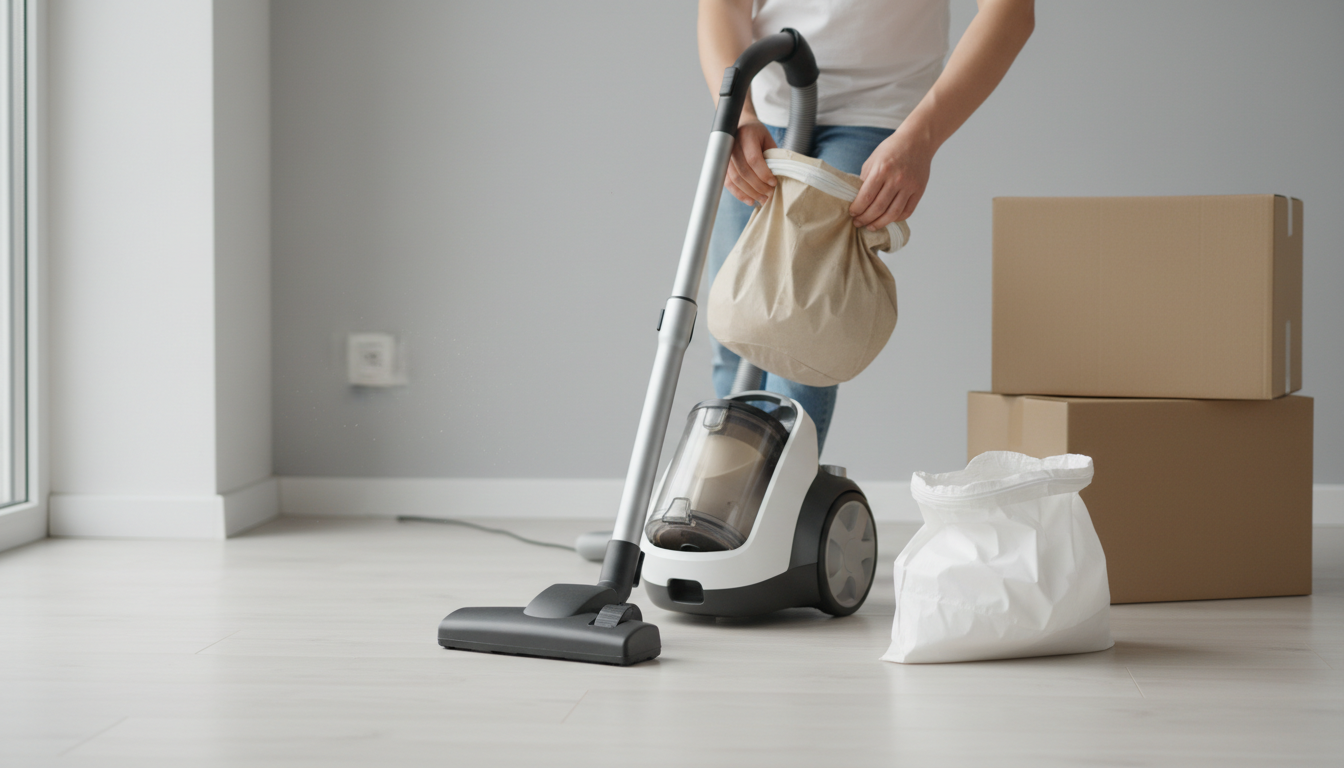
Beyond filtration during use, the hygienic disposal process is a significant benefit. When a bag is full, it can be removed and sealed, then discarded without direct contact with the accumulated dirt. This eliminates the dust clouds and potential re-exposure to allergens that can occur when emptying bagless canisters, making it a more sanitary option, especially for allergy and asthma sufferers.
Furthermore, bagged vacuums generally offer a larger capacity for collecting debris compared to many bagless designs. This larger volume translates to less frequent bag changes, which is particularly advantageous for homes with pets, high foot traffic, or during heavy-duty cleaning tasks. The ability to collect more before needing to empty means fewer interruptions and a more efficient cleaning routine. These combined factors underscore why bagged systems remain a robust solution for maintaining a truly clean and allergen-reduced living space.
Key Factors for Choosing the Best Vacuum Cleaner Bags
Selecting the appropriate vacuum cleaner bags goes beyond finding a size that fits; it involves understanding how specific features impact filtration, durability, and overall vacuum performance. Evaluating these factors ensures that the bag supports both effective cleaning and healthier indoor air quality.
-
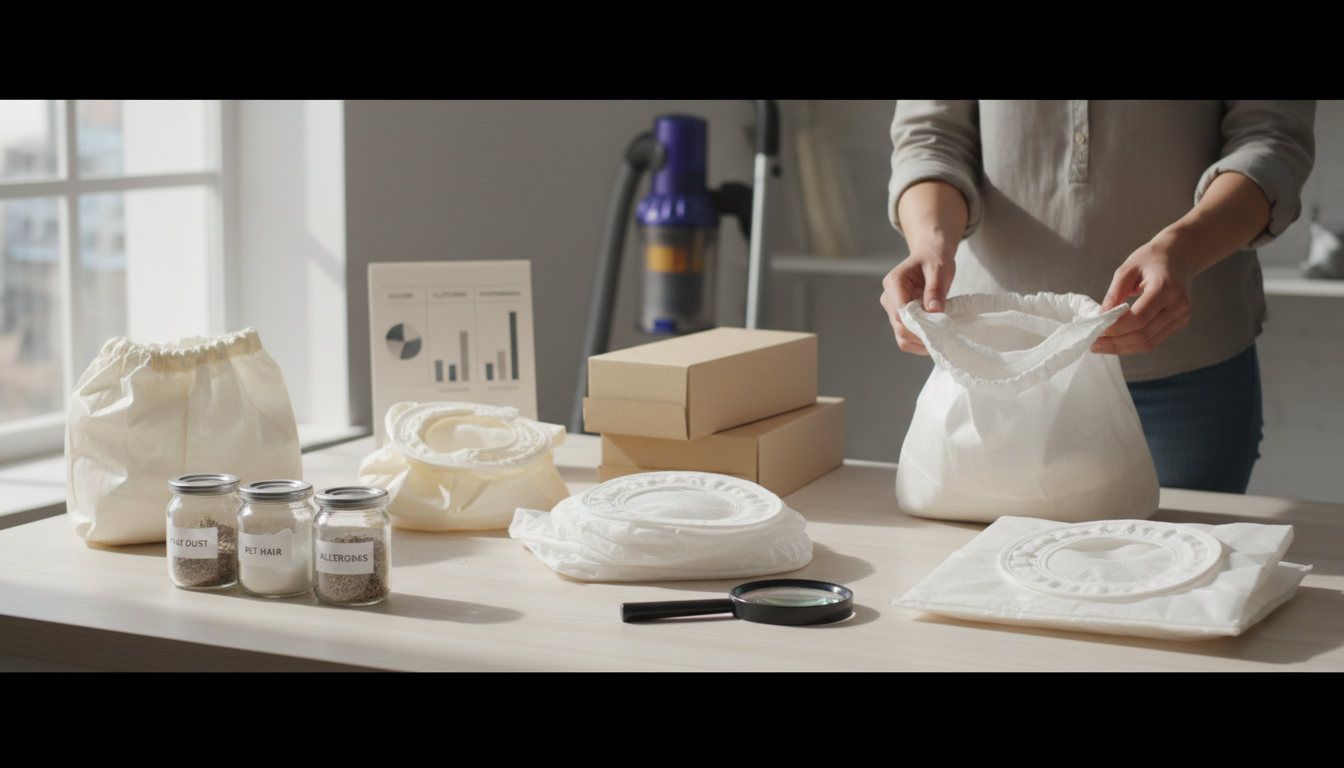
Filtration Efficiency The primary role of a vacuum bag, beyond containing debris, is to filter the air before it's exhausted back into your home. Bags vary significantly in their ability to trap microscopic particles.
- HEPA-rated bags represent the highest standard, designed to capture 99.97% of airborne particles 0.3 microns or larger, including allergens like pollen, pet dander, and dust mite debris. This level of filtration is particularly beneficial for individuals with allergies or asthma, as it significantly reduces the re-release of irritants into the air.
- Multi-layer bags offer enhanced filtration compared to single-layer paper bags, often using synthetic materials to create several barriers that trap finer dust. While not always HEPA-certified, they provide a notable improvement in air quality.
- Micro-filtration bags are a general category indicating a capacity to trap smaller particles than basic bags, contributing to cleaner exhaust air. The impact on air quality directly correlates with the bag's filtration grade; higher efficiency means fewer airborne particles.
-
Bag Material and Construction The material of a vacuum bag influences both its filtration capability and its resistance to tearing.
- Cloth bags (often synthetic fiber) typically offer superior filtration and durability compared to paper alternatives. Research suggests cloth bags can improve filtration efficiency by up to 30%, trapping more fine dust and allergens. Their robust construction also makes them less prone to punctures from sharp debris.
- Paper bags are generally more economical. While effective for general debris, their filtration is often less refined, and they may be more susceptible to tearing, especially when encountering damp or sharp objects. The trade-off is often cost versus filtration performance and tear resistance.
-
Capacity and Design The internal volume of a vacuum bag dictates how much debris it can hold before needing replacement, directly affecting user convenience and operational cost. Larger capacity bags reduce the frequency of changes, which is beneficial for heavy-duty cleaning or larger homes. Beyond volume, the internal design of the bag, such as airflow channels, can influence suction power. A well-designed bag maintains efficient airflow even as it fills, preventing premature loss of suction.
-
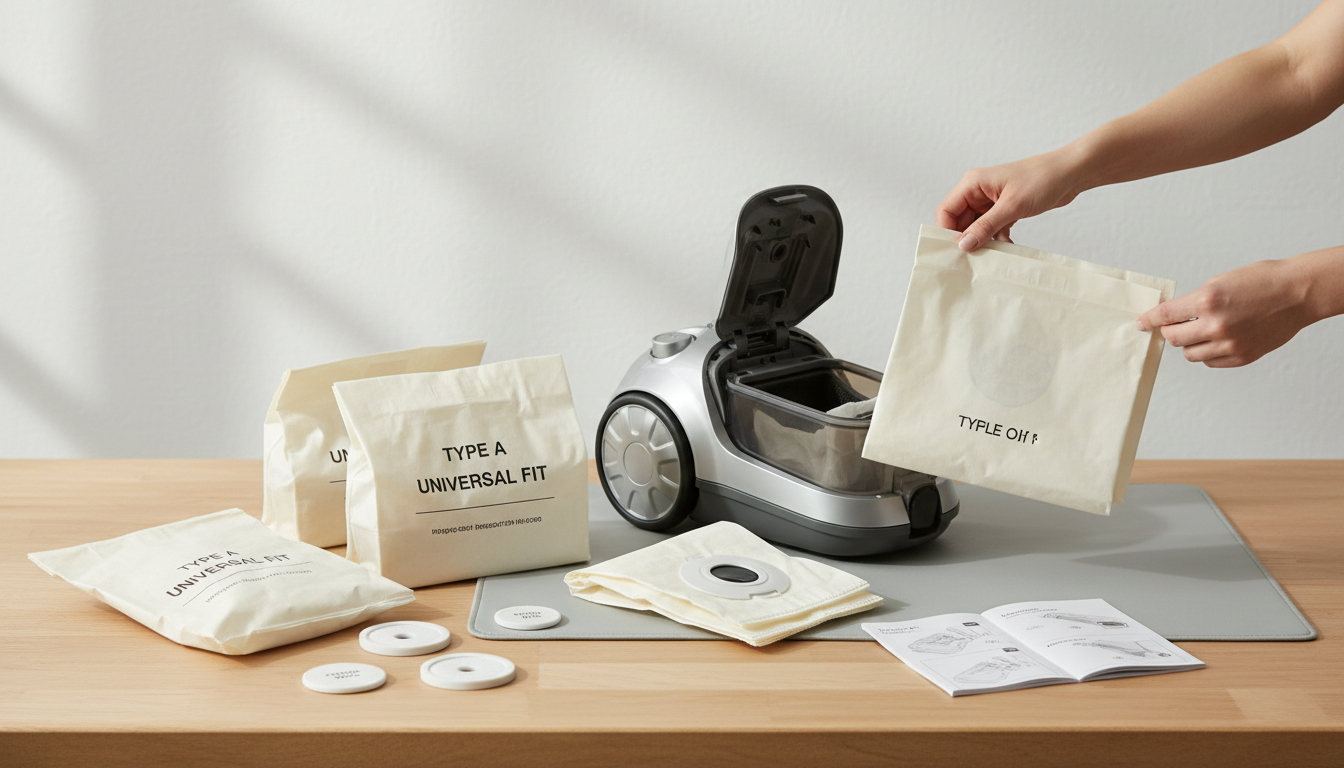
Compatibility Ensuring the bag is a precise match for your specific vacuum model is non-negotiable. An ill-fitting bag can lead to several problems:
- Reduced suction: Air may bypass the bag, diminishing cleaning power.
- Dust leakage: Debris can escape into the vacuum's motor compartment or back into your environment.
- Motor damage: Leaking dust can clog internal components, potentially shortening the vacuum's lifespan.
- OEM (Original Equipment Manufacturer) bags are designed by the vacuum manufacturer for guaranteed fit and performance. Aftermarket bags offer a cost-effective alternative but require careful verification of compatibility and performance claims. Always confirm the exact model number to avoid fit issues.
-
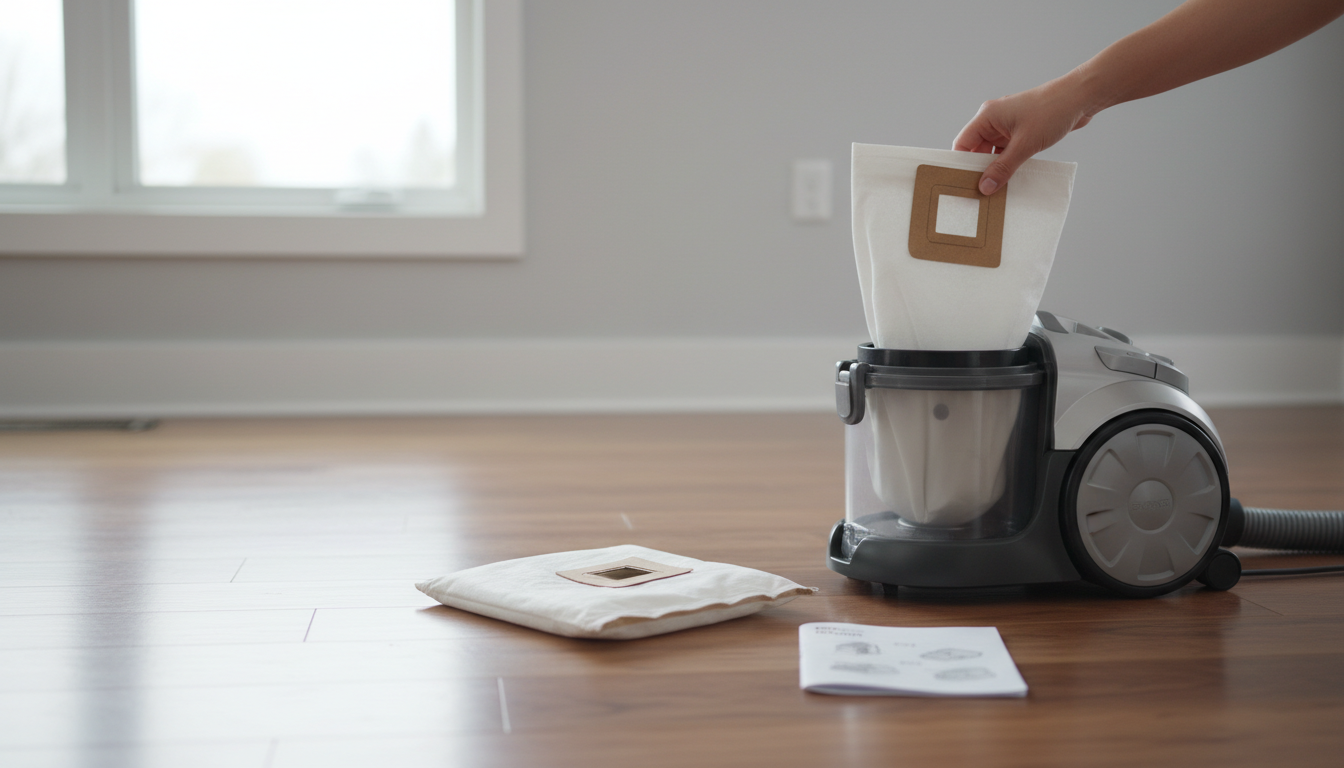
Seal and Disposal Mechanism A critical, yet often overlooked, feature is the bag's sealing mechanism. Many modern vacuum bags incorporate a self-sealing collar or a closure tab that activates upon removal. This design prevents dust and allergens from escaping back into the air during the disposal process, ensuring a clean and hygienic experience. Without an effective seal, the benefits of high filtration are diminished at the point of disposal, re-exposing you to the very particles the vacuum collected.
Comparing Bag Types: Understanding the Trade-offs for Your Cleaning Needs
Selecting the right vacuum cleaner bag involves weighing various factors, as different bag types offer distinct advantages and disadvantages regarding filtration, durability, and cost. Understanding these distinctions helps align your choice with your cleaning priorities and specific vacuum model.
-
Disposable Paper Bags
- Pros: These are generally the most budget-friendly option for routine cleaning. Their lower upfront cost makes them accessible for frequent replacement.
- Cons: Paper bags typically offer a lower level of filtration compared to synthetic alternatives, potentially allowing finer dust and allergens to escape. They are also less durable and more susceptible to tearing, especially when encountering sharp debris or becoming overfilled.
-
Multi-Layer Synthetic/Cloth Bags
- Pros: Constructed from multiple layers of synthetic fibers or cloth, these bags provide superior filtration, effectively trapping more fine dust, pet dander, and microscopic particles. This enhanced filtration contributes to better indoor air quality. They are also significantly more durable and tear-resistant than paper bags, offering greater reliability.
- Cons: The primary trade-off is their higher cost per bag compared to disposable paper options. While they offer better performance and durability, this comes at an increased expense over time.
-
HEPA-Certified Bags
- Specific Benefits: HEPA (High-Efficiency Particulate Air) certified bags are engineered for maximum allergen retention. They are particularly beneficial for households with allergy sufferers or individuals sensitive to airborne irritants, as they are designed to capture extremely small particles, including pollen, dust mites, and pet dander. The sealed nature of bagged systems, especially with HEPA bags, helps prevent these captured particles from re-entering the air during disposal.
- Potential Impact: While offering top-tier filtration, the dense material of HEPA-certified bags can sometimes create more airflow resistance. This may necessitate a vacuum cleaner with robust suction capabilities to maintain optimal cleaning performance as the bag fills.
Ultimately, the choice balances initial cost against filtration quality and bag durability. For general cleaning and budget consciousness, paper bags might suffice. However, for enhanced air quality, allergen control, and greater peace of mind regarding bag integrity, investing in multi-layer synthetic or HEPA-certified bags often proves beneficial.
Navigating Common Pitfalls and Important Considerations When Buying Vacuum Bags
When selecting vacuum cleaner bags, overlooking certain details can lead to compromised cleaning, reduced vacuum lifespan, or even damage. Understanding these potential issues helps ensure your purchase supports optimal performance and filtration.
-
The Criticality of Correct Fit Vacuum bags are not universal; each model requires specific dimensions and connection mechanisms. An incorrect fit is a significant failure point, leading to air leaks that bypass the filtration system, re-releasing dust and allergens. This also reduces suction and can strain the vacuum motor. Always verify your vacuum's exact model number against the bag manufacturer's compatibility list to avoid these fit limits.
-
OEM vs. Aftermarket Quality Original Equipment Manufacturer (OEM) bags are designed by your vacuum's brand for precise fit, optimal airflow, and specified filtration. Aftermarket (third-party) bags, while often more affordable, vary widely in quality. Cheaper options may use thinner materials prone to tearing, have less effective seals, or filtration media that doesn't meet specifications. This trade-off between cost and assured performance can impact cleaning efficacy and vacuum longevity.
-
Cost vs. Performance Trade-off Choosing the cheapest bags often means compromising performance. Less expensive bags typically offer basic filtration (e.g., single-layer paper) and lower durability. While they contain debris, they may allow fine particles to escape and are more susceptible to bursting. Investing in multi-layer synthetic bags, though pricier, provides superior filtration, better tear resistance, and helps maintain indoor air quality, offering long-term value in performance and protection.
-
Environmental Footprint Vacuum cleaner bags are disposable consumables, contributing to landfill waste. While some manufacturers explore more sustainable materials, the primary functions of filtration and containment often dictate material choices. For most bagged vacuums, a widely adopted, truly reusable alternative that maintains the same hygiene and filtration efficiency as disposable bags is not available. Acknowledging this disposable nature is part of the buying decision.
Making Your Choice: A Step-by-Step Guide to Selecting the Best Vacuum Bags
Selecting the optimal vacuum cleaner bag involves more than just finding one that fits. It requires a systematic approach, aligning your vacuum's specifications with your household's unique cleaning demands and air quality priorities. By following these steps, you can navigate the options and make an informed decision that enhances both your vacuum's performance and your indoor environment.
1. Identify Your Vacuum Model Accurately. This is the foundational step. Vacuum cleaner bags are highly model-specific, and an incorrect fit can lead to reduced suction, dust leakage, or even damage to your vacuum.
- Locate the exact make, model number, and often the series or type number of your vacuum cleaner. This information is typically found on a label on the vacuum's body, its original packaging, or in the owner's manual.
- Do not rely solely on visual appearance, as many models look similar but require different bags.
2. Assess Your Specific Cleaning Needs. Your household environment dictates the level of filtration and durability required from your vacuum bags.
- Allergies or Asthma: If anyone in your home suffers from allergies or respiratory sensitivities, prioritizing superior filtration is crucial. Bagged vacuums are often recommended for allergy sufferers due to their sealed systems that contain dust and allergens during disposal.
- Pet Hair: Homes with pets often benefit from bags with higher capacity and robust construction to handle larger volumes of hair and dander. Some bags also incorporate odor-neutralizing layers.
- General Cleaning/Budget: For less demanding cleaning tasks, standard bags may suffice, offering a more budget-friendly option. Consider how frequently you vacuum and the typical debris collected.
3. Prioritize Filtration Capabilities. The bag itself is a primary filter within your vacuum system, directly influencing the air quality post-vacuuming.
- HEPA Filtration: If allergen control is a top priority, look for bags explicitly labeled as "HEPA-type" or designed to complement a vacuum's HEPA filter. These bags are engineered to capture a high percentage of microscopic particles, including pollen, pet dander, and dust mites.
- Multi-layer Construction: Many high-performance bags feature multiple layers of material. Each layer contributes to trapping progressively smaller particles, preventing them from recirculating into the air. This is a significant upgrade over single-layer paper bags.
4. Consider Bag Material. The material of the vacuum bag impacts both its filtration efficiency and durability.
- Paper Bags: Generally the most economical option, paper bags are suitable for general dirt and debris. However, they may offer less robust filtration and can be more prone to tearing if overfilled or exposed to sharp objects.
- Synthetic/Cloth Bags: Often made from non-woven synthetic fibers, these bags typically offer superior filtration due to their denser, multi-layered construction. They are also more durable and tear-resistant, making them ideal for homes with pets or heavy-duty cleaning. This durability often comes with a higher cost.
5. Check for Certifications and Standards. Reputable certifications provide an objective measure of a bag's performance claims.
- Look for indications that bags meet specific filtration standards, such as those related to HEPA performance. While the vacuum itself might have a HEPA filter, a HEPA-rated bag enhances the overall system's ability to contain allergens.
- Manufacturer-specific ratings or third-party endorsements can also provide confidence in a bag's quality and effectiveness.
By systematically evaluating these factors—your vacuum's compatibility, your household's specific needs, the desired level of filtration, the bag's material, and any relevant certifications—you can confidently select vacuum cleaner bags that not only fit correctly but also optimize your vacuum's performance and contribute to a healthier indoor environment.
Frequently Asked Questions About Vacuum Cleaner Bags
Selecting the ideal vacuum cleaner bag involves more than just finding a fit; it's about understanding how these components impact your vacuum's efficiency and your home's air quality. Addressing common questions can clarify lingering doubts and reinforce informed purchasing decisions.
How often should I change my vacuum bag?
The frequency of changing your vacuum bag depends on several factors, not just whether it appears full. While a visibly full bag is a clear indicator, performance degradation often occurs before maximum capacity is reached.
- Loss of Suction: A primary sign is a noticeable decrease in suction power. As a bag fills, airflow through the filtration material becomes restricted, reducing the vacuum's ability to pick up debris.
- Visible Dust/Debris: If you see dust escaping from the vacuum's exhaust or notice a dusty odor, the bag's filtration might be compromised or it's simply too full, allowing particles to bypass the system.
- Usage Patterns: Homes with pets, young children, or individuals with allergies may require more frequent bag changes due to increased debris and the need for consistent filtration. High-traffic areas also contribute to faster bag saturation.
- Manufacturer Recommendations: Always consult your vacuum cleaner's manual. Manufacturers often provide guidelines specific to the model and bag type.
Delaying a bag change can strain the vacuum's motor, reduce its lifespan, and diminish its cleaning effectiveness, ultimately recirculating allergens back into your environment.
Can I reuse vacuum cleaner bags?
Generally, disposable vacuum cleaner bags are not designed for reuse. They are engineered for single-use containment and filtration, and attempting to empty and reuse them carries several risks and trade-offs.
- Compromised Filtration: The multi-layered material of most disposable bags is designed to trap microscopic particles. Once filled and handled for emptying, the integrity of these layers can be damaged, significantly reducing their filtration efficiency. This means more allergens and fine dust could escape back into your home.
- Risk of Tearing: The materials, often paper or synthetic blends, are not built for repeated stress from emptying. Tears or punctures can occur, leading to dust leakage inside the vacuum and re-release into the air.
- Hygienic Concerns: Emptying a used bag exposes you directly to the collected dust, dirt, and allergens, defeating one of the primary benefits of a bagged system—hygienic disposal.
- Vacuum Damage: Dust and debris escaping from a compromised bag can enter the vacuum's motor compartment, potentially causing clogs, overheating, and long-term damage.
While some specialized cloth bags are designed for emptying and reuse, these are distinct from the vast majority of disposable paper or synthetic bags. Always confirm the specific design and manufacturer's instructions for your bag type.
Do generic vacuum bags perform as well as brand-name bags?
The performance of generic (aftermarket) vacuum bags compared to brand-name (Original Equipment Manufacturer or OEM) bags can vary significantly, presenting a trade-off between cost and assured quality.
- Compatibility and Fit: OEM bags are designed precisely for specific vacuum models, ensuring a perfect seal and optimal airflow. Generic bags, while often claiming compatibility, may have slight variations in dimensions or sealing mechanisms. A poor fit can lead to air leaks, reducing suction and allowing dust to bypass the bag.
- Filtration Material: Brand-name bags often use proprietary or high-quality multi-layer filtration materials that meet specific performance standards. Generic alternatives may use less dense or lower-grade materials, potentially offering reduced filtration efficiency, especially for fine particles and allergens.
- Durability: The strength and tear resistance of the bag material can differ. A less durable generic bag might be more prone to tearing, especially when full or encountering sharp debris, leading to messy leaks.
While generic bags can offer a cost-effective alternative, it's crucial to research reviews and ensure they explicitly state compatibility with your specific vacuum model. Prioritize those with robust material construction and reliable sealing to mitigate the risks of reduced performance and potential vacuum damage.
What happens if I use the wrong bag for my vacuum?
Using an incorrect vacuum bag can lead to several detrimental outcomes, impacting both your cleaning effectiveness and the longevity of your appliance. Compatibility is paramount for optimal function.
- Loss of Suction Power: If the bag doesn't fit correctly, air can leak around the bag's collar or mounting point. This bypasses the bag's filtration, causing a significant drop in suction and allowing debris to escape back into the vacuum's internal components or the room.
- Dust and Allergen Leakage: An improper seal or a bag that doesn't fully occupy the dust compartment can allow collected dirt, dust, and allergens to escape. This means particles are released back into your home's air, defeating the purpose of using a bagged vacuum for allergen containment.
- Damage to the Vacuum Motor: Fine dust and debris that bypass a poorly fitting bag can enter the vacuum's motor compartment. Over time, this can clog internal filters, cause the motor to overheat, or lead to premature motor failure, resulting in costly repairs or replacement.
- Bag Rupture: Forcing an incorrectly sized bag into the compartment can stress the material, making it more susceptible to tearing or rupturing during operation, creating a significant mess and potential damage.
- Voided Warranty: In some cases, using non-approved or incorrect replacement parts, including vacuum bags, might void your vacuum cleaner's manufacturer warranty.
Always verify the specific bag type and model number recommended by your vacuum cleaner's manufacturer to ensure proper fit, optimal filtration, and sustained performance.
More in Vacuum Cleaner Bags
View All