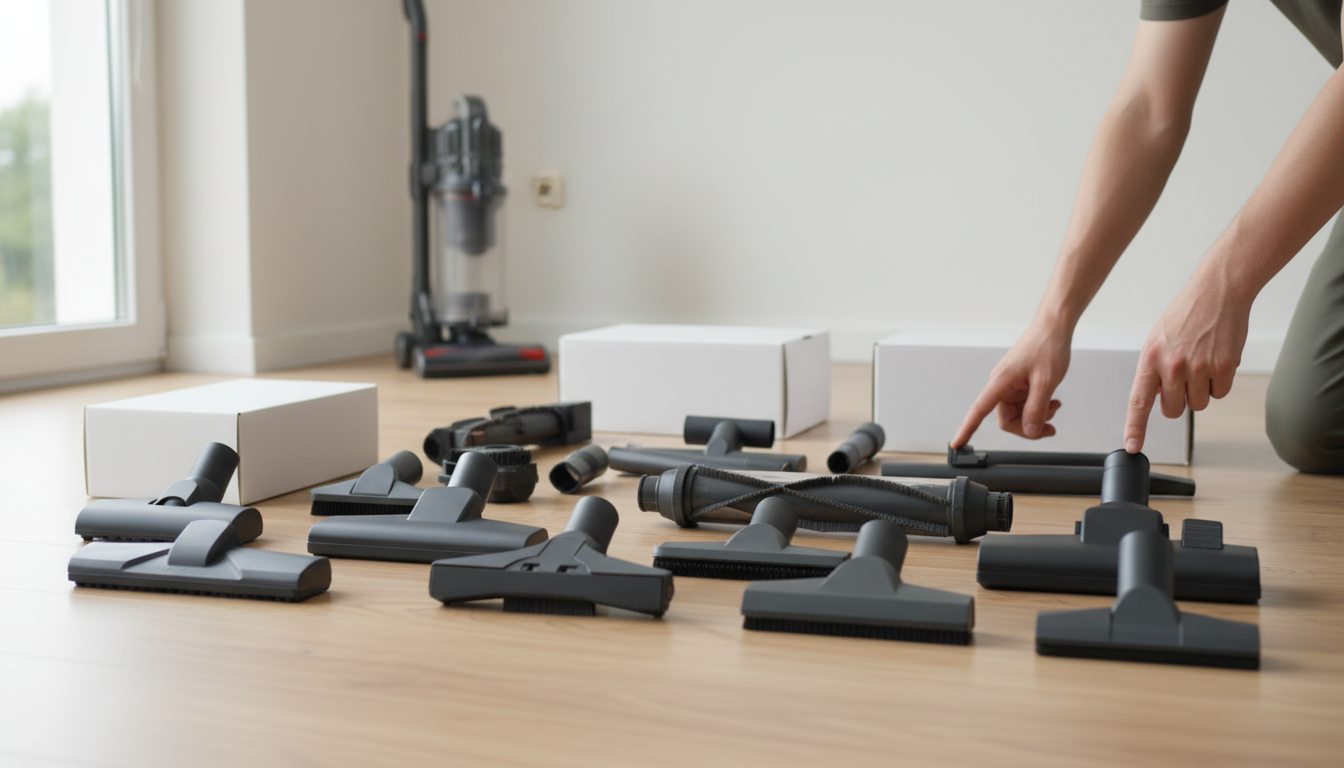
Dyson Vacuum Cleaner Attachments: Optimizing Performance for Every Task
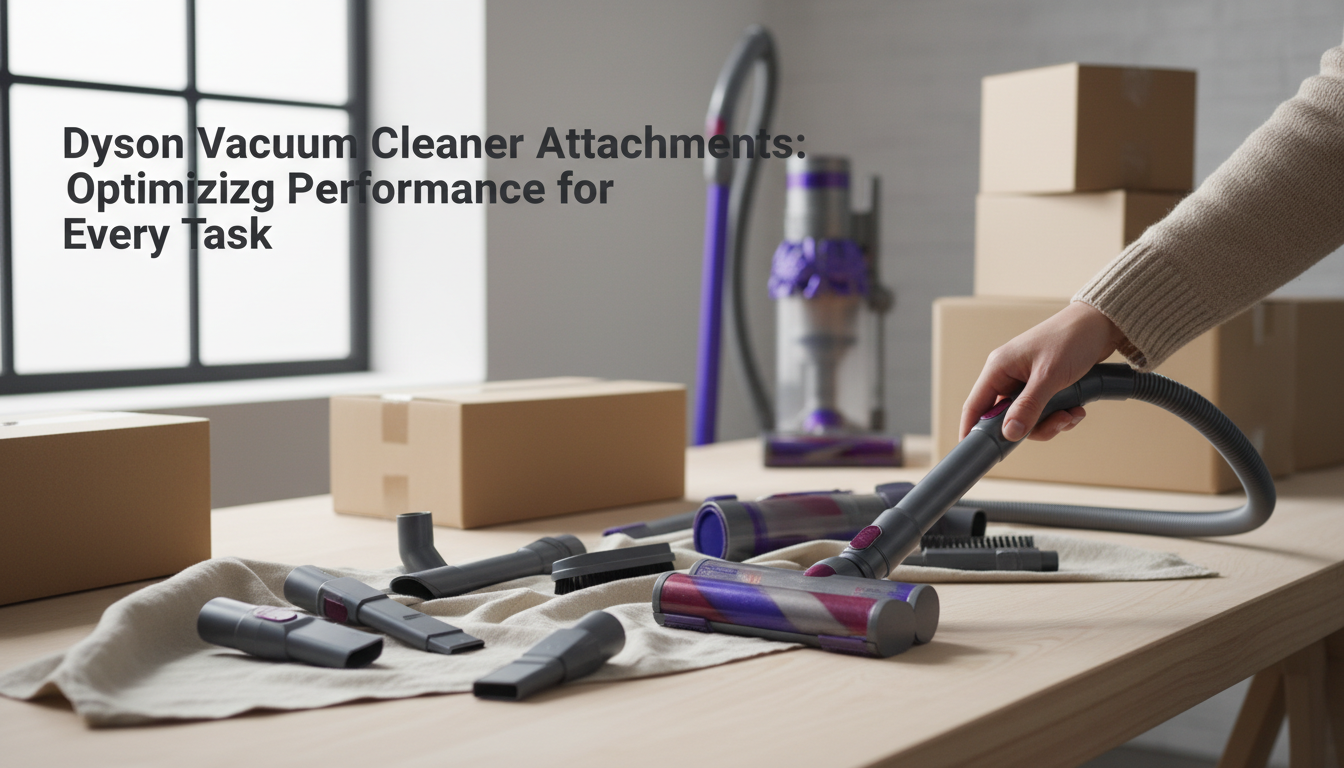
Unlock Your Dyson's Full Potential: The Power of Specialized Attachments
Dyson vacuum cleaner attachments are purpose-built accessories engineered to expand the functionality of your vacuum beyond its primary cleaning head. These aren't merely add-ons; they are precision tools designed to address specific cleaning challenges and surfaces that a standard vacuum head cannot effectively reach or clean.
While your Dyson's main cleaner head is optimized for general floor care, many household tasks demand a more targeted approach. Specialized attachments become essential for achieving truly comprehensive and efficient cleaning. They enable your vacuum to tackle intricate crevices, delicate surfaces, stubborn pet hair, high-up areas, or even the interior of your car. Each tool is designed to optimize performance for a particular task, transforming your vacuum into a versatile cleaning system.
This guide aims to empower Dyson owners by outlining the utility of various attachments. Our purpose is to help you identify the most effective and compatible tools to address your unique cleaning requirements, enhance your vacuum's overall utility, and solve specific pain points within your home.
Decoding Dyson's Arsenal: A Guide to Essential Attachment Types and Their Uses
Dyson engineers a diverse range of attachments, each meticulously designed to address specific cleaning challenges and maximize the versatility of their vacuum cleaners. Understanding the intended purpose and practical application of these tools empowers users to select the most effective solution for any given task, transforming their vacuum into a comprehensive cleaning system.
-
Crevice Tools: These slender attachments are fundamental for reaching into narrow gaps and tight corners.
- Standard Crevice Tool: Ideal for accessing baseboards, radiator fins, and the edges of upholstery. Its focused suction efficiently extracts debris from confined spaces.
- LED-lit Crevice Tool: Incorporates a small light to illuminate dark areas, revealing hidden dust and debris in shadowed crevices, under furniture, or inside car interiors. This enhancement addresses the challenge of cleaning in low-visibility environments.
- Flexible Crevice Tool: Designed with a pliable shaft, this tool can bend and twist to navigate around obstacles and reach awkward angles that a rigid tool cannot, such as between appliances or deep within car seats.
-
Dusting Brushes: Engineered for delicate surfaces or stubborn particulate matter.
- Soft Dusting Brush: Features fine, soft bristles that gently dislodge dust from sensitive surfaces like electronics, blinds, lampshades, and delicate furniture without scratching. This tool is crucial for maintaining pristine finishes.
- Scratch-Free Soft Dusting Brush: An evolution of the soft dusting brush, often with even finer or specially designed bristles to ensure zero abrasion on highly polished or easily marked surfaces.
- Stubborn Dirt Brush: Equipped with stiffer bristles, this brush is designed to agitate and lift ingrained dirt and dried mud from durable carpets, car mats, or hard-wearing upholstery, preparing it for vacuuming.
-
Motorized and Turbine Heads: These attachments utilize the vacuum's airflow or an internal motor to power a brush bar, enhancing their cleaning efficacy, particularly on soft surfaces.
- Mini Motorized Tool: A compact head with a rotating brush bar, specifically engineered for tackling pet hair, embedded dirt, and allergens from upholstery, stairs, and car interiors. Its smaller size allows for precise control in confined areas.
- Anti-Tangle Conical Brush Bar (often found in newer models): Designed with a conical shape and specific bristle angles to prevent hair from wrapping around the brush bar, depositing it directly into the bin. This innovation significantly reduces maintenance for pet owners.
-
Up-Top and Reach Tools: These extend the vacuum's reach, making high or low cleaning tasks more accessible.
- Up-Top Adaptor: Articulates to various angles, allowing the vacuum to clean the tops of cupboards, ceiling fan blades, or other elevated surfaces without needing a step stool.
- Low Reach Adaptor: Designed to bend and lower the vacuum wand, enabling cleaning under low-slung furniture without excessive bending or moving heavy items.
- Extension Hose/Wand: Provides additional length and flexibility, particularly useful for car interiors, stairs, or when a longer reach is required without moving the main vacuum unit.
-
Specialty Tools: Dyson offers a range of highly specialized attachments for unique cleaning demands.
- Mattress Tool: A wide, flat head designed to optimize suction across large, flat surfaces like mattresses, effectively removing dust mites, skin flakes, and allergens.
- Car Cleaning Kit: Often a collection of smaller, specialized tools (e.g., a combination tool, a mini motorized head, and a flexible crevice tool) tailored for the intricate and varied surfaces within a vehicle.
- Flexi-Crevice Tool: A longer, more flexible version of the standard crevice tool, offering extended reach and maneuverability for deep, hard-to-access gaps.
- Hair Screw Tool: A newer design, often featuring a conical, anti-tangle brush bar specifically optimized for picking up long hair and pet hair from upholstery and pet beds without tangling.
It is important to note that while Dyson attachments are designed for robust performance, compatibility can vary across different vacuum series (e.g., V-series cordless models, Gen5detect, or corded uprights). While many newer attachments feature universal or adaptable fittings within a specific series, older models or different product lines may require specific adaptors or have limited cross-compatibility. Always verify the attachment's intended series or model range to ensure a proper fit and optimal performance, preventing potential issues with connection or suction efficiency.
Beyond the Basics: How Specialized Attachments Solve Common Cleaning Problems
Dyson vacuum cleaners are engineered with a suite of specialized attachments, each designed to tackle specific cleaning challenges that a standard vacuum head might miss. Understanding how these tools are purposed can significantly enhance cleaning efficiency and address persistent household pain points.
-
Pet Hair Management: Pet hair often embeds deeply into carpets, upholstery, and even hard floors, frequently tangling around conventional brush bars. Dyson's anti-tangle and mini motorized tools are specifically engineered to counteract this. Their design, often featuring conical or self-cleaning brush bars, works to lift and collect pet hair and fibers without wrapping, maintaining consistent suction and reducing the need for manual hair removal from the tool itself. These are particularly effective for pet beds, car interiors, and furniture.
-
High & Low Reach Cleaning: Reaching dust on ceiling fans, cobwebs in high corners, or dirt under low-clearance furniture presents a common dilemma. Tools like the up-top adaptor and low-reach adaptor provide the flexibility needed. The up-top adaptor articulates to clean elevated surfaces from various angles, while the low-reach adaptor bends to access tight spaces beneath furniture without requiring extensive bending or moving heavy items. Flexi crevice tools further extend reach into narrow gaps.
-
Automotive Detailing: Car interiors accumulate a unique mix of dirt, crumbs, and debris in tight, often dark, spaces. Specialized automotive tools, including illuminated crevice tools, are designed for this environment. The narrow profile of crevice tools reaches between seats and into door pockets, while LED illumination highlights hidden dirt. Mini motorized tools can effectively agitate and lift embedded grime from car mats and fabric seats.
-
Delicate Surface Dusting: Dusting electronics, blinds, lamp shades, and fine furniture requires a gentle approach to avoid scratches. Soft dusting brushes are crafted with fine, soft bristles that gently dislodge dust from sensitive surfaces without causing damage. This allows for thorough cleaning of intricate items and surfaces that might otherwise be damaged by harsher tools or cleaning methods.
-
Mattress & Upholstery Care: Mattresses and upholstered furniture can harbor dust mites, allergens, and skin flakes. Dedicated mattress and upholstery tools are designed with wider heads and specific bristle patterns or felt strips to maximize contact with fabric surfaces. This design helps to agitate and extract embedded particles and allergens, contributing to a cleaner and potentially healthier indoor environment.
-
Stubborn Dirt & Debris: For dried-on mud, ingrained dirt, or stubborn food spills, a more aggressive cleaning action is often necessary. Stiff brush tools, featuring robust, firm bristles, provide the mechanical agitation required to break up and lift dried or caked-on debris from durable surfaces like doormats, car footwells, or even dried spills on hard floors before vacuuming.
Choosing the Right Fit: Key Criteria for Dyson Attachment Selection
Selecting the most effective Dyson vacuum cleaner attachments involves more than just identifying a need; it requires a systematic evaluation of how each tool integrates with your specific vacuum model and cleaning environment. Dyson's approach to engineered accessories aims to solve precise cleaning challenges, offering a level of task-specific efficiency that generic alternatives may not match. This specialized design can significantly enhance your vacuum's utility for pain points like pet hair on upholstery or dust in intricate spaces.
Consider these criteria to refine your selection:
- Dyson Model Compatibility: The paramount consideration is ensuring the attachment is engineered to work with your specific Dyson vacuum generation. Dyson produces various models (e.g., V-series, Gen5), and attachments often feature unique connection mechanisms or power requirements. Verifying compatibility prevents issues with fit, suction, and overall performance.
- Primary Cleaning Tasks: Identify the core cleaning problems you aim to solve. Are you frequently dealing with pet hair, tackling high shelves, cleaning car interiors, or reaching into tight crevices? Dyson designs tools like anti-tangle brushes for pet hair or LED-lit crevice tools for dark, confined areas, each optimized for a distinct purpose.
- Surface Types: Evaluate the surfaces you intend to clean. Some attachments are designed for delicate hard floors, others for deep carpet cleaning, and specialized tools exist for upholstery, mattresses, or blinds. Using the wrong attachment can be inefficient or, in some cases, cause damage.
- Material & Durability: Assess the construction quality of the attachment. While Dyson aims for robust engineering, longevity can vary, and some users report premature wear with certain components. Prioritizing attachments made from durable materials ensures they withstand repeated use, especially for demanding tasks. This focus on long-term performance helps avoid frequent replacements.
- Ease of Use & Storage: Practical considerations include how easily an attachment connects and detaches from your vacuum, and whether it can be stored conveniently. Quick-release mechanisms and compact designs contribute to a smoother cleaning experience and better organization.
When narrowing down options, Dyson's proprietary design and integrated system performance are crucial brand criteria. Attachments are often developed to work seamlessly with the vacuum's motor and airflow, potentially offering optimized suction and specialized functionality that generic options might struggle to replicate. This integrated approach is a key differentiator for addressing specific household cleaning challenges more effectively than many universal alternatives.
Navigating the Downsides: Common Issues and Trade-offs with Dyson Attachments
While Dyson attachments are engineered to expand cleaning capabilities, prospective and current owners should be aware of potential limitations and practical considerations. Understanding these trade-offs can help manage expectations and inform purchasing decisions, ensuring the selected tools genuinely enhance utility without introducing unforeseen frustrations.
- Material Durability Concerns: Despite their advanced design, some users have reported issues with the long-term durability of certain attachment components. This can manifest as material wear and tear, or even breakage, particularly in parts subjected to frequent stress or friction. Such reports highlight a potential failure point, suggesting that while initial performance is often high, the longevity of some plastic or moving parts may vary.
- Compatibility Confusion Across Models: Dyson's continuous innovation means that connection mechanisms and power requirements can evolve between different vacuum cleaner generations (e.g., V-series, Outsize, Gen5detect). This creates a significant compatibility challenge, as an attachment designed for one model may not fit another, even within the same brand. Verifying the exact model compatibility before purchase is crucial to avoid acquiring an unusable tool.
- Specific Tool Performance Limitations: Even specialized tools can have limitations in certain real-world scenarios. For example, while many anti-tangle designs aim to prevent hair wrap, some reports indicate that very long or specific types of pet hair might still be compacted or ejected rather than fully collected by certain mechanisms under heavy load. Similarly, a brush attachment optimized for delicate surfaces might be ineffective on deeply embedded dirt. These instances represent situations where a tool's engineered solution might not perfectly align with every extreme cleaning challenge.
- Storage Challenges for a Growing Collection: As users acquire more specialized attachments to tackle diverse cleaning tasks, the practical issue of storage arises. Dyson vacuums typically offer limited on-board storage for accessories. A growing collection of tools can quickly become cumbersome to organize and store conveniently, potentially leading to clutter or tools being misplaced when needed. This logistical challenge is a practical trade-off for increased versatility.
Your Personalized Attachment Strategy: Building a Versatile Dyson Toolkit
Optimizing your Dyson vacuum's performance begins with a thoughtful assessment of your cleaning environment and habits. Rather than acquiring every available accessory, a strategic approach ensures you invest in tools that genuinely enhance your cleaning efficiency and address specific household challenges. This personalized strategy helps build a versatile toolkit tailored to your unique needs.
To guide your selection, consider these steps:
-
Assess Your Cleaning Landscape:
- Presence of Pets: Animal hair often requires specialized tools designed to lift embedded fur from upholstery, carpets, and pet beds without tangling.
- Allergy Concerns: If allergies are a factor, focus on tools that effectively capture fine dust from delicate surfaces, mattresses, or hard-to-reach areas, minimizing airborne particles.
- Flooring Variety: Homes with a mix of hard floors (wood, tile, laminate) and carpets benefit from different cleaner heads or brushes. Soft roller heads are often preferred for hard floors, while motorized brush bars excel on carpets.
- Vehicle Ownership: Car interiors present unique challenges with tight spaces, fabric upholstery, and accumulated debris. Tools designed for confined areas and effective upholstery cleaning are beneficial here.
- Specific Cleaning Frequency: Identify tasks you perform regularly (e.g., dusting shelves, cleaning blinds) versus those that are occasional (e.g., deep cleaning mattresses, reaching high ceiling corners).
-
Prioritize Foundational Needs: Many Dyson vacuums include a core set of attachments, such as a combination tool, crevice tool, and a primary cleaner head. These address common, everyday cleaning tasks. Begin by understanding the capabilities of your existing tools and identify any immediate gaps based on your environmental assessment. For instance, if pet hair is a constant issue, a mini motorized tool might be a high-priority addition.
-
Expand Strategically for Specific Challenges: Once your essential cleaning needs are met, consider specialized attachments that solve particular pain points or enable more thorough cleaning in less frequently accessed areas. These might include:
- Up-top adapters or extension hoses for reaching high shelves, ceiling fans, or behind furniture.
- Mattress tools for deep cleaning bedding and upholstered items.
- Flexi-crevice tools for navigating awkward gaps in car interiors or between appliances.
- Scratch-free soft dusting brushes for delicate surfaces like electronics or blinds.
By methodically evaluating your home's unique demands and your cleaning routine, you can build a Dyson attachment collection that maximizes your vacuum's versatility and tackles every task with engineered precision.
Common Questions About Dyson Vacuum Attachments
Understanding the nuances of Dyson's attachment ecosystem can significantly enhance your cleaning efficiency. Addressing common queries helps clarify compatibility, maintenance, and sourcing options.
-
Are all Dyson attachments interchangeable across different models? Dyson attachments are generally not universally interchangeable across all models. Compatibility often depends on the vacuum's series (e.g., V-series cordless, Outsize, Gen5detect, or older upright/canister models) and the specific connector design. While many attachments within a particular cordless stick vacuum series (like V7 through V15) may share compatibility, older models or different product lines often feature distinct connection mechanisms. Always verify compatibility with your specific Dyson model number to avoid fit issues or damage.
-
How do I clean and maintain my Dyson attachments? Regular cleaning extends the life and performance of your attachments. For most non-electrical tools (like crevice tools, dusting brushes, or stubborn dirt brushes), you can:
- Remove debris: Use a small brush or another vacuum to clear trapped hair, dust, and fibers.
- Wash (non-electrical parts only): Rinse under cold or lukewarm water. Avoid using harsh detergents or abrasive materials.
- Dry thoroughly: Allow parts to air dry completely for at least 24 hours before reattaching them to your vacuum. Never use attachments that are still damp, especially those with internal mechanisms or electrical contacts. For motorized or electrical attachments (e.g., brush bars), consult your vacuum's user manual for specific cleaning instructions, as these often require different care.
-
Where can I find genuine Dyson replacement attachments? For guaranteed compatibility and adherence to Dyson's engineering standards, genuine replacement attachments are best sourced directly from the official Dyson website. Their site typically lists accessories by vacuum model, allowing you to confirm the correct part number and fit. Authorized Dyson service centers and retailers may also carry genuine parts.
-
Are third-party Dyson compatible attachments a viable option? Third-party attachments designed to be compatible with Dyson vacuums are available and often present a more budget-friendly alternative. However, their viability involves trade-offs. While some third-party options offer satisfactory performance, quality and fit can vary significantly.
- Considerations: Evaluate user reviews for consistent feedback on durability, material quality, and precise fitment with specific Dyson models.
- Risks: Subpar materials might lead to reduced longevity, and an imprecise fit could compromise suction efficiency or potentially damage the vacuum's connection port. These options typically do not carry Dyson's warranty.
-
How do I identify the correct part number for my Dyson model's attachments? Identifying the correct part number is crucial for ensuring a perfect fit. You can typically find this information through several methods:
- Your vacuum's user manual: The manual often includes a list of compatible attachments and their part numbers.
- Dyson's official website: Navigate to the "Accessories" or "Parts" section and search by your specific Dyson vacuum model number.
- Existing attachments: Some attachments may have their part number molded into the plastic.
- Vacuum serial number: Having your vacuum's serial number (usually found on the main body) can help Dyson support or their website accurately identify compatible accessories.
Maximizing Your Cleaning Efficiency with the Right Dyson Attachments
Optimizing your Dyson vacuum's performance hinges on selecting the appropriate attachments for each cleaning scenario. Specialized tools are not mere accessories; they are engineered solutions designed to tackle unique challenges, from deep-set pet hair to delicate surface dusting, ensuring a more thorough and efficient clean than a standard head alone.
A thoughtfully curated collection of Dyson attachments significantly extends your vacuum's versatility, allowing it to address every nook and cranny, upholstery, and hard-to-reach area. This strategic approach not only enhances cleaning efficacy but can also contribute to the longevity of both your vacuum and the surfaces you clean. By applying the selection criteria and understanding the unique fit of each tool, you empower your Dyson to meet diverse household demands, transforming your cleaning routine into a more effective and less strenuous process.
More in Vacuum Cleaner Attachments
View All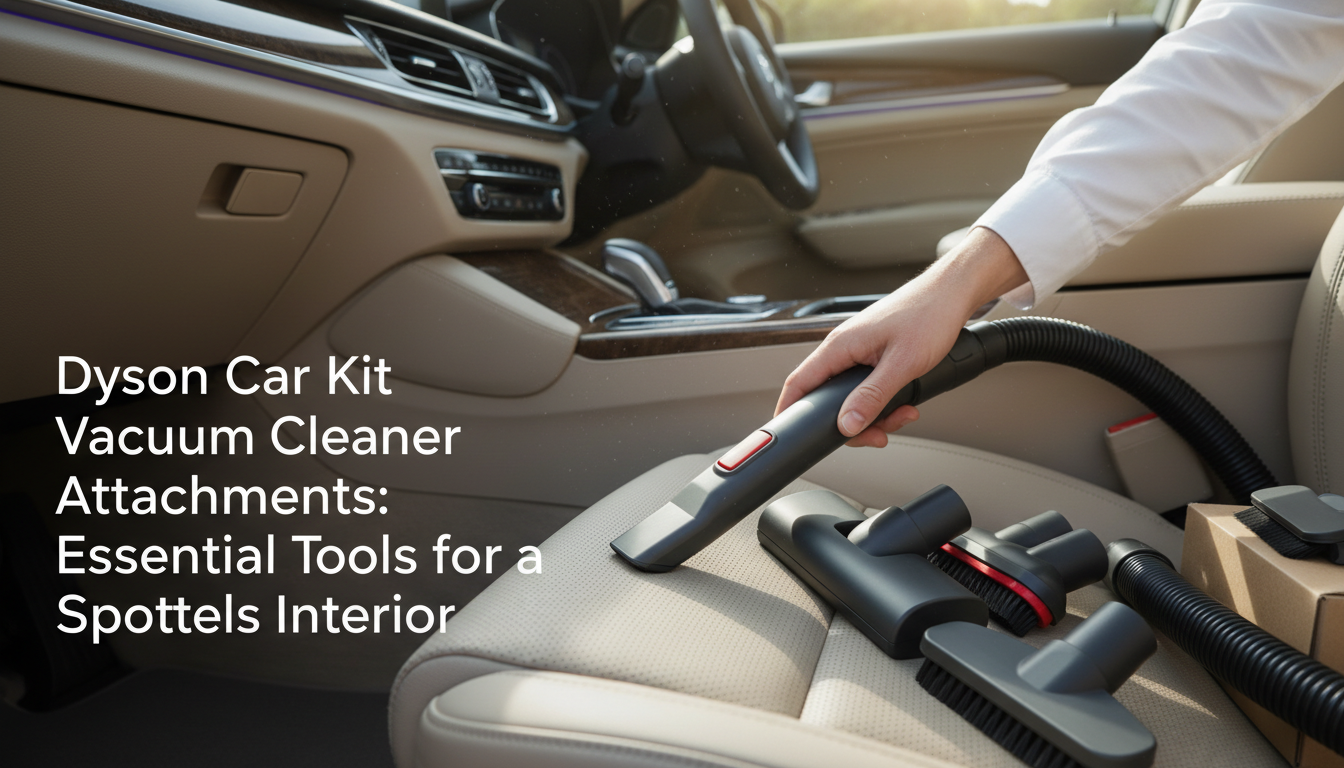
Dyson Car Kit Vacuum Cleaner Attachments: Essential Tools for a Spotless Interior
Vacuum Cleaner Attachments for Dryer Vents: Essential Tools for Home Safety