Choosing the Right Vacuum Cleaner Attachments: A Comprehensive Buyer's Guide
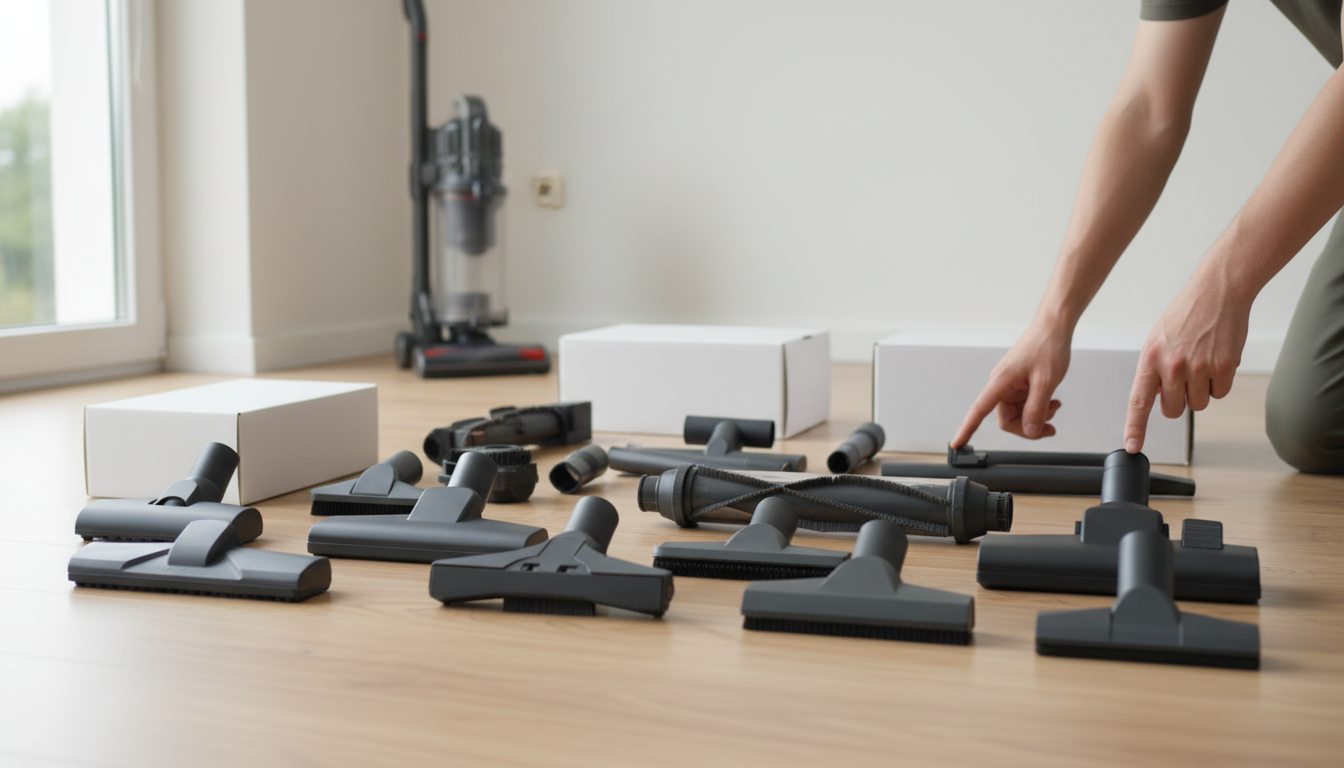
Unlock Your Vacuum's Full Potential: A Buyer's Guide to Essential Attachments
While your vacuum cleaner's primary head excels at general floor cleaning, its true versatility often lies in its attachments. These specialized tools transform a standard appliance into a comprehensive cleaning system, enabling it to tackle areas and tasks that would otherwise remain untouched or require significant effort. Without the right attachments, your vacuum's cleaning power is largely confined, leaving dust, debris, and allergens in hard-to-reach places.
This guide aims to empower you in selecting the most effective vacuum cleaner attachments. We'll explore how to match specific tools to your unique cleaning needs, ensure compatibility with your existing vacuum model, and consider practical usage to avoid common pitfalls. Understanding these factors is key to making informed purchasing decisions.
From pet hair embedded in upholstery to dust accumulating on ceiling fan blades, or crumbs nestled deep within car interiors, a diverse array of attachments exists to address these specific challenges. Specialized brushes, crevice tools, and extension wands are designed to enhance cleaning efficiency and reach, ensuring a more thorough and hygienic home environment.
Before You Buy: Assessing Your Cleaning Needs and Vacuum Type
Selecting the most effective vacuum cleaner attachments begins not with browsing products, but with a clear understanding of your unique cleaning environment and the capabilities of your current vacuum. This initial assessment helps streamline your choices and ensures any new attachments genuinely enhance your cleaning efficiency.
Begin by identifying the specific cleaning challenges you routinely encounter. Do you battle persistent pet hair on upholstery or carpets? For this, a mini-motorized brush attachment is often effective, designed to agitate and lift embedded fur. Are tight crevices, baseboards, or car interiors a frequent task? A crevice tool is essential for reaching these narrow spots. Delicate surfaces like lampshades, blinds, or electronics require soft dusting brushes to prevent scratches. For high-up areas such as ceiling fans or crown molding, a telescoping wand or specialized duster attachment can extend your reach without requiring a ladder.
Your existing vacuum cleaner's design significantly influences attachment compatibility. Upright vacuums often come with a limited set of on-board tools, but many can accommodate additional attachments, sometimes requiring an adapter. Canister vacuums are generally known for their versatility, often featuring a wider range of compatible tools and a flexible hose for maneuverability. Stick vacuums and robotic vacuums typically have a more proprietary attachment ecosystem, with fewer universal options. Understanding your vacuum's connection type (e.g., friction fit, button lock, specific diameter) is crucial for ensuring a secure and functional fit.
Consider specific aspects of your household environment. For allergy sufferers, attachments that effectively capture fine dust from various surfaces, including air vents and blinds, are paramount. If your home has multiple floor types, ensure attachments can transition or are specialized for carpet, hard floors, or area rugs without causing damage. Vehicle interiors present unique challenges, often benefiting from smaller, more agile attachments designed for tight spaces and durable surfaces. Ultimately, the most valuable attachments are those that directly address your most pressing and frequent cleaning tasks, transforming your vacuum into a more specialized and effective tool for your home.
Demystifying Vacuum Cleaner Attachments: What Each Tool Does
Understanding the specific function of each vacuum cleaner attachment is key to maximizing cleaning efficiency and protecting various surfaces in your home. Using the correct tool for a particular task not only delivers better results but can also prevent damage to delicate items and extend the lifespan of your vacuum by reducing strain. Each attachment is engineered to address distinct cleaning challenges, transforming your vacuum from a general floor cleaner into a versatile system.
-
Crevice Tool: This narrow, angled nozzle is designed to reach into tight corners, along baseboards, between couch cushions, and into other confined spaces where a standard vacuum head cannot fit. Its focused suction effectively removes dust, crumbs, and debris from otherwise inaccessible areas.
-
Dusting Brush: Featuring soft bristles, the dusting brush is ideal for cleaning delicate surfaces without scratching them. It gently dislodges dust from blinds, lampshades, vents, bookshelves, and electronics, allowing the vacuum to capture the particles rather than simply scattering them.
-
Upholstery Tool: Often wider than a crevice tool but with a flat, sometimes fabric-lined edge, this attachment is optimized for cleaning furniture, curtains, and car interiors. It's effective at lifting lint, pet hair, and general dust from fabric surfaces without snagging or damaging the material.
-
Extension Wand/Telescoping Wand: These rigid tubes extend the reach of your vacuum hose, allowing you to clean high ceilings, cobwebs in corners, and under low furniture without excessive bending or stretching. A telescoping design offers adjustable length for varied tasks and storage.
-
Floor Nozzle/Hard Floor Tool: Distinct from a multi-surface head, a dedicated hard floor tool typically features soft bristles or pads that protect delicate flooring like hardwood, tile, or laminate from scratches. It efficiently collects dust, dirt, and pet hair without relying on a rotating brush roll that can sometimes scatter debris on smooth surfaces.
-
Pet Hair Tool/Mini Turbo Brush/Motorized Brush: Specifically engineered for pet owners, these attachments feature rotating brushes that agitate and lift embedded pet hair from upholstery, stairs, and car interiors. Mini turbo brushes are air-driven, while motorized brushes offer more consistent power, both proving highly effective where concentrated pet hair is a challenge.
-
Specialty Attachments: Beyond the common tools, a range of specialized attachments addresses unique cleaning needs:
- Fan Blade Duster: Designed with a curved shape, it simplifies cleaning ceiling fan blades without requiring a ladder.
- Computer Cleaning Kits: These often include miniature tools for keyboards, screens, and intricate electronic components.
- Garage Kits: Durable, wider hoses and larger nozzles are suited for heavy-duty debris in workshops or garages.
- Mattress Tools: Wider and flatter, these tools are designed to effectively clean mattresses and remove dust mites and allergens.
- Hose Socks: While not a cleaning tool, these fabric covers protect walls and furniture from scuffs and scratches when the hose is in use or being moved around.
Selecting and utilizing the appropriate attachment for each cleaning task ensures thorough dirt removal, protects surfaces from potential damage, and ultimately enhances the overall cleaning performance of your vacuum cleaner.
Key Considerations for Selecting the Right Attachments
When expanding your vacuum's capabilities with new attachments, a systematic evaluation of several factors can guide your decision-making. Beyond identifying your specific cleaning needs, practical considerations like compatibility and material quality directly impact an attachment's effectiveness and longevity.
-
Ensuring Compatibility and Fit: The most critical factor is whether an attachment will physically connect to your vacuum cleaner. Hose diameter is a primary concern, as different vacuum brands and models often feature distinct connection systems.
- Measure Your Vacuum: Before purchasing, accurately measure the outer diameter of your vacuum's hose or wand opening where attachments connect.
- Check Manufacturer Specifications: Refer to your vacuum's manual or the manufacturer's website for compatible attachment sizes or specific model series.
- Connection Type: Some vacuums use friction fit, while others employ locking mechanisms or proprietary designs. An ill-fitting attachment can lead to air leaks, reducing suction power and cleaning efficiency.
-
Material Quality and Durability: The longevity and performance of an attachment are directly tied to its construction. Attachments made from robust, impact-resistant plastics or durable metals tend to withstand regular use better than those made from flimsy materials.
- Bristle Quality: For brush attachments, evaluate the bristles. Natural fibers are often gentler on delicate surfaces, while synthetic bristles offer more stiffness for agitation. Look for bristles that are securely anchored and resist shedding.
- Moving Parts: If an attachment has moving components, such as a mini-motorized brush, assess the quality of its internal mechanisms and housing for signs of sturdy construction.
- Trade-off: Cheaper attachments may save money initially but could crack, break, or wear out quickly, necessitating frequent replacements. Investing in higher-quality materials can offer better performance and a longer service life.
-
Ease of Attachment and Removal: User-friendliness plays a significant role in how often you'll use specialized tools. Attachments should connect securely, preventing them from falling off during use, yet also detach without excessive force or struggle.
- Secure Fit: A snug connection minimizes air loss and ensures consistent suction.
- Ergonomics: Consider how easily you can switch between attachments, especially during a cleaning session that requires multiple tools.
-
Storage Solutions: An overlooked aspect, practical storage ensures your attachments are organized, protected, and readily accessible. Without proper storage, valuable tools can become misplaced, damaged, or simply forgotten.
- Integrated Storage: Some vacuums come with on-board storage slots for common attachments.
- Accessory Caddies: External caddies or bags can keep a larger collection of tools together.
- Wall Mounts: For workshops or utility rooms, wall-mounted organizers can be an effective solution.
-
Brand-Specific vs. Universal Options: You'll encounter both proprietary attachments designed for a particular vacuum brand and universal attachments intended to fit a range of models.
- Brand-Specific: These often guarantee a perfect fit and may offer optimized performance due to tailored design. However, they can be more expensive and might not cover every niche cleaning need.
- Universal Attachments: These are typically more affordable and offer a broader selection for specialized tasks. The primary drawback is that a "universal" fit might not be perfectly snug on all vacuums, potentially leading to slight suction loss or requiring an adapter for a secure connection. Adapters themselves can introduce additional points of failure or reduce airflow.
Maintaining and Troubleshooting Your Vacuum Attachments
The longevity and effectiveness of your vacuum cleaner attachments depend significantly on consistent maintenance and timely troubleshooting. Neglecting these specialized tools can lead to reduced cleaning performance, premature wear, and even damage to your vacuum cleaner itself. Proactive care ensures your attachments remain effective, extending their lifespan and maximizing your cleaning efficiency.
Addressing Common Attachment Issues
Several common problems can diminish an attachment's performance. Recognizing these issues early can prevent more significant problems:
- Loss of Suction: Often, this indicates a blockage within the attachment itself, its connecting tube, or a poor seal where it connects to the vacuum wand or hose. Debris like lint, pet hair, or larger particles can accumulate, restricting airflow.
- Debris Buildup: Hair, dust, and fibers can wrap around rotating brushes, clog bristles, or accumulate inside static tools, hindering their ability to pick up dirt.
- Reduced Performance: An attachment might not clean effectively if its bristles are worn, if it's the incorrect tool for the surface (e.g., a hard floor brush on thick carpet), or if internal mechanisms (like those in a turbo brush) are jammed.
- Physical Damage: Cracks, broken latches, bent bristles, or detached components can compromise an attachment's structural integrity and functionality.
Practical Troubleshooting and Cleaning
When an attachment isn't performing as expected, a systematic approach can often resolve the issue:
- Check for Blockages: Disconnect the attachment from the vacuum. Visually inspect the opening and any internal pathways. Use a non-sharp object, like a straightened coat hanger or a long stick, to gently dislodge any obstructions. For hose-like attachments, check for kinks or internal clogs.
- Ensure Proper Fit: Verify that the attachment securely connects to your vacuum's wand or hose. A loose connection can create an air leak, leading to a noticeable drop in suction.
- Inspect for Wear and Tear: Examine bristles for fraying or bending. Check rotating parts for free movement. Look for any visible cracks or damage to the plastic housing.
Different attachment types require specific cleaning methods:
- Dusting Brushes: Many soft dusting brushes can be gently washed with mild soap and water to remove accumulated dust and grime. Allow them to air dry completely before reattaching.
- Pet Hair and Upholstery Tools: These often accumulate significant amounts of hair. Use scissors or a seam ripper to carefully cut away tangled hair from brush rolls or bristles. A fine-tooth comb can help remove embedded fibers.
- Crevice Tools and Wands: Typically only require blockages to be cleared. If they become dusty, a quick wipe with a damp cloth is sufficient.
- Motorized or Turbo Brushes: These require more care. Consult your vacuum's manual for specific instructions, as they may have removable brush rolls that can be cleaned of tangled hair and debris. Avoid submerging motorized components in water.
Storage and Replacement Indicators
Proper storage is crucial for preventing damage and loss. Keeping attachments organized in a designated bag, on a wall-mounted holder, or within a vacuum's onboard storage compartments protects them from being stepped on, crushed, or misplaced. This also makes them readily accessible for use.
Attachments are not designed to last indefinitely. Indicators that an attachment might need replacement include:
- Severely Worn Bristles: If bristles are flattened, bent, or missing, the tool can no longer effectively agitate dirt or protect surfaces.
- Irreparable Physical Damage: Cracks that affect suction, broken locking mechanisms, or components that cannot be reattached.
- Persistent Blockages: If an attachment repeatedly clogs despite regular cleaning, it might have an internal design flaw or damage that makes it inefficient.
- Decreased Performance: If, after thorough cleaning and troubleshooting, an attachment still fails to perform its intended task effectively, it may be time for a new one.
Regular maintenance and proactive troubleshooting are not just about fixing problems; they are essential for preserving the functionality and efficiency of your vacuum cleaner attachments. By understanding how to care for these tools, you ensure they continue to provide optimal cleaning power, contributing to a cleaner home and extending your investment.
Frequently Asked Questions About Vacuum Attachments
Understanding the nuances of vacuum cleaner attachments can clarify common concerns and help in making informed purchasing decisions. Here are answers to some frequently asked questions.
-
Are universal vacuum attachments compatible with all vacuum brands? While some attachments are marketed as "universal," true compatibility can vary. Most vacuum hoses and wands have a standard diameter, allowing many third-party attachments to fit. However, specialized attachments, especially those requiring electrical power (like motorized brush heads), often have proprietary connections specific to a brand or even a particular vacuum model. Always verify the inner diameter of your vacuum's hose or wand and compare it to the attachment's connection size, or look for specific brand compatibility notes. Adapters can sometimes bridge minor size differences but may affect suction efficiency.
-
How often should I clean my vacuum attachments? The frequency of cleaning depends on usage and the type of debris encountered. Attachments used for pet hair or heavily soiled areas may require cleaning after each use to prevent buildup. Dusting brushes and crevice tools typically need less frequent attention, perhaps monthly or when visibly dirty. Regular inspection for hair tangles, debris accumulation, or blockages is a good practice. Cleaning helps maintain optimal airflow and prevents the transfer of dirt or allergens to other surfaces.
-
What are the most important attachments for pet owners? For pet owners, certain attachments significantly enhance cleaning effectiveness. A mini-motorized brush or turbo brush is often considered essential for agitating and lifting embedded pet hair from upholstery, pet beds, and stairs. A crevice tool is invaluable for reaching hair trapped in tight corners, along baseboards, and within car interiors. Additionally, a upholstery tool with a lint-lifting strip can be effective for surface hair on furniture.
-
Why is my vacuum attachment losing suction? Loss of suction in an attachment is typically due to a blockage or a poor seal. Common causes include:
- Clogs: Debris, pet hair, or larger items can get lodged inside the attachment itself, the wand, or the hose leading to it.
- Poor Connection: The attachment might not be fully seated onto the wand or hose, creating an air leak.
- Vacuum Issues: The problem could stem from the vacuum cleaner itself, such as a full dustbin/bag, clogged filters, or a compromised main hose. Regularly checking and cleaning these components, as well as the attachment, can often restore suction.
-
Can I buy individual attachments instead of a full set? Yes, purchasing individual attachments is a viable option. Many manufacturers and third-party retailers offer attachments separately, allowing you to acquire only the specific tools you need. This can be cost-effective if you only require one or two specialized tools or if you need to replace a lost or damaged attachment from an existing set. Consider your specific cleaning tasks to determine if a full set offers better value for diverse needs, or if targeted individual purchases are more practical.
Making Your Final Decision: A Checklist for Smart Attachment Purchases
After assessing your specific cleaning challenges and understanding your vacuum's compatibility, the final step is to consolidate this information into a confident purchasing decision. Investing in the right vacuum cleaner attachments transforms your cleaning routine, offering efficiency and thoroughness beyond what a standard vacuum head can provide. This final checklist helps ensure your selections genuinely enhance your cleaning capabilities and offer lasting value.
Consider these points before finalizing your attachment purchases:
- Prioritize Core Needs: Begin by identifying the one or two most frequent or challenging cleaning tasks you face. Is it pet hair on upholstery, dust in tight corners, or high-level dusting? Focus on attachments that directly address these primary pain points first. This prevents overbuying and ensures immediate utility.
- Verify Compatibility: Double-check the diameter and connection style of any potential attachment against your vacuum cleaner's hose or wand. Even if an attachment seems suitable, an improper fit can lead to reduced suction, frustration, or even damage. Consider whether genuine manufacturer attachments or well-regarded third-party alternatives offer the best balance of fit and function.
- Assess Material Quality: Examine the construction materials. Attachments made from durable, impact-resistant plastics or with robust brush bristles tend to last longer and perform more consistently. Flimsy materials can crack, bend, or wear out quickly, leading to premature replacement.
- Evaluate Practicality and Storage: Think about how easily the attachment will integrate into your cleaning routine. Is it simple to attach and detach? Do you have a convenient place to store it? An attachment, no matter how effective, is less valuable if it's cumbersome to use or always misplaced.
Choosing attachments that align with your specific needs, fit your vacuum correctly, and are built to last provides significant long-term benefits. Well-selected tools not only make cleaning easier and more effective but also contribute to a healthier home environment by reaching areas often missed. They can help prevent common issues like dust accumulation in hard-to-reach spots or persistent pet dander, ultimately extending the life and efficiency of your vacuum system.
Elevate Your Cleaning Routine with the Right Attachments
The journey to a truly clean home extends beyond the vacuum cleaner itself; it encompasses the strategic selection and utilization of its specialized attachments. As this guide has outlined, understanding your specific cleaning challenges, ensuring compatibility with your vacuum model, and considering practical usage are pivotal steps. The right attachments transform your cleaning appliance from a general floor tool into a versatile system capable of tackling virtually any mess, from pet hair to ceiling dust.
Making an informed choice about your vacuum cleaner attachments is an investment in both efficiency and satisfaction. By aligning your selections with your unique environment and cleaning habits, you unlock your vacuum's full potential. This thoughtful approach minimizes wasted effort, reduces cleaning time, and ultimately leads to a more hygienic living space.
Embrace the power of purpose-built tools, and look forward to enjoying a consistently cleaner, more comfortable home with greater ease.
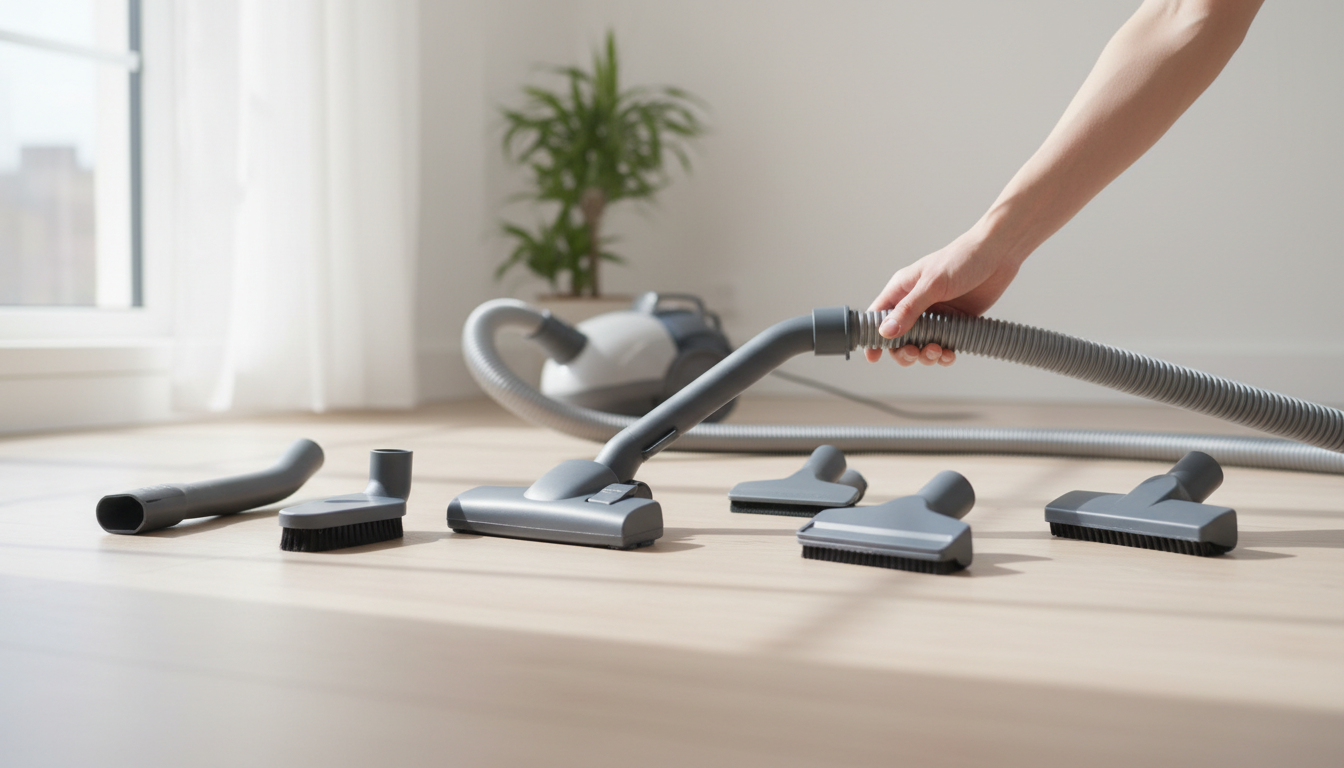
More in Vacuum Cleaner Attachments
View All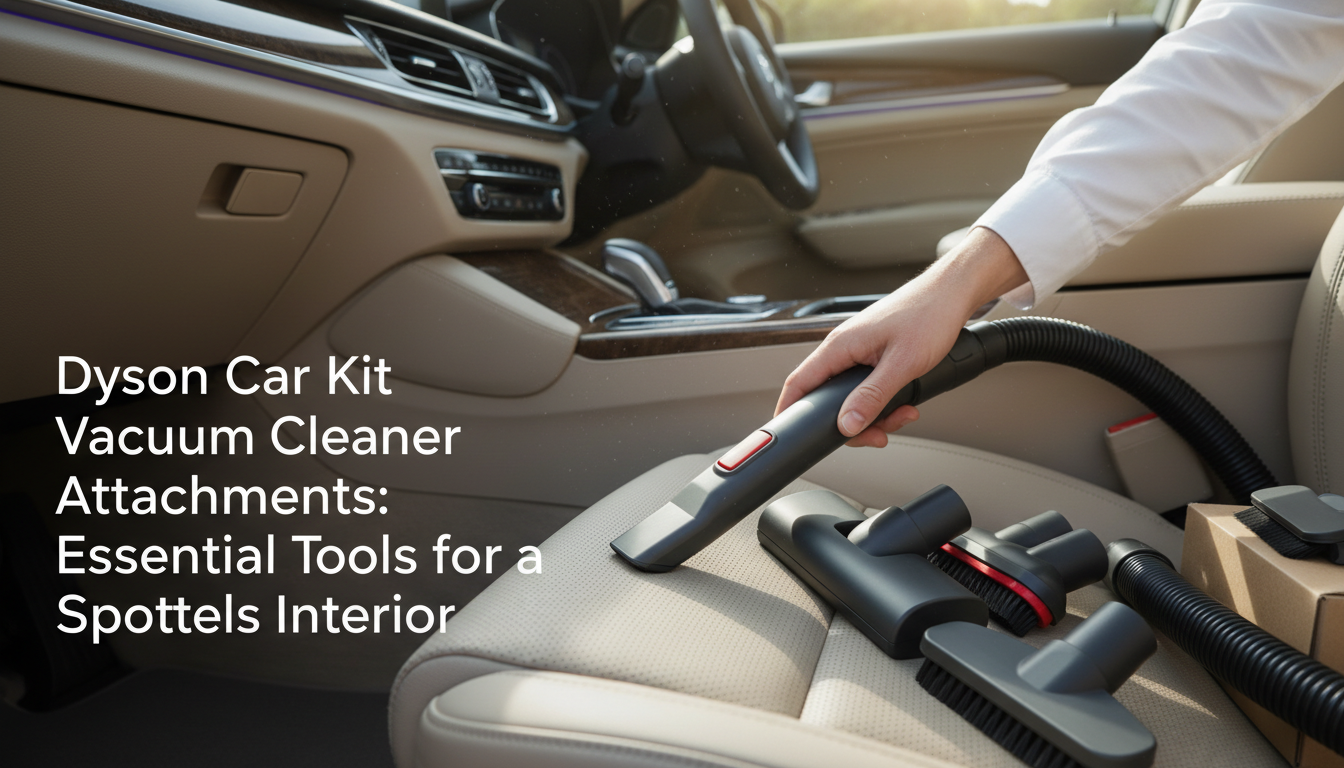
Dyson Car Kit Vacuum Cleaner Attachments: Essential Tools for a Spotless Interior
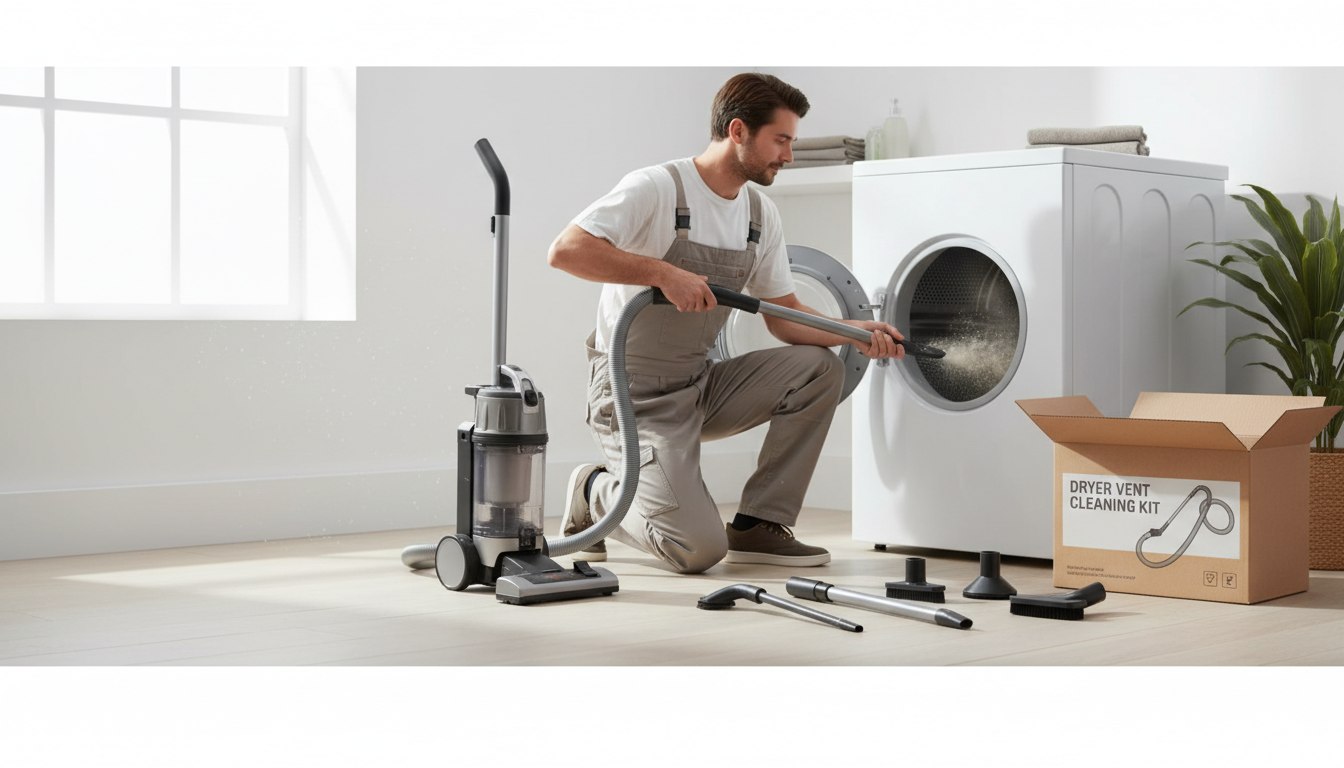
Vacuum Cleaner Attachments for Dryer Vents: Essential Tools for Home Safety