Vacuum Cleaner Hose Attachments: Extending Reach and Versatility
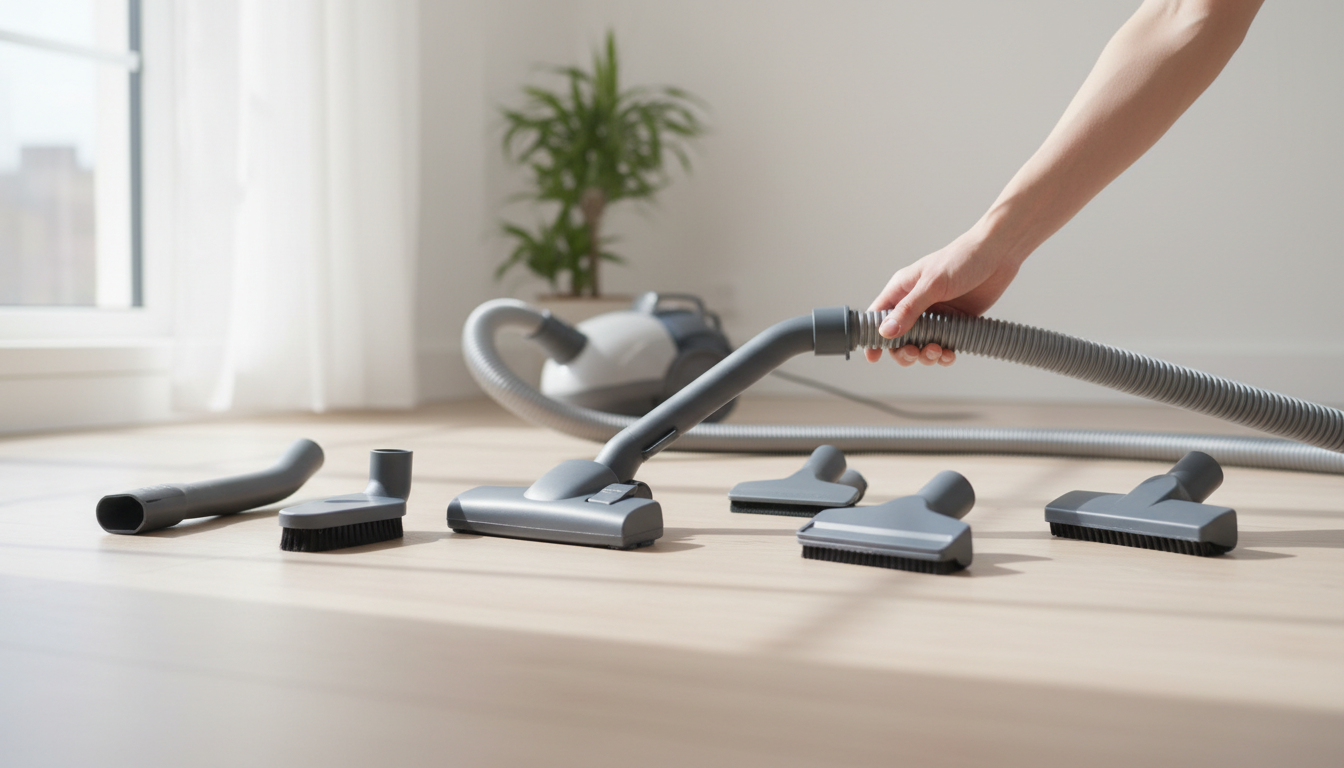
Unlock Your Vacuum's Full Potential with Hose Attachments
Vacuum cleaner hose attachments are detachable tools designed to connect to your vacuum's hose, extending its reach and adapting its suction power for specialized cleaning tasks. Far beyond the standard floor head, these accessories transform a basic vacuum into a versatile cleaning system capable of tackling a wide array of challenges throughout your home. Their fundamental purpose is to enable precise cleaning in areas inaccessible to the main vacuum body, or to optimize cleaning for specific surfaces and debris types.
By leveraging the right attachments, you can significantly enhance your cleaning efficiency and expand your vacuum's utility. What might be a difficult, time-consuming, or even impossible task with a standard vacuum head—like dusting high shelves, cleaning delicate upholstery, or reaching into narrow crevices—becomes manageable and effective. These tools allow you to:
- Access tight corners, under furniture, and between cushions.
- Clean delicate surfaces without causing damage.
- Efficiently remove pet hair from fabrics.
- Reach elevated areas like ceiling fans or curtain rods.
This article serves as your guide to understanding the diverse world of vacuum cleaner hose attachments. We will explore their functionality, discuss critical compatibility factors, and offer practical advice on maintenance, empowering you to confidently select the most appropriate tools to meet your specific cleaning needs and maximize your vacuum's capabilities.
Essential Vacuum Hose Attachments and Their Uses
Understanding the array of vacuum cleaner hose attachments available is key to optimizing your cleaning routine. Each tool is engineered for a specific purpose, transforming your vacuum into a more precise and effective cleaning instrument for various surfaces and hard-to-reach areas. Selecting the right attachment for the task not only improves cleaning efficacy but also protects delicate surfaces and extends your vacuum's versatility.
Here are some of the most common and specialized attachments, detailing their functionality and ideal applications:
-
Crevice Tool: This narrow, angled nozzle is designed to concentrate suction into tight, confined spaces. It excels at cleaning along baseboards, in corners, between couch cushions, inside car interiors, and other areas where a wider tool cannot fit. Its focused airflow effectively dislodges and removes debris from these challenging spots.
-
Dusting Brush: Featuring soft bristles, often in a round or oval shape, the dusting brush is ideal for delicate surfaces. It gently dislodges dust from blinds, lampshades, vents, bookshelves, electronics, and intricate moldings without scratching or damaging them. The soft bristles allow the vacuum to capture the loosened dust efficiently.
-
Upholstery Tool: This attachment typically has a wider, flat head, sometimes incorporating a lint strip or short, stiff bristles. It's specifically designed to clean soft furnishings like sofas, chairs, curtains, mattresses, and car seats. Its design helps to lift embedded dirt and pet hair from fabric surfaces without excessive suction that could damage the material.
-
Extension Wands: These rigid tubes connect between the vacuum hose and other attachments, significantly extending your reach. They are invaluable for cleaning high ceilings, ceiling fan blades, cobwebs in corners, under large appliances, or deep into crevices where a standard hose length is insufficient. They reduce the need for ladders or excessive bending.
-
Flexible Hose Extensions: An additional length of flexible hose provides enhanced maneuverability and an even greater reach than standard wands. This is particularly useful for tasks requiring a wider range of motion, such as cleaning stairs, inside vehicles, or reaching awkward angles without having to reposition the main vacuum unit. It improves the ergonomic use of handheld attachments.
-
Specialized Attachments: Beyond the common tools, several specialized attachments address unique cleaning challenges:
- Fan Blade Dusters: Designed with a curved or angled shape to fit around ceiling fan blades, allowing for easy dusting without requiring a ladder.
- Pet Hair Removers: These often feature rotating brushes (either air-driven or motorized) specifically engineered to agitate and lift stubborn pet hair from carpets, upholstery, and car interiors.
- Radiator Tools: Long, thin, and flat, these tools are perfect for reaching into the narrow fins of radiators, behind appliances, or other tight gaps to extract accumulated dust.
- Mini-Tools: Smaller versions of standard attachments, such as mini dusting brushes or mini crevice tools, are useful for cleaning very small items, delicate electronics, or intricate details.
Key Criteria for Selecting the Right Vacuum Hose Attachments
Choosing the appropriate vacuum cleaner hose attachments involves more than simply picking a tool; it requires a systematic evaluation to ensure compatibility, effectiveness, and long-term satisfaction. Understanding these critical factors helps homeowners and cleaning enthusiasts make informed decisions that align with their specific cleaning challenges and existing equipment.
Ensuring Compatibility and Fit
The primary consideration for any attachment is whether it will physically connect and function with your vacuum. This involves two main aspects:
- Universal vs. Brand-Specific Designs: Many attachments are designed to be "universal," fitting a range of vacuum brands and models. However, some manufacturers, like Dyson, often utilize proprietary connection mechanisms that require brand-specific attachments or specialized adapters. Always verify whether an attachment is universal or if it explicitly states compatibility with your vacuum's brand and model.
- Hose Diameter and Connection Type: The opening of the attachment must match the diameter and connection style of your vacuum's hose or wand. Standardized diameters exist, but variations are common. Measure your vacuum's hose opening or check its specifications to avoid purchasing an attachment that won't create a secure, airtight seal, which is essential for maintaining suction.
Material Quality and Durability
The longevity and performance of an attachment are significantly influenced by its construction.
- Plastic vs. Reinforced Materials: While many attachments are made from hard plastic, which is lightweight and cost-effective, these can be prone to cracking or breaking with heavy use or accidental drops. Attachments made from reinforced plastics, rubberized components, or metal accents generally offer greater durability and resistance to wear, particularly for tools subjected to frequent impact or friction. The trade-off often lies in cost and weight.
Aligning with Specific Cleaning Needs
Your cleaning tasks should directly inform your attachment choices. Different attachments are engineered for distinct purposes, maximizing efficiency and preventing damage to surfaces.
- Pet Hair Removal: Specialized turbo brushes or rubberized nozzles are designed to agitate and lift stubborn pet hair from upholstery and carpets.
- Auto Detailing: Narrow crevice tools, small brushes, and flexible hoses are invaluable for reaching tight spaces, vents, and under seats in vehicles.
- Delicate Surfaces: Soft dusting brushes with natural or very fine synthetic bristles are ideal for cleaning lampshades, electronics, and intricate moldings without scratching.
- High-Reach Areas: Longer wands or flexible extension hoses are necessary for ceiling fans, crown molding, or high shelves.
Adapting to Your Vacuum Cleaner Type
The design and power of your vacuum cleaner also influence which attachments will be most effective.
- Upright Vacuums: Often benefit from longer, more flexible accessory hoses to compensate for the main unit's lack of maneuverability in tight spots.
- Canister Vacuums: Typically come with a hose, but specialized attachments can enhance their already versatile design for various surfaces.
- Handheld and Cordless Vacuums: Require lightweight attachments that don't add excessive bulk, preserving their portability and ease of use. Smaller, compact tools are often preferred.
Considering Length and Flexibility
The physical characteristics of the attachment itself, particularly for extension hoses or wands, play a role in usability.
- Required Reach: Evaluate the areas you need to clean. A longer extension hose can significantly extend your cleaning radius, reducing the need to move the main vacuum unit.
- Maneuverability: Flexible hoses allow for easier navigation around obstacles and into awkward angles, whereas rigid extension wands provide direct reach for high or low spots. Consider the balance between reach and the ability to control the attachment in tight or complex spaces.
Common Pitfalls and Troubleshooting for Vacuum Hose Attachments
Even with the right selection, users can encounter various issues with vacuum hose attachments that impact cleaning efficiency and longevity. Understanding these common problems, their causes, and basic troubleshooting can help manage expectations and maintain optimal performance.
- Compatibility Challenges: The primary risk when acquiring new attachments is a mismatch with your vacuum's hose. Vacuum cleaner brands often use proprietary connection systems or varying hose diameters. Purchasing an attachment without verifying its fit can lead to frustration and wasted effort.
- Verification: Always check your vacuum's model number and consult the manufacturer's specifications for compatible attachment types and hose diameter requirements (both internal and external measurements if possible). Many third-party attachments specify the range of hose diameters they accommodate or list compatible brands/models.
- Clogs and Blockages: A sudden loss of suction or reduced airflow often points to a blockage within the hose or attachment. This can occur when vacuuming larger debris, excessive pet hair, or fine dust that compacts over time.
- Clearing: Disconnect the hose from both the vacuum body and the attachment. Visually inspect both ends and the length of the hose for obstructions. A long, blunt object (like a broom handle) can often be used to gently push through blockages. For stubborn clogs, some vacuums allow for reverse airflow, or the hose may need to be flushed with water (ensure it's completely dry before reattaching).
- Leaks and Cracks: Over time, or due to improper handling, vacuum hoses and attachments can develop cracks or small holes. These seemingly minor damages can lead to a significant loss of suction, rendering the attachment ineffective.
- Causes: Material fatigue, accidental crushing, exposure to sharp objects, or extreme temperatures can degrade plastic and rubber components.
- Resolution: Regularly inspect hoses and attachments for signs of wear. While small cracks might be temporarily patched, significant damage often necessitates replacement to restore full suction power.
- Attachment Wear and Tear: Specialized attachments, particularly those with moving parts like brush rolls or delicate bristles, are subject to wear. Bristles can become matted, bent, or fall out, reducing their cleaning efficacy. Plastic components can crack, and connection points can loosen.
- Indicators: Reduced cleaning performance, visible damage to bristles or plastic, or attachments no longer securely fitting the hose.
- When to Replace: When an attachment no longer performs its intended function effectively, or if its damage compromises the vacuum's overall suction or safety, it's time for replacement.
- Improper Storage Practices: How attachments and hoses are stored significantly impacts their lifespan. Kinking, tightly coiling, or storing hoses under heavy objects can cause permanent deformation, cracks, or internal damage that restricts airflow.
- Best Practices: Store hoses loosely coiled in a manner that avoids sharp bends. Keep attachments in a dedicated bag or container, away from direct sunlight or extreme temperatures, to prevent material degradation and physical damage.
- Limitations of Reach: While attachments extend your vacuum's reach, there are inherent limits. Even with extension wands and flexible hoses, very high ceilings, deeply recessed areas, or expansive spaces might still present a challenge without repositioning the main vacuum unit.
- Addressing: Recognize that no single attachment can solve every reach problem. For exceptionally high or distant areas, consider combining attachments with other tools like step ladders, or evaluate if a different cleaning method is more appropriate for that specific task. Longer third-party hoses exist, but these can sometimes lead to a slight reduction in suction power due to increased air resistance.
Extending the Lifespan of Your Vacuum Hose Attachments
Maintaining your vacuum cleaner hose attachments is crucial for ensuring their continued performance and maximizing your vacuum's overall versatility. Proper care can prevent common issues like reduced suction, damage, and premature wear, allowing your attachments to effectively address specific cleaning challenges for longer. By adopting simple routines, you can protect your investment and ensure your tools are always ready for the task.
Proper Cleaning Techniques
The effectiveness of your attachments relies on their cleanliness. Different materials and designs require specific cleaning approaches:
- Brushes and Upholstery Tools: Regularly remove tangled hair, threads, and debris from bristles. For synthetic bristles, a comb or small scissors can be effective. If washable, use mild soap and lukewarm water, then rinse thoroughly and allow to air dry completely before reattaching to prevent mildew or damage to your vacuum.
- Crevice Tools and Hard Nozzles: Wipe down plastic surfaces with a damp cloth to remove dust and grime. Inspect the opening for any lodged debris or partial clogs and clear them using a thin, blunt object if necessary.
- Hoses: Periodically check the interior of flexible hoses for blockages. If a clog is suspected, carefully detach the hose from the vacuum and attempt to dislodge it with a broom handle or a flexible cleaning brush. Avoid using sharp objects that could puncture the hose.
Safe Storage Practices
How you store your attachments significantly impacts their longevity. Improper storage can lead to kinks, cracks, and other damage:
- Prevent Kinks and Cracks: Avoid tightly coiling flexible hoses or bending them at sharp angles, which can weaken the material over time. Store them in a relaxed, open coil or hung if space allows.
- Protect from Extremes: Keep attachments away from direct sunlight, excessive heat, or freezing temperatures, as these conditions can make plastic brittle and prone to cracking.
- Organized Storage: Utilize your vacuum's onboard storage compartments if available. Otherwise, store attachments in a dedicated bin, drawer, or hanging organizer where they won't be crushed, stepped on, or fall from shelves. This also prevents them from getting lost.
Regular Inspection
A routine check can identify potential problems before they escalate into significant damage or performance issues:
- Visual Assessment: After each significant use, quickly examine attachments for visible signs of wear, such as cracks in plastic, fraying bristles, or loose connections.
- Suction Check: If you notice a decrease in suction when using a particular attachment, inspect it for hidden cracks, poor seals where it connects to the hose, or internal blockages.
- Connection Points: Ensure that attachment connections are secure and free of debris that could prevent a tight seal, which is essential for maintaining optimal suction.
Simple DIY Fixes
Addressing minor issues promptly can often prevent the need for costly replacements:
- Loose Connections: If an attachment feels wobbly, check if there's a locking mechanism or a way to tighten the fit. Sometimes, simply re-seating the attachment firmly can resolve the issue.
- Partial Clogs: For minor clogs within an attachment, a blast of compressed air (if safe for the material) or carefully pushing a flexible rod through can dislodge debris. Always ensure the attachment is disconnected from the vacuum first.
- Minor Surface Damage: Small, superficial cracks in hard plastic attachments might be temporarily sealed with strong, flexible tape, though this is not a permanent solution for structural integrity. For hoses, a small puncture might be patched with specialized repair tape designed for flexible materials, but significant damage usually warrants replacement to maintain suction.
Frequently Asked Questions About Vacuum Hose Attachments
Vacuum cleaner hose attachments are designed to enhance your cleaning process, but questions about their function, fit, and care are common. Understanding these aspects can help you make informed decisions when expanding your vacuum's toolkit.
What problems do vacuum cleaner hose attachments solve?
Attachments primarily address the limitations of a vacuum's main cleaning head, extending its reach and adapting its function for specific tasks. They allow you to:
- Access confined spaces: Reach into narrow crevices, between sofa cushions, or under appliances where the main vacuum head cannot fit.
- Clean delicate surfaces: Use soft brushes to dust electronics, lampshades, or blinds without scratching or causing damage.
- Tackle specialized debris: Effectively remove pet hair from upholstery, clean ceiling fans, or collect fine dust from intricate surfaces.
- Reach elevated areas: Extend your cleaning to high shelves, crown molding, or cobwebs on ceilings without needing a step stool.
- Improve ergonomics: Perform tasks like cleaning car interiors or stairs more comfortably by manipulating a lightweight attachment rather than the entire vacuum.
How do I ensure compatibility when buying new attachments?
Ensuring a new attachment fits your existing vacuum is crucial. Compatibility primarily depends on the diameter and connection type of your vacuum's hose or wand.
- Measure the diameter: The most critical factor is the internal diameter of your vacuum hose's opening or the external diameter of your existing attachments' connecting end. Most attachments use standard diameters (e.g., 1.25 inches/32mm or 1.5 inches/38mm), but variations exist.
- Check connection type: Some vacuums use friction-fit attachments, while others may have proprietary locking mechanisms (e.g., button-lock, twist-lock).
- Consult your vacuum's manual: Your vacuum cleaner's manual or the manufacturer's website will often specify compatible attachment sizes or list specific part numbers.
- Consider adapters: If you find an attachment you need that doesn't directly fit, universal adapters are available that can bridge different diameters, though they might slightly reduce airflow or add bulk.
What are the most common types of vacuum hose attachments?
While specialized attachments exist for unique tasks, several types are widely used due to their versatility:
- Crevice Tool: A long, narrow nozzle designed to reach into tight corners, gaps, and edges.
- Dusting Brush: Features soft bristles, ideal for gently cleaning delicate surfaces like blinds, lampshades, and electronics.
- Upholstery Tool: Often wider than a crevice tool, with a flat or slightly angled opening, sometimes with lint strips, for cleaning fabric surfaces like furniture and curtains.
- Extension Wand: A rigid tube that extends the reach of your hose, allowing you to clean high ceilings or under deep furniture without bending.
- Pet Hair Tool: May include rubberized strips or small rotating brushes to effectively lift embedded pet hair from carpets and upholstery.
Can I use attachments from one vacuum brand with another?
Direct interchangeability between different vacuum brands is generally uncommon. Most manufacturers design their attachments with specific diameters and connection types that are proprietary to their brand or even specific vacuum lines.
- Varying Standards: There isn't a universal standard for vacuum hose and attachment diameters across all brands.
- Proprietary Locks: Many modern vacuums feature unique locking mechanisms that prevent generic attachments from securely fastening.
- Adapters as a Solution: As mentioned, universal adapters can sometimes allow cross-brand use, but it's important to verify the fit and be aware that an adapter might affect suction efficiency or handling. For optimal performance and secure fit, it's often best to use attachments designed for your specific vacuum model.
How can I prevent clogs or damage to my vacuum hose attachments?
Proper use and maintenance can significantly extend the life and effectiveness of your attachments.
- Avoid oversized debris: Do not attempt to vacuum items larger than the attachment's opening, as this can cause immediate clogs or damage.
- Regularly inspect for blockages: Periodically check the attachment and the hose for any accumulated debris, especially after vacuuming pet hair or fine dust.
- Clean attachments: Wipe down attachments regularly to remove dust, hair, and grime. For brush attachments, remove tangled hair or fibers from the bristles.
- Store properly: Avoid bending or kinking hoses sharply, as this can lead to cracks or leaks over time. Store attachments in a way that prevents them from being crushed or stepped on.
- Use for intended purpose: Using an attachment for a task it wasn't designed for (e.g., a delicate dusting brush on rough surfaces) can cause premature wear or damage.
Making an Informed Choice for Your Cleaning Needs
Selecting the right vacuum cleaner hose attachments moves beyond simply acquiring more tools; it’s about strategically equipping your vacuum to meet specific cleaning demands efficiently. The ultimate goal is to enhance your cleaning routine by matching the attachment's design and function to the unique challenges presented by different surfaces, debris types, and hard-to-reach areas in your home. This approach ensures you invest in tools that genuinely extend your vacuum's capabilities and deliver tangible results.
Before committing to a purchase, thoroughly review product specifications. Pay close attention to details such as the attachment's diameter, connection type, and the materials used in its construction. These specifics are crucial for ensuring compatibility with your existing vacuum model, as attachment systems can vary significantly between brands and even within different product lines of the same manufacturer. Additionally, consulting user feedback can provide practical insights into an attachment's real-world performance, durability, and any potential compatibility quirks that might not be immediately obvious from product descriptions alone.
To confidently select attachments that genuinely address your cleaning requirements, consider the following points:
- Vacuum Model Compatibility: Verify the attachment's fit with your specific vacuum cleaner make and model. Check hose diameter and connection mechanism (e.g., friction fit, locking tabs).
- Specific Cleaning Task: Identify the primary purpose for the attachment. Are you tackling pet hair, delicate surfaces, tight crevices, or high-level dusting?
- Material Quality: Assess the construction materials for durability, especially for attachments that will endure frequent use or abrasive tasks. Flexible plastics, reinforced rubber, and robust brush bristles are indicators of longevity.
- Third-Party Options: Explore reputable third-party manufacturers, as they often offer specialized attachments or more cost-effective alternatives. However, confirm their compatibility and material quality.
- Storage Considerations: Plan where you will store the new attachments. Bulky or numerous attachments require adequate space to prevent damage or loss.
- Maintenance Requirements: Consider if the attachment requires specific cleaning or care. Tools with moving parts or intricate designs might need more attention to prevent clogs or wear.
Elevate Your Cleaning with the Right Attachments
The journey through the world of vacuum cleaner hose attachments reveals their profound impact on cleaning effectiveness and efficiency. By understanding the diverse functionalities, ensuring compatibility, and considering maintenance, you gain the power to transform a standard vacuum into a highly adaptable cleaning tool. The main benefit lies in extending your vacuum's reach into previously inaccessible areas and tailoring its performance to specific surfaces and debris types.
Carefully selected attachments are not just add-ons; they are essential components that enable more thorough and less strenuous cleaning. They empower you to:
- Address unique cleaning challenges, from delicate electronics to stubborn pet hair.
- Achieve a deeper clean in tight spaces and elevated areas.
- Protect surfaces by using the appropriate tool.
Ultimately, the effort invested in identifying and acquiring the right vacuum cleaner hose attachments pays dividends in a cleaner home and a more satisfying cleaning routine. We encourage you to assess your specific cleaning needs and explore the wide array of options available to truly unlock your vacuum's full potential.
More in Vacuum Cleaner Attachments
View All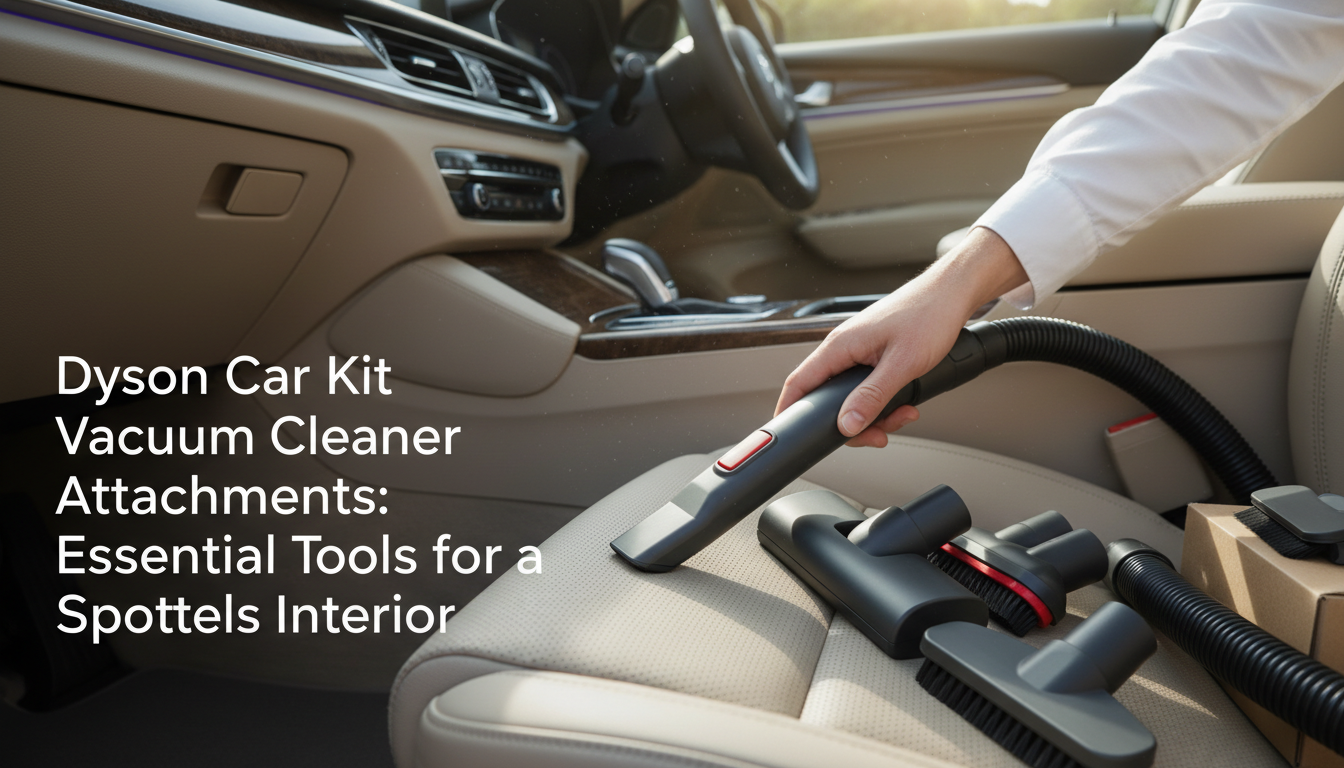
Dyson Car Kit Vacuum Cleaner Attachments: Essential Tools for a Spotless Interior
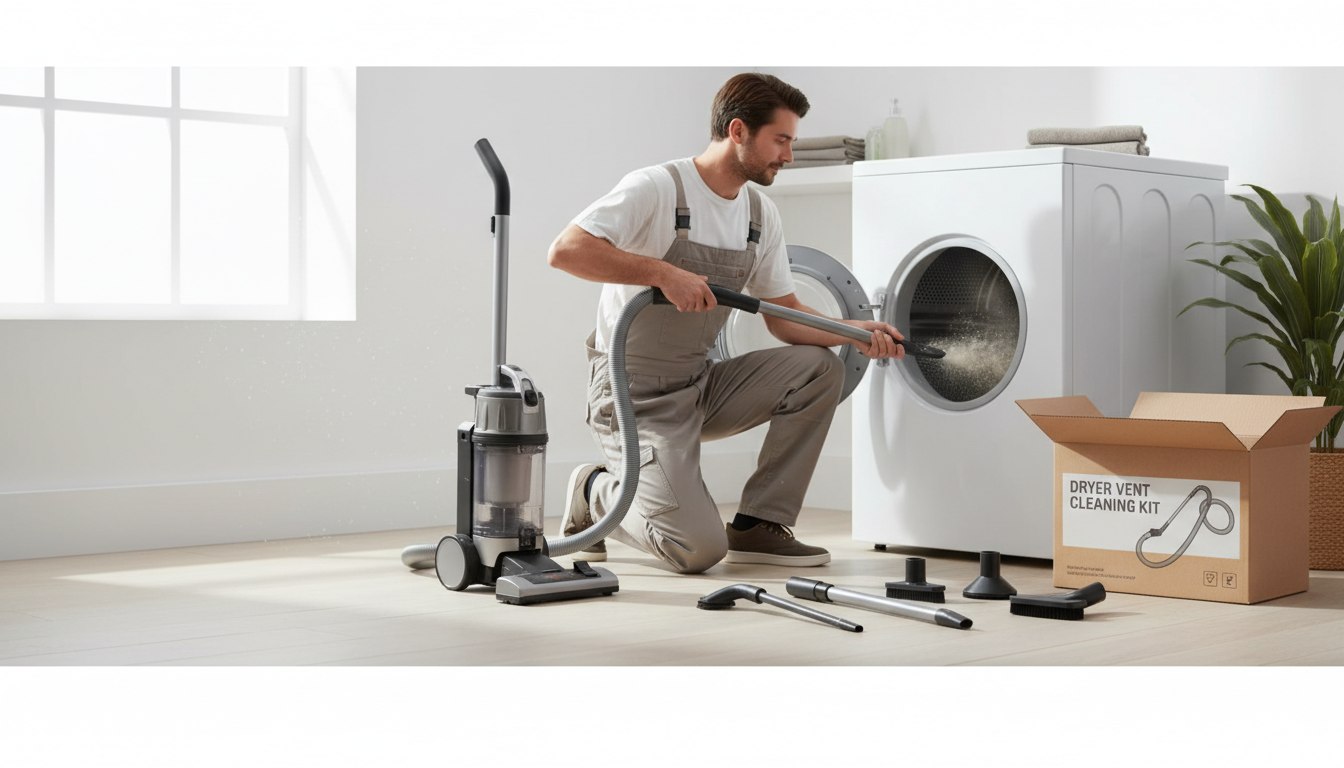
Vacuum Cleaner Attachments for Dryer Vents: Essential Tools for Home Safety