Vacuum Cleaner Attachments for Dryer Vents: Essential Tools for Home Safety
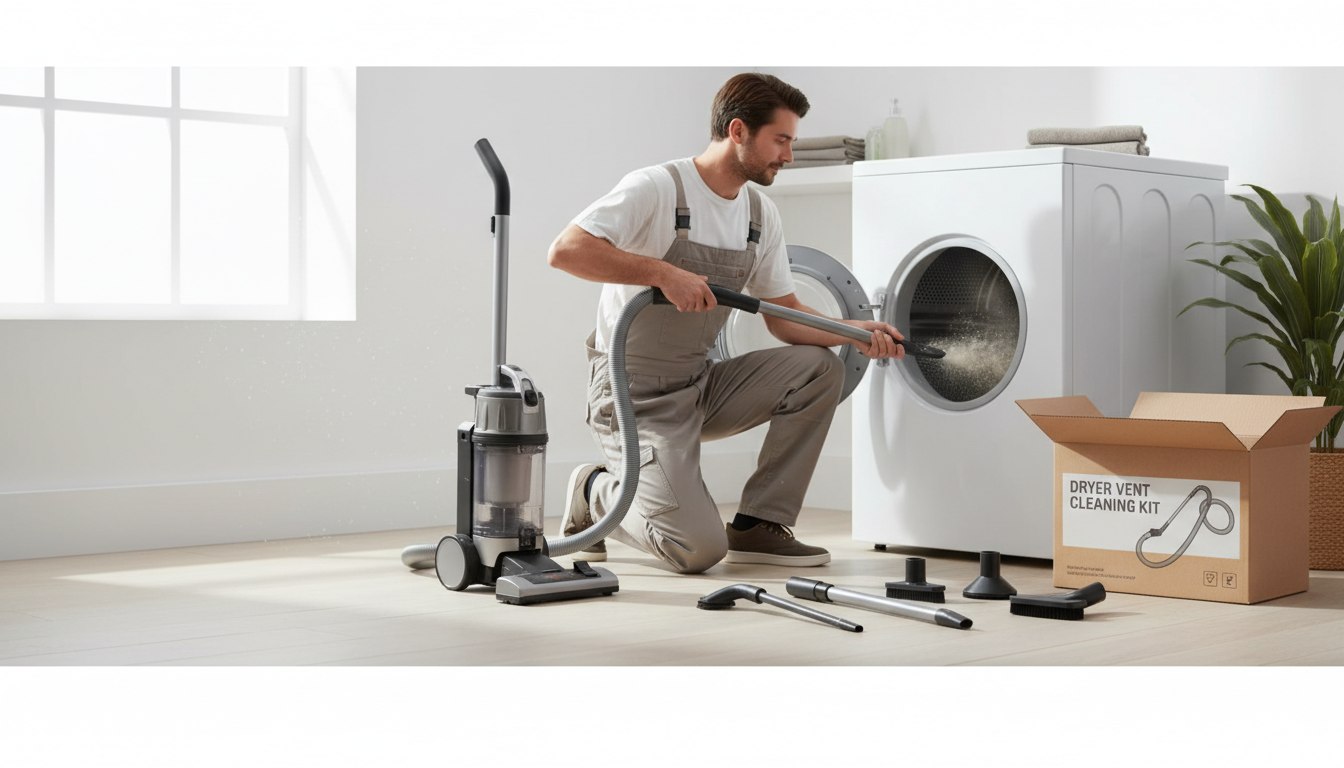
Unlock a Safer, More Efficient Home: The Power of Dryer Vent Vacuum Attachments
Lint accumulation within dryer vents represents a critical, often unseen, hazard in many homes. The National Fire Protection Association (NFPA) reports that nearly 4,000 house fires annually in the U.S. originate from dryers, frequently linked to flammable lint near heating elements. Beyond fire safety, a clogged dryer vent forces your appliance to work harder, significantly reducing its efficiency and leading to higher energy consumption and increased utility bills.
Specialized vacuum cleaner attachments for dryer vents offer a practical solution to this pervasive problem. These tools are designed to reach deep into the vent system, effectively extracting years of built-up lint that standard cleaning methods often miss. By understanding the critical role these attachments play in home safety and appliance longevity, this article aims to guide you through selecting the right tools to confidently maintain your dryer vent, ensuring a safer and more efficient household.
Beyond Clean: Why Regular Dryer Vent Maintenance is Non-Negotiable
Regular dryer vent maintenance extends far beyond simple tidiness; it's a critical component of home safety and appliance longevity. Neglecting this task can lead to significant risks, making specialized vacuum attachments for dryer vents an essential tool, not just a convenience.
The most severe consequence of uncleaned dryer vents is the heightened risk of fire. Lint, a highly flammable material, accumulates in the dryer's lint trap and vent system. When exposed to the dryer's heating elements, this lint can ignite. The National Fire Protection Association (NFPA) reports that lint buildup in dryers is a common cause of household fires, with thousands occurring annually due to flammable lint near superheated dryer coils.
Beyond fire safety, a clogged dryer vent significantly impacts the appliance's performance and your household budget. Lint accumulation restricts airflow, forcing the dryer to work harder and longer to dry clothes. This directly translates to:
- Increased Energy Consumption: Longer drying cycles consume more electricity or gas, leading to higher utility bills.
- Reduced Appliance Efficiency: Clothes take multiple cycles to dry completely, diminishing the dryer's effectiveness.
- Shortened Appliance Lifespan: The added strain on the dryer's motor and heating elements can accelerate wear and tear, potentially leading to costly repairs or premature replacement of the appliance.
While less commonly discussed, excessive lint and dust accumulation can also affect indoor air quality, potentially contributing to respiratory irritants in the home. Using appropriate vacuum attachments helps mitigate these risks by thoroughly removing lint from hard-to-reach areas, ensuring a safer, more efficient, and healthier home environment.
Decoding Dryer Vent Cleaning Kits: Essential Components and Their Purpose
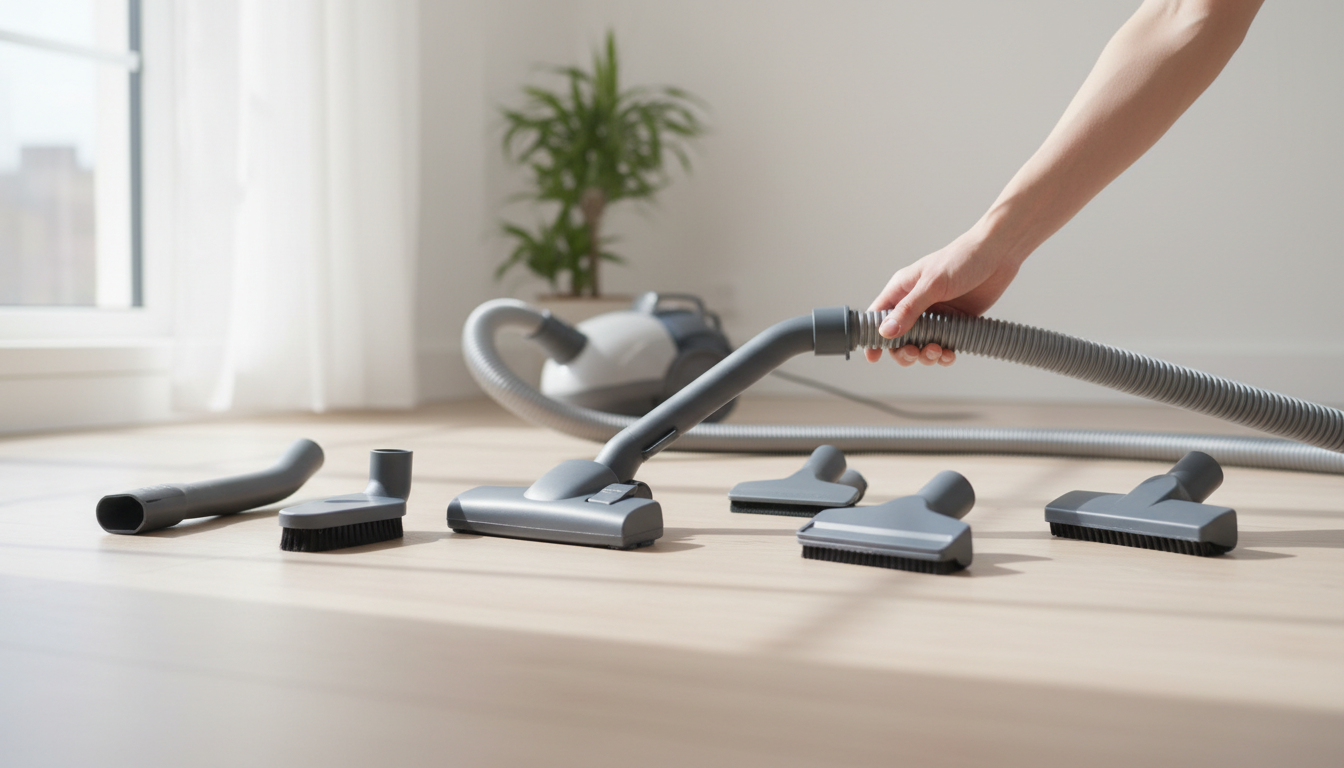
Effective dryer vent cleaning relies on specialized tools designed to reach and remove accumulated lint, which poses both a fire hazard and an efficiency drain. A dedicated dryer vent cleaning kit typically combines several key components, each playing a crucial role in thoroughly clearing the vent system. Understanding these parts helps in selecting a kit that aligns with your specific cleaning needs and vacuum compatibility.
Key components commonly found in these kits include:
- Flexible Vacuum Hoses: These are the primary means of extending your vacuum's reach into the dryer vent.
- Length: Often ranging from several feet, the length is critical for reaching deep into the dryer ductwork, including the sections behind the appliance and extending to the exterior vent opening.
- Diameter: The hose is typically narrow, designed to navigate the confined spaces of a dryer vent without getting stuck or losing suction power due to excessive width.
- Material: Constructed from durable yet flexible plastics or rubber, allowing them to bend and snake through turns in the vent without kinking or tearing.
- Universal Vacuum Adapters: These connectors are engineered to bridge the gap between the specialized cleaning hose and various standard household vacuum cleaner hoses or wands. They typically feature stepped or tapered designs to create a secure, airtight seal with different vacuum models, ensuring consistent suction during the cleaning process.
- Specialized Lint Brushes: Complementing the vacuum's suction, these brushes are designed to agitate and loosen stubborn lint.
- Flexible Brushes: Often long and slender, these can bend around corners and reach deep into the vent, dislodging lint from the duct walls.
- Stiff Brushes: Shorter, more rigid brushes may be included for cleaning the immediate area around the dryer's lint trap or the exterior vent hood, where more aggressive scrubbing might be necessary.
- Various Lengths: Kits may offer brushes of differing lengths to tackle various sections of the vent system.
The combined role of these components is to facilitate a comprehensive cleaning. The flexible hose, connected via the universal adapter, allows the vacuum to pull lint from deep within the vent. Simultaneously, the specialized brushes are used to push and loosen compacted lint that the vacuum alone might not dislodge, making it easier for the suction to then remove it. This dual action is vital because lint can adhere tightly to vent walls, requiring mechanical agitation before it can be effectively vacuumed away.
It's important to distinguish these integrated vacuum attachment kits from standalone lint brushes. While a long, flexible lint brush can manually remove some lint, it lacks the powerful suction of a vacuum cleaner to fully extract dislodged debris and fine particles, making the vacuum attachment kit a more thorough and effective solution for preventing lint buildup and its associated risks.
Choosing Your Ideal Kit: Key Factors for Effective Dryer Vent Cleaning
Selecting the appropriate vacuum cleaner attachments for your dryer vent is crucial for both safety and appliance efficiency. An effective kit will enable thorough lint removal, reducing fire hazards and optimizing dryer performance. Consider these factors to ensure your chosen tools align with your specific home maintenance needs.
-
Vacuum Compatibility Not all vacuum attachments are universally compatible. While many kits offer adapters designed to fit "most standard vacuum hoses," it is essential to verify the diameter of your vacuum cleaner's hose before purchase. Some vacuums, particularly certain brands, may use proprietary connection sizes that require specific adapters or brand-specific attachments. Measure your vacuum hose's inner and outer diameter to ensure a secure, airtight fit, which is critical for effective suction.
-
Hose Length & Flexibility The reach of your attachment is paramount for comprehensive cleaning. Dryer vents can vary significantly in length and complexity, often extending several feet behind the appliance and through walls. Look for kits that offer a hose length sufficient to reach the full depth of your vent system. Hoses around 32 inches or more are commonly available and can be beneficial for deeper vents. Flexibility is equally important, allowing the attachment to navigate bends and turns within the vent without snagging or becoming stuck.
-
Brush Design Many dryer vent cleaning kits include specialized brushes in addition to vacuum hoses. The design of these brushes impacts their effectiveness. Consider the type and stiffness of the bristles:
- Stiffer brushes can be effective for dislodging stubborn, compacted lint.
- Softer, flexible brushes are better suited for delicate vent materials or for reaching into tight, curved sections without causing damage.
- Some kits provide brushes with varying lengths or shapes, designed to tackle different sections of the vent system.
-
Ease of Assembly & Use A practical attachment kit should be straightforward to assemble and operate. Look for components that connect securely and intuitively, minimizing the risk of detachment during use. The overall design should allow for easy maneuvering within the confined space of a dryer vent. Lightweight materials and ergonomic designs can enhance the user experience, making the task of regular vent cleaning less cumbersome.
-
Durability of Materials The longevity of your dryer vent cleaning attachments depends on the quality of their construction materials. Components made from robust plastics, such as ABS, or reinforced PVC for hoses, tend to withstand repeated use better than flimsier alternatives. Inspect connectors for sturdy construction and brushes for bristles that are firmly embedded. Durable materials ensure the tools maintain their integrity and effectiveness over time, providing reliable performance for ongoing maintenance.
Navigating the Nuances: Potential Challenges and Limitations to Consider
While vacuum cleaner attachments for dryer vents offer a significant advantage in home safety and appliance efficiency, they are not without their specific considerations and limitations. Understanding these potential pitfalls before purchase ensures realistic expectations and helps homeowners prepare for effective maintenance.
-
Universal Adapter Limitations The term "universal" for vacuum hose adapters often implies compatibility with a range of common hose diameters, but not necessarily all. Some vacuum models may have non-standard hose sizes, leading to an imperfect seal or an adapter that doesn't fit at all. It's crucial to measure your vacuum's hose opening and compare it against the attachment's stated compatibility to avoid a loose connection that compromises suction or requires makeshift solutions.
-
Reach Limitations in Convoluted Vents Even with extended hoses, these attachments have a finite reach. Dryer vents that are exceptionally long, feature multiple sharp bends, or run through walls over considerable distances may still present areas inaccessible to the attachment. In such complex installations, professional vent cleaning might remain the most effective solution to ensure thorough lint removal throughout the entire run.
-
Persistent or Compacted Lint While suction is powerful, it may not be sufficient for all types of lint buildup. Lint that has accumulated over many years, become damp, or is heavily compacted and sticky within the vent can resist simple vacuuming. In these scenarios, the accompanying brush attachments are essential to agitate and loosen the stubborn debris before the vacuum can effectively draw it out.
-
Risk of Vent Material Damage Dryer vents, particularly flexible foil or plastic types, can be delicate. Aggressive use of rigid or stiff attachments, especially when navigating tight corners or obstructions, carries a risk of puncturing, tearing, or dislodging the vent material. Gentle manipulation and awareness of the vent's construction are necessary to prevent damage that could lead to air leaks or further blockages.
-
Time and Manual Effort Required These attachments simplify the cleaning process, but they do not eliminate the need for manual effort and time investment. Users must still assemble the kit, carefully maneuver the hose and brush through the vent, and often make multiple passes to ensure thorough cleaning. It's a hands-on task that requires patience and attention to detail, rather than a quick, automated solution.
Your Step-by-Step Guide to a Thorough Dryer Vent Cleaning
Effectively cleaning your dryer vent system with specialized vacuum attachments is a straightforward process that significantly enhances home safety and appliance efficiency. Following these steps ensures a comprehensive lint removal, addressing accumulation that often goes unnoticed.
Preparation for Safe Cleaning
Before beginning, prioritize safety to prevent accidents and damage.
- Disconnect Power: For electric dryers, unplug the appliance from the wall outlet. For gas dryers, turn off the gas supply valve (usually located behind the dryer) and then unplug the unit. This eliminates the risk of electrical shock or gas leaks.
- Create Space: Gently pull the dryer away from the wall, providing ample room to access the rear connections and work comfortably. Avoid sudden movements that could strain gas lines or electrical cords.
Detaching the Vent System
Accessing the vent for cleaning requires careful disassembly.
- Disconnect Vent Hose: Locate the dryer vent hose, typically a flexible foil or rigid metal duct, connected to the dryer's exhaust port and the wall outlet. Loosen any clamps or tape securing the hose at both ends and carefully detach it. Note the orientation for easier reassembly.
- Initial Inspection: Briefly inspect the detached vent hose for any obvious blockages, kinks, or damage.
The Thorough Cleaning Process
With the vent accessible, employ your vacuum attachments for maximum lint removal.
- Connect Attachment: Securely attach the dryer vent cleaning hose or specialized narrow attachment to your vacuum cleaner's main hose. Ensure a tight seal for optimal suction.
- Clean Dryer Exhaust: Insert the vacuum attachment into the dryer's exhaust port. Move it in and out, rotating gently to reach all interior surfaces and dislodge lint. Use the vacuum's suction to pull out accumulated debris.
- Clean Wall Vent: Next, insert the vacuum attachment into the wall vent opening. Extend it as far as possible into the ductwork, systematically working to vacuum out lint.
- Utilize Brushes (If Applicable): If your cleaning kit includes a flexible brush, use it to dislodge stubborn, compacted lint from both the dryer's exhaust and the wall vent before vacuuming. The brush helps break up dense lint, making it easier for the vacuum to remove.
- Clean the Vent Hose: Run the vacuum attachment through the detached vent hose itself to clear any lint trapped within its length.
Reassembly and Final Checks
Proper reassembly is crucial for continued safety and performance.
- Reattach Vent Hose: Securely reattach the vent hose to both the dryer's exhaust port and the wall outlet. Use the original clamps, zip ties, or foil tape to ensure a snug, airtight connection. A loose connection can lead to lint leakage and reduced efficiency.
- Reposition Dryer: Carefully push the dryer back into its original position, taking care not to crimp or disconnect the vent hose.
- Restore Power: Plug the dryer back into the electrical outlet or reopen the gas supply valve.
Maintaining Optimal Vent Health
Regular cleaning is a proactive measure against hazards and inefficiencies.
- Cleaning Frequency: Most homeowners should aim to clean their dryer vent system at least once per year.
- Increased Frequency: Consider more frequent cleaning (every 6-9 months) if you use your dryer heavily, have pets that shed significantly, or if your dryer vent run is particularly long or has multiple bends.
- Maximizing Lint Removal:
- Always use a vacuum with strong suction for best results.
- Work slowly and methodically, ensuring the attachment reaches all areas.
- Periodically check the exterior vent hood for blockages from debris or animal nests.
Common Questions About Dryer Vent Cleaning Attachments
Understanding the nuances of dryer vent maintenance is key to maximizing safety and efficiency in your home. Here are answers to frequently asked questions about using vacuum cleaner attachments for this critical task.
-
How often should I clean my dryer vent? The general recommendation is to clean your dryer vent at least once a year. However, this frequency can vary based on several factors:
- Usage: Homes with heavy dryer use (e.g., large families, frequent laundry) may require more frequent cleaning, potentially every 6-9 months.
- Pet Ownership: Pet hair significantly contributes to lint buildup, necessitating more regular cleaning.
- Dryer Type and Age: Older dryers or those with longer, more complex vent runs can accumulate lint faster. Regular inspection for signs like longer drying times or a burning smell can also indicate a need for cleaning.
-
Can I use my regular vacuum cleaner without special attachments for this task? While your regular vacuum cleaner's crevice tool can be useful for cleaning the immediate opening of the dryer vent and the lint trap housing, it is generally insufficient for a thorough cleaning of the entire vent system. Specialized dryer vent attachments are designed with longer, flexible hoses and brushes to reach deep into the vent, effectively removing years of built-up lint that a standard vacuum alone cannot access. Relying solely on a regular vacuum may leave significant lint accumulation further down the vent, compromising safety and efficiency.
-
When is it necessary to call a professional for dryer vent cleaning? Consider hiring a professional dryer vent cleaner if:
- You cannot easily access the dryer vent, for example, if the dryer is in a tight space or the vent runs through walls or a roof.
- Your cleaning efforts with attachments do not resolve issues like persistent long drying times, a burning smell, or excessive heat from the dryer.
- You suspect blockages beyond what your attachments can reach or dislodge, such as animal nests or collapsed sections of the vent. Professionals have specialized equipment that can handle more complex or severely clogged systems.
-
Will these attachments work with all dryer types (gas/electric)? Yes, vacuum cleaner attachments for dryer vents are designed to clean the venting system itself, which is largely independent of whether your dryer is gas or electric. The critical factor for compatibility is ensuring the attachment's adapter fits your specific vacuum cleaner hose. The cleaning process targets the lint buildup within the ductwork, which is a common component regardless of the dryer's power source.
-
What if the adapter doesn't fit my vacuum hose? Vacuum hose compatibility is a common consideration when purchasing dryer vent cleaning attachments. If the adapter provided with a kit does not fit your vacuum hose:
- Check for universal adapters: Some kits include multiple adapter sizes or universal adapters designed to fit a range of vacuum hose diameters.
- Measure your hose: Before purchasing, measure the internal and external diameter of your vacuum's hose to compare with product specifications.
- Seek alternative adapters: Separate universal vacuum hose adapters are available that can bridge the size gap between your vacuum and the attachment.
- Consider kits with multiple options: Some comprehensive kits anticipate this issue and provide various connection pieces.
Invest in Safety: The Smart Choice for Your Home and Appliance
Proactive dryer vent maintenance, facilitated by the right vacuum cleaner attachments, stands as a fundamental practice for any homeowner. The consistent removal of lint from your dryer's ventilation system directly addresses critical concerns, transforming a potential hazard into a source of efficiency. This simple investment in specialized tools offers a multi-faceted return: significantly reducing the risk of dryer fires, enhancing your appliance's operational efficiency, and potentially extending its lifespan by preventing unnecessary strain.
Armed with an understanding of essential features, compatibility considerations, and the trade-offs involved in selecting these attachments, you are now empowered to make an informed decision. Choosing tools that align with your specific dryer model and cleaning needs ensures effective lint removal, safeguarding your home and optimizing your appliance's performance.
Ultimately, the commitment to regular dryer vent cleaning with appropriate vacuum attachments provides more than just a cleaner vent; it delivers the invaluable peace of mind that comes from knowing you've actively mitigated a significant household risk and contributed to the long-term health of your home and essential appliances.
More in Vacuum Cleaner Attachments
View AllDyson Car Kit Vacuum Cleaner Attachments: Essential Tools for a Spotless Interior
Choosing the Right Vacuum Cleaner Attachments: A Comprehensive Buyer's Guide