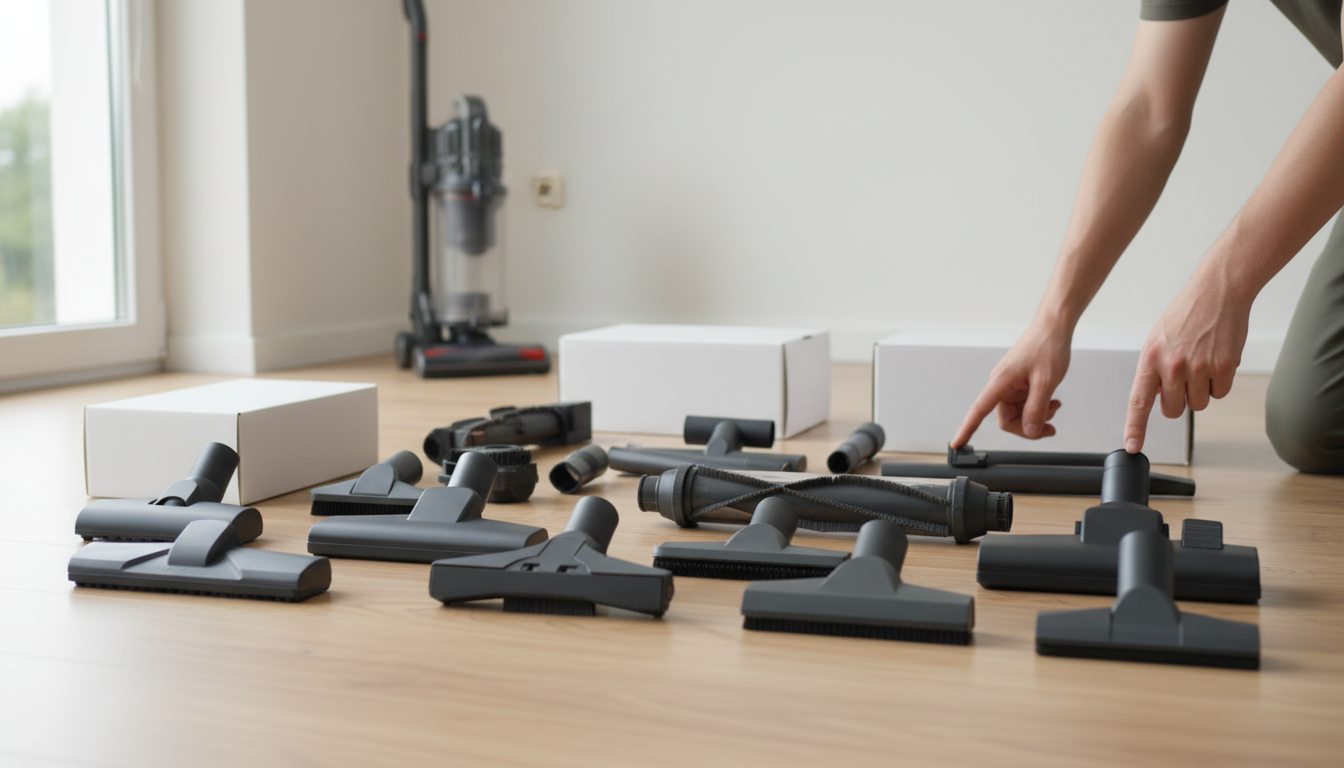
Bissell Vacuum Cleaner Attachments: Finding the Perfect Fit for Your Cleaning Needs
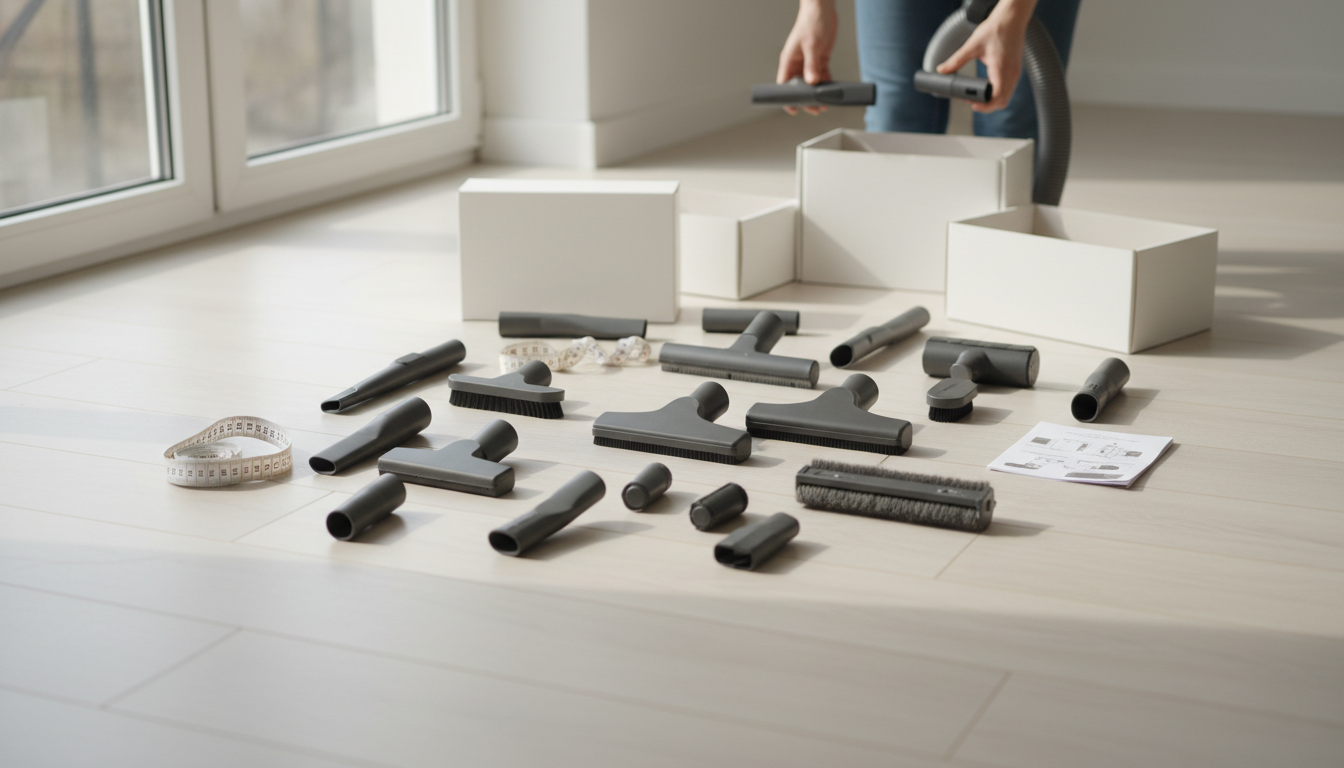
Unlock Your Bissell's Full Potential: A Guide to Essential Attachments
Your Bissell vacuum is a foundational tool for home cleanliness, but its true versatility often lies beyond its main floorhead. Specialized attachments transform a standard vacuum into a comprehensive cleaning system, enabling you to tackle dust in tight corners, pet hair on upholstery, or debris from delicate surfaces that the primary unit cannot reach. Without the right tools, many cleaning challenges remain unaddressed, limiting your vacuum's overall effectiveness.
A common misconception is that all vacuum attachments are universally interchangeable or that any attachment will perform optimally with any Bissell model. In reality, compatibility varies significantly across different Bissell series and types, and the effectiveness of an attachment is directly tied to its design and intended use. Attempting to use an ill-fitting or inappropriate tool can lead to inefficient cleaning or even damage.
This guide aims to empower Bissell vacuum owners to confidently navigate the world of attachments. We will help you understand the various types available, ensure proper compatibility with your specific Bissell model, and identify the most effective tools to address your unique cleaning needs, ultimately enhancing your cleaning capabilities.
Essential Bissell Vacuum Attachment Types and Their Cleaning Power
While a Bissell vacuum's main cleaning head handles broad areas, specialized attachments are crucial for effectively addressing specific cleaning challenges that a general vacuum head cannot. These tools are designed to optimize suction, agitation, or reach for particular surfaces and debris types, transforming difficult tasks into manageable ones. Understanding the purpose of each attachment empowers owners to achieve a more thorough and efficient clean.
Here's a breakdown of common Bissell attachment types and their distinct cleaning advantages:
-
Crevice Tool:
- Function: A narrow, angled nozzle designed to concentrate suction into tight spaces.
- Cleaning Power: Excels at removing dust, crumbs, and debris from sofa cushions, car interiors, along baseboards, radiator fins, and other hard-to-reach nooks where a wider head cannot fit. It prevents debris from accumulating in corners and crevices, which often become overlooked dirt traps.
-
Dusting Brush:
- Function: Features soft bristles, often round, that gently dislodge dust and fine particles.
- Cleaning Power: Ideal for delicate surfaces such as lampshades, blinds, bookshelves, electronics, and intricate moldings. The soft bristles prevent scratching while the vacuum suction captures the loosened dust, offering a more effective and less abrasive cleaning than a cloth alone.
-
Upholstery Tool:
- Function: A wider, often flat tool, sometimes with a lint strip or velvet-like surface, designed for fabric.
- Cleaning Power: Efficiently lifts pet hair, lint, and general debris from furniture, car seats, curtains, and mattresses without snagging or damaging the fabric. Its broader opening covers more surface area than a crevice tool, making it suitable for larger upholstered items.
-
Pet Turbo Brush/Tool (Mini-Motorized Brush):
- Function: A smaller, often air-powered or motorized brush roll designed to agitate and lift embedded pet hair.
- Cleaning Power: Specifically engineered to tackle stubborn pet hair from upholstery, stairs, and pet beds. The rotating brush provides agitation that a standard suction-only tool cannot, making it significantly more effective at detangling and removing pet fur that clings to fabric fibers.
-
Extension Wands:
- Function: Non-powered tubes that extend the reach of other attachments.
- Cleaning Power: Allows users to access high ceilings, ceiling fan blades, curtain rods, and other elevated areas without needing a step stool. It also reduces bending and stretching for floor-level tasks, improving ergonomics.
-
Bare Floor Tools:
- Function: A wide, non-motorized head, often with soft bristles or felt strips, optimized for hard surfaces.
- Cleaning Power: Effectively picks up dirt, dust, and crumbs from hardwood, tile, and laminate floors without scratching. Unlike a main brush roll, it doesn't scatter debris, ensuring a cleaner pass.
-
Multi-Surface Tools (e.g., CrossWave attachments):
- Function: Designed for versatility, these tools can often transition between different floor types or combine functions. Some Bissell models, like the CrossWave, integrate wet and dry cleaning capabilities directly, reducing the need for separate attachments for mopping hard floors.
- Cleaning Power: Offers convenience by reducing the need to switch tools frequently. For dry vacuuming, these may feature adjustable brush heights or interchangeable pads to suit both carpets and hard floors, providing a balanced approach to general cleaning.
Key Factors for Choosing the Right Bissell Attachments
Selecting the most effective Bissell vacuum cleaner attachments involves a careful assessment of several practical considerations. Understanding these factors can help ensure your investment enhances your cleaning efficiency and extends the versatility of your existing vacuum.
Compatibility Considerations
The most critical factor in choosing any attachment is ensuring it fits your specific Bissell vacuum model. Bissell produces a wide range of vacuums, and attachment designs can vary significantly between series and even specific models. An attachment designed for an upright might not fit a canister or a handheld unit.
- Model Number: Always verify the full model number of your Bissell vacuum before purchasing attachments. This number is typically found on a label on the vacuum's body.
- Connection Type: Pay attention to how attachments connect. Some Bissell vacuums use a friction fit, while others might have a locking mechanism or a specific diameter opening. Mismatched connection types are a common reason for attachments not fitting or performing poorly.
- Power Source: Motorized attachments require a power connection from the vacuum. Ensure your model has the necessary electrical port if you're considering a powered brush or similar tool.
Genuine vs. Third-Party Attachments
When expanding your attachment collection, you'll encounter both genuine Bissell-branded parts and third-party alternatives. Each option presents distinct trade-offs.
- Genuine Bissell Attachments: These are designed specifically for Bissell vacuums, offering the highest likelihood of a perfect fit and intended performance. They are often made with materials consistent with the vacuum's original build. However, they may come at a higher price point.
- Third-Party Attachments: These can be more budget-friendly and offer a wider variety of specialized tools not always available from the original manufacturer. The primary risks include variable fit, which can lead to reduced suction or detachment during use, and potentially lower material quality. Some users report that certain vacuum parts, including attachments, can break or wear easily, making material quality a significant concern for both genuine and third-party options. Compatibility with your vacuum's warranty might also be a consideration if using non-OEM parts.
Material Quality and Durability
The longevity and effectiveness of an attachment are directly linked to its construction. Attachments, especially those frequently used or subjected to heavy-duty cleaning, need to withstand regular wear and tear.
- Construction Materials: Look for robust plastics that resist cracking, and ensure any bristles or fabric components are securely attached and designed for resilience.
- Moving Parts: For tools with moving components, such as mini-motorized brushes, assess the quality of gears and bearings. Poorly constructed moving parts can be a point of failure, impacting the attachment's lifespan.
- Intended Use: Consider the intended use of the attachment. A delicate dusting brush may not require the same ruggedness as a pet hair turbo brush designed for aggressive agitation.
Assessing Your Cleaning Needs
Your specific cleaning challenges should guide your attachment choices. Identifying the tasks you perform most often or struggle with can help prioritize which tools will offer the most value.
- Pet Hair: If you have pets, specialized pet tools with rubberized fingers or brush rolls are often essential for lifting embedded fur from upholstery, carpets, and stairs.
- Tight Spaces: Crevice tools are invaluable for reaching into narrow gaps, between cushions, and along baseboards where the main vacuum head cannot go.
- Delicate Surfaces: Dusting brushes with soft bristles are ideal for cleaning blinds, lampshades, electronics, and other delicate items without scratching.
- Upholstery and Stairs: Tools designed for upholstery, often with a wider head and sometimes a brush, can efficiently clean furniture and carpeted stairs.
- Hard-to-Reach Areas: Extension wands or flexible crevice tools can extend your reach for high ceilings, under appliances, or inside vehicles.
Navigating Common Challenges with Bissell Vacuum Attachments
Selecting and utilizing Bissell vacuum attachments can enhance cleaning, but being aware of potential issues helps manage expectations and mitigate frustration. Understanding common challenges related to durability, availability, performance, and fit can guide more informed decisions.
-
Durability Concerns Some Bissell vacuum owners have reported that certain attachments, particularly those with intricate mechanisms or thinner plastic components, may exhibit durability issues over time. This can lead to parts breaking or wearing out sooner than anticipated with regular use, potentially affecting the attachment's long-term functionality.
-
Finding Replacements While common attachments are often readily available, sourcing specific replacement parts or less common accessories for certain Bissell models can occasionally be challenging. Discontinued models or specialized tools might require more extensive searching through various retailers or direct contact with Bissell customer support, potentially delaying cleaning tasks.
-
Performance Expectations It is crucial to set realistic expectations regarding the effectiveness of individual attachments, especially for heavy-duty cleaning scenarios. For instance, a small upholstery tool is highly effective for localized pet hair on furniture but may not be designed to efficiently tackle extensive, deeply embedded pet dander across large carpeted areas. Each attachment has a specific design purpose and excels within its intended scope, rather than being a universal solution for all intensive cleaning challenges.
-
Fit Limitations Even when an attachment is broadly advertised as compatible with Bissell vacuums, the connection might not always be a 'perfect' fit across every single model within the brand's diverse lineup. Slight variances in hose diameter, locking mechanisms, or tapered connections between different Bissell series can result in attachments feeling slightly loose, requiring more force to secure, or having minor air leakage at the connection point. While often functional, an imperfect fit can sometimes marginally reduce suction efficiency or user comfort.
Navigating Your Options: A Step-by-Step Guide to Selecting Bissell Attachments
Choosing the right Bissell vacuum attachments involves more than just picking a tool; it requires a systematic approach to ensure compatibility and effectiveness. By following these steps, you can confidently identify and acquire the most suitable accessories for your cleaning challenges.
-
Step 1: Identify Your Bissell Vacuum Model The foundation of successful attachment selection is knowing your specific Bissell vacuum model. Attachments are often designed for particular series or types of vacuums, and a mismatch can lead to poor fit or function. Locate your vacuum's model number, typically found on a label on the back, bottom, or side of the unit, or within your owner's manual. This number is crucial for verifying compatibility.
-
Step 2: Evaluate Your Cleaning Environment and Needs Consider the specific cleaning tasks and surfaces you encounter most frequently. Different household scenarios demand specialized tools for optimal results.
- Pet Hair: For embedded pet hair on upholstery or stairs, a mini-motorized brush or specialized pet hair tool can be highly effective.
- Tight Spaces: A crevice tool is indispensable for reaching narrow gaps, corners, and along baseboards.
- Delicate Surfaces: A dusting brush with soft bristles helps clean lampshades, electronics, and delicate furniture without scratching.
- Upholstery: An upholstery tool, often with a wider, flat nozzle, is designed to clean fabric surfaces gently and efficiently.
- Hard-to-Reach Areas: Extension wands can provide extra reach for ceilings, high shelves, or under heavy furniture.
-
Step 3: Check Compatibility and Connection Type Once you have your vacuum model and desired attachment type in mind, verify how the attachment connects. Bissell attachments typically use one of two main connection types:
- Friction Fit: These attachments slide onto the vacuum hose or wand and stay in place through a snug fit. Ensure the diameter of the attachment matches your vacuum's hose or wand opening.
- Locking Mechanisms: Some attachments feature a button or twist-lock system that secures them to the vacuum. Confirm that the locking mechanism on the attachment aligns with your vacuum's design. Refer to your vacuum's manual or Bissell's official product information to confirm the correct connection type and diameter for your model.
-
Step 4: Consider Attachment Sets vs. Individual Purchases Decide whether a pre-packaged set or individual tools best suits your needs and budget.
- Attachment Sets: Often provide a range of common tools and can be more cost-effective than buying each piece separately. They typically ensure compatibility across the included items. However, a set might include tools you rarely use.
- Individual Purchases: Allow you to target specific cleaning challenges without acquiring unnecessary accessories. This approach can be more budget-friendly if you only need one or two specialized tools, but requires careful verification of compatibility for each item.
-
Step 5: Read User Reviews (with caution) Before finalizing your purchase, consult user reviews for insights into real-world performance. Pay close attention to feedback regarding:
- Durability: Look for comments on how well the attachment holds up over time, as some users have reported issues with the longevity of certain vacuum parts.
- Effectiveness: Does the attachment perform as expected for its intended task on specific surfaces or with particular types of debris?
- Fit and Compatibility: Confirm that other users with your specific Bissell model found the attachment to fit securely and function correctly. Approach reviews with a critical eye, noting patterns in feedback rather than isolated complaints.
Your Questions About Bissell Vacuum Attachments Answered
Navigating the array of Bissell vacuum attachments can raise several questions, particularly when seeking to optimize your cleaning routine. Understanding compatibility, maintenance, and the utility of various tools is key to making informed decisions.
-
Are all Bissell attachments interchangeable? No, Bissell attachments are generally not universally interchangeable across all models or series. Compatibility depends on the specific vacuum cleaner's design, including the diameter of the hose or wand opening and the type of locking mechanism. Different Bissell lines, such as uprights, canisters, or handhelds, often feature distinct connection systems.
-
How do I know which attachments are compatible with my specific Bissell model? The most reliable method is to consult your vacuum cleaner's user manual or the official Bissell website. Search for your exact model number, which is typically found on a label on the vacuum itself. Product pages or parts diagrams will often list compatible accessories and their corresponding part numbers. Physically comparing the connection type and diameter of a potential attachment with your vacuum's existing tools can also help confirm fit.
-
Can I use third-party attachments with my Bissell vacuum? It is sometimes possible to use third-party or generic attachments if their connection diameter and design match your Bissell vacuum's hose or wand. However, there are potential trade-offs. Third-party accessories may not always provide the same secure fit, which can lead to reduced suction efficiency or detachment during use. Additionally, using non-Bissell branded parts might, in some cases, affect your product's warranty, though this varies. Always check the specifications of both your vacuum and the third-party attachment for the best chance of compatibility.
-
How do I clean and maintain my vacuum attachments? Regular cleaning extends the lifespan and effectiveness of your attachments.
- Remove debris: Periodically clear any accumulated hair, lint, or debris from brushes, nozzles, and crevices. A pair of scissors or a small pick can be useful for this.
- Wash non-electrical parts: Most plastic attachments (excluding any with electrical components or motors) can be washed with warm water and mild dish soap.
- Rinse thoroughly: Ensure all soap residue is removed to prevent stickiness.
- Air dry completely: Allow attachments to air dry fully before reattaching them to your vacuum to prevent mildew or damage to the vacuum's internal components.
-
What are the most versatile Bissell attachments to own? While specific needs vary, several attachment types offer broad utility for diverse cleaning tasks:
- Crevice Tool: Essential for reaching tight spaces, narrow gaps, corners, and along baseboards.
- Dusting Brush: Features soft bristles to gently clean delicate surfaces like lampshades, blinds, shelves, and electronics without scratching.
- Upholstery Tool: Designed with a wide nozzle and sometimes a lint strip or velvet-like surface to effectively lift pet hair, dust, and crumbs from furniture, curtains, and car interiors.
- Pet TurboBrush/Motorized Tool: For models that support them, these smaller, rotating brush tools are highly effective at agitating and lifting embedded pet hair from carpets, upholstery, and stairs.
Empowering Your Cleaning with the Right Bissell Attachments
Navigating the array of Bissell vacuum cleaner attachments can seem complex, but making informed choices is key to unlocking your vacuum's full potential. The journey to a more effective clean begins with a clear understanding of your specific cleaning challenges and the precise capabilities of each tool. Compatibility remains paramount; an attachment, no matter how specialized, is only effective if it seamlessly integrates with your particular Bissell model.
As you consider expanding your cleaning arsenal, it's prudent to weigh factors beyond immediate utility. While specialized tools can dramatically improve cleaning efficiency, customer experiences sometimes highlight concerns regarding the durability of certain attachments and the ease of sourcing replacements. Considering the long-term robustness of an attachment and the availability of spare parts can help mitigate future frustrations and ensure your investment continues to pay off.
Ultimately, equipping your Bissell vacuum with the right attachments transforms it into a versatile cleaning system capable of tackling every nook, cranny, and surface in your home. This thoughtful selection process not only enhances your cleaning efficiency and reduces effort but also contributes to the longevity and sustained performance of your primary vacuum unit.
More in Vacuum Cleaner Attachments
View All
Dyson Car Kit Vacuum Cleaner Attachments: Essential Tools for a Spotless Interior
Vacuum Cleaner Attachments for Dryer Vents: Essential Tools for Home Safety