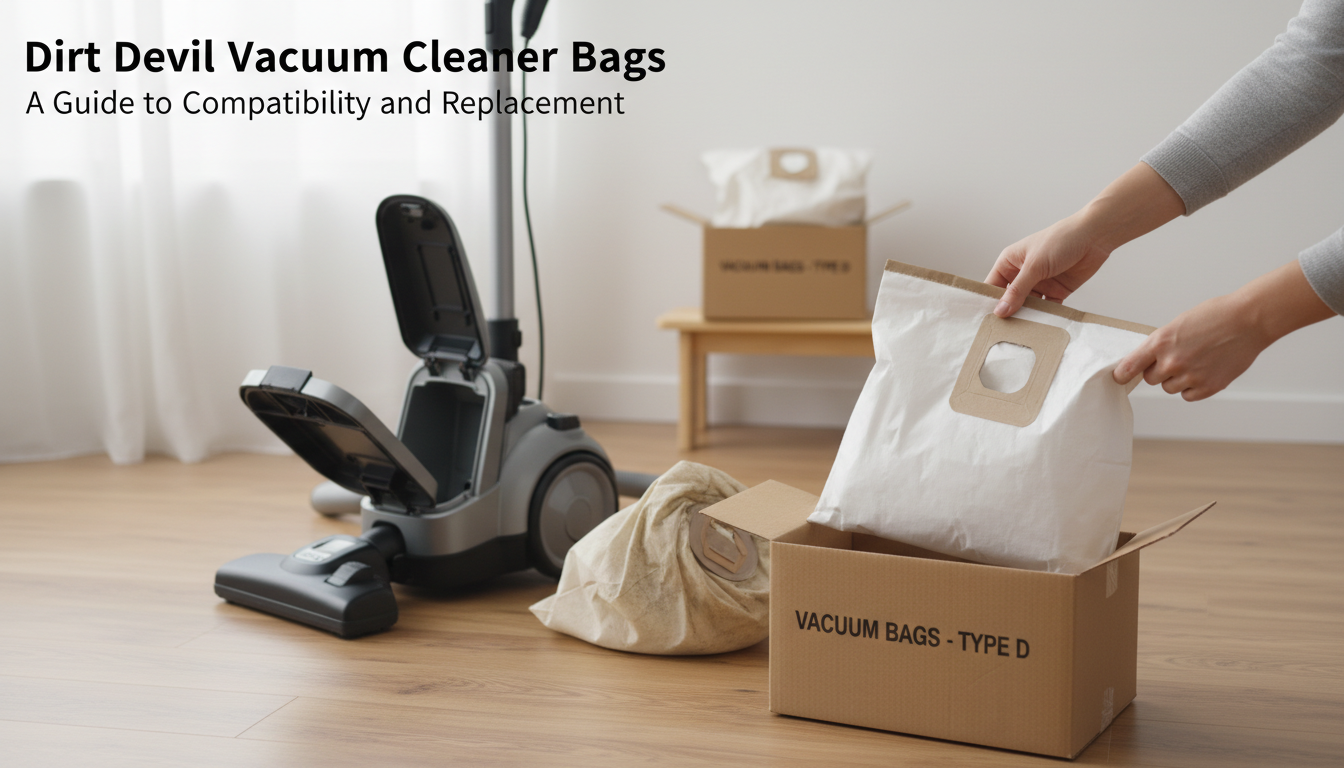
Exploring Vacuum Cleaners Without Bags: Benefits, Maintenance, and Considerations
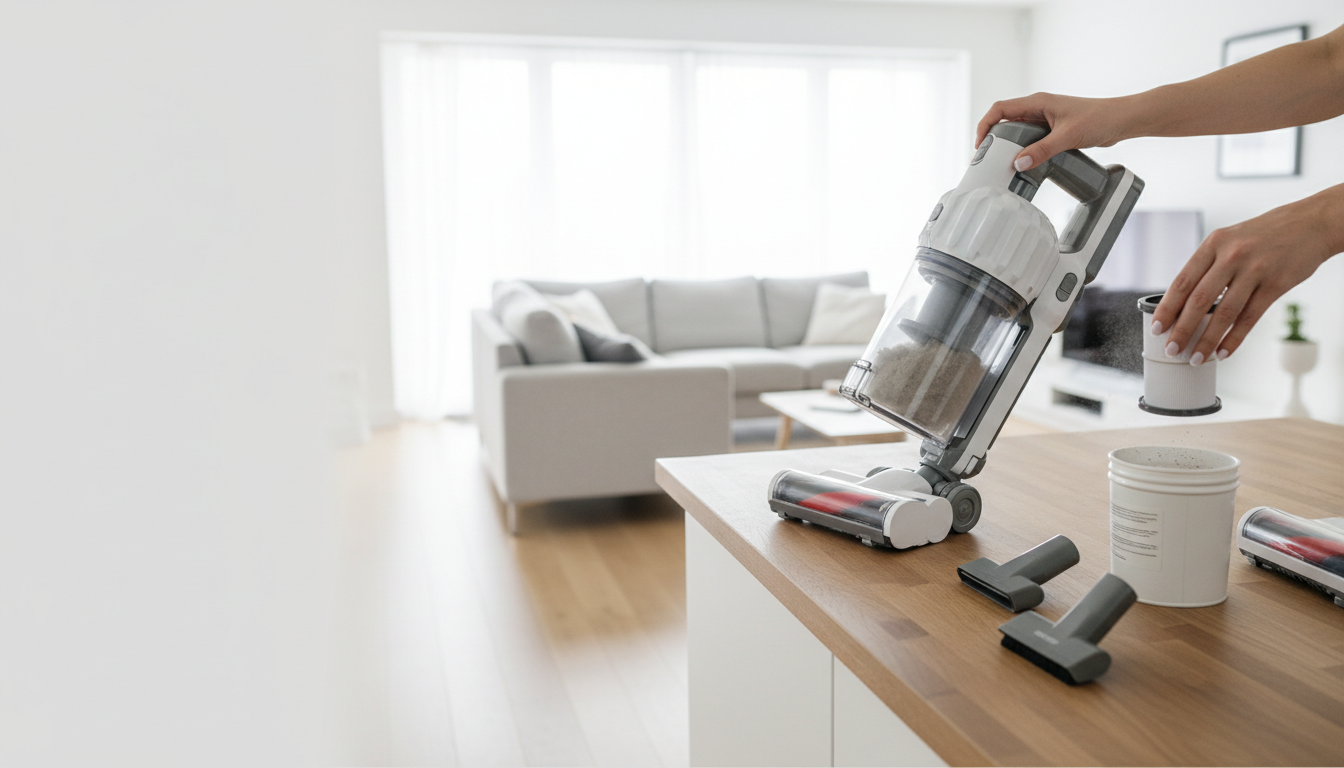
Understanding Bagless Vacuum Cleaners: A Modern Cleaning Solution
Bagless vacuum cleaners represent a significant evolution in home cleaning technology, diverging from traditional models that rely on disposable bags for dirt collection. Fundamentally, these appliances capture dust and debris in a rigid, reusable container, often transparent, rather than a fabric or paper bag. This design typically employs cyclonic separation, where air is spun at high speeds to separate particles, depositing them into the collection bin while cleaner air is expelled.
This shift in design has contributed to their widespread popularity for several practical reasons:
- Elimination of Recurring Costs: Without the need to purchase replacement bags, bagless models offer long-term savings.
- Convenience: Users avoid the task of finding, buying, and storing specific replacement bags.
- Reduced Waste: By using a reusable dirt container, bagless vacuums contribute to less household waste compared to systems that require frequent disposal of bags.
- Visible Dirt Level: The transparent collection bins common in many bagless designs allow users to easily see when the vacuum needs emptying.
This guide aims to provide a balanced perspective on bagless vacuum cleaners, exploring their practical implications, common trade-offs, and essential considerations beyond the initial purchase price. Our goal is to equip you with the knowledge to determine if a bagless model aligns with your specific cleaning needs, maintenance preferences, and lifestyle.
Bagged vs. Bagless Vacuums: Weighing Your Options
Deciding between a bagged and bagless vacuum cleaner often comes down to personal priorities regarding convenience, cost, and allergen management. Each system collects dust and debris differently, leading to distinct ownership experiences. Understanding these fundamental differences is crucial for an informed purchase.
At its core, a bagged vacuum collects dirt into a disposable bag housed within the unit. Once full, the bag is removed and discarded, often sealing the collected debris inside. In contrast, a bagless vacuum uses cyclonic separation or similar technology to spin dust and dirt out of the air, depositing it into a clear, removable canister. This canister is then emptied directly into a trash receptacle.
Consider the following practical implications when evaluating your options:
-
Dust Collection and Filtration:
- Bagged Systems: These often feature multi-layer bags that act as primary filters, trapping fine particles and allergens. The sealed nature of the bag minimizes dust exposure during disposal, which can be a significant advantage for allergy sufferers or those sensitive to airborne irritants.
- Bagless Systems: Filtration relies on internal filters (e.g., HEPA, foam, or cloth) that require regular cleaning or replacement. While effective, emptying the dustbin can release a plume of dust and allergens into the air, potentially exacerbating symptoms for sensitive individuals. Neglecting filter maintenance can also reduce suction power and air quality.
-
Initial and Ongoing Costs:
- Bagged Systems: While the initial purchase price might be comparable, bagged vacuums incur ongoing costs for replacement bags. The frequency of bag changes depends on usage and debris volume.
- Bagless Systems: These eliminate the recurring cost of bags, representing a potential long-term saving. However, owners must factor in the cost and frequency of replacing internal filters, which are essential for maintaining performance and air quality. Over time, these filter costs can accumulate.
-
Environmental Impact:
- Bagged Systems: The disposable bags contribute to landfill waste, as they are typically not recyclable.
- Bagless Systems: These reduce bag waste. However, internal filters still require periodic replacement and disposal, and the manufacturing of the vacuum itself carries an environmental footprint similar to bagged models.
-
Suitability for User Needs:
- Allergy Sufferers: Bagged vacuums are often preferred due to the sealed disposal of allergens, minimizing re-exposure.
- Pet Owners: Both types can handle pet hair, but bagless models may require more frequent filter cleaning or canister emptying due to pet hair and dander clogging filters faster. Bagged models might fill bags quickly, leading to more frequent bag purchases.
- Budget-Conscious Buyers: While bagless vacuums eliminate bag costs, the potential for earlier replacement due to neglected filter maintenance or the cost of replacement filters should be weighed against the predictable ongoing cost of bags.
The Advantages of Choosing a Bagless Vacuum
Opting for a vacuum cleaner without bags offers several practical benefits that can influence both your wallet and your cleaning routine. These advantages often make bagless models an attractive choice for many households, particularly those seeking convenience and long-term value.
-
Elimination of Recurring Costs One of the primary financial incentives for choosing a bagless vacuum cleaner is the absence of recurring expenses for replacement bags. Unlike bagged models, where performance can diminish as the bag fills and new bags are a periodic purchase, bagless vacuums remove this ongoing cost. This can lead to notable savings over the lifespan of the appliance.
-
Reduced Environmental Impact Bagless vacuum cleaners contribute to a more environmentally conscious cleaning routine. Traditional disposable vacuum bags often end up in landfills, as many are not designed for recycling. By eliminating the need for these single-use bags, bagless models help reduce household waste, aligning with efforts to minimize environmental footprints.
-
Visible Dust Levels and Easy Emptying Most bagless vacuums feature transparent dust canisters, providing immediate visual feedback on the amount of debris collected. This allows users to see exactly when the canister needs emptying, preventing overfilling and potential loss of suction. Emptying is typically a straightforward process, often involving a simple release mechanism to deposit contents directly into a trash bin.
-
Sustained Suction Performance When properly maintained, bagless vacuum cleaners can deliver consistent suction power. The key to maintaining this performance lies in regular filter cleaning and replacement, as clogged filters can impede airflow and reduce effectiveness. With routine filter care, the vacuum can continue to operate efficiently without the gradual suction loss often associated with a filling bag.
-
Versatility for General Cleaning Bagless vacuum cleaners are well-suited for a wide range of general household cleaning tasks. Their design, often featuring robust suction and various attachments, makes them effective for everyday spills, pet hair, and routine floor care across different surfaces. This adaptability makes them a practical choice for homes requiring frequent, straightforward clean-ups.
Potential Downsides and Practical Considerations for Bagless Vacuums
While bagless vacuum cleaners offer the immediate convenience of no bag purchases, their ownership involves specific trade-offs and maintenance demands. Understanding these practical implications is crucial for a balanced perspective and to determine if a bagless model aligns with your household's needs.
Key considerations include:
- Dust Exposure During Emptying: Emptying the dustbin often exposes users to accumulated dust and debris. This process can release fine particles into the air, making it a significant drawback for individuals with allergies or asthma. The act of emptying can be messy, requiring care to avoid spills and further dust dispersal.
- Filter Maintenance and Costs: Bagless vacuums rely heavily on filters to trap fine particles and protect the motor. These filters require regular cleaning, often after every few uses, to maintain suction power and air quality. Over time, filters may need replacement, incurring additional costs that offset the savings from not buying bags. Neglecting filter maintenance can lead to reduced performance and increased motor strain.
- Reduced Lifespan and Performance Risks: Without proper maintenance, accumulated dust and dirt can damage internal components, potentially shortening the vacuum's operational lifespan or diminishing its suction efficiency. Consistent cleaning of the dustbin and filters is vital to preserve the appliance's performance over time.
- Potential for Odors: If the dustbin and filters are not cleaned regularly, trapped organic matter and debris can develop unpleasant odors. These odors can then be recirculated into the air during subsequent vacuuming sessions, impacting indoor air quality.
- Limitations with Specific Substances: Bagless vacuums may struggle with certain types of debris. Fine powders, ashes, or liquids can compact or cake inside the dust container, making them difficult to remove and potentially damaging internal mechanisms. For such tasks, alternative cleaning methods or specialized vacuums might be more suitable.
Ultimately, the convenience of not buying bags comes with the responsibility of increased hands-on maintenance. Prospective buyers should weigh the initial cost savings against the time and effort required for regular cleaning and the potential for allergen exposure during the emptying process.
Key Features and Criteria for Selecting Your Ideal Bagless Vacuum
Choosing a bagless vacuum cleaner involves evaluating several practical features that directly impact its effectiveness, convenience, and long-term suitability for your home. Beyond the initial appeal of not purchasing bags, consider these criteria to ensure the model aligns with your specific cleaning demands and lifestyle.
- Sustained Suction Power and Motor Type: A vacuum's ability to pick up debris effectively hinges on consistent suction. For bagless models, motor design plays a role in maintaining this power, especially as the dustbin fills. Look for specifications that emphasize strong, unwavering suction across different fill levels. While specific motor types vary, the goal is efficient airflow to prevent clogging and ensure thorough cleaning.
- Advanced Filtration for Air Quality: Given that bagless vacuums can expose users to dust during emptying, the filtration system is critical for indoor air quality.
- HEPA Filters: These are highly effective at capturing fine particles like allergens, pollen, and pet dander, making them a strong consideration for allergy sufferers.
- Washable Filters: While convenient for reducing replacement costs, these require regular cleaning and thorough drying to prevent mold growth and maintain performance. Neglecting washable filters can reduce suction and recirculate dust.
- Dustbin Capacity and Emptying Mechanism: The size of the dustbin dictates how frequently you'll need to empty it. A larger capacity means fewer trips to the trash, but also a heavier unit when full. Crucially, evaluate the emptying mechanism:
- Ease of Use: Can it be emptied with one touch, minimizing direct contact with dust?
- Design: Does it open from the bottom to reduce dust clouds, or require more manual intervention? Mess-free emptying is a significant factor for user satisfaction.
- Design, Weight, and Maneuverability: Your home's layout and your physical capabilities should guide your choice of vacuum design.
- Upright Vacuums: Often powerful for carpets, but can be heavier and less agile.
- Canister Vacuums: Offer greater versatility with a separate power unit and hose, ideal for hard floors and reaching tight spaces.
- Stick Vacuums: Lightweight and often cordless, excellent for quick clean-ups and smaller homes, but may have less power or shorter run times.
- Consider features like swivel steering, low-profile heads, and overall weight for ease of use across different floor levels and around furniture.
- Included Attachments and Versatility: The utility of a bagless vacuum extends beyond its main cleaning head. A range of attachments enhances its adaptability for various tasks.
- Crevice tools: For tight corners and edges.
- Upholstery tools: For furniture and curtains.
- Dusting brushes: For delicate surfaces.
- Pet hair tools: Essential for homes with shedding pets, often designed to prevent tangles. Assess if the included tools address your specific cleaning challenges.
- Performance Across Floor Types: A versatile bagless vacuum should perform well on all surfaces in your home.
- Hardwood/Bare Floors: Look for models with soft brush rolls or the ability to turn off rotating brushes to prevent scratching.
- Carpets: Adjustable brush heights are beneficial for different pile lengths, ensuring deep cleaning without damaging fibers.
- Pet Hair: Specialized brush designs and strong suction are vital for effectively lifting pet hair from carpets and upholstery.
- Noise Level: While often overlooked, the operating noise level can impact comfort, especially during extended cleaning sessions or in homes with young children or pets. Some manufacturers provide decibel ratings, offering a comparative measure of quieter operation.
- Durability and Build Quality: A bagless vacuum represents an investment, and its longevity depends on its construction. Examine the materials used, particularly for the dustbin, hose, and attachments, which endure frequent handling. Reviews often highlight common failure points or areas of robust design, providing insight into a model's potential lifespan.
Common Questions About Bagless Vacuum Cleaners
Prospective owners often have specific inquiries about the practical aspects of bagless vacuum cleaners. Understanding these points can clarify expectations and guide maintenance practices.
-
Filter Maintenance: How frequently is it needed? The frequency for cleaning or replacing filters in a bagless vacuum largely depends on usage, the type of debris collected, and the presence of pets or allergy sufferers. Manufacturers typically provide guidelines, which should be followed. Generally, filters may require cleaning after every few uses or once a month, with replacement recommended every 6-12 months, or sooner if they appear damaged or excessively worn. Neglecting filter maintenance can lead to reduced suction and impaired air filtration.
-
Handling Pet Hair: Are bagless models effective? Many bagless vacuum cleaners are designed with features to handle pet hair effectively, such as specialized brush rolls and powerful suction. However, pet hair can quickly fill the dustbin and clog filters, necessitating more frequent emptying and filter cleaning. Some models may also experience pet hair tangling around internal components, requiring manual removal. When evaluating models, look for those specifically marketed for pet owners, which often include features like anti-tangle brush heads or larger dust capacities.
-
Allergy Concerns: How do bagless vacuums perform? For allergy sufferers, bagless vacuums present a trade-off. While they eliminate the need to handle dusty bags, the act of emptying the dustbin can release fine particles back into the air, potentially triggering allergic reactions. Models equipped with sealed systems and HEPA (High-Efficiency Particulate Air) filters can mitigate this by trapping a high percentage of allergens. To minimize exposure, empty the dustbin outdoors or directly into a sealed trash bag.
-
Odor Prevention: What steps can I take? Odors in bagless vacuums typically arise from trapped organic matter, pet dander, or moisture within the dustbin or filters. To prevent this, regularly empty the dustbin, especially after vacuuming up pet messes or damp debris. Wash the dustbin and washable filters according to manufacturer instructions, ensuring they are completely dry before reassembling. Periodically check for blockages in hoses or attachments where odor-causing debris might accumulate.
-
Maintaining Suction: Why might it decrease? Bagless vacuums can experience reduced suction over time, primarily due to common maintenance issues. The most frequent culprits include a full dustbin, clogged or dirty filters, or blockages in the hose, brush roll, or attachments. Fine dust and debris can compact within the dustbin or clog the cyclonic pathways, impeding airflow. Regular emptying, consistent filter cleaning or replacement, and promptly clearing any visible obstructions are crucial steps to maintain optimal suction performance.
Making the Right Choice: Is a Bagless Vacuum for You?
Having explored the mechanics, maintenance, and practical considerations of bagless vacuum cleaners, the final step is to consolidate this information and determine if this cleaning solution aligns with your specific household needs and lifestyle. The appeal of bagless models often centers on their convenience and the elimination of recurring costs, but these benefits come with their own set of responsibilities.
Bagless vacuums offer a compelling option for many, particularly those prioritizing:
- Budget-Conscious Cleaning: Without the ongoing expense of replacement bags, bagless models present a cost-effective solution over their lifespan.
- Environmental Considerations: The reusable dirt canister significantly reduces household waste compared to disposable bags, appealing to eco-minded consumers.
- General Household Use: For routine cleaning of typical dust, dirt, and debris, bagless vacuums provide efficient performance and the visual satisfaction of seeing collected grime.
- Convenience Seekers: Users who dislike the hassle of tracking down specific bag types or dealing with bag changes will appreciate the straightforward emptying process.
However, a bagless system may introduce trade-offs that make alternatives more suitable for certain situations:
- Severe Allergy Sufferers: While some bagless models feature advanced filtration, the emptying process can release dust and allergens back into the air, potentially exacerbating symptoms.
- Cleaning Fine Debris: Substances like fine powders, ashes, or large quantities of pet dander can compact inside the dust bin, making emptying difficult and potentially impacting the vacuum's performance or longevity.
- Low Tolerance for Maintenance: Bagless vacuums require more frequent emptying and regular filter cleaning to maintain optimal suction and prevent odors. Neglecting this can lead to diminished performance and unpleasant smells.
- Preference for "Hands-Off" Disposal: Individuals who prefer to seal away collected dust and allergens without direct contact may find the emptying of a bagless canister less appealing.
Ultimately, the decision rests on balancing the clear advantages of cost savings and convenience against the practical realities of maintenance and potential allergen exposure. Consider your household's specific needs, the types of debris you typically clean, and your willingness to perform regular upkeep. An informed choice ensures that your vacuum cleaner truly serves as a beneficial tool in maintaining your home.
More in Vacuum Cleaner Bags
View All