Reusable Vacuum Cleaner Bags: Benefits, Maintenance, and When to Choose Them
Reusable Vacuum value and buyer fit
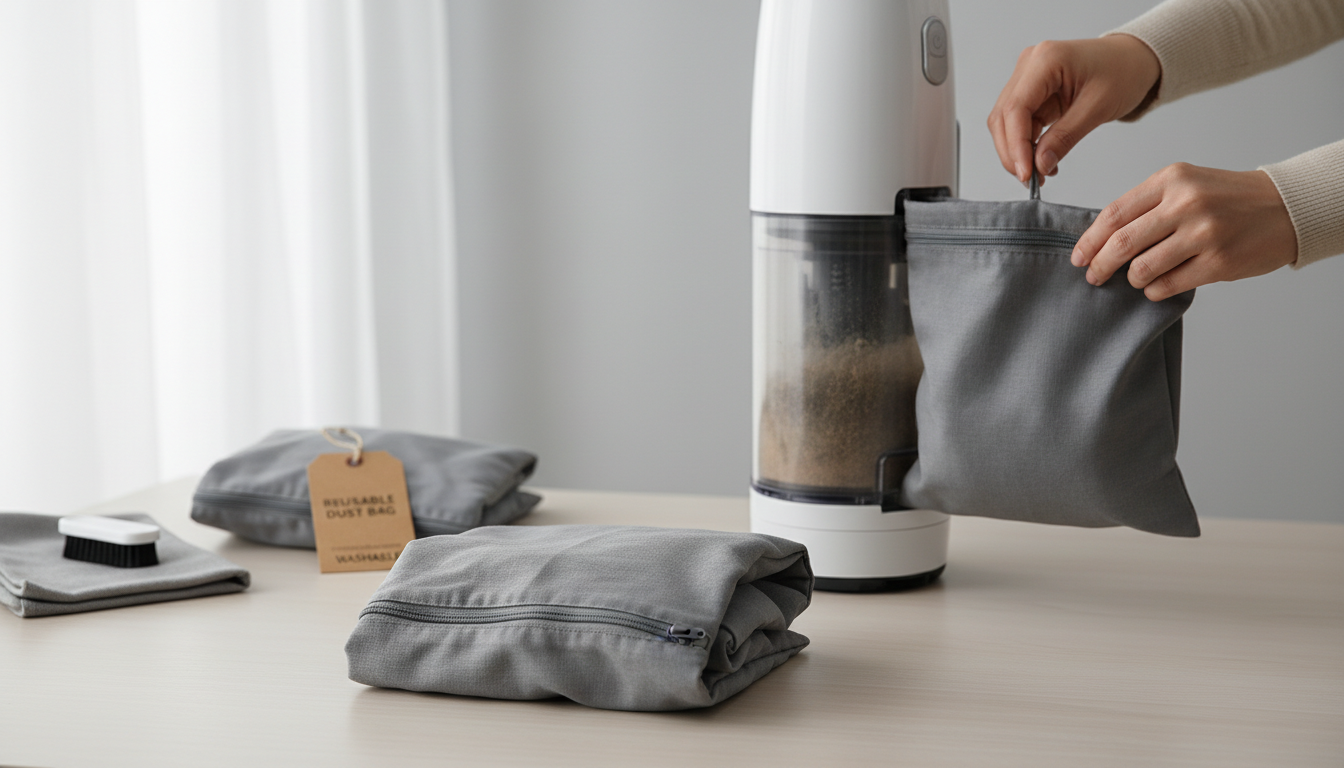
Reusable vacuum cleaner bags offer a distinct alternative to disposable options, primarily appealing to buyers focused on long-term value and environmental impact. Their core intent is to reduce recurring costs associated with replacement bags and minimize household waste. This feature introduces a shift in the buying decision, moving beyond initial purchase price to consider the ongoing operational expenses and ecological footprint of a vacuum cleaner.
The ideal buyer for a system utilizing reusable bags is someone who prioritizes sustainability and is prepared for routine maintenance. Unlike disposable bags, which are simply discarded, reusable versions require regular emptying and cleaning. This commitment to upkeep is a critical aspect of their functionality. Without consistent maintenance, these bags can experience reduced suction efficiency and potential hygiene issues, representing a trade-off for their environmental and economic benefits.
For buyers evaluating their shortlist, the presence of a robust reusable bag system can be a deciding factor. It transforms the purchasing process into an assessment of not just performance, but also long-term cost savings, environmental responsibility, and personal willingness to engage in maintenance. This feature matters most to those who view their vacuum cleaner as an investment where sustainability and operational costs are as important as cleaning power.
Reusable-Vacuum Evidence criteria before choosing
When evaluating reusable vacuum cleaner bags, the decision hinges on specific performance and maintenance characteristics rather than general benefits. Buyers should assess these measurable criteria to ensure the bag integrates effectively with their vacuum and cleaning routine, avoiding common pitfalls associated with this feature.
Consider the following points as a checklist before making a selection:
- Material Durability and Construction:
- Feature Criteria: The bag's fabric or material should be robust enough to withstand repeated filling, emptying, and washing cycles without tearing or degrading. Look for reinforced seams and a tight weave.
- Proof Points: Manufacturers might specify material composition (e.g., multi-layer synthetic fabric) or provide estimates for wash cycles. User reviews often highlight long-term durability or premature wear.
- Deal Breakers: Thin, flimsy material that shows signs of stress or fraying after minimal use or a single wash.
- Sealing Mechanism and Fit:
- Feature Criteria: The bag must form an airtight seal where it connects to the vacuum's intake port to prevent dust leakage and maintain suction. The emptying mechanism (e.g., zipper, clamp) should also be secure and easy to operate.
- Proof Points: Explicit compatibility with your specific vacuum model is essential. A well-designed bag will have a secure collar or gasket that locks into place.
- Deal Breakers: Any bag that leaves gaps at the vacuum connection point or has an unreliable closure for emptying, leading to dust escape.
- Filtration Efficacy:
- Feature Criteria: While reusable bags offer environmental benefits, their primary function is to trap dust and allergens. Evaluate if the material's pore size effectively retains fine particles without excessively impeding airflow.
- Proof Points: Some manufacturers may indicate filtration levels or material density. Compare these to the performance of disposable bags typically used with your vacuum.
- Deal Breakers: Material that visibly allows fine dust to pass through or consistently results in dust escaping back into the air during vacuuming.
- Ease of Maintenance:
- Feature Criteria: The design should facilitate straightforward emptying and cleaning. Consider if it's machine washable or requires hand washing, and how easily trapped debris can be removed.
- Proof Points: Clear, simple instructions for emptying and cleaning indicate thoughtful design. A wide opening for emptying can reduce mess.
- Deal Breakers: A bag that is excessively difficult or messy to empty, or one that retains odors or residual dust even after cleaning, negating its hygienic advantage.
- Airflow and Suction Retention:
- Feature Criteria: The bag's design and material should allow for consistent airflow, which is critical for maintaining vacuum suction power as the bag fills. It should also recover full airflow efficiently after cleaning.
- Proof Points: Look for mentions of breathable yet filtering materials. User feedback regarding sustained suction or rapid clogging can be informative.
- Deal Breakers: A bag that quickly clogs or significantly reduces suction even when partially full, requiring frequent emptying and cleaning to maintain performance. This can also place undue strain on the vacuum motor over time.
Reusable-Vacuum Trade-Offs
While reusable vacuum cleaner bags offer environmental and long-term cost benefits, they introduce a distinct set of trade-offs that buyers must consider. These are not merely generic pros and cons but feature-specific downsides impacting convenience, hygiene, and the vacuum's overall performance and lifespan. Understanding these factors is crucial for an informed decision.
Maintenance Burden The primary trade-off for reusable bags is the increased maintenance requirement. Unlike disposable bags that are simply discarded, reusable versions demand regular emptying and cleaning. This process can be less hygienic, as it involves direct exposure to collected dust and debris. If not emptied and washed frequently, these bags can become clogged, leading to reduced suction power and potential odor issues. The washing and drying process also adds time and effort to the cleaning routine, a factor often overlooked when considering the initial purchase.
- Required Actions: Regular emptying, washing, and thorough air-drying are essential to prevent mold, mildew, and bacterial growth.
- Hygiene Impact: Direct contact with accumulated dirt and allergens during emptying can be a concern for allergy sufferers or those sensitive to dust.
Durability and Lifespan Expectations The "reusable" aspect hinges entirely on the bag's durability. While designed for repeated use, not all reusable bags are created equal. Poorly constructed bags may degrade quickly, negating their intended benefits. The material needs to be robust enough to withstand the abrasive nature of collected debris, repeated washing cycles, and the stress of being filled and emptied. A bag that tears or loses its structural integrity prematurely becomes a liability, potentially allowing dust to escape into the vacuum's motor or the air.
- Material Quality: Look for bags crafted from premium, extra-thick, or multi-layered synthetic fabrics with reinforced seams to ensure longevity.
- Wear Points: The zipper or closure mechanism, as well as the bag's connection point to the vacuum, are common areas for wear and tear.
Potential Hidden Costs and Performance Impact Although reusable bags eliminate the recurring cost of disposable replacements, they can introduce other less obvious expenses and performance compromises. Reusable bags are often more expensive upfront than a pack of disposable bags. More significantly, a reusable bag that is not perfectly clean or has slightly reduced airflow due to its material can put extra strain on the vacuum's motor. Over time, this increased workload can potentially shorten the motor's lifespan, leading to costly repairs or earlier vacuum replacement. Furthermore, if the bag's filtration efficiency diminishes with use or washing, it can impact indoor air quality.
- Initial Investment: Reusable bags typically have a higher initial purchase price compared to a single pack of disposable bags.
- Motor Strain: Reduced airflow from a partially clogged or less porous reusable bag can overwork the vacuum motor, potentially impacting its longevity.
- Filtration Integrity: Repeated washing can, in some cases, compromise the microscopic filtration capabilities of the bag material over time.
Reusable-Vacuum Use Case comparison path
Deciding on a vacuum cleaner system often involves weighing the long-term implications of its dust collection method. Reusable vacuum cleaner bags present a distinct operational model compared to disposable bags or bagless systems, each suited to different user priorities and cleaning environments. Understanding these differences helps determine if a reusable bag system aligns with your needs.
Alternatives and Their Trade-offs
- Disposable Vacuum Bags: These are the traditional choice, offering maximum convenience and often superior dust containment. Once full, the bag is sealed and discarded, minimizing exposure to allergens and fine dust.
- Best Fit: Users prioritizing hygiene, ease of disposal, and minimal direct contact with collected debris. Ideal for homes with severe allergies or where fine particulate matter (like construction dust) is frequently vacuumed.
- What to Skip: If environmental impact from landfill waste is a primary concern, or if recurring costs for replacement bags are undesirable.
- Bagless Vacuum Systems: These vacuums collect debris in a clear canister, typically using cyclonic technology. They eliminate the need for bag purchases entirely.
- Best Fit: Users seeking zero recurring bag costs and immediate visibility of collected debris. Convenient for quick emptying into a trash can.
- What to Skip: If dust exposure during emptying is a concern, as fine dust can aerosolize. Also, these systems often require regular filter cleaning or replacement, which can be messy and add to maintenance.
When Reusable Bags Are the Best Fit
Reusable vacuum cleaner bags offer a middle ground, appealing to a specific buyer profile. They are most advantageous for:
- Eco-Conscious Consumers: Reducing landfill waste from discarded bags is a primary driver. These bags align with a sustainable lifestyle by minimizing consumable purchases.
- Long-Term Cost Savers: While the initial cost of a reusable bag may be higher, it eliminates the continuous expense of buying disposable replacements over the vacuum's lifespan. This provides economic benefit for those willing to invest upfront.
- Routine Maintenance Adherents: Users who are prepared for the commitment of regularly emptying and washing the bag. This ensures optimal suction and hygiene, preventing clogging and potential odors.
- General Household Debris: Effective for typical household dust, pet hair, and larger debris. The washable nature allows for thorough cleaning after collecting common messes.
When to Consider Other Options
Reusable bags may not be the optimal choice in every scenario. Consider skipping them if:
- Allergy or Asthma Sufferers: While washable, the act of emptying and cleaning a reusable bag can expose users to accumulated dust and allergens, which might be problematic for sensitive individuals. Disposable bags often offer a more sealed disposal method.
- High Volume of Fine Dust: Regular vacuuming of very fine particles (e.g., plaster dust, large quantities of pet dander) can quickly clog the fabric of a reusable bag, requiring more frequent and thorough washing to maintain airflow. This can become impractical.
- Desire for Maximum Convenience: The need to empty, wash, and thoroughly dry the bag before reuse adds a step to the cleaning process that disposable bags or bagless systems avoid.
- Unwillingness to Maintain: If the commitment to regular cleaning and drying is not a priority, reusable bags can become unhygienic, reduce vacuum performance, and potentially strain the motor over time.
Reusable Vacuum Cleaner Bags FAQ
Buyers considering reusable vacuum cleaner bags often have specific questions regarding their practical application, long-term value, and potential challenges. Addressing these concerns helps clarify if this feature aligns with individual cleaning habits and priorities.
What unique value do reusable vacuum cleaner bags offer?
Reusable vacuum bags primarily deliver value through long-term cost savings and reduced environmental impact. Unlike disposable bags, which require frequent repurchase and contribute to landfill waste, reusable options are designed for repeated use. This translates to fewer ongoing expenses for consumables and a smaller ecological footprint over the vacuum's lifespan. They appeal to those who prioritize sustainability and are willing to engage in routine maintenance for these benefits.
What common mistakes or downsides should buyers be aware of?
While offering advantages, reusable bags come with specific trade-offs and potential pitfalls:
- Initial Cost: The upfront cost of a reusable bag system can be higher than a pack of disposable bags.
- Maintenance Requirement: They demand regular emptying and cleaning. Failure to do so can lead to reduced suction efficiency as dust and debris accumulate in the bag's fabric, impeding airflow.
- Hygiene Concerns: If not properly emptied and washed, reusable bags can become unhygienic, potentially harboring odors or allergens.
- Motor Strain: An overfilled or clogged reusable bag can put additional strain on the vacuum cleaner's motor, which might shorten its operational lifespan over time.
- Filtration Performance: The filtration capabilities can diminish if the bag's material degrades or is not cleaned thoroughly, allowing finer particles to escape.
When might alternatives to reusable bags be a better choice?
Reusable bags are not universally ideal, and alternatives like disposable bags might be preferable in certain scenarios:
- Convenience Priority: For users who prioritize maximum convenience and wish to avoid the task of emptying and cleaning a bag, disposable options offer a simple discard-and-replace solution.
- Allergy Management: While reusable bags can be effective, some users with severe allergies might prefer the sealed disposal of a disposable bag, which minimizes contact with collected dust and allergens.
- Infrequent Use: For vacuums used very infrequently, the maintenance cycle of a reusable bag might feel disproportionate to its use, making disposable bags a simpler choice.
- Specific Debris: When vacuuming particularly hazardous or fine particulate matter, the secure, sealed disposal of a disposable bag can be a safer and cleaner option.
Reusable-Vacuum-Pick recommendation
The decision to choose a vacuum cleaner with reusable bags hinges on balancing long-term cost savings and environmental benefits against a commitment to consistent maintenance. If your primary motivations include reducing landfill waste and eliminating the recurring expense of disposable bags, and you are prepared to regularly empty and clean the bag, this feature aligns well with your priorities.
This choice, however, demands diligence. Failure to clean reusable bags regularly can lead to reduced suction, potential hygiene issues, and increased strain on the vacuum motor. Therefore, reusable bags are best suited for buyers who value sustainability and economy, and critically, are willing to integrate the necessary cleaning routine into their household chores.
For those prioritizing convenience, minimal interaction with dust, and less concern for ongoing bag costs or environmental impact, disposable bags may offer a more suitable, lower-maintenance experience. To make your final decision, reflect on your personal cleaning habits and priorities. If reusable bags fit your lifestyle, proceed to evaluate specific vacuum models based on the durability, filtration, and ease of cleaning of their integrated systems. This self-assessment will guide your next steps.
More in Vacuum Cleaner Bags
View All