Vacuum Cleaner Brush Attachments: Choosing the Right Tool for Every Surface
Unlock Your Vacuum's Full Potential: A Guide to Brush Attachments
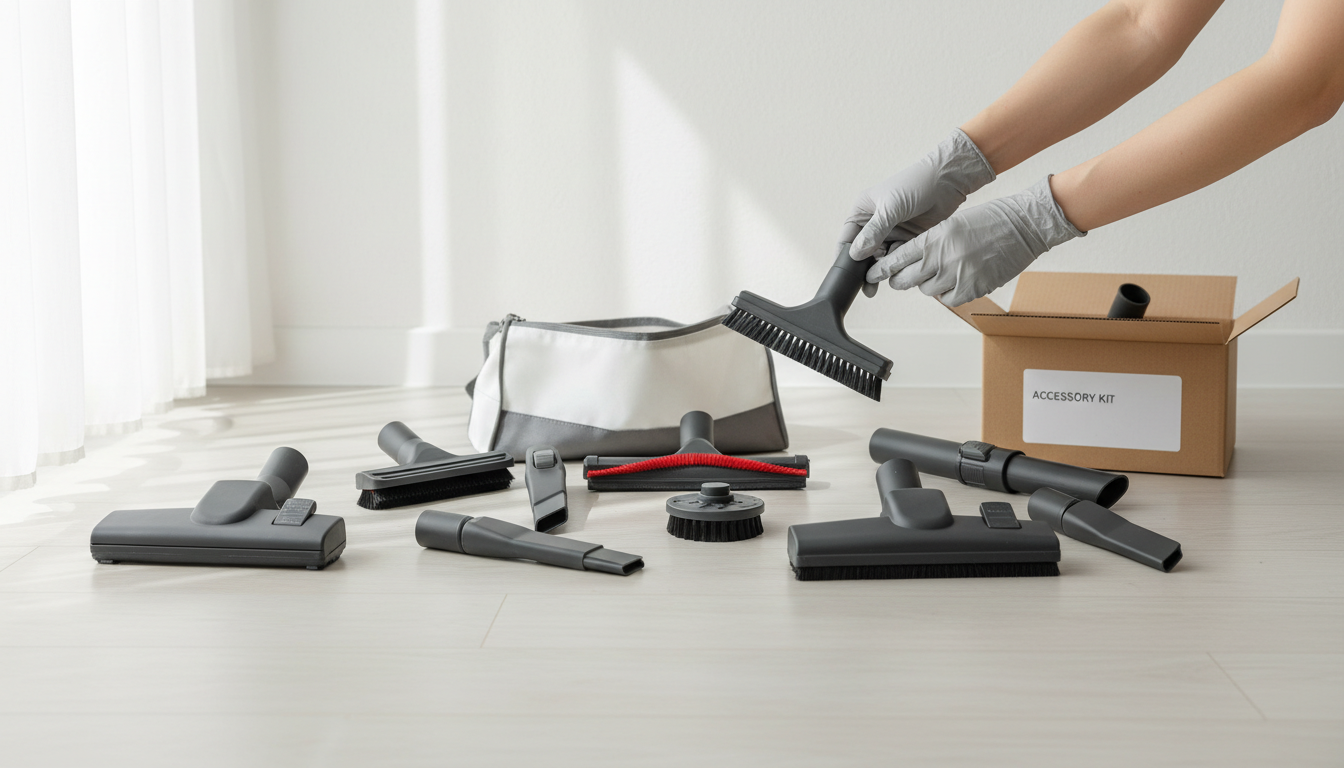
A vacuum cleaner's core function is suction, but its true versatility and cleaning power are often unlocked by its specialized brush attachments. These tools transform a standard vacuum into a multi-functional cleaning system, capable of addressing a wide array of cleaning tasks beyond basic floor care. Rather than a mere accessory, the right attachment is crucial for effective and efficient cleaning across various surfaces and challenging areas.
Selecting the appropriate brush attachment can dramatically improve cleaning results, saving time and effort while protecting delicate materials. From thoroughly removing pet hair embedded in upholstery to meticulously cleaning tight crevices and dusting intricate surfaces, each specialized tool is designed for a specific purpose. This guide will help you understand the functionality, compatibility, and practical application of different vacuum cleaner brush attachments, empowering you to confidently choose the best tools for your specific cleaning needs and maximize your vacuum's performance.
Decoding Brush Attachment Types: Tools for Every Task
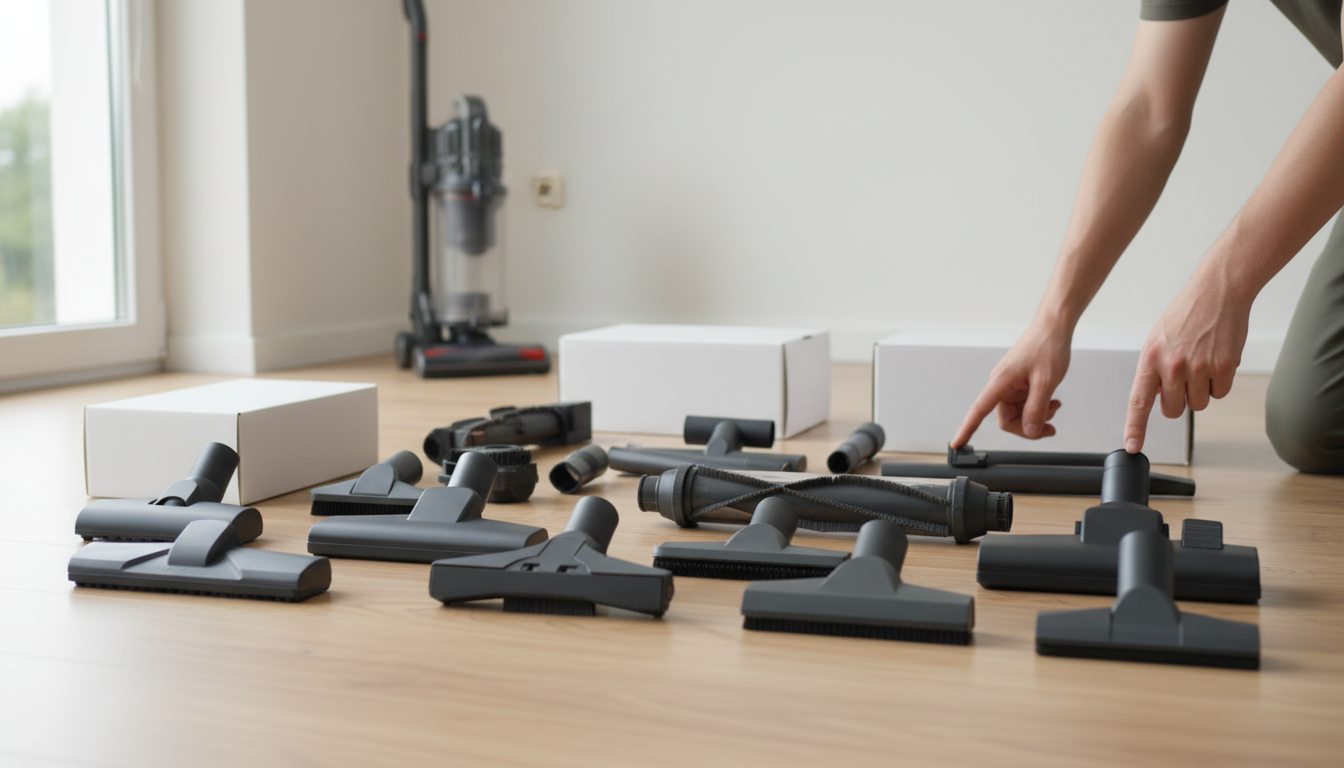
Selecting the correct vacuum cleaner brush attachment is crucial for effective cleaning, protecting surfaces, and maximizing your vacuum's efficiency. Each attachment is engineered with specific tasks and materials in mind, offering specialized functionality that a standard floor head cannot. Understanding these distinctions allows for targeted cleaning and prevents potential damage to delicate items or inefficient dirt removal.
-
Dusting Brushes These attachments feature soft, often natural, bristles designed for gentle dust removal. Their primary function is to clean delicate surfaces without scratching or marring.
- Ideal Use: Electronics, lampshades, blinds, intricate carvings, bookshelves, and dashboard interiors. The soft bristles capture dust effectively while protecting fragile items.
- Practical Tip: Ensure the brush is clean before use, as embedded debris can negate the soft bristles' protective quality.
-
Upholstery Tools Crafted for fabric surfaces, upholstery tools typically feature a wide, flat design, sometimes incorporating lint-lifting strips or velvet pads. They are designed to clean without pulling or damaging fabric fibers.
- Ideal Use: Sofas, chairs, mattresses, curtains, and vehicle interiors. The design helps maintain suction while gliding over various textiles.
- Practical Tip: For heavily soiled upholstery, consider testing on an inconspicuous area first, and use a gentle, sweeping motion.
-
Pet Hair Tools Specifically engineered to tackle embedded pet hair, these attachments come in two main forms: mini motorized brushes and air-driven turbo brushes. Both feature a spinning brush roll to agitate and lift hair from fibers.
- Ideal Use: Upholstery, pet beds, carpeted stairs, and car mats where pet hair tends to accumulate and embed deeply. Motorized versions generally offer more consistent power.
- Practical Tip: Regularly clean the brush roll of pet hair tools to prevent tangles and maintain optimal performance, as hair buildup can reduce effectiveness.
-
Floor Brushes These attachments are specialized for different floor types, optimizing cleaning while protecting surfaces.
- Hard Floor Brushes: Characterized by soft bristles, often natural, designed to sweep fine dust and debris without scratching delicate surfaces like hardwood, tile, or laminate. They typically lack a rotating beater bar.
- Carpet Brushes (Power Nozzles): Equipped with stiffer bristles and a rotating beater bar (either motorized or air-driven) to agitate carpet fibers, lifting embedded dirt and pet hair.
- Practical Tip: Using a hard floor brush on carpets will be ineffective for deep cleaning, and conversely, a carpet power nozzle can damage hard floors. Match the brush to the surface.
-
Specialty Brushes Beyond the common types, several specialized attachments address unique cleaning challenges:
- Crevice Tools: Long, slender nozzles perfect for reaching tight corners, narrow gaps, and along edges, such as between couch cushions or under appliances.
- Radiator Tools: Exceptionally long and thin, these are designed to fit into the narrow fins of radiators or other deep, confined spaces to remove dust and debris.
- Practical Tip: While a crevice tool can tackle many tight spots, a dedicated radiator tool offers superior reach and maneuverability for its specific purpose.
Selecting the Perfect Fit: Compatibility and Key Buying Criteria
Choosing the correct vacuum cleaner brush attachment is critical for effective cleaning and can significantly impact your vacuum's performance. The right attachment ensures optimal suction, prevents damage to surfaces, and makes specific tasks more efficient. To confidently narrow down your options, focus on compatibility, material science, and design intent.
Essential Criteria for Attachment Selection
When evaluating potential brush attachments, several factors materially change your shortlist, moving beyond mere aesthetics to practical functionality.
- Vacuum Compatibility: The most fundamental criterion is ensuring the attachment physically connects to your vacuum. This primarily involves matching the hose diameter. Many vacuums use a standard diameter, allowing for a wide range of universal attachments, often secured by a friction fit. However, some brands utilize proprietary locking mechanisms or unique diameters, which may necessitate brand-specific attachments or adapters. Incorrect compatibility can lead to poor suction due to air leaks or an inability to attach the tool at all.
- Bristle Material and Stiffness: The type of bristle dictates an attachment's suitability for different surfaces.
- Soft Bristles: Often made from natural fibers (like horsehair) or very soft synthetics, these are ideal for delicate surfaces such as polished hardwood floors, electronics, lampshades, and upholstery where scratching or marring is a concern. They excel at dusting without abrasion.
- Stiff Bristles: Typically synthetic (e.g., nylon), these provide aggressive agitation. They are best for dislodging stubborn dirt from carpets, scrubbing entrance mats, or cleaning durable outdoor surfaces. The trade-off is potential damage to sensitive materials.
- Construction Quality: An attachment's durability impacts its longevity and cleaning effectiveness. Look for robust materials that resist cracking or breaking, especially for components that experience frequent impact or friction. Ease of cleaning is also a factor; attachments that can be easily disassembled or wiped down help prevent debris buildup, which can reduce efficiency or spread dirt. A well-constructed attachment maintains its shape and bristle integrity over time, offering consistent performance.
- Purpose-Driven Design: The shape and features of a brush attachment are engineered for specific cleaning challenges.
- Crevice Tools: Their long, slender design allows access to tight spaces like between couch cushions, along baseboards, or inside car interiors.
- Dusting Brushes: Often round with a dense array of soft bristles, these are designed to gently sweep dust from irregular surfaces without scattering it.
- Upholstery Tools: Typically wider with a flat or slightly angled head, sometimes incorporating lint strips or short, stiff bristles, to effectively clean fabrics and remove pet hair without excessive suction.
- Pet Hair Tools: These often feature specialized designs, such as rubberized fins, rotating brushes (air-driven or motorized), or unique bristle patterns to effectively lift and capture pet fur from carpets and upholstery.
By prioritizing these criteria, you can confidently select attachments that not only fit your vacuum but also align with your specific cleaning tasks, ensuring enhanced efficiency and protection for your home's surfaces.
Avoiding Common Pitfalls: Maintenance, Trade-offs, and Troubleshooting
Maximizing the effectiveness and longevity of vacuum cleaner brush attachments involves understanding their limitations and committing to regular care. Neglecting these aspects can lead to reduced cleaning performance, damage, and frustration. Proactive maintenance and an awareness of inherent trade-offs are key to a smooth cleaning experience.
Common issues with brush attachments often stem from their primary function:
- Tangled Hair and Debris: Brush rolls, particularly those designed for carpets or pet hair, frequently accumulate hair, pet fur, threads, and other fibers. This buildup reduces the brush's ability to agitate surfaces, strains the vacuum motor, and can lead to a loss of suction. Regularly inspect and clear brush rolls using scissors or a seam ripper.
- Reduced Suction: While not always the attachment's fault, blockages within the attachment itself, such as a clogged nozzle or a brush roll choked with debris, can significantly impede airflow. For brush rolls driven by a belt, a worn, broken, or slipped belt can prevent the brush from spinning, leading to poor performance on carpets despite the motor running.
- Brush Wear and Damage: Over time, bristles can flatten, fray, or even detach, especially with heavy use or on abrasive surfaces. Signs of wear include a noticeably less effective brush, uneven bristle height, or a brush roll that no longer spins freely. When bristles are significantly worn or damaged, the attachment's cleaning efficacy is compromised, and replacement may be necessary.
Cleaning and Care Practices: To maintain hygiene and performance, consistent cleaning of attachments is crucial.
- Regular De-tangling: Use scissors or a seam ripper to cut and remove tangled hair and fibers from brush rolls.
- Washing Detachable Parts: Some attachments, particularly non-motorized ones, can be washed with mild soap and water. Always check manufacturer guidelines before washing and ensure parts are completely dry before reattaching them to the vacuum.
- Clearing Obstructions: Use a small brush, a crevice tool, or even the vacuum hose itself to clear dust and debris from inside the attachment's housing and nozzles.
Understanding Trade-offs: Specialized brush attachments are designed for specific tasks, offering superior performance in those contexts. However, this specialization often comes with limitations in versatility. For instance, a mini motorized brush excels at removing pet hair from upholstery but is impractical for cleaning large floor areas. Similarly, a delicate dusting brush is ideal for sensitive surfaces but ineffective on deeply embedded dirt. Choosing the right tool for the job means accepting that no single attachment will be optimal for every cleaning scenario.
Your Cleaning Blueprint: Matching Attachments to Surfaces and Challenges
Selecting the correct vacuum cleaner brush attachment is fundamental to efficient cleaning and protecting your home's surfaces. Each attachment is engineered for specific tasks, and understanding their functionality ensures you clean effectively without causing damage or wasting effort. This guide provides a framework to match the right tool to your cleaning challenge, optimizing your vacuum's performance.
-
For Hard Floors & Delicate Surfaces Cleaning hard floors like hardwood, tile, or laminate requires a gentle approach to prevent scratches and effectively capture fine dust.
- Criteria: Prioritize attachments with soft, natural bristles or those featuring felt strips. These materials are designed to glide across surfaces, sweeping dust and light debris without abrasive contact.
- Optimal Fit: A dedicated bare floor tool or a soft dusting brush is ideal. These often have a wide head for efficient coverage, ensuring delicate finishes remain intact.
- Considerations: While excellent for fine particles, these tools may be less effective for larger debris. Using a power nozzle with stiff bristles on hard floors risks scattering dirt or scratching the surface.
-
For Carpets & Rugs The approach to cleaning carpets and rugs varies depending on pile height and the type of dirt.
- Criteria: For deep-seated grime and embedded particles, agitation is key. For surface dirt or delicate rugs, a gentler action is preferred.
- Optimal Fit: A motorized power nozzle with an aggressive brush roll is best for deep cleaning high-pile carpets and removing embedded dirt. For lower-pile carpets or area rugs, an air-powered turbo brush can provide sufficient agitation.
- Considerations: Ensure the brush height is adjustable or appropriate for your carpet type to avoid damaging fibers or reducing suction. Overly aggressive brushes can wear down delicate rug fibers over time.
-
For Upholstery & Furniture Cleaning fabric surfaces requires tools that are gentle yet effective at lifting dust, crumbs, and pet hair without snagging or damaging the material.
- Criteria: Look for attachments with a contoured design, often featuring felt strips or short, soft bristles to protect fabrics.
- Optimal Fit: The upholstery tool, typically a flat, angled attachment, excels at general cleaning. For pet hair on durable upholstery, a mini turbo brush (small motorized brush head) provides effective agitation. A soft dusting brush is suitable for delicate fabrics or intricate furniture details.
- Considerations: Always test an attachment on an inconspicuous area first. Aggressive brushing can snag threads or abrade delicate materials.
-
For Pet Owners Pet hair presents a unique challenge, often requiring specialized tools that combine agitation with effective hair collection across various surfaces.
- Criteria: Attachments should offer strong agitation to dislodge hair, be easy to clean from tangled fur, and minimize hair wrapping.
- Optimal Fit: A mini motorized brush is particularly effective for removing pet hair from upholstery, pet beds, and stairs. Some specialized pet tools feature rubberized strips or unique bristle patterns designed to grab and hold hair more efficiently.
- Considerations: Pet hair can quickly tangle around brush rolls, necessitating frequent cleaning of the attachment itself to maintain performance. Ineffective tools can leave behind significant amounts of hair.
-
For Tight Spaces & Car Interiors Reaching into narrow gaps, corners, and vehicle interiors demands tools that offer precision and extended reach.
- Criteria: Seek attachments with a slim profile, extended length, and sometimes flexible designs to navigate confined areas.
- Optimal Fit: The crevice tool is indispensable for accessing narrow gaps, along baseboards, between couch cushions, and into car vents. Extension wands can provide additional reach for high or low areas, while small dusting brushes are suitable for dashboards and consoles.
- Considerations: While effective for precision, these tools have a limited suction area and can become clogged if attempting to pick up larger debris. Using oversized attachments in tight spaces can cause damage or be ineffective.
-
For Allergy Sufferers Minimizing dust and allergen dispersion is crucial for individuals with allergies, requiring tools that capture rather than scatter particles.
- Criteria: Focus on attachments that offer gentle dust removal, effective allergen capture, and minimal disturbance of settled dust.
- Optimal Fit: Soft dusting brushes are excellent for surfaces, as they gently lift dust without propelling it into the air. For mattresses and upholstery, specific anti-allergen brushes (sometimes called mattress tools) are designed to agitate and remove dust mites and other allergens with reduced dispersion.
- Considerations: Regular cleaning of these attachments is vital to prevent allergen buildup on the tools themselves. Using standard, aggressive brushes can stir up more dust and allergens, counteracting the goal of allergen reduction.
Frequently Asked Questions About Vacuum Brush Attachments
Understanding the nuances of vacuum cleaner brush attachments can significantly improve your cleaning routine. Here are answers to common questions to help you make informed choices.
Why are specialized brush attachments better than a standard vacuum head for certain tasks?
A standard vacuum head is designed for general floor cleaning, but its size and design limit its effectiveness in specific scenarios. Specialized attachments offer targeted functionality that a standard head cannot:
- Access: Crevice tools are long and thin, allowing them to reach into tight corners, along baseboards, or between couch cushions where a larger head cannot fit.
- Surface Protection: Dusting brushes have soft bristles that gently remove dust from delicate surfaces like blinds, lampshades, or electronics without scratching.
- Targeted Debris Removal: Upholstery tools are shaped to efficiently lift pet hair, lint, and dust from fabric surfaces without snagging, while motorized mini brushes can agitate and extract embedded pet hair from upholstery and pet beds more effectively than passive suction alone.
- Efficiency: Using the correct tool for the job often means less effort and a more thorough clean, preventing the need for repetitive passes or manual cleaning.
Can I use any brush attachment with my vacuum cleaner?
No, compatibility is a critical factor. Vacuum cleaner attachments are not universally interchangeable due to variations in design and connection mechanisms. Key considerations include:
- Hose Diameter: The most common compatibility issue is the diameter of the vacuum hose or wand opening, which must match the attachment's neck.
- Connection Type: Some vacuums use proprietary locking systems, friction-fit designs, or even electrical connections for motorized attachments. An attachment designed for one brand or model may not physically connect or function correctly with another.
- Airflow and Suction: Even if an attachment fits, an improper seal can lead to a loss of suction, reducing cleaning effectiveness. To ensure compatibility, always consult your vacuum cleaner's user manual or the manufacturer's specifications for recommended or compatible accessory sets.
How do I know which brush attachment to use for different surfaces?
Matching the attachment to the surface and cleaning task is key to maximizing efficiency:
- Delicate Surfaces (e.g., blinds, electronics, lampshades): Use a dusting brush with soft bristles to gently dislodge and vacuum dust without scratching.
- Upholstery (e.g., sofas, chairs, mattresses): An upholstery tool is ideal, often featuring a wider, flat head with a felt strip or short bristles to lift debris and pet hair without damaging fabric. For stubborn pet hair, a mini motorized brush can be more effective.
- Tight Gaps and Edges (e.g., between cushions, window tracks, car interiors): The long, slender design of a crevice tool allows it to reach into narrow spaces.
- Pet Hair (on carpets or upholstery): A motorized brush or turbo brush (which uses air to spin bristles) is designed to agitate carpet fibers and lift embedded pet hair.
- Stairs: A stair tool or a smaller upholstery tool can be effective for cleaning carpeted stairs.
How often should I clean my vacuum brush attachments?
The frequency of cleaning depends on how often you use a particular attachment and the type of debris it encounters. Regular inspection and cleaning prevent performance issues and extend the life of your attachments.
- High-Use Attachments (e.g., pet hair tools, main floor heads): Inspect and clean after each heavy-duty use, especially if you notice tangled hair or reduced effectiveness.
- General Dusting/Upholstery Tools: A monthly or quarterly cleaning is usually sufficient for lighter use, or whenever visible dust and debris accumulate.
- Signs to Clean: If you observe reduced suction, visible hair or lint buildup, or a decrease in cleaning performance, it's time to clean the attachment. To clean, remove any tangled hair or fibers (scissors can be helpful), and wipe down the attachment with a damp cloth. For washable components, ensure they are completely dry before reattaching them to your vacuum.
What's the difference between a dusting brush and an upholstery tool?
While both are designed for specific non-floor surfaces, their designs and primary functions differ:
- Dusting Brush:
- Design: Typically round with a dense ring of long, soft bristles.
- Purpose: To gently dislodge and capture loose dust and fine debris from delicate, uneven, or contoured surfaces without causing scratches.
- Best for: Blinds, bookshelves, lamp shades, computer keyboards, intricate moldings, and baseboards.
- Upholstery Tool:
- Design: Often a wider, flatter head, sometimes angled, with a lint strip or very short, stiff bristles.
- Purpose: To provide concentrated suction over fabric surfaces, effectively lifting embedded dirt, pet hair, and lint without pulling or damaging the material.
- Best for: Sofas, chairs, mattresses, car seats, and curtains. The primary distinction lies in the type of bristles (soft and long for dusting vs. short or a lint strip for upholstery) and the head shape, which are optimized for their respective surface types and cleaning actions.
Mastering Your Clean: The Right Brush for Every Job
The effectiveness of your vacuum cleaner extends far beyond its motor and suction power; it's profoundly shaped by the brush attachments you choose. Understanding and strategically deploying the correct tool for each cleaning scenario is not merely a convenience but a critical factor in achieving a truly thorough and efficient clean throughout your home.
To maximize your cleaning potential, consider these final insights:
- Assess Your Needs: Before every cleaning task, evaluate the surface type, the nature of the debris, and the accessibility of the area. This initial assessment guides your attachment selection, ensuring you're not trying to force a general-purpose tool into a specialized role.
- Verify Compatibility: Always confirm that any attachment, especially those purchased separately, is compatible with your specific vacuum cleaner model. Compatibility ensures proper fit, optimal airflow, and prevents potential damage to either the attachment or your machine.
- Embrace Specialization: Recognize that each attachment serves a unique purpose. From the gentle bristles of a dusting brush protecting delicate surfaces to the aggressive agitation of a motorized pet hair tool, using the right one prevents damage, lifts embedded dirt more effectively, and saves considerable time and effort.
By thoughtfully selecting and utilizing the appropriate brush attachments, you transform your vacuum into a versatile cleaning system. This strategic approach not only enhances cleaning efficiency and results but also contributes to the longevity of your vacuum cleaner by minimizing strain and optimizing its performance across diverse cleaning challenges.
More in Vacuum Cleaner Attachments
View All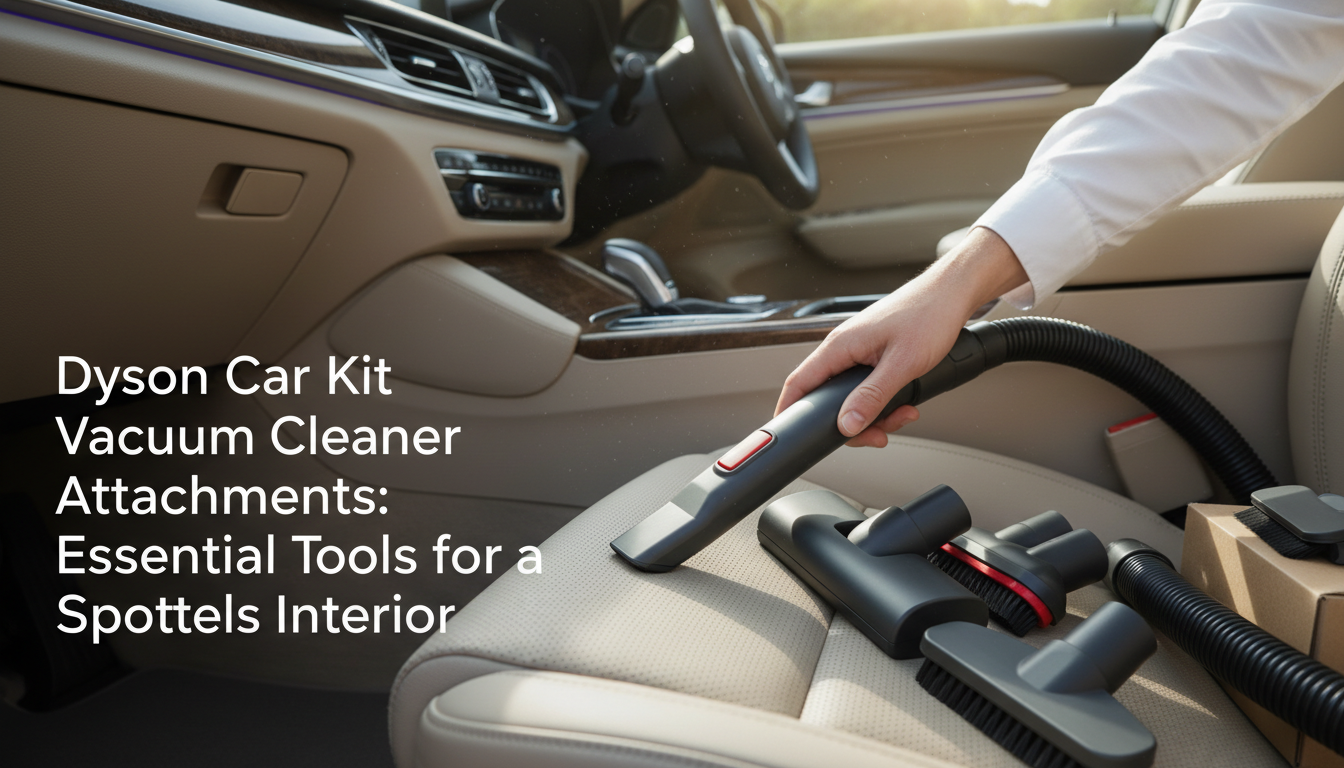
Dyson Car Kit Vacuum Cleaner Attachments: Essential Tools for a Spotless Interior
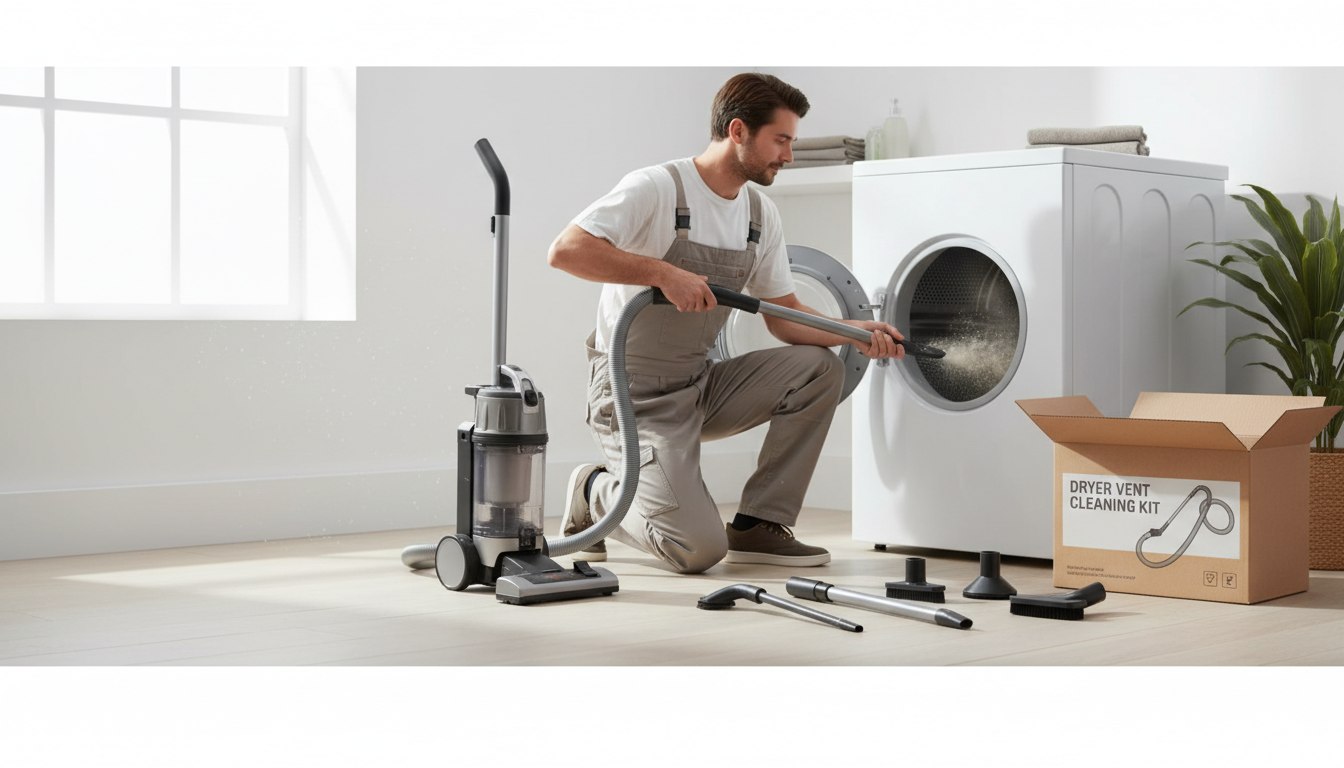
Vacuum Cleaner Attachments for Dryer Vents: Essential Tools for Home Safety