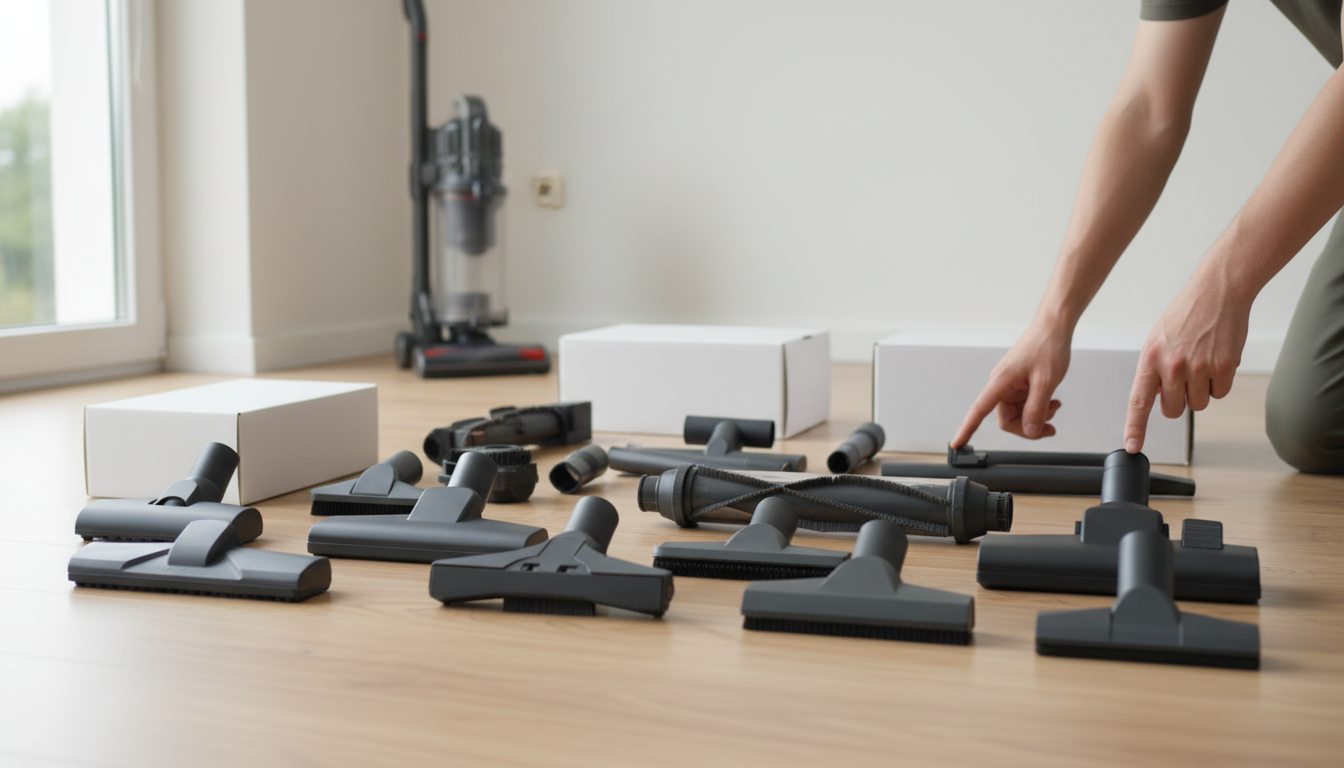
Milwaukee Vacuum Cleaner Attachments: Powering Up Your Workshop Cleanup
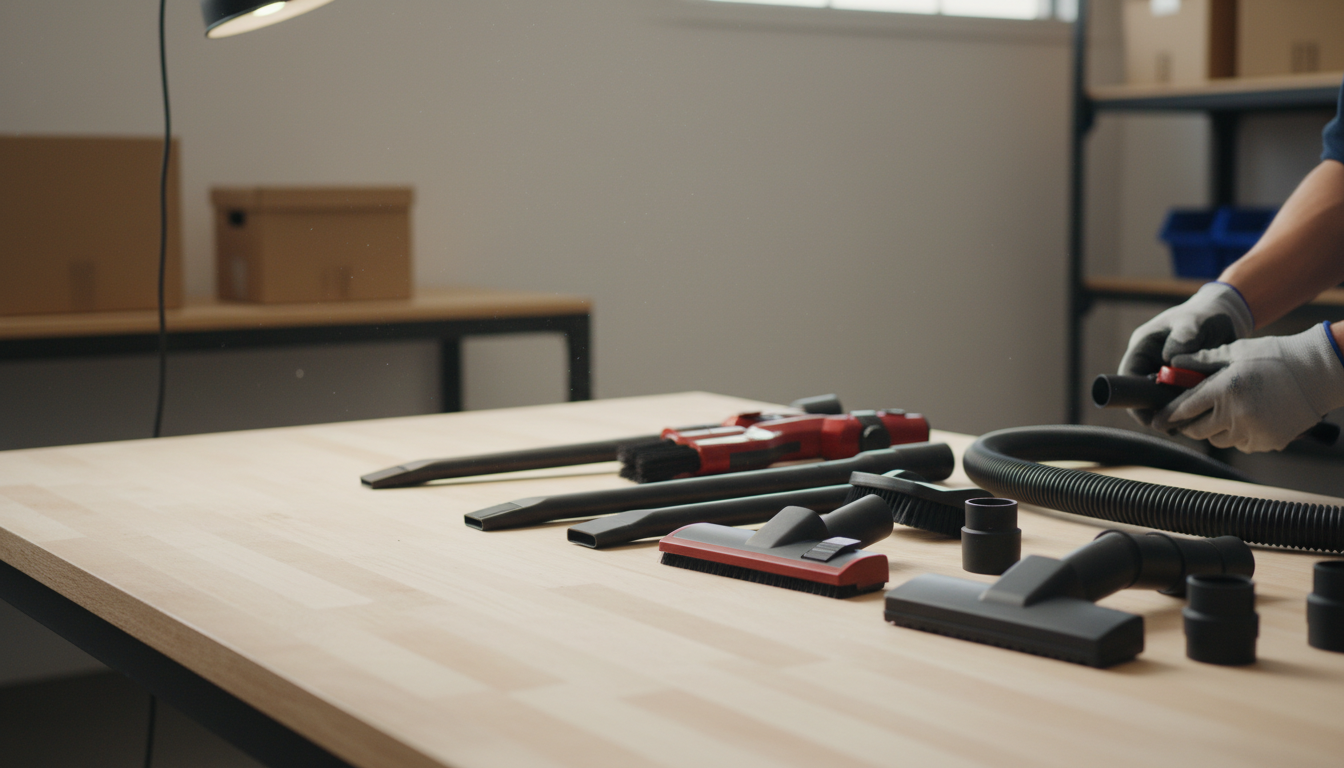
Unlock Your Milwaukee Vacuum's Full Potential with the Right Attachments
Your Milwaukee vacuum is a foundational tool for maintaining a clean and efficient workspace, but its true versatility often lies in the specialized attachments designed to complement its power. For Milwaukee tool owners, integrating the right vacuum accessories into your system can transform routine cleanup tasks, making them faster and more effective across various demanding environments.
These purpose-built attachments extend your vacuum's reach and capability, turning a general-purpose tool into a specialized solution for specific cleaning challenges. By leveraging Milwaukee's ecosystem, you can maintain compatibility and optimize performance on the job site, in the workshop, or during automotive detailing.
Specialized attachments can simplify a range of common cleanup tasks, including:
- Fine Dust Collection: Capturing airborne particles from sanding or cutting operations.
- Heavy Debris Removal: Efficiently clearing wood chips, metal shavings, or construction waste.
- Detail Cleaning: Reaching tight corners, crevices, and delicate surfaces in vehicles or intricate machinery.
- Material-Specific Cleanup: Managing substances like drywall compound or concrete dust with dedicated solutions.
Understanding which attachments best suit your particular needs is key to maximizing your Milwaukee vacuum's utility and ensuring a consistently clean and productive environment.
Navigating Milwaukee's Vacuum Ecosystem: Compatibility and Core Models
Milwaukee offers a diverse lineup of cordless vacuum cleaners designed to integrate into its broader tool platforms, creating a system where power and accessories are often interchangeable. Understanding the specific model and its inherent design is crucial for selecting compatible attachments that maximize efficiency and address workshop cleanup challenges effectively.
Milwaukee's vacuum offerings generally fall into a few key categories, each with distinct characteristics impacting attachment compatibility:
- M18 and M12 Systems: These cordless vacuums, ranging from compact handheld models to larger wet/dry units, are powered by Milwaukee's respective battery platforms. While sharing battery compatibility, their hose sizes and connection types can vary significantly depending on the vacuum's intended use and capacity.
- Packout Wet/Dry Vacuums: Designed to integrate seamlessly with the Milwaukee Packout modular storage system, these vacuums often feature robust construction and larger capacities. For instance, the M18 Packout Wet/Dry Vacuum typically utilizes a 1.5-inch diameter hose.
- Compact Handheld and Specialty Vacuums: These smaller units are often optimized for quick cleanups or specific tasks, and their attachment interfaces may differ from the larger wet/dry models.
The primary determinant for attachment compatibility across these models is the hose diameter and connection type. Common hose diameters include 1-1/4 inch and 1.5 inch. While some vacuums may include adapters to bridge different sizes, identifying your vacuum's native hose diameter is the foundational step in attachment selection.
To further expand attachment options and streamline connections, Milwaukee developed the Air-Tip system. This standardized, modular attachment system provides a consistent interface for a growing range of specialized accessories. Air-Tip attachments are designed to connect directly to compatible Milwaukee vacuum hoses, often providing unique functionalities like the Bucket-Topper for dust control or various specialized nozzles, enhancing the versatility of your existing vacuum without needing multiple, disparate adapters.
This 'system' approach is a cornerstone of Milwaukee's tool philosophy. It means that selecting vacuum attachments isn't just about the individual tool, but how that attachment fits into your broader Milwaukee ecosystem. Considering your existing tools and how new attachments can leverage or integrate with them helps ensure a cohesive and efficient cleanup strategy on the job site or in the workshop.
Essential Milwaukee Vacuum Attachment Types for Every Workshop Task
Maximizing the utility of a Milwaukee vacuum in a workshop, job site, or automotive setting often hinges on deploying the right attachments for specific cleaning challenges. Milwaukee's ecosystem offers a range of accessories designed to enhance efficiency, from general debris removal to specialized dust control, ensuring that owners can tackle diverse tasks with precision and power. Understanding the distinct purpose of each attachment type helps in making informed selections that align with common cleanup scenarios.
-
General-Purpose Nozzles for Everyday Cleanup Standard utility nozzles and crevice tools are foundational to any vacuum setup. Utility nozzles, often wider, are effective for quickly clearing larger debris and general floor or benchtop messes. Crevice tools, characterized by their narrow, angled design, excel at reaching into tight corners, along edges, and between machinery where larger tools cannot fit. These are typically included with Milwaukee vacuum models, such as the M18 Packout Wet/Dry Vacuum, and serve as versatile starting points for most workshop tasks, from picking up sawdust to small metal shavings.
-
Specialized Dust Collection and Extraction Tools For tasks involving fine particulate matter, Milwaukee offers specialized attachments, particularly within its Air-Tip series. The Air-Tip Bucket-Topper Dust Control Attachment (e.g., 49-90-2041) is engineered to fit standard 5-gallon buckets, providing a solution for capturing dust plumes generated during processes like mixing drywall joint compound or concrete. Beyond this, various dust extractor adapters are available, designed to connect directly to Milwaukee power tools. This integration allows for source-capture dust collection, significantly reducing airborne dust during cutting, sanding, or drilling operations, which is crucial for maintaining air quality and minimizing cleanup time.
-
Floor and Surface Cleaning Attachments Effective floor and surface cleaning requires tools tailored to the debris and surface type. Dedicated floor nozzles are designed for broader coverage on workshop floors, whether concrete, wood, or matting. For more intricate or delicate surfaces, various brush attachments come into play. Softer brushes can be used on finished surfaces or to gently dislodge dust without scratching, while stiffer brushes might be more suitable for agitating stubborn dirt on rougher textures. The design of these attachments, including their width, can impact their efficiency; a compact floor attachment, for instance, might be ideal for navigating around equipment but less efficient for large, open areas with sizable debris like wood shavings.
-
Detailing and Automotive Specific Attachments For precision cleaning, especially in automotive interiors or intricate workshop areas, specialized detailing attachments are invaluable. Milwaukee offers accessories like an Automotive Detail Brush, designed for cleaning upholstery, dashboards, and other sensitive surfaces without causing damage. Flexible crevice tools are particularly useful here, allowing access to extremely confined spaces such as under seats, between console gaps, or within complex machinery components, where rigid tools would be ineffective. These attachments provide the dexterity needed for thorough, meticulous cleaning beyond general workshop debris.
Choosing the Right Milwaukee Attachments: A Practical Checklist
Selecting the optimal attachments for your Milwaukee vacuum can significantly enhance your cleaning efficiency, transforming how you tackle workshop debris, fine dust, or even automotive detailing. Rather than a one-size-fits-all approach, consider a systematic evaluation based on your specific needs and existing tools. This checklist provides criteria to guide your decision, ensuring compatibility, performance, and long-term utility.
- Your Milwaukee Vacuum Model: Confirming compatibility is the foundational step. Milwaukee offers various vacuum systems, including M18 cordless, Packout modular storage vacuums, and compact models. Attachments are often designed with specific system interfaces or hose sizes in mind. Always verify that an attachment is explicitly listed as compatible with your particular vacuum model (e.g., M18 FUEL 0970-20, M18 PACKOUT 0970-20, or a compact handheld unit) to avoid fitment issues.
- Hose Diameter: The internal diameter of your vacuum's hose dictates the size of attachments it can accept. Common Milwaukee vacuum hoses might be 1-1/4 inches or 1.5 inches. An attachment designed for a 1.5-inch hose will not fit a 1-1/4-inch hose without a specific adapter, and vice-versa. Mismatched diameters can lead to poor suction and frustration.
- Primary Cleaning Tasks: Identify the dominant types of debris and surfaces you'll be cleaning.
- General Cleanup: Utility nozzles or wide floor tools are efficient for larger debris and open areas.
- Fine Dust Collection: Specialized attachments, such as those designed for dust extraction from power tools or bucket-topper dust collectors, are crucial for capturing fine particulate matter.
- Wet Pickup: Specific squeegee tools or nozzles are designed to handle liquids effectively without damaging the vacuum or spreading moisture.
- Detailing: Crevice tools excel in tight spaces, while small brush attachments can agitate stubborn dirt on delicate surfaces.
- Material Durability: Workshop and job site environments demand robust tools. Look for attachments constructed from heavy-duty, impact-resistant plastics or reinforced rubberized materials that can withstand accidental drops, abrasive debris, and chemical exposure without cracking or degrading. Flimsier plastics may not endure the rigors of professional use.
- Ergonomics and Reach: Consider how the attachment's design impacts user comfort and accessibility. Long, slender crevice tools are essential for deep access into tight crevices. Angled nozzles can improve reach under obstacles. The weight and balance of an attachment, especially during extended use, contribute to overall user experience and reduce fatigue.
- System Integration: Evaluate how well the attachment fits into your broader Milwaukee tool setup. Some attachments are part of the Air-Tip system, designed for quick connection and interchangeability across compatible Milwaukee vacuums. Others might offer Packout compatibility, allowing for organized storage and transport within your existing Packout system. This integration can streamline workflow and reduce setup time.
By systematically addressing these points, you can make an informed decision that aligns your Milwaukee vacuum's capabilities with your specific cleaning demands, avoiding common compatibility pitfalls and maximizing your investment.
Navigating Potential Pitfalls and Compatibility Caveats with Milwaukee Attachments
While Milwaukee vacuum attachments are designed to enhance workshop cleanup, users should be aware of certain limitations and potential challenges to set realistic expectations and ensure a satisfying experience. Understanding these factors beforehand can help in making informed decisions about expanding your Milwaukee vacuum's capabilities.
One common hurdle involves compatibility challenges. Not all Milwaukee attachments are universally compatible across every vacuum model the brand offers. For instance, specific hose diameters on certain M18 vacuums (like the 1.5-inch hose on the M18 Packout) may limit the direct fit of accessories designed for other models or sizes. Users have reported instances where attachments, such as brush tools, required workarounds like taping to achieve a functional fit, indicating that a plug-and-play experience isn't always guaranteed across the entire Milwaukee vacuum lineup.
Another consideration is the perceived limited options within Milwaukee's native attachment range. While the brand has introduced specialized accessories like the Air-Tip series for dust control, some users find the overall selection for general cleaning tasks to be less extensive compared to the broader market of universal vacuum attachments. This can necessitate seeking third-party adapters or alternative solutions for highly specific cleaning needs not addressed by Milwaukee's core offerings.
It's also crucial to manage performance expectations. While Milwaukee vacuums are known for their power, the effectiveness of certain attachments, especially with compact or handheld models, has its limits. For example, smaller floor attachments (e.g., 5-inch) paired with narrower wands (e.g., 1 1/4-inch) may struggle to pick up larger debris like significant wood shavings, despite the vacuum's overall suction. The design of the attachment itself can influence how effectively the vacuum's power is translated to the cleaning surface.
The wear and tear of plastic attachments in harsh workshop environments is another practical concern. Constant exposure to abrasive materials, impacts, and heavy use can lead to accelerated degradation of plastic components. While designed for durability, these attachments are not impervious to damage under extreme conditions, potentially requiring replacement over time.
Finally, some users have reported issues concerning motor burnout or power problems when their Milwaukee vacuums are used with certain accessories. While not widespread, instances of vacuum motors failing or experiencing switch malfunctions have been noted. This suggests that ensuring proper airflow and avoiding blockages, especially when using specialized or restrictive attachments, is important for maintaining the longevity and performance of the vacuum motor.
Making the Smart Choice: Maximizing Your Milwaukee Vacuum's Versatility
Optimizing your Milwaukee vacuum's performance hinges on a strategic approach to attachments. The most effective cleaning outcomes stem from aligning each attachment's design with your specific workshop challenges and the capabilities of your Milwaukee vacuum model. This deliberate selection ensures you're not just cleaning, but cleaning efficiently and effectively.
When building out your cleaning arsenal, consider both Milwaukee's proprietary offerings and the potential for compatible third-party solutions. While Milwaukee-branded attachments are designed for seamless integration and often leverage features like the Air-Tip system, universal or specialized third-party attachments can expand functionality, particularly if adapters are available for hose diameter compatibility. Always verify fit and function to prevent damage or reduced performance.
Investing in the right attachments is an investment in long-term efficiency and value. A well-chosen set minimizes wasted effort, protects your tools and workspace from dust and debris, and extends the lifespan of both your vacuum and the surfaces you clean. This foresight transforms your vacuum from a basic dust collector into a versatile, high-performance cleaning system.
Ultimately, the goal is to cultivate a comprehensive cleaning kit tailored to your needs. By carefully evaluating tasks, understanding attachment capabilities, and considering both brand-specific and adapter-enabled options, you empower your Milwaukee vacuum to tackle any workshop mess with precision and power.
Frequently Asked Questions About Milwaukee Vacuum Attachments
Understanding the nuances of Milwaukee vacuum attachments can help optimize workshop cleanup. Here are common inquiries to guide your selection and usage.
Milwaukee vacuum attachments are typically designed for specific hose diameters and connection types found across their M18, M12, and corded vacuum lines. While many attachments, especially those within the Air-Tip™ system, offer broad compatibility across Milwaukee's professional vacuums, it's crucial to verify the attachment's product description against your specific vacuum model's hose diameter. Some models, like the M18 PACKOUT™ Wet/Dry Vacuum, come with standard utility and crevice tools, but specialized attachments may require checking the fit.
Using non-Milwaukee or universal attachments with your Milwaukee vacuum can be possible, but it often involves trade-offs. While universal adapters exist that can bridge different hose sizes, they may not create an airtight seal, potentially reducing suction efficiency. Additionally, the durability and material quality of third-party attachments might not match Milwaukee's standards, impacting long-term performance and fit. For critical tasks like dust collection, maintaining an optimal seal is paramount.
For fine dust collection in a workshop, attachments designed to capture debris at the source are often most effective. Specialized dust shrouds for power tools, for instance, connect directly to the vacuum to minimize airborne particles. For general fine dust on surfaces, a brush attachment with soft bristles can agitate dust for better suction, while a crevice tool can reach tight spaces where fine dust accumulates. Attachments like the Air-Tip™ Bucket-Topper Dust Control Attachment are designed to manage dust plumes from mixing materials, highlighting the importance of task-specific tools for fine particle control.
Common issues with Milwaukee vacuum attachments often revolve around compatibility and performance expectations. Users may encounter reduced suction if an attachment doesn't create a perfect seal with the vacuum hose, or if the attachment's design is not optimized for the specific type of debris being collected. Another consideration is the potential for clogging with larger debris if an attachment's opening is too narrow. Ensuring the attachment is robust enough for the intended task and properly fitted can mitigate these challenges, helping to prevent strain on the vacuum motor and maintain effective cleaning.
Power Up Your Cleanup: The Right Attachments Make All the Difference
Your Milwaukee vacuum is a foundational tool in any workshop, but its full potential for efficient and thorough cleanup is truly realized through the strategic selection of attachments. These specialized accessories elevate a basic vacuum into a versatile cleaning machine, capable of precisely addressing everything from fine sawdust to bulky debris and reaching into tight, obstructed areas.
To maximize your cleaning efficiency, apply the criteria discussed throughout this guide when evaluating potential attachments. Considering factors like compatibility with your specific Milwaukee model, the material and design of the attachment, and its intended application will ensure you make informed choices. This deliberate approach allows you to confidently equip your vacuum for any challenge.
Ultimately, pairing your Milwaukee vacuum with the most suitable attachments translates directly into a more effective and time-saving cleaning routine. A well-equipped vacuum contributes to a consistently cleaner, safer, and more productive workshop environment.
More in Vacuum Cleaner Attachments
View All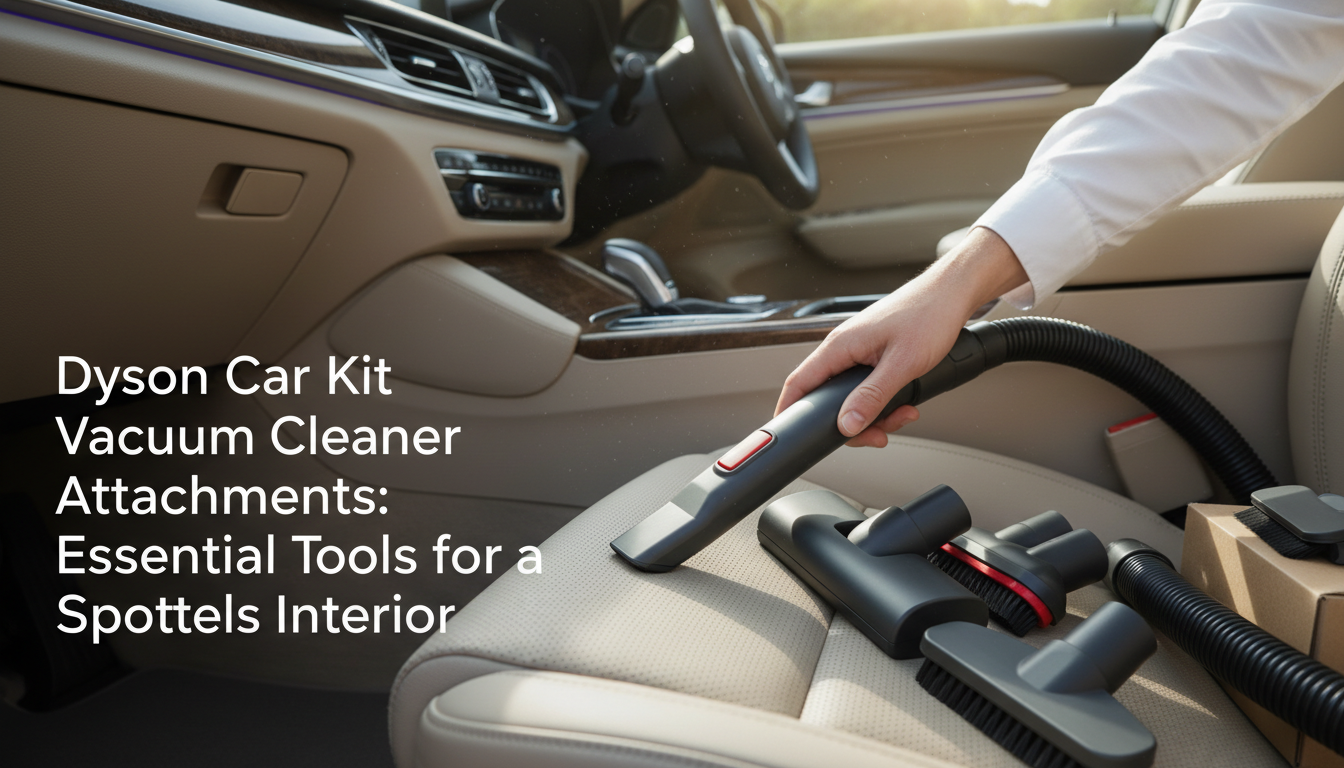
Dyson Car Kit Vacuum Cleaner Attachments: Essential Tools for a Spotless Interior
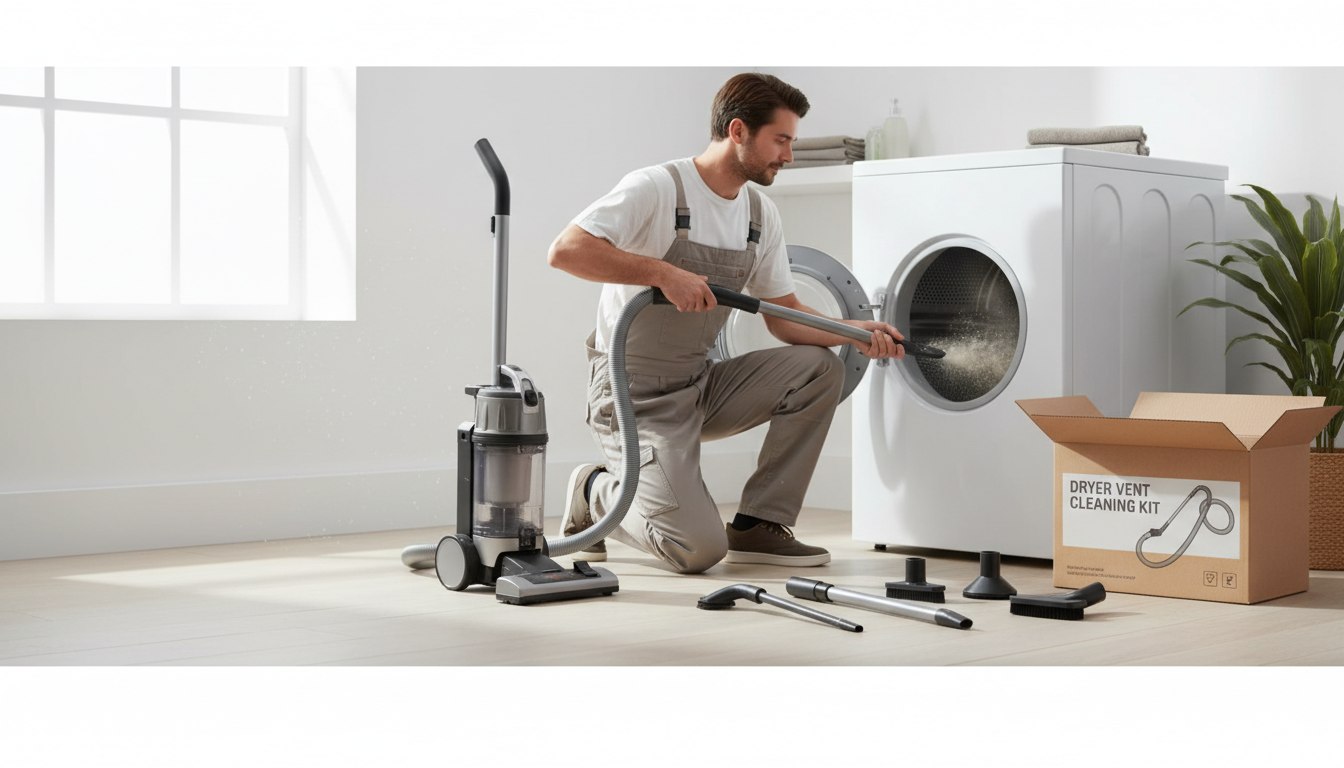
Vacuum Cleaner Attachments for Dryer Vents: Essential Tools for Home Safety