Understanding 'Type Y' Vacuum Cleaner Bags: Compatibility and Where to Find Them
Decoding 'Type Y' Vacuum Cleaner Bags: Your Guide to Compatibility
Navigating the world of vacuum cleaner bags can often feel complex, with various letters and numbers designating specific types. Among these, the 'Type Y' designation is a common identifier for a range of vacuum models, signifying a particular fit and filtration standard. Understanding what 'Type Y' means for your vacuum is crucial, as using the correct bag directly impacts your appliance's performance and the cleanliness of your indoor air.
Many vacuum owners encounter confusion when searching for replacement bags due to the sheer number of types available. An incorrect bag might seem to fit, but subtle differences in dimensions, seal design, or material can lead to significant problems. This article aims to demystify the 'Type Y' classification, providing clarity so you can confidently identify and select the appropriate replacement bags for your specific vacuum.
The importance of using the precise bag type extends beyond just a snug fit. A properly installed 'Type Y' bag ensures:
- Optimal Suction Power: The bag's design allows for efficient airflow through the vacuum system, maintaining consistent suction as it fills.
- Effective Filtration: Correct bags are engineered to trap dust, allergens, and debris within the vacuum, preventing them from recirculating into your home's air. An ill-fitting or incorrect bag can compromise this filtration, allowing dust to escape.
- Vacuum Longevity: Using the designated bag type protects your vacuum's motor from fine dust and debris that can bypass an improperly sealed bag, extending the life of your appliance.
By understanding the specific requirements of 'Type Y' bags, you can avoid common pitfalls and ensure your vacuum operates at its best, contributing to a healthier living environment.
What Does 'Type Y' Mean for Your Vacuum?
The 'Type Y' designation for vacuum cleaner bags serves as a critical compatibility standard established by manufacturers. It's not a universal measurement or a descriptor of a specific bag material, but rather a proprietary label indicating that a bag is specifically engineered to fit and function optimally with a defined range of vacuum cleaner models, typically from the same brand. This designation simplifies the replacement process, ensuring consumers can confidently select the correct bag for their appliance.
The purpose of a 'Type Y' label is to guarantee a precise fit within the vacuum's bag compartment and an airtight seal at the intake port. This ensures that all incoming debris is directed into the bag and that the vacuum's filtration system operates as intended. Each 'Type Y' bag is designed with specific dimensions, collar configurations, and airflow characteristics to match the internal mechanics of its compatible vacuum models.
Using a vacuum bag that does not carry the 'Type Y' designation when your vacuum requires it can lead to several performance and maintenance issues:
- Poor Fit and Seal: An incompatible bag may not sit correctly within the compartment or create a tight seal around the vacuum's intake. This can cause the bag to dislodge or allow air to bypass the filtration system.
- Reduced Suction Power: If the bag's collar doesn't seal properly, air can escape or be drawn from outside the bag, significantly reducing the vacuum's effective suction and cleaning efficiency. An ill-fitting bag might also obstruct internal airflow.
- Dust and Allergen Leakage: A compromised seal or an incorrectly sized bag allows fine dust, allergens, and debris to escape the bag. This re-releases pollutants into your indoor air and can lead to dust accumulation within the vacuum's motor compartment.
- Potential Vacuum Damage: Dust bypassing the bag can clog internal filters, contaminate the motor, and potentially shorten the lifespan of your vacuum cleaner. The vacuum's design relies on the bag to contain debris and protect its internal components.
Essential Features to Look for in 'Type Y' Bags
Beyond simply fitting your vacuum, the quality and design of 'Type Y' replacement bags significantly impact your cleaning performance and indoor air quality. Understanding these critical features helps ensure your vacuum operates efficiently and effectively.
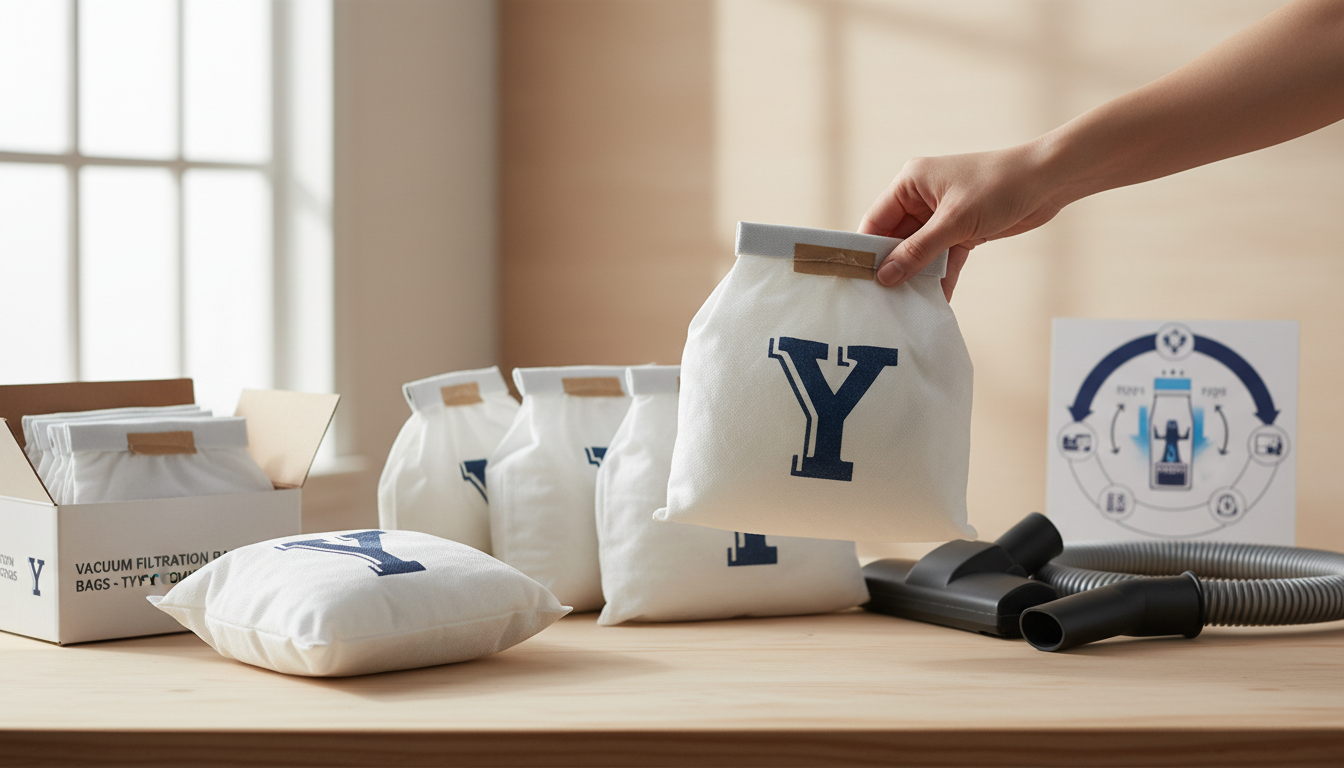
High-quality 'Type Y' bags are engineered with advanced filtration capabilities. Many feature multi-layer construction, often incorporating materials designed to trap microscopic particles. Some bags offer HEPA-equivalent filtration, which is particularly beneficial for allergy sufferers as it captures fine dust, pollen, pet dander, and other allergens, preventing them from re-entering your home's air during vacuuming. This multi-stage approach ensures that the air expelled from your vacuum is cleaner.
The durability of the bag's material is paramount. As the bag itself functions as a primary filter, any rips or tears compromise the entire filtration system, allowing dust and contaminants to escape back into your living space. Look for bags constructed from robust, multi-ply synthetic materials that resist punctures and tears, even when collecting sharp debris. This material integrity is crucial for maintaining both filtration efficiency and the longevity of the bag.
Effective 'Type Y' bags also prioritize capacity and design for efficient dirt collection. Their internal structure should allow dirt and debris to disperse evenly, maximizing the usable volume before the bag becomes truly full. A well-designed bag often includes a self-sealing collar or flap that closes upon removal, preventing dust and allergens from escaping during disposal and contributing to a cleaner emptying process.
Finally, airflow optimization is a key characteristic for maintaining consistent suction power. The bag's material and internal design must allow air to pass through easily while retaining debris. An overfilled or poorly designed vacuum bag restricts airflow, which can lead to a noticeable drop in suction and increased strain on your vacuum's motor. Selecting bags that promote optimal airflow helps ensure your vacuum maintains its cleaning effectiveness until the bag is genuinely full, preventing premature power loss.
Verifying 'Type Y' Bag Compatibility for Your Vacuum
Ensuring your vacuum uses the correct 'Type Y' bag is fundamental for maintaining its cleaning performance and the air quality in your home. An ill-fitting or incorrect bag can lead to dust leakage, reduced suction, and even potential damage to your vacuum's motor over time. This step-by-step guide will help you confidently determine the precise 'Type Y' bag required for your specific model.
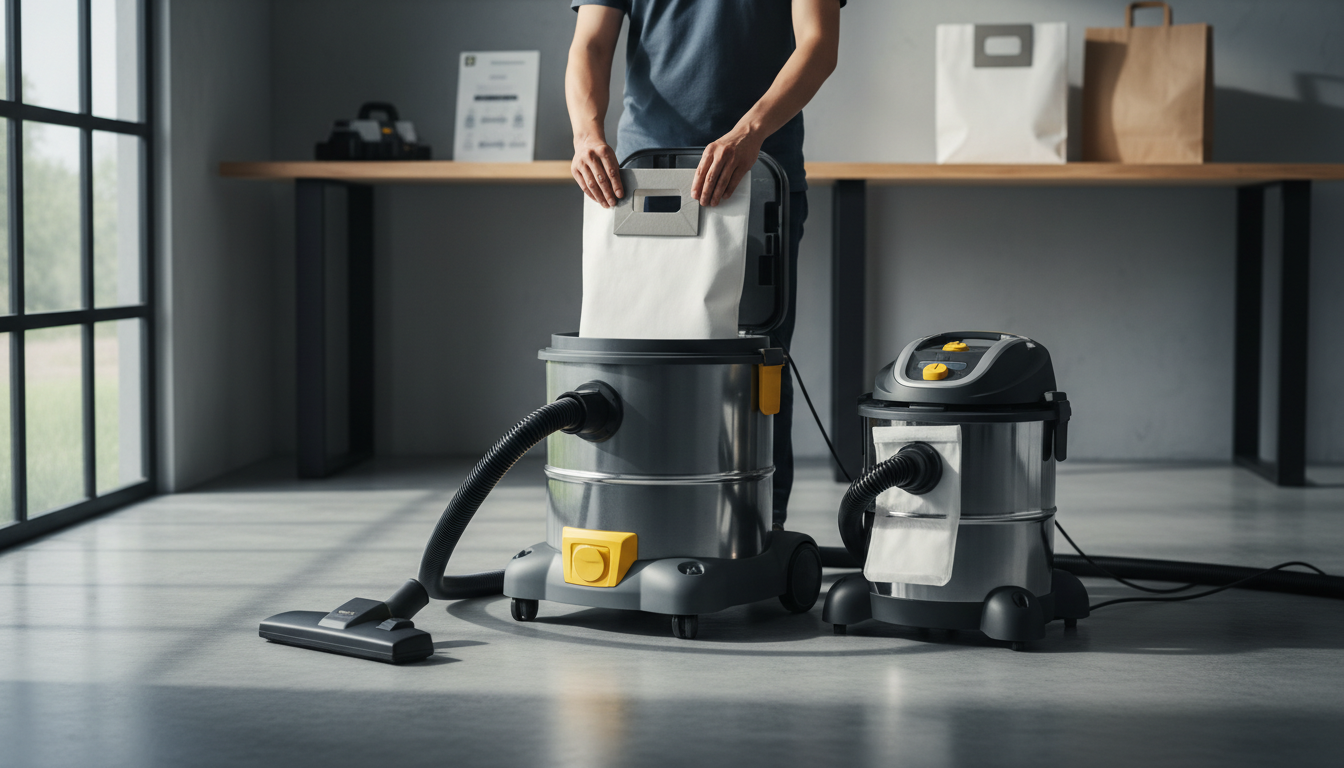
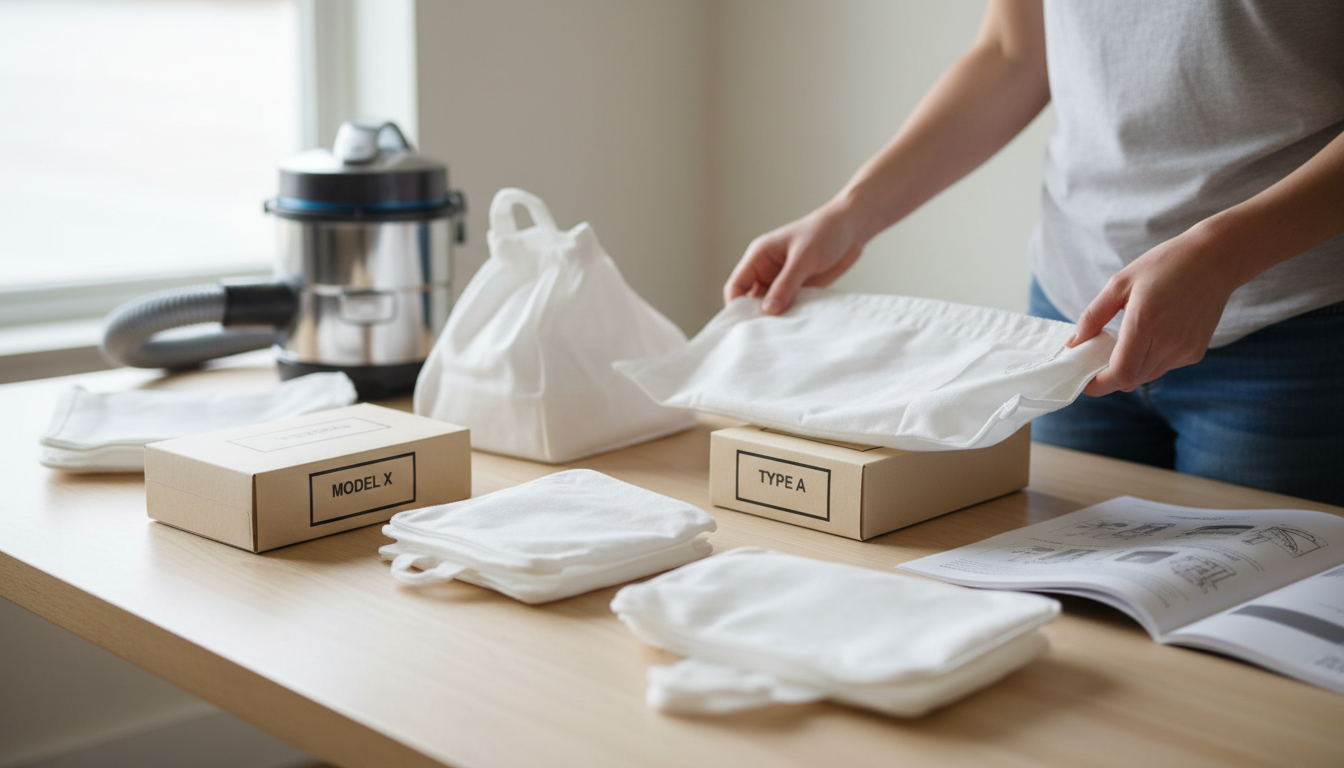
- Locate Your Vacuum's Model Information: The most reliable starting point is your vacuum cleaner itself. Look for a sticker or plate, often found on the back, bottom, or side of the appliance, which lists the manufacturer, model number, and sometimes the required bag type. If you have the owner's manual, this information will be clearly stated there. Note down the full model name and any associated numbers or series.
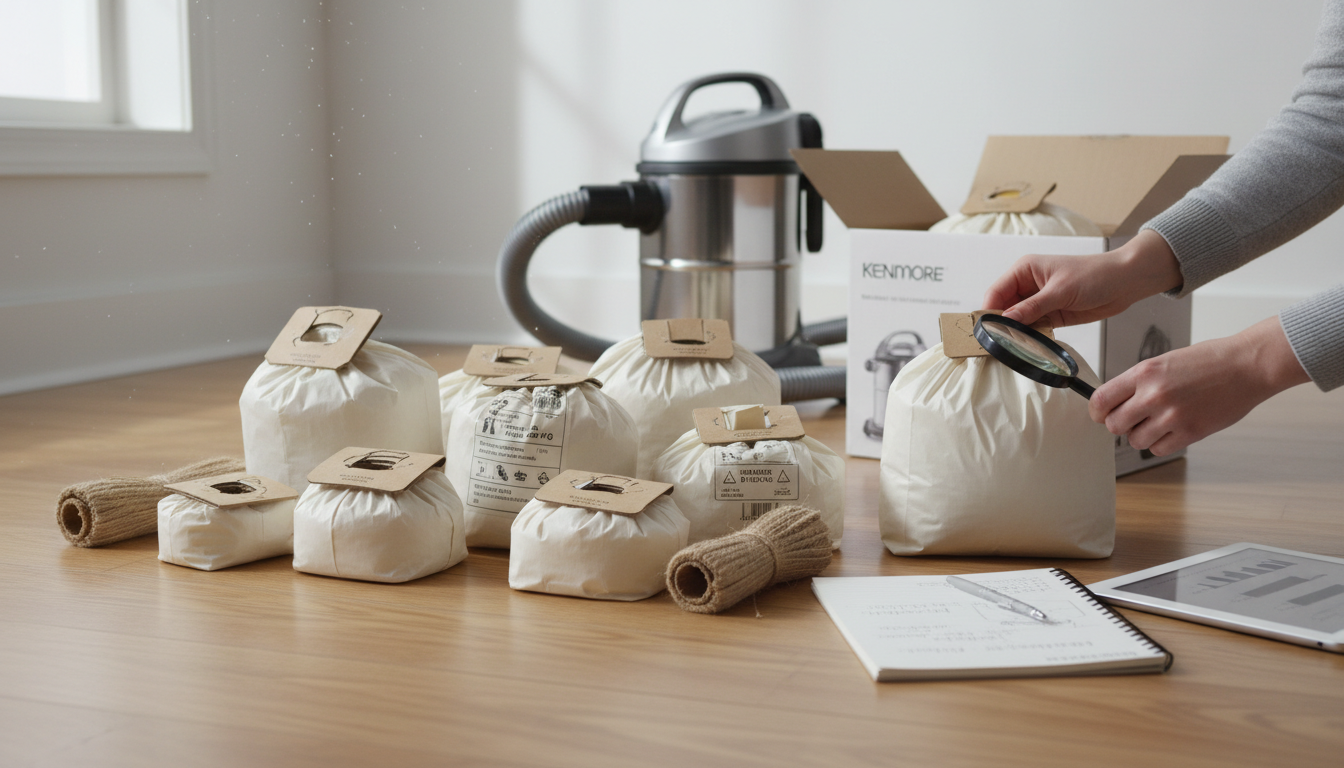
- Examine Your Current Bag for Markings: If you still have an existing bag in your vacuum, carefully remove it and inspect its packaging or the bag itself for identifying marks. Manufacturers frequently print the bag type (e.g., 'Type Y'), brand, and part number directly on the bag or its collar. This provides immediate confirmation of what you're currently using.
- Cross-Reference with Manufacturer Specifications: Once you have your vacuum's model number and any existing bag information, visit the vacuum manufacturer's official website. Navigate to their support or parts section and use their search tool to find your specific model. The product page or parts diagram will typically list the exact replacement bag type. Reputable online vacuum parts retailers also often maintain extensive compatibility databases that allow you to search by vacuum model to find compatible 'Type Y' bags.
- Understanding OEM vs. Generic 'Type Y' Bags: When selecting a replacement, you'll generally encounter two categories: Original Equipment Manufacturer (OEM) bags and generic (aftermarket) bags. OEM bags are produced by your vacuum's original manufacturer, ensuring a precise fit, specified filtration levels, and material quality. While often a higher investment, they offer guaranteed compatibility and performance. Generic 'Type Y' bags are manufactured by third parties and typically come at a lower cost. When considering generic options, it's crucial to verify their explicit compatibility claims for your specific vacuum model and to review user feedback regarding fit, seal, and filtration effectiveness. A poorly fitting generic bag, even if labeled 'Type Y', can compromise filtration and suction.
The ultimate goal is to select a 'Type Y' bag that creates a complete and secure seal within your vacuum's dust compartment. Any gap, no matter how small, can allow dust to escape back into your environment and potentially harm your vacuum's internal components. Prioritize a snug fit and reliable seal to ensure optimal performance and maintain your vacuum's efficiency.
Avoiding Common Mistakes with 'Type Y' Vacuum Bags
Selecting and using 'Type Y' vacuum cleaner bags correctly is essential for maintaining your vacuum's performance and indoor air quality. Overlooking specific details or making assumptions can lead to several common issues that undermine your cleaning efforts and potentially damage your appliance. Understanding these potential pitfalls can help you make more informed choices.
One of the most significant risks is poor bag fit. Even if a bag appears to be the correct 'Type Y,' subtle differences in dimensions or the sealing collar can prevent it from seating properly within your vacuum. When a bag doesn't form an airtight seal, dust and debris can bypass the bag entirely, leading to:
- Reduced Suction: Airflow is compromised, diminishing the vacuum's ability to pick up dirt effectively.
- Motor Strain: The motor has to work harder to compensate for the restricted airflow, potentially shortening its lifespan.
- Dust Leakage: Untrapped particles can escape back into your home's air, compromising filtration and potentially spreading allergens. Evidence suggests that rips or tears, often caused by poor fit, mean dust and contaminants return to the home.
Another common mistake involves misinterpreting bag designations or buying the wrong 'Type Y' variant. While 'Type Y' is a common identifier, manufacturers may have specific sub-types or slight variations that are not interchangeable across all models, even within the same brand. Relying solely on a generic 'Type Y' label without verifying compatibility with your vacuum's specific model number can result in a bag that doesn't fit or perform as intended. Always consult your vacuum's user manual or the manufacturer's compatibility chart.
Consider the trade-offs between price and quality when choosing between branded and generic 'Type Y' options. While cheaper, generic bags can offer initial cost savings, they may sometimes compromise on:
- Filtration Efficiency: Material quality might be lower, leading to less effective trapping of fine dust and allergens.
- Durability: Thinner materials or weaker seams can increase the risk of bags tearing or bursting, especially when heavily filled.
- Exact Fit: Generic bags may not always replicate the precise dimensions and sealing mechanisms of original equipment manufacturer (OEM) bags, increasing the risk of poor fit and leakage.
Finally, a frequently overlooked issue is overfilling vacuum bags. While it might seem economical to use a bag until it's completely bursting, this practice significantly impairs performance. As a bag fills, the available space for airflow decreases, leading to:
- Decreased Suction Power: The vacuum struggles to draw air through the dense accumulation of debris.
- Motor Overheating: Restricted airflow forces the motor to work harder, generating excess heat.
- Compromised Filtration: A packed bag can sometimes allow fine particles to be pushed through the bag material or past the seal.
To ensure optimal performance and maintain healthy indoor air, it is recommended to replace vacuum bags as soon as they are full, rather than waiting until they are completely packed. This proactive approach prevents the issues associated with overfilling and ensures consistent cleaning efficiency.
Maximizing Performance and Longevity with 'Type Y' Bags
The consistent performance of your vacuum cleaner and the quality of your indoor air are significantly influenced by the timely replacement and proper management of its 'Type Y' vacuum bag. These bags are integral to the vacuum's filtration system, and neglecting their maintenance can lead to diminished cleaning power and potential damage to your appliance.
Recognizing when a 'Type Y' bag requires changing is crucial for optimal vacuum function. Key indicators include:
- Reduced Suction: As a bag fills, airflow through the vacuum system becomes restricted. This directly translates to a noticeable drop in suction power, making cleaning less effective.
- Visible Fullness: Many 'Type Y' bags feature an indicator or a transparent window on the vacuum itself to signal when the bag is approaching capacity. If the bag appears visibly full, it's time for a change.
- Unpleasant Odors: A full bag, especially one that has collected pet dander, food particles, or damp debris, can begin to emit stale or foul odors as air passes through it, recirculating these smells into your home.
Beyond cleaning efficacy, a full 'Type Y' bag imposes a strain on your vacuum's motor. When airflow is impeded, the motor works harder to draw air through the system, potentially leading to overheating and premature wear. This increased effort also translates to higher energy consumption. As the primary filter, the bag's integrity is paramount; any rips or tears in an overfilled bag can allow dust and contaminants to bypass the filtration system and re-enter your living space.
To ensure peak performance and extend the life of your vacuum, adhere to these best practices for 'Type Y' bag replacement:
- Timely Replacement: Replace the bag as soon as it's full, or when you observe any of the aforementioned signs. Do not wait until the bag is overflowing.
- Power Down: Always turn off and unplug your vacuum cleaner before attempting to remove or install a bag.
- Careful Removal: Gently detach the full bag from its housing, being mindful to seal any opening (if applicable) to prevent dust from escaping back into the air.
- Proper Disposal: Dispose of the sealed bag immediately in an outdoor waste receptacle to contain allergens and dust.
- Inspect and Clean: Briefly inspect the bag compartment for any stray debris and wipe it clean before installing a new bag.
'Type Y' bags play a critical role within the vacuum's overall filtration system. While many modern vacuums incorporate additional filters—such as pre-motor and post-motor (often HEPA) filters—the 'Type Y' bag serves as the first and most substantial line of defense. It captures the vast majority of dirt, dust, and debris. When the bag is properly maintained, it protects these secondary filters from becoming prematurely clogged, allowing them to perform their specialized function of trapping microscopic particles and allergens more effectively, thereby contributing to superior indoor air quality.
Frequently Asked Questions About 'Type Y' Vacuum Bags
Understanding the nuances of 'Type Y' vacuum cleaner bags can help you maintain your vacuum's performance and ensure a cleaner home environment. Here are answers to common questions that arise when selecting and using these essential components.
What happens if I use the wrong type of vacuum bag?
Using a vacuum bag that isn't specifically designed as 'Type Y' for your model can lead to several issues. Even if it appears to fit, an incorrect bag may not seal properly within the vacuum's dust compartment. This poor seal allows dust and debris to bypass the bag and enter the motor housing, potentially damaging the motor over time. Furthermore, an ill-fitting bag can compromise the vacuum's filtration system, allowing fine particles and allergens to escape back into your indoor air instead of being trapped. This reduces cleaning effectiveness and can exacerbate allergy symptoms. Reduced airflow due to an improper fit can also significantly diminish suction power, making your vacuum less efficient.
How often should I change my 'Type Y' vacuum bag?
The frequency of changing your 'Type Y' vacuum bag depends on several factors, including how often you vacuum, the size of your home, whether you have pets, and the amount of dust and debris accumulated. Generally, a good practice is to replace the bag when it is about two-thirds to three-quarters full. Waiting until the bag is completely packed can restrict airflow, causing a noticeable drop in suction power and putting strain on the vacuum motor. Regularly checking the fill level, especially after heavy cleaning sessions or vacuuming pet hair, helps maintain optimal performance and filtration.
Are generic 'Type Y' bags as good as original equipment manufacturer (OEM) bags?
The quality of generic 'Type Y' vacuum bags can vary significantly. Original Equipment Manufacturer (OEM) bags are produced by the vacuum cleaner brand itself, guaranteeing a precise fit, specified filtration levels, and material quality that matches the vacuum's design. Generic alternatives, while often more affordable, may sometimes compromise on these aspects.
When considering generic 'Type Y' bags, evaluate these trade-offs:
- Fit and Seal: Some generic bags may not offer the exact dimensions or sealing mechanism of OEM bags, potentially leading to dust leakage.
- Filtration Efficiency: The material and construction of generic bags might not provide the same level of filtration as OEM bags, particularly for fine dust and allergens.
- Material Durability: Cheaper generic bags could be made from less robust materials, increasing the risk of tears or bursts, especially when vacuuming sharp objects or heavy debris.
It's advisable to research reputable aftermarket brands that specify compatibility and filtration standards, and to read reviews, rather than opting for the cheapest available option, to avoid potential performance issues or damage to your vacuum.
Can 'Type Y' vacuum bags be washed and reused?
No, disposable 'Type Y' vacuum cleaner bags are designed for single use and should not be washed or reused. The materials used in these bags, often multi-layered and engineered for specific filtration, can degrade when exposed to water and agitation. Washing them will compromise their structural integrity, making them prone to tearing and significantly reducing their ability to trap dust and allergens. Reusing a washed or emptied bag is akin to vacuuming with a damaged or clogged filter, leading to poor suction, compromised air quality, and potential damage to your vacuum's internal components.
Confidently Choosing Your Next 'Type Y' Vacuum Bags
Selecting the correct 'Type Y' vacuum cleaner bags is more than a routine purchase; it's a critical decision that impacts your vacuum's effectiveness and your home's air quality. As explored, the 'Type Y' designation ensures a precise fit, which is fundamental for maintaining optimal suction and preventing dust and allergens from re-entering your living space. Compromising on bag identification or quality can lead to diminished performance, motor strain, and reduced filtration efficiency, undermining the very purpose of your vacuum.
Armed with the understanding of what 'Type Y' signifies and the criteria for identifying compatible replacements, you are now equipped to make informed choices. Always verify your vacuum model's specific requirements, paying close attention to manufacturer recommendations and the nuances of bag design. This diligence will help you avoid common pitfalls like improper fit or inadequate filtration, ensuring your vacuum operates as intended.
Ultimately, choosing the right 'Type Y' vacuum bags is a straightforward yet impactful step in maintaining a clean and healthy home environment. By prioritizing correct identification and quality, you ensure your vacuum can effectively capture dust and debris, contributing to fresher air and a more hygienic living space for everyone.