Essential Bags for Bosch Vacuum Cleaners: Compatibility and Performance
Bags Bosch brand fit snapshot
Bosch's approach to vacuum cleaner bags prioritizes precise compatibility and effective filtration, aiming to integrate seamlessly with their vacuum cleaner models. The brand often specifies bag types, such as "Type G," to ensure optimal fit and performance within their appliances. This focus suggests an intent to maintain the vacuum's designed suction power and air hygiene standards through dedicated accessories.
This brand angle is particularly relevant for:
- Existing Bosch vacuum owners: Those who already own a Bosch vacuum cleaner and seek replacement bags that guarantee compatibility and maintain the appliance's intended performance.
- Buyers prioritizing filtration: Individuals for whom dust retention and air quality are primary concerns, as Bosch often highlights high-efficiency materials in its bag designs.
- Those valuing OEM specifications: Buyers who prefer to adhere to manufacturer recommendations for accessories to potentially prolong the life and efficiency of their vacuum cleaner.
Buyers should specifically compare Bosch brand bags if they are navigating the choice between original equipment manufacturer (OEM) options and compatible alternatives, or if they are considering the long-term implications of bag material on both vacuum performance and environmental impact, such as the availability of reusable options.
Bags-Bosch Evidence evidence checklist
When evaluating Bosch vacuum cleaner bags, discerning verifiable facts from general claims is crucial for an informed purchase. This checklist guides buyers through key proof points, specification limits, and policy considerations that require direct verification.
-
Proof of Compatibility:
- Specific Model Match: Verify that the bag's designated "Type" (e.g., Type G) and part number (e.g., BBZ41FGALL, 17003048) are explicitly listed as compatible with your specific Bosch vacuum cleaner model. Cross-reference this information with your vacuum's manual or Bosch's official product pages.
- Replacement Part Numbers: Some Bosch bags are marketed as direct replacements for older, discontinued part numbers (e.g., 17000940, 00577318, 00575860, 00469873, 00469748). Confirm these historical compatibilities if you are replacing an older bag type.
-
Specification Limits & Claims:
- Filtration Efficiency: Claims of "high-efficiency" or "multi-layer microfibre protection" for bags (especially compatible alternatives) should be supported by material descriptions. Look for details like "5 layers of microfibre" or "SMS bags" to understand the potential filtration level. Note that the overall filtration performance is a function of both the bag and the vacuum's integrated filter system.
- Material Composition: While many disposable bags are primarily paper or fabric, the sealing components or bag collars often contain plastic. This detail is relevant for those considering environmental impact. Reusable bag alternatives exist but may not be universally compatible with all Bosch models.
-
Return Policy & Warranty:
- Retailer-Specific Policies: Bosch's general return policy for vacuum cleaners does not typically cover consumable bags purchased from third-party retailers. Before buying, verify the specific return policy of the vendor or online store. This policy dictates conditions for returns, exchanges, or refunds for bags that may be incompatible or defective upon arrival.
- Absence of Bag-Specific Warranty: Standard warranties for vacuum cleaners usually exclude consumable items like bags. Do not assume a warranty applies directly to the bags themselves unless explicitly stated by the manufacturer or retailer for a specific bag product.
Bags-Bosch Use Case ownership experience
The practical ownership experience of Bosch vacuum cleaner bags centers on maintaining a clean environment with minimal disruption, emphasizing dust containment and ease of handling. During daily use, the bag's primary role is to effectively capture and hold debris, preventing it from recirculating into the air. High-efficiency bags, often multi-layered, contribute to this by trapping fine dust particles, which can be a notable comfort factor for users, particularly those sensitive to airborne allergens.
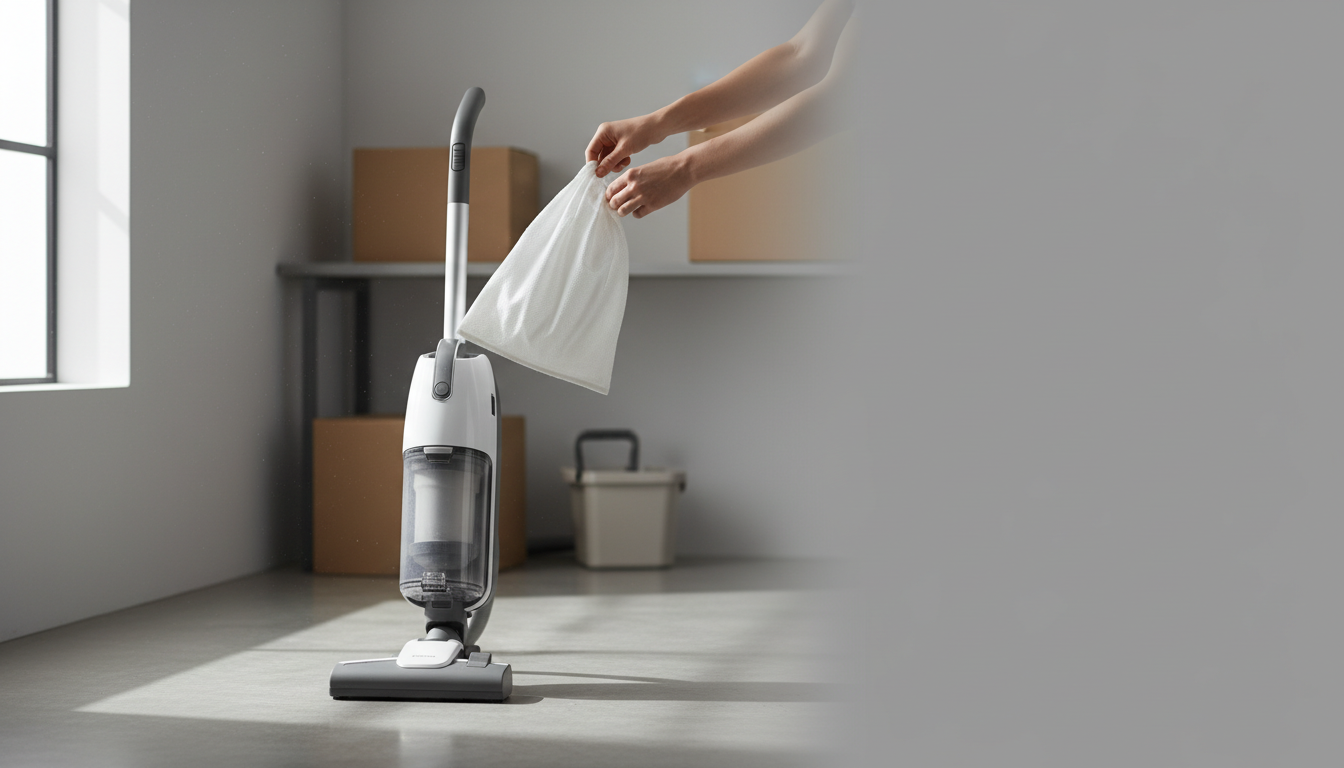
When it comes to comfort and maintenance, the design of Bosch vacuum bags aims to simplify the disposal process. The act of removing a full bag is intended to be a contained operation, reducing direct exposure to collected dust and debris. However, the integrity of this process relies on proper installation; issues such as improper seating or poor sealing can compromise dust containment during both vacuuming and disposal.
Key aspects of ownership and maintenance include:
- Dust Containment: Quality Bosch bags are designed with multiple filtration layers, which helps ensure that dust and allergens remain inside the bag, rather than escaping back into the room during operation or disposal. This contributes significantly to a cleaner home environment and user comfort.
- Hygienic Disposal: Many disposable bags incorporate features like self-sealing collars or robust construction to minimize contact with dust when the bag is removed. This design choice aims to make bag changes a cleaner task, reducing the likelihood of a mess.
- Fit and Sealing: Proper fit is critical. Using the correct "Type G" or other model-specific Bosch bag ensures a secure seal within the vacuum, which is essential for both filtration performance and preventing dust leaks. An ill-fitting bag can lead to reduced suction and compromised air quality.
- Replacement Frequency: The lifespan of a bag depends on usage and the type of debris collected. Consistent use of high-efficiency bags helps maintain optimal suction and filtration, but regular checks and timely replacement are necessary to prevent overfilling, which can strain the vacuum motor or lead to bag rupture.
- Environmental Considerations: While most disposable bags include plastic components for sealing, some compatible or alternative options for Bosch vacuums may offer reusable designs or materials with a reduced environmental footprint, providing an ownership choice for those prioritizing sustainability.
Bags-Bosch Trade-Offs alternatives to compare
When evaluating Bosch vacuum cleaner bags, it's helpful to consider the broader landscape of vacuuming solutions. The decision to purchase Bosch-specific bags often comes with trade-offs against other options that might better suit specific cleaning habits or priorities. Understanding these alternatives can help refine your buying path.
Substitutes to Consider
Beyond genuine Bosch bags, several alternatives present different value propositions:
- Generic or Compatible Bags: Many manufacturers offer "Type G" or other compatible bags designed to fit Bosch models. These typically aim to provide a more cost-effective alternative to OEM (Original Equipment Manufacturer) bags.
- Trade-off: While often cheaper, compatible bags may vary in filtration efficiency, material durability, and precise fit compared to Bosch's proprietary designs. Some compatible bags use 5 layers of microfibre for high efficiency, but quality can vary across brands.
- Reusable Vacuum Bags: A less common but environmentally conscious option, reusable bags can be emptied and reinstalled.
- Trade-off: These reduce waste and long-term costs but require direct contact with dust during emptying, which can be a hygiene concern for some users. They also need to be cleaned periodically to maintain airflow.
- Bagless Vacuum Cleaners: This is a fundamental alternative to any bagged system, including Bosch's.
- Trade-off: Bagless vacuums eliminate the recurring cost and hassle of purchasing bags. However, emptying a dustbin can release fine dust back into the air, and filters require regular cleaning or replacement, adding to maintenance.
Better-Fit Scenarios
The ideal choice depends on individual needs:
- Bosch OEM Bags are a Better Fit When:
- You prioritize guaranteed compatibility and filtration performance, especially for allergy sufferers.
- You seek minimal dust exposure during bag changes due to their sealed design.
- Your Bosch vacuum is under warranty, and using OEM accessories is preferred to avoid potential issues.
- Compatible Bags are a Better Fit When:
- Budget is a primary concern, and you are willing to research reputable third-party brands that offer good quality.
- You own an older Bosch model for which OEM bags may be harder to find or discontinued.
- Reusable Bags are a Better Fit When:
- Environmental impact and waste reduction are top priorities.
- You are comfortable with the process of emptying and cleaning the bag yourself.
- Bagless Vacuums are a Better Fit When:
- You prefer not to manage or purchase disposable bags at all.
- You frequently clean small messes and want immediate dust disposal without waiting for a bag to fill.
Deal Breakers to Acknowledge
Certain factors can make Bosch bags, or bagged systems in general, unsuitable:
- Incorrect Fit or Seal: If a bag, whether OEM or compatible, does not seat perfectly within the vacuum, it can lead to dust leakage, reduced suction, and potential damage to the vacuum's motor. This is a critical deal breaker for any bag choice.
- Filtration Standards: For households with severe allergies or asthma, compromising on filtration quality can be a deal breaker. Not all compatible bags offer the same multi-layer, high-efficiency filtration as genuine Bosch bags.
- Ongoing Cost: The recurring expense of purchasing disposable bags, even compatible ones, can be a deal breaker for those on a tight budget or who prefer a one-time purchase solution.
- Environmental Concerns: For buyers deeply committed to reducing household waste, the use of disposable bags, regardless of brand, might be a deal breaker, prompting a shift to reusable options or bagless vacuums.
Bags For Bosch Vacuum Cleaner FAQ
Navigating options for your Bosch vacuum cleaner bags can raise specific questions. Understanding the nuances of genuine bags, alternatives, and common pitfalls helps ensure your vacuum operates effectively.
-
Are genuine Bosch vacuum bags worth the higher cost? Genuine Bosch bags are engineered to precise specifications for Bosch vacuum models. This typically means an exact fit within the dust compartment, optimal airflow for consistent suction, and multi-layered filtration designed to capture fine dust and allergens. While they may have a higher initial cost, their design ensures the vacuum's filtration system performs as intended, which can contribute to the longevity of the motor and cleaner indoor air quality.
-
What alternatives exist to genuine Bosch vacuum bags? Buyers often consider two main alternatives:
- Compatible/Generic Bags: These are third-party bags designed to fit Bosch models, often at a lower price point. Many compatible options claim high-efficiency filtration, sometimes with multiple layers. The primary trade-off can be variability in material quality, fit consistency, and actual filtration performance compared to the brand's original specifications. It's crucial to verify the specific "Type" (e.g., Type G) compatibility for your Bosch model.
- Reusable Bags: For those prioritizing environmental impact, some reusable bags are available. These reduce waste but may require manual emptying and cleaning, which can expose you to dust. Their filtration efficiency often differs from multi-layered disposable bags, potentially impacting air quality, and they might not always offer the same secure seal as disposable options.
-
What are common mistakes to avoid when buying or using Bosch vacuum bags? Several issues can impact performance:
- Incorrect Bag Type: Bosch vacuums use specific bag types (e.g., Type G). Using a bag not explicitly designed for your model can lead to improper fit, reduced suction, or dust leakage. Always check your vacuum's manual or the existing bag for the correct type.
- Improper Seating: Even with the correct bag, not installing it securely can cause air to bypass the filter, leading to dust escaping back into the room and potentially damaging the vacuum motor. Ensure the bag is fully seated and sealed within its compartment.
- Overfilling: While bags are designed to hold a certain volume, trying to overfill them can strain the vacuum motor, decrease suction power, and risk tearing the bag, releasing collected debris. Replace bags when they are about two-thirds full, or when the vacuum's indicator suggests.
- Ignoring Filtration Claims: Not all bags offer the same level of filtration. If you have allergies or pets, look for bags that specify high-efficiency filtration or multiple layers to ensure fine particles are captured effectively.
Bags-Bosch-Pick buy-or-skip verdict
For buyers evaluating Bosch vacuum cleaner bags, the brand generally represents a reliable choice, provided you prioritize precise model compatibility. Bosch bags, particularly common types like "Type G," are designed to integrate with specific vacuum models, aiming for effective dust retention and filtration. This compatibility is crucial for maintaining your vacuum's cleaning performance.
However, the "buy" verdict comes with qualifications:
- Fit and Seal: The most significant risk factor is improper bag seating or poor sealing, which can compromise filtration and allow dust to escape. Always verify the exact bag type required for your Bosch model to ensure a snug fit.
- Efficiency: Opt for high-efficiency bags, whether genuine Bosch or reputable compatible alternatives, as the filtration system's quality directly impacts cleaning power.
- Alternatives: While genuine Bosch bags are engineered for optimal performance, high-quality compatible options can offer a cost-effective alternative. Consider reusable bags if reducing waste is a priority, noting that disposable bags often contain plastic seals.
Your next action should involve confirming the specific bag type (e.g., "Type G") and part number for your Bosch vacuum. If you prioritize consistent performance and minimal risk of filtration issues, genuine Bosch bags remain a strong contender. If budget or environmental impact is a primary concern, carefully vetted high-efficiency compatible or reusable options are worth exploring, always double-checking their fit and reported performance for your specific model.
More in Vacuum Cleaner Bags
View All