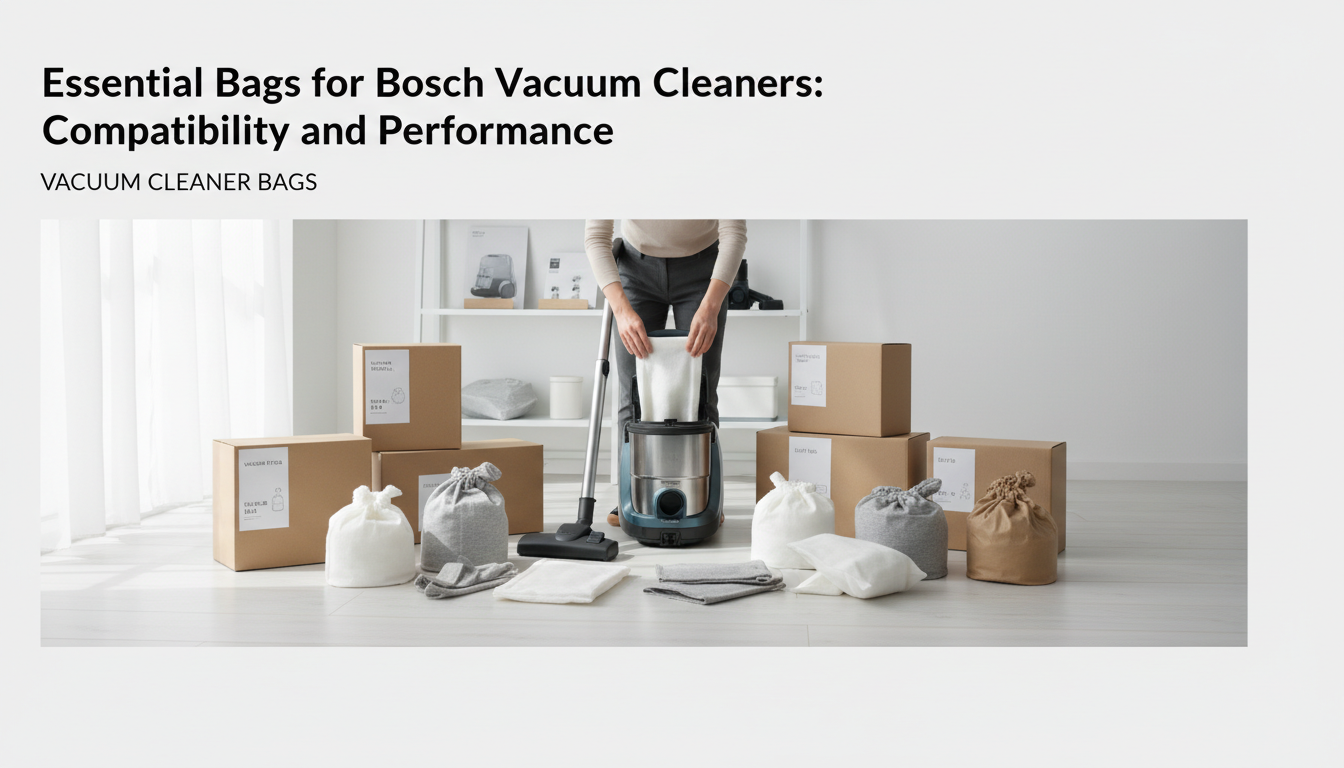
A Buyer's Guide to Vacuum Cleaner Bags for Kenmore Canister Models
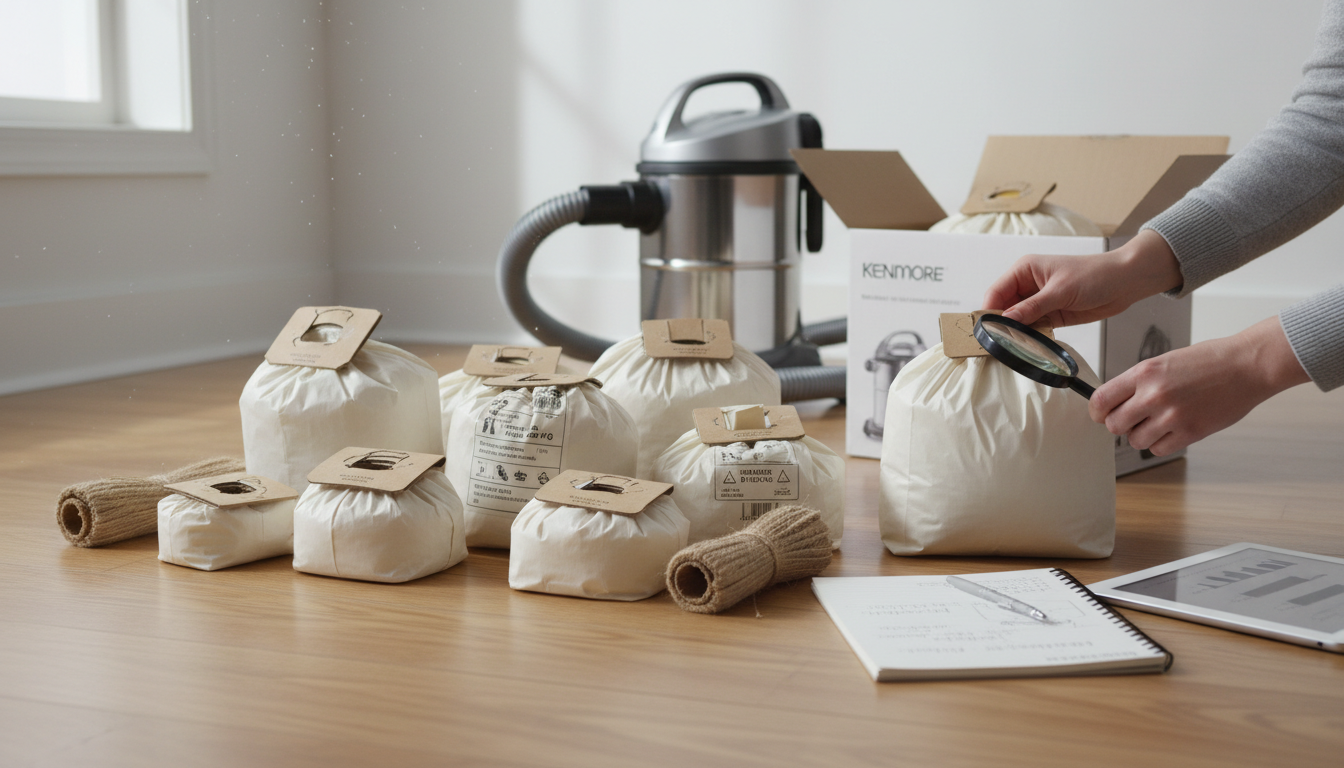
Finding the Perfect Fit: Your Guide to Kenmore Canister Vacuum Bags
Navigating the array of replacement vacuum cleaner bags for Kenmore canister models can be a confusing task, given the diverse range of types and specifications across various series. From Type C/Q to specific numerical designations like 5055, 50557, and 50558, identifying the exact match for your unit is a foundational step toward effective cleaning.
The right bag is more than just a dust receptacle; it's crucial for your vacuum's overall efficiency, dust containment, and even the longevity of its motor. An ill-fitting or low-quality bag can compromise suction, allow fine particles to escape back into your home's air, and potentially strain the motor with inadequate airflow. Kenmore canister owners, in particular, may need to consider the importance of a secure seal, as some models have historically presented challenges with complete bag compartment integrity.
This guide aims to simplify the selection process, empowering you to confidently choose replacement bags that enhance your Kenmore canister vacuum's performance, filtration capabilities, and contribute to cleaner indoor air.
Decoding Kenmore Canister Bag Types and Model Compatibility
Selecting the correct replacement bags for your Kenmore canister vacuum is essential for maintaining its cleaning performance and indoor air quality. Kenmore vacuums often use specific bag designations that directly correspond to particular model series, making precise compatibility a critical factor. Understanding these identifiers is the first step in ensuring your vacuum operates effectively and efficiently.
Kenmore canister vacuum bags are commonly identified by specific type designations, which help users match them to their vacuum models. Some of the most prevalent identifiers include:
- Type C/Q: This is a very common designation, often indicating compatibility across a broad range of Kenmore canister models. Bags labeled C/Q are designed to fit many standard Kenmore canister vacuums.
- 5055, 50557, 50558: These numerical codes frequently appear alongside or as part of the Type C/Q designation, further specifying compatibility for certain Kenmore canister series. They often refer to the original Kenmore part numbers for these bags.
- 53292: This numerical identifier specifically refers to certain Kenmore Type Q HEPA replacement dust bags, indicating a particular filtration standard and fit for compatible canister models.
To ensure you purchase the correct bags, locating your specific Kenmore canister vacuum model number is paramount. This number is typically found on a label affixed to the vacuum itself. Common locations include:
- The underside or back of the canister unit.
- Beneath the lid or dust compartment cover.
- On the original packaging or owner's manual.
Using an incompatible vacuum bag can lead to several performance issues and potential damage to your appliance. If a bag does not fit correctly, it can result in:
- Poor Suction: An improper seal around the bag opening allows air to bypass the bag, reducing the vacuum's ability to pick up debris effectively.
- Dust Leakage: Gaps in the bag's fit can cause dust and allergens to escape back into your home's air, negating the vacuum's filtration benefits and potentially irritating allergy sufferers.
- Motor Damage: Restricted airflow due to an ill-fitting or undersized bag can cause the vacuum's motor to overheat, leading to premature wear or failure.
When considering replacement bags, you'll encounter both Original Equipment Manufacturer (OEM) options and third-party compatible bags. OEM bags are manufactured by Kenmore or its authorized partners, designed to meet the exact specifications of your vacuum model in terms of fit, filtration, and material quality. Third-party bags, while often more affordable, vary widely in their construction and performance. While many third-party options offer comparable fit and filtration, it's crucial to verify their claims and ensure they create a secure, airtight seal within your Kenmore canister. The trade-off often involves balancing cost savings with the assurance of precise fit and filtration performance that OEM bags typically provide.
Essential Features: What to Look for in Kenmore Canister Vacuum Bags
When selecting replacement bags for your Kenmore canister vacuum, focusing on specific features can significantly impact cleaning effectiveness, indoor air quality, and the overall longevity of your appliance. Beyond mere compatibility, these characteristics determine how well the bag performs its primary function: containing dust and debris while protecting your home's air.
Consider the following criteria to make an informed choice:
- Filtration Efficiency: Opt for bags designed with HEPA-certified or multi-layer filtration. These advanced materials are engineered to capture microscopic particles, such as allergens, pet dander, and fine dust, preventing them from recirculating into your home's air. High-efficiency bags contribute to a cleaner environment, which is particularly beneficial for allergy sufferers.
- Material and Durability: Look for bags constructed from multi-ply synthetic materials. This design provides superior tear resistance compared to single-ply paper bags, reducing the risk of premature bag breakage. A durable bag ensures that collected debris remains contained, even when the bag is full or encounters sharp objects.
- Capacity: Evaluate the bag's capacity, with larger options generally offering greater convenience. Bags with a generous capacity, such as those holding 2.8 liters or more, require less frequent changing, allowing for longer cleaning sessions without interruption. This can be a practical consideration for larger homes or households with pets.
- Seal Design: A robust and secure seal is critical to prevent dust and debris from escaping the bag compartment and re-entering your living space. Pay attention to the collar design and how it connects to your vacuum's intake port. A well-designed seal minimizes leakage, which can be a particular concern for some Kenmore canister models where an incomplete seal might otherwise compromise filtration.
- Ease of Installation: While often overlooked, a user-friendly bag design simplifies the replacement process. Bags that are easy to insert and remove without requiring excessive force or complicated maneuvers contribute to a more positive maintenance experience. This includes clear indicators for proper alignment and a secure fit.
Avoiding Common Pitfalls with Kenmore Canister Vacuum Bags
Selecting replacement bags for your Kenmore canister vacuum involves more than just matching a type number; it requires an awareness of potential issues that can compromise cleaning effectiveness and indoor air quality. Understanding these common pitfalls can guide you toward choices that enhance your vacuum's performance and longevity.
-
Incomplete Seals and Dust Leakage: A historical challenge with some Kenmore canister designs has been the potential for an incomplete seal where the bag connects to the vacuum's intake. This can allow fine dust and allergens to bypass the bag and re-enter your home's air. To mitigate this, look for replacement bags that feature:
- Robust cardboard collars or plastic flanges designed for a snug fit.
- Integrated rubber gaskets or sealing mechanisms that create a tighter barrier against dust escape.
- Multi-layer construction, which often includes a stronger outer layer less prone to micro-perforations that could worsen leakage.
-
Bag Breakage and Tears: Low-quality bag materials can lead to premature tearing, especially when dealing with sharp debris or overfilling. A ruptured bag not only creates a significant mess inside the vacuum but can also damage the motor by exposing it to unfiltered dust. Prioritize bags made from durable, multi-ply synthetic materials over thinner paper alternatives. These materials offer greater resistance to punctures and tears, ensuring containment of collected debris.
-
Reduced Suction and Performance: An ill-fitting bag or one made from materials that quickly clog can drastically diminish your vacuum's suction power. If the bag doesn't allow air to flow efficiently through its filtration layers, the motor works harder, and less debris is picked up.
- Ensure the bag's dimensions and collar type precisely match your Kenmore model to prevent air leaks and maintain optimal airflow.
- Opt for high-efficiency bags, often multi-layered, which are designed to maintain airflow even as they fill, preventing premature suction loss.
-
Odor Retention: Vacuuming pet hair, cooking debris, or general household dust can introduce unpleasant odors that linger in single-ply bags and can be released back into the air. Multi-layer bags, particularly those with activated charcoal layers or HEPA-grade filtration, are significantly more effective at trapping and neutralizing these odors. While these bags may cost more, they contribute to a fresher home environment.
-
Cost Versus Long-Term Benefits: The immediate cost of vacuum bags can be a factor, but it's important to weigh this against long-term performance and filtration benefits. Cheaper, lower-quality bags may save money upfront but can lead to more frequent replacements due to breakage, reduced cleaning effectiveness, and poorer air quality. Investing in higher-quality, multi-layer, or HEPA-rated bags can provide superior filtration, better dust containment, and potentially extend the life of your vacuum by protecting its motor from fine dust, ultimately offering better value over time.
Optimizing Your Kenmore Canister Vacuum: Bag Replacement and Care Tips
Maintaining your Kenmore canister vacuum goes beyond simply replacing a full bag; it involves understanding the signals your vacuum sends and implementing proper care routines. Adhering to a consistent bag replacement schedule and performing basic filter maintenance are critical steps to ensure your vacuum continues to deliver powerful suction, maintain healthy indoor air quality, and extend its operational lifespan.
Recognizing when your vacuum bag requires changing is key to preventing performance degradation and motor strain. Pay attention to these common indicators:
- Reduced Suction Power: This is often the most noticeable sign. If your vacuum struggles to pick up debris or leaves behind dirt, a full bag is a likely culprit restricting airflow.
- "Bag Full" Indicator: Many Kenmore canister models feature a visual gauge or light that illuminates when the bag capacity is reached or airflow is significantly restricted.
- Visible Bag Distension: If your vacuum's design allows, a quick visual check of the bag within its compartment might reveal it is visibly swollen or packed with debris.
- Dusty Odor: A faint, stale, or dusty smell during operation can indicate that the bag is overfilled, or fine particles are escaping into the air due to compromised filtration.
Replacing your vacuum bag correctly is a straightforward process that minimizes dust exposure and ensures a proper seal for effective cleaning. Always consult your specific Kenmore model's owner's manual for precise instructions, but the general steps are as follows:
- Unplug the Vacuum: Before opening any compartments, always disconnect your vacuum cleaner from the power outlet to prevent accidental activation.
- Locate and Open the Bag Compartment: This is typically found on the main canister body. Release the latch or button that secures the compartment cover and open it fully.
- Carefully Remove the Old Bag: Grasp the bag's collar or cardboard tab and gently pull it away from the inlet tube. Many Kenmore bags feature a self-sealing collar that closes upon removal, trapping dust inside.
- Inspect the Compartment: Briefly check the bag compartment and the inlet tube for any lodged debris or blockages that might impede airflow or prevent a new bag from seating properly.
- Insert the New Bag: Align the new bag's collar with the inlet tube inside the compartment. Push firmly to ensure it creates a snug and secure seal. The bag should unfold neatly within the compartment without being crumpled.
- Close the Compartment: Ensure the compartment cover closes completely and latches securely. A loose cover can compromise suction and allow dust to escape.
Once removed, proper disposal of the used vacuum bag helps contain allergens and dust. If your bag has a self-sealing feature, ensure it is activated. Place the sealed bag directly into a larger, sealed trash bag to prevent dust from re-entering your home environment. Dispose of it with your regular household waste.
Beyond bag replacement, comprehensive vacuum care involves attending to other crucial filters within your Kenmore canister. These filters play a vital role in protecting the motor and ensuring the air expelled from your vacuum is clean:
- Pre-Motor Filters: These filters, often foam or felt, protect the vacuum's motor from larger dust and debris. They typically require regular cleaning (washing or shaking out) or replacement according to your manual's recommendations.
- HEPA Exhaust Filters: Many Kenmore canister vacuums feature a HEPA (High-Efficiency Particulate Air) filter, usually located near the exhaust port. This filter is designed to capture microscopic particles, allergens, and pet dander before the air is returned to your room. HEPA filters are generally not washable and must be replaced periodically to maintain optimal filtration efficiency, especially if you have allergies or pets.
Regularly checking and servicing all filters, in addition to timely bag changes, ensures your Kenmore canister vacuum operates at its peak, providing a cleaner home environment and prolonging the life of your appliance.
Your Questions About Kenmore Canister Vacuum Bags Answered
Choosing the right vacuum bags for your Kenmore canister model often brings up practical questions about compatibility, maintenance, and performance. Addressing these common queries can help you make informed decisions and ensure your vacuum operates effectively.
-
Are generic Kenmore vacuum bags as effective as branded ones? The effectiveness of generic bags compared to branded Kenmore bags largely depends on their quality and precise fit. While generic options can offer a cost-effective alternative, it's crucial to evaluate several factors:
- Fit and Seal: A poor fit can lead to air leaks around the bag collar, allowing dust and debris to bypass the bag and potentially enter the motor, reducing filtration efficiency and risking damage. Some Kenmore models have been noted for challenges with achieving a complete seal in the bag compartment, making a precise fit even more critical.
- Filtration Material: Branded bags, especially those designated as HEPA, typically use multi-layered filtration materials designed to capture fine particles and allergens. Generic bags vary widely in material quality; look for descriptions that specify similar filtration capabilities.
- Durability: Lower-quality generic bags may be more prone to tearing or bursting, especially when collecting heavier debris, leading to messy cleanups and potential vacuum damage.
-
How often should I change my Kenmore canister vacuum bag? There's no universal schedule, as bag change frequency depends on usage patterns, household size, presence of pets, and the type of debris collected. As a general guideline:
- Change the bag when it is two-thirds to three-quarters full. Overfilling can significantly reduce suction power, strain the vacuum motor, and compromise filtration.
- If you notice a decrease in suction, even if the bag doesn't appear entirely full, it might be time for a change. Fine dust can clog the bag's pores, impeding airflow.
- For households with pets or allergy sufferers, more frequent changes may be beneficial to maintain optimal air quality and vacuum performance.
-
What do the different Kenmore bag types (e.g., C/Q, 5055) actually mean? These designations are compatibility codes that help you match the correct bag to your specific Kenmore canister vacuum model:
- Type C/Q: This is a broad designation indicating compatibility with a wide range of Kenmore canister vacuums. Many models can use bags labeled as Type C or Type Q, or both (C/Q).
- Numerical Codes (e.g., 5055, 50557, 50558, 53292): These numbers often refer to specific Kenmore part numbers or series of vacuums. For example, 5055, 50557, and 50558 are frequently associated with certain Kenmore canister models that also use Type C/Q bags. The number 53292 is another identifier often linked to Type Q HEPA bags for various Kenmore series. Always cross-reference these numbers with your vacuum's specifications.
-
Can I wash and reuse Kenmore vacuum bags? The vast majority of Kenmore canister vacuum bags are designed for single-use and are not washable or reusable. They are typically made from paper or synthetic non-woven materials whose filtration properties and structural integrity would be compromised by washing. Attempting to wash and reuse these bags can lead to:
- Reduced Filtration: Washing can break down the filtration layers, allowing dust and allergens to escape.
- Damage to the Bag: The bag may tear or disintegrate during washing or subsequent use.
- Vacuum Damage: Compromised bags can lead to dust entering and damaging the vacuum's motor or internal components. If you are seeking a reusable option, you would need a vacuum specifically designed to use a washable cloth bag, which is generally not the case for Kenmore canister models that specify disposable bags.
-
Where can I find my Kenmore canister vacuum's model number? Identifying your vacuum's model number is critical for selecting the correct replacement bags. Look for it in these common locations:
- Underside or Back: Often, there's a sticker or plate on the bottom or rear of the vacuum cleaner.
- Under the Bag Compartment Lid: Sometimes, the model information is printed inside the compartment where the bag is inserted.
- Original Manual or Packaging: If you still have these, the model number will be clearly listed. Once located, use this model number to verify bag compatibility, either through the bag manufacturer's listings or your vacuum's manual.
Making the Best Choice for Your Kenmore Canister Vacuum
Empowering yourself with the right information ensures your Kenmore canister vacuum continues to perform at its best. When finalizing your purchase of replacement bags, a few critical considerations stand out, directly impacting your home's cleanliness and your vacuum's longevity.
To make a confident and informed decision, prioritize these key factors:
- Precise Model Compatibility: This is paramount. Kenmore canister vacuums often require specific bag types, such as Type C/Q, or numerical designations like 5055, 50557, or 50558. An exact match prevents leaks, ensures optimal airflow, and protects your vacuum's motor.
- Filtration Quality: Opt for bags designed with high-efficiency filtration, particularly HEPA-rated options. These bags are engineered to capture microscopic particles, allergens, and pet dander, significantly improving your indoor air quality by preventing them from re-entering your home.
- Bag Durability: A robust bag material is crucial to withstand the rigors of vacuuming, preventing premature tearing or bursting. Durable bags maintain their integrity even when full, containing dust and debris effectively until disposal.
Choosing the correct, high-performing replacement bags not only ensures a cleaner home environment but also contributes to the extended life and efficient operation of your Kenmore canister vacuum. Before making any purchase, always double-check your vacuum's specific model number, typically found on a label on the unit itself. Investing in quality replacement bags is a small but significant step towards maintaining optimal performance and a healthier living space.
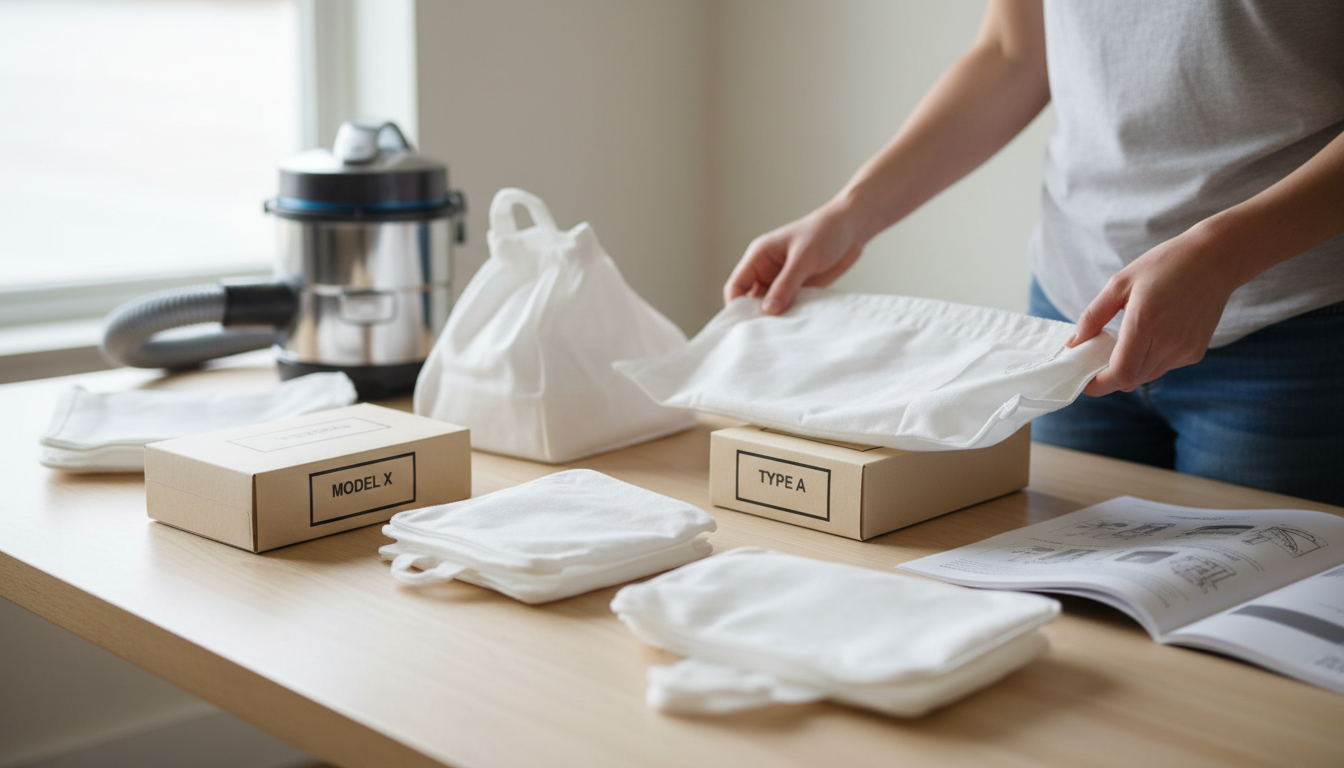
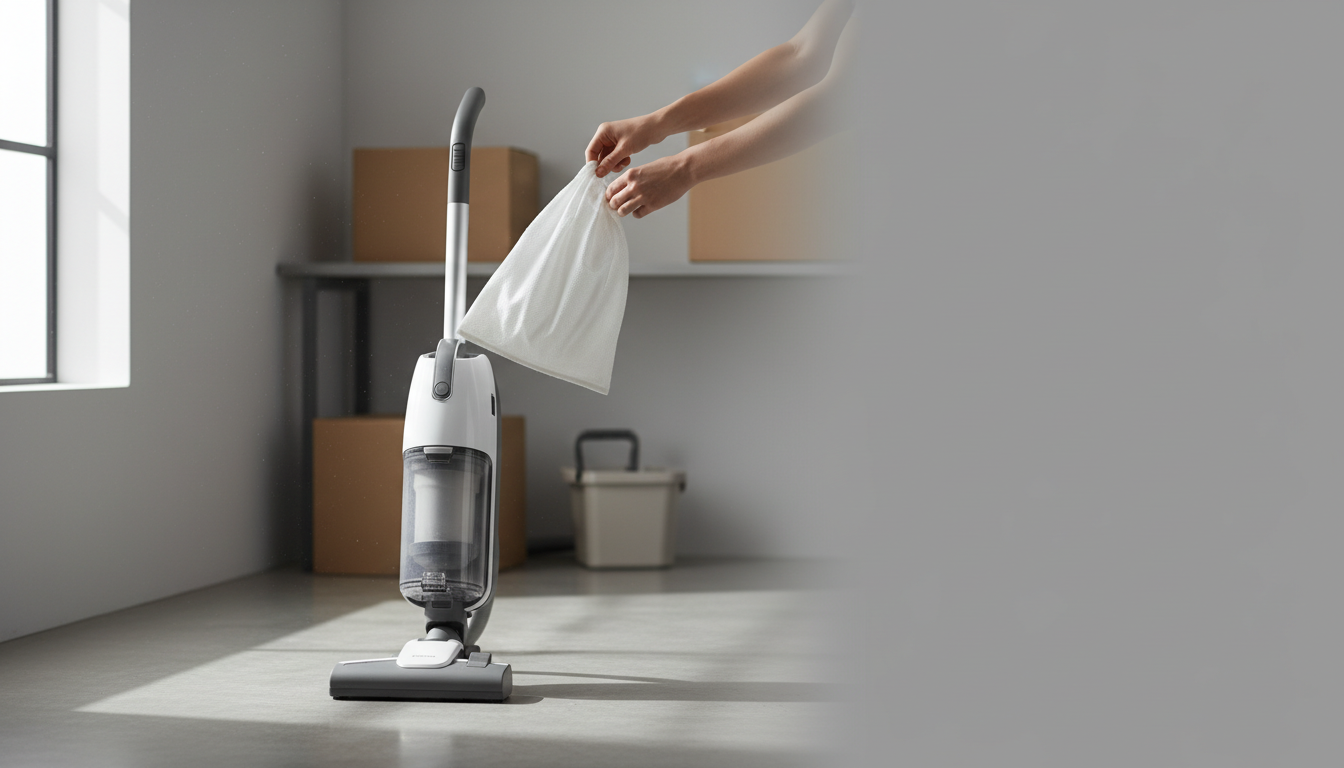
More in Vacuum Cleaner Bags
View All