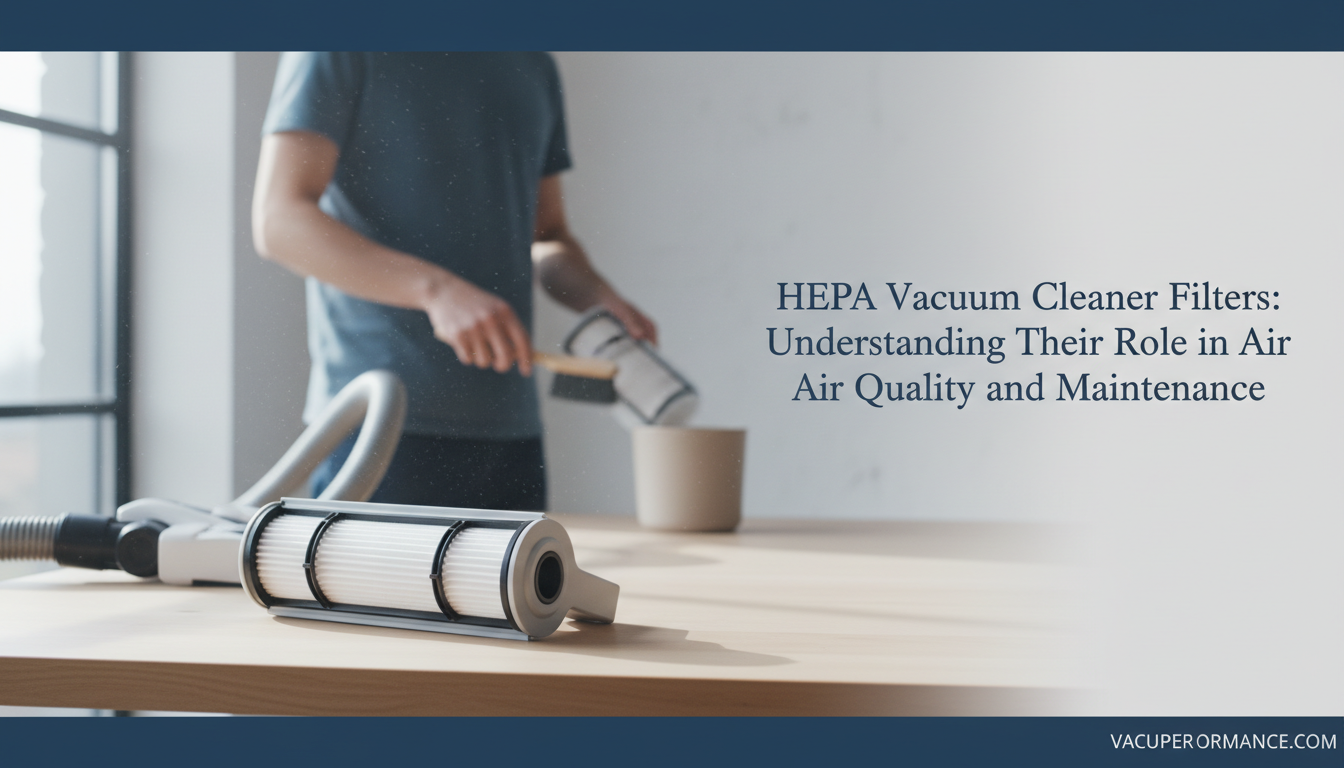
HEPA Vacuum Cleaner Filters: Understanding Their Role in Air Quality and Maintenance
The Essential Role of HEPA Vacuum Cleaner Filters in Your Home
Maintaining healthy indoor air quality is a growing concern for many homeowners, especially those with allergies, asthma, or pets. While regular vacuuming removes visible dirt and debris, standard vacuum filters often allow microscopic particles to recirculate into the air. This is where High-Efficiency Particulate Air (HEPA) filters become critical.
A HEPA filter is engineered to capture a minimum of 99.97% of airborne particles that are 0.3 microns in diameter. To put this in perspective, these particles include common allergens such as dust mite droppings, pollen, mold spores, pet dander, and even tobacco smoke. Without a HEPA filter, these tiny contaminants can pass through a vacuum's exhaust, settling back onto surfaces or remaining suspended in the air, potentially triggering respiratory issues.
However, the presence of a HEPA filter alone isn't enough. For effective air purification, a vacuum cleaner must feature a sealed system. This design ensures that all air drawn into the vacuum passes through the HEPA filter before being exhausted, preventing fine particles from leaking out through unsealed gaps. When shopping for a vacuum or replacement filters, look for labels indicating a "sealed HEPA system" or "anti-allergen, complete-seal HEPA filter" to confirm this crucial feature.
This guide will help you understand the nuances of HEPA vacuum cleaner filters, evaluate their importance for your household's air quality, and confidently select the correct replacement filters to ensure your vacuum continues to perform at its best.
What Makes a Filter 'HEPA' and Why It Matters for Air Quality
The term 'HEPA' signifies a specific filtration standard, critical for improving indoor air quality. HEPA stands for High-Efficiency Particulate Air, and a filter earns this designation by meeting a stringent performance benchmark. This standard dictates that a filter must capture at least 99.97% of airborne particles measuring 0.3 microns (µm) in diameter. This particular particle size is often considered the most penetrating, meaning particles both larger and smaller are typically captured with even higher efficiency.
This level of filtration is significant because it effectively removes a wide range of common indoor air pollutants and allergens that can impact health. These include:
- Dust mite allergens
- Pollen
- Mold spores
- Pet dander
- Tobacco smoke particles
It is crucial to distinguish between a "True HEPA" filter and those marketed as "HEPA-type" or "HEPA-like." Only filters certified as "True HEPA" meet the 99.97% efficiency standard. "HEPA-type" filters may offer some level of filtration but do not guarantee the same capture rate, potentially allowing more fine particles to re-enter your breathing air. When considering replacement filters, verifying the "True HEPA" designation is essential for maximum air purification benefits.
For a HEPA filter to be effective in a vacuum cleaner, the appliance itself must have a "sealed system." Without a sealed system, even a high-quality HEPA filter cannot prevent fine particles from escaping through cracks or unsealed seams in the vacuum's body. This means that instead of trapping allergens, the vacuum could inadvertently release them back into the air, negating the filter's purpose. Therefore, when evaluating a vacuum cleaner or its replacement filters, the integrity of the entire system is as important as the filter's quality.
While the 99.97% at 0.3 microns is the American HEPA standard, similar classification systems exist internationally. For instance, European standards categorize HEPA filters into classes like H11, H12, and H13, each representing different levels of filtration efficiency. These classifications offer a comparable metric for evaluating filter performance, though the specific percentages and particle sizes may vary slightly.
Beyond Dust: The Health Benefits of HEPA Filtration
HEPA (High-Efficiency Particulate Air) filters fundamentally transform indoor air quality by capturing microscopic airborne contaminants that standard vacuum filters often miss. This capability moves beyond simply removing visible dirt to actively reducing the presence of irritants that impact occupant well-being.
Unlike conventional filters that primarily trap larger debris, true HEPA filters are engineered to capture 99.97% of particles as small as 0.3 microns. This standard, originally developed by the U.S. military, is critical because many common indoor allergens and pollutants fall within or above this size range.
For individuals with asthma, allergies, or other respiratory sensitivities, the impact is significant:
- Allergen Reduction: HEPA filters effectively trap common triggers such as dust mite allergens, pollen, pet dander, and mold spores. By removing these from the air, they help to alleviate symptoms and create a healthier living environment.
- Irritant Control: Beyond biological allergens, HEPA filtration also captures fine particulate matter, including tobacco smoke particles and other microscopic irritants that can exacerbate respiratory conditions.
During vacuuming, standard filters can allow smaller particles to pass through and be re-released into the air, potentially worsening indoor air quality. HEPA filters, conversely, are designed to retain these fine particles, preventing their recirculation and ensuring cleaner exhaust air. However, for this benefit to be fully realized, the vacuum cleaner itself must have a sealed system. An unsealed system, even with a HEPA filter, can allow air to bypass the filter, releasing trapped particles back into the room. Selecting a replacement filter compatible with a sealed HEPA system is therefore crucial for maximizing these health advantages.
Key Criteria for Selecting the Right Replacement HEPA Vacuum Filter
Choosing the correct replacement HEPA filter is essential for maintaining your vacuum's performance and ensuring effective indoor air quality improvement. A systematic approach helps ensure compatibility and filtration efficacy.
- Vacuum Model Compatibility is Paramount: The most critical factor is matching the filter precisely to your vacuum cleaner's make and model. Filters are engineered with specific dimensions, shapes, and sealing mechanisms that are unique to particular vacuum designs. Using an incompatible filter can lead to air gaps, allowing dust and allergens to bypass the filter and re-enter your indoor air, negating the benefits of HEPA filtration. Always consult your vacuum's user manual or check the existing filter for part numbers.
- Understand Filter Types and Their Roles: Many vacuums utilize multiple filters.
- Pre-motor filters are typically the first line of defense, capturing larger debris before it reaches the motor, protecting the appliance. These are often washable.
- Post-motor filters clean the air after it has passed through the motor and before it is exhausted back into the room. This is where the primary HEPA filter is usually located, responsible for capturing microscopic particles. Ensure the replacement filter is specifically designated as a HEPA filter for its intended position.
- Washable vs. Disposable Filters: Consider the trade-offs between filter types for maintenance and long-term costs.
- Washable filters offer cost savings over time, as they can be reused after cleaning. However, they require thorough drying to prevent mold or mildew growth, which can compromise air quality. Repeated washing can also degrade the filter media over time, potentially reducing its effectiveness.
- Disposable filters provide consistent filtration performance with each new filter. They are convenient, requiring only replacement rather than cleaning, but incur ongoing costs.
- Look for Certified Labels: For assurance of genuine HEPA performance, seek out filters with official certifications. Labels such as "Certified asthma & allergy friendly" or "High Efficiency Allergen Filter" indicate that the filter and, importantly, the vacuum's sealed system, have been independently tested to effectively capture allergens and prevent their escape. Be wary of terms like "HEPA-type" or "HEPA-like," which may not meet the stringent 99.97% filtration standard for particles 0.3 microns and larger.
- Evaluate Material Quality and Construction: The effectiveness of a HEPA filter isn't solely about the filter media; its construction is equally vital. A well-constructed filter features a robust frame that ensures a tight seal within the vacuum's housing. This seal is crucial to prevent fine particles from bypassing the filter through gaps. Poorly constructed filters, even with effective media, can compromise the vacuum's ability to contain allergens due to air leakage.
Avoiding Common Pitfalls: What to Know Before Buying Replacement HEPA Filters
While HEPA filters offer significant benefits for indoor air quality, navigating their purchase and maintenance involves several considerations to ensure optimal performance and avoid common pitfalls. Understanding these aspects helps manage expectations and guarantees your investment effectively contributes to a cleaner home environment.
-
The "Sealed System" Misconception: A critical point to remember is that a HEPA filter's effectiveness is entirely dependent on the vacuum cleaner's design. As previously noted, if the vacuum does not feature a fully sealed system, fine particles and allergens can bypass the filter through leaks in the housing or connections, re-entering the air. Purchasing a HEPA replacement filter for a non-sealed vacuum will not deliver the intended air purification benefits, creating a false sense of security regarding indoor air quality. Always verify your vacuum model explicitly states it has a sealed HEPA filtration system.
-
Expected Replacement Costs: HEPA filters are engineered to capture microscopic particles, requiring denser materials and precise construction. Consequently, replacement HEPA filters typically cost more than standard foam or paper filters. This higher cost is an ongoing operational expense. Buyers should factor in the recurring cost of replacements, which can range from every few months to annually, depending on usage and manufacturer recommendations.
-
Non-Negotiable Replacement Frequency: For a HEPA filter to maintain its high filtration efficiency, regular replacement is crucial. Over time, the filter media becomes saturated with trapped particles, reducing airflow and filtration capacity. Neglecting replacement can lead to diminished suction power, increased strain on the vacuum motor, and ultimately, a compromised ability to capture allergens. Manufacturers provide specific guidelines, often suggesting replacement every 6 to 12 months, or more frequently for homes with pets or severe allergies.
-
The Lure of Unverified Replacements: The market offers a range of third-party or "compatible" HEPA filters that may be cheaper than genuine manufacturer parts. However, the risk with these alternatives is that they might not meet the stringent HEPA standard (99.97% filtration of 0.3-micron particles) or may not fit perfectly, leading to air leaks. Subpar filters can negate the air quality benefits and potentially damage your vacuum. Prioritize genuine manufacturer replacements or reputable third-party options explicitly certified to meet True HEPA standards and designed for your specific vacuum model.
-
Impact of Poor Maintenance: Even with a genuine HEPA filter, neglecting overall vacuum maintenance can reduce its effectiveness. For washable pre-filters often found in conjunction with HEPA filters, improper or infrequent cleaning can prematurely clog the entire filtration system, reducing airflow to the HEPA filter and diminishing overall performance. Always adhere to the vacuum's maintenance schedule for all filter components to ensure the HEPA filter can perform as designed.
Maximizing Filter Life and Performance: Essential Maintenance Tips
To ensure your HEPA vacuum cleaner continues to effectively purify your indoor air, consistent filter maintenance is paramount. Neglecting your filters can diminish cleaning efficacy, reduce suction, and even reintroduce pollutants into your home environment.
Recognizing When to Replace HEPA Filters
The lifespan of a HEPA filter varies based on usage, household environment (e.g., pets, allergies), and manufacturer specifications. While general guidelines exist, always consult your vacuum's user manual for precise recommendations.
- Manufacturer Guidelines: Most manufacturers recommend replacing non-washable HEPA filters every 6 to 12 months. For households with heavy use, multiple pets, or severe allergies, more frequent replacement (e.g., every 3-6 months) may be necessary.
- Visual Indicators: Inspect your filter regularly. A heavily discolored, gray, or black filter, especially one showing physical damage like tears or crumbling pleats, signals it's time for replacement.
- Performance Deterioration: Noticeable reduction in suction power, even after emptying the dustbin, is a primary sign of a clogged filter.
- Unusual Odors: A musty or unpleasant smell emanating from the vacuum's exhaust during operation can indicate a filter saturated with trapped particles or mold growth, particularly if the filter has been exposed to moisture.
Cleaning Washable HEPA Filters (and What Not to Do)
Some vacuum models feature washable HEPA filters, designed for periodic cleaning to extend their life. Always confirm if your specific filter is designated as washable before attempting to clean it.
- For Washable Filters:
- Remove the filter from the vacuum according to the manufacturer's instructions.
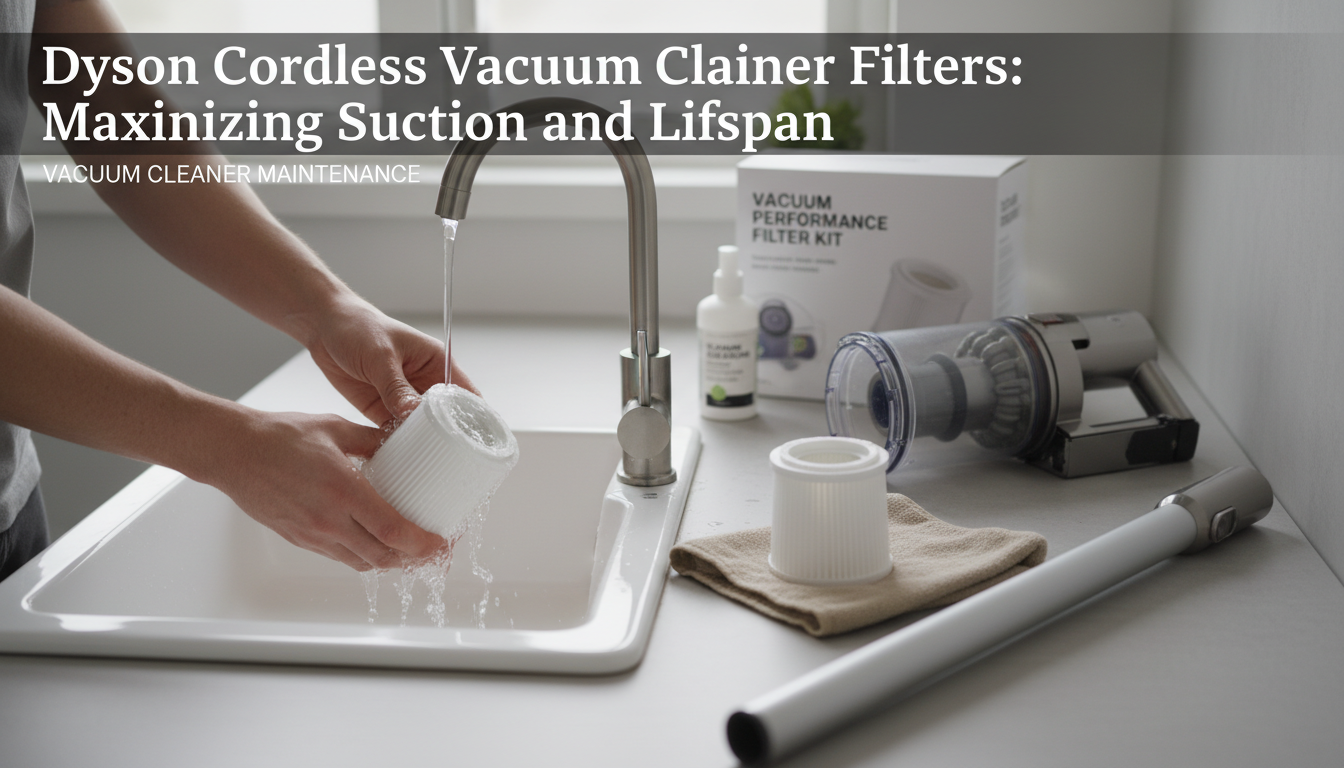
- Rinse the filter under cool, running water, ideally from a faucet, until the water runs clear. Avoid using detergents, soaps, or harsh chemicals, as these can damage the filter media.
- Gently squeeze out excess water if the filter material allows, but avoid twisting or wringing.
- Allow the filter to air dry completely for at least 24-48 hours before reinstallation. Placing it in direct sunlight or using a heat source can warp or damage the filter. Ensure it is bone dry to prevent mold or mildew growth within the vacuum.
- For Non-Washable Filters:
- Do not attempt to wash these filters. Washing non-washable HEPA filters will destroy the delicate filtration media, rendering them ineffective and potentially damaging your vacuum. These filters are designed for dry use only and must be replaced when they reach the end of their service life.
Installing Replacement Filters Correctly
Proper installation is critical to maintain the sealed system of your HEPA vacuum cleaner, ensuring all air passes through the filter.
- Consult Your Manual: Refer to your vacuum's user manual for model-specific instructions on filter removal and installation.
- Orientation and Fit: Ensure the new filter is inserted in the correct orientation and fits snugly into its designated compartment. Any gaps or misalignment can allow unfiltered air to bypass the HEPA media, compromising air quality benefits.
- Secure Latches/Covers: Double-check that all latches, covers, or compartments are securely closed after installation to maintain the vacuum's sealed system.
Identifying a Clogged or Failing Filter
Beyond visual inspection, several operational cues indicate a filter that needs attention:
- Reduced Suction: This is the most common and immediate sign. If your vacuum isn't picking up debris as effectively as usual, even with an empty dustbin, a clogged filter is a likely culprit.
- Overheating Motor: A heavily clogged filter restricts airflow, forcing the vacuum motor to work harder, which can lead to overheating and potential damage.
- Audible Changes: The vacuum motor might sound strained or unusually loud as it struggles against restricted airflow.
- Dusty Exhaust: If you notice fine dust or a visible plume of particles escaping from the vacuum's exhaust, the HEPA filter is either compromised, improperly installed, or completely saturated.
Regularly checking your filters and adhering to your vacuum manufacturer's guidelines for both cleaning (if applicable) and replacement will ensure your HEPA vacuum cleaner consistently delivers optimal performance and maintains a healthy indoor environment.
Frequently Asked Questions About HEPA Vacuum Filters
Understanding the nuances of HEPA vacuum filters can help you maximize your vacuum's performance and improve indoor air quality. Here are answers to common questions buyers have:
-
Are all HEPA filters the same? No. A true HEPA filter meets a specific standard, capturing at least 99.97% of particles 0.3 microns in size. Some filters are labeled "HEPA-type" or "HEPA-like," but these do not meet the strict HEPA standard and may offer less effective filtration. Furthermore, even a true HEPA filter requires a sealed vacuum system to be fully effective, preventing fine particles from bypassing the filter and escaping back into the air.
-
How often should I replace my HEPA vacuum filter? Replacement frequency varies based on usage, household conditions (e.g., presence of pets, allergy sufferers, heavy dust), and the vacuum manufacturer's recommendations. Generally, HEPA filters should be replaced every 6 to 12 months. Some manufacturers might suggest more frequent changes for high-use scenarios or specific models. Regularly checking your filter's condition can also indicate when a replacement is due.
-
Can I wash a HEPA filter? It depends on the specific filter. Some HEPA filters are designed to be washable and reusable, while others are not. Attempting to wash a non-washable HEPA filter can damage the delicate filtration media, rendering it ineffective and potentially releasing trapped particles. Always consult your vacuum cleaner's manual or the filter's packaging to determine if your HEPA filter is washable. If it is washable, ensure it is completely dry before reinserting it to prevent mold or mildew growth.
-
What happens if I don't replace my HEPA filter? Neglecting to replace a HEPA filter can lead to several problems. A clogged filter restricts airflow, causing your vacuum to lose suction power and work harder, which can strain the motor and potentially lead to overheating. More importantly, an overloaded or degraded HEPA filter loses its ability to capture microscopic particles, allowing allergens and fine dust to escape back into your home's air, counteracting the primary benefit of having a HEPA system. It can also cause the vacuum to emit unpleasant odors.
-
Do HEPA filters really make a difference for allergies? Yes, true HEPA filters can make a significant difference for allergy and asthma sufferers. By efficiently capturing tiny airborne particles such as dust mite droppings, pollen, mold spores, and pet dander—all common allergens—they prevent these irritants from being recirculated into the air. When combined with a sealed vacuum system, HEPA filtration helps to effectively remove these triggers from your home environment, contributing to cleaner air and potentially reducing allergy symptoms.
Making the Right Choice for Your Home's Air Quality and Vacuum Longevity
Selecting the appropriate HEPA filter for your vacuum cleaner is a direct investment in your home's indoor air quality and the sustained performance of your appliance. The significant value of true HEPA filtration lies in its ability to capture 99.97% of airborne particles as small as 0.3 microns, effectively removing allergens, pet dander, and microscopic dust that standard filters often miss. This capability contributes to a noticeably healthier living environment, particularly for allergy sufferers and pet owners.
However, the effectiveness of this filtration hinges on several critical factors beyond just the filter itself. Paramount among these is compatibility; a HEPA filter must be specifically designed for your vacuum cleaner model to fit correctly and create an airtight seal. An ill-fitting filter can compromise the entire filtration system, allowing unfiltered air to bypass the HEPA media. Equally important is ensuring your vacuum features a sealed system. Without this design, fine particles can escape through cracks and seams in the vacuum's body, negating the benefits of even the highest-quality HEPA filter. Lastly, proper maintenance—including timely cleaning or replacement—is essential to prevent filter clogging, maintain suction power, and ensure consistent air purification.
Before purchasing any replacement filter, consult your vacuum cleaner's user manual. This document is the definitive source for:
- The exact filter type and part number required.
- Recommended cleaning and replacement schedules.
- Specific instructions for filter installation and maintenance.
This step is crucial to guarantee compatibility and uphold any manufacturer warranties. When considering replacement filters, prioritize those that explicitly meet the true HEPA standard (99.97% at 0.3 microns) and are verified to fit your specific vacuum model. Choosing wisely ensures that your vacuum continues to operate efficiently, effectively removing contaminants and circulating cleaner air throughout your home.
More in Vacuum Cleaner Filters
View AllDyson Cordless Vacuum Cleaner Filters: Maximizing Suction and Lifespan
Hoover Vacuum Cleaner Filters: A Guide to Compatibility and Performance