Eureka AA Vacuum Cleaner Bags: Ensuring the Right Fit for Your Model
Finding the Perfect Fit: Your Guide to Eureka AA Vacuum Cleaner Bags
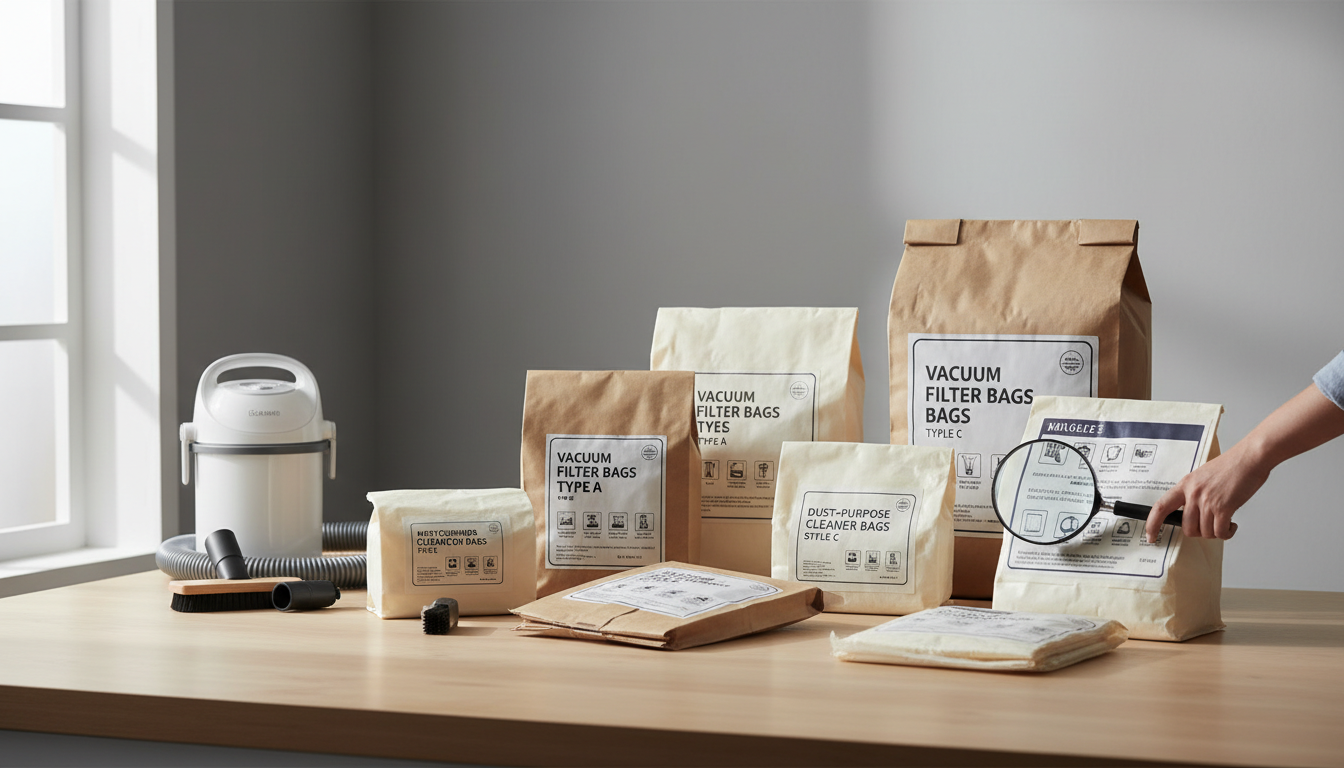
For Eureka vacuum owners, understanding the specific requirements for replacement bags is crucial for maintaining both cleaning efficiency and indoor air quality. The "AA" designation in Eureka vacuum bags refers to a particular style and size specification, ensuring compatibility with a range of Eureka models designed to use this bag type. It's not merely a generic size; it's a precise fit engineered for optimal performance within compatible vacuum cleaners.
Using the exact 'AA' style bag for your Eureka model is paramount. An ill-fitting or incorrect bag can lead to several issues, including reduced suction power, dust and allergen leakage back into your home's air, and even potential strain on your vacuum's motor. Precise compatibility ensures the vacuum's filtration system operates as intended, capturing debris effectively and protecting internal components.
This guide is designed to help you confidently navigate the options for Eureka 'AA' vacuum cleaner bags. We will explore how to verify compatibility with your specific Eureka model, discuss the different filtration levels available, and examine the trade-offs between genuine Eureka bags and reputable aftermarket alternatives to help you make an informed decision.
Understanding Eureka AA Bags: What They Are and Why They Matter
Eureka 'AA' vacuum cleaner bags represent a specific style and size designed for compatibility with a range of Eureka vacuum models. The 'AA' designation is a manufacturer's identifier, indicating a particular form factor and connection port that ensures a proper seal within compatible Eureka upright and some older canister vacuums. This specific fit is critical for the vacuum's performance and the integrity of its filtration system.
Beyond simply collecting dirt and debris, vacuum bags play a vital role in maintaining indoor air quality and protecting the vacuum's internal components. A well-fitting bag acts as the primary filter, trapping dust, pet dander, pollen, and other fine particulates before they can be recirculated into the air or reach the vacuum's motor. This not only contributes to a cleaner living environment, particularly for those with allergies, but also safeguards the motor from abrasive dust, extending the appliance's lifespan.
Many Eureka upright models and certain older canister vacuum series are engineered to use 'AA' style bags. For instance, the Eureka AA Vacuum Bags 58236B is a widely recognized example of this bag type, often associated with models that benefit from its specific design for optimal airflow and debris containment. Using the correct 'AA' bag ensures that the vacuum operates as intended, maximizing suction power and filtration efficiency while minimizing the risk of dust leakage or motor damage.
Key Criteria for Selecting Your Eureka AA Vacuum Bags
Choosing the correct Eureka AA vacuum bags ensures your appliance operates efficiently and maintains indoor air quality. Several factors contribute to finding the optimal replacement, moving beyond just knowing the 'AA' style code. Evaluating these criteria helps in making an informed decision that aligns with your cleaning needs and budget.
-
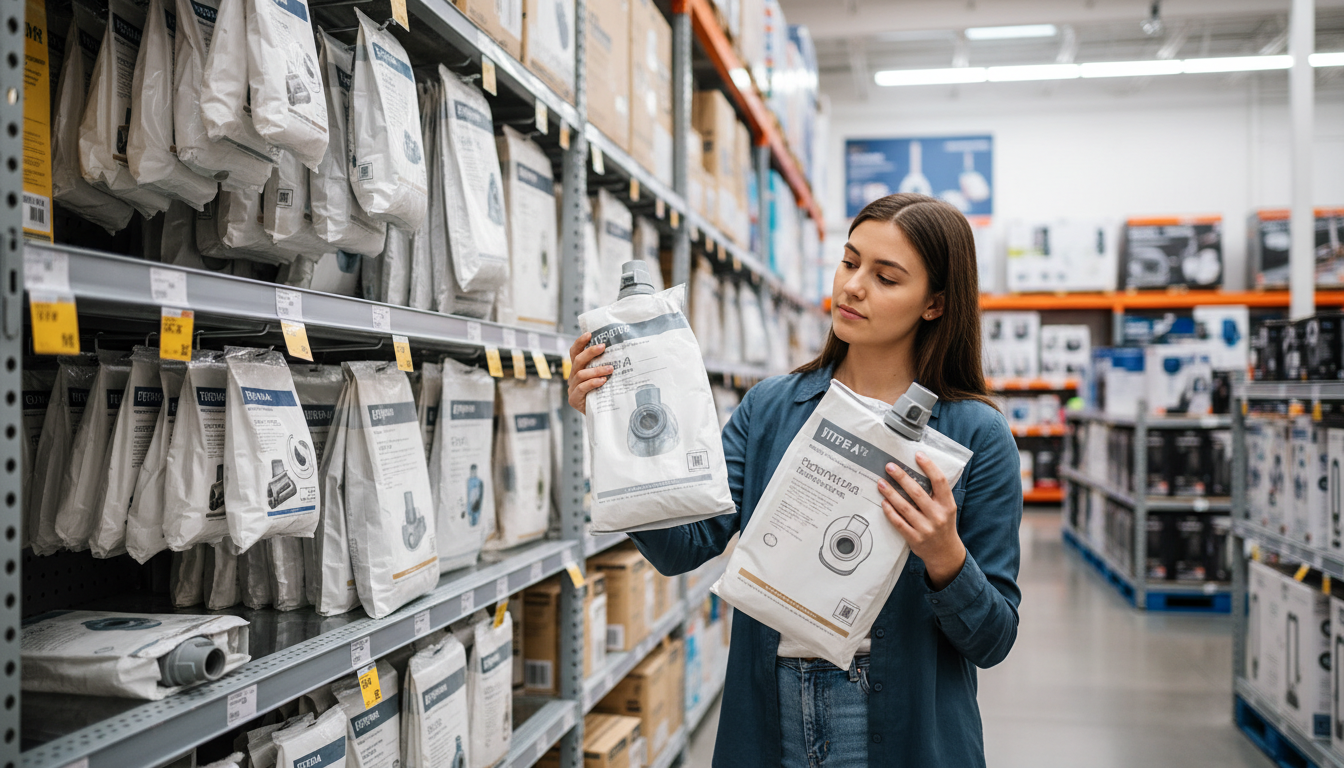
Precise Model Compatibility The most critical factor is ensuring the bag is specifically designed for your Eureka vacuum cleaner. While you know you need 'AA' style bags, always cross-reference this with your vacuum's exact model number, typically found on a label on the unit itself. An ill-fitting bag can lead to dust leakage, reduced suction power, and potential damage to your vacuum's motor by allowing fine particles to bypass the filtration system.
-
Filtration Performance Vacuum bags are not just for collecting debris; they also play a significant role in air filtration. Different bags offer varying levels of particle capture:
- Standard Filtration: Basic dust collection, suitable for general cleaning without specific allergen concerns.
- Micro-Filtration: Designed to trap finer dust particles, pet dander, and pollen, offering improved air quality over standard bags.
- HEPA-Type Filtration: Engineered to capture a high percentage of microscopic particles, including common allergens, making them beneficial for households with allergy sufferers or pets. These bags often feature multi-layered material construction.
-
Genuine vs. Aftermarket Options You have a choice between bags manufactured by Eureka and those produced by third-party companies.
- Genuine Eureka Bags: These are designed to meet the manufacturer's exact specifications, often ensuring optimal fit, filtration, and vacuum performance. They may come at a higher price point.
- Aftermarket Bags: Often more budget-friendly, these bags can be a viable alternative if sourced from reputable brands. It's crucial to verify their compatibility, material quality, and user reviews to mitigate risks of poor fit or inadequate filtration.
-
Bag Capacity and Pack Size Consider how frequently you use your vacuum and the typical volume of debris collected.
- Capacity: Larger capacity bags require less frequent changes, which can be convenient but may lead to a gradual reduction in suction as they fill. Smaller bags need more frequent replacement.
- Pack Size: Bags are typically sold in multi-packs. Purchasing larger pack sizes can offer better value per bag over time, but requires adequate storage space. Evaluate your usage to determine the most economical pack size for your household.
-
Material and Durability The construction of the bag directly impacts its tear resistance and ability to contain dust. Bags made from multi-layered synthetic materials generally offer superior strength against punctures from sharp debris and provide better dust containment compared to single-layer paper bags. A robust bag material helps ensure that collected dust and allergens remain sealed inside until disposal, preventing them from re-entering your home's air.
Avoiding Pitfalls: Ensuring a Perfect Fit for Your Eureka AA Bags
Selecting the correct Eureka AA vacuum cleaner bags is crucial for maintaining your vacuum's performance and longevity. Overlooking specific compatibility details can lead to common issues that diminish cleaning effectiveness and potentially damage your appliance.
A primary pitfall is assuming all "AA" style bags are universally interchangeable across every Eureka model. While "AA" denotes a specific bag type and fitting mechanism, subtle variations exist between Eureka models that necessitate precise matching. Always cross-reference your vacuum's full model number, typically found on a label on the back or bottom of the unit, with the bag manufacturer's compatibility list. If available, consult your vacuum's owner's manual or inspect the part number printed on your existing bag for the most accurate reference.
Using an ill-fitting or incorrect bag introduces several risks:
- Reduced Suction: A bag that doesn't seal properly allows air to bypass the filtration system, leading to a noticeable drop in cleaning power as debris isn't effectively drawn into the bag.
- Motor Damage: Unfiltered dust and fine particles can escape the bag compartment and enter the vacuum's motor, causing overheating, premature wear, or even complete motor failure.
- Dust Leakage: If the bag's collar or seal is compromised, dust and allergens can leak back into your home's air, negating the purpose of filtration and potentially aggravating allergies.
- Voided Warranty: Some manufacturers specify that using non-approved or incorrect replacement parts can invalidate your vacuum's warranty, leaving you responsible for repair costs.
Before installation, visually confirm that the replacement bag matches your existing one. Pay close attention to the cardboard collar's shape, the opening's diameter, and any specific notches or tabs designed to secure it within the vacuum's bag housing. These elements are critical for a tight, leak-proof seal.
Should a new bag not seem to fit correctly upon arrival, avoid forcing it into place. Forcing can tear the bag, damage the vacuum's bag housing, or create an ineffective seal. Instead, double-check the bag's packaging against your vacuum's model number. If a discrepancy is found, or if you're unsure, consult the seller or manufacturer for guidance on proper installation or to arrange an exchange for the correct part.
Maximizing Performance: When and How to Change Your Eureka AA Bag
Regular bag replacement is crucial for maintaining your Eureka vacuum's suction power, filtration efficiency, and motor longevity. Recognizing the right time to change your Eureka AA bag and performing the task correctly ensures optimal cleaning performance and helps control indoor allergens.
Indicators for Bag Replacement
Several signs suggest your Eureka AA bag is full or dirty and needs changing:
- Reduced Suction Power: This is often the most noticeable indicator. If your vacuum struggles to pick up debris, or leaves behind dirt it previously collected, a full bag is a likely culprit.
- Visible Fullness: While not all Eureka models have a bag full indicator light, you might notice the bag compartment bulging or feeling significantly heavier.
- Unpleasant Odor: A stale, dusty, or musty smell emanating from the vacuum during operation can indicate a bag overloaded with dirt, pet dander, or other odor-causing particles.
- Increased Motor Noise or Heat: A severely overfilled bag restricts airflow, forcing the vacuum motor to work harder. This can lead to increased noise and potentially cause the motor to overheat.
Recommended Change Frequency
The ideal frequency for changing your Eureka AA bag depends on several factors:
- General Use: For an average household with moderate vacuuming, replacing the bag every 1 to 2 months is a good general guideline.
- Pets: Households with pets often require more frequent bag changes (e.g., every 2-4 weeks) due to increased hair and dander accumulation.
- Allergies or Asthma: If anyone in the household suffers from allergies or asthma, changing the bag more frequently (e.g., monthly or even bi-weekly) can significantly improve indoor air quality by trapping allergens before they recirculate.
- Cleaning Tasks: Vacuuming fine dust, construction debris, or large amounts of dirt will fill the bag faster than routine light cleaning.
Step-by-Step Bag Replacement Guide
Follow these steps to safely and effectively replace your Eureka AA vacuum bag:
- Unplug the Vacuum: Always disconnect your vacuum cleaner from the power outlet before performing any maintenance to prevent accidental activation.
- Locate the Bag Compartment: Depending on your Eureka model, this is typically accessed via a latch or button on the main body of the vacuum.
- Open the Compartment: Release the latch or press the button to open the bag housing door.
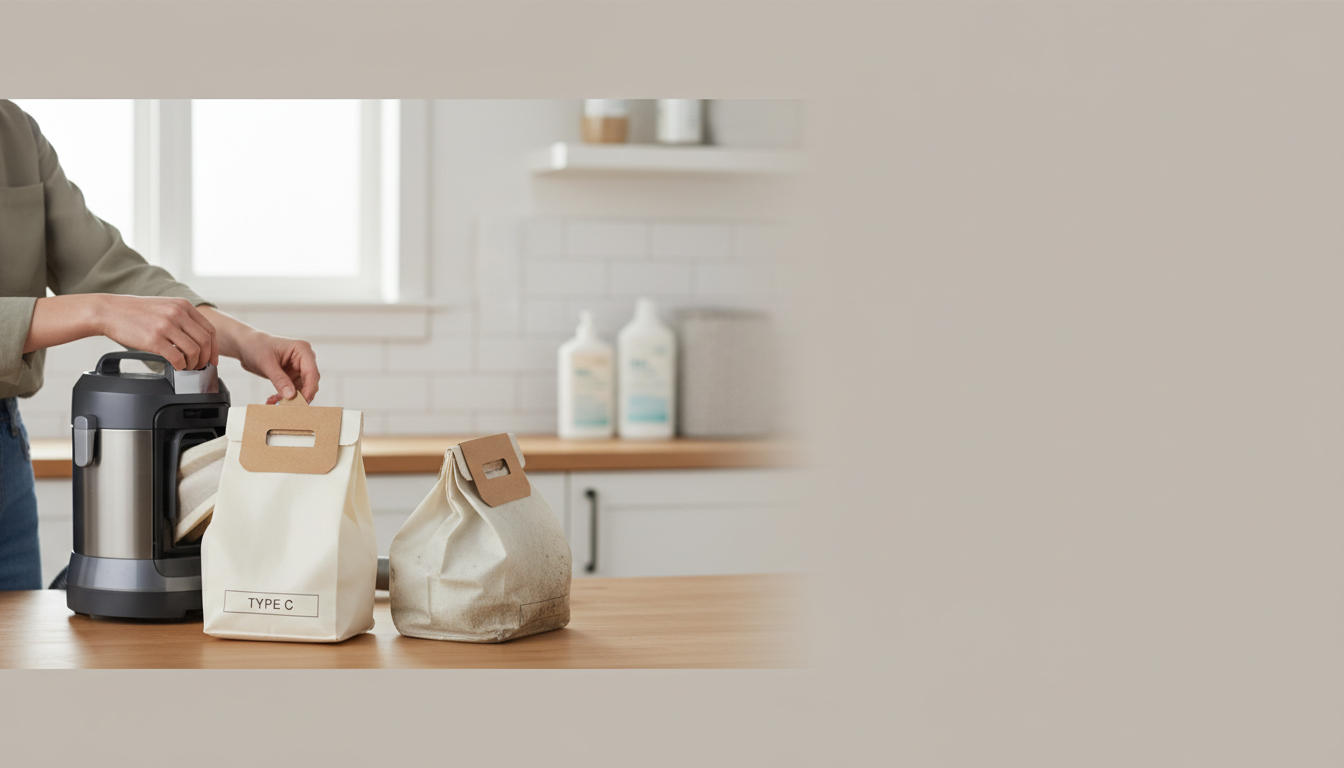
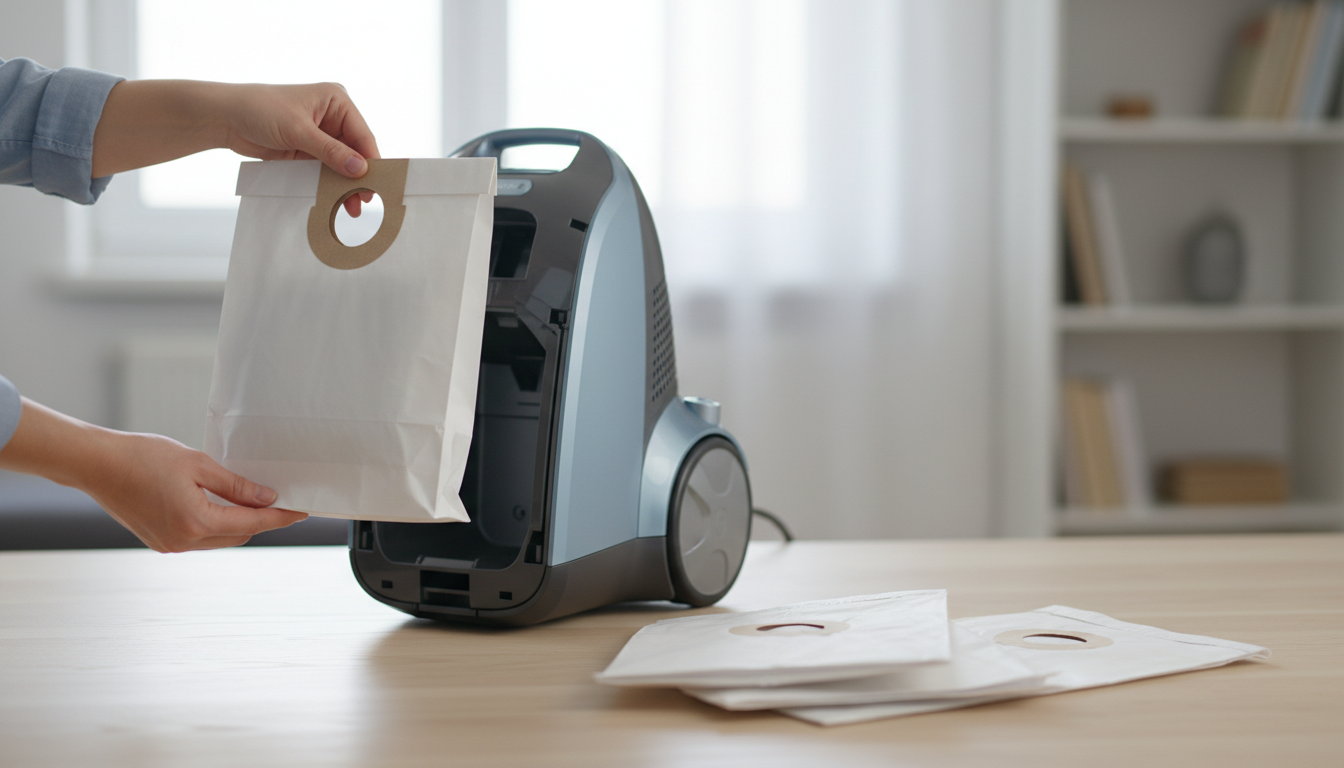
- Carefully Remove the Old Bag: Most Eureka AA bags feature a cardboard collar or a sealing tab. Grasp this firmly and pull the bag straight out of its holder. Many bags have a self-sealing mechanism on the collar to minimize dust escape during removal.
- Inspect and Clean (Optional): Briefly check the bag compartment for any accumulated dust or debris and wipe it clean with a damp cloth if necessary.
- Insert the New Bag: Align the cardboard collar of the new Eureka AA bag with the bag holder inside the compartment. Push it firmly into place, ensuring the bag's opening creates a tight seal around the intake port. Ensure the bag is unfolded and positioned correctly within the compartment.
- Close the Compartment: Gently close the bag housing door, ensuring it latches securely. Do not force it if there is resistance; check that the bag is not pinched or improperly seated.
- Dispose of the Used Bag: Place the sealed, used bag directly into a trash receptacle. For allergy sufferers or particularly dusty contents, consider placing the old bag into a small plastic bag before putting it in the main trash.
By adhering to these practices, you can ensure your Eureka vacuum continues to operate at its best, effectively capturing dirt and maintaining a cleaner home environment.
Frequently Asked Questions About Eureka AA Vacuum Cleaner Bags
Understanding the nuances of Eureka AA vacuum bags can help ensure your vacuum operates effectively and maintains indoor air quality. Here are answers to common inquiries.
Are all 'AA' bags for Eureka vacuums the same? No, not all 'AA' bags are identical, even though 'AA' refers to a specific style or series of Eureka vacuum bags. While they share a general design, specific Eureka vacuum models within the 'AA' category may require a particular variant or part number for an optimal fit and seal. Always cross-reference the bag's compatibility information with your vacuum's exact model number.
Can I use a generic AA bag in my Eureka vacuum without issues? Generic 'AA' bags can be a viable option, but their performance and fit can vary. While many reliable aftermarket brands produce bags designed to be compatible with Eureka 'AA' models, it's crucial to verify their stated compatibility. Poorly fitting generic bags can lead to dust leakage, reduced suction, and potential motor strain. Prioritize options that specify multi-layer filtration if allergen control is important.
How often should I change my Eureka AA vacuum bag? The frequency of changing your Eureka AA vacuum bag depends on several factors, including how often you vacuum, the size of the area, and the type of debris collected (e.g., pet hair, fine dust, construction debris). A general guideline is to replace the bag when it is about two-thirds full. Waiting until it's completely full can reduce suction power, decrease cleaning efficiency, and potentially strain the vacuum's motor.
Do Eureka AA bags help with allergies and pet dander? Many Eureka 'AA' bags are designed with multi-layer filtration, such as "Filteraire" or micro-filtration options, specifically to capture fine particles like allergens, pollen, and pet dander. These enhanced filtration bags can significantly improve indoor air quality by trapping microscopic irritants within the bag, preventing them from being recirculated into your home.
Where can I find my Eureka vacuum's model number? To ensure you purchase the correct 'AA' bags, locating your Eureka vacuum's model number is essential. This number is typically found on a label or sticker directly on the vacuum cleaner itself. Common locations include the back of the unit, the bottom, or sometimes under the handle or the removable dust cup area. If you have the original user manual, the model number will also be listed there.
Making Your Final Decision: Choosing the Best Eureka AA Bag for Your Home
Selecting the correct Eureka AA vacuum cleaner bag culminates in ensuring your vacuum operates effectively and your home remains clean. Your decision hinges on a clear understanding of your specific vacuum model's requirements and your personal priorities regarding filtration and cost.
The fundamental step remains verifying your Eureka vacuum's exact model number. Even within the 'AA' bag designation, manufacturers produce variations tailored to specific vacuum series. Consulting your vacuum's manual or the label on the unit itself for the precise model number is the most reliable way to confirm compatibility. An incorrect fit can lead to reduced suction, dust leakage, and potential damage to your vacuum's motor.
Once compatibility is assured, consider the trade-offs between genuine Eureka AA bags and reliable aftermarket alternatives.
- Genuine Eureka AA bags often provide guaranteed fit and filtration specifications, such as "Filteraire" capabilities designed for allergen and pet dander retention. These options typically offer a consistent performance standard.
- Aftermarket AA bags can present a more budget-friendly option. When considering these, scrutinize product descriptions for details on filtration levels, such as "microfiltration" or multi-layer construction, which can indicate comparable performance to genuine options. User reviews can also offer insights into fit and material quality for specific aftermarket brands.
To ensure satisfaction with your chosen Eureka AA bags:
- Double-check model numbers on packaging against your vacuum before opening.
- Weigh pack size against usage frequency; purchasing in multi-packs can be convenient and cost-effective.
- Keep a spare bag on hand to avoid interruptions in your cleaning routine.
Ultimately, a thoughtful choice in Eureka AA vacuum bags extends beyond simple dust collection. It directly contributes to maintaining your vacuum's optimal performance, protecting its motor, and significantly impacting the indoor air quality of your home by effectively trapping dust, allergens, and other particulates.
More in Vacuum Cleaner Bags
View All