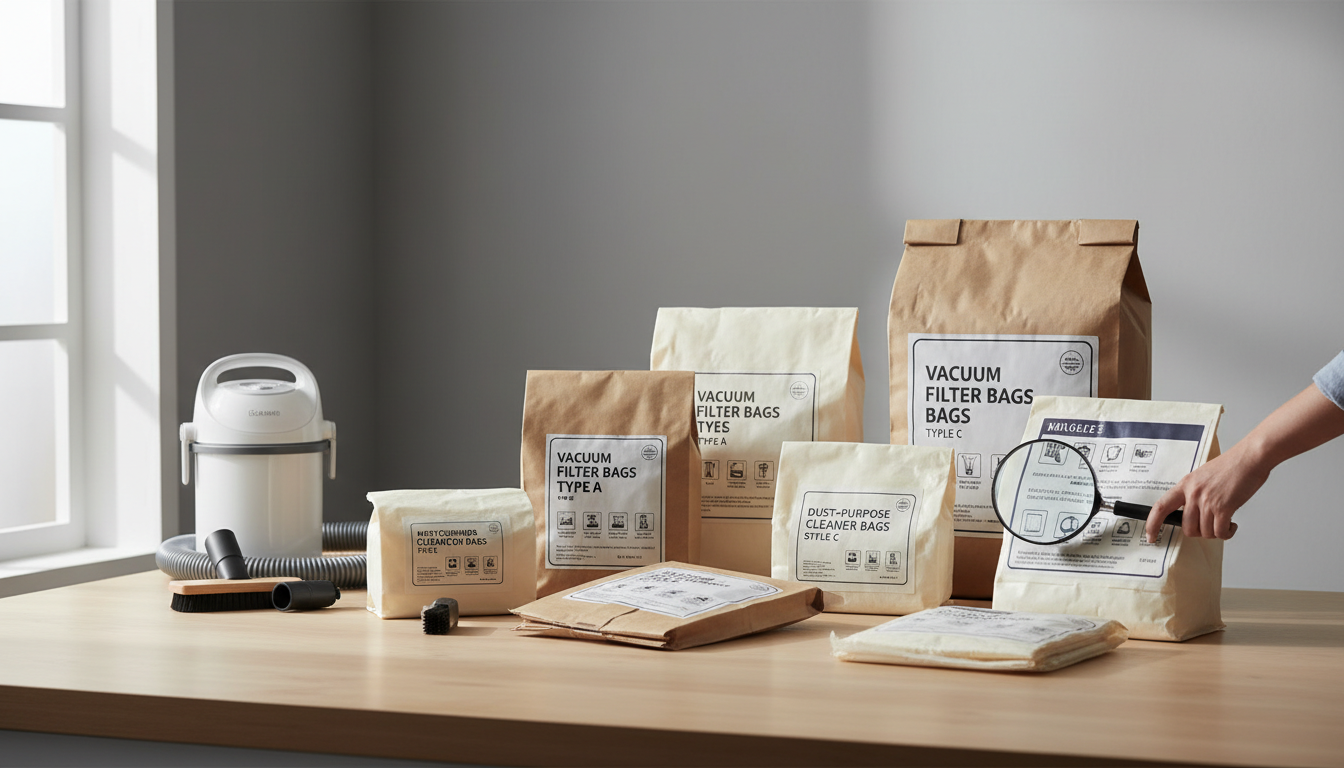
Kenmore Vacuum Cleaner Bags Type C: Essential Replacements for Your Model

Maintaining Peak Performance: Your Guide to Kenmore Type C Vacuum Cleaner Bags
For many Kenmore vacuum owners, the Type C replacement bag is a critical component for maintaining effective cleaning performance. These bags are specifically designed to integrate with a range of Kenmore canister models, ensuring a precise fit that is essential for the vacuum's filtration system to function correctly. Using the designated Type C bag helps to sustain optimal airflow, which directly translates to consistent suction power and the efficient capture of dust, dirt, and allergens. An incorrect or poorly fitting bag can compromise filtration, reduce cleaning effectiveness, and potentially impact the vacuum's motor over time.
This guide is crafted to assist Kenmore owners in confidently identifying and selecting the appropriate Type C replacement bags by exploring:
- Precise compatibility requirements for various Kenmore vacuum models.
- Key considerations when choosing between genuine and aftermarket options.
- Factors influencing overall vacuum performance and longevity.
Understanding Kenmore Type C Vacuum Bags: What You Need to Know
Kenmore Type C vacuum bags represent a specific design standard for replacement bags used in a range of Kenmore vacuum cleaners. This designation ensures a precise physical fit and proper airflow within compatible models, which is critical for both effective cleaning and the longevity of your appliance. The primary purpose of these bags is to efficiently capture and contain dust, dirt, and allergens, preventing them from recirculating into your home's air or damaging the vacuum's internal components.
These bags are commonly found in many Kenmore canister and select upright vacuum cleaner series. Owners of models such as the Kenmore 5055, 50557, 50558, and 53292, as well as various 200, 400, and 600 Series vacuums, will typically require Type C bags. It's common to see these bags labeled as "Type C/Q" or simply "Type C," indicating their interchangeability across a broad spectrum of Kenmore models that utilize this particular bag style. The "Q" designation often refers to an updated or slightly different material specification that maintains the same physical compatibility as Type C.
Selecting the correct bag type is not merely about finding a bag that fits into the vacuum's compartment; it directly impacts the vacuum's functionality.
- Optimal Seal: A correctly sized Type C bag creates a tight seal around the vacuum's intake port, preventing dust and debris from leaking out and bypassing the filtration system.
- Consistent Airflow: The bag's design and material allow for proper airflow through the vacuum, maintaining strong suction power and efficient dirt collection.
- Motor Protection: By trapping fine particles, the bag prevents them from reaching and potentially damaging the vacuum's motor, which can lead to costly repairs or premature failure.
- Effective Filtration: The specific filtration media used in Type C bags contributes to capturing microscopic particles, improving indoor air quality as the vacuum operates.
Using an incorrect bag type can lead to reduced cleaning performance, dust escaping back into your environment, or even damage to your vacuum cleaner. Therefore, verifying your model's specific bag requirement is a foundational step in maintaining your Kenmore vacuum.
Key Features and Benefits of Quality Kenmore Type C Bags
Selecting the right Kenmore Type C vacuum bag goes beyond mere compatibility; it involves understanding the design elements that contribute to effective cleaning and user satisfaction. Quality bags are engineered to protect your vacuum, maintain suction, and improve indoor air quality.
Superior Filtration and Allergen Trapping
High-quality Kenmore Type C bags are designed with advanced filtration capabilities. They typically feature multi-layer construction, often using synthetic materials that are more effective at trapping fine dust, pet dander, and microscopic allergens than basic paper bags. This multi-ply design ensures that particles are captured within the bag, preventing them from being recirculated into your home's air. The benefit is a noticeable improvement in indoor air quality, which is particularly valuable for individuals with allergies or asthma.
Optimal Capacity and Durability
The construction of a Type C bag directly impacts its performance and longevity. A well-made bag offers sufficient capacity to hold a substantial amount of debris before requiring replacement, reducing the frequency of changes. Crucially, durable materials and robust seams prevent tearing or bursting, even when the bag is full or encounters sharp objects. This structural integrity ensures that collected dirt and dust remain securely contained, preventing leaks that can damage your vacuum's motor or re-contaminate cleaned surfaces.
Secure Fit and Seal
A precise fit is fundamental for any vacuum bag, and Kenmore Type C bags are no exception. A quality bag features a collar and gasket designed to create a tight, uncompromised seal with your vacuum's bag housing. This secure connection prevents dust and debris from bypassing the bag and entering the motor compartment, which can diminish suction power and potentially lead to costly repairs. A proper seal also ensures that all airflow passes through the bag's filtration layers, maximizing cleaning efficiency.
Ease of Installation and Disposal
User-friendly design is a hallmark of a good Kenmore Type C bag. This includes clear indicators for correct alignment and straightforward attachment mechanisms that make installation hassle-free. Many quality bags also incorporate features that simplify disposal, such as self-sealing collars or flaps that automatically close upon removal. This design minimizes contact with collected dust and allergens, making the replacement process cleaner and more hygienic.
Ensuring Perfect Compatibility: Finding the Right Type C Bag for Your Kenmore
Selecting the correct Type C bag is fundamental to your Kenmore vacuum's performance and longevity. A precise fit guarantees optimal filtration and suction, preventing dust leakage and potential damage to your appliance. This checklist guides you through verifying compatibility for your specific model.
Locating Your Kenmore Model Number
The first step in securing the right replacement bag is identifying your vacuum cleaner's exact model number. This unique identifier is crucial for confirming compatibility.
- Where to Look:
- Back or Underside: For canister vacuums, the model number is frequently found on a sticker or plate on the back or underside of the main unit.
- User Manual: If the label is worn or missing, consult your vacuum's original user manual or product documentation.
- Original Packaging: The model number is often printed on the vacuum's retail box.
Cross-Referencing Bag Types
Once you have your Kenmore model number, you can confirm if Type C bags are the correct fit.
- Product Packaging: Always check the packaging of replacement bags. It typically lists compatible Kenmore model series or specific model numbers.
- Manufacturer's Resources: Refer to the official Kenmore website or customer support. They often provide compatibility charts or search functions that link model numbers to required bag types.
- Retailer Information: Online product descriptions for Type C bags usually detail the range of Kenmore models they are designed for.
Understanding 'C/Q' and Other Designations
Kenmore vacuum bag designations can sometimes appear confusing, but understanding them is key to a confident purchase.
- Type C/Q: Many Kenmore canister vacuum bags are designated as "Type C/Q." This often indicates that the bag is designed to fit models that originally specified either a Type C or a Type Q bag. These types frequently share similar dimensions and collar designs, allowing for broader compatibility across various Kenmore canister series.
- Other Numerical/Alphabetical Designations: While Type C/Q is common, Kenmore has also used other specific numerical or alphabetical designations (e.g., C-5, C-18, 5055, 50555, 50557, 50558). Always prioritize matching these specific numbers or letters to your vacuum's requirements as listed on the bag packaging or in your manual.
The Risk of Incorrect Bag Use
Using a non-compatible or ill-fitting vacuum bag can lead to several detrimental outcomes, impacting both your cleaning effectiveness and the lifespan of your Kenmore vacuum.
- Reduced Performance: An improperly sealed bag can allow dust and debris to bypass the filtration system, leading to a noticeable drop in suction power and diminished cleaning results.
- Compromised Filtration: Dust escaping the bag can be recirculated into your home's air, negating the vacuum's air purification benefits and potentially affecting indoor air quality.
- Motor Strain and Damage: Escaping fine particles can enter the vacuum's motor compartment, causing wear and tear, overheating, and potentially leading to premature motor failure.
- Dust Leakage: A poorly fitting bag collar can result in dust leaking into the vacuum's internal components or back out into your cleaned environment, creating more mess.
- Bag Rupture: Bags that are too small or not properly seated can rupture under pressure, spreading collected debris throughout the vacuum and requiring extensive cleaning.
Genuine vs. Compatible: Navigating Your Kenmore Type C Bag Options
When seeking replacement Kenmore Type C vacuum bags, owners typically encounter two main categories: genuine Kenmore (Original Equipment Manufacturer, or OEM) bags and compatible aftermarket alternatives. Each option presents distinct advantages and considerations that can influence your vacuum's performance, filtration, and overall longevity. Understanding these differences is key to making an informed choice for your specific cleaning needs and budget.
The Case for Genuine Kenmore Bags
Opting for genuine Kenmore Type C bags offers a direct assurance of compatibility and performance. These bags are manufactured by or for Kenmore, designed to precise specifications for their vacuum models.
- Guaranteed Fit and Seal: Genuine bags are engineered to fit perfectly within the designated Kenmore Type C compartment, ensuring a tight seal. This prevents dust and debris from escaping the bag and entering the vacuum's motor or being recirculated into the air.
- Optimal Filtration: OEM bags typically meet the filtration standards set by Kenmore for their vacuums, contributing to effective allergen and particulate capture. This helps maintain indoor air quality and the vacuum's intended performance.
- Material Durability: Designed to withstand the vacuuming process, genuine bags are generally constructed from materials that resist premature tearing or bursting, even when nearing full capacity.
- Preservation of Vacuum Longevity: A proper fit and effective filtration protect the vacuum's internal components, such as the motor and secondary filters, from excessive dust exposure, which can extend the appliance's lifespan.
Exploring Aftermarket and Compatible Alternatives
A wide array of aftermarket Type C bags are available from various manufacturers, offering an alternative to genuine Kenmore products. These compatible options are designed to function with Kenmore vacuums that use Type C bags.
- Increased Availability: Aftermarket bags can often be more readily found through various retailers, sometimes providing options when genuine bags are scarce or discontinued for older models.
- Potential Cost Savings: Compatible bags are frequently offered at a lower price point per bag, which can be appealing for users who vacuum frequently or wish to purchase in bulk.
- Variety of Features: Some aftermarket brands may offer variations in material or filtration claims, such as multi-layered designs or micro-filtration capabilities, though these may not always be independently verified to Kenmore's original specifications.
What to Look for in Compatible Bags
If considering aftermarket Kenmore Type C bags, evaluating their quality and reliability is crucial to avoid potential issues. A careful assessment can help you select a compatible option that performs acceptably.
- Precise Compatibility Listing: Verify that the aftermarket bag explicitly states compatibility with your specific Kenmore vacuum model number, not just "Type C." A clear match is essential for a proper fit.
- Material Construction: Look for descriptions indicating multi-layered or durable material construction. Thicker, more robust materials are less prone to tearing.
- Seal and Collar Design: Examine images or descriptions of the bag's collar—the part that connects to the vacuum's inlet. It should appear sturdy and designed to create a tight seal.
- User Reviews and Feedback: Consult customer reviews for insights into actual fit, durability, and performance. Look for consistent positive feedback regarding dust containment and lack of tearing.
- Seller Reputation: Purchase from reputable sellers or brands known for producing quality vacuum accessories.
Trade-offs and Potential Failure Points
Choosing a low-quality or poorly fitting compatible bag can introduce several risks that impact both cleaning effectiveness and your vacuum's health. Understanding these potential failure points can guide your selection process.
- Reduced Filtration Efficiency: Inferior bag materials may not capture fine dust, allergens, and pet dander as effectively as genuine bags, allowing these particles to re-enter your home's air.
- Poor Fit and Dust Leakage: A compatible bag with an imprecise collar or seal can allow dirt and debris to bypass the bag entirely. This not only diminishes cleaning power but also exposes the vacuum's motor and internal components to excessive dust.
- Premature Tearing or Bursting: Thin or weak bag materials can tear under the suction force or burst when the bag becomes full, spilling accumulated dirt inside the vacuum. This requires extensive cleaning of the vacuum itself and can create a mess.
- Decreased Suction Power: Improperly designed compatible bags can restrict airflow, leading to a noticeable reduction in suction power and less efficient cleaning.
- Damage to Vacuum Components: Consistent dust leakage from a poorly sealed bag can clog internal filters, strain the motor, and potentially lead to premature wear or failure of the vacuum cleaner over time.
Installation and Maintenance Tips for Optimal Performance
Ensuring your Kenmore vacuum cleaner operates at its best involves more than just selecting the right Type C bag; proper installation and consistent maintenance are equally crucial. Adhering to these practices can help sustain optimal suction, improve air quality, and extend the lifespan of your appliance.
Step-by-Step Bag Replacement Guide
Replacing your Kenmore Type C vacuum bag correctly is fundamental to preventing dust leakage and maintaining cleaning efficiency. Always consult your specific Kenmore model's user manual for precise instructions, as compartment designs can vary.
- Safety First: Unplug your vacuum cleaner from the power outlet before beginning any maintenance.
- Access the Compartment: Locate the bag compartment door, typically on the canister body or the front of an upright model. Unlatch or unclip it to open.
- Remove the Old Bag: Carefully pull the cardboard collar or sealing mechanism of the old bag away from the vacuum's intake port. Many Type C bags feature a self-sealing collar to minimize dust escape during removal. Dispose of the full bag responsibly.
- Inspect the Area: Briefly check the bag compartment for any accumulated debris or blockages around the intake port. Clean if necessary.
- Install the New Bag: Align the opening of the new Kenmore Type C bag with the vacuum's intake port. Push the bag's collar firmly onto the port until it is securely seated and forms a tight seal. Ensure the bag is fully unfolded inside the compartment without obstructing the door.
- Close and Secure: Gently close the bag compartment door, ensuring it latches securely. Do not force it shut if there is resistance, as this may indicate improper bag placement.
When to Change Your Vacuum Bag
Knowing when to replace your Kenmore Type C bag is key to preventing performance degradation and potential damage to your vacuum. Rely on these indicators rather than waiting for the bag to visibly burst.
- Reduced Suction: A noticeable decrease in vacuum suction is often the primary sign of a full or nearly full bag. As the bag fills, airflow is restricted, diminishing cleaning power.
- Visible Fullness: While not always obvious, if your Kenmore model has a bag indicator or if you can see the bag distended within its compartment, it's time for a change.
- Odor Emission: A musty or unpleasant odor during vacuuming can indicate a bag full of trapped debris, especially if it includes pet dander or food particles.
- Motor Strain: If your vacuum motor sounds like it's working harder than usual, it could be struggling against restricted airflow caused by an overfilled bag.
- General Recommendation: For average household use, replacing the bag every 1-2 months or when two-thirds full is a common guideline. Households with pets, allergies, or frequent vacuuming may require more frequent changes.
Complementary Filter Maintenance
The Type C bag is one component of your Kenmore vacuum's filtration system. Other filters also play a vital role in trapping fine particles and protecting the motor. Neglecting these can compromise air quality and vacuum performance, even with a fresh bag.
- HEPA Filters: Many Kenmore models feature HEPA (High-Efficiency Particulate Air) filters, designed to capture 99.97% of airborne particles 0.3 microns or larger. These are typically located post-motor and need periodic replacement (e.g., every 6-12 months) or cleaning, depending on the filter type.
- Pre-Motor Filters: These filters protect the motor from larger debris and are usually washable or require regular tapping out to remove accumulated dust. Check your manual for cleaning frequency.
- Exhaust Filters: Some models include additional exhaust filters that require occasional replacement.
Regularly checking, cleaning, or replacing these complementary filters according to your Kenmore model's recommendations ensures the entire system functions effectively, maximizing air purification and prolonging motor life.
Troubleshooting Common Bag-Related Issues
Encountering issues with your Kenmore vacuum can sometimes be traced back to the Type C bag or its installation. Here's how to address common problems:
- Loss of Suction:
- Check Bag Fullness: The most common culprit. Replace the bag if it's full.
- Improper Installation: Ensure the Type C bag's collar is fully seated and sealed against the intake port. A gap can cause suction loss.
- Blockages: Inspect the hose, wand, and nozzle for clogs that impede airflow, which can be mistaken for a bag issue.
- Dust Leakage:
- Bag Integrity: Check the bag for any tears or punctures, especially if using a compatible option that might have thinner material.
- Compartment Seal: Ensure the bag compartment door is fully closed and latched. A loose seal can allow dust to escape.
- Bag Fit: Verify the Type C bag is the correct type for your model. An ill-fitting bag may not seal properly.
- Unusual Odors:
- Bag Content: A full bag, especially one that has collected organic matter, can produce odors. Replace the bag.
- Filter Condition: Dirty HEPA or pre-motor filters can also harbor odor-causing particles. Clean or replace as needed.
Common Questions About Kenmore Type C Vacuum Bags
Kenmore owners often have specific questions regarding the maintenance and replacement of their Type C vacuum bags to ensure their appliance continues to perform effectively. Addressing these common concerns can help clarify usage, compatibility, and purchasing decisions.
-
How often should I change my Kenmore Type C vacuum bag? There isn't a universal schedule for changing Type C bags, as it largely depends on your vacuuming frequency, the size of the area cleaned, and the type of debris collected (e.g., pet hair, fine dust, construction dust). A practical guideline is to replace the bag when it is about two-thirds full. Overfilling a bag can significantly reduce suction power, strain the vacuum's motor, and compromise filtration efficiency. Some vacuums may have an indicator light or gauge that signals when the bag needs changing.
-
Can I wash and reuse Kenmore Type C bags? No, Kenmore Type C bags are designed for single use and are not intended to be washed or reused. The materials used in these disposable bags, particularly the layers responsible for filtration, can be damaged by water and detergent. Washing compromises the bag's structural integrity and its ability to effectively trap fine dust and allergens, potentially leading to reduced air quality and damage to your vacuum's motor.
-
What if my Type C bag doesn't seem to fit correctly? A proper fit is crucial for the vacuum's performance and filtration. If a Type C bag doesn't seem to fit, first verify that you have the correct bag type for your specific Kenmore model number. Even within the "Type C" designation, subtle variations or specific model requirements can exist. Next, inspect the bag's collar and the vacuum's bag holder for any obstructions or misalignment. Ensure the bag collar is securely seated and sealed against the vacuum's intake port. A poor fit can lead to dust leakage into the motor compartment, reduced suction, and ineffective cleaning.
-
Are all Kenmore Type C bags HEPA-rated? Not all Kenmore Type C bags are HEPA-rated. While some Kenmore Type C or C/Q bags, such as specific "Q HEPA" styles, are designed with HEPA-level filtration to capture 99.97% of particles as small as 0.3 microns, this is not a universal feature across all Type C options. If HEPA-level filtration is a priority for managing allergens and improving indoor air quality, look for packaging explicitly stating "HEPA," "True HEPA," or "Certified HEPA" filtration. Standard Type C bags provide effective dust containment but may not meet the stringent HEPA standard.
-
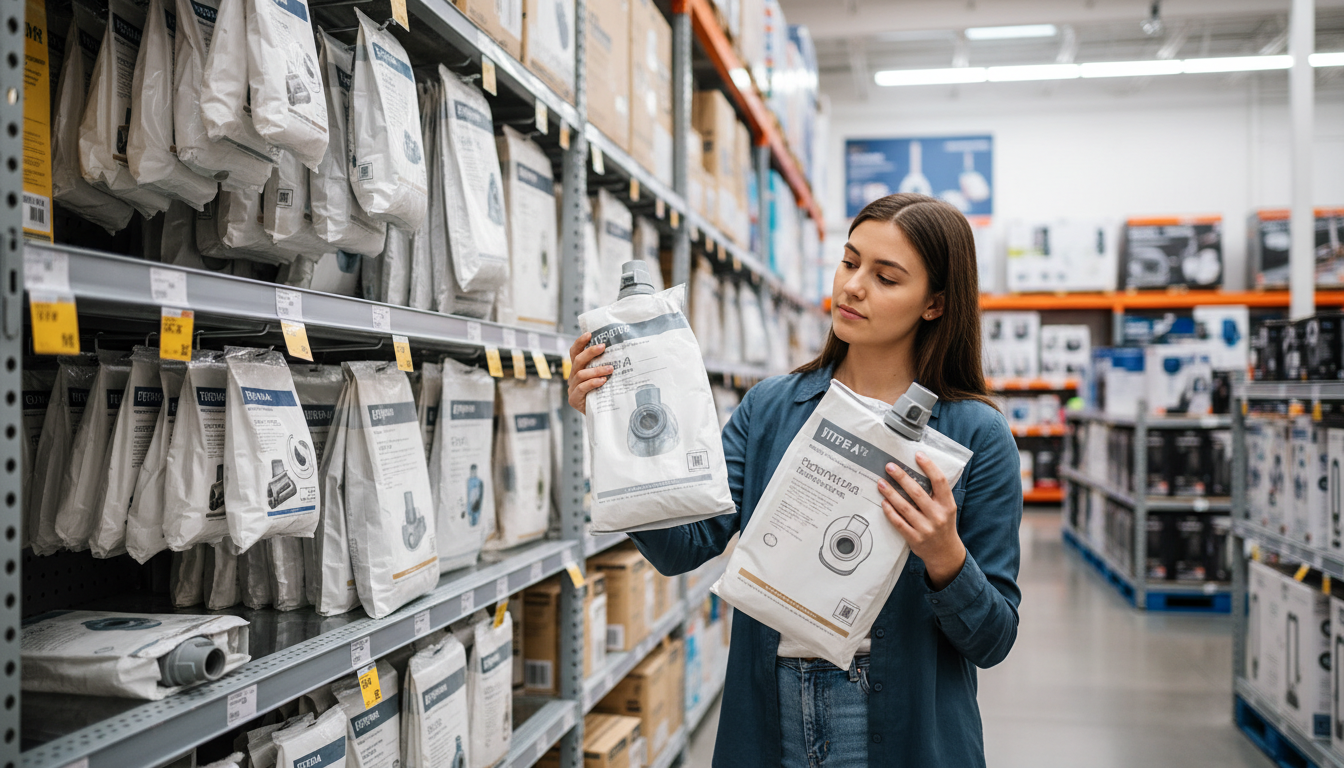
Where can I reliably purchase Kenmore Type C bags? Reliable sources for Kenmore Type C vacuum bags include major online retailers, appliance parts stores, and sometimes general merchandise stores. When purchasing, prioritize sellers with clear product descriptions that specify compatibility with Kenmore models requiring Type C bags. Checking customer reviews for feedback on fit and performance can also provide insight. Always confirm the seller's return policy in case of compatibility issues.
Making Your Decision: A Final Checklist for Purchasing Kenmore Type C Bags
Before finalizing your purchase of Kenmore Type C vacuum bags, a systematic review of key factors can ensure you select the most appropriate option for your vacuum and cleaning needs. This checklist is designed to guide you through critical considerations, balancing performance, cost, and personal requirements.
Confirm Your Vacuum Model and Bag Type
The fundamental step in purchasing Kenmore Type C bags is to precisely confirm your vacuum cleaner's model number and its required bag type. While many Kenmore canister models utilize Type C bags, variations exist, and an incorrect fit can severely compromise cleaning efficiency and potentially damage your vacuum. Always cross-reference the bag's compatibility information with your vacuum's specific model number, often found on a label on the appliance itself. A proper fit ensures the bag seals correctly within the vacuum's compartment, preventing dust leakage and maintaining optimal suction.
Prioritize Filtration Needs
Consider your household's specific filtration requirements when choosing Kenmore Type C bags. Standard paper bags effectively collect general household dust and debris. However, if you or family members suffer from allergies, asthma, or if you have pets, opting for Type C bags with HEPA-level filtration can significantly improve indoor air quality. These multi-layered bags are designed to capture a higher percentage of microscopic particles, including allergens, pet dander, and pollen, before they are recirculated into your living space. This enhanced filtration comes at a potentially higher cost but offers a distinct advantage for sensitive individuals.
Evaluate Bag Quality and Durability
The physical construction of the Type C bag directly impacts its performance and reliability. Look for bags made from robust, multi-ply materials that resist tearing, especially when handling heavier debris or sharp objects. The integrity of the bag's collar or seal is equally crucial; a well-designed collar ensures a tight, secure fit around the vacuum's intake port, preventing dust from escaping into the motor or back into the room. Poorly constructed bags may rupture prematurely, leading to messy cleanups and reduced vacuum lifespan, as fine dust can infiltrate internal components.
Consider Value vs. Cost
When assessing Kenmore Type C bags, weigh the initial purchase price against the overall value, which includes performance, durability, and longevity. Genuine Kenmore bags are engineered to meet original equipment specifications, often ensuring a precise fit and reliable filtration, though they may carry a premium price. Aftermarket or compatible bags can offer a more budget-friendly alternative, but their quality can vary. Evaluate the cost per bag, the number of bags in a pack, and how frequently you anticipate needing replacements. A slightly more expensive, higher-quality bag that performs better and lasts longer might offer better value in the long run than a cheaper option that needs frequent replacement or compromises cleaning.
Read Customer Reviews
Leverage the experiences of other Kenmore owners by reading customer reviews for Type C bags. Feedback often provides practical insights into real-world performance, fit, and common issues that might not be apparent from product descriptions alone. Pay attention to comments regarding:
- Fit and Installation: Do users report a snug, secure fit or difficulties?
- Durability: Are there consistent complaints about bags tearing or seals failing?
- Dust Containment: How well do the bags hold dust without leakage?
- Suction Performance: Do users notice any reduction in suction compared to previous bags? Look for recurring themes across multiple reviews, as this can indicate a widespread characteristic of the product.

More in Vacuum Cleaner Bags
View All