Choosing the Right Upright Vacuum Cleaner with Bags: Your Comprehensive Buying Guide
Discovering the Benefits of Upright Vacuum Cleaners with Bags
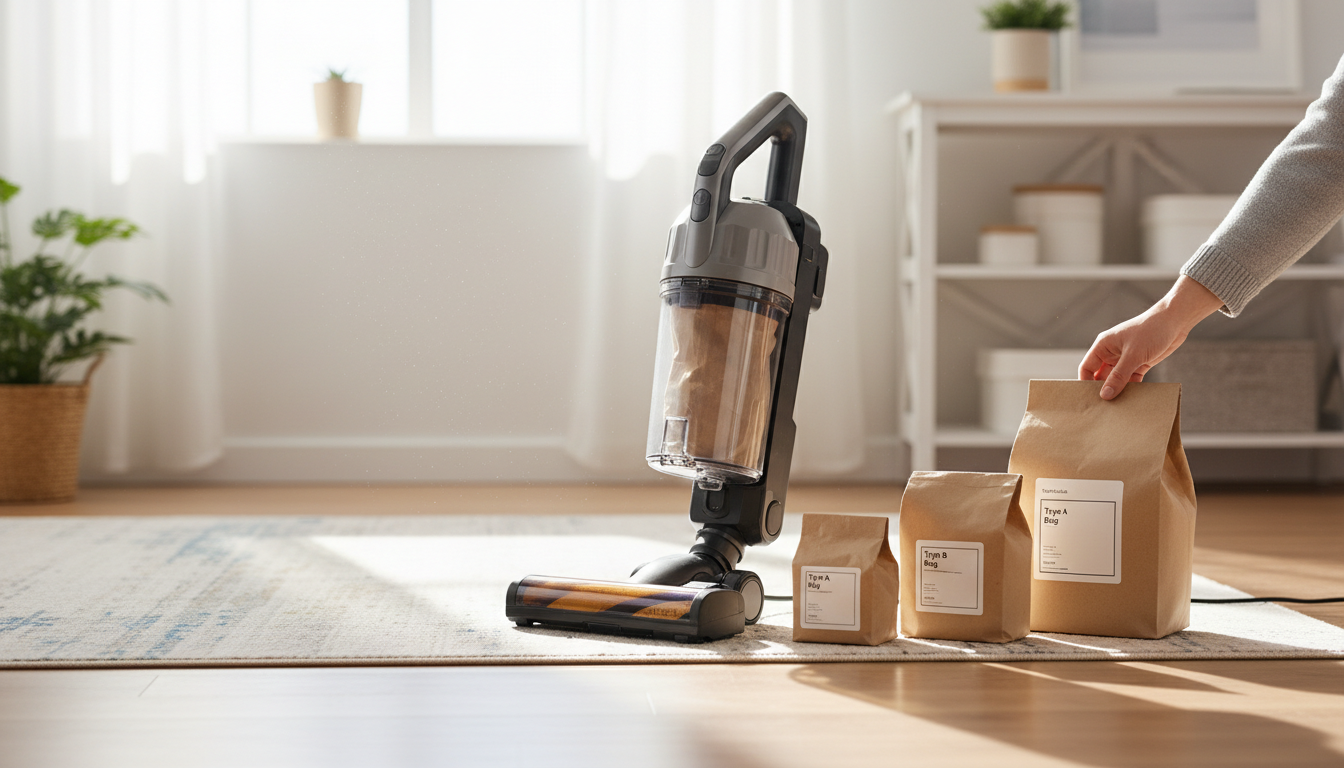
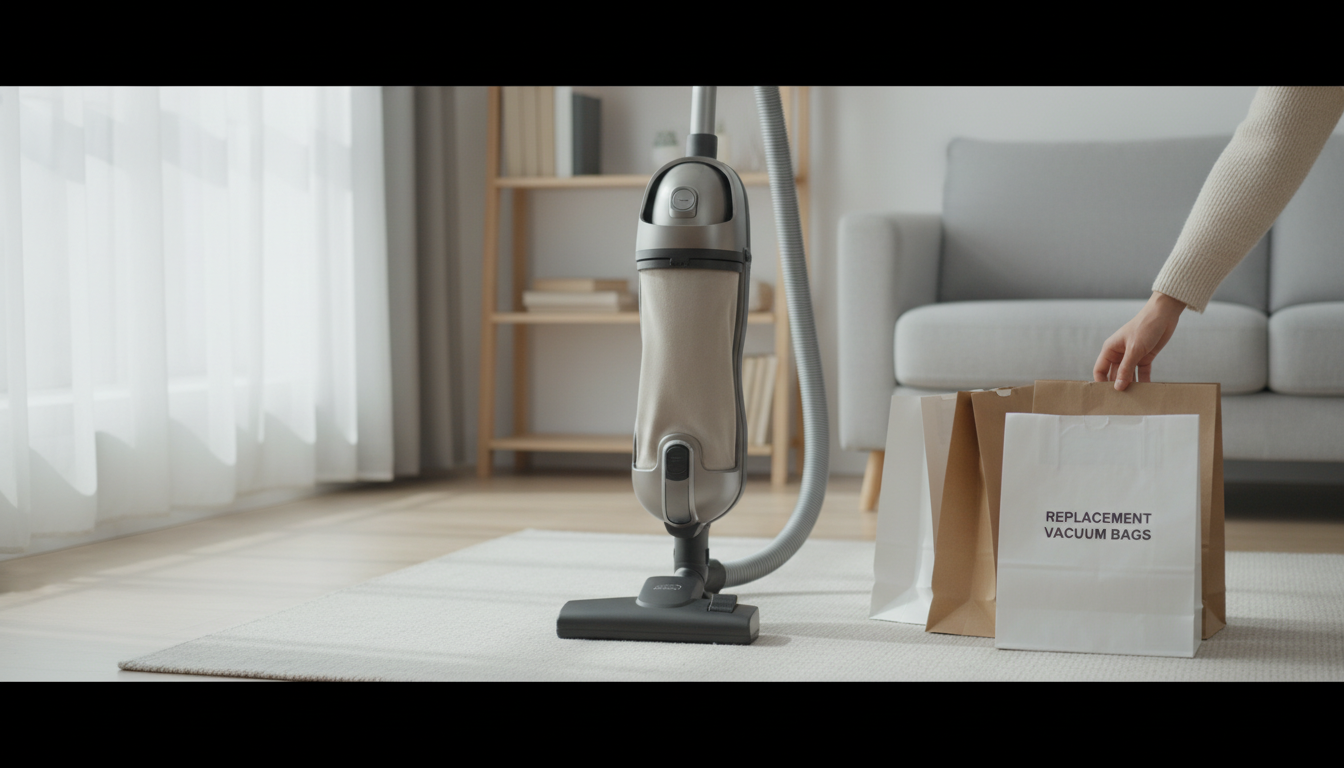
An upright vacuum cleaner with bags is a cleaning appliance that collects dirt, dust, and debris into a disposable bag housed within the unit. Unlike bagless models, these vacuums contain collected particulate matter in a sealed system, which is then discarded without direct contact.
This design remains a popular choice for specific user needs, particularly for those prioritizing hygienic dust disposal. The primary appeal lies in their ability to minimize exposure to allergens and fine dust during the emptying process, making them a preferred option for allergy and asthma sufferers. This guide will equip you with the knowledge to confidently select an upright vacuum cleaner with bags that best meets your specific cleaning needs, health considerations, and budget.
Why a Bagged Upright Might Be Your Best Cleaning Solution
Choosing an upright vacuum cleaner with bags can offer distinct advantages, particularly for households prioritizing indoor air quality and hygienic waste disposal. These models are designed to contain dust and allergens effectively from collection to disposal, addressing common concerns that alternatives may present.
One of the primary benefits of a bagged upright vacuum is its superior dust containment and hygiene. For individuals with allergies or asthma, minimizing exposure to collected debris is crucial. Bagged systems typically seal the dirt, dust, pet dander, and other allergens within a disposable bag. When the bag is full, it can be removed and discarded without direct contact with the contents, significantly reducing the chance of fine particles re-entering the air. This contrasts with emptying a bagless dustbin, which can often release a cloud of dust and allergens back into the environment.
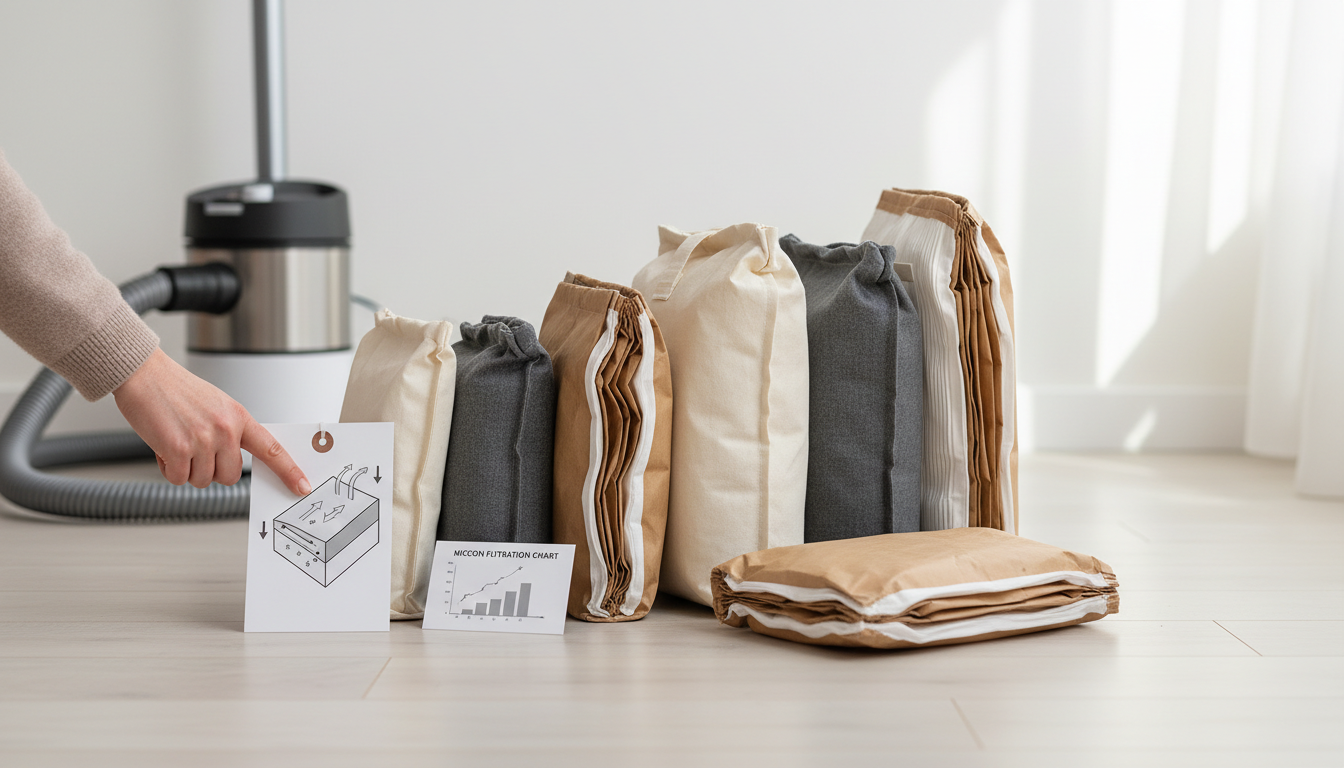
Many bagged upright vacuums integrate efficient filtration systems, often including HEPA filtration. In these designs, the bag acts as a pre-filter, capturing larger debris, while subsequent HEPA filters trap microscopic particles such as pollen, mold spores, and dust mite allergens. This multi-stage filtration ensures that exhaust air is cleaner, contributing to a healthier living space. The sealed nature of bagged systems, combined with high-efficiency filters, makes them particularly effective at trapping fine particulate matter.
Furthermore, bagged upright vacuums often require less frequent filter cleaning compared to many bagless models. Because the disposable bag captures the majority of debris and acts as a primary filter, the vacuum's internal filters (like HEPA filters) may remain cleaner for longer. This can translate to less maintenance time and a more consistent level of cleaning performance without the need for regular washing or replacement of reusable filters, which can degrade over time or if not cleaned properly.
Ultimately, bagged upright vacuums solve specific problems better than many bagless alternatives, especially concerning allergy management and maintaining clean indoor air. They offer a cleaner, more contained disposal process, reduce exposure to collected dust, and support robust filtration systems, making them a compelling choice for health-conscious homeowners and those seeking a hygienic cleaning solution.
Essential Features to Look For in a Bagged Upright Vacuum
Selecting an upright vacuum cleaner with bags involves evaluating several key features that impact cleaning effectiveness, user convenience, and long-term value. These criteria help ensure the model you choose aligns with your household's specific needs, particularly if dust containment and allergy management are priorities.
- Suction Power and Airflow: Effective suction is fundamental for deep cleaning carpets and efficiently picking up debris from various surfaces. While wattage indicates motor power, a more direct measure of cleaning capability is often airflow (measured in CFM – cubic feet per minute) at the cleaning head. Higher airflow generally translates to better debris pickup, which is crucial for embedded dirt and pet hair.
- Filtration System and Sealed Design: For allergy sufferers or those sensitive to dust, a robust filtration system is paramount. Look for models featuring HEPA filtration, which can capture 99.97% of airborne particles as small as 0.3 microns. Equally important is a "sealed system" design, which ensures that all air entering the vacuum passes through the filtration system before being exhausted, preventing dust and allergens from leaking back into the room. This containment is a primary advantage of bagged vacuums.
- Bag Capacity and Accessibility: Consider the bag's volume, as a larger capacity reduces the frequency of replacements, offering convenience. Evaluate how easily bags can be removed and replaced, minimizing contact with collected dust. Also, check the availability and cost of replacement bags for the specific model, as ongoing expenses can vary.
- Weight and Maneuverability: The vacuum's weight directly impacts ease of use, especially when cleaning stairs or moving between rooms. Lighter models can reduce fatigue, while features like swivel steering and a low-profile design enhance maneuverability around furniture and into tight spaces. Assess your home's layout and your physical comfort with the unit's size and weight.
- Brush Roll Type and Adjustability: The brush roll is critical for agitating carpet fibers to release dirt and pet hair. Look for models with a durable brush roll, ideally with an on/off switch to protect delicate bare floors from scratching. Adjustable height settings or automatic floor sensors allow the vacuum to adapt to different carpet pile heights and transition smoothly to hard surfaces without losing effective suction or damaging floors.
- Included Attachments and Tools: Versatility extends beyond floor cleaning. A good selection of onboard or easily accessible attachments—such as a crevice tool for tight spots, an upholstery tool for furniture, and a dusting brush—can significantly enhance the vacuum's utility for various cleaning tasks. Evaluate which tools are essential for your specific cleaning challenges, like pet hair on sofas or cobwebs in corners.
- Durability and Build Quality: A vacuum cleaner represents an investment, so assess the quality of materials and construction. Features like sturdy plastic components, metal brush roll bearings, and reinforced hoses can indicate a more durable machine designed for longevity. While specific warranty details are not a primary buying criterion here, the overall reputation for reliability often correlates with build quality.
Bagged Uprights: The Full Picture – Comparisons, Trade-offs, and Practical Considerations
Choosing an upright vacuum cleaner with bags involves understanding its specific advantages and disadvantages when compared to bagless alternatives. This balanced perspective helps set realistic expectations and ensures the chosen model aligns with individual cleaning priorities and lifestyle.
Dust Containment and Ongoing Maintenance
A primary distinction of bagged uprights lies in their dust disposal method. Bagged systems excel in hygiene, as collected debris, allergens, and fine particles are sealed within a disposable bag. This containment minimizes exposure to dust clouds during emptying, a significant benefit for allergy and asthma sufferers. When the bag is full, it is typically removed and discarded without direct contact with the contents.
In contrast, bagless vacuums collect debris in a reusable dustbin. While this offers the convenience of immediate emptying without purchasing bags, the process can release fine dust back into the air. Bagless models also require regular cleaning and occasional replacement of their filters to maintain suction power, adding another layer of maintenance. For bagged uprights, the bag itself often acts as a primary filter, reducing the frequency of other filter cleanings.
Economic and Performance Trade-offs
The decision between bagged and bagless also involves economic and performance considerations over the vacuum's lifespan.
- Recurring Costs: Bagged uprights necessitate the ongoing purchase of replacement bags. These costs can accumulate over time, and the specific bags required may vary by model, sometimes affecting availability. Bagless vacuums avoid this direct bag expense but may incur costs for replacement filters, which degrade over time and require periodic changing to maintain filtration and airflow.
- Suction Dynamics: A key operational difference is how debris accumulation affects performance. As a bag in an upright vacuum fills, the airflow path can become restricted, potentially leading to a gradual reduction in suction power. This signals the need for bag replacement, even if the bag isn't completely full. Bagless models generally maintain more consistent suction until their dustbin is full or filters become clogged.
Fit Limitations and Potential Failure Points
Before committing to a bagged upright, consider specific scenarios where it might not be the optimal fit, and be aware of common operational pitfalls.
- Fit Limits:
- Cost Sensitivity: If minimizing all recurring costs is a top priority, the ongoing expense of bags might be a deterrent.
- Environmental Concerns: For some, the environmental impact of disposable bags is a consideration, though many bags are now made with recycled content or are biodegradable.
- Bag Availability: If you live in an area with limited access to specific replacement bags or prefer not to manage an inventory of supplies, a bagged model might introduce an inconvenience.
- Potential Failure Points:
- Incorrect Bag Usage: Using generic, ill-fitting, or low-quality bags can compromise filtration, lead to dust leakage, or even damage the vacuum's motor by allowing fine particles to bypass the filtration system. Always use bags specified for your model.
- Overfilling Bags: Attempting to use a bag beyond its capacity can strain the vacuum's motor, reduce suction drastically, or cause the bag to rupture inside the machine, negating the hygienic benefits.
- Neglecting Other Filters: While bags provide significant filtration, many bagged uprights also feature pre-motor and post-motor filters. Neglecting to clean or replace these as recommended can impair air quality and reduce overall vacuum performance.
Ensuring Longevity: Tips for Maintaining Your Bagged Upright
Regular maintenance is key to preserving the performance and extending the lifespan of your upright vacuum cleaner with bags. Adhering to a few simple practices can help maintain optimal suction, filtration, and overall efficiency, ensuring your investment continues to deliver effective cleaning.
-
Bag Replacement Best Practices: Your vacuum's dust containment relies heavily on the bag.
- When to Change: Do not wait until the bag is completely full. Reduced suction, a visible bulging of the bag compartment, or a 'bag full' indicator light (if present) are all signals to change it. Replacing the bag when it's about two-thirds full helps maintain consistent airflow and prevents strain on the motor.
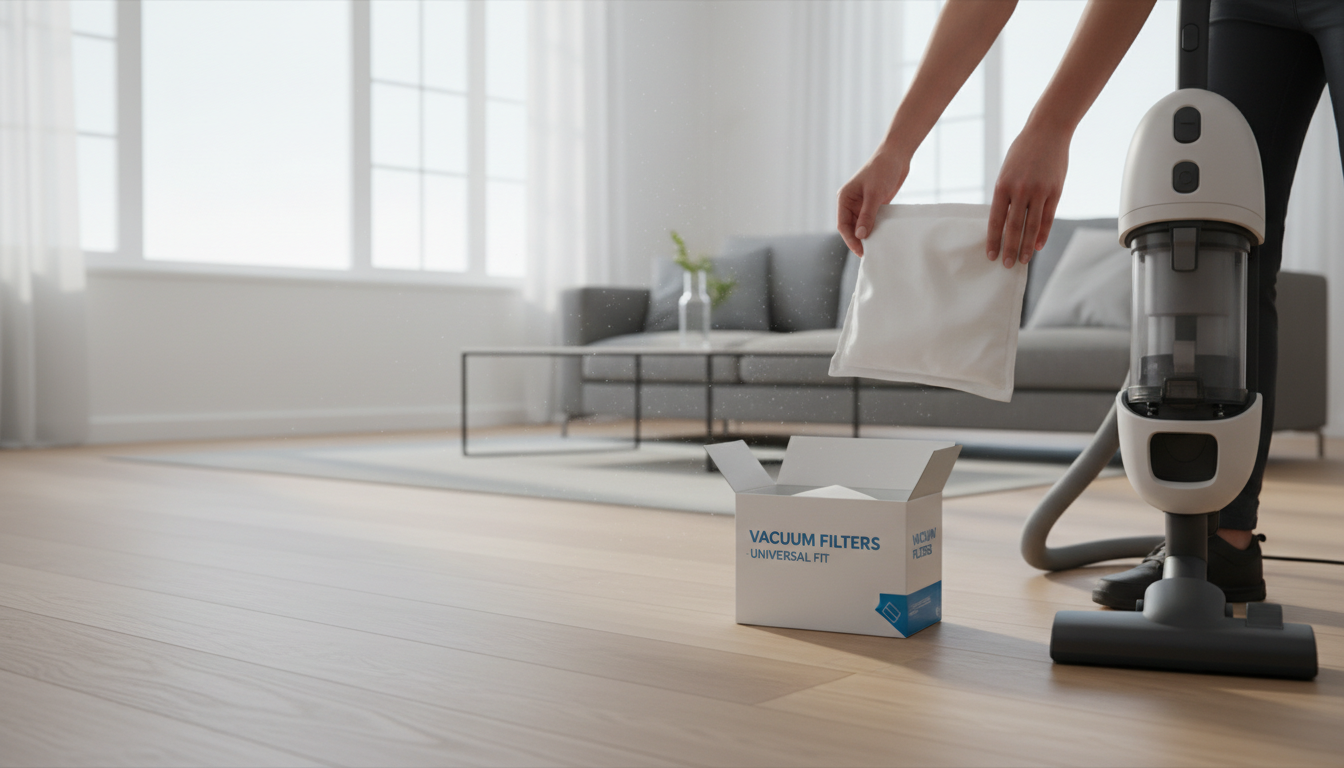
- Installation: Always consult your vacuum's manual for specific instructions. Ensure the new bag is properly seated and sealed within its compartment to prevent dust leakage into the motor or back into your home's air.
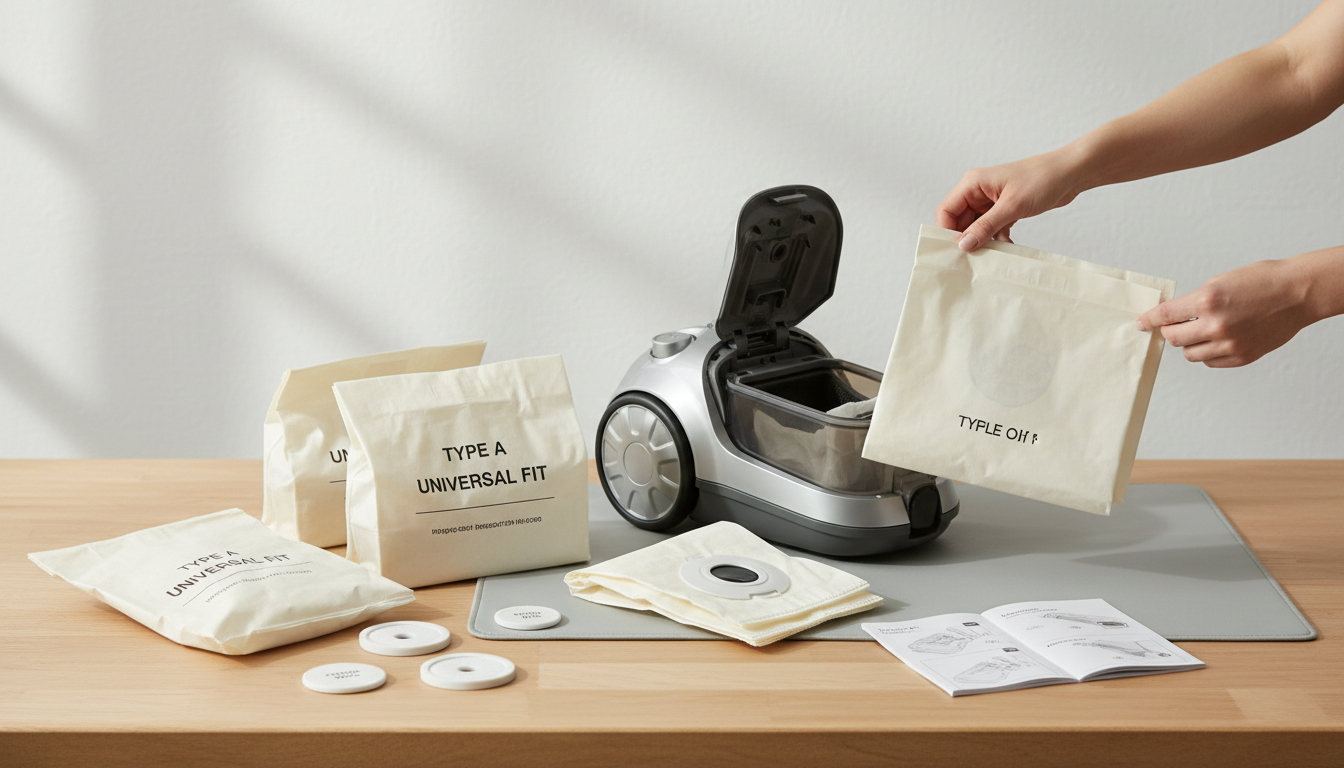
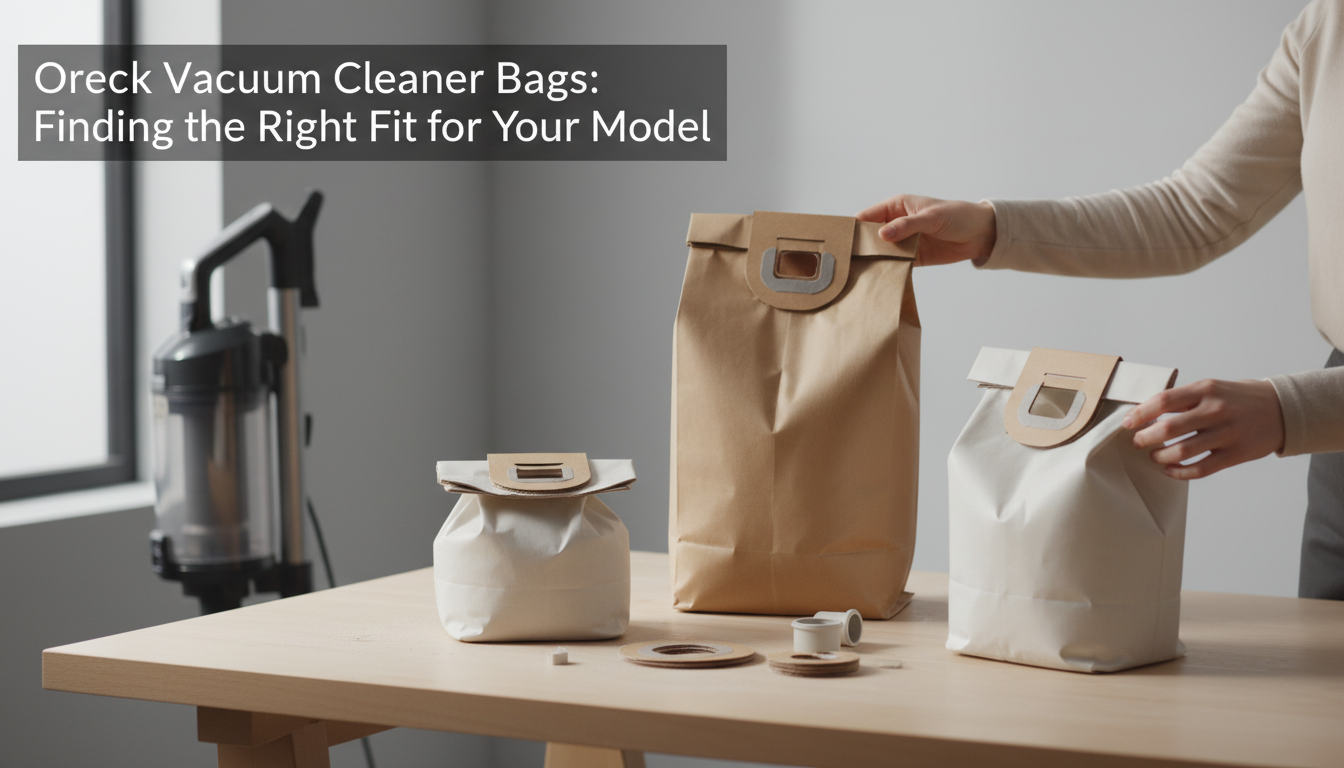
- Correct Bags: Using the correct type of upright vacuum cleaner bags specifically designed for your model is crucial. Incorrect bags can compromise filtration, reduce suction, or even damage the vacuum.
-
Filter Care: Bagged upright vacuums typically have multiple filters that require attention.
- Pre-Motor Filters: These often protect the motor from larger debris. Many are washable; if so, clean them regularly according to manufacturer guidelines and ensure they are completely dry before reinstallation to prevent mold or damage.
- HEPA Filters: Designed for fine particle capture, these are usually not washable and require periodic replacement. Check your vacuum's manual for the recommended replacement schedule, often annually or every two years, especially if you have allergies or pets. Dirty filters significantly reduce suction and filtration effectiveness.
-
Brush Roll Maintenance: The brush roll is vital for agitating carpets and picking up debris.
- Cleaning: Regularly inspect the brush roll for tangled hair, threads, or debris. Use scissors or a seam ripper to carefully cut away accumulated material. A clogged brush roll can hinder cleaning performance, strain the motor, and potentially damage the drive belt.
- Inspection: Ensure the brush roll spins freely and that its bristles are not excessively worn down.
-
Hose and Attachment Checks: Blockages in the hose or attachments can severely impact suction.
- Obstruction Removal: Periodically detach the hose and inspect it, along with any attachments, for clogs. Carefully remove any obstructions to restore full suction power.
-
General Storage: Proper storage contributes to your vacuum's longevity.
- Environment: Store your vacuum in a dry, cool place to protect plastic components and electrical wiring from degradation.
- Cord Care: Neatly wrap the power cord to prevent kinks, fraying, or damage that could lead to electrical issues.
Finding Your Perfect Match: A Decision Guide for Bagged Uprights
Selecting an upright vacuum cleaner with bags involves aligning its capabilities with your specific home environment and personal priorities. While all bagged uprights offer superior dust containment compared to bagless alternatives, the ideal model will vary based on individual needs, from managing allergens to tackling diverse floor types.
Consider these factors to guide your decision:
-
Household Composition and Health Concerns:
- Allergy Sufferers: Prioritize models with a fully sealed system and multi-layered bags, potentially with HEPA filtration. This combination significantly reduces the escape of fine dust and allergens back into the air during operation and bag disposal, a primary advantage of bagged vacuums.
- Pet Owners: Look for strong suction power and included pet-specific attachments designed to capture embedded hair and dander from various surfaces. Effective filtration is also crucial for managing pet allergens.
- General Cleaning: For homes without specific allergy or pet concerns, standard filtration and robust suction for everyday debris may suffice.
-
Home Environment and Cleaning Challenges:
- Floor Types: If your home has a mix of carpets and hard floors, seek models with adjustable brush rolls or a brush roll shut-off feature to prevent scattering debris on hard surfaces and protect delicate flooring.
- Home Size and Layout: For larger homes or multi-story residences, consider the vacuum's weight and maneuverability. A longer power cord can reduce the need for frequent outlet changes. Bag capacity is also relevant; larger bags mean less frequent replacement, which can be convenient for extensive cleaning tasks.
- Obstacles and Furniture: Assess the vacuum's profile and swivel steering capabilities if you have many tight spaces or low-clearance furniture.
-
Budget and Long-Term Value:
- Initial Investment: Bagged uprights are available across various price points. Higher-priced models often feature enhanced durability, more powerful motors, advanced filtration, and a wider array of specialized tools.
- Ongoing Costs: Factor in the recurring expense of replacement bags. While this is a trade-off for superior dust containment, some bags are more readily available or cost-effective than others. Consider the availability and price of compatible bags for any model you consider.
- Durability and Warranty: Researching manufacturer reputation and warranty coverage can provide insight into the expected lifespan and reliability of a vacuum, contributing to its overall value.
Before making a final choice, ask yourself:
- What is the most critical cleaning challenge in my home (e.g., allergies, pet hair, mixed flooring)?
- How frequently will I use the vacuum, and for what duration?
- What is my comfort level with the ongoing cost and availability of replacement bags?
- Do I prioritize advanced features and filtration, or is basic, effective cleaning sufficient?
By systematically evaluating these points, you can confidently select an upright vacuum cleaner with bags that aligns with your specific cleaning demands and health considerations.
Frequently Asked Questions About Bagged Upright Vacuums
When considering an upright vacuum cleaner with bags, several common questions arise regarding their performance, maintenance, and suitability. Understanding these aspects can help in making an informed decision.
Do bagged vacuums lose suction as they fill? Yes, it is a common characteristic for many bagged vacuums to experience a gradual decrease in suction power as the bag fills with debris. As dirt and dust accumulate, they can restrict airflow through the bag's filter material, making the motor work harder and reducing cleaning efficiency. While some modern designs incorporate features to mitigate this effect, it remains a general consideration.
Are replacement bags expensive or difficult to find? The cost of replacement bags is an ongoing expense that varies by brand and model. While some proprietary bags can be more expensive, many popular upright vacuum brands have readily available bags through various retailers. For less common or older models, finding specific bags might require more searching. Generic or off-brand alternatives are often available, potentially offering a more budget-friendly option.
Are bagged upright vacuums truly better for allergy sufferers? Many allergy sufferers find bagged upright vacuums to be beneficial. The primary advantage lies in the sealed containment system of the bag, which traps dust, allergens, and pet dander. When the bag is full, it can be hygienically removed and disposed of without direct contact with the collected debris, significantly reducing the release of fine particles back into the air compared to emptying a bagless dustbin.
How often should I change the vacuum bag? The frequency of bag changes depends on several factors: how often you vacuum, the size of your cleaning area, the amount of debris collected (e.g., pet hair, heavy dust), and the bag's capacity. A general guideline is to change the bag when it is approximately two-thirds to three-quarters full, or when you notice a significant decrease in suction power. Overfilling the bag can strain the vacuum's motor and reduce its effectiveness.
Can I use off-brand or generic vacuum bags? You can often find off-brand or generic vacuum bags designed to be compatible with various upright models. These alternatives can sometimes be more economical than manufacturer-branded bags. However, it is crucial to ensure that any generic bag fits securely and provides adequate filtration. An ill-fitting bag can lead to dust leakage, compromise the vacuum's performance, or potentially damage the motor if it allows fine particles to bypass the filtration system.
Invest in Cleanliness: Your Confident Choice for a Bagged Upright
Selecting an upright vacuum cleaner with bags is a decision that prioritizes hygienic cleaning and effective dust containment. Throughout this guide, we've explored how these models excel at trapping allergens and debris within a sealed system, offering a distinct advantage for allergy sufferers and those seeking minimal exposure to collected dust. The convenience of disposing of a full bag without direct contact with its contents contributes significantly to a cleaner home environment and healthier air.
Your journey to a confident purchase involves weighing these inherent benefits against practical considerations such as filtration capabilities, maneuverability, and ongoing bag costs. By evaluating factors like HEPA-level filtration, brush roll suitability for your flooring, and the overall design that best fits your home's layout, you can align a vacuum's features with your specific cleaning demands. An informed choice means understanding these trade-offs and selecting a model that offers the best balance for your lifestyle.
Ultimately, a well-chosen bagged upright vacuum cleaner represents a valuable investment in the cleanliness and air quality of your home. By taking the time to understand the nuances and match them to your individual needs, you empower yourself to select a durable, effective cleaning solution that delivers consistent performance and peace of mind for years to come.
More in Vacuum Cleaner Bags
View All