The Best Vacuum Cleaner Attachments: A Buyer's Guide to Essential Tools for Every Home
Unlocking Cleaning Potential: Your Guide to Essential Vacuum Attachments
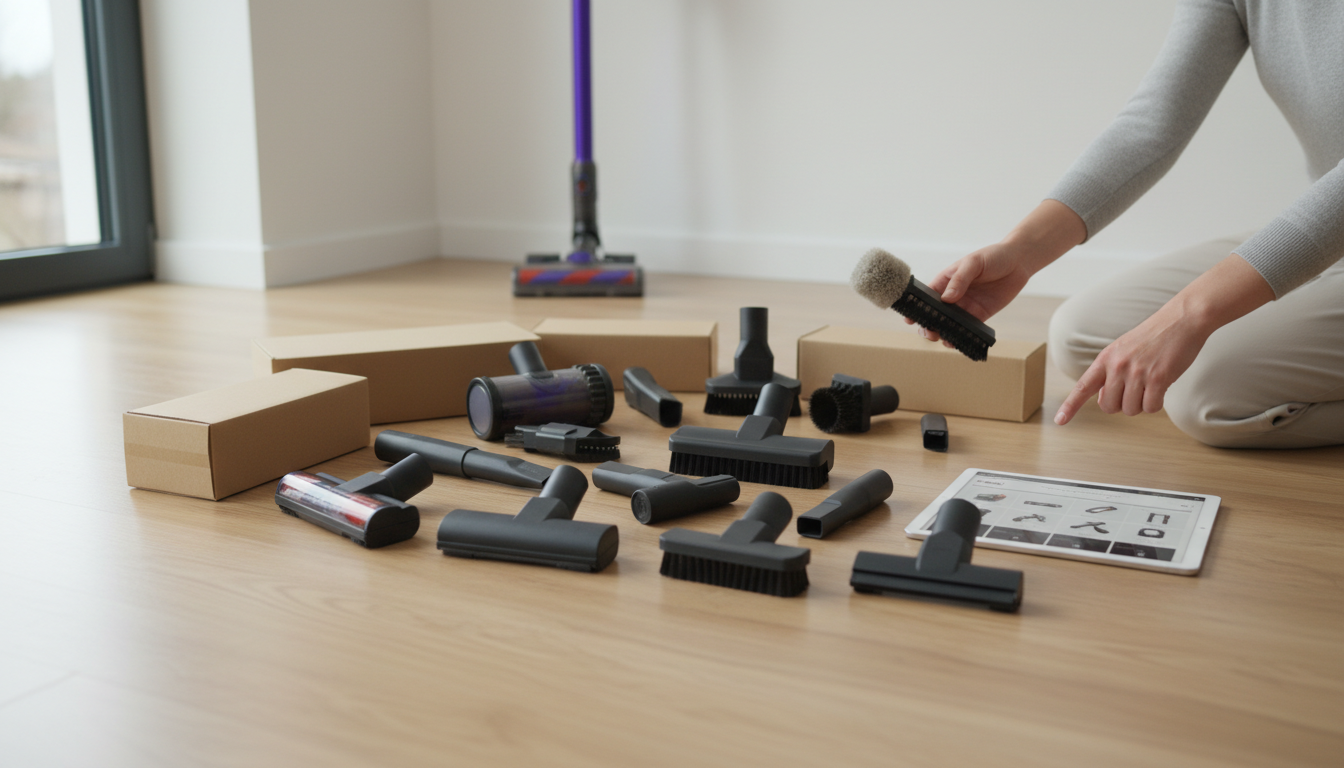
Navigating the extensive array of vacuum cleaner attachments can feel overwhelming for first-time buyers. From specialized brushes designed for delicate surfaces to tools engineered for stubborn pet hair, each accessory promises to enhance your cleaning capabilities. However, without clear guidance, selecting the right ones can be a challenge.
This guide is designed to demystify these choices, helping you confidently identify and choose the attachments that align with your specific cleaning needs and home environment. Understanding the function of each tool is key to maximizing your vacuum's versatility and cleaning efficiency. By selecting the appropriate attachments, you can:
- Target specific cleaning challenges: Address pet hair on upholstery, dust on electronics, or debris in tight corners more effectively.
- Improve reach and access: Clean areas previously inaccessible to the main vacuum unit, such as ceiling fans, under furniture, or inside vehicles.
- Enhance cleaning effectiveness: Utilize tools designed for optimal performance on different surfaces, from hardwood floors to intricate vents.
Ultimately, the right attachments transform your vacuum from a basic floor cleaner into a comprehensive cleaning system, allowing you to tackle a wider range of tasks with greater precision and less effort.
Beyond the Floor: Why Specialized Attachments Are Crucial for a Deeper Clean
A vacuum cleaner's core function is to clean floors, but its true potential extends far beyond this primary task. Specialized attachments are not mere accessories; they are essential tools that unlock a vacuum's full versatility, enabling a comprehensive and efficient approach to home cleaning. Without them, significant areas of your living space remain untouched by the vacuum's suction, leaving dust, debris, and allergens behind.
Standard floor nozzles are designed for broad, flat surfaces, making them ineffective for intricate or elevated cleaning challenges. Attachments bridge this gap by allowing your vacuum to reach areas a traditional floorhead cannot. This includes navigating narrow gaps, cleaning high shelves, tackling upholstery, or detailing inside a vehicle. For instance, a long, thin crevice tool is vital for extracting dust from behind radiators, along window tracks, or deep between couch cushions, where a standard nozzle would be too bulky.
These specialized tools are indispensable for addressing specific cleaning challenges effectively:
- Pet Hair Removal: For homes with shedding pets, a standard vacuum often struggles with embedded fur on furniture and stairs. Attachments like mini motorized brushes are engineered to agitate and lift pet hair from fabric surfaces more effectively than suction alone.
- Dusting Delicate Surfaces: Items like lampshades, blinds, electronics, or intricate moldings require a gentle approach. Soft dusting brushes feature long, fine bristles that collect dust without scratching or dislodging delicate objects.
- Targeted Debris Collection: From cobwebs in high corners to crumbs in kitchen drawers, specialized nozzles can focus suction precisely where it's needed, preventing the spread of debris.
By equipping your vacuum with the appropriate attachments, you transform it from a floor-centric appliance into a versatile cleaning system capable of addressing virtually every surface and crevice in your home. This not only contributes to a more thorough and efficient cleaning process but also maximizes the value of your initial vacuum cleaner investment, ensuring every dollar spent helps maintain a cleaner, healthier living environment.
Decoding the Arsenal: Essential Vacuum Cleaner Attachment Types and Their Uses
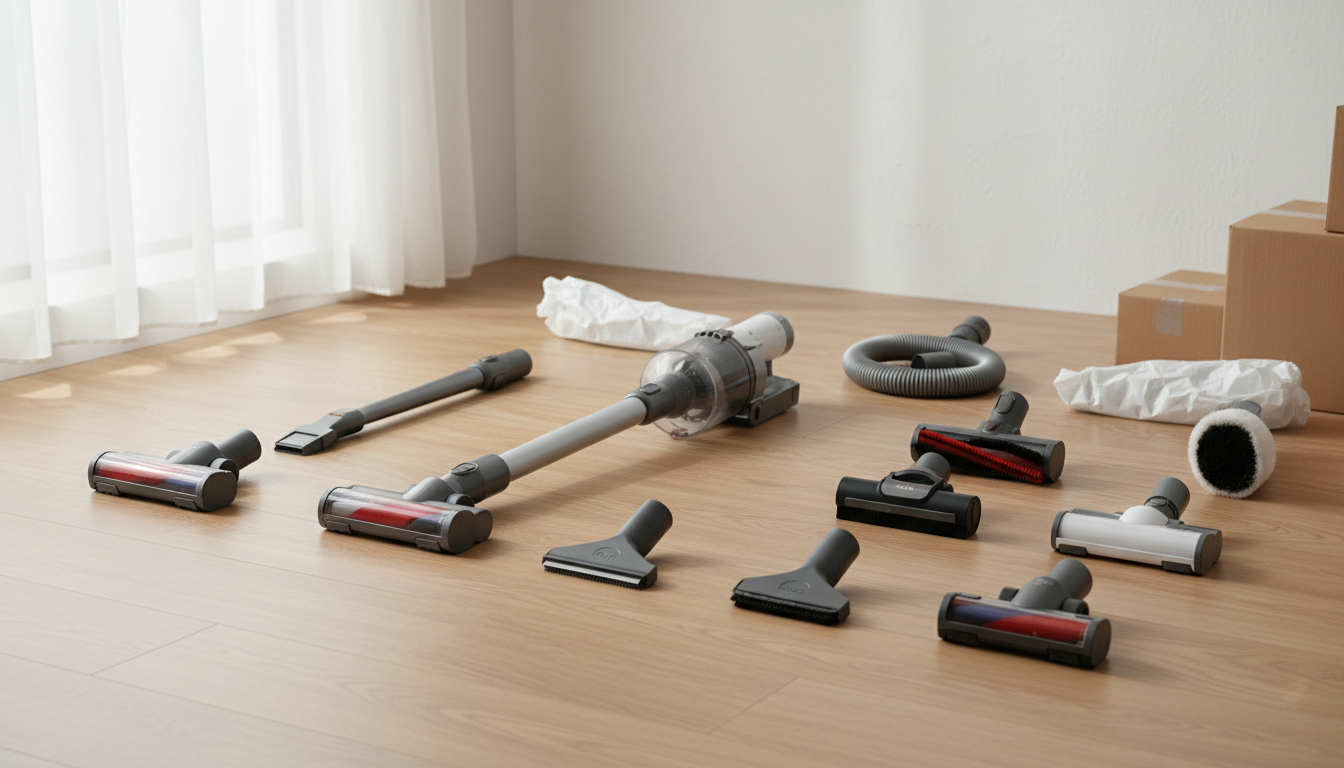
Understanding the array of vacuum cleaner attachments can transform your approach to cleaning, turning your vacuum into a versatile tool for nearly every surface and crevice in your home. Each attachment is designed with a specific purpose, addressing distinct cleaning challenges that a standard floorhead cannot. Identifying these key tools and their applications is crucial for maximizing your cleaning efficiency and ensuring a thorough clean.
Here are some of the most common and effective vacuum cleaner attachments:
- Crevice Tool
- Purpose: Precision cleaning in narrow, hard-to-reach areas.
- Description: A long, thin, often angled nozzle.
- Key Applications: Essential for accessing tight gaps such as between couch cushions, along baseboards, in window tracks, behind radiators, and within car interiors. This tool excels at extracting trapped dust and debris from spaces where larger nozzles cannot fit, solving the problem of inaccessible dirt accumulation.
- Dusting Brush
- Purpose: Gentle cleaning of delicate or uneven surfaces.
- Description: Typically a round brush with soft, long bristles.
- Key Applications: Ideal for dusting electronics, lampshades, blinds, bookshelves, picture frames, and intricate moldings without scratching. The soft bristles gently dislodge dust and allergens, making it effective for maintaining sensitive items and improving indoor air quality.
- Upholstery Tool
- Purpose: Effective cleaning of fabric surfaces.
- Description: A wider, flat nozzle, often with a lint strip or short bristles.
- Key Applications: Designed for furniture, curtains, mattresses, and car seats. It efficiently lifts surface dirt, lint, and pet hair from various fabrics without snagging or damaging the material. For pet owners, this tool is critical for managing dander and shedding on soft furnishings.
- Pet Hair Tool (Mini Motorized or Air-Powered Brush)
- Purpose: Deep cleaning and removal of embedded pet hair.
- Description: A smaller nozzle featuring a rotating brush roll, either powered by the vacuum's suction (air-powered/turbine) or by a dedicated motor.
- Key Applications: Highly effective for agitating and lifting stubborn pet hair and dander from upholstery, stairs, and small carpeted areas where a full-sized powerhead is impractical. This specialized tool addresses the significant challenge of pet hair accumulation, which can be a major allergen source.
- Extension Wand
- Purpose: Extending the reach of other attachments.
- Description: A rigid tube that connects between the hose/handle and another attachment.
- Key Applications: Indispensable for cleaning high ceilings, cobwebs in corners, ceiling fan blades, or reaching deep under large furniture without bending or straining. It transforms overhead and under-furniture cleaning from a struggle into an accessible task.
- Flexible Hose/Pivoting Wand
- Purpose: Enhancing maneuverability and accessing awkward spaces.
- Description: A separate, often longer and more flexible hose, or a wand designed with an articulating joint.
- Key Applications: A flexible hose provides greater reach and freedom of movement, particularly useful with handheld vacuums for car interiors or stairs. Pivoting wands, as seen in some upright models, allow the user to clean under low-clearance furniture without moving the main vacuum unit, significantly improving ergonomic comfort and versatility.
Selecting Your Perfect Match: Critical Factors for Choosing Attachments
Choosing the right vacuum cleaner attachments involves more than just picking a tool; it requires understanding how each accessory integrates with your existing vacuum and addresses your unique cleaning demands. For first-time buyers, a systematic approach helps cut through the clutter of options, ensuring your investment enhances your cleaning efficiency without encountering common compatibility or utility issues.
Consider the following critical factors to confidently select attachments that genuinely extend your vacuum's capabilities:
-
Compatibility with Your Vacuum System: This is paramount. Attachments are not universally interchangeable.
- Hose Diameter: Measure the opening of your vacuum's hose or wand. Most attachments connect via friction fit or a locking mechanism. Ensure the attachment's diameter matches your vacuum's.
- Brand and Model Specifics: Some vacuum brands use proprietary fittings. While universal adapters exist, checking for attachments specifically designed for your vacuum's brand and model often ensures a secure fit and optimal performance.
- Power Requirements: Motorized attachments, like mini turbo brushes, require power, typically supplied through electrical contacts on the vacuum hose or wand. Verify your vacuum supports these if considering such tools.
- Trade-off: Universal attachments offer flexibility but might have a less secure fit than brand-specific ones.
-
Identify Your Specific Cleaning Needs: What challenges do you frequently face that your current vacuum setup can't effectively address?
- Pet Hair: For pet owners, specialized attachments like motorized brushes or upholstery tools are crucial for lifting deeply embedded hair from fabrics and carpets.
- Allergies/Dust: Soft dusting brushes and tools designed for intricate surfaces help capture fine dust particles from delicate items, preventing their recirculation.
- Tight Spaces & Crevices: A long, slender crevice tool is essential for reaching into narrow gaps, car interiors, and along baseboards where debris accumulates.
- Delicate Surfaces: Soft-bristled brushes are ideal for dusting electronics, lampshades, and intricate woodwork without causing scratches.
- Trade-off: Highly specialized tools are excellent for their intended purpose but may have limited versatility for other tasks.
-
Consider Your Vacuum's Type: The best attachments can vary based on whether you own an upright, canister, stick, or handheld vacuum.
- Upright Vacuums: Often excel at floor cleaning but may benefit from additional tools for above-floor tasks, requiring longer wands or flexible hoses.
- Canister Vacuums: Typically come with a good array of attachments and are inherently versatile for various surfaces due to their flexible hose. Focus on filling specific gaps in your existing set.
- Stick & Handheld Vacuums: Prioritize lightweight, easily maneuverable attachments that complement their compact design and battery life. Pivoting wands can significantly enhance their reach and ease of use.
-
Material Quality and Durability: The longevity and effectiveness of an attachment depend on its construction.
- Construction: Look for sturdy plastics and secure connections that can withstand regular use. Flimsy attachments can break or lose suction over time.
- Bristle Type: For brushes, assess bristle stiffness. Soft bristles are for delicate surfaces, while stiffer ones are for agitation on upholstery or carpets.
- Risk: Poorly constructed attachments can scratch surfaces or fail prematurely, leading to repeated purchases.
-
Storage and Ergonomics: Practical considerations impact how often and effectively you use your attachments.
- Ease of Use: Can you easily attach and detach the tools? Are they comfortable to hold and maneuver for extended periods? Ergonomic preferences are key for sustained use.
- Storage Solutions: Consider how you will store the attachments. Some vacuums offer on-board storage, while others require a separate bag or caddy. Accessible storage encourages regular use.
By evaluating these factors, you can make informed decisions that align with your cleaning routine, ensuring your vacuum cleaner attachments are valuable assets rather than unused accessories.
Avoiding Common Attachment Headaches: Installation, Suction, and Maintenance Tips
While vacuum attachments significantly expand your cleaning capabilities, they can also introduce common operational challenges if not understood and managed correctly. Addressing these potential pitfalls upfront can prevent frustration and ensure your investment delivers its full potential. Understanding fit, suction dynamics, and basic maintenance is key to a seamless cleaning experience.
One of the most frequent issues stems from improper installation or fit limits. Attachments are not universally compatible; a tool designed for one vacuum brand or model may not securely fit another. An ill-fitting attachment creates air leaks at the connection point, which directly impacts the vacuum's ability to pull dirt and debris. Always confirm the attachment clicks firmly into place or forms a tight seal to maintain optimal airflow.
Loss of suction is a primary indicator of an underlying problem, often linked to attachments. Beyond poor installation, blockages within the attachment itself or the hose section it connects to are common culprits. Fine dust, pet hair, or larger debris can accumulate, obstructing the internal pathways and acting as a barrier to airflow. Regularly inspect attachments for visible clogs, especially after tackling heavily soiled areas.
Certain attachments, particularly those designed for pet hair or fine dust, can contribute to clogged filters and airways more rapidly. As these tools agitate and collect concentrated debris, the vacuum's filtration system works harder. A clogged filter restricts airflow, reduces suction, and can strain the vacuum motor. Consistent maintenance, including cleaning or replacing filters according to your vacuum's guidelines, is crucial for sustaining performance.
Finally, improper attachment use can lead to inefficiency or even damage. Using an abrasive attachment, such as a stiff-bristled brush, on delicate surfaces like polished wood or electronics can cause scratches. Conversely, attempting to deep clean upholstery with a smooth dusting brush will be ineffective. Always match the attachment to the task and surface to ensure both effective cleaning and protection of your belongings. For specific guidance on your vacuum model's compatible attachments, installation, and maintenance schedule, always refer to your user manual. This document is your most reliable resource for preventing common issues and maximizing your vacuum's lifespan.
Beyond the Basics: Building Your Ultimate Attachment Toolkit for Every Home
Selecting vacuum cleaner attachments strategically allows you to transform a standard cleaning appliance into a versatile tool tailored to your living space. Rather than accumulating every available accessory, a thoughtful approach focuses on identifying specific cleaning challenges within your home and choosing tools designed to address them effectively. This ensures that each attachment adds genuine value, enhancing your cleaning routine without unnecessary clutter.
To build a truly effective toolkit, consider these aspects of your unique environment and lifestyle:
- Pet Ownership: If your home includes shedding pets, prioritize attachments designed to manage hair on upholstery, carpets, and hard-to-reach areas. These often feature specialized bristles or motorized components that agitate and lift embedded fur.
- Allergy Concerns: For individuals sensitive to dust and allergens, look for tools that effectively capture fine particles without redistributing them. Soft dusting brushes and sealed systems are beneficial for minimizing airborne irritants during cleaning.
- Delicate Surfaces: Homes with antique furniture, electronics, or sensitive finishes require attachments with soft bristles or gentle suction control. These prevent scratches and damage while still removing dust and debris.
- Hard-to-Reach Areas: Evaluate the frequency with which you need to clean tight corners, high shelves, or underneath appliances. Flexible crevice tools, extension wands, and specialized brushes can significantly improve access to these challenging spots.
- Vehicle Interior Cleaning: If you regularly clean your car, consider attachments that are compact and maneuverable, designed for upholstery, floor mats, and the intricate spaces within a vehicle cabin.
A strategic approach to purchasing means investing in attachments that solve specific problems, rather than simply expanding your collection. Each tool should offer a clear advantage, allowing you to clean more thoroughly, efficiently, or in areas previously inaccessible. The right combination of attachments extends the utility of your vacuum, enabling it to tackle a wider array of tasks with precision. This thoughtful selection process can elevate cleaning from a routine chore to an efficient, targeted process, ensuring a more consistently tidy and healthier home environment.
Your Top Questions About Vacuum Attachments, Answered
Understanding vacuum attachments can simplify your cleaning routine and extend your vacuum's utility. Here are clear answers to common inquiries that can help you make informed decisions and maintain your tools effectively.
Can I use any brand's attachments with my vacuum?
Not always, but often. Vacuum cleaner attachments commonly come in standardized diameters, such as 1.25 inches (approximately 32mm) or 1.5 inches (approximately 38mm). Many generic attachments are designed to fit these common sizes. However, some vacuum manufacturers use proprietary connection systems or unique shapes that require their specific brand's accessories.
- Check your vacuum's specifications: Consult your vacuum's manual or manufacturer's website for the exact diameter of its hose opening.
- Measure the hose: Physically measure the internal diameter of your vacuum's hose opening or the external diameter of an existing attachment's connecting end.
- Consider adapters: If you find an attachment you need that doesn't fit, universal adapters are available that can bridge the compatibility gap between different sizes.
How do I know which attachments I really need for my home?
The most effective way to determine necessary attachments is to assess your specific cleaning challenges and home environment. Think about the surfaces you clean, the types of debris you encounter, and any hard-to-reach areas.
- Surface variety: Do you have delicate hardwood, plush carpets, or a mix? This influences the type of floorheads and brushes needed.
- Pet ownership: Pet hair requires specialized tools like mini motorized brushes or upholstery tools to effectively lift and remove embedded fur.
- Allergies or dust sensitivity: Dusting brushes with soft bristles and crevice tools for tight spaces can help reduce allergen buildup.
- Furniture and upholstery: Consider tools designed for fabric, such as upholstery nozzles, to prevent damage and ensure thorough cleaning.
- Tight spaces and heights: Long crevice tools are essential for narrow gaps, while extension wands and dusting brushes help reach high shelves or ceiling corners.
- Vehicle cleaning: A combination of crevice tools, small brushes, and perhaps a flexible hose can make car interiors much easier to clean.
How do I clean and maintain my vacuum attachments?
Regular cleaning and maintenance extend the life and effectiveness of your attachments. Neglecting them can lead to reduced performance and potential damage.
- Wipe down surfaces: Use a damp cloth to wipe dust and grime from plastic and rubber components after each significant use.
- Remove tangled debris: For brush attachments, regularly cut and pull out tangled hair, threads, or fibers from the bristles. This is crucial for maintaining brush rotation and suction.
- Check for blockages: Periodically inspect the opening and internal channels of each attachment for any lodged debris.
- Wash when necessary: Some attachments, particularly those without electrical components, can be washed with mild soap and water. Ensure they are completely air-dried before reattaching them to your vacuum to prevent moisture damage or mold growth.
What should I do if my attachment loses suction or gets clogged?
Loss of suction or a clog in an attachment is a common issue that often has a straightforward solution. Addressing it promptly can restore your vacuum's performance.
- Inspect the attachment directly: First, remove the attachment from the vacuum and visually inspect its opening and internal pathway for any visible obstructions. Use a blunt object or your fingers to dislodge any debris.
- Check the vacuum hose: If the attachment appears clear, the blockage might be further up in the vacuum's main hose. Disconnect the hose from both the vacuum body and the floorhead (if applicable) and look through it. A broom handle or similar long, blunt object can sometimes push through a clog.
- Verify main vacuum components: Ensure the vacuum's dustbin or bag is not full and that the filters are clean. A clogged filter or full dustbin can significantly reduce overall suction, making attachments seem ineffective.
- Ensure proper connection: Confirm the attachment is securely fitted to the vacuum's hose or wand. A loose connection can create air leaks, leading to a noticeable drop in suction.
More in Vacuum Cleaner Attachments
View All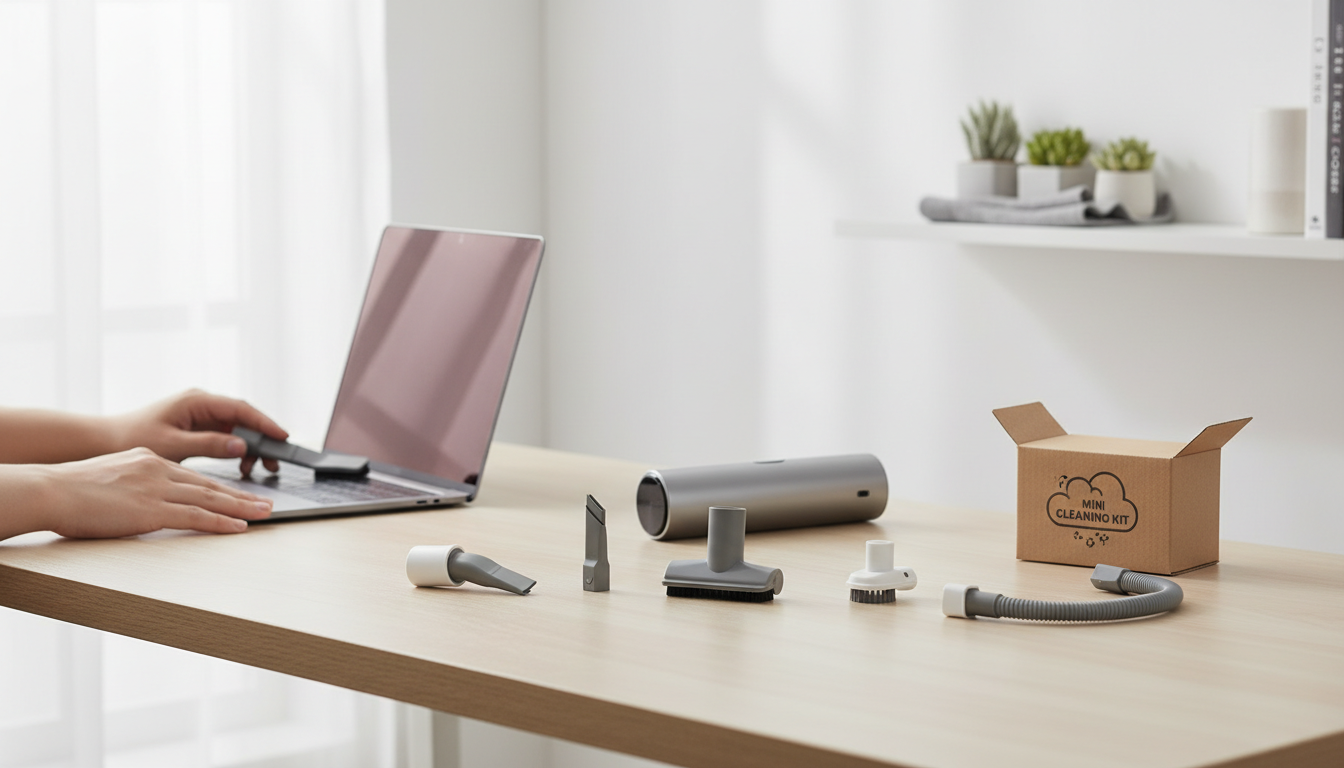
Mini Vacuum Cleaner Attachments: Perfect for Small Spaces and Detailed Cleaning Tasks
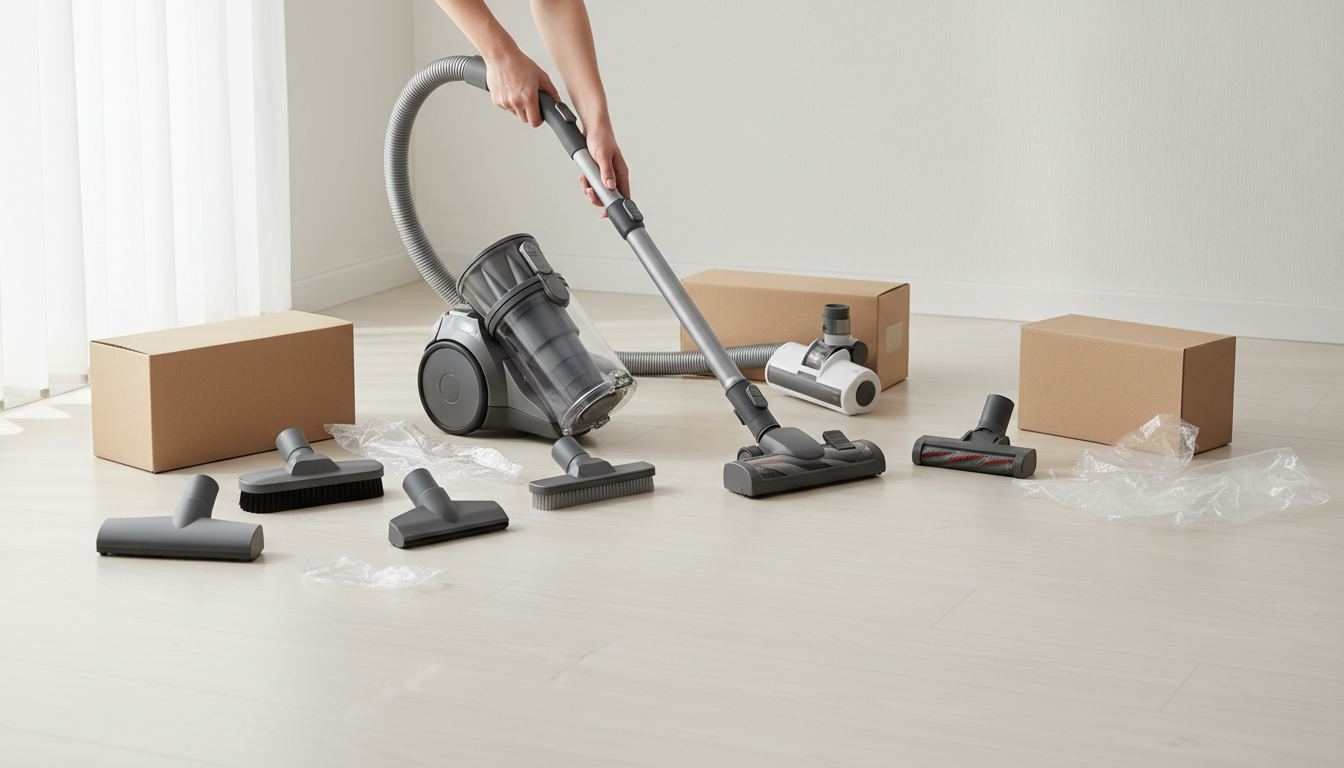
Shark Vacuum Cleaner Attachments: Expanding Your Shark's Cleaning Power