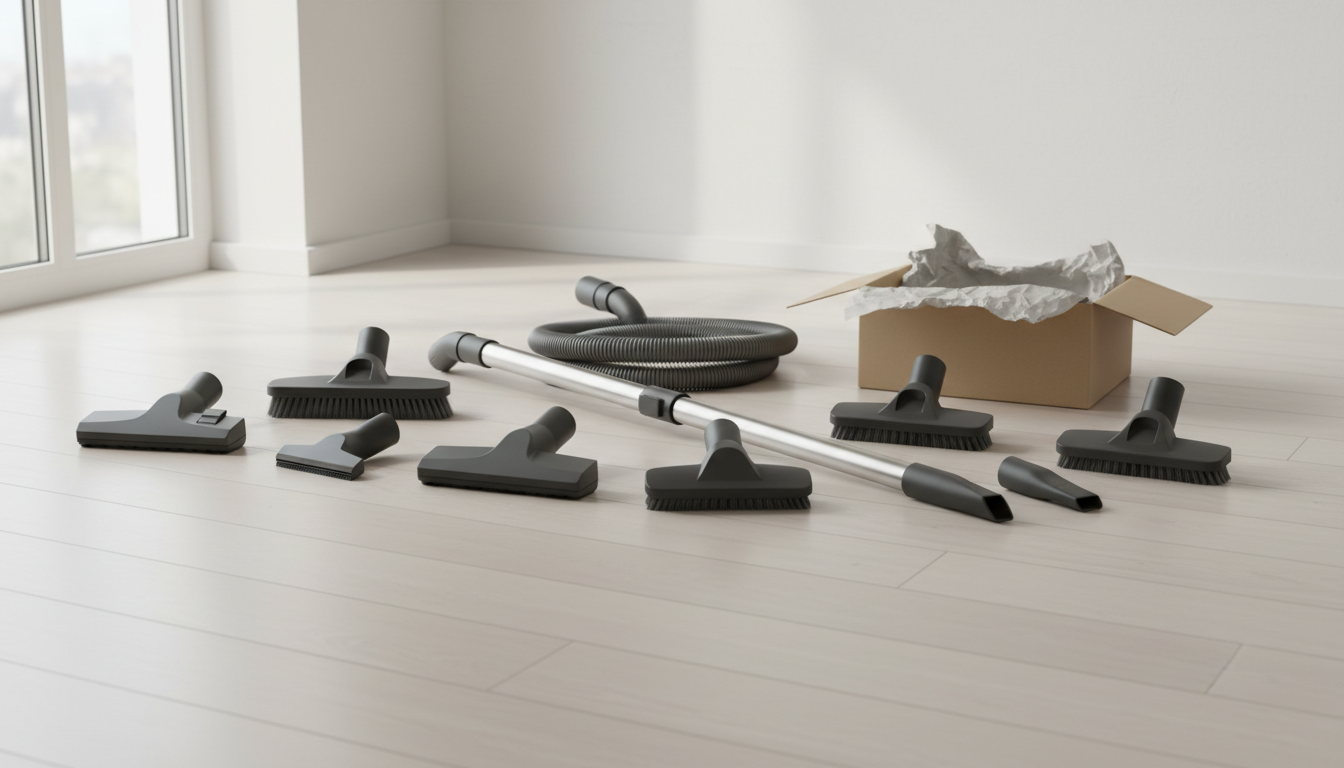
Mini Vacuum Cleaner Attachments: Perfect for Small Spaces and Detailed Cleaning Tasks
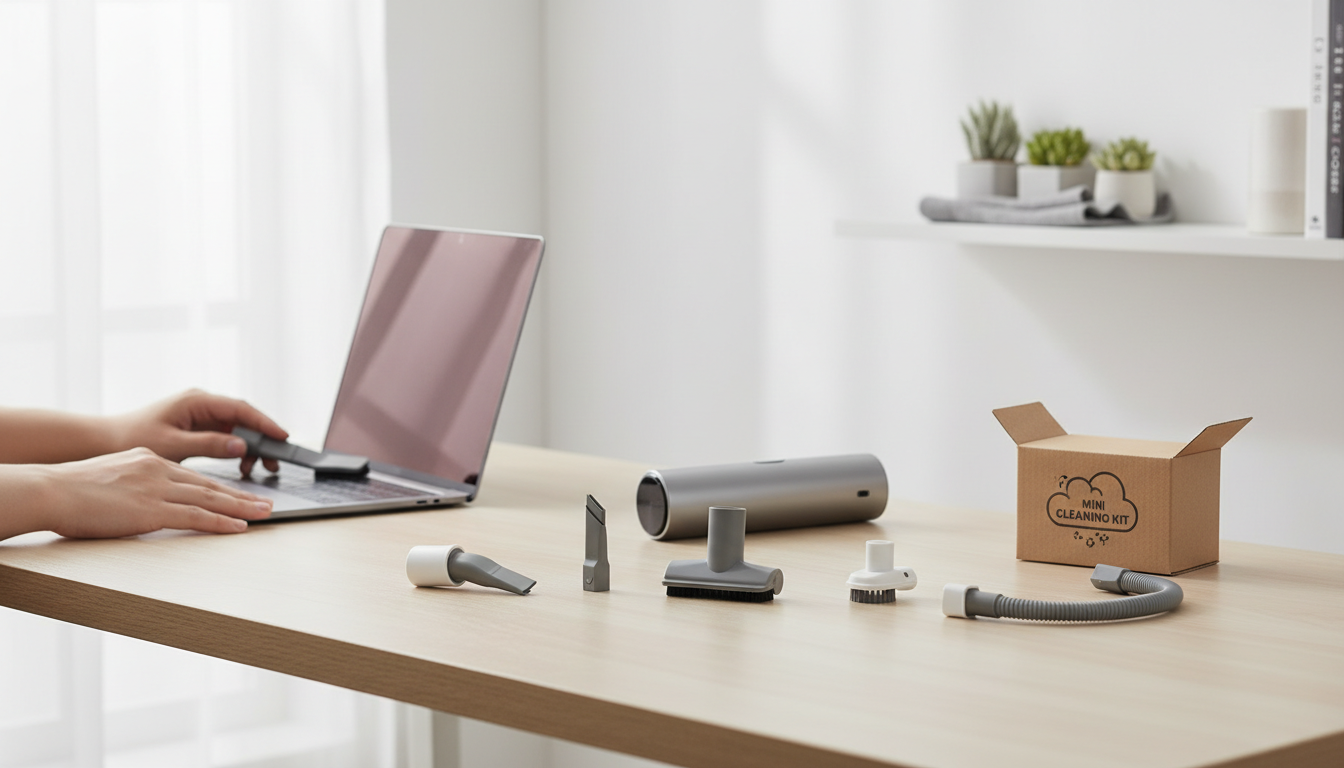
Unlocking Precision Cleaning: Why Mini Vacuum Attachments Are Essential
Standard vacuum cleaners excel at broad surface cleaning, but many everyday challenges demand a more focused approach. Mini vacuum cleaner attachments bridge this gap, transforming your cleaning device into a precision tool capable of reaching the most confined or delicate areas. These specialized accessories are designed to tackle intricate tasks that larger tools simply cannot address effectively.
Their primary purpose is to extend the utility of your vacuum, enabling detailed and specialized cleaning in spaces like:
- Vehicle interiors: Navigating dashboards, console crevices, and seat seams.
- Electronics: Gently removing dust from keyboards, circuit boards, and camera lenses.
- Craft and hobby areas: Picking up tiny debris without disturbing delicate components.
- Household nooks: Clearing dust from window tracks, vents, and intricate decor.
This guide will equip you with the knowledge to identify the most suitable mini vacuum attachments for your specific cleaning needs, understand potential compatibility issues, and make an informed purchase that enhances your cleaning routine.
Beyond the Basics: Problems Mini Attachments Solve for Detailed Cleaning
Standard vacuum cleaners, while powerful for general floor and surface cleaning, often fall short when confronted with intricate details, confined spaces, or delicate items. Their larger nozzles and rigid tools are designed for efficiency over broad areas, not precision. This creates a common cleaning dilemma: how to remove dust and debris from spots that are either too small to access, too fragile for strong suction, or too complex for a wide brush. Mini vacuum cleaner attachments directly address these limitations, providing the necessary access and control for tasks where conventional tools are inadequate.
These specialized tools offer a solution to the buyer problem of ineffective or damaging cleaning in specific scenarios. They bridge the gap between general tidiness and meticulous detail work, preventing the need for less efficient or potentially harmful manual methods.
- Car Interiors: Standard attachments struggle with the tight crevices between seats, dashboard vents, console gaps, and door panel pockets. Mini crevice tools, often flexible, can reach these areas, while small dusting brushes gently clean sensitive surfaces without scratching.
- Electronics: Keyboards, computer towers, stereo components, and gaming consoles accumulate dust in their intricate grilles and keys. Using a full-sized vacuum can be too powerful or too large. Mini attachments provide gentle, focused suction to remove debris without dislodging small parts or causing static damage.
- Delicate Items & Collectibles: Intricate figurines, model kits, delicate lampshades, or decorative carvings require a light touch. Mini dusting brushes with soft bristles can carefully lift dust without disturbing or damaging these objects, an impossibility for many standard vacuum heads.
- Small Appliances & Household Nooks: Toaster crumb trays, coffee maker reservoirs, window tracks, and cabinet corners are often too narrow or awkward for typical vacuum tools. Small, angled nozzles or miniature brushes can effectively clean these areas, improving hygiene and appliance longevity.
- Upholstery Seams & Pet Beds: While some standard vacuums have upholstery tools, mini versions with or without motorized brushes can offer superior maneuverability for targeted pet hair removal from tight seams, pet beds, or car seats, where larger tools might miss concentrated debris.
In essence, mini vacuum attachments offer superior access and control by reducing the scale of the cleaning interface. Their smaller size, often combined with specialized shapes and materials, allows users to apply targeted suction and agitation precisely where it's needed, transforming frustrating cleaning challenges into manageable tasks.
Decoding the Arsenal: Common Types of Mini Vacuum Attachments and Their Uses
Mini vacuum cleaner attachments are pivotal in extending a vacuum's utility beyond basic surface cleaning, enabling precise solutions for specific challenges. Understanding the design and purpose of each tool helps in tackling detailed tasks effectively. While many mini vacuums include a basic set, recognizing specialized options can significantly enhance cleaning versatility.
-
Crevice Tools
- Function: These slender, often tapered nozzles are engineered to reach into narrow, confined spaces that larger vacuum heads cannot access.
- Ideal Application: Perfect for cleaning between car seats, along baseboards, window tracks, keyboard gaps, and the tight corners of furniture. Their design allows them to penetrate deep into crevices to extract trapped dust and debris.
- Effectiveness: The concentrated suction at the narrow tip provides powerful removal of particles from otherwise inaccessible areas.
-
Brush Attachments
- Function: Combining suction with bristles, these attachments serve to agitate surfaces or gently dust delicate items. They come in various bristle stiffness levels.
- Ideal Application:
- Soft Dusting Brushes: Ideal for delicate surfaces like electronics, lamp shades, blinds, car dashboards, and intricate decor without scratching.
- Stiffer Upholstery Brushes: Designed to loosen dirt and debris from fabric surfaces such as car mats, furniture upholstery, or pet beds, preparing it for suction.
- Effectiveness: The bristles lift and dislodge particles, making them easier for the vacuum to pick up, while protecting sensitive materials from direct nozzle contact.
-
Motorized Brushes
- Function: Unlike static brush attachments, motorized brushes feature a rotating brush roll, often powered by the vacuum itself or a dedicated motor. This active agitation significantly enhances cleaning power.
- Ideal Application: Highly effective for deep cleaning tasks, particularly in removing embedded pet hair from upholstery, car carpets, and pet beds. Research indicates that a motorized mini brush is notably effective for these specific applications.
- Effectiveness: The continuous rotation of the bristles vigorously combs through fabric, lifting stubborn hair, lint, and ground-in dirt, making them indispensable for pet owners or anyone tackling heavily soiled fabric surfaces.
Selecting Your Set: Crucial Factors for Choosing Mini Vacuum Attachments
Choosing the right mini vacuum attachments involves more than just identifying a need; it requires understanding how specific features align with your cleaning challenges. A thoughtful selection process ensures you acquire tools that enhance your mini vacuum's utility, rather than create frustration.
-
Compatibility is Paramount: Before considering any other feature, verify that an attachment will physically connect and function with your mini vacuum. Mini vacuums often feature smaller hose diameters than full-sized models, and these can vary significantly between brands.
- Hose Diameter: Measure your vacuum's hose opening or consult its specifications. Many attachments are designed for specific diameters (e.g., 32mm, 35mm), or require universal adapters, which may not always create a perfect, airtight seal. An improper fit can lead to reduced suction and attachments detaching during use.
- Brand-Specific vs. Universal: Some manufacturers offer proprietary attachment systems, while others adhere to more common sizes. Confirm if your mini vacuum requires brand-specific accessories or if it's compatible with universal attachment kits.
-
Material and Durability: The construction quality of an attachment directly influences its longevity and effectiveness.
- Plastic Quality: Look for attachments made from robust plastics like ABS, which resist cracking and wear better than cheaper, brittle alternatives.
- Bristle Type: For brush attachments, consider the bristle material and stiffness. Softer bristles are ideal for delicate surfaces like electronics or dashboards, while stiffer bristles can tackle embedded dirt on carpets or upholstery.
- Reinforced Components: Attachments designed for frequent, demanding use, such as those with flexible necks or extension wands, benefit from reinforced joints or durable internal wiring to prevent premature failure.
-
Flexibility and Reach: For precise cleaning in confined or obstructed areas, an attachment's ability to maneuver is critical.
- Flexible Crevice Tools: These can bend and twist into tight spots like car seat gaps, keyboard crevices, or behind appliances where rigid tools cannot reach.
- Extension Wands: For deeper access into vents, under furniture, or high shelves, short extension wands can significantly expand your cleaning range without adding bulk.
- Adjustable Heads: Attachments with articulating or pivoting heads allow you to maintain optimal contact with the surface at various angles, improving dirt pickup.
-
Specialized Features for Specific Tasks: Certain attachments incorporate features designed to solve particular cleaning problems.
- Motorized Brushes: For pet owners or those dealing with stubborn lint and hair on upholstery, car mats, or pet beds, a mini motorized brush attachment can be highly effective. The rotating brush roll agitates and lifts embedded debris.
- LED Lights: Integrated LED lights on the tip of a crevice tool or brush can illuminate dark areas, making it easier to spot dirt and ensure thorough cleaning in low-light conditions.
- Micro-Attachments: For intricate tasks like cleaning camera lenses, delicate models, or computer components, ultra-fine dusting brushes and tiny crevice tools offer the necessary precision without causing damage.
Your specific use case should materially change your shortlist of attachments. If your primary goal is car detailing, prioritize flexible crevice tools, motorized brushes for pet hair, and possibly LED-equipped tools. For delicate electronics or hobby models, focus on micro-attachments with soft bristles and anti-static properties. For general household detail cleaning, versatility in reach and brush types might take precedence. Understanding these distinctions helps you move beyond basic accessories to a tailored cleaning toolkit.
Navigating the Hurdles: Common Issues and What to Look Out For
While mini vacuum cleaner attachments offer precision for detailed cleaning, buyers should be aware of potential challenges that can impact their effectiveness. Understanding these common pitfalls and their underlying causes can help in making a more informed purchase decision.
- Attachment Security: A frequently reported issue is attachments detaching unexpectedly during use. This can disrupt cleaning flow and potentially damage the attachment or the surface being cleaned.
- Loss of Suction: Users sometimes experience a perceived or actual reduction in suction power when using attachments. This can lead to inefficient cleaning, requiring multiple passes or incomplete debris removal.
- Ineffective Brush Attachments: Not all brush attachments perform equally. Some basic brushes may struggle to agitate stubborn dirt or effectively clean certain textures, such as higher-pile fabrics, limiting their utility.
- Compatibility Concerns: Despite claims of universality, not all attachments will fit every mini vacuum model securely. A loose fit can lead to reduced suction and the attachment falling off.
These problems often stem from several factors:
- Loose Fit: Attachments that aren't designed specifically for a vacuum's nozzle diameter can create an imperfect seal, leading to reduced suction and instability.
- Clogged Filters or Hoses: Mini vacuums, like larger models, can suffer from decreased suction if their filters are dirty or if debris creates a blockage in the hose or attachment itself.
- Design Limitations: Some attachments may have design flaws, such as inadequate locking mechanisms or brush bristles that are too soft or stiff for their intended purpose.
To mitigate these issues during the selection process, consider the following:
- Verify Compatibility: Always check the attachment's diameter and connection type against your mini vacuum's specifications. Look for attachments that explicitly state compatibility with your vacuum's brand or a specific range of sizes.
- Examine Connection Mechanisms: When possible, look for attachments with secure locking mechanisms or a snug, tapered fit rather than relying solely on friction, which can weaken over time.
- Assess Brush Design: For brush attachments, consider the bristle stiffness and density relative to your intended cleaning tasks. For upholstery or pet hair, a motorized brush attachment may offer more effective agitation than a static brush.
- Understand Intended Use: Recognize that mini vacuum attachments are generally designed for precision and detail, not for high-volume or heavy-duty cleaning. Their smaller size inherently means they may have smaller dust capacities and might not maintain peak suction for extended periods compared to full-sized vacuum systems. This trade-off is often acceptable for their specialized role in tight spaces or delicate items.
Extending Lifespan: Care and Maintenance Tips for Your Mini Attachments
Proper care of your mini vacuum attachments is essential for sustaining their cleaning performance and preventing common issues like reduced suction or damage. Regular maintenance ensures these specialized tools remain effective for precise cleaning tasks, extending their functional life.
-
Cleaning Specific Attachment Types
- Brush Attachments: Hair, lint, and fibers can easily tangle in brush bristles. Use a small pair of scissors to carefully cut through tangled hair, then pull it away. A comb or stiff brush can help remove stubborn debris from denser brush heads.
- Micro-Dusting Tools: These delicate tools can accumulate fine dust. Gently tap them to dislodge loose particles, or use a soft, dry brush to sweep away dust. For more ingrained dirt, a slightly damp cloth can be used, ensuring the tool is completely dry before reattachment.
- Crevice and Nozzle Tools: Inspect the narrow openings of crevice tools and other nozzles for blockages. Use a thin, non-abrasive object like a pipe cleaner or a straightened paper clip to dislodge compacted debris. Wipe the exterior with a damp cloth.
- Flexible Hoses/Tubes: Periodically check flexible extensions for internal blockages, especially after vacuuming larger particles. If a blockage is suspected, gently flex the hose to loosen it, or use a long, flexible brush designed for this purpose.
-
Preventing Blockages and Maintaining Suction To ensure consistent suction and prevent blockages, routinely check the intake openings of your attachments and the connecting hose for any obstructions. Avoid attempting to vacuum excessively large debris or liquids not explicitly designed for your mini vacuum, as this can lead to clogs and potential damage. A clear pathway for airflow is critical for optimal performance.
-
Proper Storage for Longevity Storing your mini attachments correctly protects them from damage and keeps them readily accessible. Avoid simply tossing them into a drawer where they can be crushed, bent, or lost. Utilize any included attachment caddies, wall mounts, or dedicated compartments in your vacuum's storage. For flexible components, store them in a way that avoids sharp bends or prolonged compression. A clean, dry storage environment also helps prevent material degradation.
-
Filter Maintenance for Overall Performance While mini attachments themselves typically don't have filters, their effectiveness is directly dependent on the main vacuum cleaner's filtration system. A clogged primary filter can drastically reduce suction across all attachments, making detailed cleaning inefficient. Regularly check and clean or replace your main vacuum's filters according to the manufacturer's guidelines. This critical step ensures that your entire vacuum system, including its mini attachments, operates at peak efficiency.
Frequently Asked Questions About Mini Vacuum Attachments
Understanding the nuances of mini vacuum attachments can help buyers make informed decisions and avoid common frustrations. Here are answers to frequent queries about these specialized cleaning tools.
-
Are mini vacuum attachments universal or brand-specific? While some basic mini attachments, particularly those with standard hose diameters, might offer a degree of cross-compatibility, many are designed to be brand-specific. Manufacturers often create proprietary connections or sizes that fit only their vacuum models. Always verify compatibility with your vacuum's brand and model number to ensure a secure fit and optimal performance.
-
How do I ensure an attachment will fit my vacuum cleaner? The most reliable method is to measure the internal diameter of your vacuum's hose or wand opening where attachments connect. Compare this measurement to the external diameter of the attachment's connection point. Many manufacturers provide this specification. If an exact match isn't available, universal adapter kits exist that can bridge minor size differences, but these may introduce a slight reduction in suction efficiency.
-
What should I do if my mini attachment loses suction? Loss of suction often points to a few common issues. First, check the attachment itself for any visible clogs, especially in narrow crevice tools or brush heads where debris can accumulate. Next, inspect the vacuum's main hose, dustbin, and filter, as a full dustbin or clogged filter can significantly reduce overall suction. Finally, ensure the attachment is securely connected to the vacuum's hose or wand, as a loose fit can cause air leaks and reduced suction power.
-
Can these attachments be used with handheld vacuums? Yes, mini vacuum attachments are frequently designed for and are highly effective with handheld vacuums. Handheld models often come with a basic set of mini attachments, such as crevice tools and small brushes, to enhance their versatility for targeted cleaning tasks. These attachments transform a handheld vacuum into a more precise tool for upholstery, car interiors, electronics, and other small spaces.
-
How often should I clean my mini vacuum attachments? The frequency of cleaning depends on usage, but a good practice is to clean them after each significant use, or whenever you notice visible debris accumulation. Brush attachments, in particular, can trap hair and fibers, which should be removed regularly to maintain their effectiveness and prevent motor strain if they are motorized. A simple rinse with water and air-drying is often sufficient for non-electronic attachments, while brush heads may require manual removal of tangled material.
Empowering Your Clean: Making an Informed Choice
Selecting the appropriate mini vacuum cleaner attachments transforms precision cleaning from a chore into an efficient process. The true value of these specialized tools lies in their ability to tackle intricate tasks and access confined spaces that standard vacuum accessories cannot reach. By understanding the distinct applications of various attachment types and considering their compatibility with your existing vacuum, you equip yourself to address specific cleaning challenges effectively.
An informed decision in this area means recognizing that the right attachment is a strategic investment. It ensures you can effectively remove dust from delicate electronics, extract debris from vehicle interiors, or meticulously clean hobby projects without risking damage or frustration. Prioritizing factors like connection type, material durability, and the specific cleaning problem an attachment solves helps mitigate common issues such as poor fit or diminished suction.
Ultimately, your success in detailed cleaning hinges on matching the tool to the task. By carefully evaluating your unique needs against the selection criteria discussed, you can confidently choose attachments that enhance your cleaning capabilities, extend the life of your belongings, and contribute to a more thoroughly maintained environment.
More in Vacuum Cleaner Attachments
View All
Rainbow Vacuum Cleaner Attachments: Enhancing Your Rainbow System's Versatility
Choosing the Best Attachments for Your Rainbow Vacuum Cleaner: A Compatibility Guide