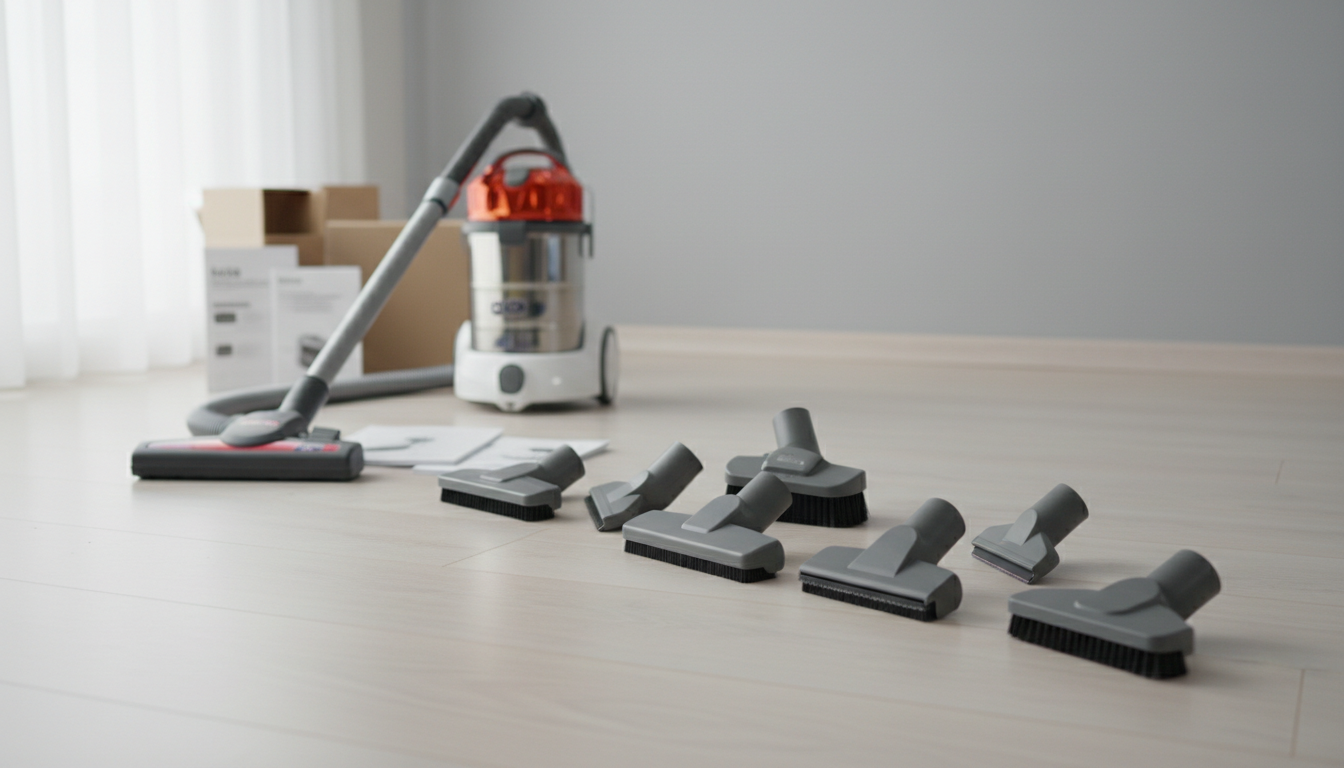
Maximizing Your Cordless Vacuum: Essential Attachments for Every Cleaning Challenge
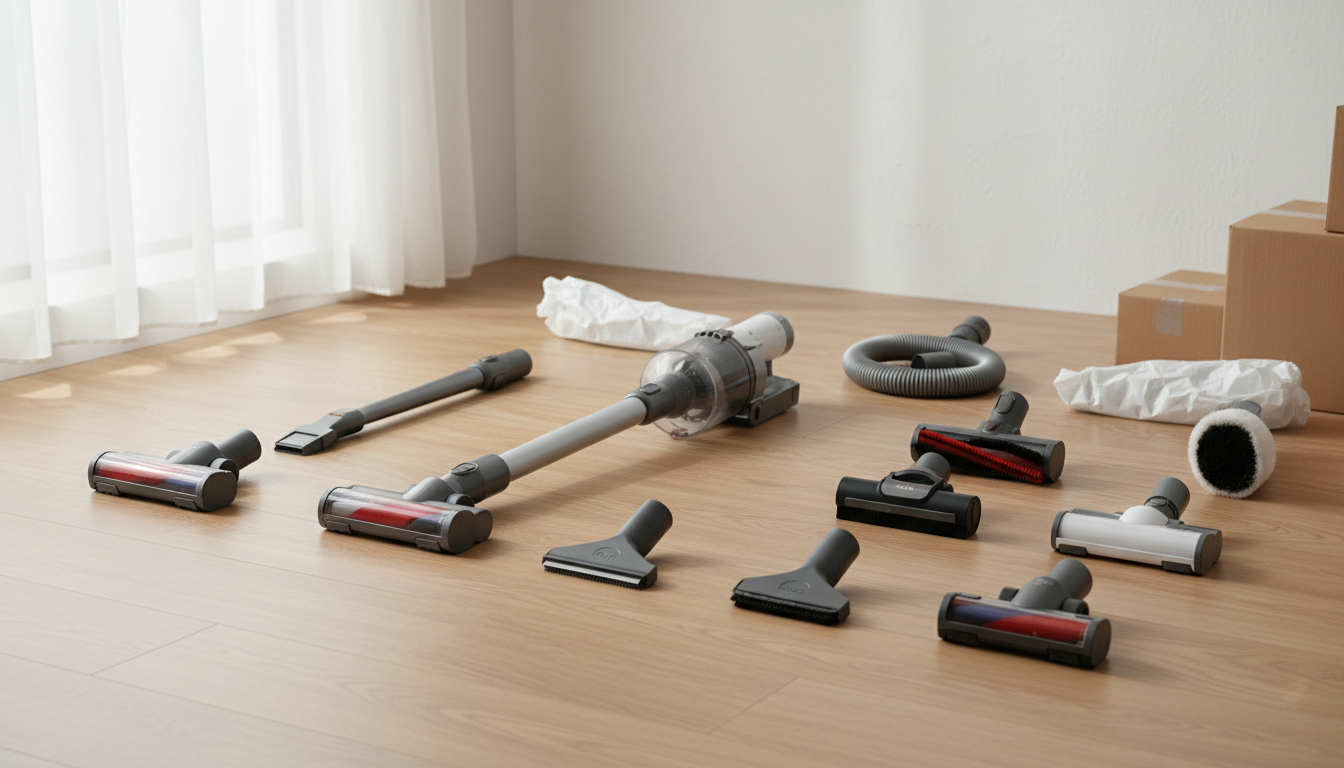
Unlocking Your Cordless Vacuum's Full Potential with the Right Attachments
A cordless vacuum cleaner offers unparalleled convenience and maneuverability, making quick clean-ups and whole-home tasks significantly easier. However, its true power isn't solely in its motor or battery life, but in its adaptability. The right selection of attachments transforms a standard cordless unit from a floor-focused appliance into a highly versatile, multi-purpose cleaning system.
These specialized tools are not merely add-ons; they are essential components that maximize your vacuum's utility, enabling it to tackle challenges far beyond open floor spaces. From delicate surfaces to tight crevices and stubborn pet hair, each attachment is designed to address a specific cleaning need, promising comprehensive and effortless results across various materials and environments.
This guide will empower you to understand, choose, and effectively utilize cordless vacuum attachments. By recognizing the function and fit of each tool, you can confidently select a vacuum package—or individual accessories—that perfectly aligns with your home's unique cleaning demands, ensuring no dust bunny or crumb goes unnoticed.
Beyond Basic Cleaning: Why Attachments Are Essential for Cordless Vacuums
A cordless vacuum cleaner offers unparalleled freedom of movement, but its true potential as a comprehensive cleaning solution is unlocked through a strategic selection of attachments. Without these specialized tools, a cordless vacuum is often limited to basic floor cleaning, leaving many common household challenges unaddressed. Attachments transform the device from a simple floor cleaner into a highly versatile, multi-purpose system capable of tackling diverse cleaning tasks with precision and efficiency.
The fundamental value of attachments lies in their ability to solve specific cleaning problems that a standard vacuum head cannot. This expanded functionality addresses a core buyer need: the desire for a single, adaptable tool that can manage various cleaning scenarios without requiring multiple specialized appliances. By enhancing reach, adapting to different surfaces, and targeting particular types of debris, attachments amplify the inherent versatility of cordless vacuums.
Consider how attachments address common cleaning dilemmas:
- Accessing Confined Spaces: A standard floor head struggles to reach into tight crevices, narrow gaps, or the corners of car interiors. Specialized crevice tools extend the vacuum's reach, making these areas accessible.
- Cleaning Delicate Surfaces: Dusting brushes, often with soft bristles, allow for gentle cleaning of blinds, lampshades, electronics, and intricate decor without causing damage or scattering dust.
- Tackling Embedded Debris: For upholstery, pet beds, or car seats, a powered mini-motorized tool or an upholstery brush can effectively agitate and lift embedded dirt, lint, and stubborn pet hair that a regular suction nozzle would miss.
- Reaching High or Low: Extension wands and flexible hoses provide the necessary length and maneuverability to clean ceiling corners, curtain rods, or deep under furniture, turning overhead and under-appliance cleaning from a chore into a manageable task.
Ultimately, the right attachments empower users to move beyond superficial cleaning, enabling a deeper, more thorough clean across an entire home environment. This capability is central to maximizing the utility and value of any cordless vacuum investment.
Your Guide to Key Cordless Vacuum Attachments and Their Cleaning Power
The inherent portability of cordless vacuums makes them ideal for diverse cleaning tasks, but their true versatility shines through the thoughtful application of specialized attachments. Understanding the function and optimal use of these tools transforms a basic vacuum into a comprehensive cleaning system, tackling specific challenges throughout your home and vehicle.
Standard Tools for Everyday Cleaning
Most cordless vacuums include a core set of attachments designed for common household surfaces and spaces:
- Crevice Tool: This long, slender nozzle excels at reaching into tight, narrow gaps where dirt and debris accumulate.
- Typical Design: A tapered, often angled, plastic tube.
- Best Use: Between couch cushions, along baseboards, in car interiors, vents, and behind radiators.
- Dusting Brush: Featuring soft bristles, this tool is engineered for gentle cleaning of delicate surfaces.
- Typical Design: A round or oval brush head with soft, natural or synthetic fibers.
- Best Use: Blinds, lampshades, bookshelves, electronics, picture frames, and delicate furniture.
- Upholstery Tool: Designed to effectively clean fabric surfaces, this attachment often incorporates features to lift lint and debris.
- Typical Design: A wider, flat head, sometimes with lint-catching strips or a velvet-like surface.
- Best Use: Sofas, chairs, curtains, mattresses, and pet beds.
Specialized Attachments for Targeted Challenges
Beyond the standard set, certain attachments significantly expand a cordless vacuum's capabilities for more demanding or specific tasks:
- Mini-Motorized Brush (or Mini-Turbo Brush): This compact tool features a small, rotating brush bar that agitates and lifts embedded dirt and pet hair.
- Typical Design: A small head with a powered brush roll, often air-driven or battery-powered.
- Best Use: Removing pet hair from upholstery and car seats, cleaning carpeted stairs, and small area rugs.
- Flexible Hose: Providing extended reach and maneuverability, a flexible hose allows the vacuum's body to remain stationary while the user navigates the cleaning head into awkward areas.
- Typical Design: An accordion-style, stretchable hose that connects between the vacuum body and other attachments.
- Best Use: Cleaning high shelves, ceiling corners, car interiors (under seats and around consoles), and behind heavy furniture or appliances.
Floorhead Variations for Optimized Floor Care
The primary floorhead is often the most critical attachment, with specialized designs for different floor types:
- Soft Rollers (Fluffy Heads): These floorheads feature a soft, often felt-like roller designed specifically for hard floors.
- Function: They excel at picking up fine dust and larger debris without scratching delicate surfaces.
- Best Use: Hardwood, laminate, tile, and vinyl floors.
- Combo Rollers (Multi-Surface Brush Bars): Engineered for versatility, these floorheads aim to perform adequately on both hard floors and carpets.
- Function: They typically combine different bristle types and patterns to handle various surface textures.
- Best Use: Homes with a mix of flooring types, offering a single-head solution for general cleaning.
- Dual Rollers (e.g., Shark DuoClean): Some advanced floorheads integrate two distinct rollers working in tandem.
- Function: This design often pairs a soft roller for hard floors and a bristled roller for carpets, aiming to maximize performance across all surfaces by simultaneously tackling fine dust and embedded dirt.
- Best Use: Households seeking optimal cleaning efficiency on both hard floors and carpets without needing to switch floorheads. To truly leverage the versatility of a cordless vacuum cleaner, evaluating its attachments requires a discerning eye. Beyond simply having a range of tools, their design, construction, and how they integrate with the main unit dictate their effectiveness and your overall cleaning experience. Focusing on practical utility and robust design will significantly narrow down options to those that genuinely enhance your cleaning capabilities.
When assessing cordless vacuum attachments, consider the following criteria:
- Attachment Build and Longevity: Examine the materials and construction quality. Durable attachments are typically made from impact-resistant plastics, often with reinforced connection points and high-quality bristles or fabric for dusting tools. Tools with flimsy plastic or poorly secured components are prone to breakage and reduced effectiveness over time, particularly for frequently used items like crevice tools or upholstery brushes.
- Connection and Handling: Assess how easily attachments connect and disconnect from the vacuum. A secure, click-lock mechanism is generally preferred over a loose friction fit, which can lead to attachments falling off or suction loss during use. Evaluate the weight and ergonomic design of the attachments themselves; they should feel balanced and allow for comfortable, precise maneuvering, especially in tight spaces or when cleaning overhead.
- Model Compatibility and Fit: This is a critical factor. Ensure that any attachments, whether included with the vacuum or purchased separately, are explicitly designed for your specific cordless vacuum model. A proper, airtight fit is essential for maintaining optimal suction. While some universal adapters exist, brand-specific attachments often provide the most secure connection and efficient performance, directly impacting which systems make your shortlist.
- Integrated Storage Solutions: Consider how the attachments are stored when not in use. Many cordless vacuums offer on-board clips, dedicated slots on a docking station, or a separate storage bag. Effective storage prevents attachments from being misplaced and keeps them readily accessible, streamlining your cleaning routine.
- Vacuum System Synergy: The core features of the cordless vacuum itself significantly impact attachment performance. For example, a longer battery life is crucial for sustained use of power-hungry attachments like mini motorized tools, ensuring you can complete tasks without interruption. Similarly, a robust filtration system, such as HEPA filtration, complements the work of specialized attachments by trapping fine dust and allergens agitated during detailed cleaning, preventing their recirculation into the air.
Avoiding Pitfalls: Common Issues and Maintenance Tips for Cordless Vacuum Attachments
While attachments significantly enhance a cordless vacuum's utility, they also introduce potential challenges that users should anticipate. Understanding these common issues, their causes, and preventative measures is crucial for maximizing performance, extending tool life, and ensuring a satisfying cleaning experience. Addressing these aspects helps manage expectations and guides informed choices regarding attachment selection and care.
-
Loss of Suction A primary concern for any vacuum, reduced suction often stems from issues directly related to attachments. Improper installation, where an attachment isn't securely sealed to the vacuum's wand or hose, can lead to air leaks and a noticeable drop in power. Furthermore, blockages within the attachment itself, such as tangled hair in a mini-motorized tool or debris lodged in a crevice nozzle, can severely restrict airflow. Clogged filters, while not an attachment issue directly, can also contribute to overall suction loss, impacting attachment performance.
- Prevention & Solution: Always ensure attachments are firmly clicked into place. Regularly inspect attachment pathways and clear any visible obstructions. Adhere to the manufacturer's recommendations for cleaning or replacing the vacuum's filters.
-
Attachment Durability and Wear Attachments, particularly those with moving parts like motorized brush heads or turbine tools, are subject to wear and tear. Plastic components can crack if dropped or stressed, bristles on brushes can fray, and internal gears can degrade over time with frequent use. This represents a potential failure point, especially for attachments used on abrasive surfaces or for heavy-duty tasks. The trade-off for specialized function can sometimes be a shorter lifespan compared to the main vacuum body.
- Prevention & Solution: Handle attachments with care, avoiding excessive force. Periodically inspect for signs of damage or wear. Consider the material quality and construction of attachments when making a purchase, as more robust designs may offer greater longevity.
-
Compatibility Challenges The market offers a wide array of cordless vacuums and third-party attachments, which can lead to compatibility issues. Generic or off-brand attachments may not fit perfectly, leading to air leakage and reduced effectiveness, or they might not engage correctly with the vacuum's power source for motorized tools. This fit limit can render an otherwise useful attachment ineffective, highlighting the importance of matching attachments to your specific vacuum model.
- Prevention & Solution: Prioritize genuine manufacturer attachments or verify third-party compatibility meticulously. Look for clear indications of model-specific fitment before purchasing.
-
Battery Performance with Motorized Attachments Motorized attachments, such as mini-motorized tools for upholstery or pet hair, require additional power from the vacuum's battery. This increased draw can significantly reduce the vacuum's run time, a critical consideration for cordless models. As the vacuum's battery naturally degrades over its lifespan, the impact on the performance of power-hungry attachments can become more pronounced, leading to a perceived decrease in cleaning efficiency.
- Prevention & Solution: Be aware that using motorized attachments will consume battery faster. For extensive cleaning tasks with these tools, ensure the battery is fully charged. If your vacuum has a removable battery, consider having a spare.
-
Essential Maintenance for Optimal Performance Neglecting the routine cleaning of attachments is a common oversight that can severely impact their effectiveness and the overall vacuum's performance. Hair, lint, and fine dust can accumulate in brush rolls, clog nozzles, and impede suction. This lack of maintenance can turn a specialized tool into a hindrance, preventing it from performing its intended function.
- Prevention & Solution: Regularly remove hair and debris from brush rolls, especially on pet hair tools. For washable attachments, clean them according to the manufacturer's instructions and allow them to dry completely before reattaching. Periodically check all attachment openings for blockages and clear them as needed.
Making the Right Choice: Matching Attachments to Your Unique Cleaning Environment
Selecting the ideal cordless vacuum attachments isn't about finding a universally "best" set, but rather identifying the tools that specifically address your home's unique cleaning demands. This personalized approach ensures your cordless vacuum transforms into a precisely tailored cleaning solution, maximizing its utility and your investment. Understanding your environment and cleaning habits is the first step toward confident attachment selection.
To make an informed decision, consider the following aspects of your home and lifestyle:
- Pet Ownership: Homes with pets often face persistent challenges with hair, dander, and tracked-in dirt.
- Need: Specialized tools for effective pet hair removal from upholstery, stairs, and pet beds.
- Prioritization: A mini-motorized tool (sometimes called a pet tool or turbo brush) becomes essential. Its rotating brush bar agitates and lifts embedded pet hair more effectively than a standard brush. A crevice tool is also valuable for cleaning pet hair from tight corners and between couch cushions.
- Types of Flooring: The surfaces in your home dictate the type of floorhead attachments you'll need most frequently.
- Hardwood/Delicate Floors: Soft roller brush heads are designed to gently capture fine dust and debris without scratching.
- Carpet/Rugs: Brush rolls with stiffer bristles or combo rollers (which blend soft and stiff bristles) are effective for agitating carpet fibers to lift dirt and debris. Dual roller systems, which combine both types, offer versatility across mixed flooring.
- Mixed Flooring: Many modern cordless vacuums come with a general-purpose floorhead, or "combo roller," aiming to perform adequately on both hard floors and low-pile carpets. If your home has a mix, assess if a single versatile head suffices or if specialized soft/carpet heads would significantly improve performance on specific surfaces.
- Presence of Stairs, High Areas, or Upholstery: These elements introduce vertical and intricate cleaning tasks.
- Stairs: Lightweight cordless vacuums excel here. Attachments like a mini-motorized tool are excellent for carpeted stairs, while a crevice tool or dusting brush is useful for hard stairs and risers.
- High Ceilings/Cobwebs: An extension wand combined with a soft dusting brush allows you to reach high corners without a step stool.
- Upholstery/Curtains: A upholstery tool with fabric-friendly bristles or a soft dusting brush helps clean delicate surfaces without damage.
- Tight Spaces: A crevice tool is indispensable for reaching into narrow gaps, car interiors, and along baseboards.
Balancing the cost of additional attachments against their perceived versatility and utility is a key trade-off. Many cordless vacuums are sold in packages that include a selection of common attachments. While purchasing a more comprehensive kit upfront might seem more expensive, it can offer better value than buying individual specialized tools later. Conversely, if your cleaning needs are minimal, a basic package might suffice, allowing you to add specific attachments only if a clear need arises.
Ultimately, the "best" choice is highly individual, reflecting your lifestyle, home characteristics, and specific cleaning challenges. By systematically assessing these factors, you can confidently select a cordless vacuum package or individual attachments that empower you to tackle every cleaning task effectively.
Frequently Asked Questions About Cordless Vacuum Attachments
Understanding the nuances of cordless vacuum attachments can significantly enhance your cleaning efficiency and prolong the life of your equipment. Here are answers to common questions that can help solidify your understanding and guide your choices.
Can I use attachments from a different brand with my cordless vacuum?
Generally, attachments are designed with proprietary connection systems specific to their brand or even particular vacuum models. This means that an attachment from one brand is unlikely to fit or function correctly with a vacuum from another brand. Attempting to force an incompatible attachment can damage the vacuum's connection port or the attachment itself, potentially compromising suction and voiding warranties. While universal adapters exist, they can sometimes reduce the airtight seal, impacting suction power. For optimal performance and to mitigate risk, it's typically best to use attachments specifically designed for your cordless vacuum's make and model.
How often should I clean my vacuum attachments?
The frequency of cleaning your vacuum attachments depends largely on how often you use them and the type of debris they encounter. Regular maintenance is key to preventing blockages and maintaining effective cleaning performance.
- After each use: Visually inspect brush rolls (especially motorized ones) for tangled hair, strings, or large debris, and remove them immediately. Check crevice tool openings for obstructions.
- Periodically (weekly/monthly, depending on use): Wipe down hard plastic tools with a damp cloth to remove dust and grime. For washable attachments, rinse them with water and ensure they are completely air-dried before reattaching to prevent moisture damage or mold growth.
- Motorized heads: These require more frequent and thorough cleaning due to their moving parts and direct contact with surfaces. Regularly check for blockages around the brush bar and in the air channels.
Why is my cordless vacuum losing suction when an attachment is connected?
Loss of suction when an attachment is in use can be a frustrating but often resolvable issue. Several factors can contribute to this problem:
- Blockage within the attachment: The most common cause is an obstruction in the attachment itself, such as a clump of hair in a brush tool, a piece of debris lodged in a crevice tool's narrow opening, or a clog in the internal pathway of a motorized head.
- Improper attachment seating: If the attachment is not fully and securely connected to the vacuum or extension wand, it can create an air leak, significantly reducing suction power. Ensure a tight, airtight seal.
- Full dustbin or clogged filter: Even with a perfectly connected attachment, a full dustbin or a dirty, clogged main filter will restrict airflow, leading to diminished suction across the entire system.
- Vacuum body blockage: Less common but possible, an obstruction in the vacuum's main intake or internal tubing can also impede airflow, affecting performance regardless of the attachment used.
Are motorized attachments worth the extra cost?
Motorized attachments, such as mini-motorized tools or specialized floor heads with active brush rolls, offer distinct advantages that can justify their higher cost for certain cleaning needs. These tools provide active agitation, which is highly effective for:
- Deep cleaning carpets and rugs: The spinning brush bars lift embedded dirt and debris more effectively than static suction alone.
- Removing pet hair: They excel at dislodging stubborn pet hair from upholstery, stairs, and carpeted surfaces.
- Tackling heavy-duty tasks: For areas with significant foot traffic or deeply ingrained dirt, the added power makes a noticeable difference.
However, they also come with trade-offs. Motorized attachments typically consume more battery power, potentially shortening your vacuum's run time. They may also require more frequent cleaning due to hair tangles around the brush bar. If your home primarily features hard floors and you deal with lighter debris, non-motorized tools might adequately meet your needs without the additional investment or battery drain. The value of a motorized attachment hinges on the specific cleaning challenges you face in your home.
Master Your Mess: The Smart Approach to Cordless Vacuum Attachments
The journey through understanding cordless vacuum attachments reveals a fundamental truth: these specialized tools are not mere accessories, but the very components that transform a convenient device into a truly versatile cleaning powerhouse. By strategically selecting the right attachments, you elevate your cordless vacuum from a basic floor cleaner to an adaptive system capable of addressing nearly every cleaning challenge in your home. This adaptability is key to maximizing your investment and achieving a consistently cleaner living space.
Empowered with this knowledge, you are now equipped to make informed decisions. Consider your unique cleaning landscape—the types of floors, the presence of pets, the intricacy of your furniture, and the frequency of detailed cleaning tasks. Use these insights to confidently choose a cordless vacuum package that includes the most beneficial attachments for your needs, or to selectively acquire individual tools that fill specific gaps in your current cleaning arsenal. Your choice directly impacts the efficiency and effectiveness of your cleaning routine, ensuring a seamless and comprehensive approach to household maintenance.
To sustain the enhanced utility these attachments provide, remember that their effectiveness hinges on proper care. Regularly inspect and clean attachments, particularly brushes and filters, to prevent clogs and maintain optimal performance. Storing them correctly also helps preserve their integrity and ensures they are ready for the next cleaning challenge, maximizing their lifespan and your cordless vacuum's overall capability.
More in Vacuum Cleaner Attachments
View AllMini Vacuum Cleaner Attachments: Perfect for Small Spaces and Detailed Cleaning Tasks
Rainbow Vacuum Cleaner Attachments: Enhancing Your Rainbow System's Versatility