The Benefits of HEPA Vacuum Cleaner Bags: Why They're Essential for Clean Air
Breathe Easier: The Essential Role of HEPA Vacuum Cleaner Bags
Our homes, often seen as havens, can paradoxically harbor a silent threat: microscopic airborne pollutants. Dust mites, pet dander, pollen, and other allergens circulate invisibly, impacting indoor air quality and potentially triggering respiratory issues for sensitive individuals. While many vacuum cleaners claim to capture dirt, the true test of their effectiveness lies in what they prevent from re-entering the air, especially during and after cleaning.
This is where High-Efficiency Particulate Air (HEPA) vacuum cleaner bags become indispensable. A HEPA standard filter is engineered to capture 99.995% of airborne particles as small as 0.3 microns. When integrated into a vacuum bag, this technology transforms a simple dust collector into a critical component for health and hygiene. Unlike standard bags or bagless systems that can release fine particles back into your environment, particularly during disposal, HEPA bags are designed to trap these minuscule irritants securely.
Their multi-layered construction and sealed design ensure that once allergens and fine dust are collected, they remain contained. This containment is vital for allergy sufferers, pet owners, and anyone prioritizing a healthier living space, significantly reducing exposure to triggers during the cleaning process and when emptying the vacuum. This guide will clarify the unique advantages of HEPA vacuum cleaner bags, helping you understand their impact on air quality and empowering you to select the most effective option for your home.
Understanding HEPA Filtration: Your Shield Against Microscopic Threats
High-Efficiency Particulate Air, or HEPA, filtration represents a critical standard in air purification, serving as a robust defense against airborne contaminants. A true HEPA filter is certified to capture at least 99.97% of airborne particles as small as 0.3 microns in diameter. This stringent benchmark ensures that the filter isn't just collecting visible dust but actively removing a significant majority of microscopic threats from the air.
This level of filtration is particularly effective against a range of common indoor pollutants that can impact health and air quality. HEPA technology effectively captures allergens such as pollen, dust mite debris, and pet dander. It also traps mold spores, bacteria, and other fine particulate matter that might otherwise remain suspended in the air or settle on surfaces, contributing to indoor air pollution.
Unlike simpler filters that merely act as a sieve, HEPA filters employ a complex web of fine fibers to trap particles through a combination of interception, impaction, and diffusion. Larger particles are intercepted as they pass close to a fiber, while medium-sized particles impact directly onto fibers due to inertia. The smallest particles, however, are captured through diffusion, where their erratic movement causes them to collide with and stick to the filter fibers. This multi-mechanism approach ensures comprehensive particle removal.
When considering HEPA vacuum cleaner bags, it's crucial to differentiate between true HEPA certification and terms like 'HEPA-type' or 'HEPA-like'. Only filters or bags explicitly certified as HEPA meet the rigorous 99.97% efficiency standard for 0.3-micron particles. Products labeled with less precise terms may offer improved filtration over standard bags but do not guarantee the same level of protection, potentially allowing more fine particles to escape back into your home's air.
HEPA Bags vs. Bagless Vacuums: A Clean Air Showdown
When prioritizing indoor air quality and allergen control, the choice between vacuum cleaner types often comes down to bag systems versus bagless designs. While both can incorporate HEPA filtration, their dust disposal methods present a significant difference in how effectively allergens are contained.
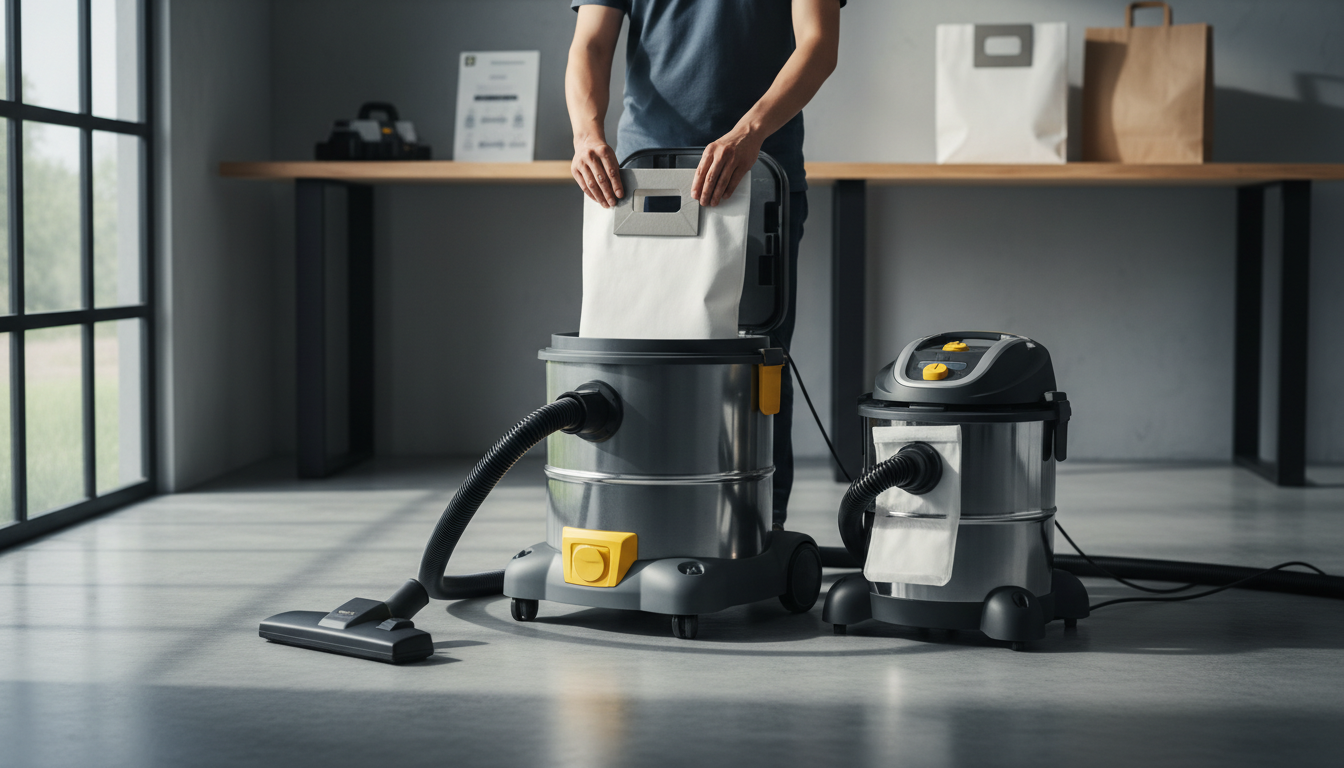
- Sealed Disposal with HEPA Bags: The primary advantage of HEPA vacuum cleaner bags lies in their sealed containment system. Once dust and allergens are collected, they remain trapped within the multi-layered bag. Advanced HEPA bags, such as those with 9-ply construction, offer multiple stages of filtration within the bag itself, enhancing particle capture before air even reaches the vacuum's motor filter. This design ensures that when the bag is full, it can be removed and sealed without releasing the accumulated debris back into the air, a critical feature for allergy sufferers.
- The Bagless Dust Plume: In contrast, bagless vacuum cleaners, while convenient, often pose a challenge during the emptying process. When the dust bin is opened and inverted, a "dust plume" can inevitably escape, releasing a burst of fine particles, dust mites, pet dander, and other allergens back into the immediate environment. This exposure can be particularly problematic for individuals with allergies or respiratory sensitivities, potentially triggering reactions and undermining the air quality benefits achieved during vacuuming.
- Maintenance and Allergen Exposure: Beyond disposal, bagless systems typically require more frequent cleaning of their internal filters and dust bins, which can also expose users to trapped allergens. While HEPA bags are replaced, bagless filters often need washing or brushing, another opportunity for fine particles to become airborne. For those highly sensitive to airborne irritants, the minimal contact and sealed disposal offered by HEPA bags make them a superior choice for maintaining consistently clean indoor air.
Key Considerations for Choosing the Right HEPA Vacuum Bags
Selecting the appropriate HEPA vacuum cleaner bags is crucial for maximizing air quality benefits and ensuring your vacuum operates effectively. Beyond simply fitting into your machine, several factors determine a bag's true performance in allergen control and dust containment.
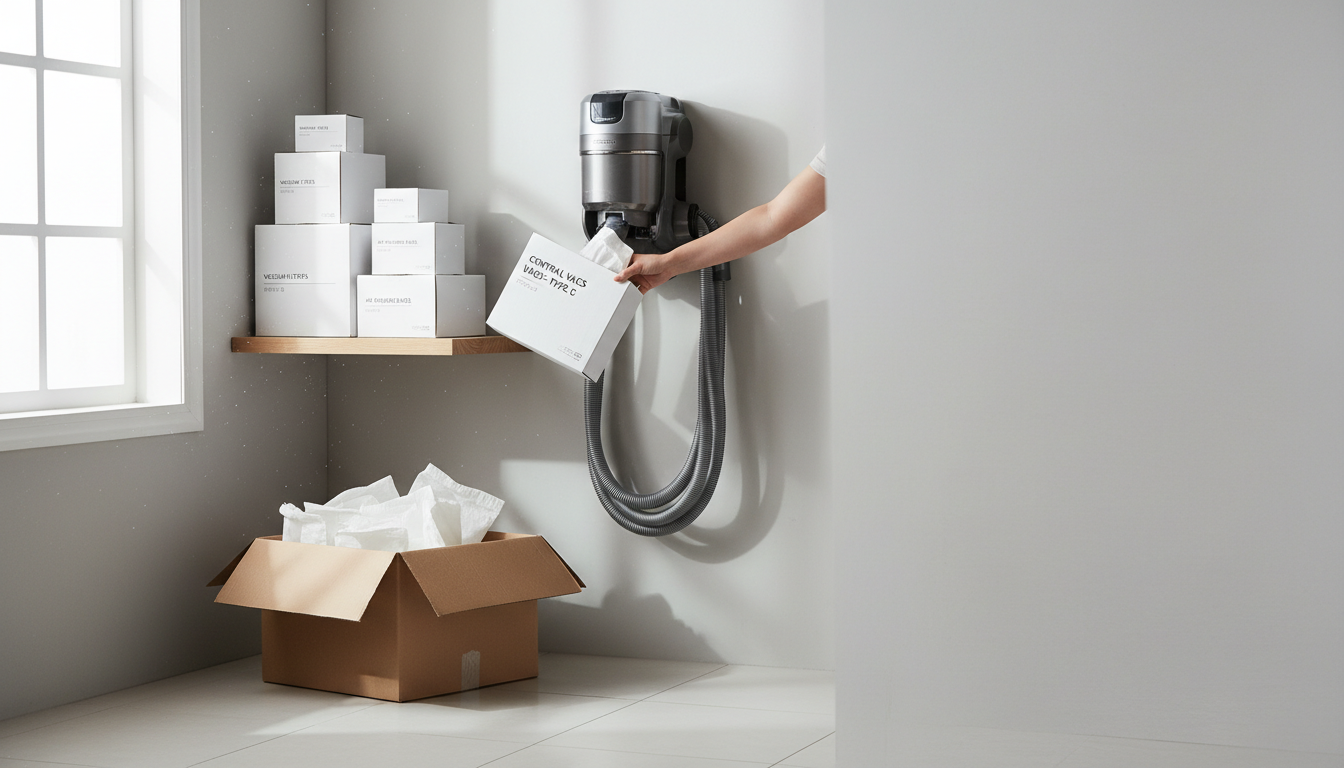
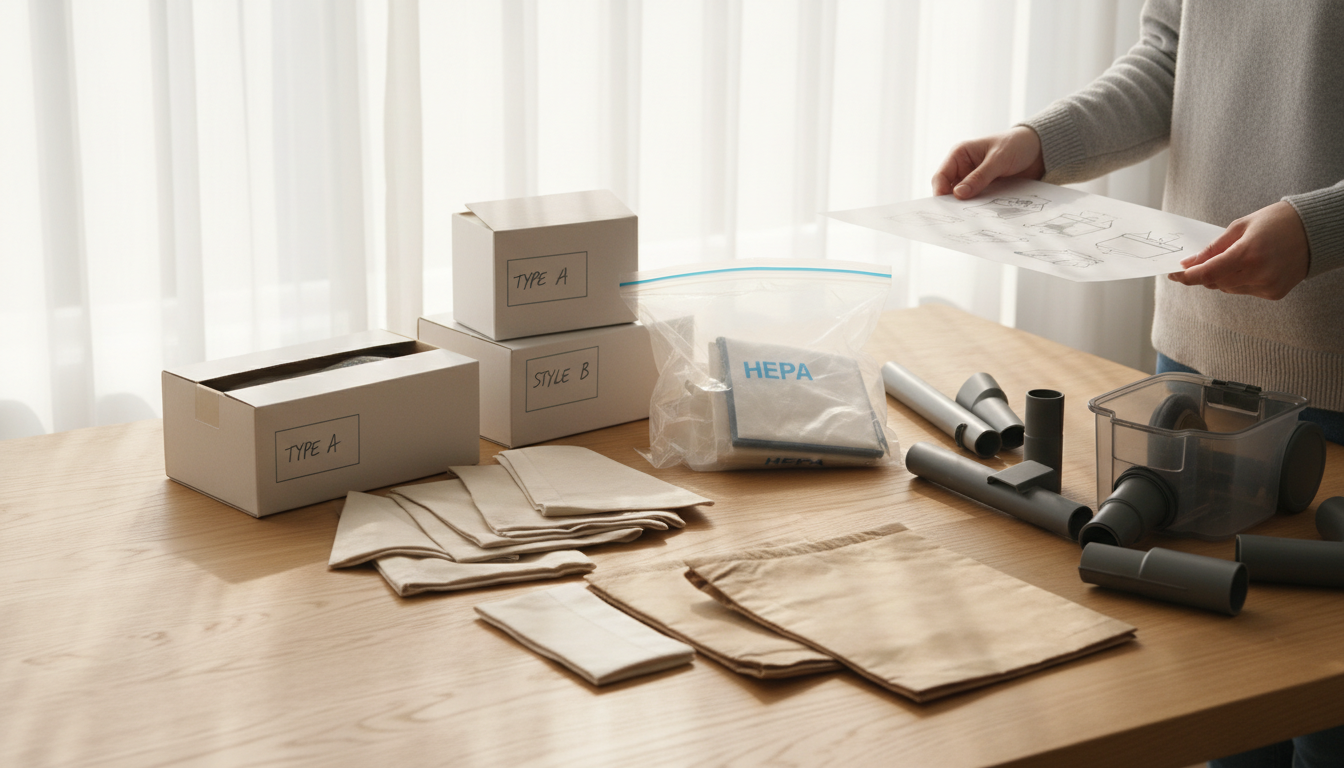
- Compatibility is Paramount: The most critical step is to ensure the bag is specifically designed for your vacuum cleaner's make and model. Vacuum bags are not universal; they come in various shapes, sizes, and attachment mechanisms (e.g., specific Type Q/C, Style 7, FJM). Using an incompatible bag can lead to a poor seal, reduced suction, dust leakage back into the air, or even damage to your vacuum. Always consult your vacuum's user manual or the manufacturer's specifications to identify the exact bag type required.
- True HEPA Standard: Look for bags explicitly labeled as "True HEPA" or "Certified HEPA." This designation indicates that the bag is engineered to capture at least 99.995% of airborne particles as small as 0.3 microns. Be wary of generic claims like "allergen filter" or "HEPA-type," which may not meet the stringent filtration efficiency of a true HEPA standard. Genuine HEPA bags are essential for trapping microscopic allergens such as pollen, pet dander, dust mite debris, and mold spores.
- Multi-Layer Construction: Effective HEPA vacuum bags typically feature multiple layers or plies of material. This multi-layered design serves several purposes: it enhances filtration by trapping progressively finer particles, prevents premature clogging, and provides superior tear resistance. Bags with advanced construction, such as those with 9-ply material, offer robust containment, ensuring that once dust and allergens are captured, they remain securely inside the bag, even during rigorous vacuuming or disposal.
- The Sealed System Factor: A HEPA bag's effectiveness is significantly amplified when paired with a vacuum cleaner that boasts a sealed system. A sealed system means the vacuum is designed to prevent air from escaping through cracks, seams, or unsealed compartments before it passes through the HEPA bag and any post-motor filters. Without a sealed system, even the best HEPA bag can be undermined as unfiltered air carrying allergens can bypass the bag and be exhausted back into your home. Confirm your vacuum itself has a "complete-seal" or "anti-allergen sealed system" for optimal air purification.
- Bag Capacity and Replacement Frequency: Consider the bag's capacity in relation to your cleaning habits and household size. A larger capacity bag offers convenience by requiring less frequent replacement, but it's important not to overfill any bag. A bag that is too full can impede airflow, reduce suction power, and diminish filtration efficiency. For sustained optimal performance and air quality, replace HEPA bags before they are completely full, typically when they are two-thirds to three-quarters full, to maintain consistent suction and filtration effectiveness.
Common Pitfalls and Trade-offs with HEPA Vacuum Bags
While HEPA vacuum bags offer significant advantages for indoor air quality, buyers should be aware of certain practical considerations and potential downsides. Understanding these trade-offs can help set realistic expectations and inform a more confident purchase decision.
-
Ongoing Cost of Replacements: Unlike bagless vacuum systems that often feature washable or reusable filters, HEPA vacuum bags are disposable consumables. This means they represent a recurring expense over the lifetime of the vacuum. While the benefits of superior containment and cleaner air during disposal are clear, this continuous cost is a factor to weigh against initial purchase price and overall budget.
-
'HEPA' Label Misconceptions: The presence of a HEPA-rated bag does not automatically guarantee a vacuum cleaner provides true HEPA-level filtration. For a vacuum to genuinely offer HEPA performance, the entire system must be sealed. If the vacuum's housing or seals are not airtight, fine particles can bypass the HEPA bag and escape back into the room, negating the bag's filtration capabilities. Always look for vacuums explicitly marketed as having a "sealed HEPA system" or "anti-allergen complete seal technology" in addition to using HEPA bags.
-
Availability and Sourcing: Finding the precise HEPA bag type for specific vacuum models can sometimes be challenging. This is particularly true for older, discontinued, or less common vacuum cleaner brands and models. Buyers might encounter difficulties sourcing genuine replacement bags, potentially leading to reliance on third-party alternatives that may not offer the same filtration standards or fit correctly, compromising performance and filtration integrity.
-
Environmental Impact: The disposable nature of HEPA vacuum bags means they contribute to household waste. For environmentally conscious consumers, this can be a significant trade-off when compared to bagless vacuum systems that often employ washable or long-lasting reusable filters. While the health benefits of contained allergens are paramount, the environmental footprint of regular bag disposal is a consideration.
Frequently Asked Questions About HEPA Vacuum Cleaner Bags
Understanding the nuances of HEPA vacuum cleaner bags can help maximize their air-purifying benefits. Here are answers to common questions, focusing on practical considerations for maintaining a cleaner, healthier home environment.
How often should I change my HEPA vacuum bag?
The frequency of changing your HEPA vacuum bag largely depends on usage patterns, not a fixed schedule. Factors like the size of your home, presence of pets, frequency of vacuuming, and the general level of dust and debris will influence how quickly a bag fills.
- Indicators for replacement:
- Reduced suction: A full bag restricts airflow, leading to a noticeable drop in cleaning performance.
- Visible fullness: Some bags have indicators, or you can visually check the bag's capacity.
- Manufacturer guidelines: Consult your vacuum cleaner's manual for specific recommendations, as some models may have unique requirements.
- Odor: An unpleasant smell emanating from the vacuum can indicate a full bag needing replacement.
Changing bags proactively, even if not entirely full, can help maintain optimal suction and filtration efficiency, ensuring allergens remain contained.
Can I use any HEPA bag in my vacuum cleaner?
No, compatibility is critical. Using a HEPA bag that is not specifically designed for your vacuum cleaner model can compromise its performance and filtration capabilities. Vacuums are engineered with precise dimensions and sealing mechanisms to work with particular bag types.
- Risks of incompatible bags:
- Air leaks: An ill-fitting bag can create gaps, allowing dust and allergens to bypass the filtration system and re-enter your indoor air.
- Reduced efficiency: The vacuum may not achieve its intended suction or filtration levels.
- Damage to the vacuum: Improperly sized bags can strain the motor or damage internal components.
- Compromised allergen control: The primary benefit of a HEPA system – trapping fine particles – is lost if the bag does not seal correctly within the vacuum.
Always refer to your vacuum cleaner's user manual or the manufacturer's specifications to ensure you purchase the correct HEPA bag type for your specific model.
Do HEPA vacuum bags really help with allergies and asthma?
Yes, HEPA vacuum bags are highly effective in mitigating allergy and asthma triggers. A true HEPA filter is designed to capture at least 99.97% of airborne particles as small as 0.3 microns. This includes common allergens that can exacerbate respiratory conditions.
- Targeted allergen capture:
- Pollen: Microscopic plant particles that cause seasonal allergies.
- Dust mite debris: Excrement and body fragments of dust mites, a potent indoor allergen.
- Pet dander: Tiny flakes of skin shed by animals, often a significant allergen source.
- Mold spores: Microscopic reproductive cells that can trigger allergic reactions.
- Fine dust and bacteria: Other microscopic irritants that can impact air quality.
By securely trapping these particles within a sealed bag, HEPA systems prevent them from being recirculated into the air during vacuuming and, crucially, during disposal. This containment significantly reduces exposure to irritants for allergy sufferers and individuals with asthma.
Are there reusable HEPA vacuum bags?
Generally, true HEPA vacuum bags are designed for single use and are not intended to be reusable. The multi-layered construction and fine filtration media that give HEPA bags their effectiveness are typically compromised by attempts to empty or wash them.
- Limitations of "reusable" claims:
- Filtration compromise: Emptying a disposable HEPA bag can release trapped allergens and damage the delicate filter layers, reducing its efficiency.
- Hygiene concerns: Washing a bag may not fully remove all trapped particles, and dampness can promote mold growth.
- Distinction from filters: Some vacuum cleaners feature washable HEPA filters (which are distinct from the dust collection bag). These filters can be cleaned and reused according to manufacturer instructions, but they do not replace the primary function of a disposable HEPA collection bag.
For optimal filtration and allergen containment, especially for sensitive individuals, adhering to the single-use design of disposable HEPA vacuum bags is recommended.
Making an Informed Decision for Cleaner Air: A Buyer's Guide
Selecting the right HEPA vacuum cleaner bags is a critical step in maximizing your vacuum's potential for superior indoor air quality. This decision goes beyond simply finding a bag that fits; it involves understanding your household's specific needs, ensuring perfect compatibility, and prioritizing filtration integrity.
Assess Your Household's Unique Needs
Your living environment dictates the level of filtration necessary for optimal air quality benefits. Consider who lives in your home and what challenges you face:
- Allergy Sufferers: For individuals with allergies or asthma, certified HEPA filtration within a sealed system is non-negotiable. These bags are essential for trapping pollen, dust mite allergens, and other microscopic irritants, preventing their re-release into the air.
- Pet Owners: Pet dander is a common allergen and a significant source of fine particulate matter. HEPA bags are highly effective at capturing dander, hair, and associated allergens, contributing to a cleaner environment for both pets and their owners. Frequent bag changes may be necessary to maintain suction and filtration efficiency.
- General Household Dust Control: Even without specific allergies, HEPA bags offer a substantial upgrade over standard bags by capturing more fine dust, mold spores, and bacteria. This results in generally cleaner air and surfaces, reducing the overall dust load in your home.
Verify Vacuum Compatibility with Precision
The effectiveness of any vacuum bag, especially a HEPA one, hinges on a perfect fit. An ill-fitting bag can compromise the vacuum's sealed system, allowing unfiltered air and debris to escape, negating the benefits of HEPA filtration.
- Consult Your Vacuum's Manual: This is the most reliable source for identifying the exact bag type and part number required for your specific vacuum model.
- Check Existing Bags: If you have an old bag, look for a model number or type designation printed on it.
- Locate Model Number: Your vacuum cleaner will have a model number, usually on a sticker on the base, back, or underside. Use this number to search for compatible bags.
- Beware of "Universal" Claims: While some aftermarket bags claim broad compatibility, always double-check against your specific model to ensure a secure seal and proper function.
Prioritize True HEPA Filtration and Sealed Systems
For optimal air purification, two features are paramount and should be considered non-negotiable:
- Certified True HEPA Filtration: Look for bags explicitly labeled as "True HEPA" or "HEPA certified," indicating they meet the standard of capturing 99.97% of particles as small as 0.3 microns. Generic "HEPA-type" or "HEPA-style" bags may not offer the same level of filtration.
- Sealed System Design: A HEPA bag is only as effective as the vacuum's ability to contain the air it filters. Ensure your vacuum cleaner itself is designed with a sealed system, meaning all air passes through the bag and filters before exiting, without leaks around the bag or through the vacuum housing.
Balance Cost with Long-Term Performance
HEPA vacuum cleaner bags often come at a higher price point than conventional bags. When making your purchase decision, consider this as an investment in your health and home environment:
- Health Benefits vs. Recurring Cost: The added cost reflects the advanced filtration technology and multi-layered construction. For allergy sufferers or those prioritizing clean air, the health benefits often outweigh the increased recurring expense.
- Long-Term Value: While individual bags may be more expensive, their superior filtration can lead to a cleaner home environment, potentially reducing the need for other air purification measures or mitigating allergy symptoms.
- Frequency of Replacement: Factor in how often you'll need to replace bags based on your household's dust load (e.g., pets, high foot traffic) to estimate annual costs.
Final Recommendation Framework for Selection
To confidently choose the most effective HEPA vacuum cleaner bags, follow this framework:
- Confirm certified HEPA filtration: Ensure the bags explicitly state compliance with True HEPA standards (99.97% at 0.3 microns).
- Verify precise compatibility: Select bags specifically designed for your vacuum cleaner's make and model number to guarantee a secure, leak-free fit.
- Consider your vacuum's sealed system: Confirm that your vacuum itself is engineered to contain all filtered air, preventing bypass leaks.
By adhering to these criteria, you can ensure your vacuum cleaner effectively captures and contains microscopic pollutants, contributing significantly to a healthier indoor environment.
Conclusion: Investing in Your Home's Health with HEPA Vacuum Bags
The choice to use HEPA vacuum cleaner bags transcends simple cleaning; it represents a commitment to a healthier indoor environment. Throughout this guide, we've highlighted how these specialized bags are critical for significantly improving indoor air quality and providing superior allergen control. By effectively trapping microscopic particles like pollen, pet dander, dust mite debris, and mold spores, HEPA bags prevent these irritants from recirculating into your living space, especially during the crucial disposal phase. This containment is a cornerstone for minimizing exposure to triggers, benefiting allergy sufferers, pet owners, and anyone prioritizing a cleaner, safer home.
For optimal effectiveness, it's essential to prioritize certified HEPA bags that are specifically designed for your vacuum model and to ensure your vacuum cleaner itself features a sealed system. A sealed system prevents unfiltered air and trapped particles from escaping through cracks or seams, ensuring that the HEPA bag's filtration capabilities are fully utilized. Without a sealed system, even the best HEPA bag may not deliver its full potential.
Ultimately, investing in high-quality, compatible HEPA vacuum cleaner bags is a proactive step toward safeguarding the well-being of everyone in your household. It's a smart decision that supports cleaner air, reduces allergen exposure, and contributes to a more comfortable and healthier living environment for you and your family.
More in Vacuum Cleaner Bags
View All