Choosing Bissell Vacuum Cleaner Bags: A Comprehensive Guide to Types and Compatibility
Finding the Perfect Fit: Your Guide to Bissell Vacuum Cleaner Bags
Selecting the correct vacuum cleaner bags for your Bissell model is more than a simple replacement; it's fundamental to maintaining your vacuum's performance and ensuring clean indoor air. The right bag directly influences suction power, filtration efficiency, and the overall longevity of your appliance. An ill-fitting or incorrect bag can lead to reduced cleaning effectiveness, dust leakage back into your home, and even potential damage to the vacuum's motor.
Bissell offers a diverse range of vacuum cleaners, from compact canisters to powerful uprights, each designed with specific requirements for their filtration systems. This variety means that not all Bissell bags are interchangeable, and navigating the options can sometimes be complex. Understanding these distinctions is crucial to avoid common pitfalls like diminished suction or improper dust containment.
This guide aims to simplify the selection process, empowering you to identify the precise type and compatible Bissell vacuum cleaner bags for your specific needs. By focusing on key compatibility factors and understanding the different bag characteristics, you can ensure optimal performance and maintain a healthier home environment.
- Understand compatibility: Learn how to match bags to your specific Bissell model.
- Identify bag types: Differentiate between various bag materials and filtration levels.
- Ensure optimal performance: Discover how the right bag contributes to efficient cleaning and air quality.
- Make informed decisions: Gain confidence in selecting replacement bags that meet your vacuum's requirements.
Understanding the Different Types of Bissell Vacuum Bags
Selecting the correct vacuum cleaner bag for your Bissell model involves understanding the various types available, each designed with distinct filtration capabilities and intended uses. Matching the bag type to your cleaning needs and vacuum model is crucial for maintaining optimal performance and air quality.
-
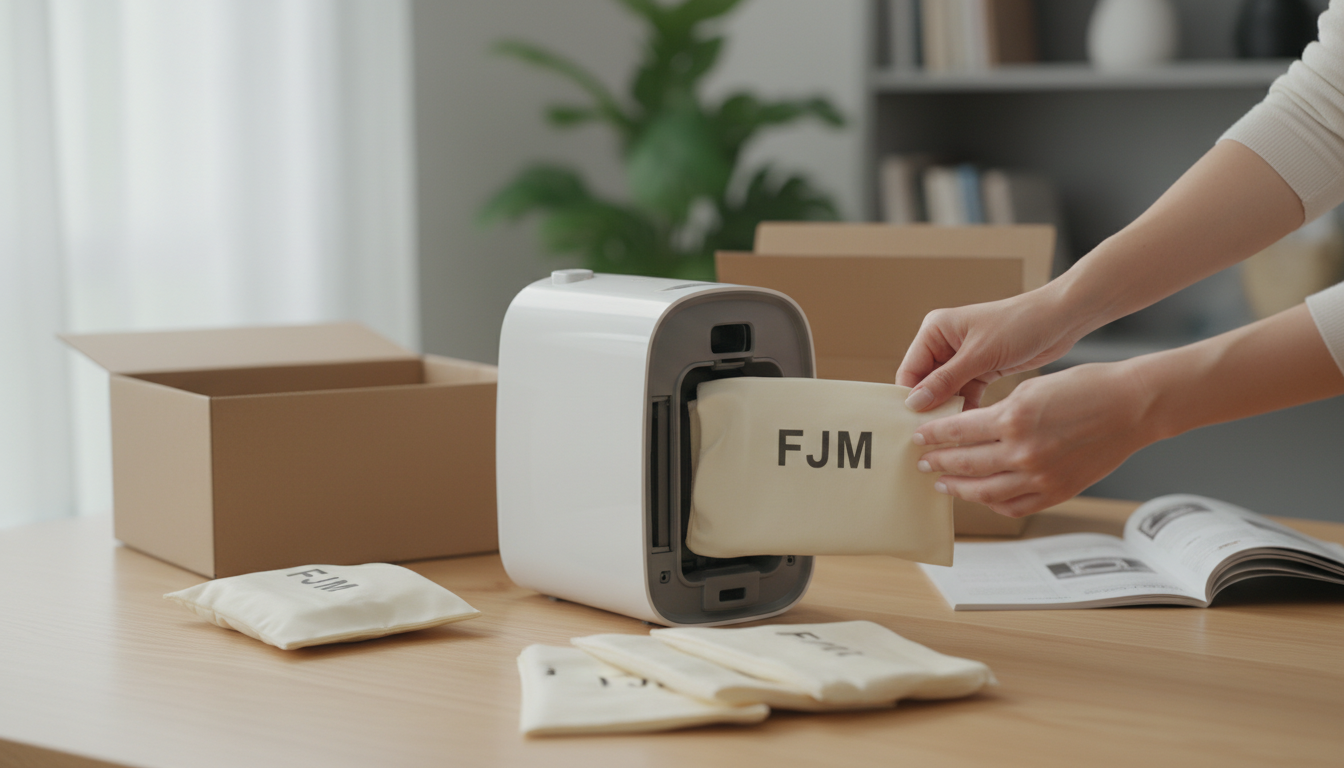
Standard Disposable Bags These are the most common type of vacuum cleaner bags, typically made from a single or double layer of paper or synthetic material. They offer basic filtration, effectively capturing dust, dirt, and larger debris during routine cleaning. Standard bags are generally cost-effective and suitable for households without specific allergy concerns. Their primary function is to contain collected waste for easy disposal.
-
Micro-filtration Bags Designed for improved dust retention, micro-filtration bags often feature multiple layers of synthetic material. This multi-layered construction allows them to trap finer particles than standard bags, enhancing indoor air quality. Brands like EnviroCare offer micro-filtration options for various Bissell models, providing a balance between cost and enhanced particle capture. These bags are beneficial for reducing the amount of dust recirculated into the air.
-
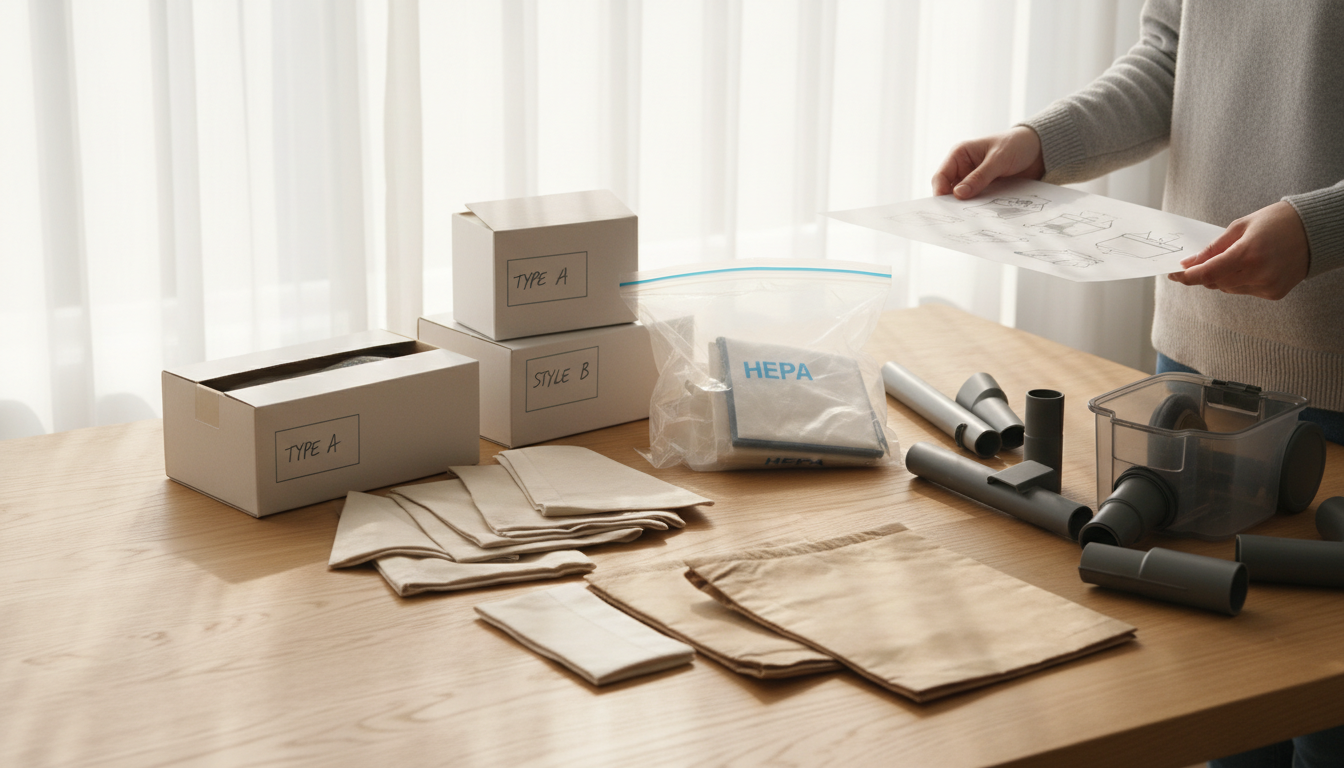
HEPA Bags HEPA (High-Efficiency Particulate Air) bags represent the highest level of filtration for vacuum cleaners. They are engineered to capture a significant percentage of microscopic particles, including allergens, pet dander, pollen, and dust mites. This superior filtration makes them ideal for individuals with allergies, asthma, or those seeking to maintain a very clean indoor environment. For Bissell vacuums, options like Clean Fairy HEPA bags are recognized for their effectiveness in trapping fine particulates. Using HEPA bags can significantly improve the air quality in your home.
-
Commercial/Specialty Bags Bissell also produces vacuum cleaners designed for heavy-duty or commercial applications, which require specialized bags. These bags are typically larger, more robust, and built to withstand the demands of frequent, extensive cleaning tasks. Examples include specific filter bags for models like the Bissell BGU5500 or various capacities for Bissell backpack vacuums (e.g., 6-quart or 10-quart disposable bags). These are tailored for durability and capacity, addressing the unique needs of professional or industrial settings.
-
Reusable/Washable Bags While less common for Bissell household models compared to disposable options, some vacuums may accommodate reusable or washable bags. The primary advantage of these bags is their potential for long-term cost savings and reduced waste. However, they typically require regular emptying and cleaning, which can expose users to dust. Filtration efficiency can vary, and they may not offer the same level of particle retention as multi-layered disposable or HEPA bags. It is crucial to verify compatibility and understand the maintenance requirements before considering a reusable option.
Ensuring Perfect Compatibility: Matching Bags to Your Bissell Vacuum Model
Selecting the correct vacuum cleaner bag is fundamental for your Bissell's performance, filtration efficiency, and longevity. An exact fit prevents common issues and ensures your vacuum operates as intended, capturing dust and debris effectively without compromising its internal components. Given that Bissell offers a range of models, it's crucial to understand that not all bags are universally compatible, making a precise compatibility check essential before any purchase.
To guarantee you select the appropriate replacement bags, follow these critical steps:
- Locate Your Bissell Model Number: The most reliable way to identify compatible bags is by knowing your vacuum's specific model number and series. This information is typically found on a label or sticker on the back, bottom, or side of the vacuum cleaner. For upright models, check behind the dirt cup or on the base. For canister models, look underneath or on the side panel.
- Cross-Reference with Bag Specifications: Once you have your model number, use it to cross-reference with the compatibility information provided on vacuum bag packaging or the manufacturer's official website. Bag descriptions often list specific Bissell model numbers or series they are designed to fit. Avoid making assumptions based solely on visual appearance.
- Understand the Risks of Incompatible Bags: Using a bag that doesn't perfectly match your Bissell model can lead to several performance and maintenance issues:
- Poor Fit and Seal: An ill-fitting bag may not seal correctly within the vacuum compartment, allowing dust and allergens to bypass the bag and re-enter your home's air or clog internal filters.
- Reduced Suction Power: If a bag obstructs airflow due to incorrect sizing or material, your vacuum's suction will diminish, leading to less effective cleaning.
- Motor Strain: Restricted airflow can force the vacuum motor to work harder, generating excessive heat and potentially shortening the motor's lifespan.
- Dust Leakage: Gaps around an incompatible bag can cause dust and debris to leak into the vacuum's motor housing, leading to internal damage or even failure.
Always prioritize verifying compatibility to maintain optimal cleaning performance and protect your vacuum cleaner investment.
Filtration Performance: Choosing the Right Level for Your Home
The effectiveness of a Bissell vacuum cleaner bag extends beyond simply containing debris; its filtration capability significantly impacts the air quality in your home. Filtration in vacuum bags refers to their ability to capture microscopic particles, preventing them from being recirculated back into the environment during cleaning. The level of filtration directly influences how much dust, allergens, and other airborne irritants are removed from your home's air.
When considering Bissell vacuum cleaner bags, different filtration tiers offer varying degrees of particle retention:
- Standard Filtration: These bags are designed primarily for general dust and debris collection. They effectively trap larger particles but may allow finer dust, pollen, and microscopic allergens to pass through the bag material and re-enter the air.
- Micro-Filtration: Offering an upgrade from standard bags, micro-filtration bags are constructed with denser materials or additional layers. They are more effective at capturing smaller particles, including some common allergens and fine dust, contributing to a noticeable improvement in indoor air quality for those with mild sensitivities.
- HEPA Filtration: Representing the highest standard, HEPA (High-Efficiency Particulate Air) bags are engineered to trap a significant percentage of microscopic particles, typically down to 0.3 microns in size. This includes pet dander, dust mites, mold spores, and pollen. For households with allergy sufferers, asthma, or multiple pets, HEPA filtration bags are often a preferred choice for their superior ability to retain these irritants within the bag.
Choosing a higher filtration level generally leads to improved air quality and more thorough dust retention. However, this enhanced performance can sometimes introduce a trade-off. Bags with very dense or multi-layered filtration materials can restrict airflow through the vacuum. This restriction may, in some models, lead to a slight reduction in suction power, potentially impacting the vacuum's overall cleaning efficiency. It's important to consider your Bissell model's design and its capacity to handle higher-resistance bags.
Your household environment and specific cleaning needs should guide your filtration choice:
- General Cleaning: If you have no particular air quality concerns or allergies, standard or micro-filtration bags may suffice.
- Allergy or Asthma Sufferers: HEPA filtration bags are highly beneficial for trapping allergens that can trigger symptoms.
- Pet Owners: HEPA or high-quality micro-filtration bags can help manage pet dander and associated allergens.
- Homes with Infants or Young Children: Higher filtration levels can contribute to a cleaner, healthier environment.
Understanding these filtration levels allows you to select Bissell vacuum cleaner bags that not only fit your machine but also align with your home's air quality requirements, balancing effective particle capture with optimal vacuum performance.
Key Factors Beyond Compatibility: What Else to Consider When Buying Bissell Bags
While ensuring compatibility is the foundational step in selecting Bissell vacuum cleaner bags, an informed purchase extends to several other critical criteria. Evaluating these factors helps optimize your vacuum's performance, manage ongoing costs, and enhance your cleaning experience.
- Bag Material and Durability The construction of a vacuum bag significantly impacts its performance and longevity. Look for bags featuring multi-layered designs, which enhance filtration by trapping finer dust particles and allergens more effectively than single-layer options. Durability, often indicated by tear resistance, is also crucial to prevent bags from rupturing during use or disposal, which could release collected debris back into your environment or damage your vacuum.
- Capacity Considerations Bag capacity dictates how frequently you'll need to replace them. Larger capacity bags offer greater convenience by requiring less frequent changes, which can be beneficial for homes with extensive cleaning needs or pets. However, smaller bags, while needing more frequent replacement, might maintain optimal suction for longer periods if not overfilled. Consider your typical cleaning volume and how often you prefer to change bags when making this choice, as it impacts both convenience and long-term cost.
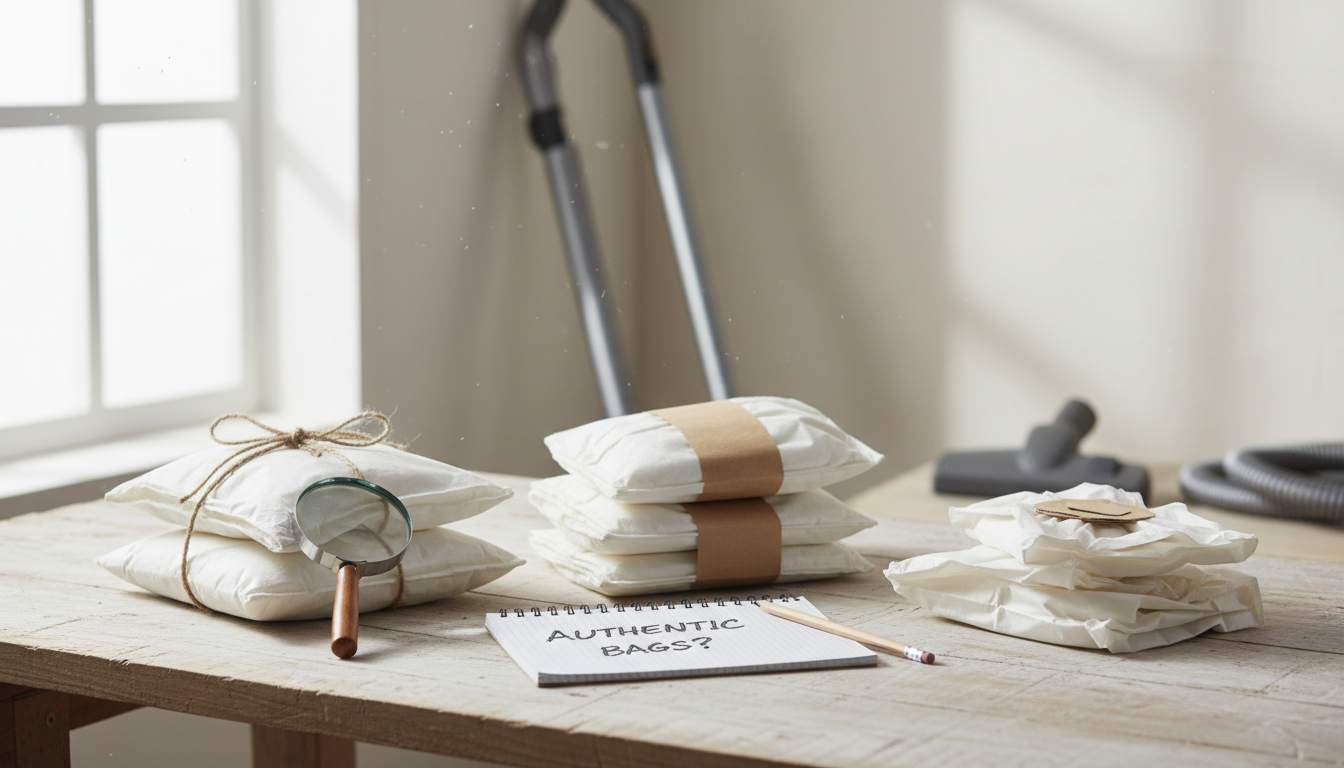
- Genuine vs. Aftermarket Bags
You generally have two options: genuine Bissell-branded bags or aftermarket alternatives.
- Genuine Bags: These are manufactured by Bissell and are designed to provide a guaranteed fit and optimal performance specifically for their vacuum models. They often align with the vacuum's original filtration specifications, ensuring consistent air quality and machine longevity. The primary trade-off is typically a higher cost.
- Aftermarket Bags: These are produced by third-party manufacturers and often present a more budget-friendly option. While some aftermarket bags can offer comparable or even enhanced filtration (e.g., certain HEPA-rated alternatives), quality can vary. Buyers should carefully verify compatibility, material quality, and filtration claims to avoid potential fit issues or reduced performance.
- Ease of Installation and Removal A practical consideration is how easily the bags can be installed and removed from your Bissell vacuum. Bags designed for straightforward handling minimize the risk of dust exposure during changes and reduce user frustration. Some designs feature simple release mechanisms, making the process quick and mess-free.
- Overall Cost-effectiveness Beyond the initial purchase price, consider the long-term cost-effectiveness of your bag choice. A cheaper bag that needs frequent replacement, offers poor filtration, or compromises your vacuum's performance might not be the most economical in the long run. Conversely, a higher-priced, durable, multi-layered bag that lasts longer and provides superior filtration could offer better value over time. Balance price with performance, durability, and capacity to make a decision that aligns with your cleaning needs and budget.
Common Pitfalls and Trade-offs in Bissell Vacuum Bag Selection
Navigating the array of Bissell vacuum cleaner bags can present several challenges, and understanding these potential pitfalls is crucial for making an informed choice. Selecting the wrong bag can lead to more than just inconvenience; it can impact your vacuum's performance, longevity, and even the air quality in your home.
- Risk of Incorrect Bag Use: Installing a bag not specifically designed for your Bissell model can have several negative consequences. An ill-fitting bag may not seal properly, allowing dust and debris to leak directly into the motor compartment or back into the air. This leakage can strain the vacuum's motor, potentially leading to overheating and premature failure. Furthermore, an incorrect bag can restrict airflow, causing a noticeable drop in suction power and reducing cleaning effectiveness.
- Cost vs. Performance and Filtration: The market offers a range of bag options, from genuine Bissell products to various aftermarket alternatives. While cheaper bags might seem appealing initially, they can sometimes compromise on filtration efficiency or material quality. Bags with lower filtration capabilities may allow more microscopic particles and allergens to escape back into your living space. Additionally, less durable materials might tear more easily or become clogged faster, necessitating more frequent replacements and potentially negating any initial cost savings.
- Misconceptions About 'Universal' Bags: The concept of a 'universal' vacuum bag can be misleading. While some bags are designed for a broader range of models, true universal compatibility across all Bissell vacuums is rare. Each Bissell vacuum model often has specific requirements for bag dimensions, connection types, and airflow design. Relying on a generic 'universal' claim without verifying compatibility against your specific model number can lead to poor fit, reduced performance, and the risks associated with incorrect bag use.
- Impact on Suction and Airflow: The material and construction of a vacuum bag directly influence airflow. Bags that are too thick, made from dense materials not optimized for your vacuum, or those that clog quickly can impede the vacuum's airflow. This restriction forces the motor to work harder to maintain suction, which can lead to decreased efficiency, increased energy consumption, and potential motor strain over time. Optimal bag design ensures consistent airflow for effective cleaning.
- Neglecting Regular Bag Replacement: A common oversight is extending the life of a vacuum bag beyond its practical capacity. As a bag fills, it restricts airflow and reduces suction power. A completely full or excessively dirty bag not only diminishes cleaning performance but also puts undue stress on the vacuum's motor. Regular replacement, even if the bag isn't visibly bursting, is vital for maintaining consistent suction, protecting the motor from overwork, and ensuring the vacuum operates at its intended efficiency.
Frequently Asked Questions About Bissell Vacuum Bags
Navigating the nuances of vacuum cleaner bags can bring up several practical questions. Understanding these common queries can help ensure you get the most out of your Bissell vacuum and maintain a clean home environment.
-
How often should I change my Bissell vacuum bag? The frequency of bag changes depends on several factors, including how often you vacuum, the size of the area being cleaned, and the amount of debris collected (e.g., pet hair or fine dust will fill a bag faster). A general guideline is to change the bag when it is about two-thirds full to maintain optimal suction and filtration. Waiting until a bag is completely full can strain your vacuum's motor and diminish cleaning performance.
-
Can I use a bag from a different brand in my Bissell vacuum? Using bags from other brands is generally not recommended unless they are specifically labeled as compatible with your exact Bissell model. Off-brand or generic bags that are not a precise fit can lead to several issues:
- Improper Seal: A poor fit can allow dust and debris to leak out, re-entering your home's air and potentially clogging internal vacuum components.
- Reduced Suction: An ill-fitting bag or one with different material specifications can restrict airflow, significantly reducing your vacuum's cleaning power.
- Potential Damage: An improperly seated bag can cause the vacuum to work harder, leading to overheating or premature motor wear. Genuine Bissell bags or verified compatible alternatives are designed to meet the specific requirements of your vacuum for optimal performance and longevity.
-
What are the signs that my vacuum bag needs changing? Several indicators suggest it's time to replace your Bissell vacuum bag:
- Decreased Suction Power: This is often the most noticeable sign. If your vacuum isn't picking up dirt as effectively as usual, a full bag is a likely culprit.
- Visible Dust or Debris Leakage: If you notice dust escaping from the vacuum's exhaust or seams, the bag may be overfilled or improperly sealed.
- Unusual Odors: A full bag, especially one containing pet dander or food particles, can start to emit unpleasant smells during vacuuming.
- Bag Full Indicator Light: Many modern Bissell vacuums include an indicator light that illuminates when the bag is nearing capacity.
-
Are HEPA bags worth the extra cost? For many users, HEPA (High-Efficiency Particulate Air) bags offer significant benefits that justify their higher price point. These bags are engineered to trap a much higher percentage of microscopic particles, including allergens, pet dander, pollen, and dust mites, down to 0.3 microns in size. If anyone in your household suffers from allergies, asthma, or other respiratory sensitivities, or if you have pets, HEPA bags can substantially improve indoor air quality. While they might slightly restrict airflow compared to standard bags, modern designs often account for this, providing effective filtration without a dramatic impact on performance.
-
How do I dispose of a used vacuum bag? Disposing of a used vacuum bag properly helps contain dust and allergens. Many Bissell bags are designed with self-sealing collars that close automatically when removed, minimizing dust exposure. If your bag doesn't have this feature, carefully remove it from the vacuum, fold the opening closed, and secure it with tape before placing it directly into a sealed trash can. This prevents trapped debris from escaping back into your home environment. Always check local waste disposal guidelines for any specific requirements.
Making Your Smart Decision: A Recap for Bissell Vacuum Bag Buyers
Navigating the options for Bissell vacuum cleaner bags becomes straightforward when you apply a clear decision-making framework. The primary objective is to maintain your vacuum's efficiency and your home's air quality. By focusing on a few key criteria, you can confidently select the right replacement bags.
Remember these essential steps to ensure you choose correctly:
- Prioritize Compatibility: This is non-negotiable. Always verify that the bag's model number or type explicitly matches your specific Bissell vacuum cleaner model. An incorrect fit can lead to dust leakage and diminished suction.
- Match Filtration to Needs: Recall the advantages of different filtration levels—from standard dust retention to advanced HEPA-grade options for allergy sufferers. Align your choice with your household's air quality requirements.
- Consult Official Resources: Before purchasing, diligently check your vacuum's user manual or the bag's product description. These sources provide the most accurate compatibility information and installation guidance.
- Balance Performance and Budget: Weigh the trade-offs between bag material, filtration capabilities, and cost. While premium bags offer superior performance and air quality, a well-matched standard bag can still deliver effective cleaning within budget.
Armed with this guide, you're ready to confidently select the Bissell vacuum cleaner bags that ensure optimal performance and a cleaner home environment.
More in Vacuum Cleaner Bags
View All