Panasonic Vacuum Cleaner Bags: Ensuring a Perfect Fit and Optimal Performance
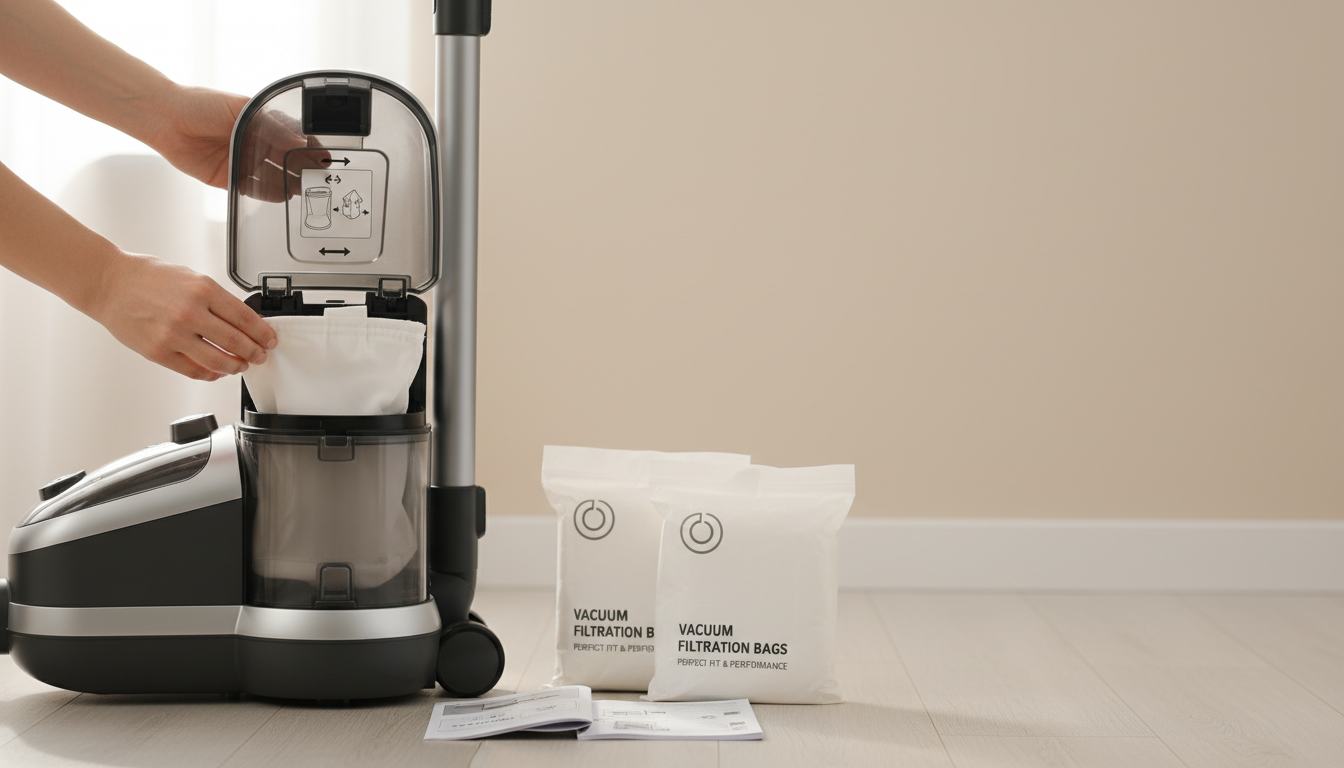
Panasonic Vacuum brand fit snapshot
For buyers evaluating Panasonic vacuum cleaner bags, understanding the brand's specific approach helps clarify purchase decisions. Panasonic has historically produced a range of vacuum models, each designed to operate optimally with particular bag types. These bags are engineered not just to collect debris, but also to contribute to the vacuum's overall suction efficiency and motor protection by preventing fine particles from reaching internal components.
When considering Panasonic vacuum bags, the primary intent is often to maintain the performance and longevity of an existing Panasonic appliance. This brand angle suits buyers who:
- Prioritize exact compatibility: Seek bags specifically designed to fit their Panasonic vacuum model, ensuring a proper seal and filtration.
- Own specific Panasonic models: Especially those with designated bag types like 'U 1' for uprights or 'C-5' for certain canister models.
- Value motor protection: Recognize that a correctly fitting bag is integral to safeguarding the vacuum's motor from dust and debris.
However, the landscape for Panasonic vacuum bags also requires a comparison mindset. Buyers should be prepared to evaluate options if they:
- Possess older Panasonic models: Availability of original manufacturer bags for discontinued models can be limited, necessitating a search for compatible alternatives.
- Seek broader options: Some third-party manufacturers produce bags compatible with Panasonic models, occasionally cross-referenced with other brands like Kenmore Type C/Q, which may offer different pack sizes or material compositions.
- Encounter fit issues: Mismatched bags can compromise filtration and suction, making careful model number verification and comparison essential.
This brand fit emphasizes precision in selection, often guiding buyers to verify specific bag types against their vacuum's model number before purchase.
Panasonic-Vacuum Evidence Checklist
When evaluating Panasonic vacuum cleaner bags, buyers benefit from distinguishing between verifiable product characteristics and general claims. This checklist provides a framework for assessing the brand's offerings, focusing on concrete proof points, inherent specification limits, and practical considerations like return policies.
-
Proof Points for Performance and Fit:
- Model-Specific Design: Original Panasonic bags are engineered for specific vacuum models (e.g., Type U-1 for uprights, Type C-5 for certain canisters). This design aims to ensure a precise seal and optimal airflow, which is critical for maintaining suction and protecting the vacuum's motor.
- Filtration Capabilities: Factory-spec bags are designed to trap fine dust and debris, preventing it from recirculating into the air or reaching the motor. This contributes to both cleaning effectiveness and the longevity of the appliance.
- Established Cross-Compatibility: For some Panasonic models, specific Kenmore bag types (e.g., Kenmore Type C/Q 5055, 50557, 50558) are known to be compatible, offering a verifiable alternative for certain Panasonic C-5 vacuum cleaners. This indicates a degree of standardization across some product lines.
-
Specification Limits and Fit Constraints:
- Exact Model Match Requirement: The primary limitation is the absolute necessity of matching the bag type to your specific Panasonic vacuum model number. Mismatched bags will not seal correctly, leading to reduced suction, potential motor damage from debris, and dust leakage.
- Discontinuation Risk: A known issue for older or less common Panasonic models is the potential for original bag types to be discontinued, limiting direct brand-name availability and necessitating a search for compatible alternatives.
- Material and Filtration Grade: While original bags offer a baseline, specific filtration grades (e.g., HEPA-level) are not universally guaranteed across all Panasonic bag types. Buyers should verify the filtration standard if it's a critical requirement.
-
Return Policy and Buyer Protection:
- Retailer-Dependent Returns: Panasonic, as a manufacturer, typically does not handle direct returns for vacuum bags purchased from third-party retailers. The ability to return or exchange incorrect or defective bags will depend entirely on the specific retailer's return policy where the purchase was made.
- Packaging Condition: Most retailers require bags to be returned in their original, unopened packaging to be eligible for a refund or exchange, especially if the reason for return is a buyer error (e.g., ordering the wrong type).
- Proof of Purchase: Always retain your receipt or order confirmation, as it is essential for processing any return or warranty claim through the retailer.
Panasonic-Vacuum Use Case ownership experience
The practical experience of owning a Panasonic vacuum cleaner, particularly regarding its bags, centers on consistent performance, user comfort, and specific maintenance considerations. Unlike generic components, Panasonic bags are designed to integrate with the vacuum's airflow and filtration system, directly influencing daily cleaning efficacy and long-term machine health.
For daily use, the correct Panasonic bag ensures the vacuum maintains optimal suction power from start to finish. A properly fitted bag prevents air leaks, which can otherwise diminish cleaning effectiveness and allow fine dust to escape back into the environment. This means less effort is required to achieve desired cleaning results, as the vacuum operates as intended. The bag's capacity also dictates the frequency of changes, influencing the flow of your cleaning routine.
Comfort during and after vacuuming is significantly tied to the bag system. Panasonic bags are engineered to contain collected debris and allergens, minimizing direct exposure to dust during disposal. This feature contributes to a more hygienic cleaning experience compared to bagless systems, where emptying dust bins can release particles back into the air. When the correct bag is used, installation and removal are typically straightforward, reducing potential frustration.
Maintenance for Panasonic vacuum owners often involves a critical task: sourcing the right replacement bags. The bag acts as a primary filter, protecting the vacuum's motor from fine dust and debris, which extends the appliance's lifespan. However, owners may encounter specific challenges:
- Model-Specific Fit: Panasonic vacuums require bags precisely matched to their model number and type (e.g., Type U 1 for uprights, Type C-5 for certain canisters). An incorrect fit can lead to reduced suction, motor strain, or even bag tearing.
- Availability Concerns: Some Panasonic vacuum bag types, particularly for older or less common models, may experience discontinuation. This can necessitate careful research for compatible alternatives, such as certain Kenmore C/Q type bags that are known to fit specific Panasonic models.
- Filtration Integrity: Using genuine or high-quality compatible bags ensures the intended level of filtration, which is vital for indoor air quality and motor protection. Substandard bags might compromise this, allowing particles to bypass the filter or damage internal components.
Understanding these aspects of Panasonic vacuum bag ownership helps manage expectations and ensures the vacuum continues to perform efficiently throughout its service life.
Panasonic-Vacuum Trade-Offs alternatives to compare
When evaluating Panasonic vacuum cleaner bags, understanding the landscape of available options, including substitutes, is crucial for making an informed decision. While Panasonic-specific bags are designed for optimal fit and function, certain situations or priorities may lead buyers to consider alternatives.
-
Considering Substitutes: For some Panasonic vacuum models, direct cross-brand compatibility exists. For instance, specific Kenmore canister bag types (like C/Q or C-5) are noted as compatible with certain Panasonic vacuums. Beyond these cross-brand options, third-party manufacturers offer "compatible" bags designed to fit various Panasonic models. These alternatives often aim to provide a more accessible or cost-effective solution, especially when original Panasonic bags become scarce or are discontinued, a known issue for some older models.
-
Better-Fit Scenarios:
- Genuine Panasonic Bags: These are often the best fit when prioritizing factory specifications, which can ensure the intended airflow, filtration efficiency, and motor protection. They are engineered to integrate seamlessly with the vacuum's design, preventing leaks and maximizing suction power. This is particularly relevant for maintaining the vacuum's longevity and performance as designed.
- Compatible Alternatives: These become a better fit when original Panasonic bags are difficult to source, or when budget is a primary concern. High-quality compatible bags, particularly those with multi-layer filtration or microfiber construction, can still offer effective dust containment and motor protection. They are also a practical choice for models where the manufacturer no longer produces the original bag type.
-
Potential Deal Breakers:
- Mismatched Fit: The most significant risk with any vacuum bag, including alternatives, is an improper fit. A bag that doesn't seal correctly can lead to dust leaking into the motor compartment, causing damage, or escaping back into the room, compromising air quality. This also reduces suction efficiency.
- Filtration Quality: Not all bags offer the same level of filtration. If your Panasonic vacuum was designed for HEPA-level filtration, a substitute bag without comparable capabilities could diminish the vacuum's ability to trap fine allergens and particles.
- Durability and Material: Lower-quality bags might tear more easily, especially when collecting heavier debris, or may not hold their shape, affecting airflow and capacity.
- Availability Issues: For Panasonic, the discontinuation of specific bag types can be a deal breaker for users who prefer to stick with original equipment. This forces a re-evaluation of options, including compatible bags or even considering a different vacuum system if the primary concern is long-term bag availability.
Panasonic Vacuum Cleaner Bags FAQ
Navigating the options for Panasonic vacuum cleaner bags involves understanding their specific role in your appliance's performance and considering available choices. This section addresses common questions buyers have when evaluating Panasonic brand bags.
What value do Panasonic vacuum cleaner bags offer?
Genuine Panasonic vacuum bags are designed to integrate precisely with specific Panasonic vacuum models. This exact fit is crucial for maintaining optimal suction power and protecting the vacuum's motor from dust and debris. They are typically engineered to trap fine particles effectively, contributing to cleaner exhaust air and consistent performance. The "factory-spec fit" ensures the bag functions as intended by the manufacturer, which can be a key factor in the longevity and efficiency of the vacuum itself.
Are there alternatives to genuine Panasonic vacuum bags?
Yes, alternatives exist, particularly for older or discontinued Panasonic models where original bags may be scarce. Buyers often encounter two main types of alternatives:
- Aftermarket/Generic Bags: Several brands produce replacement bags designed to be compatible with various Panasonic models. These can sometimes offer a cost-effective option, but verifying their fit and filtration capabilities is important.
- Cross-Compatible Bags: Some Panasonic vacuum models share bag compatibility with other brands, most notably certain Kenmore canister vacuum bag types (e.g., Type C-5, C/Q). If you find original Panasonic bags difficult to source, checking for these cross-compatible options can broaden your choices.
When considering alternatives, prioritize those that explicitly state compatibility with your specific Panasonic model number to help ensure proper function.
What are common mistakes to avoid when buying or using Panasonic vacuum bags?
Selecting and using the correct vacuum bag is vital for both cleaning effectiveness and the health of your vacuum. Avoid these common pitfalls:
- Ignoring Model Compatibility: The most frequent mistake is purchasing bags based solely on brand name without confirming the specific model number and bag type. A mismatched bag can lead to poor fit, reduced suction, and dust leakage.
- Overlooking Bag Type: Panasonic vacuums may require different bag types (e.g., paper, synthetic, HEPA-rated). Using the wrong material type can affect filtration efficiency and airflow.
- Delaying Replacement: Using an overfilled bag strains the vacuum motor, reduces suction, and can lead to premature wear. Replace bags when they are approximately two-thirds full, or as indicated by your vacuum's bag-full indicator.
- Forcing an Incorrect Fit: If a bag doesn't slide into place easily, do not force it. This can tear the bag or damage the bag housing, compromising the vacuum's sealing mechanism and allowing dust to escape into the motor or back into your home.
Panasonic-Vacuum-Pick buy-or-skip verdict
For buyers evaluating Panasonic vacuum cleaner bags, the decision hinges on model-specific compatibility and current availability. If your Panasonic vacuum model is still supported with readily available, precisely matched bags, they represent a qualified buy. These bags are engineered to maintain the vacuum's original performance specifications, including filtration efficiency and motor protection, by ensuring an exact fit.
However, if your Panasonic model is older or if specific bag types are difficult to source, the brand's bags become a qualified skip in favor of compatible alternatives. The primary challenge with Panasonic bags is the potential for discontinuation, which can lead to frustration when seeking replacements.
Your next action should involve:
- Verifying Your Vacuum's Model Number: This is the most critical step to ensure any bag purchase, Panasonic or compatible, will fit correctly.
- Checking Current Availability: Search for your specific Panasonic bag type. If readily available from multiple reputable sources, proceeding with Panasonic-branded bags is a sound choice for optimal performance.
- Considering Compatible Types: If original Panasonic bags are scarce, research known compatible alternatives. For instance, some Panasonic models utilize bags interchangeable with certain Kenmore types (e.g., Panasonic C-5 bags often align with Kenmore Type C/Q). Prioritize alternatives that explicitly state compatibility with your Panasonic model for reliable fit and function.
More in Vacuum Cleaner Bags
View All