RR Vacuum Cleaner Bags: A Guide to Finding the Right Replacements
Finding the Perfect Fit: Your Guide to RR Vacuum Cleaner Bags
Navigating the world of vacuum cleaner bags can be precise, especially when encountering specific designations like 'RR'. These 'RR' labels typically refer to a particular style or fit designed for certain vacuum cleaner models, ensuring a precise connection and optimal operation. Understanding this designation is the first step in maintaining your vacuum's performance.
Selecting the correct 'RR' bag is crucial for several reasons:
- Sustained Suction: A properly fitting bag allows the vacuum to maintain consistent airflow, which is essential for effective dirt and debris collection. Incorrect bags can restrict airflow, leading to reduced suction power.
- Efficient Filtration: Vacuum bags often double as a primary filter, trapping fine dust and allergens. The right 'RR' bag ensures the filtration system functions as intended, preventing particles from re-entering your indoor air.
- Vacuum Longevity: Using bags that are not compatible can strain the vacuum's motor, potentially leading to overheating or premature wear. A correct fit protects your appliance.
- Dust Containment: The design of an 'RR' bag is engineered to securely contain collected dust and debris, preventing leaks and ensuring a hygienic disposal process.
This guide will empower you to confidently identify and select the appropriate 'RR' vacuum cleaner bags for your specific model. We'll cover key criteria, potential trade-offs, and considerations to ensure your vacuum operates at its best.
<h2>Understanding 'RR' Vacuum Bags: Compatibility and Design</h2>The designation 'RR' for vacuum cleaner bags typically refers to a specific style or series produced for certain vacuum cleaner models, rather than a universal bag type. For instance, 'RR' is commonly associated with particular Eureka vacuum cleaner models. This means that an 'RR' bag is designed with precise dimensions, collar configuration, and airflow characteristics to fit only the vacuum cleaners specified by the manufacturer for that particular 'RR' series. It is not a generic classification that implies compatibility across various brands or even different product lines within the same brand.
Exact model compatibility is paramount when selecting replacement 'RR' bags. An improperly fitting bag, even if seemingly close in size, can lead to several performance issues and potential damage. A poor seal at the vacuum's intake port can result in significant loss of suction power, as air bypasses the filtration system. It can also allow dust and debris to escape into the vacuum's motor compartment or back into the room, compromising air quality and potentially shortening the vacuum's lifespan. Using manufacturer-specified bags helps ensure the vacuum operates as intended and can prevent issues that might void a warranty.
The design of an 'RR' bag directly influences the vacuum's overall performance. Beyond just holding debris, the bag acts as a primary filtration stage. Its internal structure and material composition are engineered to optimize airflow while trapping particles. Bags with multi-layer construction, often incorporating synthetic fibers or specialized paper, enhance filtration efficiency. These layers work together to capture fine dust, allergens, and pet dander, preventing them from recirculating into the air or clogging the vacuum's motor. High-quality materials contribute to the bag's durability, reducing the risk of tears and ensuring consistent filtration throughout its use.
Your Buying Checklist: Choosing the Right 'RR' Vacuum Bags
Selecting the appropriate 'RR' vacuum cleaner bags requires attention to detail to ensure both compatibility and optimal performance. Use this checklist to guide your decision-making process:
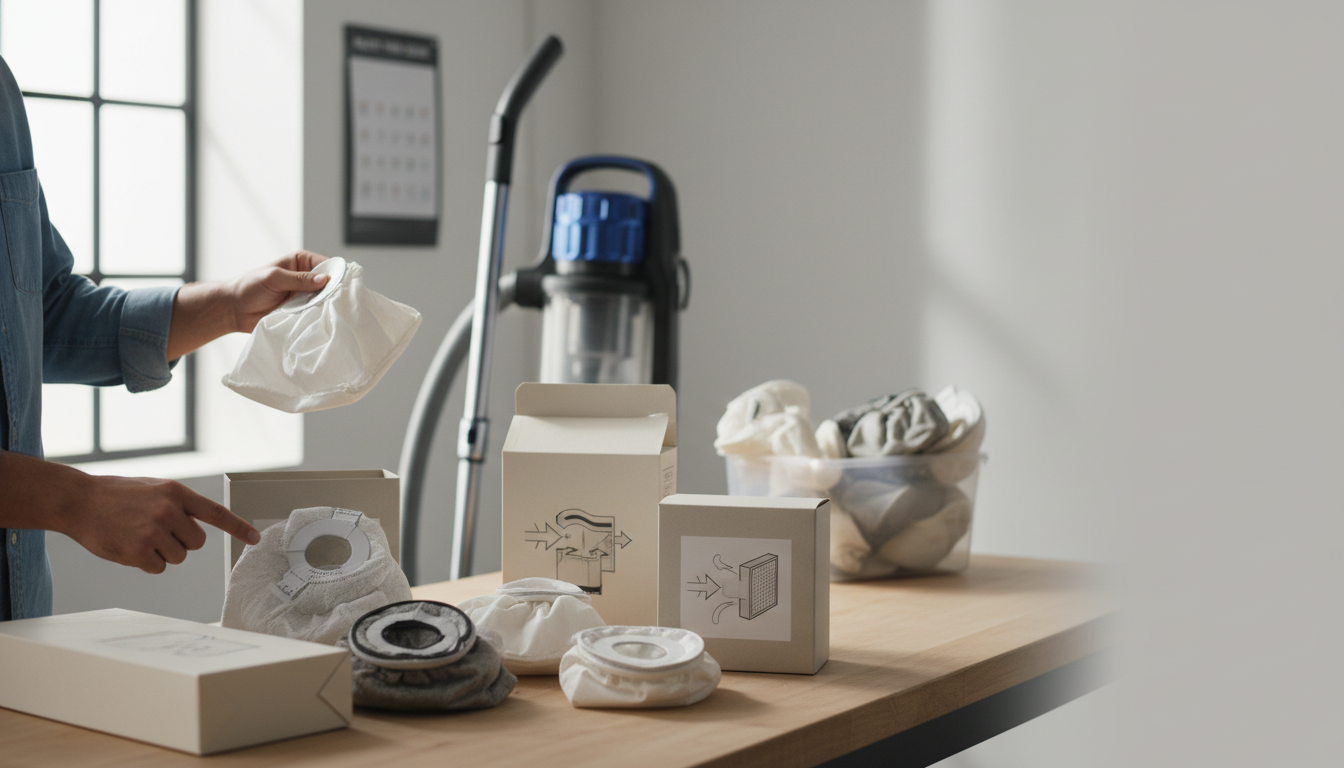
- Verify Model Compatibility: The 'RR' designation typically refers to a specific bag style for particular vacuum models. Before purchasing, locate your vacuum cleaner's exact model number, usually found on a label on the vacuum body or in the user manual. Cross-reference this number with the bag manufacturer's compatibility list. An incorrect fit can lead to reduced suction, dust leakage, or even damage to your vacuum's motor by restricting airflow.
- Assess Filtration Efficiency: Vacuum bags are a critical component of your vacuum's filtration system. Look for bags that specify their filtration capabilities.
- Standard Bags: Designed for general dust collection.
- Multi-Layer Bags: Often feature multiple plies of material to trap finer particles more effectively.
- HEPA-like Filtration: Bags marketed with HEPA-like properties are designed to capture a higher percentage of microscopic particles, such as allergens and pet dander, which can contribute to improved indoor air quality. Remember that a clogged bag, regardless of its initial filtration rating, will diminish performance.
- Examine Material Quality and Durability: The material construction of an 'RR' bag impacts its tear resistance and overall effectiveness. Bags made from robust, multi-ply synthetic materials tend to be more durable than single-ply paper bags. Higher quality materials can prevent punctures from sharp debris and reduce the risk of dust escaping back into the air, especially as the bag fills. While higher quality might come with a higher price, it can offer better containment and longevity.
- Consider Pack Size and Value: Evaluate your cleaning frequency and storage space when deciding on pack size.
- Smaller Packs: Suitable for infrequent vacuum users or those with limited storage.
- Bulk Packs: Often provide a lower cost per bag, which can be more economical for regular users. Weigh the upfront cost against the long-term value, considering how often you anticipate needing replacements.
- Evaluate Genuine vs. Aftermarket Options: You'll typically find two categories of 'RR' bags:
- Genuine Manufacturer (OEM) Bags: These are produced by your vacuum's original manufacturer. They are designed for a precise fit and guaranteed compatibility, often adhering to specific filtration standards. Using OEM bags can help maintain your vacuum's warranty.
- Aftermarket/Third-Party Bags: These are produced by independent companies. While they can offer cost savings, their quality, fit, and filtration effectiveness can vary. An ill-fitting or low-quality aftermarket bag might compromise your vacuum's suction, filtration, and potentially lead to motor strain or even void its warranty. If considering aftermarket options, research the brand's reputation for compatibility and performance.
Common Mistakes and How to Avoid Them When Buying 'RR' Bags
Selecting the wrong 'RR' vacuum cleaner bags can lead to a range of issues that compromise both your cleaning effectiveness and the lifespan of your appliance. Understanding these common pitfalls can help you make informed decisions and maintain optimal vacuum performance.
- Damage to Your Vacuum Cleaner: Using 'RR' bags that are not precisely compatible with your model, or opting for poor-quality alternatives, can strain the vacuum's motor. An ill-fitting bag can restrict airflow, causing the motor to work harder, overheat, and potentially lead to premature wear or failure of internal components. Manufacturer-specific bags are designed to ensure proper airflow and fit, protecting the motor from undue stress.
- Reduced Performance and Filtration: Incorrect 'RR' bags can significantly diminish your vacuum's core functions. If the bag doesn't seal properly, dust and debris can leak back into the air or the vacuum's internal mechanisms, leading to poor filtration and reduced suction power. Similarly, bags made from inferior materials may not capture fine particles effectively, allowing allergens and dust to escape. A clogged or overfilled bag, or one that has been improperly reused, acts like a blocked filter, drastically reducing suction and overall cleaning efficiency.
- Warranty Invalidation: Many vacuum cleaner manufacturers specify that using non-approved or incompatible replacement parts, including vacuum bags, can void your appliance's warranty. Should a malfunction occur that could be attributed to the use of an incorrect bag, you might find yourself responsible for repair costs that would otherwise be covered. Always verify your vacuum's warranty terms regarding replacement parts.
- Environmental and Hygienic Concerns: While it might seem economical, emptying and reusing 'RR' vacuum cleaner bags is not recommended. Vacuum bags are designed to be disposable filters; their material becomes saturated with fine dust and debris. Reusing a bag is akin to vacuuming with an already clogged filter, severely hampering performance and air quality. Furthermore, the act of emptying a used bag can release concentrated dust and allergens back into your immediate environment. Proper disposal of single-use bags, as per local guidelines, ensures hygienic waste management.
Maximizing Efficiency: Tips for Your 'RR' Vacuum Bags
Optimal performance from your vacuum cleaner, particularly those designed for 'RR' bags, relies heavily on correct bag handling. Proper installation, timely replacement, and preventative care ensure consistent suction, effective filtration, and prolong the life of your appliance.
-
Accurate Installation:
- Always consult your vacuum cleaner's user manual for model-specific instructions. While 'RR' bags share a general design, the securing mechanism can vary.
- Align the bag's cardboard collar or plastic flange precisely with the vacuum's intake port within the bag compartment.
- Ensure any clips, levers, or housing components are securely fastened to create an airtight seal. A loose fit allows dust to bypass the bag and potentially damage the motor or escape into the air.
- Confirm the bag is fully unfolded and positioned correctly within the compartment, not crimped or obstructing airflow.
-
Recognizing When to Change Your Bag:
- Reduced Suction: This is often the most noticeable sign. Even if not visibly full, a bag can become clogged with fine dust, restricting airflow and diminishing cleaning power.
- Full Bag Indicator: Many modern vacuums feature an indicator light or gauge that signals when the bag is nearing capacity. Trust this indicator.
- Increased Motor Noise: If your vacuum sounds like it's working harder than usual, it could be struggling to pull air through a dense, full, or clogged bag.
- Visible Bag Swelling: If the bag is bulging significantly, it's time for a change. Overfilling can strain the vacuum and risk bag rupture.
- Unpleasant Odors: A stale or musty smell during operation can indicate a bag full of trapped debris, pet dander, or other odor-causing particles.
-
Preventing Common Bag Problems:
- Avoid Overfilling: Change your 'RR' bag before it's completely rigid or packed solid. A partially full but clogged bag is less efficient than a new one. Reusing bags by emptying them is not recommended, as the bag material itself acts as a filter and becomes less effective once saturated with dust.
- Watch for Sharp Objects: Be mindful of vacuuming sharp items like glass shards or staples, which can puncture the bag and lead to dust leakage or damage to internal components.
- Dry Use Only: Never vacuum wet spills or damp debris. Moisture can compromise the bag's material, encourage mold growth, and potentially damage the vacuum's motor.
-
Safe and Hygienic Disposal:
- Carefully remove the used 'RR' bag from its compartment, minimizing agitation to prevent dust clouds.
- If your bag features a self-sealing tab or flap, activate it immediately upon removal to contain contents.
- Place the sealed bag directly into a larger trash bag, then seal that bag before disposing of it in your household waste bin.
- Wash your hands thoroughly after handling used vacuum bags to maintain hygiene.
Frequently Asked Questions About 'RR' Vacuum Bags
Understanding the nuances of 'RR' vacuum cleaner bags can help maintain your appliance's performance and longevity. Here are answers to common questions buyers often have.
Can I use any 'RR' bag for my vacuum?
No, the 'RR' designation typically refers to a specific style or series designed for particular vacuum cleaner models. It is not a universal fit. While bags may share the 'RR' label, variations in dimensions, collar design, and material can exist. Always verify compatibility with your vacuum cleaner's specific model number, often found on a label on the appliance itself. Using an incompatible bag can lead to:
- Reduced suction efficiency
- Dust leakage into the motor or air
- Potential damage to the vacuum's internal components
How often should I change my 'RR' vacuum bag?
The frequency of changing your 'RR' vacuum bag depends on several factors, including usage intensity, the type of debris collected, and the size of the bag. A good general guideline is to change the bag when it is approximately two-thirds to three-quarters full. Waiting until the bag is completely full can significantly reduce suction power and strain the motor. If you notice a decrease in suction, a musty odor, or visible dust escaping, it's likely time for a change, even if the bag isn't entirely full.
Are generic 'RR' bags as good as branded ones?
The quality of generic 'RR' bags can vary significantly. While some aftermarket options may offer a cost-effective alternative, they might not always match the filtration efficiency, fit precision, or material durability of genuine manufacturer-branded bags.
Consider these trade-offs:
- Fit and Seal: Branded bags are designed for an exact fit, ensuring a tight seal that prevents dust leakage. Generic bags may have slight variations that compromise this seal.
- Filtration Performance: Manufacturer bags often use specific multi-layer materials for optimal filtration, trapping fine particles and allergens. Some generic alternatives may use lower-grade materials, potentially allowing more dust to escape.
- Vacuum Longevity: Using bags that don't meet the manufacturer's specifications could potentially strain your vacuum's motor or, in some cases, void its warranty.
Research suggests that using manufacturer-specific bags can help maintain suction and prevent motor damage, while some third-party bags might not perform as well or could even damage the vacuum.
What happens if I don't change my vacuum bag?
Neglecting to change your vacuum bag can lead to several performance and maintenance issues:
- Reduced Suction Power: As the bag fills, airflow becomes restricted, causing a noticeable drop in cleaning effectiveness. The vacuum has to work harder to pull air through the clogged bag.
- Motor Strain and Overheating: The restricted airflow forces the vacuum's motor to work harder, increasing the risk of overheating and premature wear.
- Decreased Air Quality: A full bag can become a breeding ground for bacteria and mold, and fine dust particles may escape back into the air through microscopic pores in the overstressed bag material or imperfect seals.
- Bag Rupture: An overfilled bag is under increased pressure and can rupture, releasing all collected dust and debris back into your vacuum's internal components and potentially into your home.
Do 'RR' bags affect suction power?
Yes, 'RR' bags significantly affect a vacuum cleaner's suction power. The bag is an integral part of the vacuum's airflow system. As the bag collects dirt and debris, its pores become clogged, restricting the flow of air. This restriction directly translates to a reduction in suction at the nozzle. The material and design of the bag also play a role; a bag with superior filtration but poor airflow design, or one made from materials that quickly clog, can impact suction more rapidly than a well-designed bag. Regularly replacing your 'RR' bag is crucial for maintaining optimal suction and cleaning efficiency.
<h2>Your Next Step: Confidently Choosing 'RR' Vacuum Bags</h2>Making an informed decision about replacement 'RR' vacuum cleaner bags directly impacts your cleaning effectiveness and the longevity of your appliance. The specific 'RR' designation is not merely a label; it signifies a precise fit and intended performance for compatible vacuum models. By focusing on key criteria, you can ensure your purchase contributes positively to both your vacuum's health and your home's cleanliness.
To confidently select your next set of 'RR' bags, remember to prioritize:
- Exact Compatibility: Always verify that the 'RR' bag style explicitly matches your vacuum cleaner's model number. An improper fit, even if seemingly minor, can compromise suction and filtration.
- Material Quality: Consider the construction and durability of the bag material. Higher-quality bags are often designed to withstand the rigors of vacuuming and prevent premature tearing.
- Filtration Efficiency: Understand the filtration capabilities offered by the bags. Effective filtration is crucial for trapping fine dust and allergens, which contributes to better indoor air quality.
Before finalizing any purchase, take a moment to double-check your vacuum's specific model number against the bag's compatibility list. This simple step is the most critical in avoiding common pitfalls. Choosing the correct 'RR' vacuum cleaner bags ensures your vacuum maintains optimal suction, protects its motor from strain, and effectively captures debris, ultimately contributing to a cleaner, healthier home environment.