CleanMax Vacuum Cleaner Bags: A Buyer's Guide to Compatibility and Performance
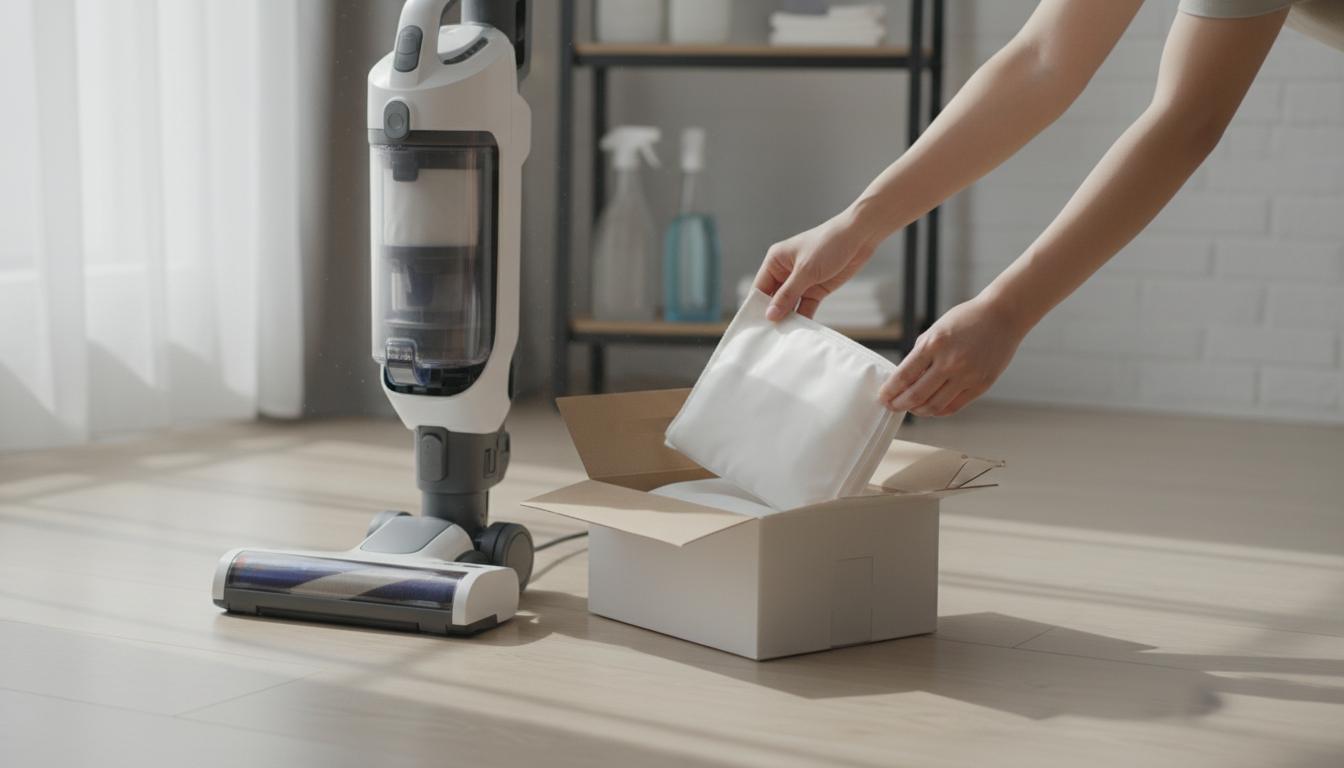
Introduction to CleanMax Vacuum Cleaner Bags
CleanMax vacuums are recognized for their robust design and commitment to maintaining indoor air quality, effectively tackling dirt while being gentle on surfaces. A cornerstone of this performance, particularly in bagged models, is the vacuum cleaner bag itself. Far more than a simple dust receptacle, the bag plays a critical role in the machine's overall efficiency, filtration capabilities, and longevity.
Using the correct, high-quality CleanMax vacuum bag is essential for several reasons:
- Sustained Performance: The bag's design and material directly influence suction power. An incompatible or low-quality bag can restrict airflow, leading to reduced cleaning effectiveness.
- Optimal Air Quality: CleanMax vacuums are designed to extract and contain dirt and allergens. High-quality bags ensure that what goes in the bag, stays in the bag, preventing fine particles from re-entering your environment.
- Machine Longevity: Proper bags protect the vacuum's motor and internal components from excessive dust and debris, contributing to the appliance's lifespan.
This guide is designed to empower you with the knowledge needed to confidently select the precise CleanMax vacuum cleaner bags for your specific model. We will explore key compatibility factors, the performance benefits of proper filtration, and best practices for bag replacement, ensuring your CleanMax vacuum continues to operate at its peak.
The Performance Advantage: Why CleanMax Bags Matter
CleanMax vacuum cleaner bags are integral components designed to optimize both cleaning efficacy and indoor air quality. Their construction and design play a direct role in how effectively a CleanMax vacuum operates and manages collected debris. Understanding these benefits helps ensure your vacuum performs as intended and contributes to a healthier home environment.
CleanMax bags are engineered with superior filtration capabilities, crucial for trapping fine particles that can otherwise recirculate into the air. These bags are designed to capture a high percentage of dirt and allergens, preventing them from escaping back into your living space. This level of containment significantly impacts indoor air quality, reducing exposure to common irritants like dust mites, pet dander, and pollen. For individuals sensitive to airborne particles, the effective filtration provided by these bags is a key consideration.
The durability and material quality of CleanMax bags are also important for effective dust containment. Constructed from robust, multi-layered materials, these bags are designed to withstand the rigors of vacuuming without tearing or leaking. This material strength ensures that collected debris, from everyday dust to larger particles, remains securely inside the bag until disposal.
Properly installed and regularly changed CleanMax bags are essential for maintaining optimal suction power. As a bag fills, airflow can become restricted, forcing the vacuum motor to work harder. By ensuring the bag is not overfilled, you prevent undue strain on the motor, which helps prolong the vacuum's lifespan and maintains consistent cleaning performance.
When considering hygiene and dust exposure, bagged systems like CleanMax offer distinct advantages over bagless alternatives. With a bagged system, collected dirt and allergens are sealed within the bag, minimizing direct contact during disposal. This contrasts with bagless systems, where emptying a dustbin can release a plume of fine particles back into the air, potentially exposing users to accumulated allergens. The "what goes in, stays in" principle of CleanMax bags contributes to a cleaner and more hygienic disposal process.
Ensuring Compatibility: Finding the Right CleanMax Bag for Your Vacuum
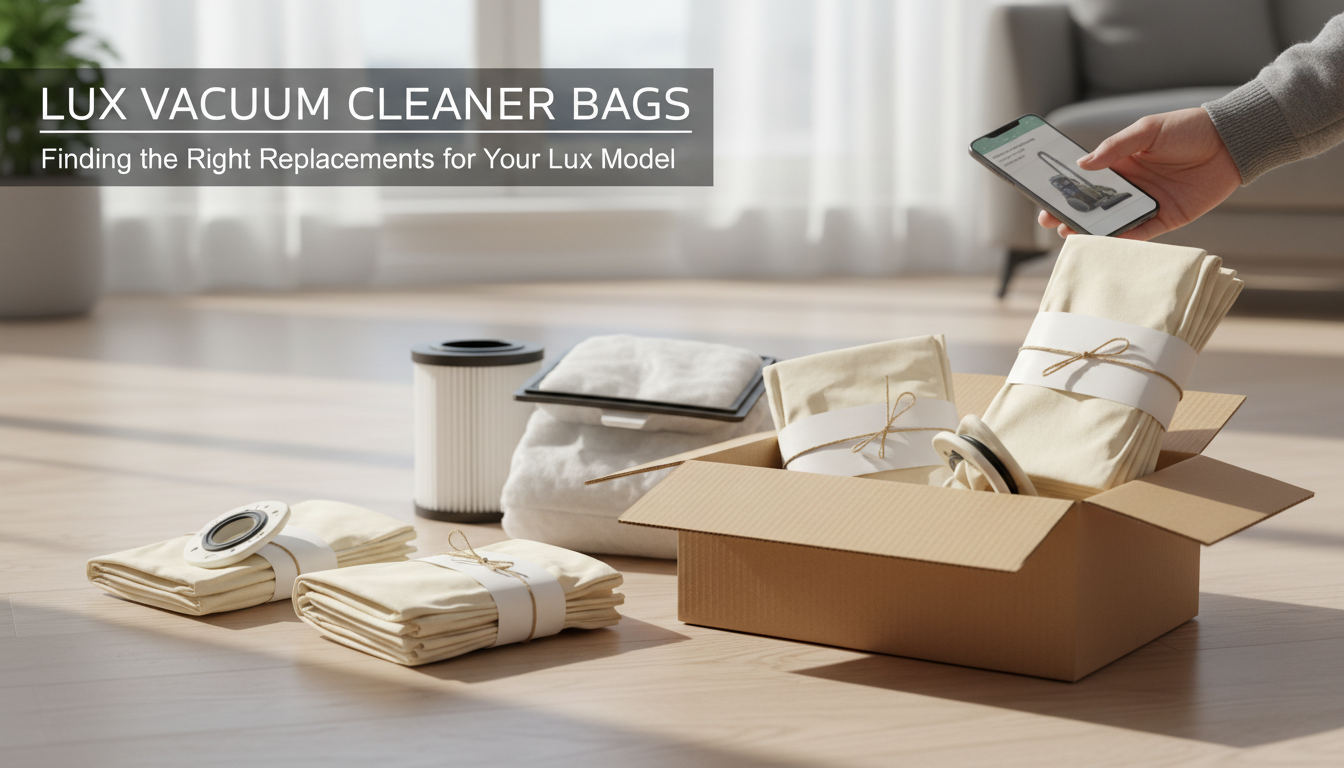
Selecting the correct CleanMax vacuum cleaner bag is crucial for maintaining your machine's performance and ensuring effective air filtration. Compatibility is not universal; CleanMax produces various vacuum models, each designed for a specific bag type. Using the wrong bag can compromise cleaning efficiency and potentially damage your vacuum.
To confidently identify the right CleanMax bag, follow these steps:
-
Locate Your CleanMax Model Number: This is the most critical piece of information.
- Check the Vacuum Body: Look for a label or sticker on the back, side, or underside of your CleanMax vacuum. It often contains the model name or number, sometimes near the power cord or bag compartment.
- Consult Your Owner's Manual: The manual provided with your vacuum cleaner will clearly state the model number and often list the compatible bag series.
- Original Bag Packaging: If you still have the box from your previous bags, it typically lists the compatible vacuum models.
-
Understand CleanMax Bag Types: CleanMax manufactures bags tailored to different vacuum designs. For instance, bags for upright vacuums differ significantly from those for canister or backpack models. The CleanMax CMBP-6 backpack vacuum, for example, requires a specific bag designed to fit its unique compartment and filtration system. Each bag series features a distinct collar, inlet size, and capacity designed to seal perfectly within its intended vacuum model.
Matching the bag precisely to your CleanMax vacuum ensures a secure fit, which is paramount for proper function. A correctly installed bag forms an airtight seal, directing all collected debris through the filtration system and preventing dust and allergens from escaping back into your indoor air.
- Risks of Incorrect or Generic Bags:
- Poor Fit and Reduced Suction: An ill-fitting bag can create gaps, allowing air to bypass the filtration system. This reduces suction power and allows dirt to escape the bag and re-enter the air or even the vacuum's motor compartment.
- Compromised Filtration: Bags that do not meet CleanMax specifications may have inferior filtration materials or construction, leading to diminished capture of fine dust and allergens. This can negatively impact indoor air quality.
- Potential Vacuum Damage: Incorrectly sized bags can stress the vacuum's motor by restricting airflow or, conversely, allow debris to enter and damage internal components. Bags that are too large might tear or burst due to improper seating, while those that are too small might not seal correctly.
- Voided Warranty: Using non-specified or generic replacement parts, including bags, can sometimes void your vacuum's manufacturer warranty if their use leads to a malfunction.
Optimizing Your CleanMax Vacuum: Bag Replacement Best Practices
Maintaining the effectiveness of your CleanMax vacuum cleaner relies significantly on timely and correct bag replacement. Neglecting this simple task can compromise both cleaning performance and indoor air quality. Understanding the indicators for a full bag and following proper replacement procedures ensures your CleanMax unit continues to operate at its designed capacity.
Several clear indicators signal that your CleanMax vacuum bag requires attention:
- Reduced Suction Power: A noticeable decrease in the vacuum's ability to pick up debris is often the primary sign of a full or clogged bag. As the bag fills, airflow is restricted, diminishing cleaning efficiency.
- Vacuum Indicator Light: Many CleanMax models feature a "bag full" or "check bag" indicator light. This visual cue is designed to alert you precisely when replacement is needed.
- Visible Fullness: While some bags are enclosed, if you can access or view the bag, observe its physical state. A bag that appears visibly distended or packed indicates it's nearing its capacity.
For optimal performance and to prevent strain on your vacuum's motor, it is generally recommended to replace your CleanMax vacuum bag when it is approximately two-thirds full. While CleanMax bags are designed with a generous capacity, waiting until the bag is completely packed can lead to decreased airflow, reduced suction, and diminished filtration efficiency before the indicator light even illuminates.
Follow these hygienic steps for a seamless bag replacement:
- Unplug the Vacuum: Always disconnect the vacuum from the power outlet before performing any maintenance.
- Open the Bag Compartment: Locate and open the vacuum's bag compartment according to your specific CleanMax model's instructions.
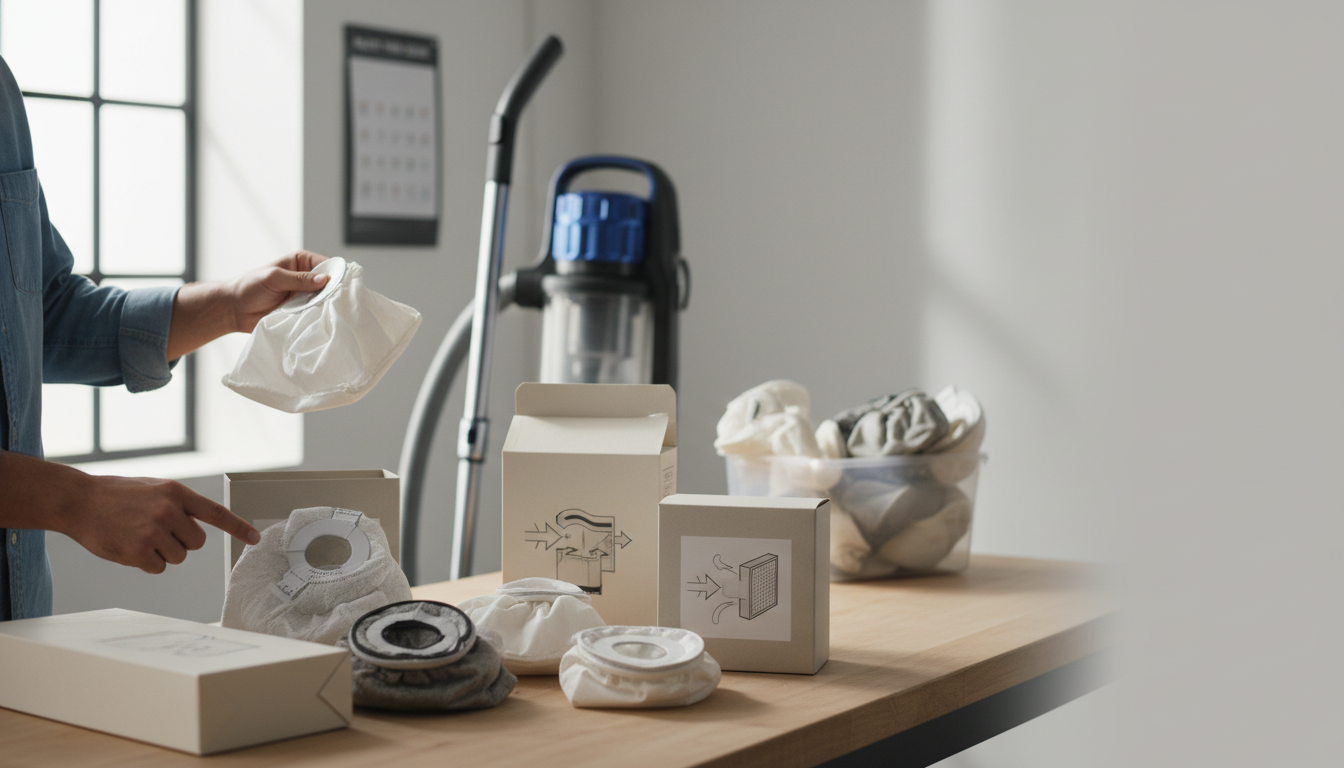
- Carefully Remove the Old Bag: Gently pull the old bag from its housing. Many CleanMax bags feature a self-sealing collar or flap; activate this feature if present to contain dust and allergens.
- Dispose Properly: Place the sealed, old bag directly into a trash receptacle to prevent the re-release of collected debris into your environment.
- Install the New Bag: Align the new CleanMax bag with the bag collar or inlet port inside the compartment. Ensure it is securely seated to prevent leaks and ensure proper airflow.
- Close the Compartment: Securely close the bag compartment, ensuring all latches are engaged.
Failing to replace your CleanMax vacuum bag at the appropriate time carries several implications. A full bag impedes airflow, causing your vacuum to work harder, leading to reduced suction and less effective cleaning. More critically, a clogged bag compromises the filtration system, potentially allowing fine dust, allergens, and other particles to escape back into your indoor air. CleanMax vacuums are designed to extract and contain dirt and allergens, providing a cleaner environment, and regular bag replacement is fundamental to maintaining this critical air quality benefit.
Common Questions About CleanMax Vacuum Bags
Navigating the options for CleanMax vacuum bags can bring up several questions, especially for first-time buyers or those looking to optimize their vacuum's performance. Understanding these common concerns helps in making informed decisions for your specific cleaning needs.
-
What is the difference between Original Equipment Manufacturer (OEM) and compatible/aftermarket CleanMax bags? Original Equipment Manufacturer (OEM) bags are produced directly by CleanMax. They are designed to precisely fit specific CleanMax vacuum models and meet the manufacturer's filtration and durability standards. This ensures optimal performance and airflow as intended by the vacuum's design. Compatible or aftermarket bags, conversely, are manufactured by third-party companies. While often more budget-friendly, their fit, material quality, and filtration efficiency can vary. When considering aftermarket options, it's important to verify their explicit compatibility with your exact CleanMax model to prevent issues with fit, suction, or filtration.
-
How do different bag materials impact filtration efficiency and durability? CleanMax vacuum bags are typically constructed from either paper or synthetic/microfiber materials, each offering distinct characteristics. Paper bags are generally single-layered and effective for capturing common household dust and debris. However, they may allow finer particles to escape and can be more prone to tearing if they encounter sharp objects or excessive moisture. Synthetic or microfiber bags often feature multiple layers of material. This multi-layered construction enhances filtration efficiency, allowing them to trap a higher percentage of smaller particles, including many allergens, which contributes to improved indoor air quality. These synthetic options also tend to be more durable and resistant to tears, potentially offering a longer lifespan before needing replacement.
-
How should I balance the cost of CleanMax bags with long-term performance and replacement frequency? The cost of CleanMax bags can vary, with OEM bags often carrying a higher price point than some aftermarket alternatives. While a package of bags might last approximately a year for typical household use, costing between $12 and $35, actual replacement frequency depends on factors like usage intensity, the type of debris collected, and the bag's capacity. When making a decision, consider your priorities:
- If superior filtration for allergy concerns or maintaining peak vacuum performance is critical, investing in higher-quality, multi-layer bags may offer better long-term value, potentially reducing airborne irritants and protecting your vacuum's motor.
- For general cleaning needs or if budget is a primary concern, more economical paper bags or carefully researched aftermarket options could be suitable. However, be mindful of potential trade-offs in filtration and durability, which might lead to more frequent replacements or slightly diminished air quality.
-
What are the best practices for storing spare CleanMax vacuum bags? Proper storage helps preserve the integrity and effectiveness of your spare CleanMax vacuum bags, ensuring they are ready for use when needed. It is recommended to keep bags in their original packaging to protect them from dust, moisture, and potential physical damage. Store them in a cool, dry place, away from direct sunlight, extreme temperatures, and high humidity, as these conditions can degrade the bag materials over time. Avoid crushing, bending, or excessively folding bags, as this can create weak points or compromise the seals, potentially leading to leaks or tears during operation. Additionally, ensure the storage area is free from pests that could damage the bags.
Making an Informed Choice: Key Factors for Your CleanMax Bag Purchase
Selecting the correct CleanMax vacuum cleaner bags involves more than just picking up a package; it's a decision that impacts your vacuum's performance, the air quality in your home, and the longevity of your appliance. To ensure you make an informed choice, consider these essential criteria before your next purchase.
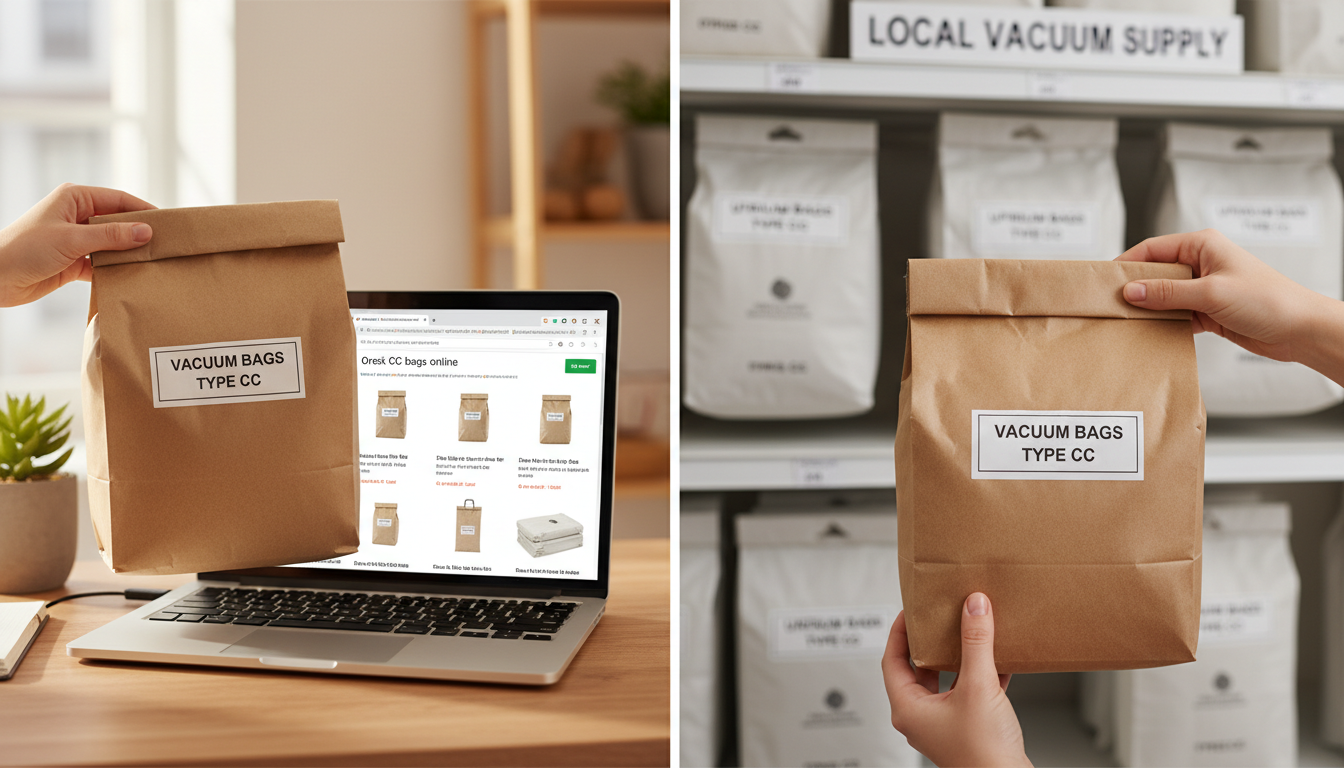
The primary consideration is exact model compatibility. CleanMax vacuums are designed with specific bag types in mind, and using an incorrect bag can lead to reduced suction, dust leakage, or even damage to the motor. Always verify your CleanMax vacuum's precise model number and cross-reference it with the bag's compatibility list. This foundational step ensures a proper fit and seal, which is critical for the vacuum to function as intended.
Next, evaluate your filtration requirements. CleanMax bags are engineered to contain dirt and allergens, preventing them from re-entering your environment. If anyone in your household suffers from allergies or asthma, prioritizing bags with enhanced filtration capabilities is beneficial. These bags are designed to trap a high percentage of fine particles, contributing significantly to improved indoor air quality. The material of the bag also plays a role, with durable, high-quality materials ensuring effective containment.
Consider the trade-offs between different bag options available for your model. While a single bag purchase offers immediate convenience, multi-packs often provide a more cost-effective solution over time, reducing the per-bag price. Higher-filtration bags, while potentially carrying a higher initial cost, offer superior air purification benefits compared to standard options. Weigh these factors against your budget and specific household needs. For instance, if your vacuum sees frequent use or you have pets, investing in multi-packs of higher-filtration bags can be a practical choice.
Ultimately, viewing your CleanMax bag purchase as an investment in both machine longevity and health is key. The right bag protects your vacuum's motor from excessive dust accumulation, extending its operational life. Simultaneously, effective filtration contributes to a cleaner, healthier living space by keeping collected debris and allergens securely contained. Prioritizing the correct, high-quality bags ensures your CleanMax vacuum continues to deliver optimal cleaning power and maintain the air quality you expect.
Conclusion: Maintaining Your CleanMax for Peak Performance
Selecting the correct CleanMax vacuum cleaner bags and replacing them promptly are fundamental to maximizing your vacuum's effectiveness. This guide has underscored that the bag is not merely a receptacle but a critical component influencing both cleaning power and indoor air quality.
By ensuring you use the appropriate CleanMax bags for your model, you directly contribute to:
- Sustained Suction: Preventing airflow restriction and maintaining consistent cleaning performance.
- Superior Filtration: Effectively capturing dirt and allergens, ensuring a cleaner, healthier home environment.
- Vacuum Longevity: Protecting the motor and internal mechanisms from undue strain and debris.
Armed with this information, you can confidently choose the right CleanMax bags, preserving your vacuum's peak performance and enjoying a noticeably cleaner living space.