Micro Vacuum Cleaner Attachments: Precision Cleaning for Delicate and Hard-to-Reach Areas

Unlock Precision: The Essential Role of Micro Vacuum Cleaner Attachments
Standard vacuum cleaner attachments are engineered for broad surface cleaning, but their size and design often limit their effectiveness in intricate or confined spaces. This is where micro vacuum cleaner attachments become indispensable. These specialized tools are scaled-down versions or uniquely shaped implements, meticulously designed to tackle cleaning challenges that larger accessories cannot address.
Micro attachments are crucial for tasks demanding precision and care, solving the problem of inaccessible dust and debris in delicate environments. They enable targeted cleaning without the risk of damage, ensuring thorough removal of particles from areas where standard tools would be ineffective or even detrimental. Their primary benefit lies in facilitating meticulous cleaning, protecting sensitive items while ensuring comprehensive dust and debris extraction.
- Accessing Tight Spaces: Micro attachments reach into narrow gaps, vents, and crevices where standard nozzles are too large.
- Protecting Delicate Surfaces: Their smaller scale and often softer bristles prevent accidental damage to fragile electronics, collectibles, or intricate decor.
- Targeted Debris Removal: They allow for precise suction of fine dust and particles from intricate components, preventing redistribution or deeper embedding.
- Enhanced Detail Cleaning: These tools elevate the thoroughness of cleaning in areas like car interiors, computer keyboards, or craft projects.
Navigating the World of Micro Vacuum Attachments: Types and Their Applications
Micro vacuum cleaner attachments are engineered to address cleaning challenges in intricate, delicate, or confined spaces where standard vacuum tools cannot reach or might cause damage. Understanding the specific design and function of each type is crucial for selecting the right tool for precision cleaning tasks, from delicate electronics to tight automotive interiors. These specialized accessories enhance a vacuum's versatility, enabling thorough cleaning without compromising sensitive surfaces.
Micro Dusting Brushes
Designed with soft, fine bristles, micro dusting brushes gently dislodge dust and debris from delicate surfaces without scratching. Their small size allows access to intricate details.
- Applications:
- Electronics: Keyboards, circuit boards, camera lenses, and computer components (e.g., clearing grime from keyboards).
- Delicate Surfaces: Lampshades, collectibles, ornate furniture, and window blinds.
- Vents: HVAC registers, car dashboard vents, and small appliance grilles.
- Considerations: Bristle material (natural vs. synthetic), density, and overall brush diameter influence effectiveness and safety for specific items.
Flexible Crevice Tools
These tools feature a long, narrow, and often pliable design, allowing them to bend and reach into extremely tight or awkwardly angled spaces. Their primary function is to extract debris from gaps that are otherwise inaccessible.
- Applications:
- Tight Gaps: Between furniture cushions, along baseboards, and in appliance crevices.
- Car Interiors: Under seats, console gaps, door pockets, and air vents.
- Keyboards: Reaching between keys to remove crumbs and dust.
- Considerations: The degree of flexibility and overall length are key. Overly flexible tools might collapse under suction, while rigid ones limit reach.
Mini Motorized/Turbine Tools
Equipped with a rotating brush bar powered by the vacuum's suction or a small motor, these attachments are effective at agitating and lifting embedded dirt and pet hair from small, upholstered areas.
- Applications:
- Upholstery: Car seats, small chairs, pet beds, and fabric window treatments.
- Pet Hair: Efficiently removing pet hair from carpets, rugs, and fabric surfaces in compact areas.
- Considerations: Regular cleaning of the brush roll is necessary to maintain effectiveness, as hair and debris can accumulate. Compatibility with your vacuum's power source (for motorized versions) is also critical.
Flexible Hoses/Extension Wands
These components extend the reach of your vacuum, often featuring a smaller diameter than the main hose, specifically designed to connect micro attachments. They provide greater maneuverability and access to high, low, or otherwise difficult-to-reach areas.
- Applications:
- Extended Reach: Cleaning ceiling fans, high shelves, and behind large appliances.
- Awkward Angles: Navigating around obstacles in workshops, craft areas, or automotive detailing.
- Considerations: Length can impact suction power; longer hoses may lead to a slight reduction. Material durability and resistance to kinking are important for longevity.
Specialty Kits
These curated collections bundle various micro attachments tailored for specific cleaning tasks, offering a comprehensive solution for particular environments or items.
- Applications:
- Computer Cleaning Kits: Often include micro dusting brushes, narrow crevice tools, and sometimes air blowers for sensitive electronics.
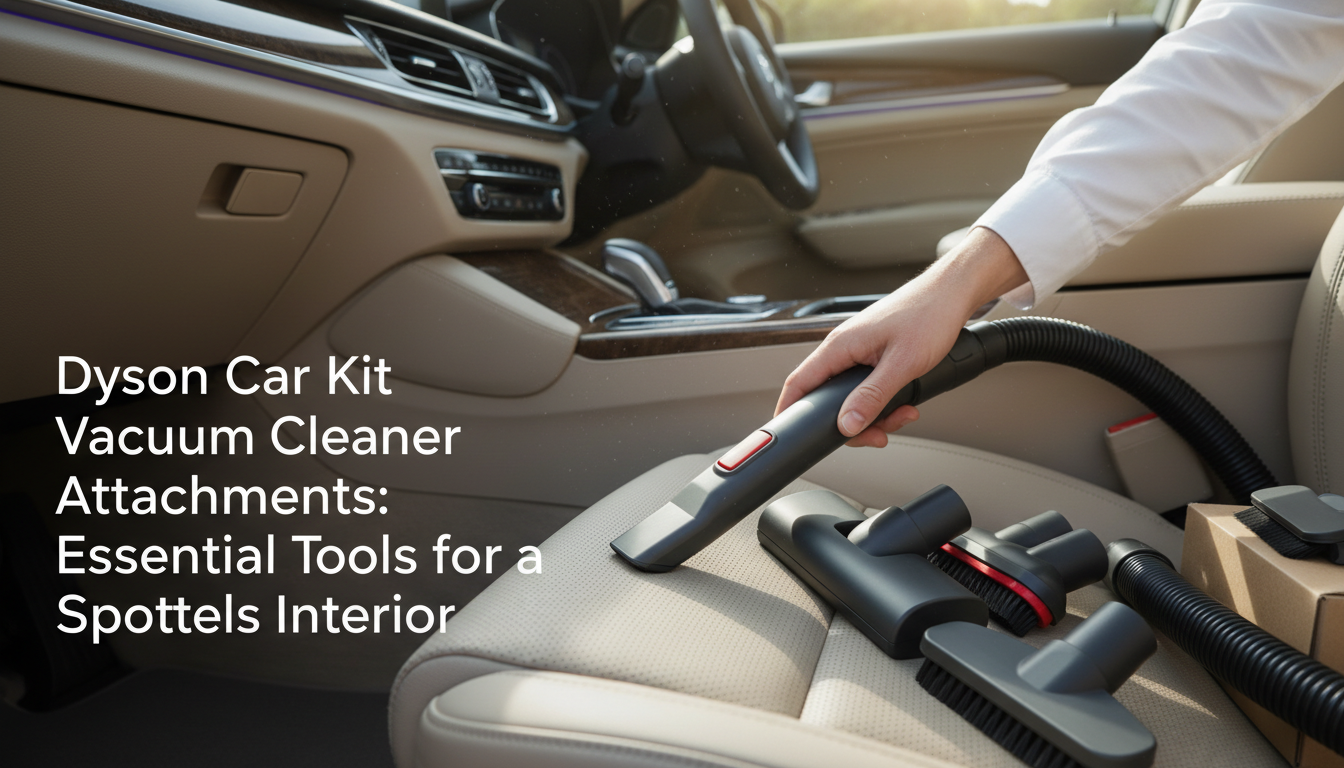
- Car Detail Kits: Typically feature a combination of flexible crevice tools, mini brushes, and small upholstery tools for thorough interior cleaning.
- Considerations: Assess the specific tools included to ensure they align with your anticipated cleaning needs, avoiding redundancy if you already own similar individual attachments.
Choosing Your Precision Tools: Key Factors for Micro Vacuum Attachment Selection
Selecting the appropriate micro vacuum cleaner attachments requires careful consideration of several factors beyond just their small size. The effectiveness of these specialized tools hinges on their compatibility with your existing vacuum, suitability for specific cleaning challenges, material integrity, and user-friendly design. Understanding these criteria helps ensure that your investment translates into genuinely enhanced precision cleaning capabilities.
Compatibility with Your Vacuum Cleaner
The most fundamental criterion for any attachment is its ability to connect securely and effectively to your vacuum cleaner. This involves assessing both the physical fit and the intended design for universal or brand-specific use.
- Hose Diameter: Micro attachments are designed to connect to your vacuum's hose or wand. Accurately measure the outer diameter of your vacuum's hose end or wand to ensure a snug fit. Many attachments specify a compatible range (e.g., 32mm, 35mm, 1.25 inches).
- Universal vs. Brand-Specific: Some micro attachment kits are designed with universal adapters to fit a range of vacuum brands and models. While convenient, universal adapters might occasionally result in a less-than-perfect seal, potentially affecting suction. Brand-specific attachments are engineered for precise fit with particular vacuum systems, often offering optimal performance but limiting interchangeability.
Intended Use Cases
Different cleaning scenarios demand distinct attachment designs. Identifying your primary cleaning challenges will guide you toward attachments with features tailored for those tasks.
- Electronics: Look for attachments with soft, anti-static brushes or very narrow, non-abrasive nozzles to safely clean keyboards, circuit boards, and delicate components without causing damage or static discharge.
- Automotive Interiors: Flexible crevice tools, small brushes for vents, and miniature upholstery tools are essential for navigating tight car spaces, dashboard crevices, and seat seams.
- Crafts and Hobbies: For intricate models, jewelry, or small workshops, consider attachments with very fine tips or soft brushes capable of picking up minute debris without disturbing delicate parts.
- Delicate Items: Soft-bristled dusting brushes, often with natural or very fine synthetic fibers, are ideal for cleaning collectibles, lampshades, or intricate carvings where abrasive contact must be avoided.
Material Quality and Durability
The materials used in micro attachments directly influence their longevity, effectiveness, and safety on various surfaces.
- Plastic vs. Rubber/Silicone: Rigid plastics offer durability for general use, but softer rubber or silicone components can provide flexibility for reaching awkward angles and reduce the risk of scratching delicate surfaces.
- Brush Bristle Types: Soft bristles (e.g., horsehair, fine synthetic) are crucial for dusting sensitive electronics or polished surfaces. Stiffer nylon bristles may be more effective for agitating and removing embedded dirt from tougher surfaces like car mats or keyboard keys, but carry a higher risk of scratching.
- Construction: Inspect the overall build quality, looking for robust connections and absence of sharp edges that could damage surfaces or break easily under normal use.
Design and Ergonomics
The physical design of micro attachments impacts how easily and effectively they can be used for precision tasks.
- Ease of Handling: Small, lightweight designs are generally preferred for intricate work, allowing for precise control. Consider the grip and how comfortably the attachment sits in your hand.
- Flexibility and Reach: Some attachments feature flexible hoses or articulated joints, enabling access to deeply recessed or oddly angled areas that rigid tools cannot reach. Assess the length needed for your specific applications.
- Visibility: Transparent sections on some nozzles can help monitor debris collection and prevent accidental suction of small, valuable items.
Impact on Suction and Airflow
While micro attachments are designed for precision, their narrow openings can affect your vacuum's overall suction and airflow dynamics.
- Airflow Restriction: Very narrow nozzles naturally increase air velocity at the point of contact, which is beneficial for focused suction. However, if the internal design of the attachment or its connection to the main hose overly restricts airflow, it can strain the vacuum motor and reduce overall effective cleaning power.
- Seal Integrity: A poor seal between the attachment and the vacuum hose allows air to escape, diminishing suction at the nozzle. Ensure the connection is tight and secure to maximize performance.
- Debris Size: Micro attachments are best for fine dust and small particles. Attempting to vacuum larger debris can quickly lead to blockages within the attachment or hose, requiring frequent clearing.
Storage and Organization Considerations
Given their small size, micro attachments are prone to being misplaced. Effective storage solutions are vital for maintaining their utility and accessibility.
- Integrated Storage: Some micro attachment kits come with a dedicated case, bag, or tray that keeps all pieces organized and protected.
- Accessibility: Consider how easily you can access the attachments when needed. A system that keeps them visible and grouped by type can save time and frustration.
- Protection: Proper storage helps prevent damage to delicate bristles or fine tips, extending the lifespan of your specialized tools.
Beyond the Purchase: Common Challenges and Trade-offs with Micro Attachments
While micro vacuum cleaner attachments offer unparalleled precision for intricate cleaning, their specialized design introduces certain operational challenges and trade-offs. Understanding these potential issues before purchase helps set realistic expectations and ensures a more effective cleaning experience. Addressing these factors proactively can mitigate frustration and prolong the life of your specialized tools.
Potential for Reduced Suction
The very design that allows micro attachments to access tight spaces—their small openings and narrow channels—can inherently lead to a perceived reduction in suction power at the nozzle. This is often a function of the physics of airflow through small apertures. Furthermore, these narrow passages are more susceptible to blockages from even small pieces of debris, hair, or lint, which can quickly diminish effective suction. Regular inspection and clearing of these pathways are crucial to maintain performance.
Maintenance Requirements
Micro attachments, due to their intricate designs and smaller components, often demand more frequent and meticulous maintenance compared to standard vacuum tools. Their fine bristles, tiny nozzles, and delicate flexible parts can accumulate dust, hair, and debris more rapidly. Regular cleaning of the attachments themselves, including clearing any internal clogs and washing brush heads, is essential to prevent performance degradation and maintain hygiene. This vigilance helps ensure their longevity and effectiveness in precision cleaning tasks.
Durability and Wear
The smaller scale and often more delicate materials required for micro attachments can make them more susceptible to wear and tear. Flexible parts, such as thin hoses or pliable nozzles designed for intricate maneuvers, may develop cracks or lose their shape over time, especially with frequent bending or exposure to various cleaning agents. Bristles on micro dusting brushes can fray or flatten if used improperly or stored without care. This necessitates careful handling and appropriate storage to maximize their lifespan.
Limitations on Certain Surfaces or Debris Types
Despite their precision, micro vacuum attachments are not universal solutions. They are specifically engineered for fine dust and small debris in delicate or confined areas. Attempting to pick up larger particles, wet spills, or abrasive materials with these tools can be ineffective or even damaging to the attachment itself. Their specialized nature means they have inherent limitations, and expecting them to perform tasks outside their intended scope can lead to unsatisfactory results or premature wear.
Ensuring a Secure Fit
A common challenge with micro vacuum attachments is achieving and maintaining a consistently secure fit onto the main vacuum hose or wand. Due to variations in vacuum cleaner models and attachment designs, an imperfect connection can lead to air leaks, significantly reducing the effective suction power at the attachment's tip. Even a slight gap can compromise the vacuum's ability to pick up debris efficiently, turning a precision task into a frustrating endeavor. Verifying compatibility and ensuring a snug, airtight connection are critical for optimal performance.
Optimizing Performance: Tips for Using and Maintaining Your Micro Attachments
To fully leverage the precision capabilities of micro vacuum cleaner attachments, understanding their proper use and consistent maintenance is essential. These specialized tools are designed for intricate tasks, and their effectiveness and longevity depend significantly on how they are handled and cared for. Adopting best practices for cleaning, storage, and troubleshooting ensures your micro attachments remain efficient and ready for your most delicate cleaning challenges.
Maximizing Effectiveness for Detailed Cleaning
Each micro attachment is designed for specific scenarios, and employing them correctly enhances cleaning outcomes while protecting delicate surfaces.
- Keyboard Cleaning: For keyboards, begin with a soft-bristle micro brush to dislodge surface dust and debris. Follow with a narrow crevice tool to reach between keys, ensuring gentle pressure to avoid damage to keycaps or internal components.
- Automotive Vents and Dashboards: Use a small, soft brush attachment to carefully sweep dust from air vents and textured dashboard surfaces. For tight gaps, a thin crevice tool can extract trapped particles. Operate the vacuum at a lower suction setting if available to prevent dislodging small components.
- Delicate Electronics and Circuit Boards: When cleaning sensitive electronics, always opt for the softest brush attachment and the lowest possible suction power. The goal is to lift dust without creating static or stressing delicate wiring. Avoid direct contact with sensitive components where possible.
- Crafts and Hobby Projects: For intricate craft items or models, a micro brush can gently remove dust and debris without disturbing small, glued-on parts. Use a light, sweeping motion combined with minimal suction to collect particles effectively.
Sustaining Attachment Cleanliness and Function
Regular cleaning and inspection are crucial for maintaining the performance and lifespan of your micro vacuum attachments.
- Clearing Blockages: After each use, visually inspect the nozzles and brush heads of your micro attachments for trapped debris such as hair, lint, or larger particles. Blockages can significantly reduce suction power. If possible, gently disassemble parts to clear any obstructions, using a thin wire or pick tool if necessary.
- Washing Brushes and Components: Many plastic and brush attachments are washable. Use lukewarm water and a mild soap to clean away stubborn grime or caked-on dust. Ensure all components are thoroughly air-dried before reattaching them to your vacuum or storing them, as moisture can lead to mold or damage.
- Filter Maintenance: While most micro attachments don't have individual filters, ensure your main vacuum's filters are clean. A clogged vacuum filter can reduce overall suction, impacting the performance of even the most efficient micro attachment.
Safeguarding Your Attachments Through Storage
Proper storage protects your micro attachments from damage, keeps them organized, and ensures they are readily available for use.
- Preventing Damage: Store attachments in a dedicated container, a compartmentalized drawer, or a soft pouch. This prevents them from being crushed, bent, or having their bristles splayed, which can impair their effectiveness.
- Organized Accessibility: Keeping all micro attachments together in one place makes it easier to locate the specific tool needed for a task and reduces the risk of misplacing smaller pieces.
- Environmental Considerations: Avoid storing attachments in direct sunlight or areas with extreme temperature fluctuations, as prolonged exposure can degrade plastic materials and compromise the integrity of bristles over time.
Addressing Performance Hurdles
Even with careful use and maintenance, micro attachments can encounter performance issues. Understanding how to troubleshoot common problems can quickly restore their efficiency.
- Loss of Suction:
- Check for Blockages: The most frequent cause of reduced suction is a blockage within the attachment itself, the vacuum hose, or the main vacuum unit. Thoroughly inspect all pathways for obstructions.
- Ensure Tight Seals: Verify that the micro attachment is securely fitted onto the vacuum's hose or wand. Any gaps or loose connections can lead to air leaks and a significant drop in suction power.
- Vacuum Unit Status: Confirm that your vacuum's dust bin or bag is not full and that its primary filters are clean, as these directly impact overall suction.
- Poor Debris Pickup:
- Inspect for Wear: Examine brush attachments for worn, bent, or missing bristles. Damaged bristles are less effective at agitating and collecting debris.
- Correct Attachment for Task: Ensure you are using the appropriate micro attachment for the specific cleaning task. A crevice tool excels at reaching tight spaces but may not be efficient for dusting a broad, delicate surface.
- Check for Cracks: Inspect the attachment's body for any hairline cracks or damage that could create unintended air leaks, compromising suction at the point of contact.
Frequently Asked Questions About Micro Vacuum Cleaner Attachments
Understanding the nuances of micro vacuum cleaner attachments can clarify their utility and help users maximize their cleaning efficiency for specialized tasks. These answers address common inquiries regarding their function, compatibility, and maintenance.
What problems do micro vacuum cleaner attachments solve?
Micro vacuum cleaner attachments address the limitations of standard vacuum tools by providing access to intricate, delicate, or confined spaces. They solve the problem of inaccessible dust and debris, enabling targeted cleaning without risking damage to sensitive items.
- Accessing Tight Spaces: They reach into narrow gaps, vents, and crevices that larger nozzles cannot.
- Protecting Delicate Surfaces: Their smaller size and often softer materials prevent scratches or damage to fragile electronics, collectibles, or intricate decor.
- Targeted Debris Removal: They allow for precise suction of fine particles from complex components, preventing dust redistribution.
How do I ensure micro attachments fit my vacuum cleaner?
To ensure compatibility, measure the outer diameter of your vacuum cleaner's hose or wand where attachments connect. Most micro attachment kits come with a range of adapters designed to fit various standard hose sizes. Check the product specifications for the attachment kit to see if it includes adapters compatible with your vacuum's diameter.
Why might my micro attachment lose suction?
Loss of suction in micro attachments typically stems from blockages or issues with the vacuum system itself. Common causes include:
- Blockages: Debris can easily clog the narrow openings of micro attachments or the vacuum hose.
- Full Dust Bin/Bag: An overloaded dust collection system reduces overall vacuum suction.
- Clogged Filters: Dirty or clogged vacuum filters restrict airflow, diminishing suction power.
- Air Leaks: Gaps or loose connections between the attachment, hose, or vacuum body can lead to air loss and reduced suction.
Can micro attachments be used for car detailing?
Yes, micro vacuum attachments are highly effective for car detailing. Their small size and specialized designs make them ideal for cleaning the intricate areas within a vehicle's interior. They can efficiently remove dust and debris from dashboard crevices, air vents, console gaps, seat seams, and other tight spots that are challenging for standard vacuum tools.
How often should I clean my micro vacuum attachments?
It is advisable to clean your micro vacuum attachments after each significant use, especially if visible debris or lint has accumulated. Regular cleaning prevents blockages, maintains optimal suction, and extends the lifespan of the attachments. For brush attachments, remove trapped hair and dust. For crevice tools, ensure no particles are lodged inside. Always refer to your vacuum cleaner or attachment manufacturer's specific cleaning guidelines.
Making an Informed Choice: Matching Attachments to Your Unique Needs
Selecting the most effective micro vacuum cleaner attachments requires a deliberate assessment of your specific cleaning challenges and the characteristics of the tools available. While standard attachments offer general utility, the true value of micro attachments lies in their specialized design, enabling precision cleaning in delicate and hard-to-reach areas. This decision-making process involves aligning the attachment's capabilities with your particular cleaning environment, ensuring both effectiveness and the protection of sensitive items.
To confidently equip yourself with the right tools, consider these factors:
- Pinpoint Your Cleaning Task: Clearly define what needs cleaning. Are you targeting fine dust in electronics, crumbs in car vents, debris from intricate models, or delicate surfaces like keyboards? Different tasks demand different attachment designs, such as soft brushes for dusting or narrow crevice tools for tight gaps.
- Assess Accessibility Requirements: Evaluate the physical constraints of the area. Micro attachments come in various lengths, angles, and tip sizes. A flexible hose attachment might be crucial for reaching around obstacles, while a miniature brush is ideal for small, exposed surfaces.
- Consider Surface Sensitivity: For delicate items, prioritize attachments made with soft bristles or non-abrasive materials to prevent scratches or damage. Hard plastic tips, while durable, might be unsuitable for polished or easily marked surfaces.
- Verify Vacuum Compatibility: Ensure any micro attachment set or individual tool is compatible with your existing vacuum cleaner's hose diameter and suction type. Adapters can bridge compatibility gaps, but direct fit often yields better performance and security.
- Evaluate Material and Build Quality: Attachments designed for precision cleaning should be robust enough for repeated use but also refined for delicate tasks. Look for materials that resist cracking or shedding, particularly for brushes that will contact sensitive components.
- Understand Trade-offs: Specialized micro attachments are often designed for specific purposes. A very narrow crevice tool will excel in tight spaces but offer limited coverage on broader surfaces. Similarly, extremely soft brushes are gentle but may not dislodge stubborn, caked-on debris. Balancing versatility with task-specific efficiency is key.
- Prioritize Longevity and Maintenance: Consider how easily the attachments can be cleaned and stored. Regular cleaning of micro attachments, especially brushes and narrow nozzles, is crucial to prevent blockages and maintain optimal suction, which is a common issue with smaller tools.
By systematically evaluating these aspects, you can move beyond generic cleaning solutions and leverage the full potential of micro vacuum cleaner attachments to achieve thorough, precise, and damage-free cleaning for your most intricate and delicate items.
The Small Details Matter: Elevating Your Cleaning with Micro Attachments
The pursuit of a truly clean environment extends beyond visible surfaces to the intricate corners and delicate components that often go overlooked by standard cleaning methods. Micro vacuum cleaner attachments are not merely supplementary tools; they are essential for achieving a level of cleanliness that protects your valuable items and maintains the integrity of your spaces. By enabling precise, targeted debris removal, these specialized accessories transform what might otherwise be an impossible or damaging task into an efficient and effective one. They bridge the gap between general cleaning and meticulous care, ensuring that no dust, crumb, or particle is left behind in hard-to-reach or sensitive areas.
Investing in the right micro vacuum cleaner attachments is an investment in the longevity of your electronics, the pristine condition of your collectibles, and the overall hygiene of your home or workspace. The effectiveness of these tools lies in their ability to conform to specific challenges, from safely clearing a computer keyboard to extracting dust from automotive vents. Understanding the distinct designs and applications of various micro attachments empowers you to select tools that precisely fit your unique cleaning demands. This informed selection ensures compatibility with your existing vacuum system and provides the specialized functionality required to tackle even the most intricate cleaning tasks with confidence and precision.

More in Vacuum Cleaner Attachments
View All
Central Vacuum Cleaner Attachments: Maximizing the Reach and Power of Your Built-in System
Hoover Vacuum Cleaner Attachments: Expanding Your Cleaning Capabilities with Genuine Parts