Central Vacuum Cleaner Attachments: Maximizing the Reach and Power of Your Built-in System
Central Vacuum value and buyer fit
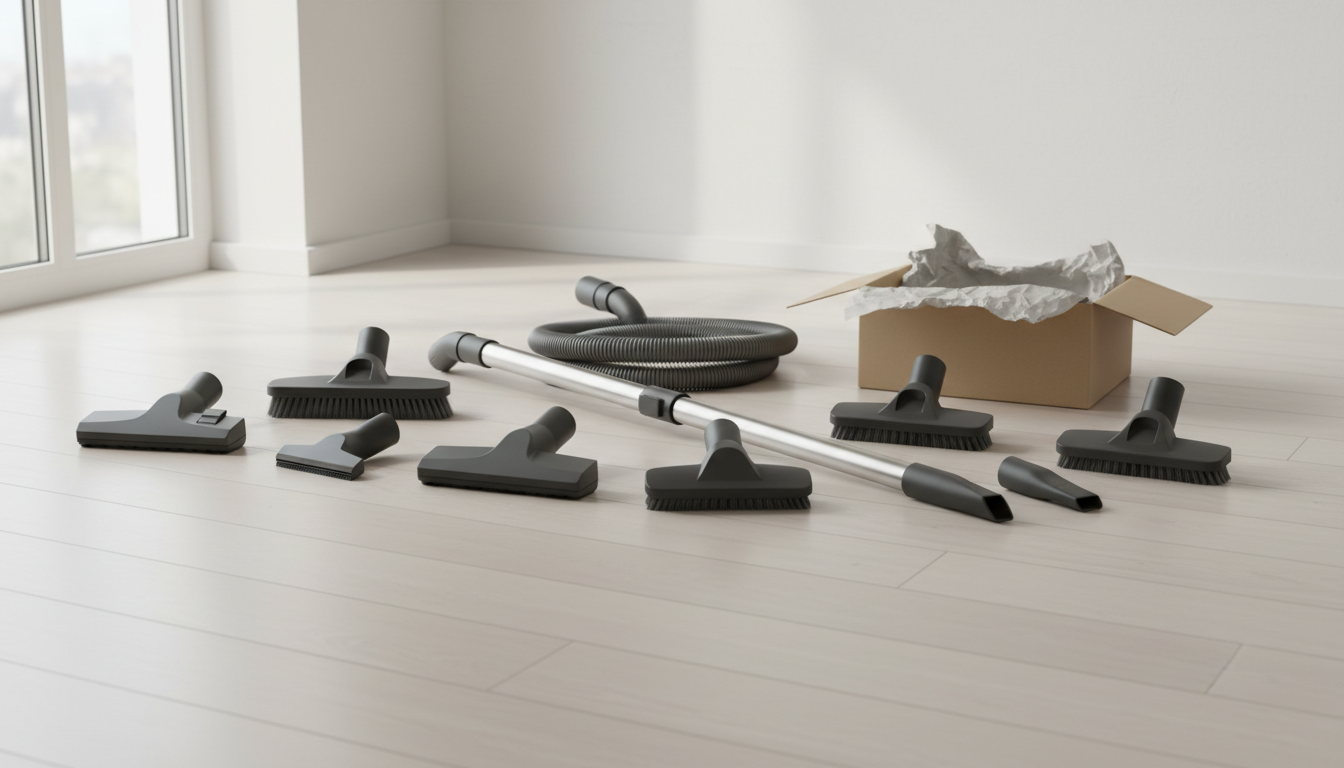
Central vacuum cleaner attachments are pivotal in transforming a built-in system from a powerful suction source into a versatile, whole-home cleaning solution. While the core central vacuum unit delivers consistent, strong airflow throughout the home, it's the specialized tools that enable users to effectively address diverse cleaning challenges, from deep-pile carpets to delicate surfaces and intricate crevices. Understanding the role of these attachments helps buyers evaluate how a central vacuum system can meet their specific cleaning demands and influences the overall value derived from their investment.
For buyers considering a central vacuum, focusing on attachments helps refine the system selection and accessory budget. This approach is particularly relevant for:
- Homeowners with varied flooring: Those with a mix of carpet types, hardwood, tile, and area rugs will need specific tools to clean each surface optimally without causing damage.
- Pet owners: Specialized brushes and powerheads are essential for efficiently removing pet hair from upholstery, stairs, and carpeting, which standard floor tools might miss.
- Individuals with multi-level homes or unique architectural features: Long wands, flexible crevice tools, and dusting brushes extend reach to high ceilings, crown molding, and awkward corners that are difficult to access with a standard hose alone.
- Those seeking comprehensive cleaning: Beyond basic floor care, attachments facilitate detailed cleaning of furniture, electronics, car interiors, and even garage spaces, leveraging the central vacuum's power for tasks typically requiring separate appliances.
The right selection of attachments ensures that the central vacuum system isn't just a convenience, but a complete cleaning ecosystem. This perspective helps buyers move beyond the initial system cost to consider the long-term utility and adaptability of their central vacuum, ensuring it aligns with their lifestyle and cleaning priorities.
Central-Vacuum Evidence criteria before choosing
Evaluating central vacuum cleaner attachments requires a focused approach to ensure they integrate seamlessly with your existing system and meet specific cleaning demands. Before committing to any attachment, consider these measurable criteria and proof points to validate its suitability and avoid potential deal breakers.
-
System Compatibility:
- Criteria: The attachment's connection mechanism and hose diameter must match your central vacuum's inlet valves and existing hose. Central vacuum systems often use standardized diameters (e.g., 1.25 inches or 1.5 inches), but variations exist.
- Proof Points: Verify the stated diameter in product specifications. If purchasing a powered attachment, confirm it's designed for central vacuum systems, which typically means it connects to a low-voltage control wire or requires an external electrical pigtail cord.
- Deal Breaker: An incompatible hose diameter or connection type will render the attachment unusable with your system, regardless of its other features.
-
Cleaning Task Alignment:
- Criteria: Each attachment should be purpose-built for the specific surface or debris you intend to clean. An electric powerhead, for instance, is critical for deep carpet cleaning due to its motor-driven bristles. Air-driven turbine heads offer carpet agitation but with less power.
- Proof Points: Product descriptions should explicitly state the intended use (e.g., "for pet hair on upholstery," "hard floor brush," "deep carpet cleaning"). Look for descriptions of bristle type, motor power (if applicable), and head design.
- Deal Breaker: Relying on a general-purpose attachment for specialized tasks like embedded pet hair on thick carpets or delicate surfaces can lead to ineffective cleaning or potential damage.
-
Material Quality and Construction:
- Criteria: Durability and longevity are directly tied to the materials used. Attachments, especially powerheads and wands, should withstand regular use without premature wear or breakage.
- Proof Points: Examine product images for robust plastic or metal components. Descriptions detailing impact-resistant plastics, reinforced joints, or metal wands suggest better durability.
- Deal Breaker: Flimsy construction or thin, brittle plastics indicate a short lifespan and potential for frustration during use.
-
Electrical Power Requirement (for Powerheads):
- Criteria: If you require a motorized powerhead for effective carpet cleaning, ensure your central vacuum system's wall inlets are equipped with the necessary electrical contacts or that the attachment comes with a compatible pigtail cord for an external outlet.
- Proof Points: Check your wall inlets for two small metal prongs or a standard electrical outlet nearby. Attachment specifications will indicate if it's "electric" or "air-driven."
- Deal Breaker: An electric powerhead is useless without a compatible power source from your central vacuum system, significantly limiting its utility for carpeted areas.
-
Maneuverability and Reach:
- Criteria: Attachments should allow for easy access to various areas without excessive strain. This includes swivel capabilities on floor tools, flexible hoses for tight spaces, and telescoping wands for high or low reach.
- Proof Points: Look for features like 360-degree swivel necks on floor tools, flexible crevice tools, or adjustable-length extension wands in the product details.
- Deal Breaker: Rigid, non-articulating tools or wands that are too short/long for your typical cleaning tasks can make the cleaning process inefficient and uncomfortable.
Central-Vacuum Trade-Offs trade-offs and maintenance
While central vacuum cleaner attachments significantly extend the utility of a built-in system, their integration introduces specific considerations regarding upkeep, longevity, and potential expenses. Buyers should evaluate these aspects to form a complete picture of ownership beyond initial purchase.
- Attachment-Specific Maintenance: Unlike the main power unit, central vacuum attachments, particularly electric powerheads, require direct user maintenance. Bristle brushes on powerheads can accumulate hair and debris, necessitating regular cleaning or removal to maintain effectiveness. Hoses, while durable, can collect internal blockages if large debris is frequently vacuumed, potentially requiring manual clearing. Tools like crevice nozzles and dusting brushes also need occasional cleaning to prevent dust and grime buildup from transferring to surfaces.
- Durability and Wear: The longevity of central vacuum attachments can vary. Plastic components, common in many standard tools, are susceptible to cracking or breaking if dropped or subjected to undue stress. Electric powerheads, with their internal motors and belts, have wear parts that may degrade over time, leading to reduced performance or eventual failure. Hoses, especially those frequently stretched or kinked, can develop small tears or punctures that compromise suction, necessitating repair or replacement.
- Hidden Costs and Replacements: The specialized nature of central vacuum systems can sometimes translate to higher replacement costs for attachments compared to those for portable vacuums.
- Proprietary Connections: Many central vacuum systems use proprietary hose connections or powerhead interfaces, limiting compatibility with generic attachments and potentially driving up the cost of replacements from the original manufacturer.
- Electric Powerhead Repairs: Should an electric powerhead fail, diagnosing and repairing its motor or electrical components can be more complex and costly than replacing a simple air-driven turbo brush.
- Hose Replacement: A full-length central vacuum hose, especially a high-quality crush-proof or electrified model, represents a significant investment if it needs replacing due to damage or wear.
- Adapters: Integrating attachments from different brands or older systems might require purchasing specific adapters, adding to the overall expense.
Central-Vacuum Use Case comparison path
When evaluating central vacuum cleaner attachments, understanding their distinct advantages and limitations compared to alternative cleaning methods is crucial for informed decision-making. While portable vacuums or standalone specialized tools offer flexibility, the central vacuum system, amplified by its attachments, presents a unique proposition for specific cleaning needs.
Consider the following comparisons to determine if central vacuum attachments align with your cleaning profile:
- Deep Carpet Cleaning vs. Portable Uprights: For homes with extensive carpeting, especially deep pile or those with embedded pet hair, an electric powerhead attachment for a central vacuum system often outperforms many portable uprights. The consistent, high-powered suction from the central unit, combined with a motor-driven brush roll, can effectively dislodge debris that air-driven brushes or less powerful portable units might miss. This is a best-fit scenario for sustained, thorough carpet care.
- Whole-Home Dusting & Above-Floor Cleaning vs. Handhelds/Dusters: Central vacuum attachments, such as dusting brushes and telescoping wands, allow for extensive reach to ceiling fans, crown molding, and high shelves without needing to carry a heavy motor unit. The remote location of the central unit also means quieter operation at the point of cleaning, reducing noise fatigue. While handheld vacuums offer quick spot cleaning, they typically lack the reach and sustained suction for comprehensive above-floor tasks. For large-scale or routine high-level dusting, the central vacuum system provides a more ergonomic and efficient solution.
- Pet Hair Management vs. Dedicated Pet Vacuums: While many portable vacuums market themselves for pet owners, the robust suction of a central vacuum, paired with specialized pet hair attachments (like mini turbine tools for upholstery or electric powerheads for carpets), can offer superior hair removal. The ability to vent exhaust outside the living space also benefits allergy sufferers by preventing recirculation of pet dander. This setup is ideal for multi-pet households or those sensitive to allergens.
- Cleaning Delicate Surfaces vs. Specialized Tools: With adjustable suction controls often available on central vacuum hoses, combined with soft dusting brushes, these systems can gently clean electronics, drapes, and delicate furniture. While dedicated micro-attachments or specialized cleaning cloths exist, the central vacuum offers a single system capable of both heavy-duty and delicate tasks by simply changing the attachment and adjusting power.
Trade-offs and What to Skip:
While powerful, central vacuum attachments may not be the optimal choice for every single cleaning task.
- Quick Spot Cleaning: For small, isolated spills or crumbs, a lightweight handheld vacuum or even a broom and dustpan might be more convenient and faster to deploy than retrieving and connecting a central vacuum hose and attachment.
- Extreme Portability: Tasks requiring vacuuming in areas far from an inlet, like inside a car parked far from the garage, might be better served by a cordless portable vacuum. The hose length, while extensive, still has practical limitations.
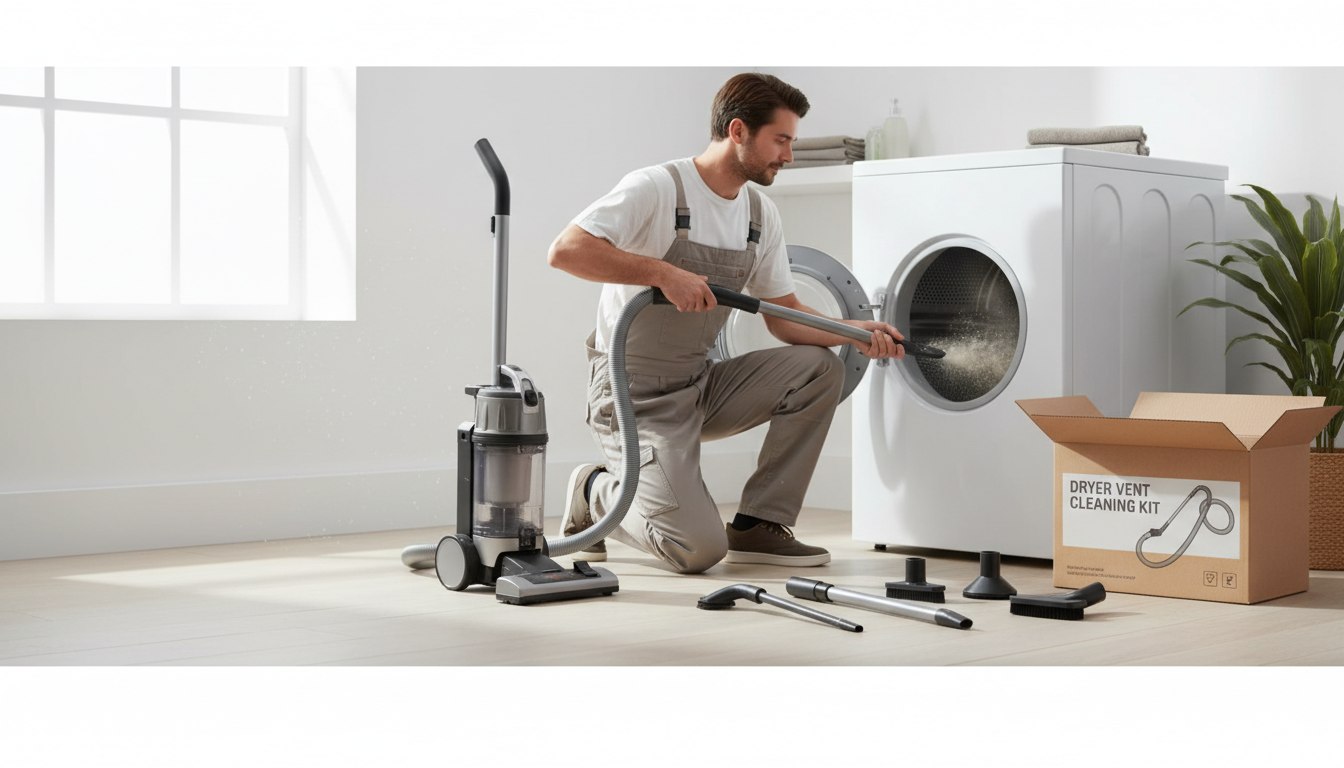
- Very Specific Niche Cleaning: For highly specialized tasks like cleaning dryer vents (which often require very narrow, flexible tools designed for lint traps) or intricate detailing of computer keyboards, dedicated micro-attachments or specific tools might offer better precision than general central vacuum attachments.
Ultimately, the decision to leverage central vacuum attachments over alternatives hinges on the scale and frequency of cleaning tasks, the size and layout of the home, and personal preferences for power, air quality, and convenience.
Central Vacuum Cleaner Attachments FAQ
Understanding the role and selection of central vacuum cleaner attachments can clarify their impact on your cleaning routine and overall system satisfaction. This section addresses common questions about their value, potential pitfalls, and available alternatives.
What unique value do central vacuum attachments provide compared to other cleaning methods?
Central vacuum attachments extend the inherent power and consistent suction of a built-in system to specialized cleaning tasks, offering distinct advantages over portable alternatives or manual methods.
- Leveraged Power: Attachments harness the central unit's robust motor, often more powerful than portable vacuums, for deeper cleaning without carrying a heavy appliance. This is particularly noticeable with electric powerheads for carpets, which use motor-driven bristles to dislodge embedded debris more effectively than air-driven brushes or standard vacuum heads.
- Specialized Cleaning: They allow for precise cleaning of diverse surfaces and areas, from delicate drapes and upholstery to hard-to-reach ceiling corners and intricate woodwork. This specificity means less effort and better results for tasks that general-purpose tools might struggle with.
- Improved Air Quality: Because the central vacuum unit exhausts outside the living space, using its attachments minimizes the recirculation of dust and allergens indoors, a benefit not typically shared by portable vacuums.
- Convenience and Reach: With long hoses and extension wands, central vacuum attachments offer unparalleled reach across large areas and up high, reducing the need to frequently move outlets or use stepladders.
What common errors should I avoid when selecting central vacuum attachments?
Choosing the right attachments is crucial for maximizing your central vacuum's utility. Buyers often encounter issues by overlooking key compatibility and functional considerations.
- Ignoring Compatibility: Not all attachments fit all central vacuum hoses. Ensure the attachment's diameter matches your hose cuff. More critically, if considering an electric powerhead, verify your central vacuum system's inlet valves and hose support the necessary electrical connection for power. A mismatch will render electric tools unusable.
- Underestimating Specific Needs: Purchasing a basic kit without considering unique household challenges (e.g., high-pile carpets, multiple pets, extensive hard floors, delicate surfaces) can lead to inefficient cleaning. For instance, an air-driven turbo brush may suffice for low-pile rugs, but an electric powerhead is often recommended for deep-pile carpets and significant pet hair.
- Prioritizing Price Over Performance: While budget is a factor, opting for significantly cheaper, lower-quality attachments can result in poor cleaning performance, premature wear, and potential damage to surfaces. Durable materials and effective brush designs contribute to better results and longevity.
Are there viable alternatives to specialized central vacuum attachments for certain cleaning tasks?
Yes, for some tasks, alternative cleaning tools exist, but they often come with trade-offs in power, convenience, or air quality.
- Portable Vacuums: Handheld vacuums, stick vacuums, or traditional canister/upright vacuums with their own attachments can handle specific tasks like small spills, quick touch-ups, or car interiors. However, they typically offer less suction power, require emptying more frequently, and may re-circulate air indoors.
- Manual Cleaning Tools: Dusting with cloths, sweeping with brooms, or using lint rollers for upholstery are manual alternatives. These methods lack the deep cleaning capability and particle removal efficiency of a powerful vacuum system.
- Robotic Vacuums: These can automate floor cleaning but do not address vertical surfaces, upholstery, or above-floor cleaning tasks that central vacuum attachments excel at.
The decision to invest in specialized central vacuum attachments often comes down to balancing the convenience and thoroughness of a dedicated system against the portability and immediate availability of other tools.
Central-Vacuum-Pick recommendation
Choosing the most effective central vacuum cleaner attachments ultimately hinges on a precise understanding of your unique cleaning challenges and home environment. There is no universal "best" set; rather, the optimal selection transforms your central vacuum system into a tailored cleaning solution. The core decision is not about finding a single superior tool, but curating a collection that addresses every surface, crevice, and debris type in your living space.
To make a qualified recommendation for your specific needs, consider these next actions:
- Audit Your Cleaning Tasks: Systematically identify all areas and items you intend to clean with your central vacuum. This includes flooring types (carpets, hardwood, tile), upholstery, drapes, ceiling fans, car interiors, and any specialized areas like workshops or pet zones.
- Match Tools to Needs: For each identified task, determine which attachment type is best suited. For instance, high-pile carpets demand an electric powerhead, while delicate surfaces benefit from soft dusting brushes. Pet hair on furniture requires specialized upholstery tools.
- Assess Compatibility: Verify that any chosen attachments are compatible with your central vacuum hose and wand system. Adapter availability can bridge some compatibility gaps, but direct fit often provides the most secure connection and optimal airflow.
- Prioritize Versatility vs. Specialization: Decide whether a few highly versatile tools meet most of your needs, or if specific, specialized attachments are essential for particular challenges (e.g., micro-tools for electronics, extra-long crevice tools for tight spaces).
By following this personalized assessment, you can confidently assemble an attachment kit that maximizes the reach and power of your central vacuum system, ensuring a comprehensive and efficient cleaning routine. This approach ensures your investment in attachments directly supports your household's specific demands, rather than accumulating unused tools.
More in Vacuum Cleaner Attachments
View All
Hoover Vacuum Cleaner Attachments: Expanding Your Cleaning Capabilities with Genuine Parts
Dyson Car Kit Vacuum Cleaner Attachments: Essential Tools for a Spotless Interior