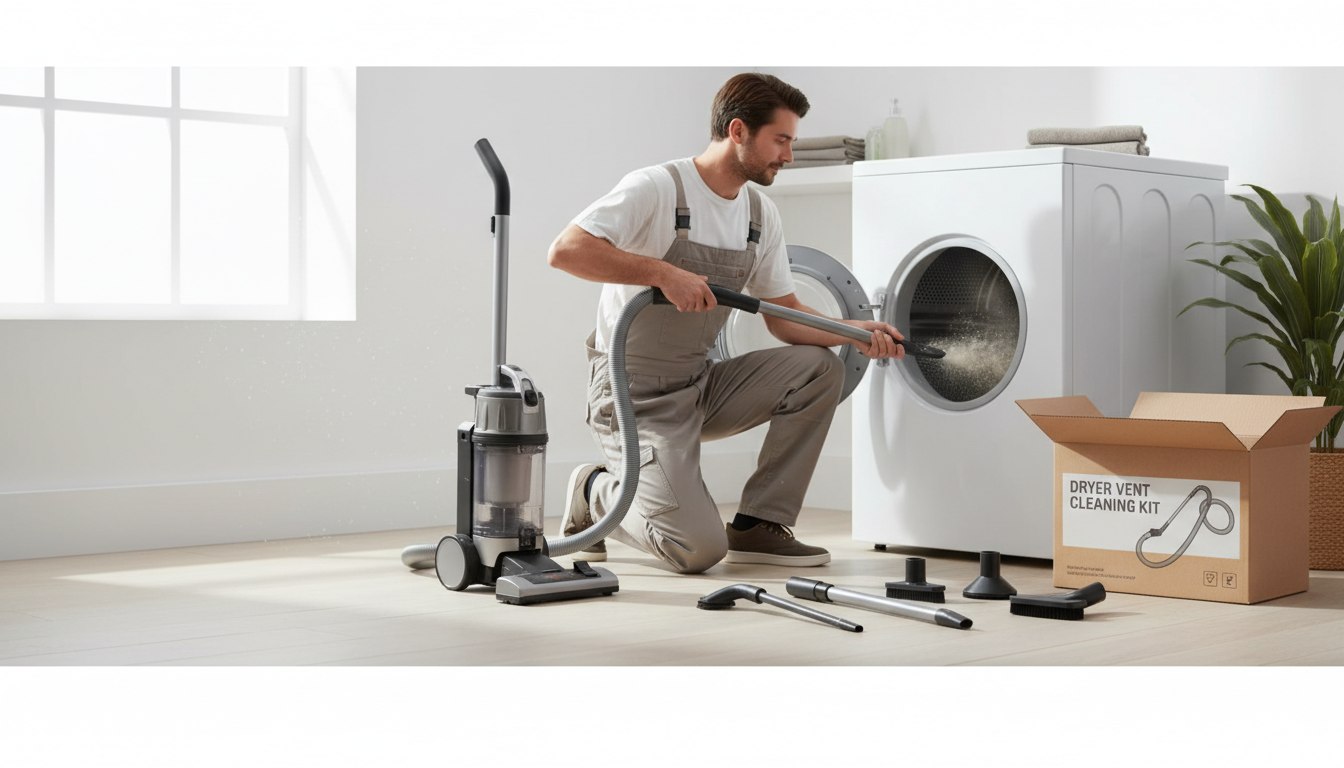
Hoover Vacuum Cleaner Attachments: Expanding Your Cleaning Capabilities with Genuine Parts

Unlock Your Hoover's Full Potential: The Ultimate Guide to Attachments
Your Hoover vacuum cleaner is a foundational tool for maintaining a clean home, but its full capability often extends beyond the primary floorhead. Specialized attachments are designed to transform basic cleaning into a comprehensive and efficient task, addressing areas and surfaces that a standard vacuum alone cannot effectively reach or clean. These tools are not merely accessories; they are integral components that unlock a Hoover's versatility, enabling precise cleaning for diverse challenges.
Different cleaning scenarios demand specific tools. For instance, pet hair embedded in upholstery, dust accumulating on delicate surfaces, or debris lodged in tight crevices each require a tailored approach. Relying solely on a vacuum's main nozzle can lead to incomplete cleaning or even damage to surfaces. The right Hoover-specific attachment ensures optimal suction, appropriate agitation, and effective debris collection for each unique task.
This guide aims to assist Hoover vacuum owners, or those considering a Hoover purchase, in identifying and selecting the correct attachments. We will explore how to match tools to specific cleaning needs, understand the importance of compatibility and genuine parts, and navigate potential pitfalls to help you make an informed purchase decision.
Decoding Hoover Attachments: Essential Tools for Every Cleaning Task
Hoover vacuum cleaner attachments are designed to extend the versatility of your cleaning system, allowing you to tackle a wider range of surfaces and hard-to-reach areas. Understanding the specific function of each tool helps optimize your cleaning routine and ensures you're using the right accessory for the job. These genuine Hoover parts integrate seamlessly with compatible models, enhancing the vacuum's core capabilities for a more thorough clean.
Here are some of the most common and indispensable Hoover attachments:
- Crevice Tool: This long, narrow nozzle is engineered to reach into tight spaces where the main vacuum head cannot go. Its slim profile is ideal for cleaning between couch cushions, along baseboards, in car interiors, and around appliance edges. For Hoover owners, this tool transforms the vacuum from a floor cleaner into a precision instrument for collecting dust, crumbs, and debris from otherwise inaccessible nooks and crannies.
- Dusting Brush: Featuring soft bristles, the dusting brush is designed for delicate surfaces. It gently dislodges dust and cobwebs without scratching or damaging furniture, blinds, lampshades, or electronics. The soft brush provides a gentle suction path, ensuring that dust is captured rather than scattered, making it an essential tool for maintaining clean, dust-free environments without abrasive cleaning methods.
- Upholstery Tool: Often wider than a crevice tool but with a flat or slightly angled opening, the upholstery tool is optimized for cleaning fabric surfaces. It effectively removes pet hair, lint, and general dirt from sofas, chairs, curtains, and mattresses. Its design typically includes a lint strip or a specific angle to maximize contact with fabric, lifting embedded debris while protecting the material from excessive suction or stretching. This tool is crucial for maintaining the freshness and longevity of your home furnishings.
Each of these attachments addresses specific cleaning challenges, turning your Hoover vacuum into a more comprehensive cleaning solution. By utilizing the correct attachment, users can achieve a deeper clean, protect delicate items, and efficiently manage common household messes that a standard floor head cannot.
Compatibility First: How to Select the Right Attachments for Your Hoover Model
Optimizing your Hoover vacuum's cleaning capabilities begins with selecting attachments that are perfectly compatible with your specific model. An ill-fitting attachment can lead to reduced suction, inefficient cleaning, and frustration. Prioritizing compatibility ensures that each tool functions as intended, expanding your cleaning versatility without compromising performance.
Here’s a checklist to guide your selection process:
-
Identify Your Hoover Model Number and Series: Your Hoover vacuum is not a generic "Hoover." It belongs to a specific series (e.g., WindTunnel, PowerDash, ONEPWR) and has a unique model number. This information is typically found on a label on the vacuum's body, often near the motor, on the bottom, or behind the dustbin. It's also listed in your owner's manual. This precise identification is the single most critical step, as attachment compatibility often varies significantly between different Hoover lines and even within the same series.
-
Understand Hoover's Attachment Fitting Types and Sizes: Hoover vacuums utilize various connection mechanisms for their attachments. These can include:
- Friction Fit: Attachments slide onto the hose or wand and are held by a tight seal. These often have a standard diameter (e.g., 1.25 inches or 1.5 inches, though Hoover may use proprietary sizes).
- Locking Mechanisms: Some Hoover models, particularly newer stick or cordless vacuums, use a specific click-in or locking system for a more secure connection. These are often unique to the brand or even a particular product line. Before purchasing, examine your vacuum's hose or wand opening, or an existing attachment, to determine the connection type and measure its diameter if it's a friction-fit style.
-
Distinguish Between Genuine Hoover and Generic Alternatives:
- Genuine Hoover Attachments: These are manufactured by Hoover, designed specifically for their vacuums. They offer the most reliable fit, optimal airflow, and material quality consistent with the brand's standards. This ensures the attachment maintains the vacuum's intended suction and durability.
- Generic/Aftermarket Attachments: While often more affordable, generic attachments carry a higher risk of imperfect fit. A poor seal can lead to significant suction loss, making cleaning less effective. Material quality may also vary, potentially impacting the attachment's lifespan. Some generic options may require adapters, which can further complicate fit and performance.
-
Practical Steps for Verifying Compatibility Before Purchase:
- Consult Your Owner's Manual: Your vacuum's manual is the definitive source for a list of compatible accessories and their part numbers.
- Check Product Descriptions Carefully: When browsing online or in-store, look for explicit compatibility lists that name your specific Hoover model number or series. Do not assume compatibility based solely on brand name.
- Compare Measurements: If considering a generic friction-fit attachment, measure the outer diameter of your vacuum's hose or wand opening and compare it to the attachment's inner diameter specifications.
- Review User Feedback: For less common models or generic options, reading reviews from other owners with the same Hoover model can offer valuable insights into actual fit and performance.
Specialized Hoover Tools for Targeted Cleaning Solutions
Beyond the standard floor nozzle and basic crevice tool, Hoover offers specialized attachments designed to address specific cleaning challenges, extending the versatility and effectiveness of your vacuum. These tools are engineered to tackle unique problems that general-purpose attachments cannot efficiently resolve, providing targeted solutions for a cleaner home.
Consider how these specialized tools can enhance your cleaning routine:
-
Pet Hair Management: For households with pets, embedded fur and dander can be a persistent issue.
- Pet Turbo Tool: This attachment typically features an air-driven rotating brush that agitates carpet fibers and upholstery, lifting stubborn pet hair more effectively than suction alone. It's designed to concentrate suction and mechanical action on smaller, often heavily soiled areas.
- Specialized Pet Brushes: Some Hoover models offer brushes with unique bristle patterns or materials optimized for gripping and removing pet hair from fabrics without causing damage. These address the problem of pet hair clinging to textiles.
-
Accessing Difficult Spaces: Reaching tight corners, high shelves, or narrow gaps requires tools with specific designs.
- Extension Wands: These provide additional length, allowing users to clean ceilings, curtain rods, or under heavy furniture without excessive bending or stretching. They solve the problem of limited reach.
- Flexible Crevice Tool: Unlike rigid crevice tools, a flexible version can bend and contort to navigate around obstacles or into irregularly shaped spaces, such as car interiors, appliance gaps, or between cushions. This addresses the challenge of cleaning areas inaccessible to standard tools.
-
Surface-Specific Care: Different surfaces require varying cleaning approaches to ensure effectiveness without damage.
- Bare Floor Tools: Equipped with soft bristles or felt strips, these attachments are designed to glide over hard floors (wood, tile, laminate) without scratching, while effectively picking up dust and debris. They prevent damage to delicate flooring.
- Soft Dusting Brushes: Featuring long, soft bristles, these tools are ideal for delicate surfaces like lampshades, electronics, or intricate moldings. They gently remove dust without marring finishes, solving the problem of cleaning fragile items.
Each specialized Hoover attachment is developed to solve a particular cleaning dilemma, transforming your vacuum from a general cleaning device into a versatile system capable of addressing a wide array of household tasks. Selecting the right specialized tool ensures efficient cleaning and helps maintain the condition of your home's surfaces.
Navigating Common Pitfalls: Ensuring Performance and Longevity of Your Hoover Attachments
While Hoover vacuum attachments are designed to enhance cleaning, understanding potential issues and trade-offs can help manage expectations and extend their lifespan. Addressing these challenges proactively contributes to a more effective cleaning experience.
A primary risk involves using attachments not specifically designed for your Hoover model. Incompatible or low-quality generic parts may not create a proper seal, leading to diminished suction power and reduced cleaning efficacy. Over time, an ill-fitting attachment can also place undue stress on your vacuum's hose connections or motor, potentially causing accelerated wear or damage.
Hoover users have reported specific challenges with attachments:
- Clogging: Attachments, particularly those designed for pet hair or fine debris, can become clogged, impeding airflow and requiring frequent cleaning.
- Pet Hair Performance: Some users have noted that specialized pet hair attachments may not always perform as effectively as expected, leaving behind residual pet hair.
- Overheating Concerns: While often related to the vacuum itself, an obstructed attachment can contribute to motor strain, potentially leading to the unit overheating and shutting down during extended use.
When considering attachment options, a trade-off often exists between cost and long-term performance. Genuine Hoover attachments are typically engineered for a precise fit and material durability, which may translate to a higher initial investment but potentially greater longevity and consistent performance. Conversely, lower-cost generic alternatives might offer immediate savings but carry a higher risk of poor fit, reduced effectiveness, or earlier degradation due to less robust materials.
To extend the usable life of your Hoover attachments and maintain optimal performance:
- Regular Cleaning: Periodically inspect and clear attachments of accumulated hair, lint, and debris. This is especially crucial for brush rolls and narrow crevice tools.
- Proper Storage: Store attachments in a manner that prevents crushing, bending, or exposure to extreme temperatures. Utilize onboard storage options or dedicated containers to protect them.
- Gentle Handling: Avoid forcing attachments onto the vacuum or into tight spaces, which can cause cracks or damage to connection points.
- Inspect for Wear: Regularly check for worn bristles on brushes, cracks in plastic, or tears in flexible components, replacing them as needed to maintain cleaning efficiency.
Your Smart Purchase Plan: Making an Informed Choice for Hoover Attachments
Selecting the right Hoover vacuum attachments transforms your cleaning routine by addressing specific challenges. A methodical approach ensures you invest in tools that genuinely enhance your vacuum's capabilities and fit your needs.
To make an informed decision:
- Define Your Cleaning Needs: Begin by identifying the specific tasks you want to tackle. Are you primarily dealing with pet hair on upholstery, dust in delicate areas, crumbs in tight crevices, or high-reaching cobwebs? Your cleaning priorities dictate the types of attachments required, distinguishing between essential everyday tools and specialized solutions.
- Verify Your Hoover Model: Compatibility is paramount. Always confirm your specific Hoover vacuum model number before purchasing any attachment. Genuine Hoover parts are designed for precise fit and optimal performance with their intended models. While third-party options exist, verifying their compatibility and reviewing user experiences is crucial to avoid issues like poor suction or improper fit.
- Prioritize Attachment Types: Consider what came with your vacuum versus what you truly need. Standard tools like crevice tools, dusting brushes, and upholstery nozzles are often included. Specialized attachments, such as powered pet tools or flexible crevice tools, are typically purchased separately to address unique cleaning demands.
- Assess Quality and Durability: Opting for genuine Hoover attachments generally ensures consistent quality, proper fit, and expected durability. This can help mitigate potential issues like premature wear or performance inconsistencies sometimes associated with non-genuine alternatives.
- Set a Realistic Budget: Determine your budget after identifying essential and desired attachments. This helps narrow down options without compromising on critical functionality.
Before finalizing your purchase, double-check the product description for explicit compatibility with your Hoover model. This systematic approach empowers you to confidently select attachments that extend your vacuum's versatility and improve your cleaning efficiency.
Frequently Asked Questions About Hoover Vacuum Attachments
Understanding the nuances of Hoover vacuum attachments can significantly impact your cleaning efficiency and satisfaction. Here are answers to common questions to help you make informed decisions.
-
Can I use attachments from other brands with my Hoover vacuum? It depends on the attachment's connection type and diameter. While some vacuum brands share common attachment sizes (e.g., 1.25 inches or 32mm), Hoover models may feature proprietary locking mechanisms or unique diameters.
- Considerations:
- Diameter Match: The primary factor for basic fit.
- Proprietary Connections: Some Hoover models use specific designs that prevent universal attachment use.
- Adapters: Universal adapters are available, but they can sometimes reduce suction efficiency or introduce bulk. For optimal performance and to avoid potential damage, using attachments designed for your specific Hoover model is generally recommended.
- Considerations:
-
How do I know which attachments are compatible with my specific Hoover model? The most reliable way to confirm compatibility is to consult your vacuum cleaner's documentation or the manufacturer's resources.
- Check your vacuum's model number: This is usually found on a label on the vacuum body.
- Refer to your user manual: It often lists compatible accessories.
- Visit the official Hoover website: Search for your model number to find a list of compatible attachments or a parts diagram.
- Examine the attachment connection: Compare the connection style of the desired attachment to your vacuum's hose or wand.
-
What's the difference between genuine Hoover attachments and generic ones? The distinction primarily lies in design, material quality, and guaranteed compatibility.
- Genuine Hoover Attachments: These are manufactured by Hoover or an authorized partner, specifically designed and tested to fit and function optimally with Hoover vacuum models. They typically use materials that meet Hoover's quality standards and are often covered by a warranty.
- Generic Attachments: These are produced by third-party manufacturers. While often more affordable, their fit, material durability, and performance (e.g., suction efficiency, brush effectiveness) can vary significantly. They may not perfectly match the vacuum's connection, potentially leading to loose fits or reduced effectiveness.
-
How often should I clean my vacuum attachments? The frequency of cleaning depends on your usage and the type of debris you're vacuuming.
- Regular Inspection: Visually inspect attachments after each significant use.
- Brush Tools: Clean brushes, especially pet hair tools, frequently to remove tangled hair and debris that can reduce effectiveness or strain the vacuum motor.
- Crevice Tools & Wands: Wipe down as needed to remove accumulated dust or blockages.
- Maintenance: Cleaning attachments helps maintain optimal suction and prevents the transfer of dirt or allergens between surfaces.
-
Where can I buy genuine Hoover vacuum attachments? To ensure you receive authentic and compatible parts, it is best to purchase from authorized sources.
- Official Hoover Website: The most direct source for genuine parts and accessories.
- Authorized Hoover Dealers: Retailers specifically authorized to sell Hoover products and parts.
- Reputable Online Retailers: Major online platforms that clearly state the items are genuine Hoover parts and offer clear return policies. Purchasing from these channels helps mitigate the risk of receiving counterfeit or incompatible products.
Empowering Your Clean: The Value of Authentic Hoover Attachments
Investing in the right Hoover vacuum cleaner attachments transforms your cleaning routine from a basic floor sweep into a comprehensive home maintenance strategy. By thoughtfully selecting tools like crevice nozzles, dusting brushes, and upholstery tools, you unlock your Hoover vacuum's full potential, enabling it to reach into tight spaces, gently clean delicate surfaces, and effectively refresh fabrics. This expanded versatility means tackling dust, debris, and pet hair across various textures and locations becomes significantly more efficient and effective.
For Hoover owners, optimizing your vacuum's capabilities with purpose-built attachments translates directly into a more thorough and satisfying clean. These specialized tools are designed to integrate seamlessly with your specific Hoover model, ensuring optimal suction and maneuverability. This precision allows you to address common cleaning challenges with targeted solutions, saving time and effort while achieving superior results.
The long-term value of choosing compatible and quality Hoover attachments extends beyond immediate cleaning performance. Authentic or high-quality, compatible parts are typically more durable, less prone to wear, and maintain their effectiveness over time. This commitment to proper fit and construction helps safeguard your vacuum's performance, reduces the likelihood of damage from ill-fitting accessories, and ultimately enhances the longevity of your entire cleaning system. By making informed choices about your Hoover attachments, you're investing in sustained cleaning excellence and greater satisfaction with your appliance.
More in Vacuum Cleaner Attachments
View AllCentral Vacuum Cleaner Attachments: Maximizing the Reach and Power of Your Built-in System
Dyson Car Kit Vacuum Cleaner Attachments: Essential Tools for a Spotless Interior