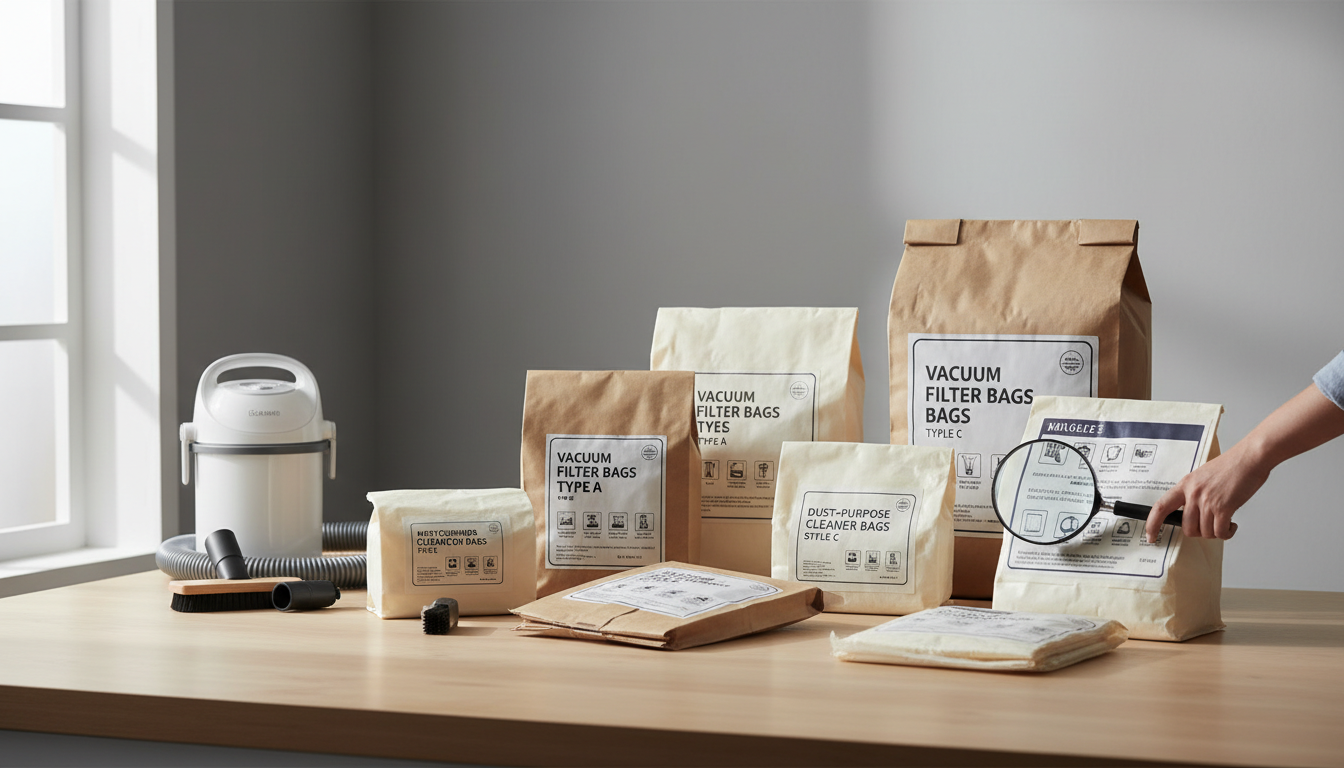
Choosing the Right Miele Vacuum Cleaner Dust Bags for Optimal Filtration
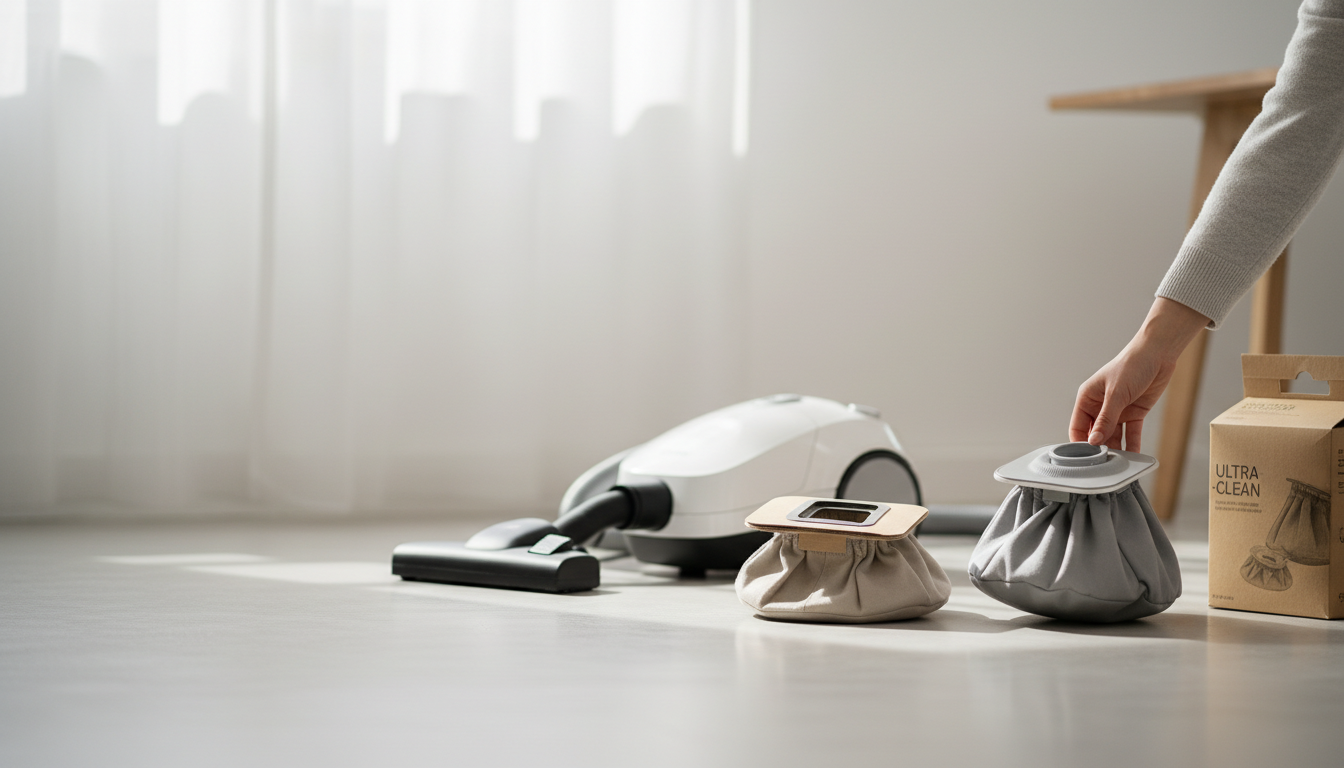
Opting for genuine Miele dust bags is essential for maintaining your appliance's performance and longevity. These bags, such as the HyClean and 3D Efficiency series, are engineered with multi-layer filtration (often seven layers) to capture over 99.95% of fine dust particles and allergens. Their self-sealing collar design ensures hygienic disposal, preventing captured debris from re-entering your home's air. Using the incorrect or an inferior bag can compromise:
- Filtration Efficiency: Reduced capture of dust, allergens, and microscopic particles.
- Vacuum Performance: Potential loss of suction power and increased motor strain.
- Appliance Longevity: Risk of dust entering the motor, leading to premature wear.
This guide will help you understand the specific Miele dust bag types, like FJM and GN, and how to match them precisely to your vacuum model. By understanding these distinctions, you can ensure optimal cleaning results, protect your investment, and maintain a healthier home environment.
The Science Behind the Clean: Miele's HyClean Filtration Technology
Miele's approach to dust containment extends beyond a simple collection bag, integrating advanced engineering to enhance filtration, hygiene, and overall air quality. The core of this system is the Miele HyClean Dustbag, designed to work synergistically with the vacuum's filtration for comprehensive particle retention. This technology aims to ensure that what goes into the vacuum stays in the vacuum, contributing to a cleaner home environment.
At the heart of the HyClean system is a multi-layered construction, exemplified by designs featuring up to seven distinct filtration layers. This intricate structure is engineered to capture a broad spectrum of particles, from visible debris to microscopic dust. The "3D Efficiency" aspect of these bags allows for optimal airflow and bag expansion, maximizing the dust-holding capacity even as the bag fills. This design helps maintain consistent suction performance throughout the bag's lifespan, preventing premature clogging that can reduce cleaning effectiveness.
A critical component of the HyClean system is its self-sealing collar mechanism. Upon removal from the vacuum, this collar automatically snaps shut, effectively sealing in all collected dust, dirt, and allergens. This feature transforms bag disposal into a hygienic process, preventing the release of captured particles back into the air. For users, this means avoiding direct contact with accumulated debris and reducing exposure to potential irritants during bag changes.
The effectiveness of this integrated design is evident in its filtration capabilities. Miele HyClean dust bags are engineered to capture over 99.95% of fine dust particles and allergens. This high level of filtration is particularly beneficial for allergy sufferers, as it significantly reduces the concentration of airborne irritants such as pollen, pet dander, and dust mites within the home. By trapping these microscopic particles, the system contributes directly to improved indoor air quality, offering a tangible benefit beyond just surface cleaning.
Match Your Miele: A Guide to Finding the Correct Dust Bag
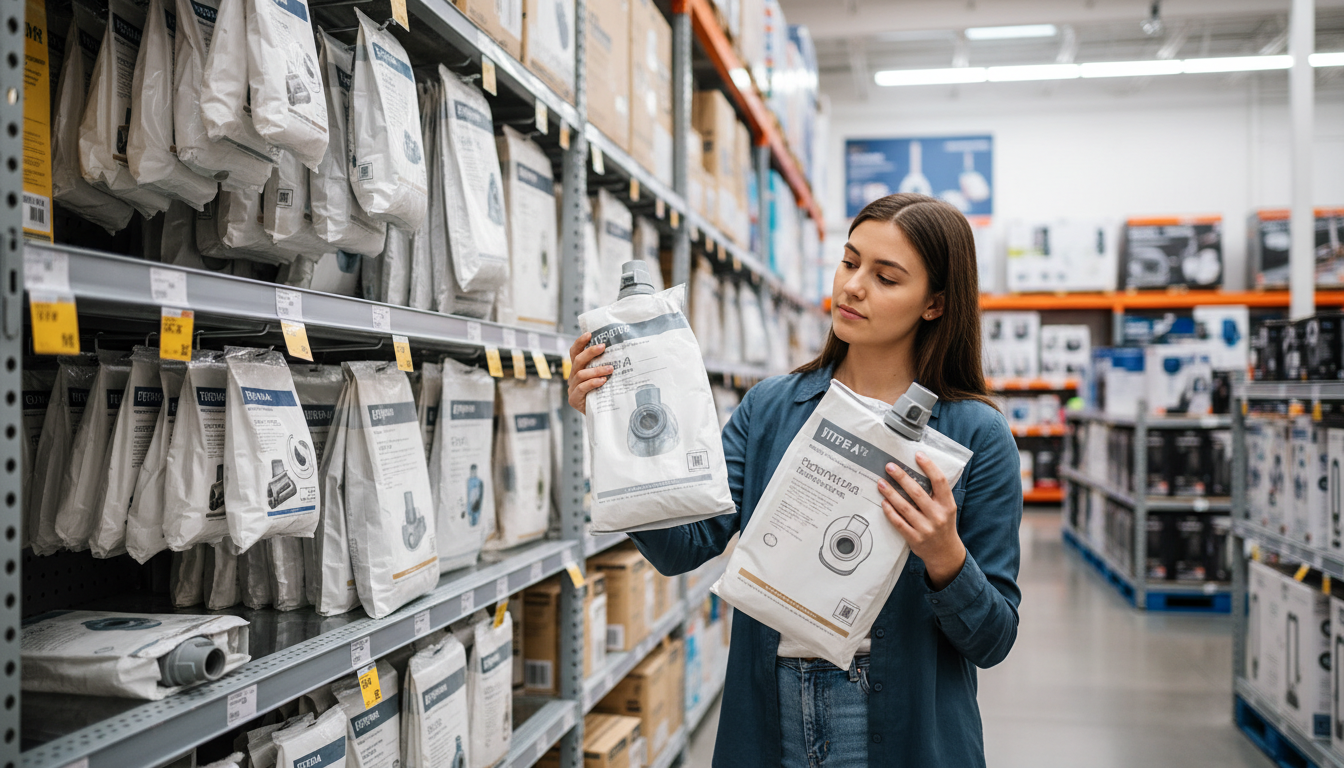
Selecting the appropriate dust bag for your Miele vacuum cleaner is crucial for maintaining its performance, filtration efficiency, and hygienic operation. Miele's dust bag compatibility is strictly model-dependent, meaning a bag designed for one series may not fit or function correctly in another. Using the wrong bag can compromise suction, filtration, and potentially damage your vacuum.
To ensure you choose the correct replacement, follow these steps:
-
Locate Your Miele Model Number:
- Turn your Miele vacuum cleaner over.
- Look for a rating plate or sticker, typically found on the underside or back of the main unit.
- This plate will display your specific model name (e.g., "Complete C3," "Compact C1") and often a more detailed model number. This information is the primary identifier for compatible dust bags.
-
Identify Your Dust Bag Type by Visual Cues:
- Miele GN Bags:
- Collar Color: These bags are characterized by a blue collar.
- Design: They often feature a larger capacity, typically around 4.76 quarts, and are designed with Miele's HyClean 3D Efficiency technology for extended life and high dust retention.
- Compatibility: GN bags are generally compatible with larger Miele canister vacuum series, including many models within the Miele Complete C3 series (e.g., Brilliant, Marin, Cat & Dog), and certain Classic C1 and C2 models.
- Miele FJM Bags:
- Collar Color: These bags are identifiable by a red collar.
- Design: FJM bags are designed for more compact Miele vacuums, featuring a smaller, often more compact design. They also incorporate the HyClean 3D Efficiency system with a multi-layer filtration system that captures over 99.95% of dust particles.
- Compatibility: FJM bags are typically used with Miele's more compact canister series, such as the Miele Complete C1 and Miele Compact C1/C2 series.
- Miele GN Bags:
-
Verify with Your Vacuum's Manual: Always cross-reference the identified bag type with your vacuum cleaner's user manual. The manual will explicitly state the correct Miele dust bag designation (e.g., "Type GN," "Type FJM") required for your specific model. This step helps prevent misidentification and ensures optimal fit and function.
The Genuine Advantage: Why Authentic Miele Dust Bags Are Worth It
When replacing Miele vacuum cleaner dust bags, owners often weigh the initial cost of genuine Miele bags against the perceived savings of aftermarket alternatives. This decision impacts not only immediate cleaning performance but also long-term vacuum health and indoor air quality. Understanding the engineering differences between genuine and non-genuine options can clarify why authentic Miele bags are designed to deliver optimal results.
Genuine Miele dust bags, such as the HyClean 3D Efficiency series, are engineered as an integral part of the vacuum's filtration system. They offer specific benefits designed to maintain the appliance's performance and hygiene standards:
- Precision Fit and Guaranteed Seal: Authentic bags are manufactured to exact specifications for each Miele model. This precision ensures a tight, leak-proof seal within the dust compartment. The self-sealing collar, a feature of HyClean bags, automatically closes when the bag is removed, trapping dust and allergens inside and preventing their escape during disposal.
- Consistent Filtration Performance: Miele's multi-layered bag materials are designed to capture a high percentage of fine dust particles and allergens, often exceeding 99.95%. This consistent filtration contributes significantly to maintaining indoor air quality and is crucial for allergy sufferers.
- Motor Protection: The integrated design of genuine bags prevents fine dust from bypassing the bag and entering the vacuum's motor. Dust ingress can lead to motor overheating, reduced suction power, and potentially shorten the vacuum's lifespan.
Conversely, using aftermarket or non-genuine dust bags introduces several potential drawbacks:
- Compromised Fit and Sealing: Non-genuine bags may not fit perfectly, leading to gaps or an inadequate seal. This allows dust and debris to escape the bag and circulate back into the air or, critically, into the vacuum's internal components.
- Reduced Suction and Filtration: A poor seal or inferior bag material can lead to a noticeable drop in suction power as air escapes or is not filtered efficiently. The filtration capabilities of aftermarket bags can vary widely, potentially failing to capture microscopic particles and allergens effectively.
- Risk of Vacuum Damage: Dust leakage due to an ill-fitting or poorly constructed bag can expose the vacuum's motor and internal mechanisms to abrasive particles. This can lead to premature wear, increased maintenance needs, or even costly repairs, undermining any initial cost savings.
Ultimately, the choice between genuine and aftermarket bags involves a trade-off between upfront cost and long-term performance, hygiene, and vacuum longevity. For Miele owners prioritizing consistent cleaning results, optimal air quality, and the sustained health of their appliance, genuine Miele dust bags are designed to meet these specific requirements.
Optimal Use: Tips for Miele Dust Bag Replacement and Care
Maintaining your Miele vacuum cleaner involves more than just regular use; proper dust bag replacement and overall filter care are crucial for sustained performance, optimal hygiene, and the longevity of your appliance. Understanding when and how to manage these components ensures your Miele continues to deliver its designed filtration and suction power.
-
Indicators for Replacement Miele vacuum cleaners are designed with features to signal when a dust bag requires attention. The primary indicator is often a visual "bag full" display on the vacuum itself. Beyond this, pay attention to:
- Reduced Suction: A noticeable decrease in cleaning power, even with a clear hose, often points to an overfilled dust bag restricting airflow.
- Unusual Odors: If the vacuum emits a stale, dusty, or unpleasant smell during operation, it can indicate a full bag, especially if vacuuming pet hair or organic debris.
- Visible Dust Escape: Should you observe fine dust escaping from the vacuum's exhaust or seams, it's a critical sign that the dust bag is either overfilled, incorrectly installed, or compromised.
-
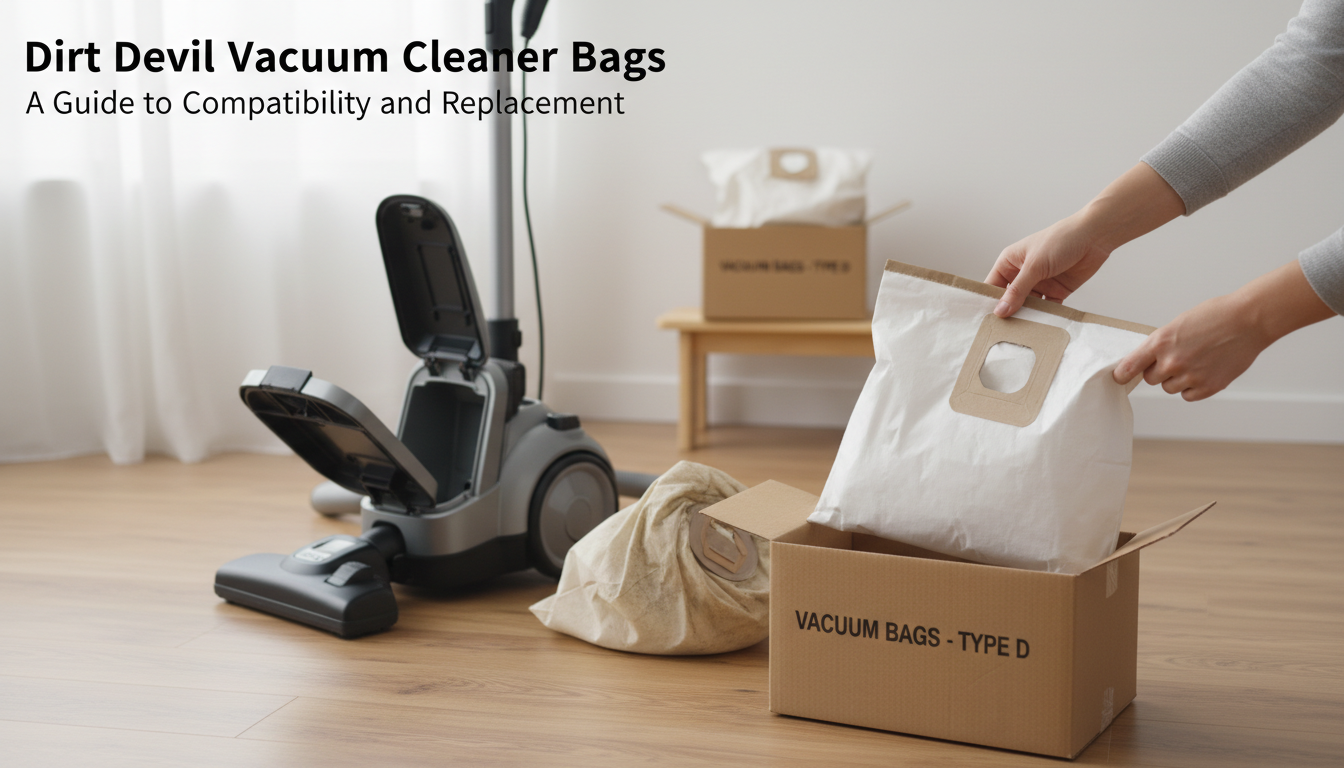
Proper Installation Technique Correctly installing a new Miele dust bag is vital to prevent dust leakage and ensure the vacuum's filtration system functions as intended.
- Unplug the Vacuum: Always disconnect the vacuum from the power outlet before opening any compartments.
- Open Compartment: Release the dust compartment lid according to your model's instructions.
- Remove Old Bag: Carefully pull the old HyClean dust bag from its holder. Miele's genuine bags feature a self-sealing collar that automatically closes upon removal, trapping dust and allergens inside.
- Insert New Bag: Slide the cardboard collar of the new dust bag securely into the bag holder until it clicks firmly into place. Ensure the bag is fully unfolded within the compartment without obstructing the closing mechanism. A proper fit prevents bypass air and maintains filtration integrity.
- Close Lid: Gently close the dust compartment lid until it latches securely.
-
Complementary Filter Care The dust bag is one part of Miele's multi-stage filtration system. For optimal air quality and vacuum performance, regularly check and replace other filters:
- Pre-Motor Filter: This filter protects the motor from larger dust particles and should be checked periodically. A clogged pre-motor filter can reduce suction and strain the motor.
- Exhaust Filter (e.g., HEPA or AirClean Filter): Located at the vacuum's exhaust, this filter captures the finest particles before air is released back into your home. Its replacement frequency depends on the filter type and usage, typically once a year or as indicated by your vacuum's filter change indicator. Neglecting this filter can diminish air quality and lead to reduced airflow.
-
Hygienic Disposal Methods Miele HyClean dust bags are designed for hygienic disposal, minimizing contact with collected debris.
- Self-Sealing Design: Once removed, the self-sealing flap on genuine Miele bags automatically locks in dust, preventing its escape.
- Immediate Containment: Place the sealed, used dust bag directly into a larger, sealed plastic trash bag.
- Outdoor Disposal: Dispose of the contained bag in an outdoor waste bin to prevent re-releasing allergens or odors indoors.
- Hand Hygiene: Always wash your hands thoroughly after handling used dust bags and filters.
Your Miele Dust Bag Questions Answered
Understanding the nuances of Miele dust bags is key to maintaining your vacuum's performance and ensuring hygienic operation. Here are answers to common queries that can guide your selection and usage.
How often should Miele vacuum bags be changed?
The frequency for changing your Miele dust bag depends on several factors, including how often you vacuum, the size of the area being cleaned, and the type of debris collected (e.g., pet hair, fine dust). There is no universal schedule, but rather indicators that signal a bag needs replacement. Regularly checking these indicators helps prevent overfilling, which can strain your vacuum's motor and reduce suction power.
Are Miele dust bags reusable or washable?
No, Miele dust bags, such as the HyClean 3D Efficiency models, are designed for single use and are not reusable or washable. Their multi-layered construction and self-sealing collar system are engineered to trap fine dust and allergens securely, preventing their escape during disposal. Washing or attempting to reuse a bag would compromise its intricate filtration structure and hygienic sealing mechanism, leading to reduced performance and potential allergen release.
Can I use a different brand's vacuum bag in my Miele?
Using non-genuine or off-brand vacuum bags in your Miele vacuum cleaner is generally not recommended. Miele dust bags are precision-engineered to integrate seamlessly with specific vacuum models, ensuring optimal airflow, filtration, and a secure fit. Alternative bags may not offer the same level of filtration, could fit poorly leading to dust leakage into the motor compartment, and might ultimately compromise your vacuum's performance and longevity.
What happens if I use the wrong type of Miele dust bag?
Miele produces different types of dust bags (e.g., GN, FJM) that are specific to various vacuum models. Using the incorrect Miele bag type for your specific vacuum can lead to several issues:
- Poor Fit: The bag may not seat correctly within the vacuum's compartment, leading to an insecure seal.
- Reduced Performance: Improper fit can cause air and dust to bypass the bag, diminishing suction power and filtration efficiency.
- Dust Leakage: Dust and debris could escape into the vacuum's motor or internal components, potentially causing damage or premature wear.
- Compromised Hygiene: The self-sealing mechanism might not activate properly, allowing dust and allergens to escape during bag removal.
Always verify your vacuum's model number to ensure you select the precisely compatible Miele dust bag type.
How do I know if my Miele dust bag is full?
Many Miele vacuum cleaner models are equipped with a bag change indicator, often a visual display on the vacuum's body, which signals when the dust bag is nearing capacity and requires replacement. Beyond this indicator, practical signs that your bag is full include:
- Reduced Suction: A noticeable decrease in cleaning power, even when the floorhead is clear.
- Increased Motor Noise: The vacuum motor may sound louder or strained as it works harder to pull air through a full bag.
- Visible Swelling: The dust bag compartment may appear visibly fuller or distended.
Changing the bag when indicated or when these signs appear helps maintain consistent cleaning performance and protects your vacuum's motor.
Your Confident Choice: Selecting the Best Miele Dust Bags for Your Home
Making an informed decision about Miele vacuum cleaner dust bags primarily hinges on precise model compatibility. Each Miele vacuum is engineered to work with a specific dust bag series, such as GN or FJM, which ensures a secure fit and proper air flow within the appliance. Verifying your vacuum's model number and the corresponding bag type is the foundational step to maintain its designed performance and prevent issues like dust leakage or reduced suction.
Opting for genuine Miele dust bags, like those featuring HyClean and 3D Efficiency technologies, provides distinct advantages beyond just fit. These multi-layered bags are designed to capture over 99.95% of fine dust particles and allergens, contributing significantly to improved indoor air quality. Their integrated self-sealing collar mechanism also ensures hygienic disposal, trapping collected debris securely inside the bag. This commitment to genuine accessories safeguards your vacuum's motor from fine dust infiltration, thereby supporting its long-term operational efficiency and lifespan.
Ultimately, prioritizing the correct, genuine Miele dust bag is an investment in your cleaning system's effectiveness and your home's hygiene. While alternatives may appear cost-effective, they often compromise on filtration efficiency, bag integrity, and precise fit, potentially leading to diminished performance or even damage to your vacuum. By selecting the recommended bag for your specific Miele model, you ensure optimal filtration, maintain hygienic operation, and protect the longevity of your appliance for a consistently superior cleaning experience.
More in Vacuum Cleaner Bags
View All