Choosing the Right Paper Bags for Your Vacuum Cleaner: A Comprehensive Guide
Introduction to Paper Vacuum Bags: An Essential Component
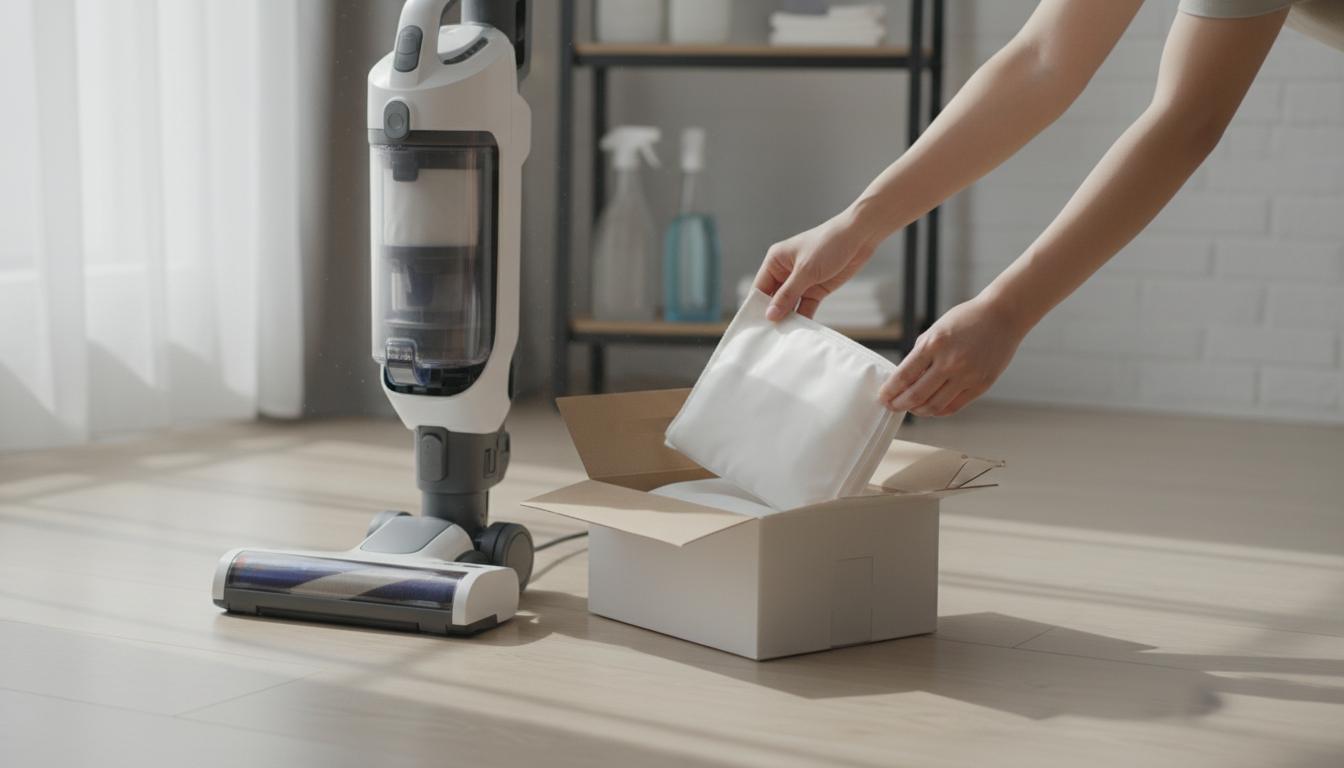
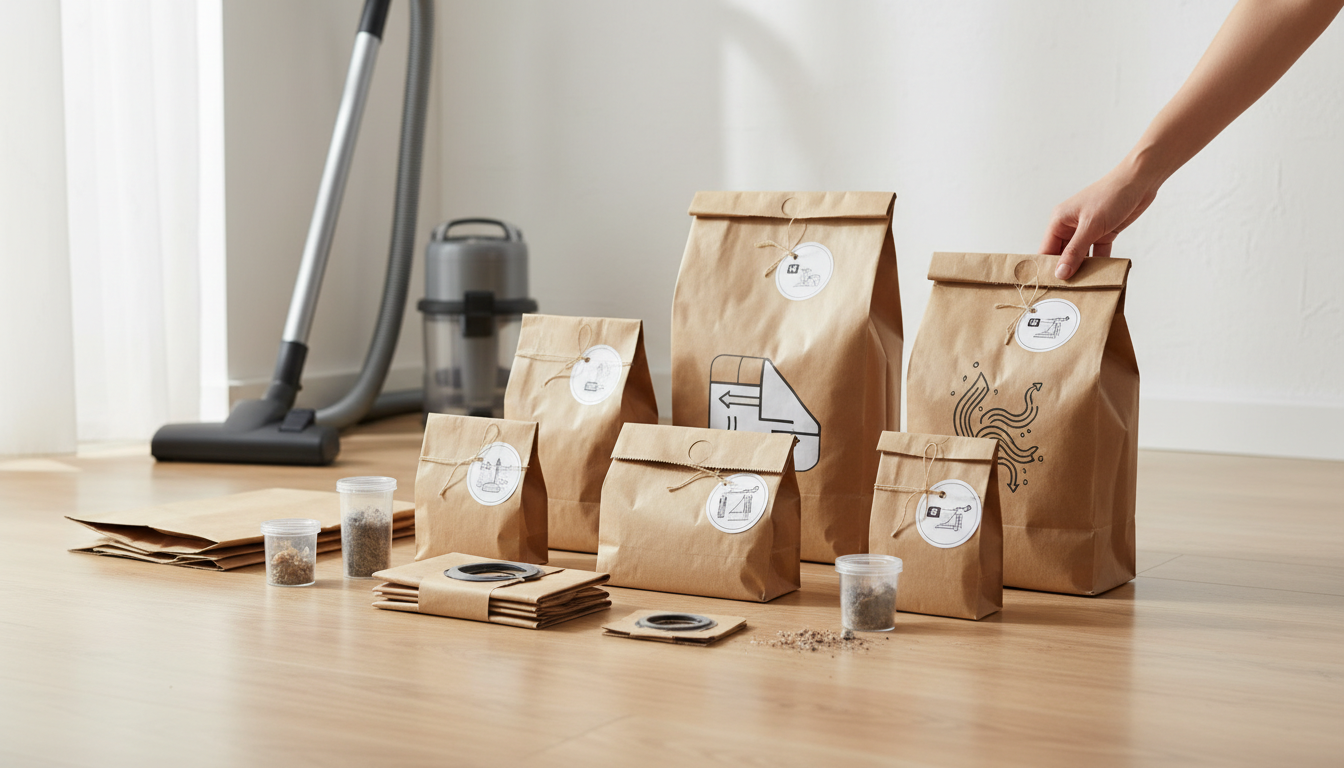
Paper vacuum bags serve as a fundamental component in many vacuum cleaner systems, acting as the primary collection point for dust, dirt, and debris. Their core function involves not only containing collected particles but also contributing to the initial stages of air filtration. As air is drawn into the vacuum, these bags trap larger and finer particulate matter, preventing it from recirculating into the environment or reaching the vacuum's motor.
This dual role is critical for both the vacuum's performance and indoor air quality. By effectively capturing debris, paper bags help maintain consistent airflow and suction, which are vital for cleaning efficiency. They also play a role in trapping allergens and microscopic dust, preventing their release back into your living or working space. Using the correct bag is paramount, as an improper fit can lead to reduced suction and potential damage to the vacuum's internal mechanisms.
This comprehensive guide will explore the specific characteristics of paper vacuum bags, detailing their advantages and limitations compared to other filtration options. You will learn key selection criteria, including compatibility considerations and material properties, alongside practical usage tips to optimize your vacuum's performance and longevity.
<h2>The Core of Clean: Benefits and Drawbacks of Paper Vacuum Bags</h2> Paper vacuum bags offer a distinct approach to dirt collection, providing specific advantages and limitations that influence overall vacuum performance and user experience. Understanding these characteristics is essential for selecting bags that align with your cleaning requirements and vacuum model.Key benefits of utilizing paper vacuum bags include:
- Effective Containment: Paper bags are designed to capture and contain dust, debris, and microscopic allergens, preventing them from recirculating into the air. Multi-ply paper bags often enhance this filtration, trapping finer particles more effectively than single-ply options.
- Hygienic Disposal: As disposable units, paper bags allow for simple, hands-free removal and disposal of collected waste. This minimizes direct contact with dirt and allergens, contributing to a cleaner emptying process compared to bagless systems.
- Cost-Effectiveness: Generally, paper vacuum bags are a more economical choice upfront compared to some cloth or synthetic bag alternatives, making them a budget-friendly option for routine replacements.
However, paper vacuum bags also present certain trade-offs:
- Reduced Airflow Over Time: As a paper bag fills with debris, the accumulated contents can restrict airflow through the vacuum. This can lead to a noticeable decrease in suction power and efficiency, requiring bag replacement even if not completely full to maintain optimal performance.
- Susceptibility to Damage: If constructed from thinner materials or overfilled, paper bags can be prone to tearing or bursting. A compromised bag can release collected dust back into the vacuum's motor or the environment, negating its filtration benefits and potentially damaging the appliance.
- Single-Use Design: Paper bags are intended for one-time use. Attempting to empty and reuse them can degrade their filtration capabilities, strain the vacuum's motor, and increase the risk of tearing.
Essential Criteria for Selecting the Right Paper Vacuum Bags
Choosing the correct paper vacuum bags ensures your vacuum cleaner operates effectively and maintains indoor air quality. Several factors influence this decision, from ensuring a proper fit to understanding filtration capabilities.
-
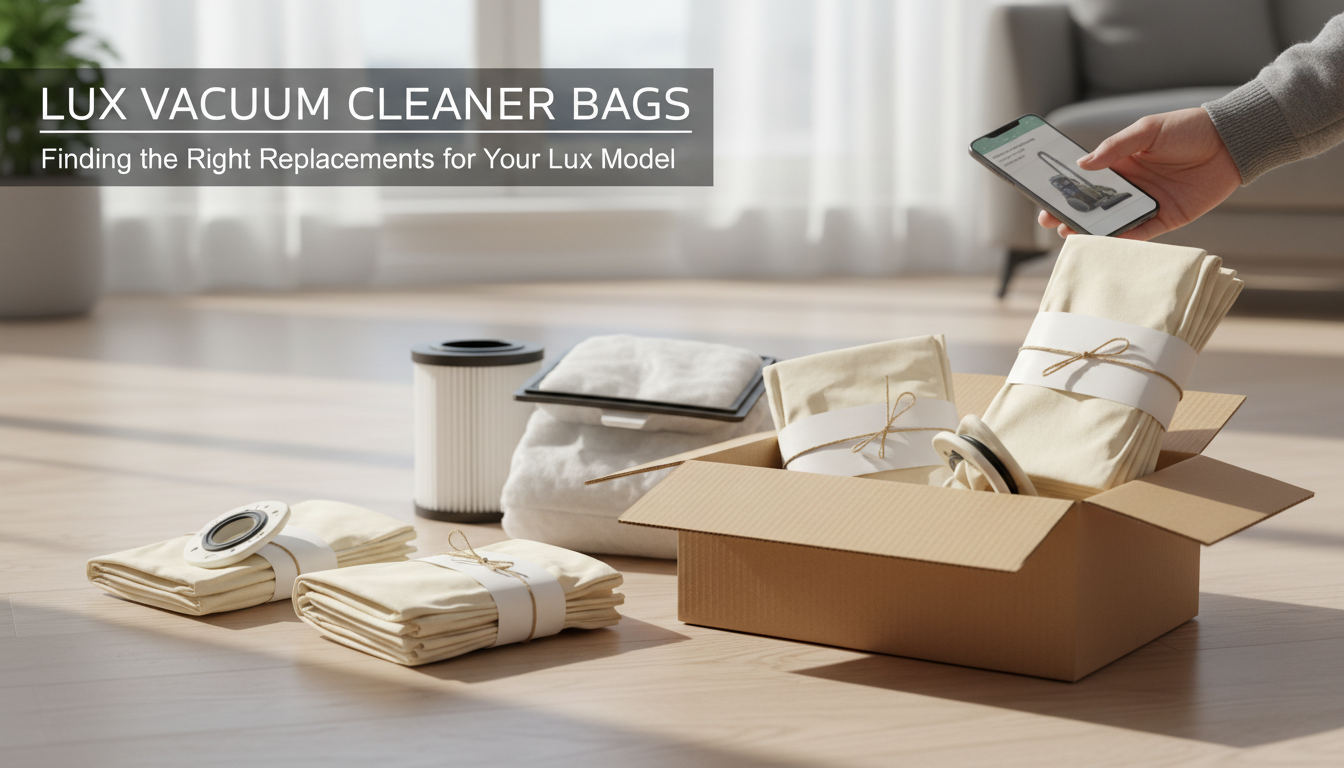
Compatibility with Your Vacuum Model The most critical factor is matching the bag to your specific vacuum cleaner model and brand. Vacuum manufacturers design their units to work with particular bag types, sizes, and connection mechanisms. Using a bag not explicitly designed for your model can lead to poor sealing, reduced suction efficiency, dust leakage, and potential damage to the vacuum motor. Always consult your vacuum cleaner's user manual or the manufacturer's specifications to identify the exact bag type or series number required. While aftermarket options exist, verifying their compatibility with your specific model is crucial.
-
Bag Capacity and Volume Consider the bag's capacity in relation to your cleaning habits and the vacuum model. A larger capacity bag means less frequent changes, which can be convenient for larger homes or those with pets. However, the bag's physical size must fit within the vacuum's compartment without impeding airflow or causing strain. Overfilling a bag, regardless of its original capacity, can significantly reduce suction power and potentially lead to motor overheating. Assess your typical usage to determine if a standard or larger capacity bag is more suitable, ensuring it still fits your vacuum's design.
-
Filtration Layers Paper vacuum bags vary in their filtration capabilities, primarily due to the number of plies or layers.
- Single-ply bags are generally the most basic and economical. They capture larger debris but may allow finer dust and allergens to pass through the exhaust, potentially impacting indoor air quality.
- Multi-ply bags (e.g., two or three layers) offer enhanced filtration by trapping a wider range of microscopic particles, such as pollen, dust mites, and pet dander. This improved dust retention contributes to cleaner exhaust air and can be particularly beneficial for individuals with allergies or asthma. While often a slightly higher cost, the benefit of improved air quality can be a significant trade-off.
-
Material Quality and Durability The quality of the paper material directly impacts the bag's durability and resistance to tearing. A robust paper bag can withstand the weight of collected debris and resist punctures from sharp objects inadvertently vacuumed up. Bags made from thicker, more resilient paper are less prone to bursting, which would release accumulated dirt and dust back into your cleaned space. Inspecting the bag's construction for reinforced seams or a generally sturdy feel can indicate better material quality.
-
Pack Quantity Paper vacuum bags are typically sold in multi-packs. Consider the quantity per pack based on your vacuum usage frequency. Buying larger packs can often be more cost-effective per bag and reduce the need for frequent reordering. However, ensure you have adequate storage space for larger quantities, and remember that bags do not have an indefinite shelf life if stored in damp or extreme conditions. Balance the convenience and potential cost savings of bulk purchases with your actual consumption rate.
Avoiding Common Pitfalls: Compatibility, Fit, and Performance Risks
Selecting the correct paper bag for your vacuum cleaner is more than a matter of finding one that simply fits into the compartment. An exact match is critical for maintaining your vacuum's performance, protecting its motor, and ensuring effective cleaning. Overlooking these details can lead to a range of issues, from reduced efficiency to potential damage.
-
The Critical Importance of Exact Model Match Vacuum cleaner manufacturers design bags with specific dimensions, collar types, and filtration properties tailored to individual models or series. The notion that 'one size fits all' rarely applies to vacuum bags. Even bags that appear similar might have subtle differences in their connection points or internal volume that impact functionality. Always consult your vacuum cleaner's manual or the manufacturer's specifications to identify the precise bag type required for your model.
-
Consequences of Incorrect Bag Use Using a bag that isn't designed for your specific vacuum can lead to several detrimental outcomes:
- Reduced Suction: An ill-fitting bag can create air leaks within the vacuum chamber, diverting airflow and significantly diminishing suction power, making cleaning less effective.
- Motor Strain and Overheating: When airflow is restricted by an incorrect or improperly seated bag, the vacuum motor has to work harder to compensate. This increased strain can lead to overheating, potentially shortening the motor's lifespan or causing it to fail prematurely.
- Dust Leakage: Bags that don't seal properly within the vacuum can allow dust, allergens, and debris to escape back into the air you breathe, negating the vacuum's filtration benefits and potentially impacting indoor air quality.
- Voiding Warranty: Using non-recommended or incorrect replacement parts, including vacuum bags, may void your vacuum cleaner's manufacturer warranty, leaving you responsible for repair costs.
-
Why Not to Reuse Disposable Paper Bags Paper vacuum bags are designed for single use. Their material is engineered to capture microscopic particles, and once used, the internal fibers become clogged with dirt, dust, and allergens. Attempting to empty and reuse these bags compromises their structural integrity and filtration capabilities. Reusing a disposable paper bag will:
- Diminish Filtration: The clogged pores of a previously used bag cannot effectively trap new particles, allowing fine dust and allergens to pass through and re-enter your environment.
- Increase Motor Strain: A bag filled with compacted debris or one that has been compromised by emptying will restrict airflow, forcing the motor to work harder and increasing the risk of overheating.
- Create Hygiene Issues: Handling and emptying used paper bags can expose you to concentrated dust and allergens, defeating the purpose of a sealed, disposable system designed for hygienic disposal.
-
Indicators for When to Replace While a visually full bag is an obvious sign, other indicators suggest it's time for a replacement, even if the bag doesn't appear completely full:
- Reduced Suction: If your vacuum isn't picking up debris as effectively as usual, a partially full or clogged bag is often the culprit, as airflow becomes restricted.
- Visible Dust Escaping: Noticing dust or a lingering dusty smell during or after vacuuming can indicate a compromised bag that is leaking particles back into the air.
- Motor Working Harder/Louder: An increase in the vacuum's motor noise or a feeling that it's struggling to maintain power can signal that a clogged bag is creating excessive resistance.
- Bag Condition: Some manufacturers recommend replacing bags when they are two-thirds to three-quarters full to maintain optimal airflow and filtration, rather than waiting until they are completely packed.
Maximizing Efficiency: Proper Installation and Usage of Paper Bags
Achieving optimal performance from your vacuum cleaner, particularly with paper bags, hinges on correct installation and thoughtful usage habits. A properly fitted bag ensures efficient dirt collection and safeguards your vacuum's motor, while mindful operation maintains consistent suction and extends the life of your appliance.
Installation Guide
Correctly installing a new paper bag is the first step to effective vacuuming. While specific steps may vary slightly by vacuum model, the general process involves:
- Power Down: Always unplug your vacuum cleaner from the power outlet before opening any compartments.
- Access Compartment: Locate and open the vacuum bag compartment, often secured by a latch or clip.
- Align and Insert: Carefully align the bag's cardboard collar or opening with the vacuum's bag port. Push it firmly into place until it feels secure.
- Check for Seal: Visually inspect that the bag's opening is fully seated around the port, without gaps or kinks that could allow dust to escape.
- Close Securely: Close the bag compartment, ensuring it latches firmly. A loose cover can compromise suction and allow dust to leak.
Best Practices for Usage
To maintain peak vacuum performance and prolong the life of your paper bags and vacuum, consider these practices:
- Monitor Fullness: Change the bag when it is approximately two-thirds to three-quarters full, or when suction noticeably decreases. Overfilling can strain the motor, reduce airflow, and lead to premature bag rupture.
- Avoid Wet Debris: Paper bags are designed for dry debris. Vacuuming wet materials can weaken the bag, promote mold growth, and potentially damage the vacuum's internal components.
- Regular Checks: Periodically inspect the bag compartment for any accumulated dust outside the bag, which could indicate a poor seal or a torn bag.
Proper Disposal Methods
Disposing of a full paper bag hygienically and efficiently is crucial for maintaining cleanliness and preventing allergen release:
- Power Off: Unplug the vacuum before removing the used bag.
- Careful Removal: Gently detach the bag from its port. Many paper bags feature a self-sealing tab or flap on the collar; engage this feature if available to seal the opening.
- Minimize Dust: Hold the bag away from your body and avoid shaking it to prevent dust clouds.
- Immediate Disposal: Place the sealed bag directly into a trash receptacle. Do not attempt to empty and reuse disposable paper bags, as their filtration efficiency is compromised once filled, and reusing them can lead to motor strain.
Paper Bags in Context: A Brief Look at Alternatives
Understanding the specific characteristics of paper vacuum bags is enhanced by comparing them to other common dirt collection systems. This comparison clarifies their role in the market and helps identify scenarios where they offer distinct advantages or present trade-offs.
Paper vs. Synthetic/Cloth Bags
When considering bagged vacuum cleaners, the primary alternative to paper is synthetic or cloth material. Each offers a different balance of filtration, durability, and cost:
- Filtration Efficiency: Paper bags provide effective containment for general household dust and debris. However, synthetic or multi-layer cloth bags often feature denser materials and electrostatic properties, which can improve filtration efficiency by capturing a higher percentage of microscopic particles, allergens, and pet dander. Research suggests cloth bags can improve filtration efficiency by up to 30% compared to typical paper options.
- Durability: Paper bags are designed for single use and disposal. They are generally less durable than synthetic or cloth bags, which are often tear-resistant and can withstand more rigorous use.
- Cost: Paper bags are typically the more budget-friendly option for individual purchases. Synthetic or cloth bags, especially those designed for reusability or advanced filtration, often come at a higher per-unit cost.
- Reusability: Paper bags are explicitly designed for single use and should not be emptied and reused, as this can compromise their filtration integrity and potentially strain the vacuum motor. Many synthetic or cloth bags are designed for repeated use, though some advanced synthetic bags are also disposable.
Paper Bags vs. Bagless Systems
Bagless vacuum cleaners have gained popularity for their perceived convenience, but they involve different considerations compared to bagged systems:
- Convenience: Bagless systems eliminate the need to purchase and replace bags, offering immediate convenience. Paper bags require periodic replacement, but the process is generally quick and clean.
- Dust Exposure During Emptying: A significant trade-off with bagless systems is the potential for dust and allergens to re-enter the air during the emptying process of the dirt bin. Paper bags, being sealed units, allow for more hygienic disposal with minimal direct contact with collected debris, reducing exposure to dust and allergens.
- Maintenance: Bagless vacuums require regular cleaning of their internal filters to maintain suction and filtration performance. Paper bags act as both a collection and primary filtration medium, meaning filter cleaning is often less frequent or simplified for bagged models.
When Paper Bags Excel
Paper vacuum bags are often the preferred choice in several specific scenarios:
- Budget-Conscious Cleaning: For those prioritizing lower upfront costs for consumables, paper bags are generally more economical than their synthetic counterparts.
- Hygienic Disposal: When minimizing contact with collected dust and allergens is a priority, paper bags offer a clean, sealed disposal method. This is particularly beneficial for allergy sufferers or in environments where dust exposure must be strictly controlled.
- Ease of Maintenance: For users who prefer a simple "fill and toss" approach to dirt management rather than cleaning dirt bins and filters, paper bags streamline the vacuum maintenance routine.
- Protection for Specific Debris: In situations where the collected material is particularly fine, abrasive, or potentially hazardous (e.g., fine construction dust, pet hair from heavily shedding animals), the sealed nature of a paper bag can prevent recirculation and protect internal vacuum components more effectively.
Your Questions Answered: Paper Vacuum Bag FAQs
Understanding the nuances of paper vacuum bags can help ensure you select the right product and maintain optimal vacuum performance. Here are answers to common questions about their use and characteristics.
Are generic paper bags safe to use? Generic paper bags can be safe and effective if they are specifically designed to be compatible with your vacuum cleaner's make and model. Vacuum cleaners are engineered to work with specific bag types, materials, and sizes. Using a generic bag that does not precisely match the dimensions, collar type, and filtration specifications of the original equipment manufacturer (OEM) bag can lead to issues. These may include poor fit, reduced suction due to air leakage, inadequate filtration, or even potential damage to the vacuum motor from restricted airflow or dust ingress. Always verify that a generic bag explicitly states compatibility with your specific vacuum model.
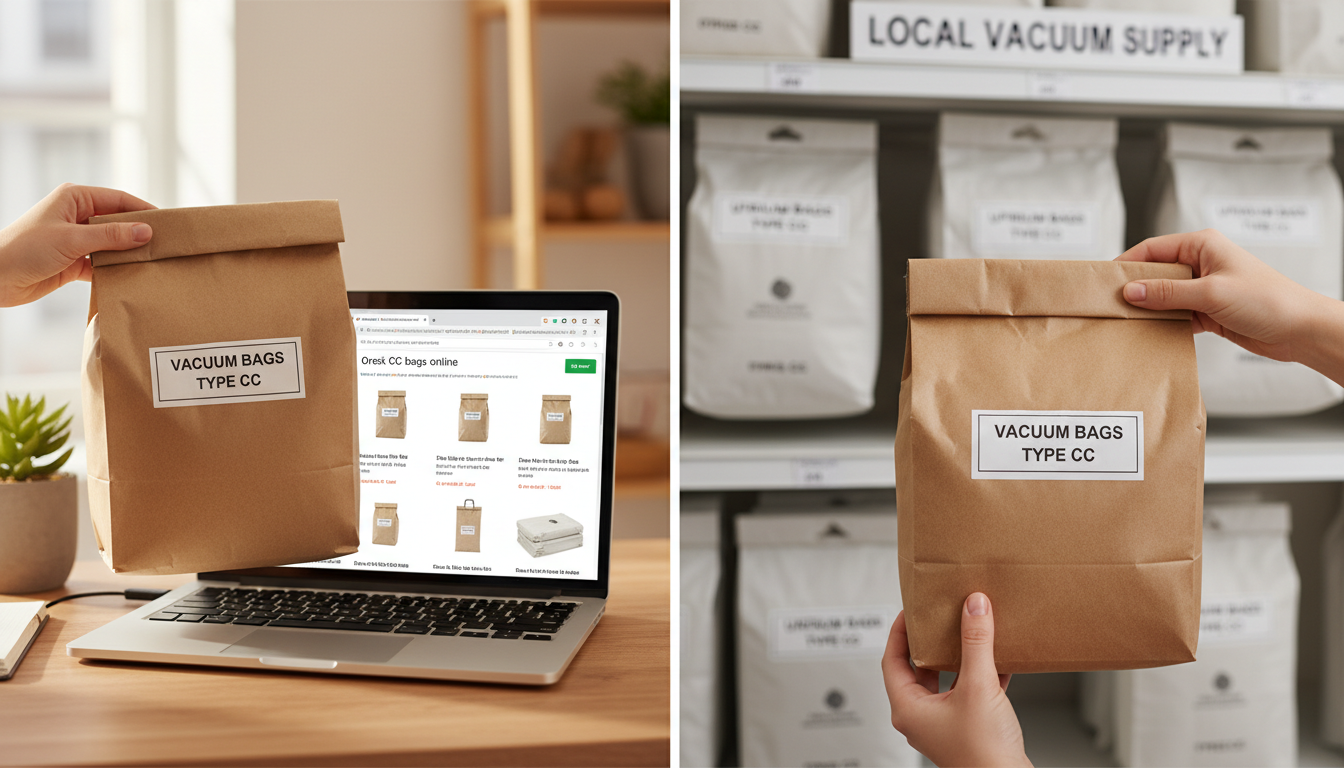
How do I know which paper bag fits my vacuum cleaner? To identify the correct paper bag, consult your vacuum cleaner's user manual, check the inside of the vacuum's bag compartment, or examine the existing bag for specific model numbers, brand-specific bag types (e.g., "Type Y," "GN"), or part numbers. Many manufacturers print this information directly on the vacuum itself or on the packaging of replacement bags. Cross-referencing these identifiers with the specifications listed on new bag packaging is the most reliable method to ensure a proper fit.
How often should I change my paper vacuum bag? It is generally recommended to change your paper vacuum bag when it is approximately two-thirds to three-quarters full, or when you notice a significant decrease in suction power. Overfilling a bag restricts airflow, causing the vacuum motor to work harder, which can lead to reduced cleaning efficiency and potential motor overheating. Regularly replacing the bag helps maintain consistent suction, prolongs the life of your vacuum, and ensures effective dust and allergen capture. Do not attempt to reuse disposable paper bags, as this compromises filtration and can strain the motor.
Do paper bags reduce suction power? A new, properly fitted, and partially filled paper bag should not inherently reduce your vacuum cleaner's designed suction power. However, as a paper bag fills with dirt and debris, the accumulated contents begin to restrict airflow through the bag's pores, which directly leads to a noticeable decrease in suction. This is a normal function of any vacuum bag as it collects material. To prevent suction loss, it's crucial to change the bag before it becomes completely full.
Can paper bags be recycled? While made primarily of paper, used vacuum cleaner bags are generally not accepted in standard curbside recycling programs. Once filled, the paper material becomes contaminated with a wide array of household dust, dirt, allergens, pet dander, and sometimes even hazardous particles. Additionally, many paper bags incorporate non-paper components like plastic collars, glues, and sometimes synthetic filter layers, which further complicate the recycling process. It's best to dispose of used paper vacuum bags with regular household waste unless specific local waste management guidelines indicate otherwise.
<h2>Making an Informed Choice for Your Vacuum</h2> Selecting the appropriate paper bags for your vacuum cleaner is a decision that impacts not only cleaning effectiveness but also the longevity of your appliance and the air quality of your space. This guide has explored the distinct characteristics, advantages, and limitations of paper vacuum bags, providing a framework for confident purchasing.To confidently identify the most effective paper vacuum bags for your needs, consider these critical factors:
- Vacuum Cleaner Model and Type: The absolute first step is identifying your vacuum cleaner's specific make and model. Compatibility is non-negotiable; an ill-fitting bag can compromise suction, allow debris to escape, and potentially damage the motor.
- Filtration Requirements: While all paper bags contain debris, some offer enhanced multi-ply construction or specialized materials for improved filtration of fine dust and allergens. Assess your household's needs, particularly if allergies or sensitivities are a concern.
- Usage Frequency and Debris Type: Your cleaning habits influence bag consumption. If you vacuum frequently or tackle heavy-duty debris, the cost-effectiveness and hygienic disposal of paper bags become even more pronounced.
- Budget Considerations: Paper bags generally offer a cost-efficient solution for debris containment. Balance the initial purchase price with the filtration quality and quantity provided.
Before finalizing any purchase, always consult your vacuum cleaner's owner's manual or the manufacturer's official website. These resources provide precise specifications for compatible bag types, ensuring optimal fit and performance. By systematically evaluating these criteria and leveraging the insights from this guide, you are equipped to make a well-informed decision that supports efficient cleaning and maintains your vacuum cleaner's integrity.
More in Vacuum Cleaner Bags
View All