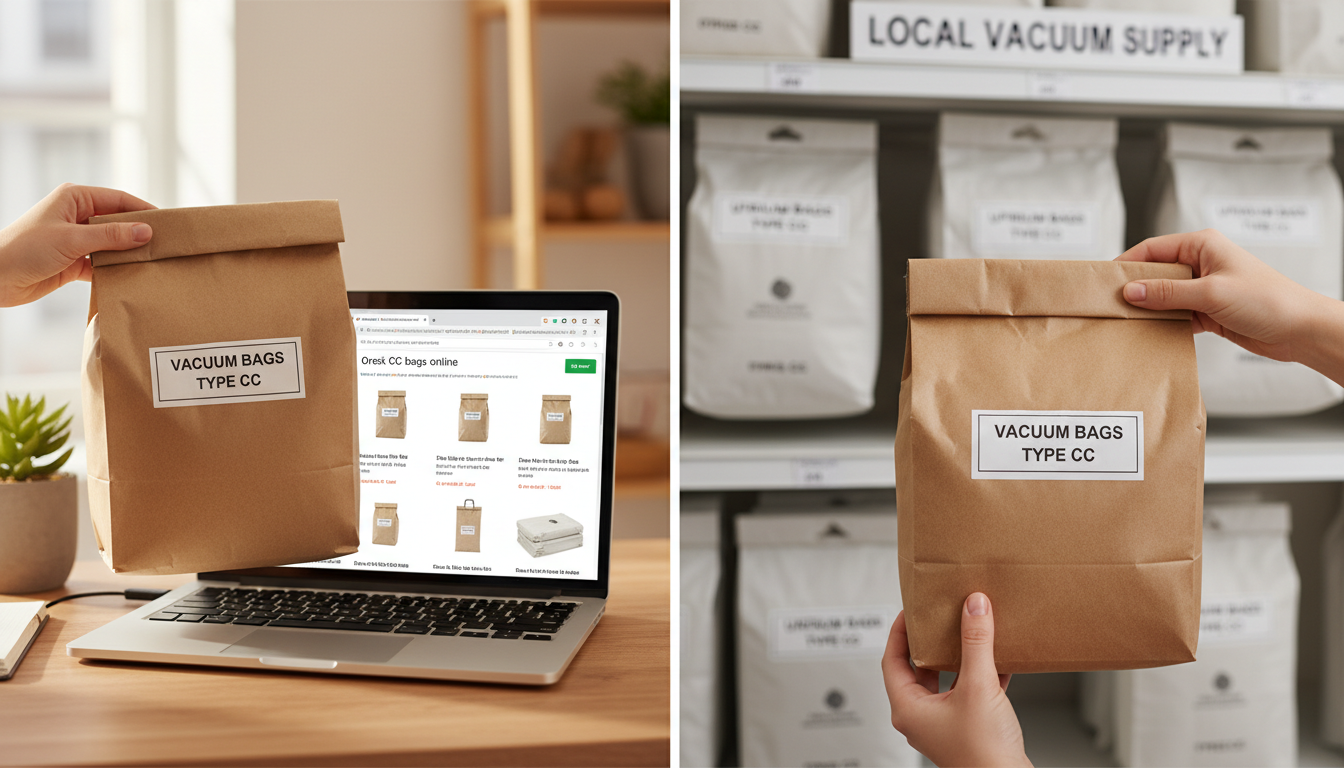
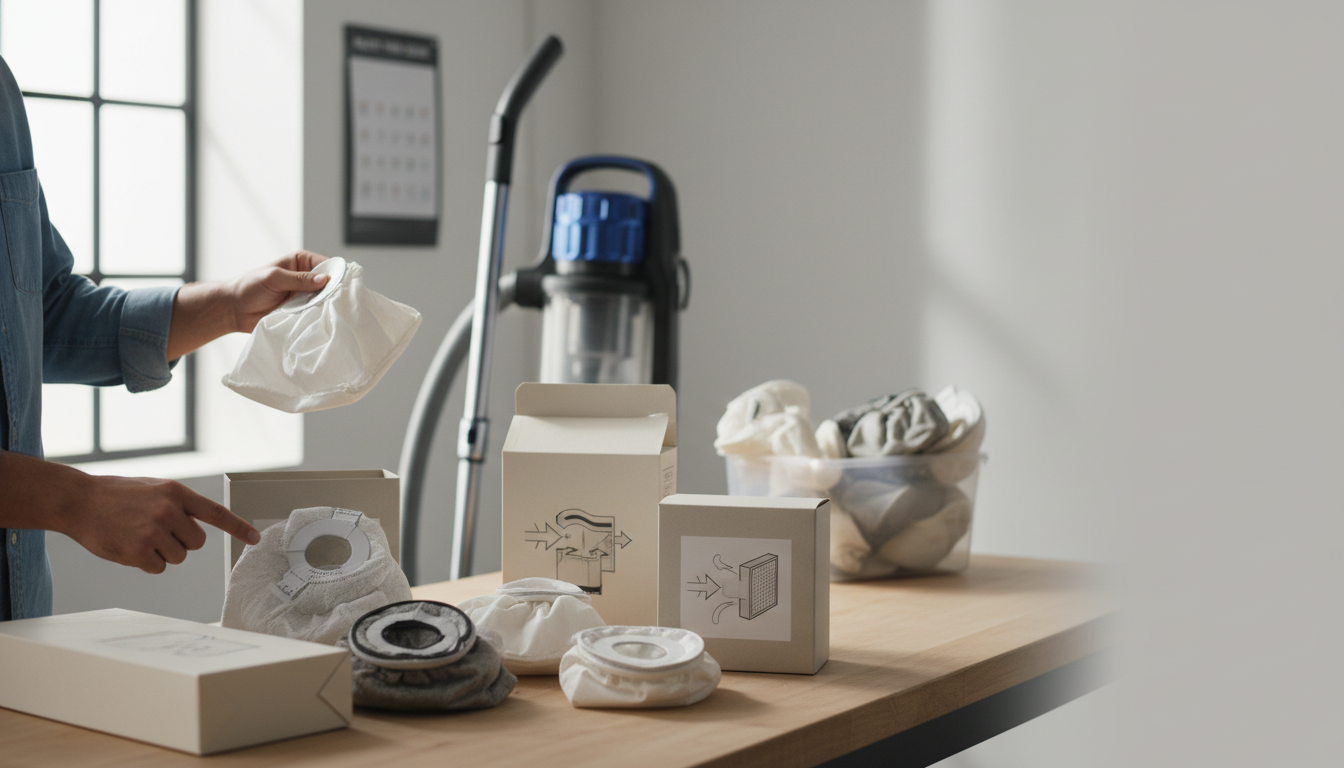
Choosing the Best Bosch Vacuum Cleaner Bags for Your Cleaning Needs
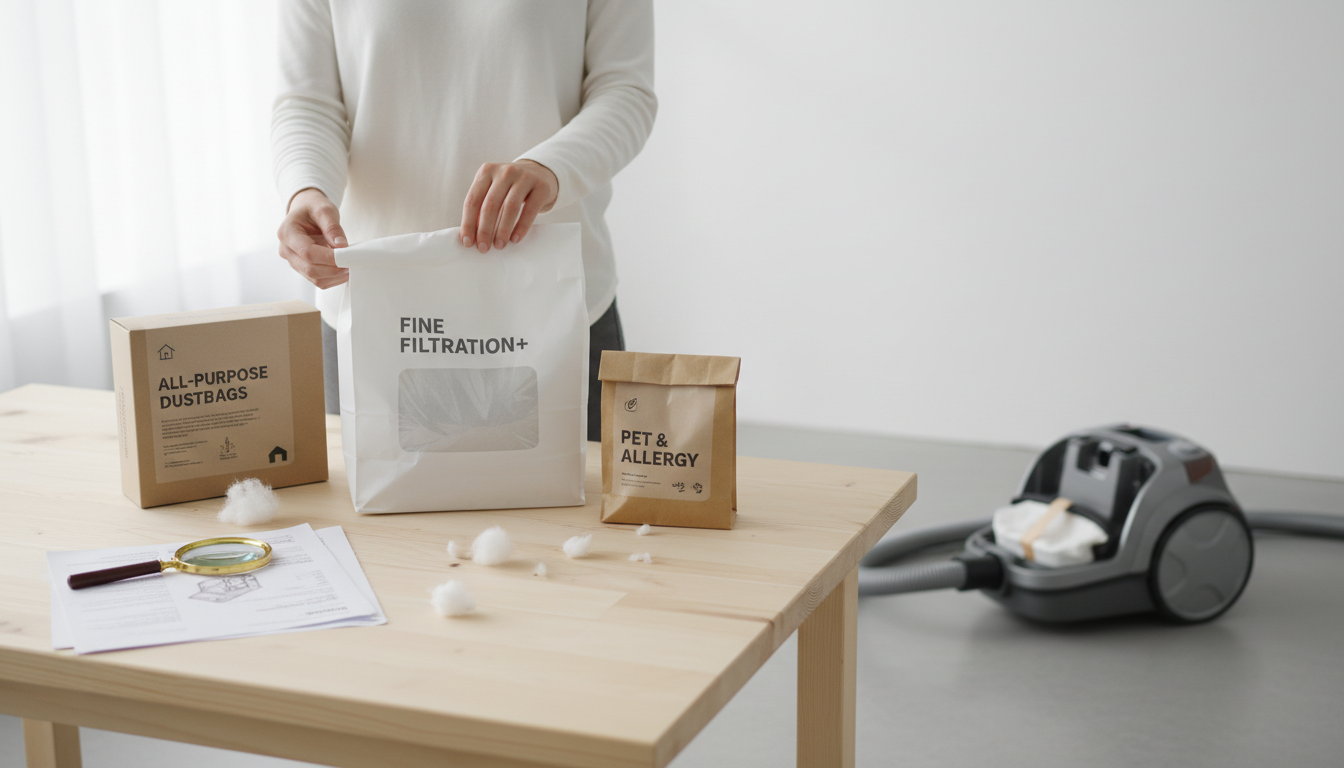
Bosch Vacuum brand fit snapshot
Bosch, a brand recognized for its precision engineering and home appliance reliability, extends this philosophy to its vacuum cleaner bags. For buyers evaluating this brand, understanding Bosch's intent helps clarify the value proposition. Bosch designs its vacuum bags as an integral component of its vacuum cleaning systems, aiming for optimal compatibility and performance. This approach suggests a focus on consistent dust retention and efficient airflow, which are crucial for maintaining vacuum suction and air quality.
Buyer Fit: Choosing Bosch vacuum cleaner bags is particularly relevant for individuals who:
- Own a Bosch Bagged Vacuum: The primary fit is for owners of Bosch bagged vacuum cleaner models, where original equipment manufacturer (OEM) bags are designed to integrate seamlessly.
- Prioritize System Performance: Those who value the sustained performance of their Bosch vacuum, including consistent suction and effective filtration, often find that brand-specific bags deliver this reliability.
- Seek Reliable Dust Containment: Evidence suggests that original Bosch bags are preferred for their dust retention capabilities, which can be a key factor for allergy sufferers or those seeking a cleaner disposal process.
Who Should Compare: Buyers should specifically compare Bosch-branded bags if they:
- Are currently using a generic or off-brand bag with a Bosch vacuum and experiencing issues like reduced suction or dust leakage.
- Are weighing the initial cost of OEM bags against the potential long-term benefits of system efficiency and reduced maintenance.
- Value the peace of mind that comes from using components specifically engineered for their appliance.
The decision to opt for Bosch bags often involves a trade-off between potential cost savings from generic alternatives and the assurance of precise fit, optimal filtration, and sustained vacuum performance that brand-specific bags are designed to offer.
Bosch-Vacuum Evidence Checklist
Evaluating Bosch vacuum cleaner bags involves distinguishing between general claims and verifiable product characteristics. This checklist focuses on evidence-backed aspects, allowing buyers to assess compatibility, performance expectations, and practical considerations without relying on anecdotal information or unverified claims.
-
Design & Filtration Intent
- Bosch engineers its vacuum cleaner bags to integrate with specific vacuum models, aiming for efficient dust and allergen capture.
- The brand's approach to bagged systems often emphasizes the contained disposal of debris and fine particles, contributing to overall filtration performance.
- Certain Bosch vacuum cleaner models are marketed with "extra-large dust bags," indicating a design choice for extended use between replacements.
-
Compatibility and Performance Parameters
- Model-Specific Fit: Bosch bags are engineered for precise fit within designated Bosch vacuum cleaner models. Using bags not specified for your model can compromise sealing, leading to dust leakage and reduced suction efficiency.
- Filtration Integrity: While designed for effective filtration, the performance of any vacuum bag, including Bosch's, can decrease as it fills. Regular replacement is necessary to maintain optimal air quality and vacuum power.
- Potential for Leakage: User feedback occasionally highlights concerns about dust leakage, particularly when non-original or ill-fitting bags are used, underscoring the importance of genuine or precisely compatible alternatives.
-
Return Policy Guidance
- Vacuum cleaner bags are consumable items, and return policies typically adhere to those of the specific retailer from which they were purchased.
- It is standard practice to verify the bag's compatibility with your Bosch vacuum cleaner model before opening the packaging, as many retailers may not accept returns of opened consumable products unless defective.
- Buyers should review the return and exchange policies of their chosen vendor, especially regarding compatibility issues or manufacturing defects, prior to purchase.
Bosch-Vacuum Use Case ownership experience
The practical ownership experience with Bosch vacuum cleaner bags centers on consistent performance and hygienic dust management, influencing daily cleaning routines, user comfort, and long-term vacuum maintenance. For owners of Bosch bagged vacuums, the choice of bag directly impacts how effectively the appliance operates and how pleasant the cleaning process remains over time.
In daily use, Bosch bags are designed to integrate with the vacuum's airflow system, aiming to maintain consistent suction as the bag fills. This reduces the need to frequently check or prematurely empty a partially full bag, contributing to uninterrupted cleaning sessions. The design often incorporates features intended to trap dust and allergens efficiently, which means the vacuum's performance in removing debris from surfaces is directly supported by the bag's filtration capabilities. Users generally report that original Bosch bags contribute to reliable dust retention, minimizing the release of fine particles back into the air during operation.
Comfort during and after vacuuming is significantly influenced by the bag's design. Bosch bags are typically engineered for a clean and simple disposal process. When full, the bag can often be sealed before removal, containing accumulated dust and allergens. This feature is particularly beneficial for allergy sufferers or those sensitive to dust, as it helps prevent exposure to collected debris. The capacity of some Bosch bags, such as those found in certain Series 4 models, can be notably large, extending the interval between replacements and reducing the frequency of interaction with dusty contents.
Maintenance considerations revolve around bag replacement and the overall health of the vacuum. While Bosch bags are intended for optimal fit and function, the frequency of replacement depends on usage patterns and the volume of debris collected. Using original Bosch bags can help preserve the vacuum's internal components, as they are calibrated to allow proper airflow and prevent fine dust from reaching and potentially clogging filters or motors. Conversely, some users report that generic alternatives, while potentially more cost-effective upfront, may not offer the same precise fit or dust retention, leading to reduced efficiency or potential dust leakage over time. This can necessitate more frequent vacuum cleaning or filter replacement, altering the expected maintenance schedule and potentially impacting the vacuum's longevity.
Bosch-Vacuum Trade-Offs alternatives to compare
When evaluating Bosch vacuum cleaner bags, it's beneficial to consider alternatives that might better suit specific cleaning needs or priorities. While Bosch designs its bags for optimal fit and filtration within their vacuum systems, other options exist that present different trade-offs in cost, convenience, and environmental impact. Understanding these distinctions can help refine your purchasing decision.
Alternative Considerations
- Generic or Aftermarket Bags: These substitutes are often available at a lower price point than original Bosch bags. While they aim for compatibility, the primary trade-off can involve fit precision and filtration performance. User experiences sometimes highlight that generic bags may not seal as effectively as original Bosch parts, potentially leading to reduced dust retention or even leakage over time. This can compromise the vacuum's intended air purification and cleaning efficiency.
- Bagless Vacuum Systems: Bosch itself offers bagless vacuum cleaner models, presenting a direct alternative to using disposable bags. For buyers prioritizing reduced recurring costs or minimizing environmental waste from disposables, a bagless system eliminates the need to purchase replacement bags. However, emptying a bagless canister can expose users to dust and allergens, a scenario that bagged systems are designed to minimize by containing debris within a sealed bag.
- Other Brand-Specific Bags: If your household utilizes a vacuum cleaner from a different manufacturer, or if you're considering a new vacuum purchase, bags from other brands (e.g., those emphasizing specific HEPA certifications or unique multi-layer designs) might offer a different performance profile. Bosch bags are engineered for Bosch vacuums; their benefits are most realized within that specific system.
Deal Breakers for Bosch Bags
For some buyers, certain characteristics of Bosch vacuum cleaner bags might be a deciding factor against them:
- Recurring Cost: The ongoing expense of purchasing brand-specific disposable bags can accumulate over time, making them less appealing for budget-conscious consumers compared to generic alternatives or bagless systems.
- Environmental Impact: Individuals highly committed to reducing household waste may find the disposable nature of vacuum bags, even those made primarily of paper or fabric, a significant drawback. The plastic components often used in bag seals contribute to this concern.
- Perceived Efficiency Decline: While Bosch bags are designed for efficient dust and allergen capture, some users report a perceived decline in vacuum efficiency or dust retention as the bag fills. This necessitates timely replacement to maintain optimal performance, which adds to the recurring cost and waste.
Understanding the specifics of Bosch vacuum cleaner bags can help optimize your cleaning experience and avoid common pitfalls. Here are answers to frequently asked questions regarding their value, alternatives, and potential issues.
-
What are the key advantages of using genuine Bosch vacuum cleaner bags? Genuine Bosch vacuum cleaner bags are engineered to integrate seamlessly with specific Bosch vacuum models. This precise fit is critical for maintaining consistent suction power and preventing fine dust and allergens from leaking back into the air. They are often constructed with multiple layers of filtration material, designed to capture microscopic particles effectively and support the vacuum's overall filtration system. Using bags designed for your model helps ensure the vacuum operates as intended, contributing to both cleaning efficacy and indoor air quality.
-
Are there viable alternatives to genuine Bosch vacuum cleaner bags? Yes, several alternatives exist, each with distinct considerations:
- Generic or Aftermarket Bags: These are typically more affordable. However, their fit and filtration quality can vary significantly. An imperfect fit might lead to reduced suction, dust leakage, or even potential strain on the vacuum's motor.
- Reusable Bags: While they reduce waste, reusable bags require manual emptying and cleaning, which can expose you to collected dust. Not all Bosch vacuum models are designed to accommodate reusable bags, and their filtration capabilities might differ from disposable options.
- Bagless Systems: Bosch also manufactures bagless vacuum cleaners. If minimizing bag purchases is a primary concern, a bagless model offers a different operational approach, involving emptying a dustbin and maintaining washable filters.
-
What common errors should I avoid when choosing or using Bosch vacuum cleaner bags? Avoiding specific mistakes can enhance your vacuum's performance and longevity:
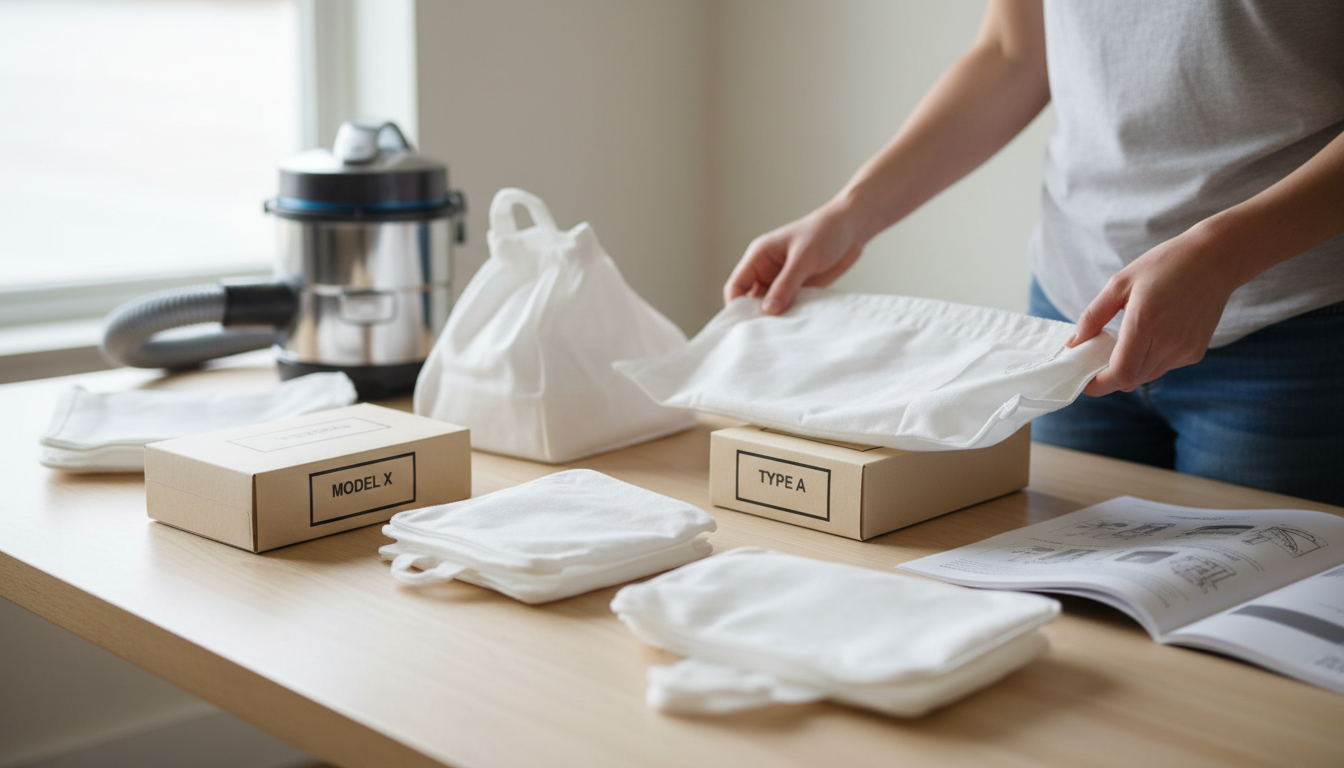
- Incorrect Bag Type: Using a bag not explicitly designed for your Bosch model can compromise the vacuum's seal, leading to dust escape and diminished suction. Always verify compatibility with your vacuum's model number.
- Overfilling Bags: Continuing to use a bag once it's full significantly reduces suction power and can put unnecessary strain on the vacuum's motor, potentially shortening its lifespan. Replace bags when the vacuum's indicator suggests or when visibly full.
- Ignoring Filtration Needs: If you have allergies or pets, ensure the bags you choose offer adequate filtration, such as multi-layer or HEPA-equivalent options, to effectively trap fine particles. Not all bags provide the same level of air purification.
Bosch-Vacuum-Pick buy-or-skip verdict
For buyers evaluating the Bosch brand angle for vacuum cleaner bags, the verdict leans towards a qualified buy, particularly if maintaining system integrity and performance is a priority. Bosch designs its bags as an integrated component of its vacuum cleaners, aiming for precise fit and efficient operation. This brand's focus on engineering suggests that its specific bags are optimized for dust retention and airflow within their corresponding vacuum models.
Consider buying Bosch vacuum cleaner bags if you:
- Own a Bosch Bagged Vacuum: Original Bosch bags are engineered to fit specific Bosch models, which can minimize issues like dust leakage and ensure consistent suction.
- Prioritize Performance and Filtration: The brand emphasizes effective dust retention, which is critical for maintaining indoor air quality and the vacuum's overall efficiency. Using bags designed for your model can help prevent performance degradation.
- Seek Reliability: Opting for the manufacturer's recommended bags can reduce the risk of compatibility issues that might lead to reduced vacuum lifespan or unexpected maintenance.
Consider alternatives or a "skip" if you:
- Are Primarily Cost-Driven: Generic or third-party bags are often less expensive, but they may introduce trade-offs in fit, filtration quality, or durability.
- Are Willing to Accept Potential Risks: Using non-Bosch bags might lead to issues such as imperfect seals, which could allow dust to escape into the motor or air, potentially affecting performance or requiring more frequent filter cleaning.
- Are Exploring Reusable Options: While Bosch bags are typically disposable, some buyers prioritize reusable options for environmental reasons, though these come with their own set of maintenance considerations.
Your next action: If the primary benefits of optimal fit, consistent performance, and reliable dust retention align with your needs, verify the specific Bosch bag type recommended for your vacuum model. If cost or sustainability are higher priorities, research compatible alternatives, but be prepared to scrutinize user reviews regarding fit and filtration effectiveness to mitigate potential risks.
More in Vacuum Cleaner Bags
View All