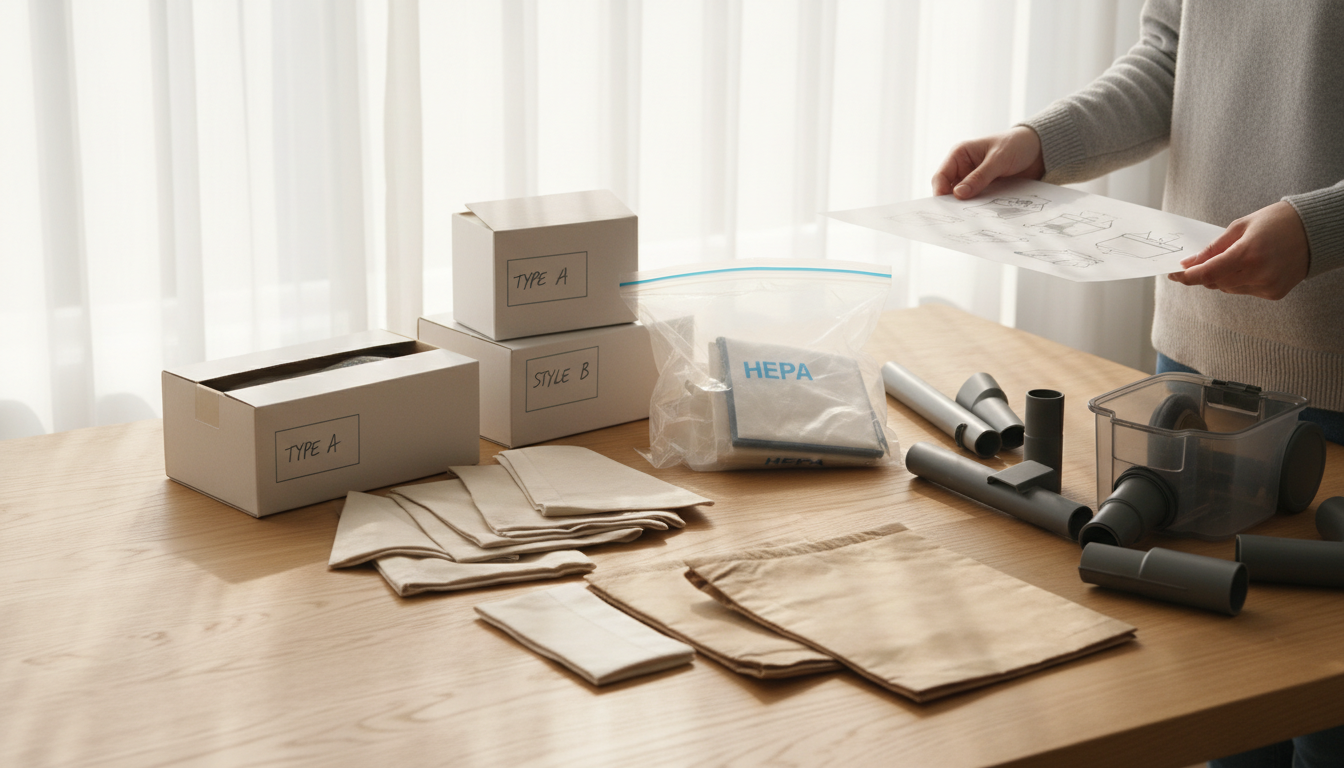
Miele FJM Vacuum Cleaner Bags: A Guide to Compatibility and Performance for Compact Models
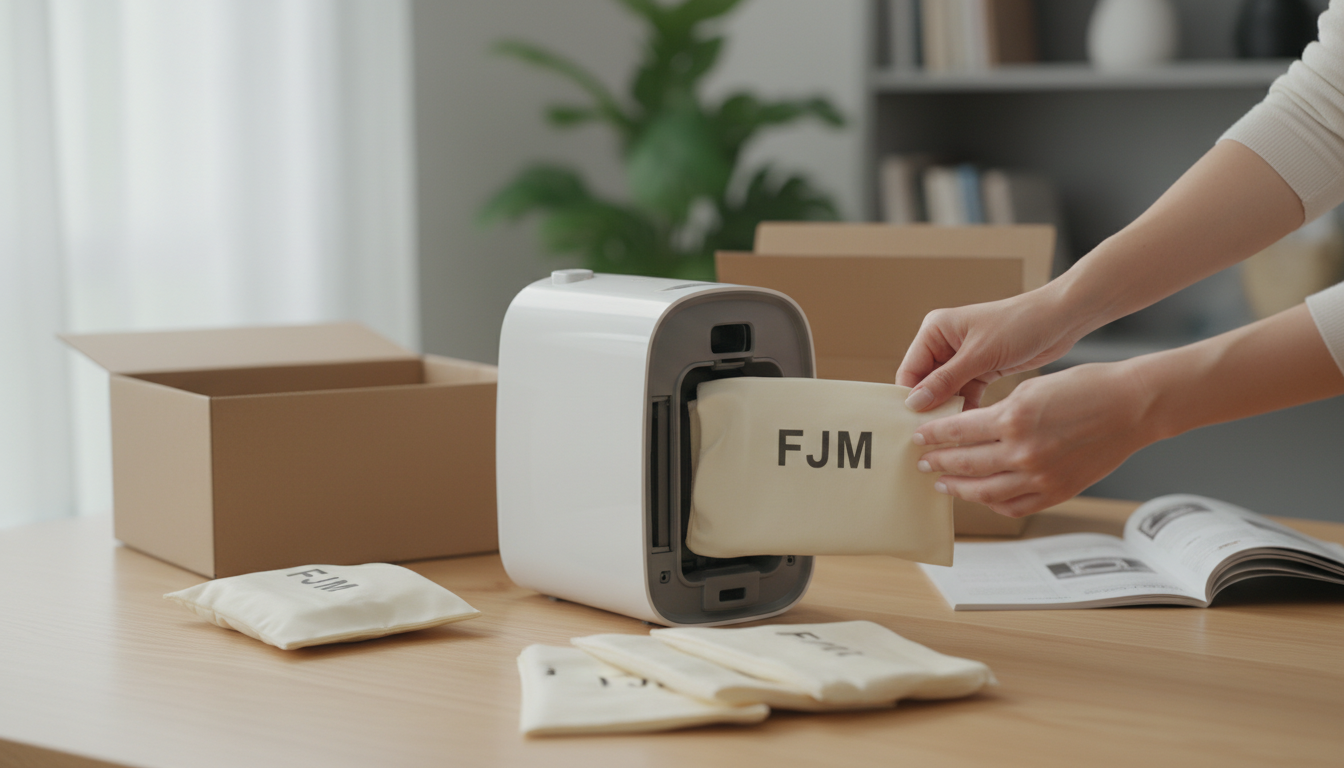
The Essential Guide to Miele FJM Vacuum Cleaner Bags
For owners of Miele compact vacuum cleaners, selecting the correct replacement bag is fundamental to maintaining optimal performance and indoor air quality. Miele FJM vacuum cleaner bags are specifically engineered for a range of compact canister models, including the Complete C1, Compact C1, and C2 Series. These bags serve as more than just a dust receptacle; they are an integral part of the vacuum's filtration system, designed to capture and retain dust and allergens effectively.
Choosing the precise bag type is critical because an incorrect fit can compromise your vacuum's suction power, filtration efficiency, and even lead to premature wear. While Miele bags share a similar fitting, their capacity and specific design vary, meaning an FJM bag is distinct from other Miele bag types like GN. Using a bag not intended for your model can result in poor sealing, dust leakage, or reduced collection capacity, diminishing the very benefits a Miele vacuum is designed to provide.
This guide aims to equip you with the knowledge needed to confidently identify, select, and purchase the appropriate Miele FJM vacuum cleaner bags. We will delve into:
- Compatibility: Ensuring the bag matches your specific Miele compact model.
- Unique Features: Understanding the filtration technology and capacity of FJM bags.
- Buying Considerations: Practical advice to avoid common pitfalls and ensure optimal vacuum performance.
Understanding Miele FJM Bags: Compatibility, Filtration, and Capacity
Miele FJM vacuum cleaner bags are specifically engineered for a range of Miele's compact canister vacuum models. These bags are a distinct component of the vacuum's filtration system, designed to maintain optimal cleaning performance and air hygiene in smaller Miele units.
FJM bags are compatible with several Miele compact canister vacuum cleaner series, including:
- Complete C1 Series
- Compact C1 Series
- C2 Series
It is crucial to verify your specific vacuum model against the bag's compatibility list to ensure correct fit and function. While the physical fitting mechanism for Miele bags can appear similar across types, the internal dimensions and capacity are tailored to specific vacuum designs.
Key features of Miele FJM bags contribute to their performance:
- 7-Layer Filtration System: These bags incorporate a multi-layered construction designed to capture a broad spectrum of particles.
- 99.95% Dust Retention: The filtration layers work to retain a high percentage of dust and fine particles within the bag, preventing their release back into the air.
- AirClean 3D Technology: This technology is integrated into the bag design, aiming to optimize airflow and dust distribution within the bag, which can contribute to sustained suction power as the bag fills.
With a capacity of approximately 3.7 quarts, FJM bags are smaller than those designed for full-size Miele canisters. This capacity is suitable for compact models but implies that users with frequent or extensive cleaning needs may find themselves replacing bags more often than those with larger-capacity bags.
Distinguishing FJM bags from other Miele bag types, particularly GN bags, is essential for correct purchase. While both are Miele AirClean bags, GN bags are significantly larger and designed for Miele's full-size canister vacuums. Although the connection collar might appear similar, FJM bags are physically smaller in volume, making them incompatible with the larger internal compartments of GN-compatible vacuums, and vice-versa, for optimal fit and performance. Always cross-reference your vacuum's model number with the recommended bag type to avoid purchasing issues.
The Performance Advantage: Why Genuine Miele FJM Bags Matter
For owners of Miele compact vacuum cleaners, selecting genuine FJM bags is a critical factor in maintaining the appliance's intended performance and ensuring superior home air quality. These bags are engineered as an integral component of the Miele system, designed to work in harmony with the vacuum's airflow and filtration mechanisms. Opting for authentic Miele FJM bags directly addresses common buyer concerns about efficiency, durability, and health benefits.
A key benefit of genuine Miele FJM bags lies in their multi-layered filtration system. These dustbags often feature a seven-layer construction, meticulously designed to capture and retain a high percentage of fine dust particles and allergens. This advanced filtration capability means that once dust and debris are collected, they remain securely sealed within the bag, preventing their re-release into the indoor environment. This contributes significantly to improved air quality, which is particularly important for households with allergy sufferers or pets.
Beyond air quality, genuine FJM bags play a vital role in protecting the vacuum itself. The effective containment of dust and debris prevents these particles from reaching and potentially damaging the motor and other internal components. This protection is essential for extending the operational lifespan of your Miele compact vacuum. Furthermore, the design of these bags, including features like the AirClean 3D Efficiency, is intended to maintain consistent airflow as the bag fills. This helps ensure that suction power remains strong throughout the bag's usage, preventing a decline in cleaning effectiveness before the bag is full.
For buyers, the brand criteria of Miele authenticity materially changes the shortlist. While alternative bags may appear to fit, they often lack the precise engineering, filtration layers, or sealing mechanisms found in genuine Miele products. Issues such as bag dislodgement, poor sealing, or reduced filtration effectiveness can compromise both cleaning performance and air quality, and potentially lead to premature wear on the vacuum cleaner. Prioritizing genuine Miele FJM bags ensures that your compact model continues to operate as designed, delivering optimal cleaning results and maintaining a healthy indoor environment.
Avoiding Common Issues: Fit, Seal, and Dislodgement Risks
Even with the correct Miele FJM bag, optimal performance hinges on proper installation and a secure fit. Owners of Miele compact models (e.g., Complete C1, Compact C1, C2 Series) may encounter issues such as bag dislodgement, poor sealing, or reduced suction if certain precautions are not observed. These problems can compromise both cleaning efficiency and the air quality benefits of the vacuum's filtration system.
The design of Miele FJM bags, including their self-locking collar, is intended to create a tight seal within the vacuum's dust compartment. If the bag is not seated correctly, this seal can be compromised. A poorly seated bag may allow dust and debris to bypass the multi-layer filtration system, circulating fine particles back into the air and depositing dirt inside the vacuum's motor compartment. This internal dust accumulation can lead to reduced suction power over time and potentially shorten the vacuum's lifespan.
Consider the following to prevent common pitfalls:
- Correct Installation: Ensure the bag's cardboard collar is fully and firmly engaged with the bag holder inside the vacuum. It should click into place or feel securely seated, leaving no gaps. Forcing a bag or installing it at an angle can prevent a proper seal.
- Non-Genuine Alternatives: While cost-effective alternatives exist, they may not always replicate the precise dimensions or material rigidity of genuine Miele FJM bags. Subtle differences in the bag collar's molding or the bag material itself can lead to an imperfect fit, increasing the risk of dust leakage or dislodgement during operation. This can negate the filtration benefits and potentially void warranties.
- Bag Dislodgement: A bag that is not properly secured can dislodge, especially when the vacuum is moved or bumps against objects. This results in the entire contents of the bag spilling into the vacuum's interior, requiring extensive cleaning and compromising the vacuum's internal components.
To identify if a bag is not properly fitted or sealed, observe for:
- Visible Dust: Check the interior of the vacuum's dust compartment (outside the bag) after use. Any visible dust indicates a compromised seal.
- Reduced Suction: If suction power noticeably drops even when the bag is not full, it could be a sign that air is escaping around the bag rather than being drawn through it effectively.
- Unusual Odors: Dust leaking internally can cause the vacuum to emit a dusty or musty odor as unfiltered air passes through the motor.
Your Buying Checklist: What to Verify Before Purchase
Before committing to a purchase, a careful review of several key details can help ensure you acquire the correct Miele FJM vacuum cleaner bags, maintaining your compact model's performance and air quality.
-
Confirm Your Miele Model Number: The most critical step is to identify your vacuum cleaner's exact model. Miele compact canister vacuums typically use FJM bags, but model names and generations can lead to confusion. Avoid relying on memory or the vacuum's color.
- Locate the identification label on your Miele vacuum, often found on the underside, back panel, or inside the bag compartment.
- Verify the full model name and series (e.g., Complete C1, Compact C1, C2 Series) to cross-reference with the bag's compatibility list.
-
Identify Genuine Miele FJM Bags: Authentic Miele FJM bags are designed with specific features to optimize filtration and fit. Counterfeit or generic bags may compromise performance and potentially damage your vacuum.
- Look for distinct Miele branding and packaging that clearly states "FJM AirClean 3D Efficiency" or "FJM AirClean 3D."
- Genuine FJM bags are characterized by their multi-layer filtration system, often described as seven-layer, designed to capture over 99.95% of dust particles. This advanced construction helps ensure dust remains contained within the bag.
-
Consider Pack Contents and Quantity: FJM bags are available in various pack sizes and configurations. Evaluate your usage patterns and specific filtration needs before selecting.
- Single vs. Multi-Packs: Multi-packs often offer better value per bag over time, reducing the frequency of reordering. Single packs might be suitable for infrequent users or initial trials.
- Filter Inclusion: Some genuine FJM bag packs, such as the "FJM HA 50 Performance AirClean 3D," include a HEPA AirClean filter for enhanced exhaust air filtration. If improved air quality is a priority, confirm if the chosen pack includes this or if you need to purchase it separately. Standard FJM packs typically include motor protection and exhaust filters.
-
Verify Seller Information and Return Policies: Purchasing from reputable sources helps mitigate the risk of receiving incompatible or non-genuine products.
- Confirm the seller's authenticity claims for Miele products.
- Review the return policy thoroughly. A clear and reasonable return process can be valuable if an incorrect bag type is inadvertently purchased or if there are manufacturing defects.
Frequently Asked Questions About Miele FJM Vacuum Bags
Understanding the nuances of Miele FJM vacuum cleaner bags can help ensure your compact Miele vacuum operates effectively and maintains indoor air quality. Here are answers to common questions that can guide your purchasing and usage decisions.
How often should Miele FJM bags be changed?
The frequency for changing Miele FJM bags varies based on several factors, rather than a fixed schedule. While a general guideline might suggest replacement every 6-12 months, this can differ significantly based on:
- Usage frequency: Households that vacuum daily will require more frequent changes than those that vacuum weekly.
- Cleaning area size: Larger homes accumulate more debris, filling bags faster.
- Type of debris: Vacuuming fine dust, pet hair, or construction dust will fill and potentially clog bags more quickly than general household dust.
- Vacuum indicator: Many Miele compact models feature an indicator that signals when the bag is full or when airflow is restricted, providing the most accurate cue for replacement. Replacing the bag before it's completely full can also maintain optimal suction and prevent strain on the vacuum motor.
Can generic or third-party FJM bags be used?
While generic or third-party bags designed to fit Miele FJM models are available, using them can introduce several trade-offs compared to genuine Miele FJM bags.
- Filtration Performance: Genuine Miele FJM bags are engineered with a multi-layer (e.g., seven-layer) filtration system designed to capture over 99.95% of dust particles. Third-party alternatives may not offer the same level of filtration, potentially allowing fine dust and allergens to escape back into the air.
- Fit and Seal: Miele bags feature a precise fit and a self-locking collar mechanism. Non-genuine bags may not seal perfectly within the vacuum, leading to dust leakage into the motor compartment or back into your home, which can compromise air quality and potentially damage the vacuum's internal components.
- Vacuum Longevity: The superior filtration of genuine bags protects the vacuum's motor from fine dust, contributing to its lifespan. Using bags with inadequate filtration can allow dust to reach and degrade the motor over time. Choosing genuine Miele FJM bags prioritizes consistent performance, optimal filtration, and protection for your appliance, though they may represent a higher initial cost.
What's typically included in a Miele FJM bag pack?
A standard pack of genuine Miele FJM vacuum cleaner bags typically includes more than just the dustbags themselves. To ensure comprehensive filtration and system maintenance, these packs generally contain:
- Multiple FJM Dustbags: Usually 4 or 5 individual FJM AirClean 3D Efficiency dustbags. These are the primary receptacles for dirt and debris, featuring the characteristic self-locking collar for hygienic disposal.
- Motor Protection Filter: One motor protection filter is often included. This filter is positioned before the motor to prevent fine dust from entering and potentially damaging the motor, helping to extend the vacuum's operational life.
- Exhaust Filter: A single exhaust filter, such as an AirClean filter, is also commonly part of the pack. This filter cleans the air expelled from the vacuum, capturing any remaining fine particles before they re-enter the room. Some specialized packs may include a HEPA AirClean filter for enhanced allergen retention. Replacing these filters when you change the dustbag ensures the entire filtration system operates as intended, maintaining both cleaning performance and expelled air quality.
How to dispose of used Miele FJM bags?
Disposing of a used Miele FJM bag is designed to be a hygienic and straightforward process, minimizing your exposure to collected dust and allergens.
- Remove the Bag: Once the bag is full, or the vacuum's indicator signals replacement, carefully open the vacuum cleaner's bag compartment.
- Self-Locking Collar: Miele FJM bags are equipped with a spring-loaded, self-locking collar. As you pull the bag out of its holder, this collar automatically snaps shut, effectively sealing in the collected dust and debris.
- Household Waste: The sealed bag can then be disposed of directly into your regular household waste bin. This design feature helps prevent dust clouds and reduces the spread of allergens during the disposal process, contributing to cleaner air in your home.
Making the Right Choice for Your Miele Compact Vacuum
Selecting the correct Miele FJM vacuum cleaner bags is a straightforward yet critical step to maintaining your compact Miele vacuum's performance and the cleanliness of your home environment. The decision hinges on a few key considerations that, once understood, empower you to make a confident purchase.
Your primary focus should remain on compatibility. As discussed, FJM bags are specifically designed for Miele compact canister models like the Complete C1, Compact C1, and C2 Series. Double-checking your vacuum's model number, typically found on a label on the underside or back of the unit, is the most reliable way to confirm you need FJM bags. While Miele bags share a common connection point, the internal dimensions and capacity of FJM bags are tailored to these smaller vacuums, ensuring a proper fit and seal.
Beyond compatibility, remember the performance benefits inherent to genuine Miele FJM bags. Their multi-layer construction, often featuring a 7-layer filtration system, is engineered not just to collect debris but to retain nearly all fine dust particles and allergens within the bag. This contributes significantly to maintaining indoor air quality and preventing dust from re-entering your living space. Using bags not designed for your model or of lesser quality can compromise this filtration, leading to reduced suction and potential dust leakage.
To ensure a confident and correct purchase:
- Verify Your Model: Always confirm your specific Miele compact vacuum model number. Do not rely on memory or the vacuum's color.
- Prioritize Genuine Miele: Opting for genuine Miele FJM bags helps ensure the precise fit, optimal filtration, and structural integrity that your vacuum was designed for. This choice directly supports the longevity and cleaning efficacy of your appliance.
- Consider Bag Capacity: While all FJM bags fit, their 3.7-quart capacity is optimized for compact models. Using an incorrect bag type, even if it physically connects, can lead to inefficient filling or reduced suction.
Ultimately, the decision path for a Miele compact vacuum owner is clear: identify your model, confirm it requires FJM bags, and choose genuine replacements. This approach safeguards your vacuum's performance, maintains high air quality, and ensures you continue to benefit from the cleaning power your Miele appliance provides.
More in Vacuum Cleaner Bags
View All