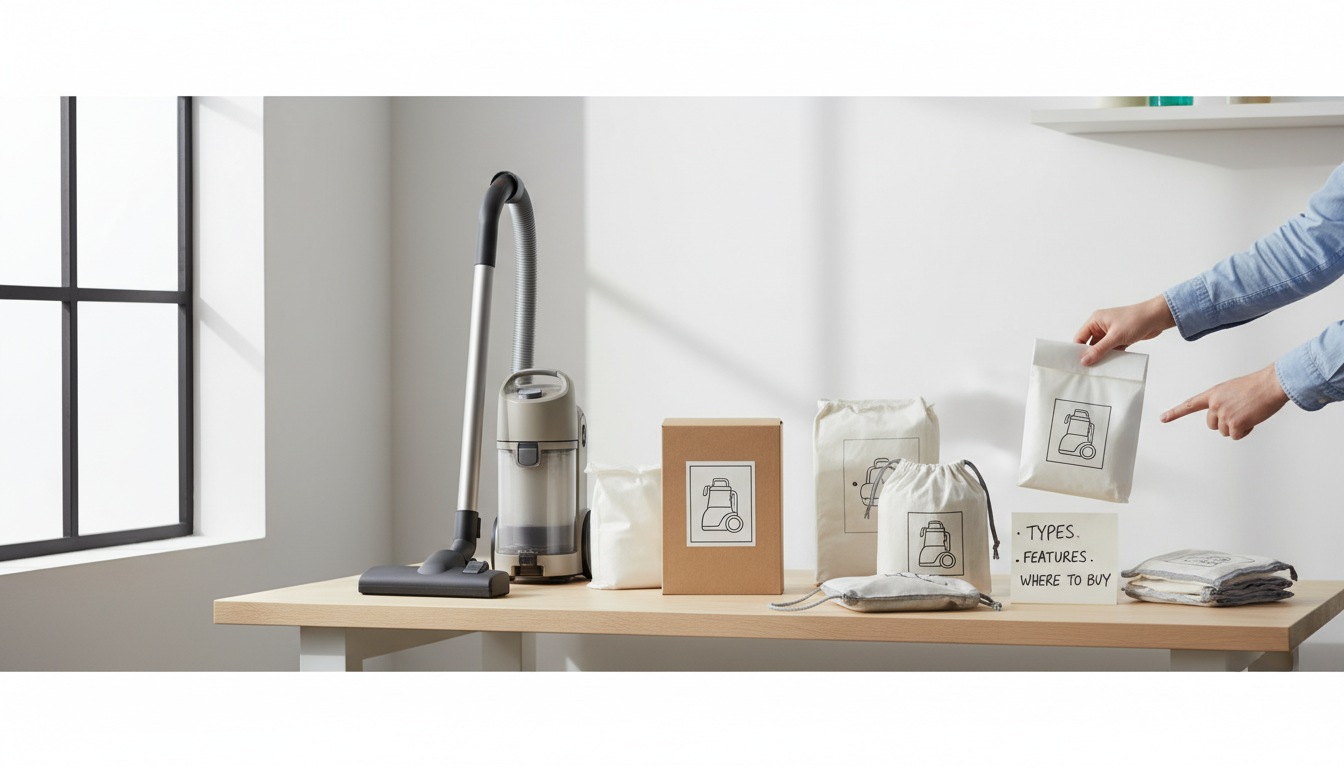
Buying Vacuum Cleaner Bags at Walmart: What to Look For and Alternatives
Vacuum Cleaner Decision Framework
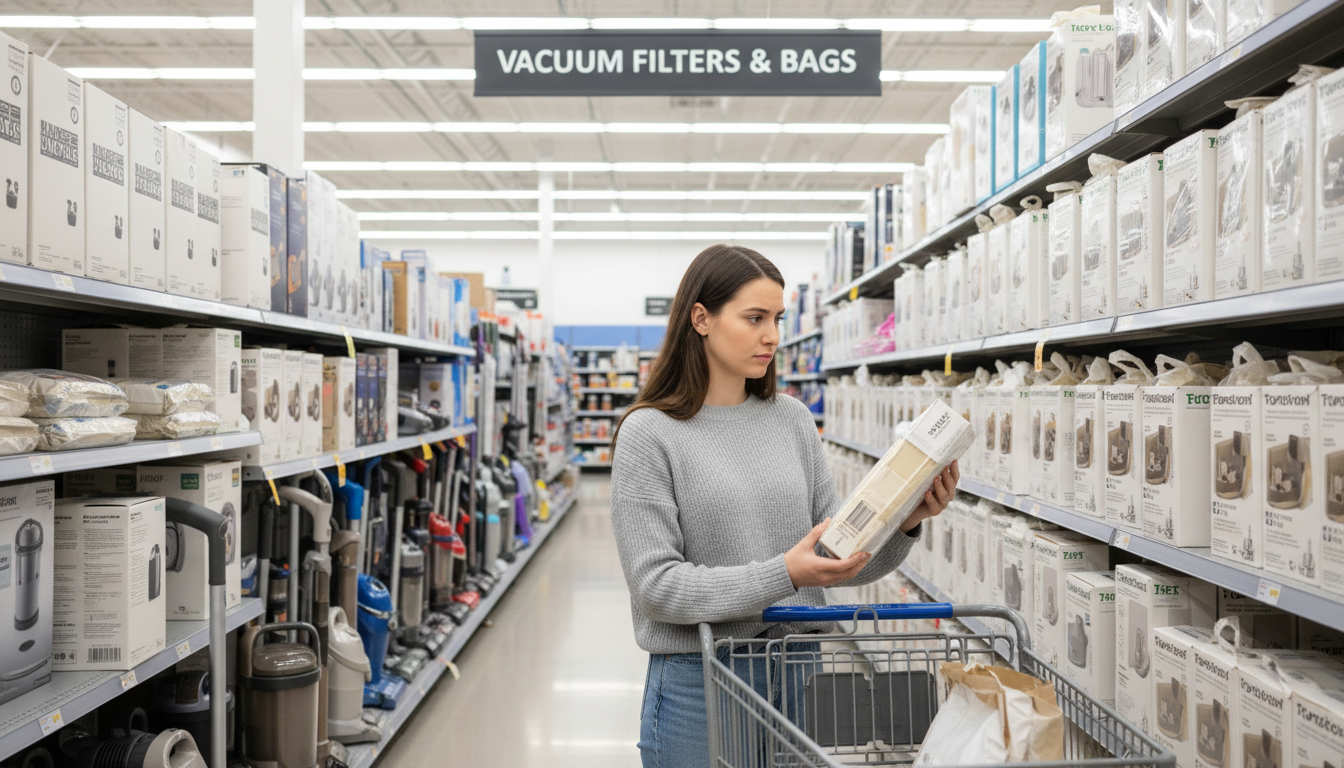
When searching for vacuum cleaner bags and associated filters at Walmart, you're looking for practical solutions to maintain your appliance's performance. This guide is designed for bagged vacuum cleaner owners across various brands—including upright, canister, handheld, and sweeper models—who need replacement bags, HEPA filters, or pre-motor filters and are considering Walmart as their purchasing destination. Your intent likely involves finding compatible, effective, and readily available options.
Selecting the correct replacement parts is crucial for your vacuum's efficiency, longevity, and indoor air quality. An ill-fitting bag or an incompatible filter can diminish suction, lead to premature motor wear, or allow dust and allergens to recirculate. The decision path involves identifying your specific vacuum model's requirements, understanding the types of bags and filters available, and evaluating compatibility and quality to ensure an optimal fit and performance. This framework will help you navigate the options at Walmart, focusing on key criteria to make an informed choice for your cleaning needs.
Vacuum-Cleaner Evidence buying criteria
When evaluating vacuum cleaner bags at Walmart, a structured approach helps ensure you select a product that meets your needs and maintains your vacuum's performance. The diverse inventory means careful consideration of specific criteria is essential to avoid common pitfalls.
-
Features: Compatibility and Filtration
- Exact Model Compatibility: The most critical feature is ensuring the bag is designed for your specific vacuum cleaner model and type (e.g., upright, canister, handheld). Check your vacuum's user manual or the existing bag for the precise model number or bag type (e.g., Type A, Type C). Bags advertised as "universal" may not provide an optimal seal, impacting suction.
- Filtration Level: Bags offer varying levels of filtration. Standard bags capture general dust and debris. HEPA-rated bags are designed to trap a higher percentage of microscopic particles, including allergens and pet dander, which can be a key consideration for households with allergy sufferers or pets.
-
Cost: Value and Longevity
- Price Per Bag: Evaluate the cost-effectiveness of multi-pack options versus single bags. While a larger pack might have a higher upfront cost, it often reduces the price per individual bag.
- Original vs. Compatible: Walmart typically stocks both original equipment manufacturer (OEM) bags and compatible aftermarket alternatives. OEM bags are designed specifically for your vacuum, often ensuring a precise fit and filtration performance. Compatible bags can be a lower-cost option, but their fit and material quality can vary, potentially affecting vacuum efficiency and lifespan.
-
Risk: Performance and Damage
- Improper Fit: A bag that doesn't fit correctly can lead to several issues. It may reduce suction power, allow dust to escape into the vacuum's motor compartment (leading to potential damage), or even burst inside the vacuum. Customer reviews sometimes highlight fit issues with certain compatible bags.
- Subpar Filtration: Using bags with inadequate filtration can compromise indoor air quality, allowing fine dust and allergens to recirculate. This risk is particularly relevant for individuals sensitive to airborne particles.
-
Fit: Use Case and Maintenance
- Household Needs: Consider your typical cleaning environment. Homes with pets or high foot traffic may benefit from larger capacity bags or those with enhanced odor-absorbing properties. Allergy sufferers should prioritize HEPA-rated options.
- Vacuum Type and Usage: The bag type must match your vacuum's design. Upright vacuums often use different bag designs than canister or handheld models. If you use your vacuum frequently, purchasing bags in bulk might be more convenient.
Vacuum-Cleaner Use Case options and use cases
When considering vacuum cleaner bags at Walmart, your specific cleaning needs and environment should guide your selection. Different bag types offer varying levels of filtration and durability, impacting not only your vacuum's performance but also the air quality in your home. Understanding these options helps align your purchase with your household's demands.
Standard Single-Layer Paper Bags
These are the most basic and often the most economical option. They are suitable for general household dust and debris in environments without specific air quality concerns.
- Pros:
- Generally the least expensive.
- Widely available for many older or basic vacuum models.
- Cons:
- Lower filtration efficiency, allowing fine dust particles and allergens to escape back into the air.
- More prone to tearing if sharp objects are vacuumed.
- Can reduce suction more quickly as pores clog.
- Reader Scenario: Ideal for occasional cleaning in homes with no allergy sufferers, pets, or significant fine dust accumulation.
Multi-Layer Synthetic Bags
These bags are constructed from multiple layers of synthetic materials, offering improved filtration and durability compared to standard paper bags. They are a common upgrade for many vacuum models.
- Pros:
- Enhanced filtration, trapping more fine particles and allergens.
- Stronger and more resistant to punctures or tears.
- Maintain airflow and suction better as they fill.
- Cons:
- Typically more expensive than single-layer paper bags.
- Availability can vary by vacuum model.
- Reader Scenario: A good all-around choice for most households, especially those with light to moderate pet dander, common dust, or mild allergy concerns.
HEPA-Rated Bags
High-Efficiency Particulate Air (HEPA) bags are designed to capture a very high percentage of microscopic particles, including allergens, pet dander, pollen, and dust mites. For a bag to be truly HEPA-rated, it must meet specific filtration standards.
- Pros:
- Superior air filtration, significantly improving indoor air quality.
- Essential for allergy and asthma sufferers.
- Often feature multi-layer construction for durability.
- Cons:
- Highest cost among bag types.
- May slightly restrict airflow in some older vacuum models not designed for HEPA filtration, potentially impacting suction.
- Less common for all vacuum models, requiring careful compatibility checks.
- Reader Scenario: Crucial for homes with severe allergy sufferers, asthma, multiple pets, or high levels of fine particulate matter. Always verify your vacuum is designed to support HEPA filtration to maximize benefits.
Vacuum-Cleaner Trade-Offs mistakes to avoid
When purchasing vacuum cleaner bags, particularly from a general retailer, certain missteps can lead to poor performance, wasted money, or an incompatible product. Understanding common pitfalls and how to mitigate them can streamline your purchase and ensure your vacuum operates effectively.
A primary mistake is neglecting to verify your vacuum cleaner's specific model number and required bag type. Many vacuum models, even from the same brand, use distinct bag designs. An incorrect fit can lead to reduced suction, dust leakage, or damage to your vacuum. Always cross-reference the bag's stated compatibility with your vacuum's exact model.
Another common oversight involves filtration capabilities. While all bags contain debris, not all offer the same level of filtration. Choosing a standard bag when your household could benefit from HEPA-rated filtration (for allergies or pet dander) represents a missed opportunity for improved air quality. Conversely, overspending on advanced filtration you don't need is an unnecessary expense. Consider your household's specific needs before making a selection.
Prioritizing the lowest price without assessing quality is another trade-off that can backfire. Cheaper, generic bags might use thinner materials or have less robust seals, potentially tearing or allowing dust to escape. This can compromise your vacuum's efficiency and cleanliness. Look for indicators of quality, such as durable multi-layer construction or reinforced collars, even in more budget-friendly options.
Before finalizing your purchase, consider these quality checks:
- Packaging Clarity: Does the packaging clearly list compatible vacuum models and bag types? Ambiguous labeling can be a red flag.
- Material Inspection: If possible, assess the bag material for thickness and durability. A flimsy feel might indicate lower quality.
- Seal Integrity: Examine the bag's collar or connection point. It should appear robust and designed for a secure fit.
Finally, always review the retailer's return policy for vacuum bags before buying, especially if you are unsure about compatibility. Knowing you have the option to return an ill-fitting or defective product can reduce risk and provide peace of mind.
Vacuum Cleaner Bags At Walmart FAQ
Navigating the selection of vacuum cleaner bags at a large retailer like Walmart can bring specific questions about value, availability, and compatibility. Understanding these points can help ensure you make an informed purchase.
-
How does the pricing of vacuum cleaner bags at Walmart typically compare? Walmart often provides competitive pricing for vacuum cleaner bags, particularly for widely used models and multi-pack options. Prices can fluctuate based on the brand (original equipment manufacturer or OEM vs. generic), the type of filtration offered (standard versus HEPA), and the quantity in a pack. To accurately assess value, it's often more beneficial to compare the unit cost per bag rather than the overall pack price.
-
What alternatives exist if I cannot find my specific vacuum bags at Walmart? If your particular vacuum bag type isn't available at Walmart, several other avenues can provide suitable replacements:
- Specialty Vacuum Stores: These retailers often stock a broader range of bag types, including those for older or less common vacuum models, and their staff can offer expert guidance on compatibility.
- Online Retailers: Websites dedicated to vacuum parts or general e-commerce platforms typically feature an extensive selection, including niche brands and bulk purchasing options. Careful verification of your vacuum's model number is crucial when buying online.
- Manufacturer Websites: Purchasing directly from the vacuum cleaner manufacturer's website guarantees genuine OEM bags and perfect compatibility, though prices might be higher.
- Generic/Aftermarket Brands: Many retailers, both online and brick-and-mortar, offer generic alternatives. While often more budget-friendly, it's important to research their fit, filtration claims, and overall quality.
-
What are common mistakes to avoid when purchasing vacuum cleaner bags, especially from a general retailer? When buying vacuum bags, particularly from a broad selection like Walmart's, certain errors can lead to dissatisfaction or reduced vacuum performance:
- Overlooking the Exact Model Number: The most frequent mistake is selecting bags based on visual appearance rather than confirming the precise model number and bag type specified in your vacuum's manual. An incorrect fit can compromise suction and filtration.
- Disregarding Filtration Specifications: Not verifying the bag's filtration level (e.g., standard, allergen, HEPA) can impact indoor air quality, especially for households with allergy sufferers.
- Assuming Universal Compatibility: Few vacuum bags are truly universal. Always confirm that the bag is specifically designed for your vacuum's make and model to ensure proper sealing and function.
- Prioritizing Only the Lowest Price: While cost is a factor, bags that are significantly cheaper may offer inferior filtration, be prone to tearing, or even risk dust leakage, potentially affecting your vacuum's longevity and cleanliness.
Vacuum-Cleaner-Pick buying path
Successfully purchasing vacuum cleaner bags at Walmart hinges on one primary factor: precise compatibility with your vacuum cleaner's make and model. While Walmart offers a range of options, from brand-specific to generic alternatives, the effectiveness of your purchase directly correlates with selecting the correct bag type designed for your particular machine. Filtration capabilities, such as HEPA standards, are secondary considerations that enhance air quality but do not override the necessity of a proper fit.
To proceed with confidence, your next action depends on your current knowledge of your vacuum:
- If you know your vacuum's specific make, model number, and required bag type (e.g., "Hoover Type Y," "Kenmore 50558," "Bissell Style 7"), you are prepared to compare available options at Walmart based on filtration, pack size, and value.
- If you are unsure of your vacuum's exact model or bag type, your immediate next step is to locate this crucial information. Check your vacuum cleaner's body for a label, consult the original owner's manual, or visit the manufacturer's website. This step is essential to prevent purchasing incompatible bags that can compromise vacuum performance and air quality.
Once you have identified your vacuum's requirements, you can effectively navigate Walmart's selection, ensuring your purchase aligns with both your vacuum's operational needs and your household's cleaning demands.
More in Vacuum Cleaner Bags
View All