Buying Vacuum Cleaner Bags at Target: What to Expect and Alternatives
Navigating Your Search for Vacuum Cleaner Bags at Target
For many household essentials, Target offers a convenient and accessible shopping experience. When it comes to replacement vacuum cleaner bags, it's a natural first stop for consumers looking to quickly restock. However, the specific retail landscape of a general merchandise store like Target presents both opportunities and potential limitations for finding the exact bags your vacuum requires.
This guide aims to equip you with realistic expectations for what you'll find when searching for vacuum cleaner bags at Target. We'll explore the typical range of availability, common challenges you might encounter, and how these compare to broader purchasing options online or at specialty retailers. Understanding these factors is crucial for making an informed decision that balances convenience with the need for proper fit and performance.
Selecting the correct vacuum bag is more than just a matter of size; it directly impacts your vacuum's operational efficiency and the air quality in your home. An ill-fitting or incorrect bag can compromise suction power, lead to dust re-entering the air, and potentially shorten the lifespan of your appliance. Therefore, careful consideration of compatibility and filtration is paramount, regardless of where you choose to purchase your replacements.
Target's Vacuum Bag Aisle: Selection, Availability, and Limitations
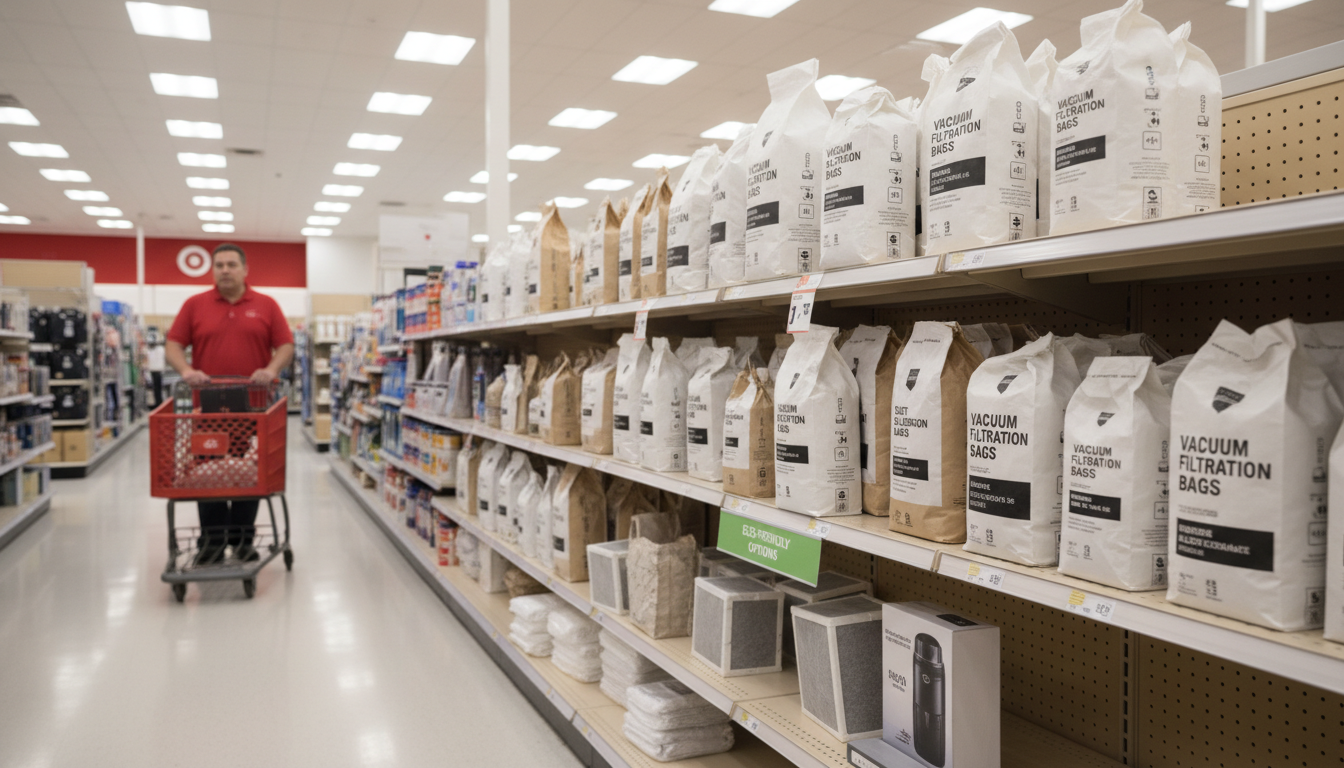
When you visit Target in search of vacuum cleaner bags, you'll typically encounter a selection geared towards popular and widely-used vacuum cleaner models. The immediate convenience of walking into a store and leaving with your purchase is a clear advantage, especially if you need a replacement bag without delay. This allows for instant gratification, avoiding shipping times and potential online ordering errors.
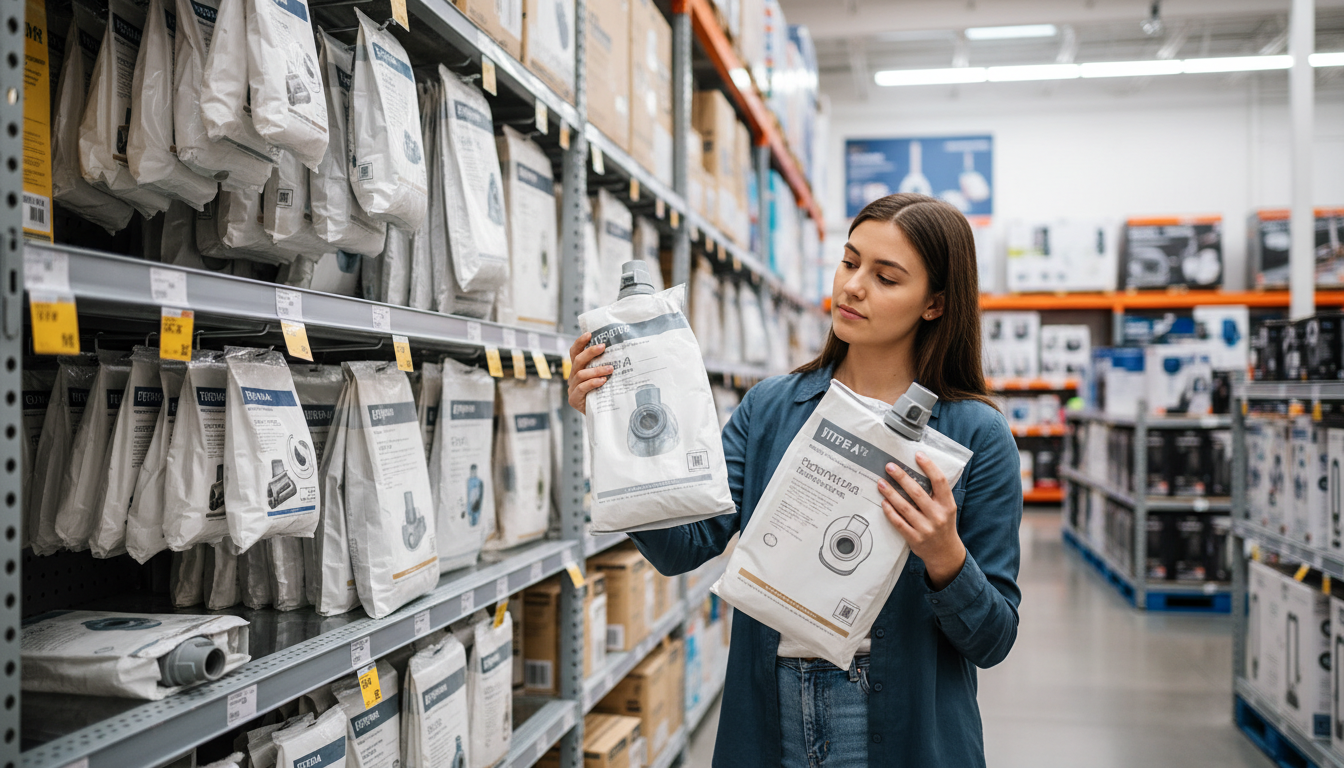
However, the in-store inventory at Target often reflects current market trends and high-demand products. You can generally expect to find bags compatible with common household vacuum brands such as Bissell, Hoover, and certain Kenmore types, particularly those for upright and canister models that are widely sold. These often include bags designed for popular styles (e.g., Bissell Style 7, Kenmore Type C/Q), which cater to a significant portion of the vacuum cleaner market.
Despite this convenience, the selection at Target has inherent limitations. Retail shelf space is finite, meaning stores prioritize products with high turnover. This often translates to a narrower range of options compared to what's available online or at specialty vacuum stores. You might find it challenging to locate bags for:
- Older or Discontinued Models: Vacuums that are several years old or no longer in production often require specific, harder-to-find bags.
- Niche or Specialized Brands: Brands with smaller market shares or professional-grade vacuums are rarely stocked.
- Specific Filtration Needs: While some basic HEPA-type bags might be available, specialized filtration options for allergens or pet dander may be limited.
This constrained selection can lead to frustration if your vacuum isn't a mainstream model, potentially resulting in an improper fit. An incorrect bag can compromise your vacuum's suction power and filtration effectiveness, allowing dust and debris to bypass the bag and potentially damage the motor or re-enter your home's air. For optimal performance and to avoid these issues, verifying your vacuum's exact model and required bag type before heading to Target is crucial.
Essential Criteria for Choosing the Right Vacuum Bag
Making an informed decision about vacuum cleaner bags extends beyond simply grabbing the first available option. Understanding key criteria ensures optimal vacuum performance, improved indoor air quality, and the longevity of your appliance. These foundational elements are critical, whether you're shopping at Target or exploring other retailers.
-
Compatibility is Paramount The most crucial factor is ensuring the bag precisely matches your vacuum cleaner's make and model. Vacuum bags are not universal; even within the same brand, different models require specific bag types. An ill-fitting bag can lead to several problems:
- Dust Leakage: Gaps around the bag seal allow dust, dirt, and allergens to escape back into your home's air and potentially into the vacuum's motor.
- Reduced Suction: If the bag doesn't fit correctly, airflow can be compromised, significantly diminishing the vacuum's ability to pick up debris.
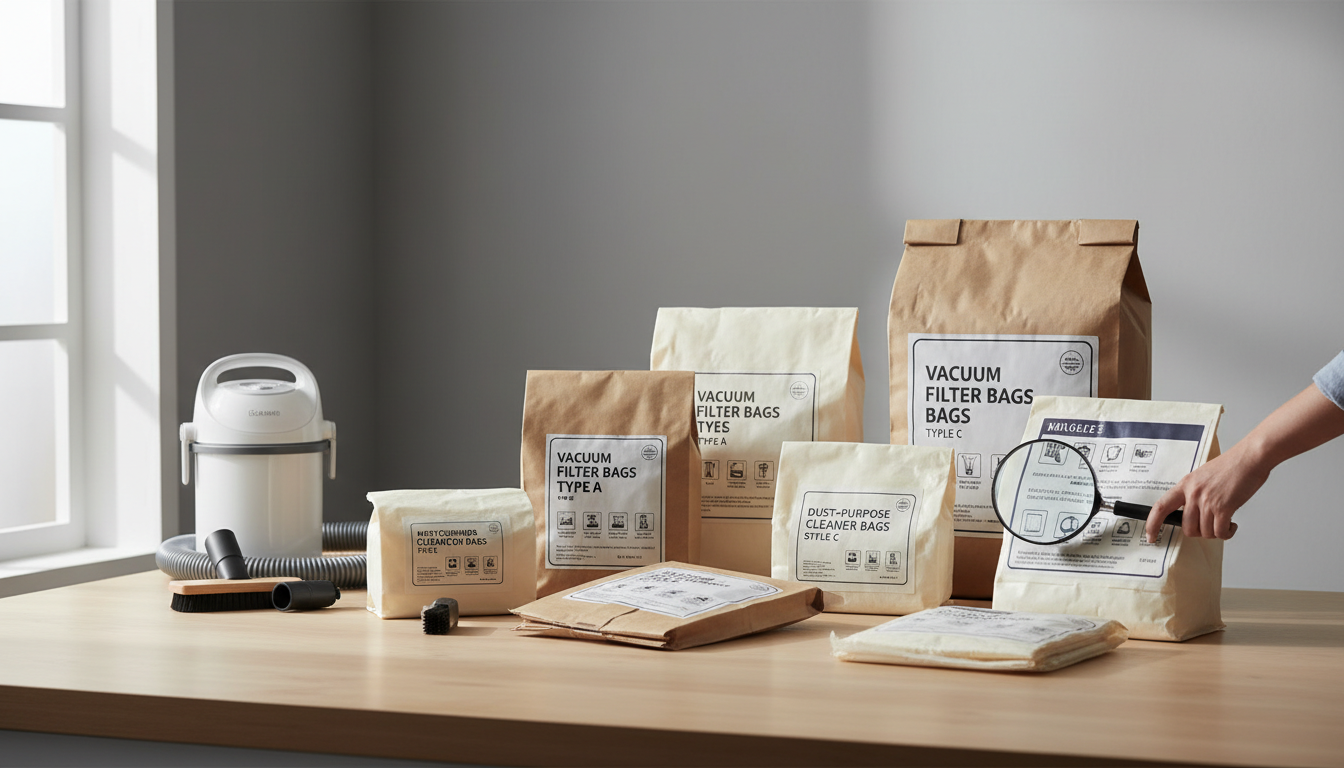
- Motor Damage: Escaped fine particles can accumulate in the motor, leading to overheating and premature wear, potentially shortening the vacuum's lifespan. Always consult your vacuum's user manual or check the existing bag for the specific brand, model number, or bag style code (e.g., "Type A," "Style 7").
-
Filtration Levels and Air Quality The bag acts as a primary filter, trapping debris and preventing it from recirculating. Different bags offer varying levels of filtration, directly impacting indoor air quality.
- Standard Bags: Typically single-layer paper, these bags capture larger particles but may allow fine dust and allergens to pass through.
- Multi-Layer Bags: Constructed with multiple layers of synthetic material, these offer improved filtration, trapping smaller particles more effectively.
- HEPA Filtration: Bags labeled as HEPA (High-Efficiency Particulate Air) are designed to capture a minimum of 99.97% of airborne particles 0.3 microns in size. This is particularly beneficial for allergy sufferers, pet owners, and anyone concerned about microscopic irritants like dust mites, pollen, and pet dander. While HEPA bags can sometimes create slightly more airflow resistance, the air quality benefits are substantial.
-
Material Quality and Durability The construction material of the vacuum bag influences its durability and effectiveness in retaining debris.
- Paper Bags: Economical but more prone to tearing, especially if sharp objects are vacuumed. Once full, their pores can clog, reducing airflow and suction.
- Synthetic/Micro-filtration Bags: These multi-layer bags are generally more robust, less likely to tear, and maintain airflow more consistently as they fill. Their advanced material composition allows for better capture of fine particles while resisting clogging, which helps sustain suction power throughout the bag's use. A torn or compromised bag will allow dust to escape, negating its purpose and potentially harming the vacuum.
-
OEM vs. Third-Party Options When selecting bags, you'll encounter both Original Equipment Manufacturer (OEM) bags and third-party or aftermarket alternatives.
- OEM Bags: These are manufactured by the vacuum cleaner brand itself. They offer a guaranteed fit and are designed to meet the manufacturer's performance and filtration standards. While often more expensive, they ensure optimal performance and can prevent issues related to poor fit or material quality.
- Third-Party Bags: Produced by other manufacturers, these are typically more affordable. However, quality can vary significantly. Some third-party bags offer comparable performance and fit, while others may have inconsistent dimensions, inferior filtration materials, or weaker seams. A poorly made third-party bag can lead to dust leakage, reduced suction, and potentially strain the vacuum's motor, impacting its lifespan. It's crucial to research reviews and ensure the third-party option has a reputation for reliable fit and performance.
Target vs. The World: Exploring Alternative Retailers for Vacuum Bags
While Target offers a convenient option for certain household purchases, including some vacuum cleaner bags, it's beneficial to consider the broader retail landscape for these essential replacements. Other purchasing avenues often present distinct advantages in terms of selection, pricing, and specialized support, which can be crucial for ensuring optimal vacuum performance and longevity. Understanding these alternatives helps in making an informed decision beyond immediate convenience.
- Online Retailers (e.g., Amazon, dedicated vacuum parts sites): Online platforms typically offer the most extensive selection of vacuum cleaner bags. This includes bags for a vast array of brands, models, and even older or less common vacuum cleaners that might not be stocked in general merchandise stores. Competitive pricing is common due to lower overheads and the ability to compare multiple sellers. Many online retailers also provide bulk purchase options, which can reduce the per-bag cost over time. The primary trade-off is the need to wait for shipping, and careful attention to model numbers is required to avoid ordering incorrect bags.
- Specialty Vacuum Stores: These dedicated retailers focus exclusively on vacuum cleaners and their accessories. They often stock a comprehensive range of bags, including hard-to-find types and premium filtration options. A significant advantage is the expert advice available from staff who can help identify the precise bag needed for your specific vacuum model, troubleshoot issues, and offer insights into filtration types. While prices might sometimes be higher than online discounters, the value comes from guaranteed compatibility and personalized service.
- Manufacturer Websites: Purchasing directly from a vacuum cleaner manufacturer's website provides assurance of genuine, compatible bags. This route guarantees the correct fit and adherence to the original specifications, including filtration standards. Manufacturer sites also serve as a reliable source for official product information and sometimes offer bundles or subscriptions for replacement parts. The selection is limited to their own brand, and pricing may be at a premium compared to third-party options.
When weighing these options against Target, consider the trade-offs. Target excels in immediate, in-person convenience for popular models. However, online retailers offer unparalleled selection and competitive pricing, albeit with a shipping delay. Specialty stores provide expert guidance and access to niche products, which can be invaluable for less common models or specific filtration needs. Manufacturer websites ensure authenticity and perfect compatibility. The cost of vacuum bags can vary significantly across these channels, with online options often presenting more budget-friendly choices, while specialty stores and manufacturer sites might carry higher-priced, genuine or specialized bags. This cost contributes to the overall expense of maintaining a bagged vacuum cleaner, a factor often considered when comparing bagged versus bagless vacuum systems.
Avoiding Common Pitfalls When Buying Replacement Vacuum Bags
Navigating the purchase of replacement vacuum cleaner bags, whether at Target or elsewhere, involves several potential pitfalls that can impact performance, cost, and even the longevity of your appliance. Being aware of these common issues can help you make a more informed choice and prevent frustration.
-
Incorrect Bag Fit and Its Consequences Purchasing a bag that doesn't precisely match your vacuum cleaner's model is a primary risk. Even slight discrepancies in size or connection type can lead to significant problems.
- Reduced Suction: An ill-fitting bag can create gaps, allowing air to bypass the filtration system. This compromises the vacuum's ability to create a strong seal, directly leading to diminished suction power.
- Dust Leakage: Gaps around the bag's collar or an improperly sealed bag can allow fine dust and allergens to escape back into your home's air, defeating the purpose of vacuuming. Evidence suggests that even minor rips or tears in the bag can result in dust and contaminants returning to the home.
- Vacuum Damage: When dust bypasses the bag, it can accumulate in the motor and other internal components, potentially causing overheating, reduced efficiency, and premature wear.
-
Compromised Performance from Generic or Low-Quality Bags While cost-effective, not all replacement bags are created equal. Generic or lower-quality options, sometimes found in general merchandise stores, might not offer the same filtration efficiency or material strength as manufacturer-specific bags.
- Impaired Airflow: Bags made from thinner or less breathable materials can restrict airflow, forcing your vacuum's motor to work harder and reducing its effective cleaning power.
- Premature Clogging: Some bags may fill faster or clog more easily due to inferior filtration media, requiring more frequent changes and negating any initial cost savings.
- Reduced Filtration: The primary function of a vacuum bag is to trap dust and allergens. Lower-quality bags may have larger pores, allowing smaller particles to pass through and re-enter your indoor environment.
-
Environmental Considerations of Disposable Bags The environmental impact of disposable vacuum bags is a factor for many consumers. Most traditional vacuum cleaner bags are not designed for recycling.
- Landfill Contribution: The vast majority of vacuum bags, once full, are destined for landfills. This contributes to waste and the associated environmental costs.
- Non-Recyclable Materials: The multi-layered construction of many vacuum bags, often incorporating paper, synthetic fibers, and adhesives, makes them difficult or impossible to process through standard recycling programs.
-
Challenges with Returns for Opened or Incorrect Purchases Retailers, including Target, often have policies regarding the return of opened or used hygiene products.
- Hygiene Restrictions: Once a vacuum bag is opened or installed, even if unused, it may be deemed a hygiene product, making it ineligible for return or exchange.
- Proof of Purchase: Always retain your receipt. Without it, returning an incorrect or unwanted item can be challenging, particularly if the item was purchased in error or does not fit.
- Time and Effort: Dealing with returns for an inexpensive item like a vacuum bag can consume valuable time and effort, underscoring the importance of verifying compatibility before you buy.
Maximizing Your Vacuum's Performance with the Right Bag
Ensuring your vacuum cleaner operates at its best goes beyond just having a working motor; the bag plays a critical role in both collection and filtration. Choosing and maintaining the correct bag is essential for effective cleaning, optimal air quality, and the longevity of your appliance. Understanding how to manage your vacuum bags properly can significantly enhance your cleaning routine, regardless of where you source your replacements.
Identifying the Correct Bag
The foundation of optimal vacuum performance begins with using the precise bag designed for your model. An incorrect bag can lead to poor fit, dust leakage, and reduced suction.
- Consult Your Vacuum: The most reliable place to find your vacuum's bag requirements is often directly on the appliance. Look for a label or sticker, typically located on the vacuum's body, inside the bag compartment, or on the underside. This label usually specifies the brand, model number, and the exact bag type or series number (e.g., "Type Y," "Style 7," "Bag 5055").
- Owner's Manual: If no label is visible, refer to your vacuum cleaner's owner's manual. It will list the compatible bag types and often include diagrams for identification.
- Manufacturer's Website: As a last resort, visit the manufacturer's official website. Input your vacuum's model number into their support or parts section to find the correct bag specifications.
Proper Bag Installation
Once you have the correct replacement bag, installing it properly is key to preventing dust escape and maintaining suction.
- Unplug First: Always unplug your vacuum cleaner from the power outlet before opening any compartments. This is a crucial safety step.
- Open Compartment: Locate and open the bag compartment, which might be a latch, clip, or lever depending on your vacuum's design.
- Remove Old Bag: Carefully detach the old, full bag. Many modern bags have a self-sealing collar that closes when removed, minimizing dust exposure. Dispose of it according to local guidelines.
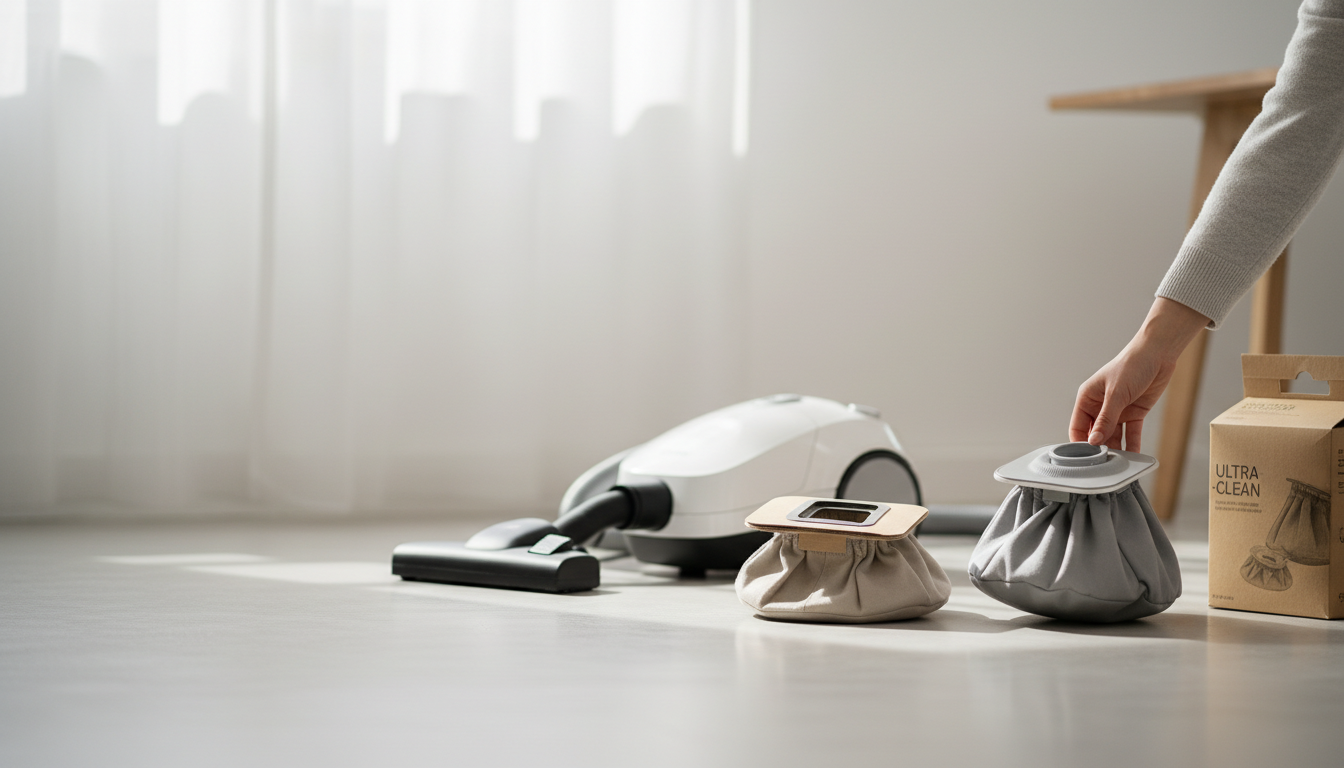
- Insert New Bag: Align the new bag's cardboard collar or plastic fitting with the vacuum's intake port inside the compartment. Push it firmly into place, ensuring a tight seal around the opening. The bag should sit unfolded within the compartment without being crammed or creased, allowing it to expand fully.
- Close Compartment: Securely close the bag compartment until it latches properly. A loose compartment can lead to air leaks and reduced suction.
When to Replace Your Vacuum Bag
Waiting until a vacuum bag is completely bursting with debris can severely hinder your vacuum's effectiveness and put strain on its motor. Regular monitoring and timely replacement are crucial.
- Reduced Suction: The most common indicator is a noticeable drop in suction power. As a bag fills, airflow becomes restricted, making the vacuum less efficient at picking up dirt.
- Visible Fullness: Many vacuums have an indicator light or a clear window on the bag compartment to show when the bag is full or nearing capacity. Pay attention to these visual cues.
- Odor: A lingering stale or dusty odor during vacuuming can signal that the bag is full of trapped particles and needs changing.
- Before Completely Full: For optimal performance, consider replacing the bag when it's about two-thirds to three-quarters full, rather than waiting for it to be completely packed. This ensures consistent airflow and filtration.
Benefits of Timely Replacement
Proactive bag replacement offers several advantages that directly impact your cleaning experience and home environment.
- Improved Suction Power: A fresh, empty bag allows for unrestricted airflow, restoring your vacuum's maximum suction capability and ensuring thorough dirt and debris collection.
- Better Air Quality: Vacuum bags act as filters, trapping dust, allergens, and pet dander. Replacing a full bag prevents these particles from being recirculated back into your home's air, contributing to a cleaner, healthier indoor environment.
- Extending Vacuum Life: An overfilled bag forces the vacuum's motor to work harder to pull air through restricted pathways, leading to overheating and potential premature wear. Regular bag changes reduce this strain, helping to prolong the lifespan of your vacuum cleaner.
Frequently Asked Questions About Vacuum Cleaner Bags
Understanding the nuances of vacuum cleaner bags can significantly impact your cleaning efficiency and indoor air quality. Here are answers to common questions buyers have when considering replacement bags.
Can I use any vacuum bag in my vacuum cleaner?
No, vacuum cleaner bags are not universally interchangeable. Each vacuum cleaner model is designed to work with a specific type and size of bag. Using an incorrect bag can lead to a poor fit, allowing dust and debris to escape back into the air or into the vacuum's motor, which compromises filtration and can damage the appliance. Always check your vacuum cleaner's make, model number, and the required bag type before purchasing replacements.
Are generic vacuum bags as good as original manufacturer bags?
The quality of generic (third-party) vacuum bags can vary. While some generic options offer comparable performance and filtration to original manufacturer (OEM) bags at a lower cost, others may not meet the same standards for fit, material durability, or filtration efficiency. OEM bags typically guarantee a precise fit and adherence to the vacuum manufacturer's specifications for filtration. When considering generic alternatives, it's advisable to verify compatibility and read reviews to assess their effectiveness and potential trade-offs.
How often should I change my vacuum bag?
You should change your vacuum bag when it is approximately two-thirds to three-quarters full, or when you notice a decrease in suction power. An overfilled bag restricts airflow, which reduces your vacuum's ability to pick up dirt effectively and can strain the motor. Some vacuums have an indicator light that signals when the bag needs changing. Regular replacement ensures optimal performance and prevents dust from escaping.
Do vacuum bags affect the vacuum's suction power?
Yes, vacuum bags directly impact suction power. As a vacuum bag fills with dirt and debris, the pores in the bag material become clogged. This restriction in airflow makes it harder for the vacuum's motor to pull air through, leading to a noticeable decrease in suction. A clean, properly fitted bag allows for maximum airflow, maintaining your vacuum's optimal cleaning performance.
Are vacuum cleaner bags recyclable?
Most vacuum cleaner bags are generally not recyclable through standard curbside programs. They are typically made from multiple layers of materials, including paper, synthetic fibers, and sometimes plastic components, which are difficult to separate for recycling. Furthermore, the bags are filled with collected household dust, allergens, and debris, which contaminates the material and poses challenges for recycling facilities. It's best to dispose of used vacuum bags with your regular household waste, though you can check with your local waste management services for any specific guidelines in your area.
Making Your Final Decision: Where to Buy Your Vacuum Bags
Choosing where to purchase your replacement vacuum cleaner bags ultimately depends on a balance of your immediate needs, your vacuum's specific requirements, and your priorities regarding selection and price. While Target offers a convenient solution for some, it's essential to weigh its advantages against the broader market.
Target provides the immediate benefit of in-person purchase and quick acquisition, particularly for owners of widely popular vacuum models. Its aisles might stock common bag types for brands frequently found in general merchandise stores. However, this convenience often comes with a trade-off: a limited selection that may not cater to older, less common, or specialized vacuum cleaner models. This can lead to frustration if your specific bag isn't available, or worse, purchasing an ill-fitting alternative that compromises performance.
In contrast, online retailers and specialty vacuum stores offer a significantly expanded inventory. Online platforms typically feature bags for a vast array of brands and models, including those less commonly stocked in brick-and-mortar stores. This broad selection increases the likelihood of finding the exact bag specified by your vacuum's manufacturer, often at competitive prices due to a larger marketplace. Specialty vacuum stores, while potentially less numerous, provide expert advice and can often source niche or hard-to-find bags, ensuring precise compatibility and optimal filtration.
Consider the following framework to guide your decision:
- If you prioritize immediate availability and own a common vacuum model: Target can be a suitable option for a quick, in-person purchase, provided you verify its in-stock status beforehand.
- If you prioritize precise model compatibility, a broader selection, or competitive pricing: Online retailers are generally the more effective choice, offering the best chance to find an exact match for your vacuum.
- If you own an older, specialized, or less common vacuum and require expert guidance: A dedicated vacuum cleaner specialty store may offer the best support and access to specific parts.
Regardless of your chosen purchasing channel, the importance of compatibility and quality cannot be overstated. An incorrect bag can lead to reduced suction, inefficient filtration, and potentially allow dust and allergens to escape back into your home environment. Furthermore, an ill-fitting bag can strain your vacuum's motor or damage its internal components over time. Always prioritize finding a bag that explicitly matches your vacuum's make and model number, ensuring it meets the filtration standards recommended by the manufacturer. This commitment to proper fit and quality will safeguard your vacuum's performance and contribute to a cleaner, healthier home.
More in Vacuum Cleaner Bags
View All