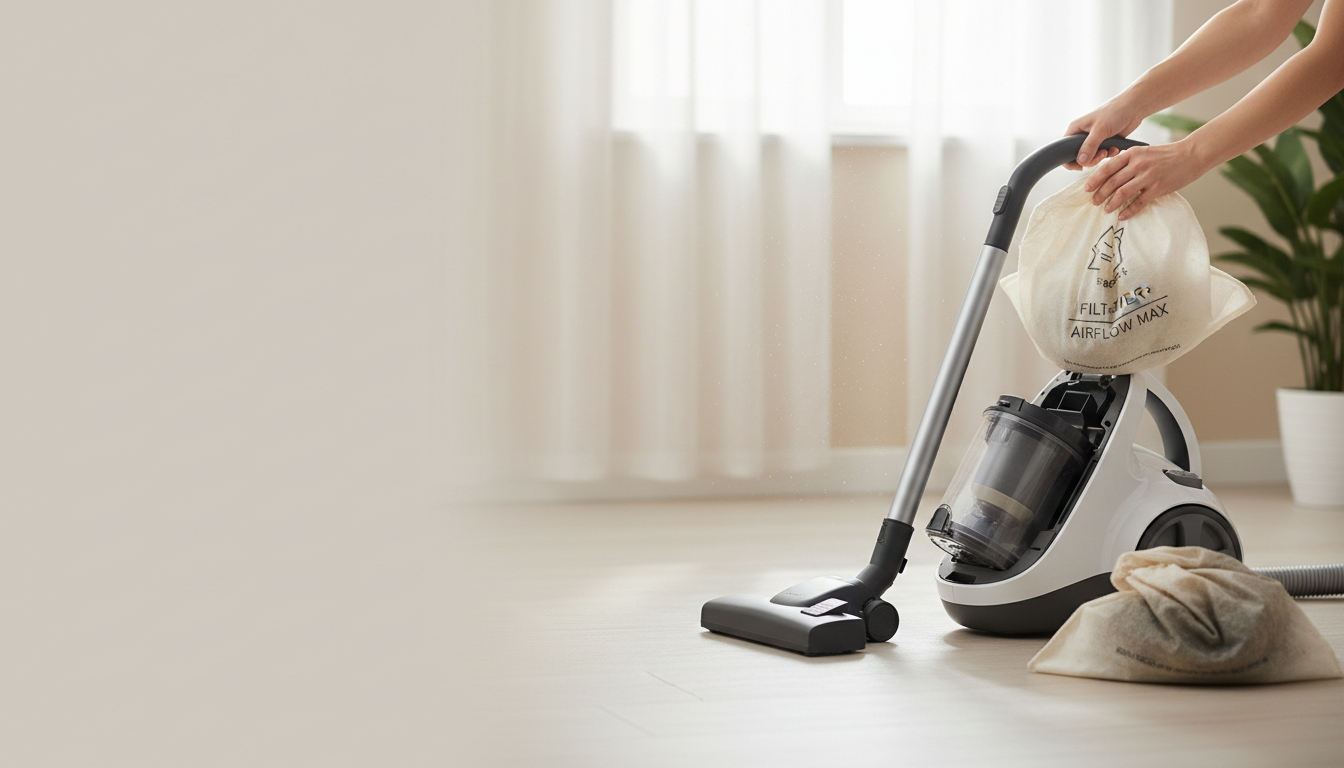
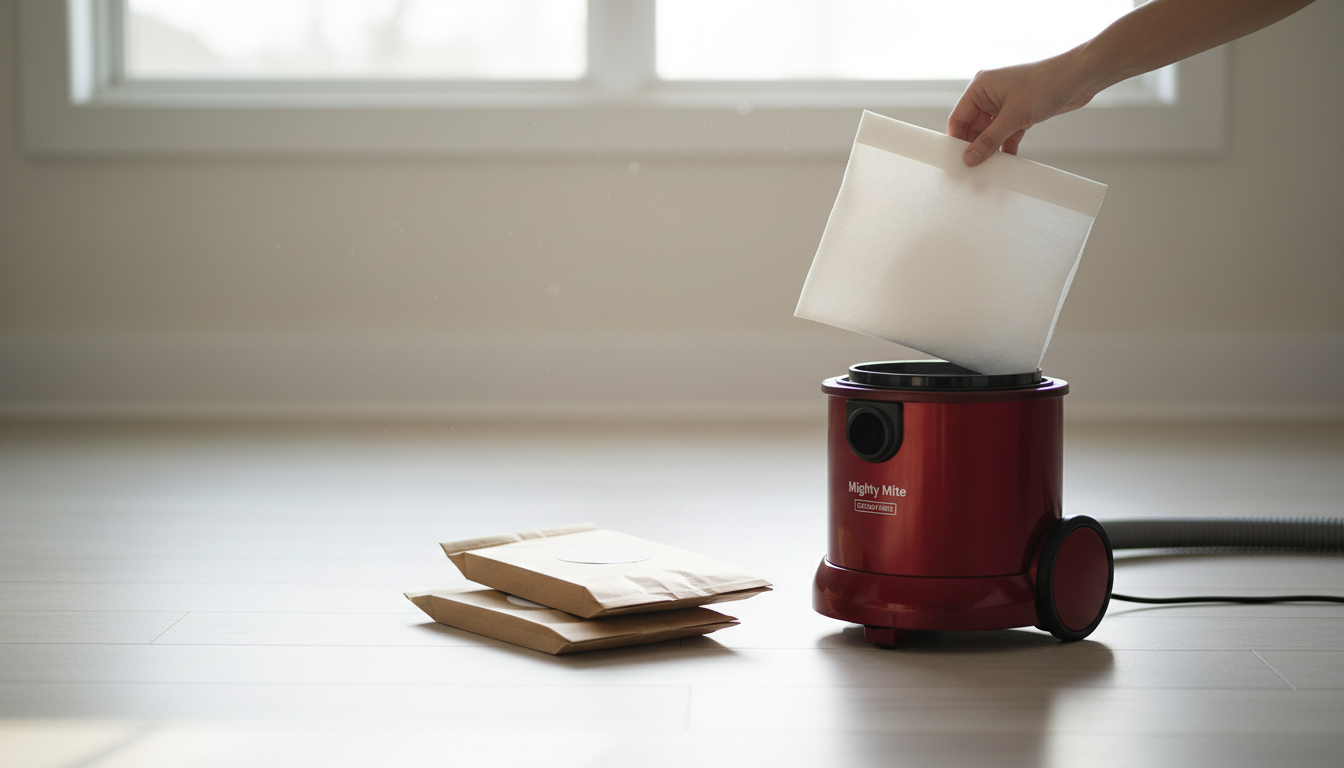
Understanding Type A Vacuum Cleaner Bags: Compatibility and Benefits
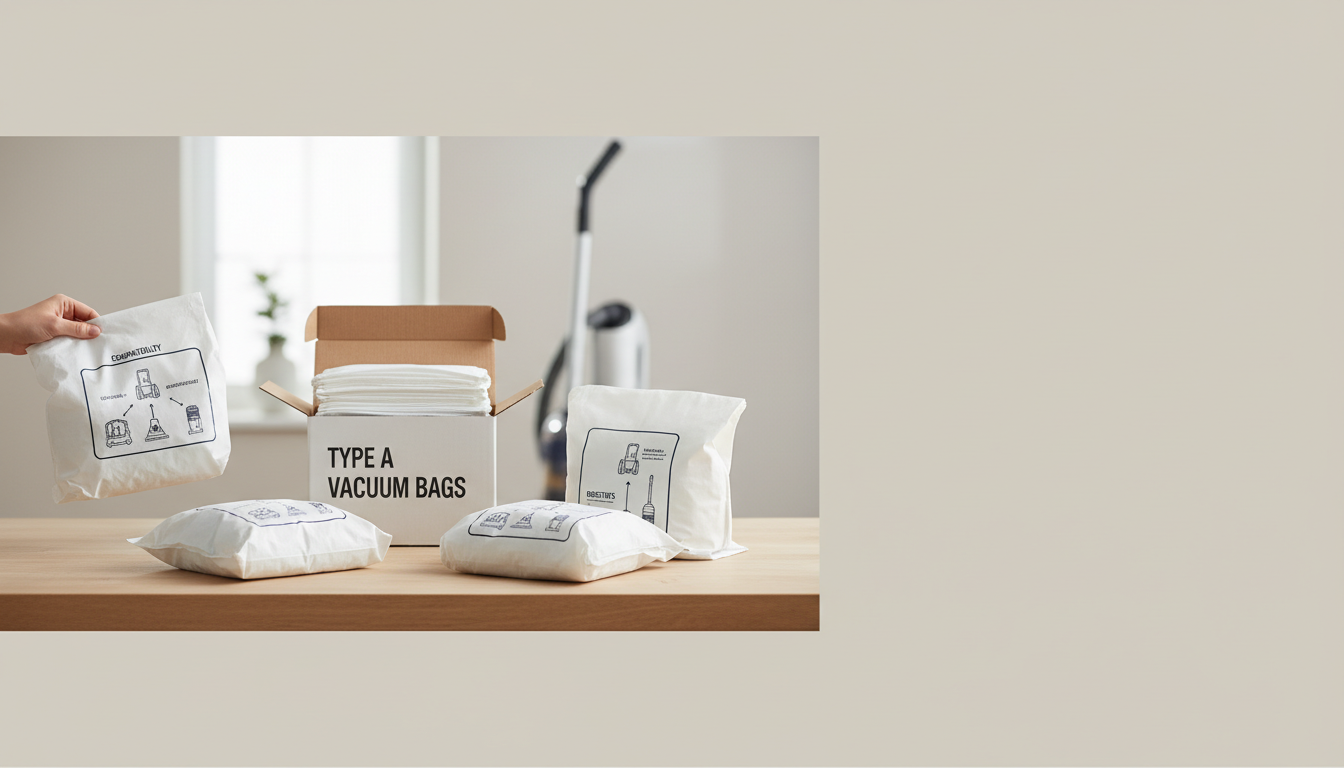
Decoding 'Type A': What You Need to Know About Vacuum Cleaner Bags
The world of vacuum cleaner bags often uses specific classifications, and 'Type A' is one such designation that can be crucial for maintaining your vacuum's performance. This label signifies a particular bag design, dimensions, and sometimes filtration capabilities, tailored by manufacturers for specific vacuum cleaner models or series. It's not a universal standard, but rather a unique identifier ensuring a precise fit.
Using the correct bag type, such as a 'Type A' when required, is fundamental for optimal vacuum function and home hygiene. An incompatible bag can lead to:
- Reduced Suction: Improper fit restricts airflow, diminishing cleaning power.
- Dust Leakage: Gaps allow dust and allergens to escape back into your home's air.
- Appliance Damage: Strain on the motor or internal components from inefficient operation.
This article aims to demystify the 'Type A' classification, guiding you through its significance, helping you identify if your vacuum requires it, and outlining key considerations to select the correct compatible product. Understanding these details ensures your vacuum operates efficiently, protecting both your appliance and indoor air quality.
The Role of Type A Bags in Your Vacuum's Performance
Vacuum cleaner bags are not merely receptacles for dirt; they are an integral component of your vacuum's filtration system. As air is drawn into the vacuum, the bag acts as the primary barrier, trapping dust, debris, and allergens while allowing clean air to pass through and exit the machine. This fundamental function directly impacts both the cleanliness of your home and the operational health of your vacuum.
Compromised bags can significantly diminish performance and hygiene. A bag with rips or tears, or one that is overfilled, can lead to fine dust and particles escaping back into your home's air, counteracting the purpose of vacuuming. Furthermore, an overfilled bag restricts airflow, forcing the vacuum's motor to work harder to maintain suction. This reduced efficiency translates to less effective cleaning and can put undue strain on the motor, potentially shortening the appliance's lifespan.
The 'Type A' designation for vacuum cleaner bags refers to a specific set of physical characteristics designed to ensure compatibility with certain vacuum models. This classification dictates critical elements such as the bag's overall dimensions, its capacity, and, most importantly, the design of its collar or connection port. The collar's shape, size, and sealing mechanism are precisely engineered to fit securely within the vacuum's intake system, preventing dust leakage and maintaining optimal airflow. While material composition can vary, many Type A bags incorporate multiple filtration layers to enhance particle capture.
The quality and correct fit of your vacuum bag directly influence your vacuum's longevity. A properly sealed and adequately filtering Type A bag protects the motor and internal components from abrasive fine dust, which can cause wear and tear over time. Using an ill-fitting or low-quality bag, even if it appears similar, risks allowing dust to bypass the filtration system, leading to internal contamination, reduced motor efficiency, and potential premature failure of the vacuum itself.
Advantages of Using Genuine Type A Vacuum Bags
Selecting the correct Type A vacuum bag offers distinct benefits beyond simply containing debris, contributing to both the cleaning efficacy of your vacuum and the air quality of your home. These advantages stem from their precise engineering to match specific vacuum models, ensuring optimal performance and longevity.
- Enhanced Filtration: Genuine Type A bags are typically constructed with multiple layers of specialized material, designed to trap fine dust, pet dander, and common allergens more effectively than standard or ill-fitting alternatives. This superior filtration prevents these microscopic particles from recirculating into your indoor air, a critical factor for households with allergy sufferers or pets.
- Sustained Suction Power: A correctly designed Type A bag maintains consistent airflow as it fills. Unlike generic bags that might prematurely restrict airflow, genuine bags are engineered to allow air to pass efficiently through the filtration media while retaining debris, helping your vacuum maintain optimal suction power throughout the bag's usable life. This prevents the motor from overworking and ensures a thorough clean.
- Motor Protection and Air Hygiene: The precise fit and robust construction of genuine Type A bags create a secure seal within the vacuum's housing. This prevents dust and debris from bypassing the bag and entering the motor compartment, which can lead to premature wear or damage. Furthermore, this secure containment ensures that collected waste remains sealed, preventing it from re-entering the air during operation or bag changes.
- Hygienic Disposal: Many genuine Type A bags incorporate features like self-sealing collars or durable, tear-resistant materials. These design elements minimize contact with collected dust and allergens during removal and disposal, offering a more hygienic experience compared to bags that may rip or leak.
- Avoidance of Performance Compromises: Using bags that are not specifically designated as Type A for your vacuum, or opting for ill-fitting generic versions, can lead to several drawbacks. These include reduced suction due to poor airflow, dust leakage that compromises air quality and potentially damages the motor, and the inconvenience of bags that tear or burst before they are full. Investing in the correct Type A bag ensures the vacuum operates as intended, safeguarding both its performance and your home environment.
Choosing the Right Type A Bag: Compatibility and Key Features
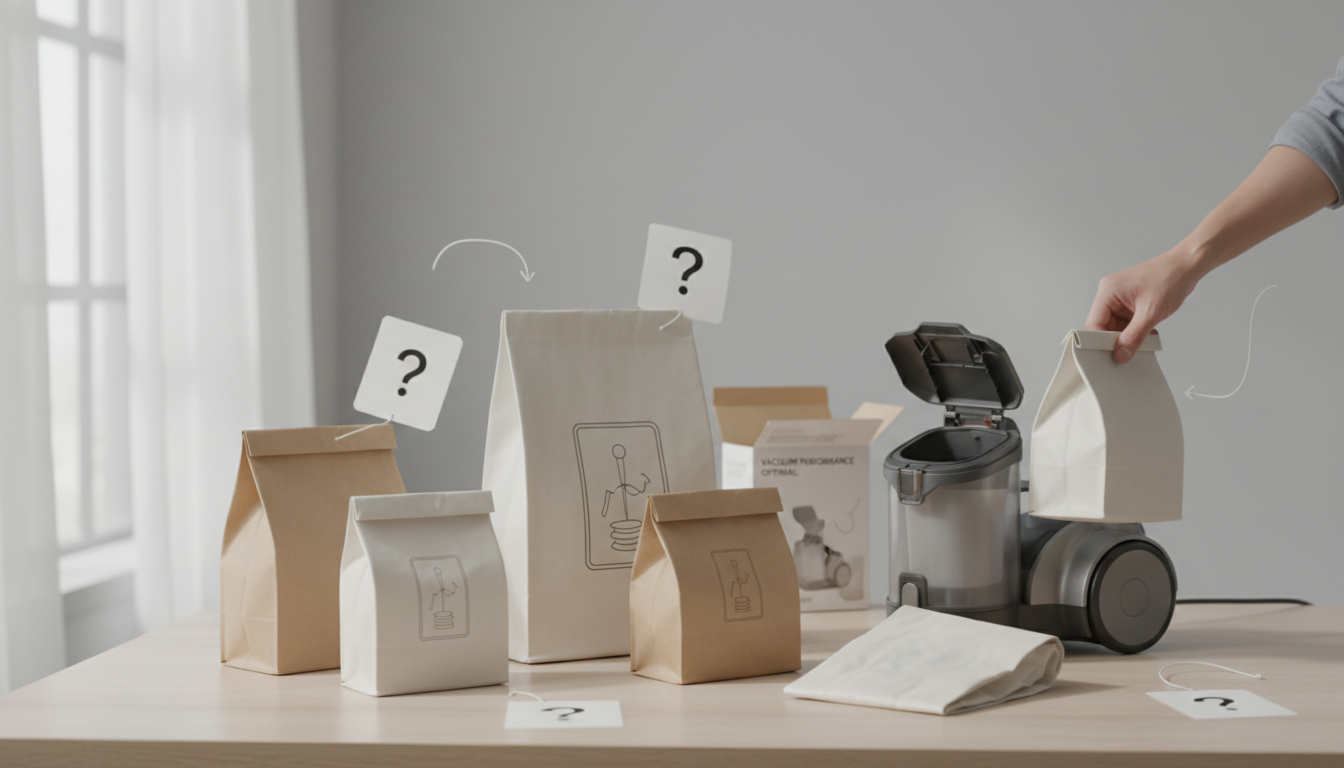
Selecting the correct Type A vacuum cleaner bag is essential for maintaining your vacuum's performance, filtration capabilities, and overall home hygiene. The "Type A" designation refers to a specific size, shape, and connection mechanism designed to fit particular vacuum models. Misidentifying the required bag type can lead to poor suction, dust leakage, or even damage to the vacuum.
To ensure you acquire the appropriate Type A bag, follow these steps for verification:
- Consult Your Vacuum's User Manual: The most reliable source for bag compatibility is your vacuum cleaner's original user manual. It will explicitly state the required bag type, often including the "Type A" designation if applicable to your model.
- Inspect Your Vacuum Cleaner: Look for a label or sticker on the vacuum itself, typically located near the bag compartment or on the bottom of the unit. This labeling often includes the model number and compatible bag type.
- Examine the Existing Bag: If you still have an old bag, check for markings directly on the bag itself. Many manufacturers print the bag type (e.g., "Type A") and compatible vacuum models on the bag material.
- Check the Manufacturer's Website: If the manual is unavailable, visit the vacuum cleaner manufacturer's official website. Input your vacuum's model number into their support or parts section to find compatible accessories.
Adhering to the manufacturer's recommended bag type is crucial. These recommendations ensure a precise fit, optimal airflow, and proper filtration, preventing issues like dust escaping the bag or reduced suction power.
When evaluating Type A bags, consider the following features that materially influence performance and user experience:
- Bag Material and Filtration Level:
- Standard Paper Bags: Often single-layer, offering basic dust collection.
- Multi-Layer Synthetic Bags: Provide enhanced durability, resisting tears more effectively, and typically offer superior filtration compared to single-layer paper.
- HEPA-Rated Bags: Designed to capture a higher percentage of microscopic particles, including allergens and pet dander, making them a key consideration for allergy sufferers. This advanced filtration directly impacts indoor air quality.
- Capacity: Bags come in various capacities. A larger capacity means less frequent bag changes, which can be convenient but might also lead to a slightly bulkier bag that could impact internal airflow if not designed well.
- Pack Size: Bags are sold in multi-packs. Consider your cleaning frequency and storage space when choosing a pack size for convenience and cost-effectiveness.
- Durability and Seal: A well-constructed Type A bag will feature robust seams and a secure collar or seal that prevents dust and debris from escaping back into the vacuum or the air, even as the bag fills. Poorly constructed bags can tear or leak, compromising both cleaning effectiveness and air quality.
Common Issues with Type A Bags and How to Avoid Them
Even with the correct "Type A" designation, users can encounter issues if bags are not properly managed or installed. Understanding these potential problems and their solutions is key to maintaining your vacuum's efficiency and ensuring a clean home environment.
-
Leaks and Dust Escape: A primary concern is dust escaping the bag and re-entering the air or the vacuum's motor compartment. This often stems from:
- Improper Installation: If the Type A bag's collar isn't securely seated in the vacuum's bag housing, or if it's creased, a gap can form.
- Damaged Bags: Rips or tears in the bag material, often from sharp debris or poor manufacturing, will allow dust to leak.
- Non-Compatible "Fits": Using a bag that isn't specifically Type A for your model, even if it seems to fit loosely, can compromise the seal.
- Prevention: Always ensure the bag collar clicks or seats firmly into place. Visually inspect new bags for damage before installation. Stick to bags explicitly labeled "Type A" for your vacuum model to guarantee a proper seal.
-
Reduced Suction and Performance: A common sign that something is amiss is a noticeable drop in cleaning power.
- Overfilled Bags: An overfilled Type A bag restricts airflow, forcing the vacuum motor to work harder and reducing suction. This can also lead to increased electricity consumption and premature motor wear.
- Clogged Bag Material: As a Type A bag fills, the fine dust particles can clog the bag's filtration material, impeding airflow even if the bag isn't completely packed.
- Prevention: Do not wait until the bag is bursting. Replace Type A bags when they are approximately two-thirds to three-quarters full, or when your vacuum's "bag full" indicator activates. This maintains optimal airflow and protects the motor.
-
Bag Size Mismatches and Internal Damage: While Type A specifies a general design, slight variations can cause problems.
- Incorrect Internal Fit: A bag that is too large might crumple and block internal air passages, while one that is too small might not fill completely or could detach.
- Strain on Components: Bags that don't fit perfectly can put undue stress on the bag housing clips or seals, potentially leading to wear or breakage over time.
- Prevention: Always verify that the replacement bag is explicitly designated "Type A" and compatible with your specific vacuum model. Refer to your vacuum's manual for the exact bag type.
Proper installation, timely replacement, and strict adherence to your vacuum's specified Type A bag compatibility are crucial. Attempting to force an ill-fitting bag or extending the life of an overfilled one can lead to diminished cleaning performance, compromised air quality, and potentially costly damage to your vacuum cleaner.
Making Your Decision: Ensuring Optimal Vacuum Performance
Selecting the correct Type A vacuum cleaner bags is a critical step for maintaining your appliance's efficiency and your home's air quality. An informed choice goes beyond simply finding a bag labeled "Type A"; it involves understanding how bag characteristics align with your specific vacuum model and household needs. This ensures your vacuum operates as intended, capturing debris effectively and preventing dust recirculation.
Before finalizing your purchase, consider these essential factors:
- Confirm Compatibility: Re-verify that your vacuum specifically requires "Type A" bags. Consult your vacuum's user manual or check the label on the vacuum itself. Using an incompatible bag, even if it seems to fit, can lead to poor suction, dust leakage, and potential damage to your vacuum's motor.
- Assess Filtration Needs: For households with allergy sufferers, asthma, or pets, prioritizing bags with advanced filtration is crucial. Look for multi-layer synthetic bags or those explicitly rated for HEPA-level filtration, which can trap smaller particles and allergens more effectively than standard paper bags.
- Evaluate Quality and Durability: While cost is a factor, cheaper, lower-quality bags may compromise performance. They can be prone to rips or tears, allowing dust to escape back into the air. Higher-quality bags typically offer better construction, ensuring they hold up until full and maintain their filtration integrity.
- Consider the Long-Term Value: Investing in the correct, high-quality Type A bags protects your vacuum cleaner's motor by preventing fine dust from reaching internal components. This helps maintain consistent suction power, extends the lifespan of your appliance, and contributes to a cleaner indoor environment, potentially reducing future maintenance or replacement costs.
Your selection of Type A vacuum cleaner bags directly influences both your cleaning effectiveness and the air you breathe. By carefully considering compatibility, filtration capabilities, and overall bag quality, you can make a confident decision that supports optimal vacuum performance and a healthier home.
Frequently Asked Questions About Type A Vacuum Cleaner Bags
What does 'Type A' specifically refer to in vacuum bags? 'Type A' is a manufacturer-specific designation for a particular vacuum bag design. It indicates compatibility with specific models from that brand, identifying the correct size, shape, and connection. It is not a universal industry standard across all vacuum brands.
How do I determine if my vacuum cleaner uses Type A bags? Consult your vacuum's owner's manual, check the existing bag for a 'Type A' label, or look for a compatibility sticker on the vacuum itself, often near the bag compartment. Your model number on the manufacturer's website can also confirm this.
Can I use a generic or alternative bag instead of a manufacturer-designated Type A bag? Generic bags may fit poorly, risking dust leaks inside the vacuum, reduced suction, motor strain, and compromised air filtration. Always confirm explicit compatibility with your specific vacuum model to prevent these issues and maintain performance.
When should Type A vacuum bags be replaced? Replace bags when they are about two-thirds full, or if you observe decreased suction, visible dust escaping the vacuum's exhaust, or a change in the vacuum's sound. This ensures optimal airflow and cleaning performance.
What are the consequences of not replacing a full Type A bag? A full bag restricts airflow, leading to reduced suction, motor strain, potential overheating, and the re-emission of dust and allergens into your environment. This can also lead to internal clogs and reduced vacuum lifespan.
Are Type A bags available with HEPA filtration? Yes, many Type A bags offer multi-layer or HEPA (High-Efficiency Particulate Air) filtration. These options capture a higher percentage of microscopic particles and allergens, such as pollen, pet dander, and dust mites, significantly enhancing indoor air quality.
Final Thoughts on Type A Vacuum Cleaner Bags
Ultimately, the effectiveness of your vacuum cleaner and the cleanliness of your home environment largely depend on selecting the correct Type A vacuum cleaner bags. This choice goes beyond a simple replacement part; it is integral to maintaining your appliance's performance and ensuring optimal indoor air quality.
Making an informed decision about Type A bags means understanding that compatibility is paramount. An improperly fitted or incorrect bag type can lead to reduced suction, premature motor wear, and the recirculation of dust and allergens back into your living space. Similarly, the quality of the bag directly impacts its ability to filter effectively and contain debris without tearing or leaking.
By prioritizing the specific compatibility requirements of your vacuum and opting for bags that offer robust construction and appropriate filtration, you ensure several key benefits:
- Sustained Vacuum Efficiency: Your vacuum maintains consistent suction power, picking up dirt and debris as intended.
- Extended Appliance Lifespan: Proper filtration protects your vacuum's motor from fine dust, reducing wear and tear.
- Improved Home Hygiene: Effective bag filtration traps allergens and microscopic particles, contributing to cleaner, healthier air.
Your selection of Type A vacuum cleaner bags is a practical investment in both your appliance's longevity and your household's well-being. By considering these factors, you can confidently choose the right bags to keep your vacuum operating at its best and your home cleaner.
More in Vacuum Cleaner Bags
View All