Maximizing Your Clean: A Guide to Eureka Vacuum Cleaner Bag Types and Usage
Unlock Your Eureka's Full Potential: The Essential Guide to Vacuum Cleaner Bags
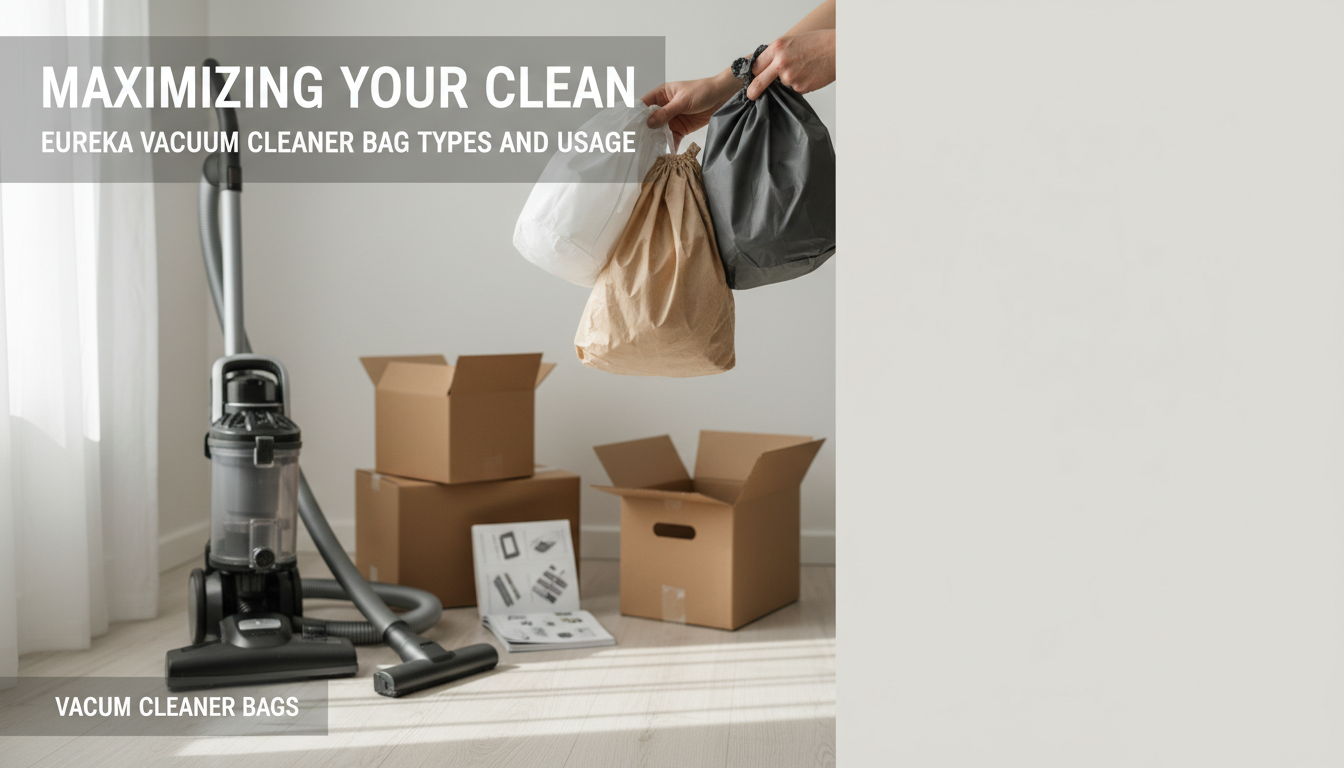
Eureka vacuum cleaners are a staple in many homes, known for their diverse range of models designed to tackle various cleaning challenges. Central to the effective operation and longevity of many Eureka vacuums is the often-underestimated vacuum bag. Far from being a mere dust receptacle, the right bag plays a critical role in how efficiently your vacuum cleans, the quality of air in your home, and even the lifespan of the appliance itself.
This guide aims to empower Eureka vacuum owners and prospective buyers with a comprehensive understanding of vacuum cleaner bags. We'll navigate the different types available, outline essential selection criteria, and provide practical usage tips to ensure your vacuum performs at its peak.
By making informed choices about your vacuum bags, you can unlock several key benefits:
- Sustained Suction Power: Properly fitted and appropriately filled bags prevent clogs and maintain consistent airflow, which is crucial for effective dirt and debris pickup.
- Improved Air Quality: High-quality bags, especially those with advanced filtration, trap microscopic particles and allergens, preventing them from recirculating into your living space.
- Extended Vacuum Lifespan: Using the correct bag type and changing it regularly protects your vacuum's motor from excessive strain and dust buildup, contributing to its durability.
- Maximized Cleaning Efficiency: Matching the bag to your specific Eureka model and cleaning needs ensures you're getting the most out of every cleaning session, reducing the need for repeated passes.
Understanding Eureka Vacuum Bag Varieties: OEM vs. Aftermarket and Filtration
Selecting the appropriate replacement bag for your Eureka vacuum cleaner is crucial for maintaining optimal cleaning efficiency and indoor air quality. The market offers a range of options, primarily categorized by their manufacturer and filtration capabilities, each with distinct implications for performance and cost.
Original Equipment Manufacturer (OEM) Bags
- Definition: These bags are produced by Eureka itself or by manufacturers officially licensed by Eureka.
- Characteristics: OEM bags are designed to precise specifications for specific Eureka models, ensuring a perfect fit and seal within the vacuum's dust compartment. This precision generally translates to reliable performance and consistent airflow.
- Brand Assurance: Choosing OEM bags often provides a level of brand assurance regarding material quality, durability, and filtration effectiveness, as they are tested to meet the manufacturer's standards. However, this can sometimes come with a higher price point.
Aftermarket/Generic Bags
- Definition: Aftermarket bags are produced by third-party companies, not by Eureka.
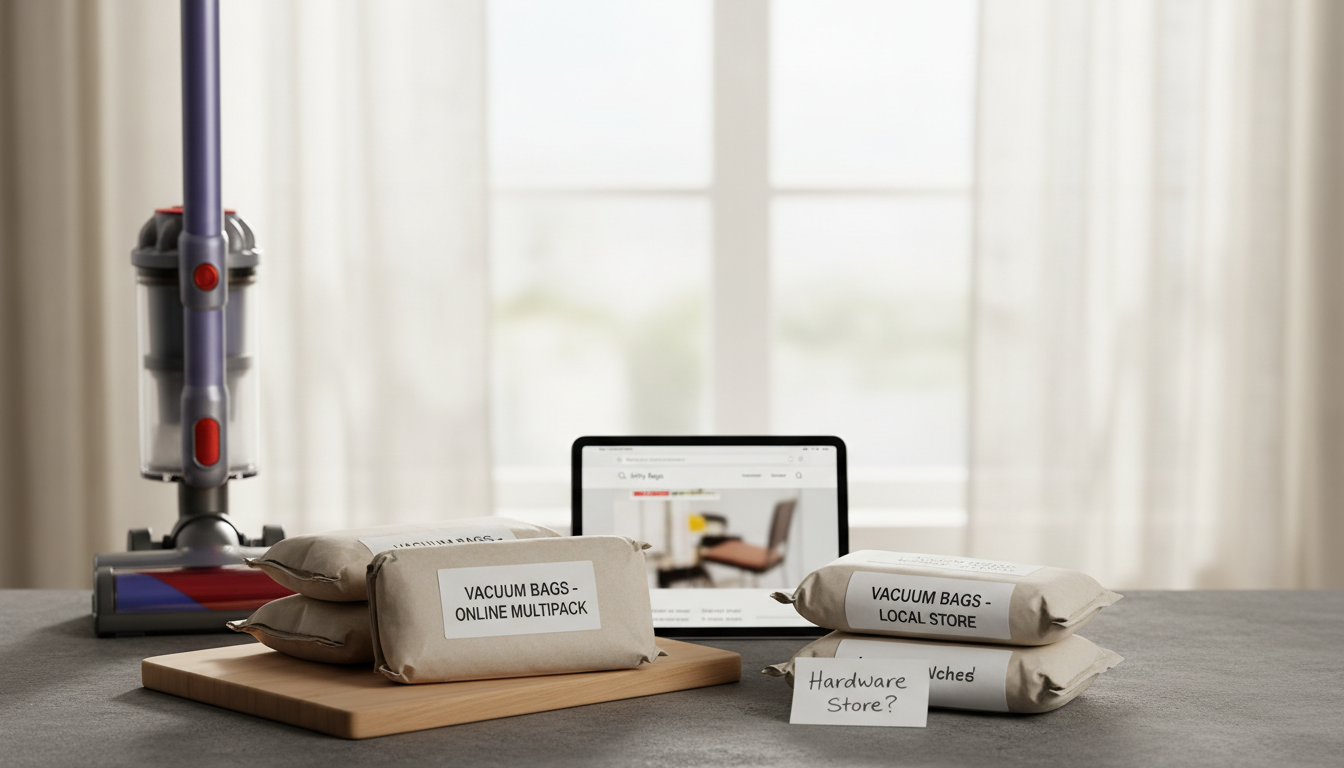
- Characteristics: These options often present a more cost-effective alternative to OEM bags. However, the quality can vary significantly between different aftermarket brands. While some higher-priced aftermarket bags may offer comparable performance and construction to OEM options, others might compromise on material durability or filtration effectiveness.
- Fit and Performance: It is essential to carefully verify compatibility, as aftermarket bags, despite claiming to fit specific Eureka models, may sometimes have slight variations that affect the seal or overall vacuum performance. Poorly fitting or low-quality aftermarket bags can lead to reduced suction power or even dust leakage, diminishing cleaning efficiency and potentially shortening the vacuum's lifespan.
Filtration Levels
The material and construction of a vacuum bag directly impact its ability to capture particles, influencing both cleaning performance and air quality.
- Standard Filtration: Basic paper bags typically offer standard filtration, designed to capture visible dirt and debris. While effective for general cleaning, they may allow finer dust, pollen, and allergens to pass through the exhaust.
- Micro-filtration: These bags incorporate additional layers or denser materials to trap smaller particles than standard bags. Options like "micro-filtration" bags are engineered to capture microscopic dust, pet dander, and common allergens, contributing to improved indoor air quality.
- HEPA Filtration: Representing the highest level of filtration, HEPA-rated bags are designed to capture a significant percentage of microscopic particles, including those as small as 0.3 microns. This is particularly beneficial for households with allergy sufferers or pets.
Material Differences
The choice of material also plays a role in bag performance:
- Paper Bags: Traditionally used, paper bags are generally single-layered and biodegradable. They are often less expensive but can be more prone to tearing if sharp objects are vacuumed or if the bag becomes overfilled. Their filtration capabilities are typically standard.
- Synthetic Bags: Often constructed from multiple layers of synthetic materials, these bags tend to be more durable and resistant to tearing. Their multi-layered design inherently provides enhanced filtration, often contributing to better airflow maintenance as the bag fills, compared to single-layer paper alternatives. This can help sustain suction power for longer periods.
Key Factors for Choosing the Right Eureka Vacuum Cleaner Bags
Selecting the correct replacement bags for your Eureka vacuum is crucial for maintaining optimal cleaning performance and extending your appliance's life. Understanding the specific characteristics and requirements of different bag types empowers you to make an informed choice, ensuring your vacuum operates at its peak efficiency.
Consider the following criteria when evaluating Eureka vacuum cleaner bags:
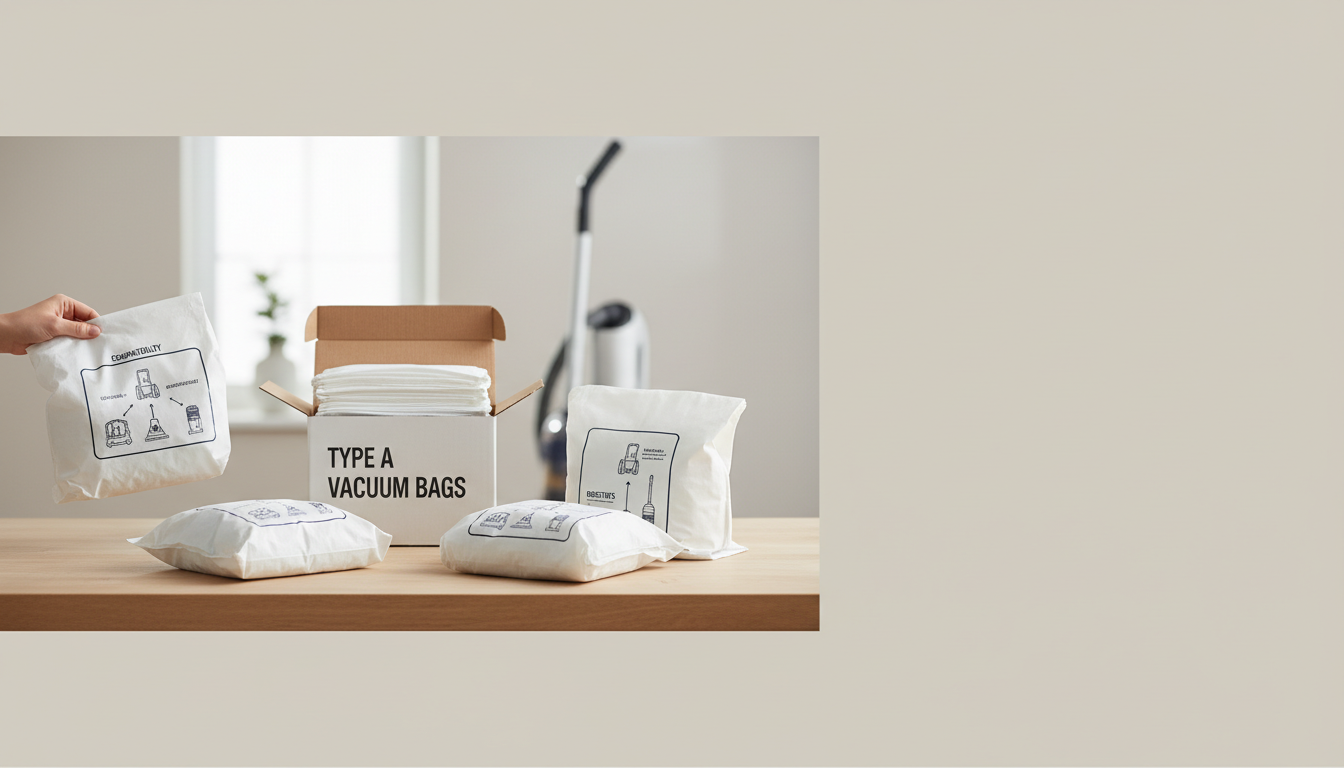
- Vacuum Model Compatibility: The most critical factor is ensuring the bag is designed for your specific Eureka vacuum model and series. Eureka produces a wide range of vacuums, and bags are not universally interchangeable. Always check your vacuum's exact model number (e.g., from the bottom or back of the unit) and cross-reference it with the bag's listed compatibility. Using an ill-fitting bag can lead to dust leakage, reduced suction, and potential damage to your vacuum.
- Filtration Needs: Bag filtration levels directly impact indoor air quality.
- Standard bags are suitable for general cleaning without specific allergy concerns.
- Micro-filtration bags offer a finer level of particle capture, trapping more dust and allergens than standard bags.
- HEPA-rated bags provide the highest level of filtration, designed to capture a significant percentage of microscopic particles, including pet dander, pollen, and dust mites. These are particularly beneficial for households with allergy sufferers or pets.
- Bag Capacity and Material: These aspects influence how often you need to replace bags and their overall durability.
- Capacity dictates how much debris a bag can hold before needing replacement. Larger bags mean less frequent changes, which can be convenient for larger homes or heavy cleaning.
- Material types vary, typically from single-layer paper to multi-layer synthetic fabrics. Synthetic bags often offer enhanced durability against punctures and tears, and their multi-layered construction can contribute to better filtration performance compared to single-layer paper bags.
- Airflow and Suction Impact: The design and material of a vacuum bag directly affect the airflow through your vacuum. A bag that is too restrictive, or one that becomes clogged quickly, can impede airflow, leading to a noticeable reduction in suction power. High-quality bags are engineered to maintain optimal airflow even as they fill, helping to sustain consistent cleaning performance until replacement is needed.
- Value Proposition: Evaluate the long-term cost and performance benefits rather than just the initial price. While some bags may have a lower upfront cost, they might offer less effective filtration, require more frequent replacement due to smaller capacity or poorer durability, or negatively impact your vacuum's suction. Investing in bags that align with your cleaning needs and vacuum model can lead to better cleaning results and potentially extend your vacuum's lifespan, offering greater value over time.
Avoiding Common Pitfalls: Incompatibility, Clogging, and Performance Issues
Selecting the appropriate Eureka vacuum cleaner bag is crucial for maintaining cleaning efficiency and extending your appliance's lifespan. Overlooking specific bag requirements can lead to a range of performance issues, from diminished suction to compromised air quality. Understanding these potential problems helps prevent frustration and ensures your vacuum operates as intended.
Common Bag-Related Challenges
- Incompatibility Issues: A mismatch between your Eureka vacuum model and the bag type is a frequent pitfall. Bags are designed with specific dimensions and collar types to create a sealed fit within the vacuum's dust compartment. Using a bag that doesn't fit correctly can lead to:
- Dust Leakage: Gaps around the bag collar allow dust and debris to escape into the vacuum's motor housing or back into your home's air.
- Motor Strain and Damage: Escaped dust can accumulate in the motor, leading to overheating, reduced efficiency, and potentially premature motor failure. Research indicates that bags "may not fit other vacuum models," underscoring the importance of model-specific compatibility.
- Reduced Suction Power: The primary function of a vacuum cleaner is effective suction. This can be significantly hampered by:
- Overfilled Bags: As a bag fills, airflow through the filter material becomes restricted, causing suction to drop. This forces the motor to work harder without achieving the desired cleaning results.
- Low-Quality Bag Material: Bags made from inferior materials may have poor airflow characteristics even when not full, contributing to "clogging and reduced suction power," as noted in user experiences.
- Premature Clogging: Certain cleaning tasks can accelerate bag filling and clogging:
- Fine Dust and Allergens: Particles like drywall dust, fireplace ash, or large quantities of pet dander can quickly block the microscopic pores of a bag's filter material, reducing its effective capacity.
- Pet Hair: Long pet hairs can mat together, creating dense blockages within the bag or at the intake, further impeding airflow.
- Compromised Air Quality: A vacuum's ability to trap dust and allergens is directly tied to its bag's filtration capabilities.
- Ineffective Filtration: Bags with basic, single-layer construction may allow microscopic particles, including allergens and fine dust, to pass through and be recirculated into the air you breathe. This undermines the vacuum's role in improving indoor air quality.
- Bagged vs. Bagless Filtration: While the article focuses on bagged systems, it's worth noting that "filtration problems" are often associated with bagless models due to their reliance on washable filters that can degrade or be improperly cleaned. Bagged systems, when using appropriate multi-layer or HEPA-rated bags, generally offer a contained and often superior filtration solution, trapping debris within the bag and minimizing re-exposure during disposal. However, this advantage is lost if the wrong bag is used or if the bag is overfilled.
Maximizing Efficiency: Proper Installation, Usage, and Maintenance of Eureka Bags
Optimizing your Eureka vacuum's performance hinges on more than just selecting the right bag; it also involves correct installation, timely replacement, and thoughtful maintenance. Adhering to best practices ensures your vacuum operates at peak efficiency, maintains strong suction, and contributes to cleaner indoor air.
Step-by-Step Bag Replacement
Proper installation is crucial for a secure fit and effective filtration. While specific steps may vary slightly by Eureka model, general guidelines apply:
- Power Off: Always unplug your vacuum cleaner before attempting any maintenance, including bag replacement, to prevent accidental activation.
- Locate Compartment: Identify and open the bag compartment, typically found on the main body or canister. Refer to your vacuum's user manual if unsure.
- Remove Old Bag: Carefully detach the full bag from its collar or holder. Many Eureka bags feature self-sealing collars to minimize dust escape upon removal.
- Inspect and Clean: Briefly check the bag compartment for any accumulated debris or blockages. A quick wipe can prevent future issues.
- Insert New Bag: Align the new bag's collar with the vacuum's intake port and firmly press it into place, ensuring a tight seal. Verify that the bag is fully unfolded within the compartment and not pinched.
- Close Compartment: Securely close the bag compartment door or lid until it latches properly.
Knowing When to Change Your Bag
Running your vacuum with an overfilled bag significantly reduces suction power and can strain the motor. Indicators for a full bag include:
- Reduced Suction: The most common sign. If your vacuum isn't picking up debris as effectively, a full bag is often the culprit.
- Visual Fullness Indicator: Many Eureka models feature a gauge or window that visually signals when the bag is nearing capacity.
- Visible Bag Expansion: If you can see the bag through a compartment window, observe its expansion.
- Increased Motor Noise: A struggling motor working harder against airflow resistance can indicate a full bag.
- Unpleasant Odors: A full bag can trap odors, which may become noticeable during vacuuming.
It's generally advisable to change the bag when it's about two-thirds to three-quarters full, rather than waiting until it's completely packed, to maintain optimal performance.
Disposal Best Practices
Disposing of a full vacuum bag hygienically helps prevent dust and allergens from re-entering your home:
- Minimize Agitation: Remove the bag carefully, avoiding sudden movements that could stir up dust.
- Seal Immediately: If your bag has a self-sealing collar, engage it as soon as the bag is detached. Otherwise, fold the opening closed.
- Secure Disposal: Place the sealed bag directly into a trash receptacle, preferably one with a lid, and dispose of it outdoors promptly.
Tips for Extending Bag Life
While bags are consumables, certain practices can help maximize their effective lifespan:
- Avoid Large or Sharp Debris: Vacuuming items like large food crumbs, sharp objects, or excessive pet hair can prematurely fill, tear, or clog the bag.
- Pre-Clean: For significant spills or very large debris, consider sweeping or using a handheld vacuum first.
- Regular Checks: Periodically inspect the bag compartment and the bag itself, especially if you notice a drop in performance.
- Vacuum Dry Surfaces: Wet debris can clog bags and potentially damage the vacuum.
Synergy with Filters
Beyond the dust bag, your Eureka vacuum likely contains other filters, such as pre-motor and HEPA filters. These filters work in conjunction with the bag to capture fine particles and protect the motor from dust.
- Pre-Motor Filters: Often washable, these protect the motor from larger debris that might bypass the bag. Check and clean them regularly according to your vacuum's manual.
- HEPA Filters: Designed to capture microscopic allergens and pollutants, HEPA filters are crucial for air quality. They typically require replacement periodically, not cleaning.
Ensuring all filters are clean and in good condition is as vital as using the correct bag for maintaining strong suction and efficient air filtration. A clogged filter can mimic the symptoms of a full bag, diminishing overall cleaning effectiveness.
Making Your Informed Choice: Matching Eureka Bags to Your Home's Needs
Selecting the optimal Eureka vacuum cleaner bags goes beyond simply finding a compatible fit; it involves aligning bag characteristics with your household's specific cleaning demands. By considering key attributes and potential trade-offs, you can ensure your vacuum operates at peak efficiency, contributing to a cleaner home environment.
To make a confident decision, reflect on these core considerations:
- Compatibility: This remains paramount. Always verify the bag type and model numbers specified for your Eureka vacuum. Using an incompatible bag can lead to reduced suction, poor filtration, and even damage to your appliance.
- Filtration Level: Different bags offer varying degrees of particle capture. This directly impacts the air quality in your home.
- Capacity: Larger bags generally require less frequent changing, which can be convenient for extensive cleaning tasks or larger homes.
- Value: This encompasses the balance between a bag's cost, its performance, and its durability. Higher-priced bags often incorporate advanced features like multi-layer construction or enhanced filtration.
Scenario-Based Bag Selection:
Your home environment dictates the most effective bag choice:
- For Allergy Sufferers and Pet Owners: Prioritizing air quality is crucial. Bags featuring HEPA or micro-filtration capabilities are designed to capture a higher percentage of microscopic particles, including pet dander, pollen, and dust mites. While these options may come at a higher cost, the benefit of reduced airborne allergens can significantly improve indoor air quality.
- For General Cleaning and Budget-Conscious Users: Standard, single-layer paper bags offer a cost-effective solution for routine dirt and debris. They provide adequate filtration for everyday messes and are suitable when advanced allergen capture isn't a primary concern. This choice represents a trade-off where a lower upfront cost is balanced against standard filtration performance.
Understanding Trade-offs:
The decision often involves balancing competing factors. For instance, choosing bags with superior filtration (like HEPA-rated options) typically means a higher per-bag cost. This increased investment, however, can translate to better air quality and potentially a longer-lasting vacuum motor due to less fine dust passing through. Conversely, opting for more budget-friendly standard bags might save money in the short term but could necessitate more frequent filter cleaning or offer less protection against allergens. Similarly, larger capacity bags might cost more individually but reduce the frequency of purchases and bag changes.
By weighing these factors – your vacuum's specific requirements, your household's health needs, and your budget – you are empowered to confidently select Eureka vacuum cleaner bags that not only fit your model but also enhance your cleaning routine and contribute to a healthier living space.
Your Top Questions Answered: Eureka Vacuum Bag FAQs
Understanding the nuances of Eureka vacuum cleaner bags can significantly impact your cleaning efficiency and the longevity of your appliance. Here, we address common questions to help you make informed decisions.
-
How often should I change my Eureka vacuum bag? The frequency of changing your Eureka vacuum bag depends on several factors, including how often you vacuum, the size of the area cleaned, and the type of debris collected (e.g., pet hair, fine dust). A general guideline is to replace the bag when it is about two-thirds full to maintain optimal suction power and filtration. Continuing to use an overly full bag can lead to reduced performance and potential clogging.
-
Can I use generic or aftermarket Eureka vacuum bags? Yes, you can often use generic or aftermarket Eureka vacuum bags, but it's crucial to prioritize compatibility and quality. While these options can sometimes be more cost-effective, their filtration efficiency and fit can vary. Always verify that aftermarket bags are specifically designed for your Eureka model to ensure a proper seal and prevent dust leakage. Higher-quality aftermarket bags, especially those with micro-filtration or HEPA ratings, may offer comparable performance to genuine bags.
-
What are the benefits of HEPA Eureka vacuum bags? HEPA (High-Efficiency Particulate Air) Eureka vacuum bags offer superior filtration capabilities compared to standard bags. They are designed to capture a higher percentage of microscopic particles, including allergens, pet dander, pollen, and dust mites, down to 0.3 microns in size. This enhanced filtration helps improve indoor air quality, making them a beneficial choice for households with allergy sufferers or pets.
-
Where can I find my Eureka vacuum model number for bag compatibility? To ensure you purchase the correct replacement bags, locating your Eureka vacuum's model number is essential. This number is typically found on a sticker or label affixed to the vacuum cleaner itself. Common locations include the bottom of the unit, the back panel, or along the side of the canister or upright body. You can also consult your vacuum's owner's manual for this information.
A Cleaner Home Awaits: Final Thoughts on Eureka Vacuum Bags
Making an informed choice about your Eureka vacuum cleaner bags is a practical step toward maximizing your cleaning efficiency and maintaining a healthier home. The right bag type, properly selected for your specific model, is crucial for sustaining optimal suction power and ensuring effective filtration of dust and allergens. This attention to detail safeguards your vacuum's motor, preventing strain and potentially extending its operational lifespan, while also contributing to cleaner air within your living space.
Proactive maintenance, particularly the timely replacement of bags, is key to unlocking these benefits consistently. Waiting until a bag is completely full can compromise suction and potentially re-release fine particles into the air. Regularly checking your bag's fill level and replacing it before it's overfilled ensures your Eureka vacuum operates at its best, preventing common issues like reduced performance or clogging. By understanding the nuances of Eureka bag types and integrating these simple, deliberate practices into your cleaning routine, you empower yourself to achieve a truly clean environment. This commitment to proper bag selection and maintenance transforms routine vacuuming into an active investment in a fresher, healthier home.