Cirrus Vacuum Cleaner Bags: Maintaining Peak Performance and Air Quality
The Essential Role of Cirrus Vacuum Cleaner Bags in Home Cleaning
For Cirrus vacuum owners, the bag is more than just a dust collector; it's a critical component directly influencing cleaning effectiveness and indoor air quality. These specialized bags are engineered to capture dirt, debris, and microscopic particles, preventing them from recirculating into your home environment. When functioning correctly, a compatible Cirrus vacuum bag maintains optimal airflow, which is fundamental for consistent suction power and efficient debris collection.
However, an incorrect or improperly functioning bag can lead to common issues such as noticeable suction loss, premature clogging, and reduced filtration efficiency. This guide aims to empower Cirrus vacuum owners to confidently identify and purchase the correct replacement bags for their specific model. By understanding the nuances of Cirrus bag compatibility and filtration types, you can ensure your vacuum operates at peak performance, contributing to a cleaner home and improved air quality over its lifespan.
Understanding Cirrus Vacuum Bag Types and Ensuring Compatibility
Selecting the correct replacement bags for your Cirrus vacuum cleaner is fundamental to maintaining both its cleaning performance and the air quality in your environment. Cirrus vacuum bags are not universal; they are designed with specific dimensions, connection points, and filtration capabilities tailored to particular vacuum models. Mismatched bags can lead to reduced suction, premature bag filling, and even damage to the vacuum's motor or filtration system.
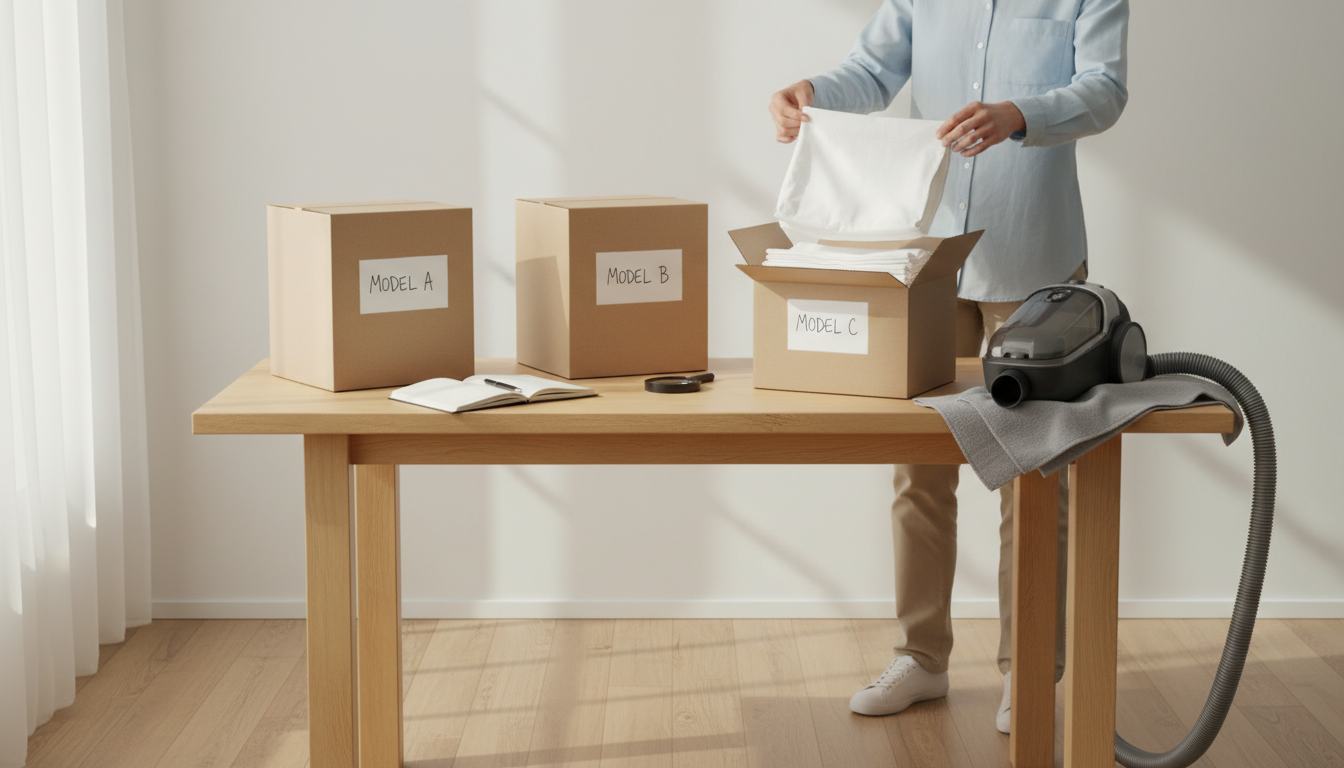
Cirrus employs distinct "Style" designations to differentiate its vacuum bags, often corresponding to whether the vacuum is an upright or canister model. For instance, Cirrus ProGrade Style A bags are typically designed for specific Cirrus ProGrade upright vacuum models, while Cirrus Style B bags cater to other uprights like the CR49 and VC9301S series. In contrast, Cirrus Style C bags are commonly associated with canister models, such as the Cirrus CR109 Canister. Each style ensures a precise fit within its intended vacuum, preventing dust leakage and maximizing collection efficiency.
The most critical step in choosing the right bag is to identify your specific Cirrus vacuum model number and then cross-reference it with the bag's corresponding part number. This information is usually found on a label on the vacuum itself or in its user manual. Relying solely on visual appearance can be misleading, as similar-looking bags may have subtle differences in collar design or capacity that affect compatibility and performance. Using a bag not explicitly designed for your model can compromise the vacuum's sealed system, leading to dust escaping back into the air and diminished suction power.
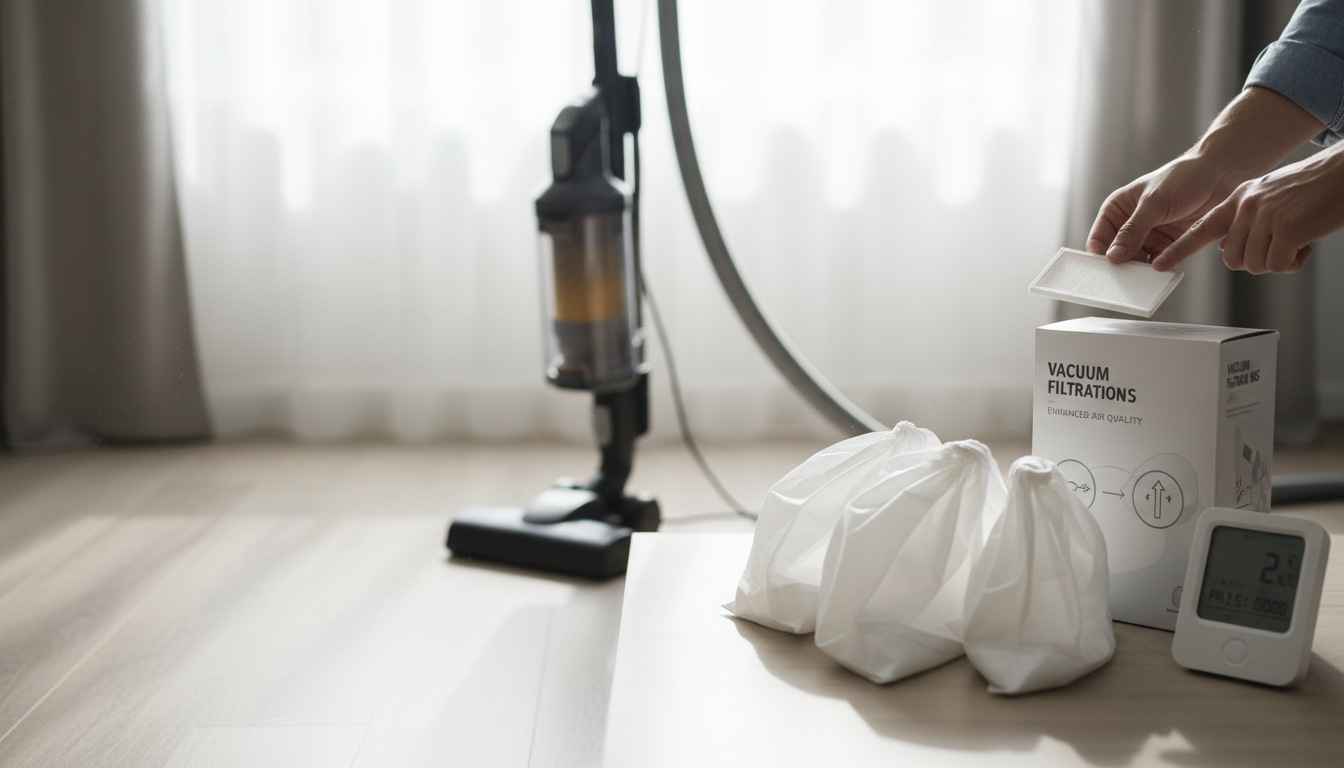
Beyond fit, Cirrus vacuum bags also vary in their filtration capabilities. You will typically encounter two main types: standard and HEPA filtration bags. Standard bags effectively collect general household debris, but HEPA (High-Efficiency Particulate Air) bags offer a significant upgrade in air quality. HEPA bags are engineered to trap a higher percentage of microscopic particles, such as allergens, pet dander, and fine dust, which might otherwise recirculate into the air during vacuuming. For individuals concerned about indoor air quality or those with allergies, opting for HEPA-rated Cirrus bags, like the Cirrus CR109 Canister Style C HEPA Vacuum Bags or Cirrus Style B Hepa Vacuum Bags, can contribute to a cleaner, healthier living space by retaining these minute contaminants within the bag.
How the Right Cirrus Vacuum Bag Elevates Performance and Air Quality
The vacuum bag in your Cirrus cleaner is more than a simple receptacle for dirt; it is a fundamental component of the vacuum's entire filtration system. Its design and quality directly influence both the machine's cleaning effectiveness and the air quality of your home. A properly chosen Cirrus vacuum bag works in concert with the vacuum's motor and airflow, ensuring that dust and debris are not just collected, but also contained efficiently.
Using the correct Cirrus bag is crucial for maintaining consistent suction power throughout the cleaning process. When a bag is designed for your specific Cirrus model, it ensures optimal airflow pathways. An ill-fitting or low-quality bag can restrict this airflow, leading to a noticeable reduction or loss of suction, which significantly impairs the vacuum's ability to pick up dirt and dust effectively. Replacing bags regularly and with the correct model-specific type is a primary step in resolving such performance issues.
High-quality Cirrus bags, particularly multi-layer and HEPA-rated options, play a pivotal role in trapping microscopic particles. These advanced bags are engineered to capture fine dust, allergens, pet dander, and other airborne irritants that might otherwise be recirculated into your home. The enhanced filtration capabilities mean that fewer of these tiny particles escape back into the air you breathe.
This efficient particle capture directly translates to improved indoor air quality. By containing a broader spectrum of airborne contaminants, the right Cirrus vacuum bag contributes to a healthier home environment, potentially reducing triggers for allergies and respiratory sensitivities. Ultimately, the quality and compatibility of the vacuum bag have a direct impact on the overall cleaning effectiveness of your Cirrus vacuum, ensuring it operates at its peak to deliver a truly clean space.
Addressing Common Cirrus Vacuum Bag Problems and Preventing Suction Loss
A Cirrus vacuum cleaner's effectiveness relies significantly on its bag system. When performance declines, such as reduced or lost suction, the vacuum bag is often a primary factor. Understanding common bag-related issues can help maintain your vacuum's cleaning power and indoor air quality.
Several issues can lead to diminished vacuum performance:
- Overfilled Bags: As a bag fills with debris, airflow becomes restricted. This directly reduces suction power, making the vacuum less efficient at picking up dirt.
- Incorrect Bag Type: Using a bag not designed for your specific Cirrus model can lead to poor fit, allowing dust to bypass the filtration system and potentially clog internal components.
- Poor-Quality Bags: Bags made with inadequate materials may tear, leak dust, or offer inferior filtration, compromising both the vacuum's performance and the air quality in your home.
Recognizing when to change your Cirrus vacuum bag is key to preventing these problems. Look for these signs:
- Noticeable Suction Loss: This is often the most direct indicator.
- Visible Bag Fullness Indicator: Many Cirrus models include a gauge or light.
- Reduced Cleaning Effectiveness: If the vacuum isn't picking up debris as it usually does.
- Dust Escaping: If you notice dust or odors returning to the air during vacuuming.
Using non-compatible or generic bags introduces several risks. A poor fit can lead to dust leakage into the motor compartment, potentially causing damage or reducing the vacuum's lifespan. Generic bags may also lack the filtration capabilities of genuine or recommended alternatives, allowing allergens and fine particles to recirculate into your home's air. This compromises air quality and the very purpose of vacuuming. Ensuring the bag's seal and material quality is crucial for trapping debris effectively.
Ultimately, selecting the correct, model-specific Cirrus vacuum bag is the most effective way to resolve and prevent these performance issues. These bags are designed to fit precisely, maintain optimal airflow, and provide the intended level of filtration, ensuring your Cirrus vacuum operates at its peak.
Key Criteria for Choosing the Best Cirrus Vacuum Cleaner Bags
Selecting the correct replacement bags for your Cirrus vacuum is fundamental to maintaining its cleaning efficiency and ensuring healthy indoor air quality. An ill-fitting or incompatible bag can lead to reduced suction, premature motor wear, and the release of dust back into your environment. By focusing on specific characteristics, you can confidently identify the ideal bags for your Cirrus model, safeguarding both your vacuum's performance and your home's air.
-
Cirrus Vacuum Model and Series Identification: This is the most critical factor. Every Cirrus vacuum model is designed for a specific bag type. Locate your vacuum's model number, often found on a sticker on the back or bottom of the unit, or within your owner's manual. For example, a Cirrus CR109 canister vacuum requires a different bag than a Cirrus ProGrade upright. Matching the bag to the exact model ensures proper fit, seals effectively, and allows for optimal airflow.
-
Bag Style and Part Number Verification: Beyond the model number, Cirrus bags often have a specific "style" designation (e.g., Style A, Style B, Style C) or a unique part number (e.g., C-14040, ZW03041-42). This information is typically printed on your existing bag or listed in your vacuum's manual. Confirming both the style and part number eliminates guesswork and guarantees compatibility.
-
Filtration Level for Air Quality: Consider your household's needs when choosing between standard and HEPA filtration bags.
- Standard bags are suitable for general household dust and debris.
- HEPA bags are designed to capture a higher percentage of microscopic particles, such as allergens, pet dander, and pollen. If anyone in your home experiences allergies, has pets, or if you simply prioritize superior air quality, HEPA bags offer a significant advantage by trapping these fine particles within the bag.
-
Bag Capacity and Pack Size: Bags vary in their internal capacity and how many come in a pack. A larger capacity bag might mean less frequent changes, which can be convenient. Pack size influences overall value and ensures you have replacements on hand. Evaluate your cleaning frequency and the typical amount of debris collected to determine the most economical and practical pack size for your usage.
-
Material and Construction Durability: The material quality of the bag directly impacts its performance and reliability. Look for multi-layer construction, which enhances filtration and provides greater tear resistance. Durable materials help prevent bags from bursting during use or when being removed, containing collected debris effectively and protecting your vacuum's internal components.
By systematically addressing these criteria, you can narrow down your options to a shortlist of compatible Cirrus vacuum cleaner bags that meet your specific performance and air quality requirements. This approach helps avoid common issues like suction loss or premature bag filling, ensuring your Cirrus vacuum operates at its peak.
Frequently Asked Questions About Cirrus Vacuum Bags
Understanding the nuances of Cirrus vacuum bags can significantly impact your cleaning effectiveness and home air quality. Here are answers to common inquiries to help you make informed decisions.
How often should Cirrus vacuum bags be changed for optimal performance?
There isn't a fixed schedule for changing Cirrus vacuum bags, as frequency depends on several factors. Heavy use, pet hair, and fine dust accumulation will fill a bag more quickly. A full or nearly full bag restricts airflow, leading to a noticeable decrease in suction power and increased strain on the vacuum motor. For peak performance and to prevent motor overheating, it's generally advisable to replace the bag when it's about two-thirds to three-quarters full, rather than waiting until it's completely packed.
Can I use generic or off-brand bags in my Cirrus vacuum, and what are the trade-offs or risks?
While generic or off-brand bags might offer a lower initial cost, using them in your Cirrus vacuum can come with trade-offs and potential risks. The primary concern is fit: an improperly fitting bag can lead to dust leakage inside the vacuum, bypassing the filtration system and potentially damaging the motor or re-releasing dust into your air. Generic bags may also have different filtration efficiency, material strength, or airflow characteristics compared to genuine Cirrus bags, which could compromise suction or overall air quality. Always prioritize bags designed specifically for your Cirrus model to ensure proper fit and filtration.
How do I find the correct model number or bag style for my specific Cirrus vacuum cleaner?
To ensure you purchase the correct replacement bags, locate your Cirrus vacuum cleaner's model number. This information is typically found on a sticker or plate on the back, bottom, or side of the vacuum unit. Cirrus vacuum bags are often identified by a "Style" designation (e.g., Style A, Style C), which corresponds to specific vacuum series. Once you have your model number, cross-reference it with the bag style listed in your owner's manual or on the manufacturer's official website.
What are the clear signs that my Cirrus vacuum bag needs to be replaced?
Several indicators suggest your Cirrus vacuum bag is full or requires replacement:
- Reduced Suction: The most common sign is a noticeable drop in cleaning power, making it harder to pick up debris.
- Vacuum Overheating: A full bag forces the motor to work harder, which can lead to overheating and an unpleasant burning smell.
- Dust Escaping: If you observe dust or fine particles escaping from the vacuum's exhaust, it could indicate a torn, improperly seated, or overfilled bag.
- Visible Full Indicator: Some Cirrus models include a "bag full" indicator light or gauge that illuminates when the bag needs attention.
- Increased Weight: The vacuum may feel heavier or more cumbersome to push due to the accumulated debris.
Do HEPA vacuum bags truly offer a noticeable difference in air quality compared to standard bags?
Yes, HEPA (High-Efficiency Particulate Air) vacuum bags can offer a significant difference in indoor air quality compared to standard bags, especially for individuals with allergies, asthma, or heightened sensitivity to airborne particles. HEPA bags are designed to capture a much higher percentage of microscopic particles, including pollen, pet dander, dust mites, and mold spores, typically down to 0.3 microns in size. Standard bags, while effective for larger debris, may allow finer particles to pass through the bag material and re-enter the room. For the full benefit of HEPA filtration, ensure your Cirrus vacuum is designed as a sealed system to prevent air from bypassing the bag.
Making the Right Choice for Your Cirrus Vacuum's Longevity and Performance
The sustained effectiveness of your Cirrus vacuum cleaner, alongside the cleanliness of your indoor air, hinges significantly on the selection of appropriate replacement bags. Making an informed choice ensures your appliance operates at its best, preventing common issues like reduced suction and premature wear.
To confidently select the correct Cirrus vacuum cleaner bags, prioritize these key considerations:
- Model Compatibility: Always verify the specific model number of your Cirrus vacuum. Bags are designed for precise fit, and using an incorrect style can compromise suction, filtration, and even damage the vacuum.
- Filtration Needs: Consider the filtration level offered by the bags. Options like HEPA-rated bags are crucial for households with allergy sufferers or pets, as they capture a higher percentage of microscopic particles.
- Timely Replacement: Regular bag replacement is fundamental. Overfilled or clogged bags drastically reduce suction power and place undue strain on the vacuum's motor, impacting its efficiency and lifespan.
By aligning your bag choice with your specific Cirrus model and household requirements, you directly contribute to the vacuum's optimal performance. This careful selection not only maintains strong cleaning efficiency but also supports the longevity of your appliance and promotes a healthier living environment through superior air filtration.
More in Vacuum Cleaner Bags
View All